A Lesson in Survival from an October Forest

Instructions for living a life:
Pay attention.
Be astonished.
Tell about it

-Mary Oliver, “Sometimes”

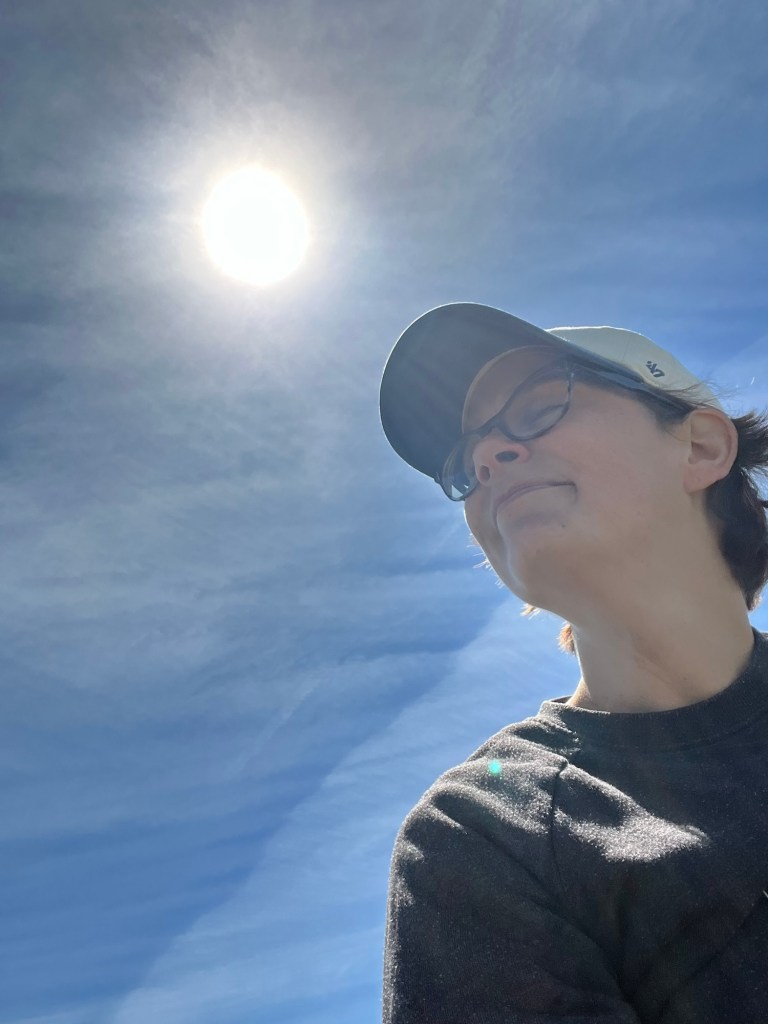
A glorious Saskatchewan October makes me want to slow down.

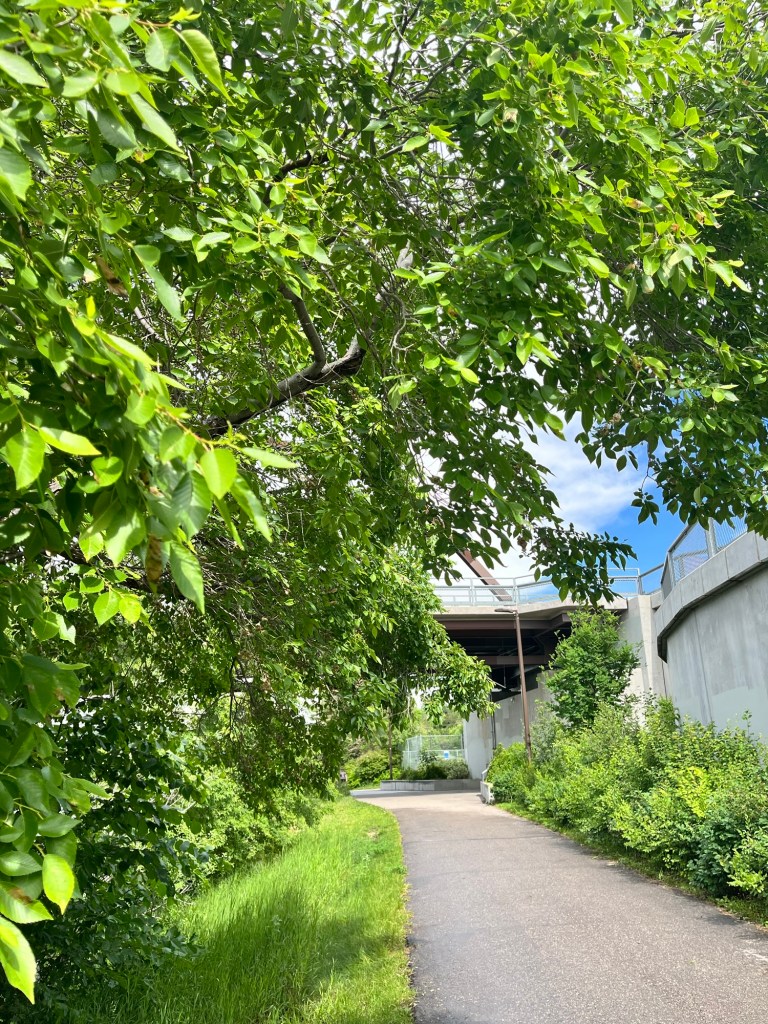
The mornings are cooler. The air has that sharpness to it that makes you take a deeper breath. The leaves are turning dazzling shades of yellow, orange and red (the trees have determined subtlety is overrated.)
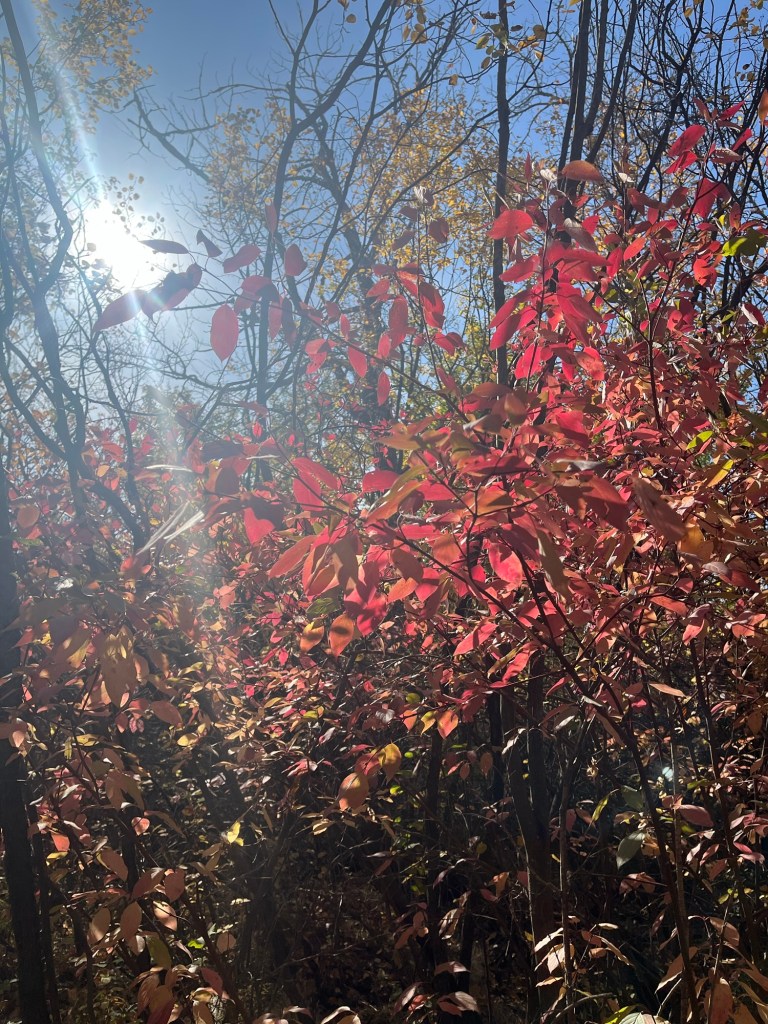
And then there are the trees themselves. They are preparing for winter. But they aren’t panicking about it. At least, as far as I know.

They aren’t standing in the forest thinking:

I should probably be handling this better.

Why am I not recovering faster?

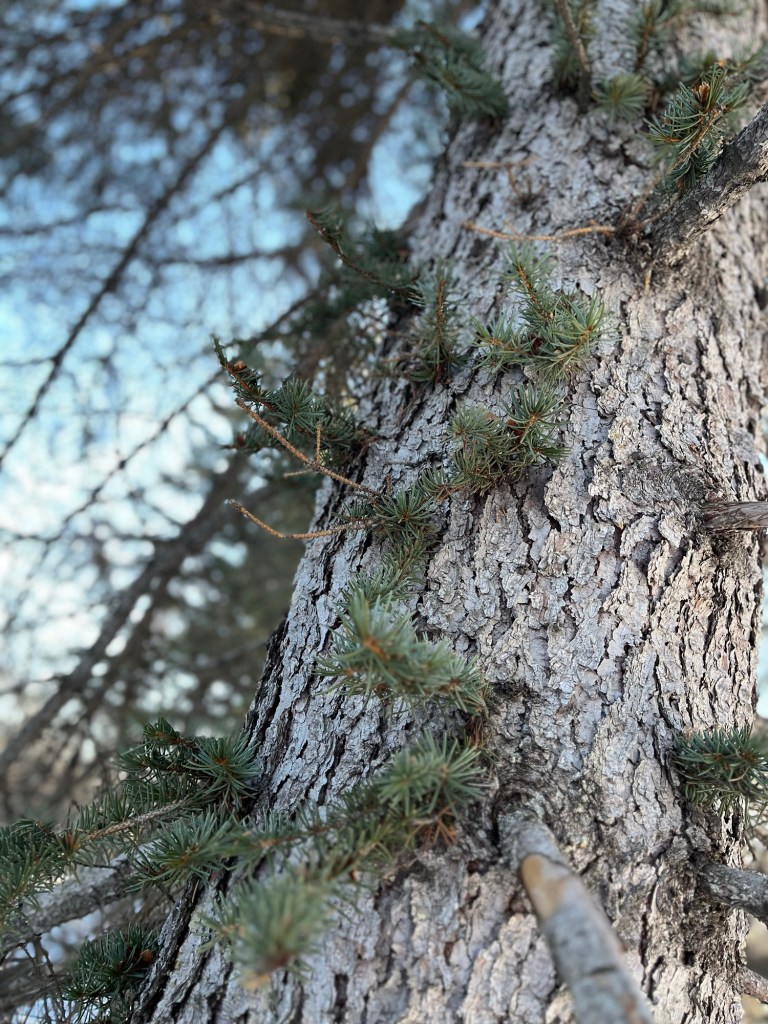
They simply respond to what is happening around them. The temperature changes. The light changes. The seasons change. And the tree changes with them.
I have been thinking about that.

Our bodies are remarkably good at responding to stress. They were built to handle it.

The problem isn’t stress itself.

It’s what happens when the stress doesn’t end.

Your body knows how to handle stress

Dr. Robert Sapolsky has spent decades studying the physiology of stress, and one of the distinctions in his work that I find particularly helpful is the difference between acute stress and chronic stress.

Acute stress is the short-term kind.

Something happens. Your body responds. You get through it. And then, ideally, you recover.

That kind of stress isn’t necessarily harmful. In fact, it’s part of being human.

It’s what helps you react when your grandchild suddenly runs toward the road.

It’s what gives you that burst of energy when you need to perform.

It’s the nervous energy before speaking in front of people.

A little stress can sharpen us. To help us focus and respond.

The problem comes when the alarm system doesn’t get to turn off. When there is constantly something setting it off.

When stress becomes chronic. When the body remains activated without enough opportunity for recovery, it can begin to affect sleep, immune function, cognition, metabolism and many other systems.

Our bodies aren’t designed to live indefinitely in emergency mode.

And yet…

So many of us do.
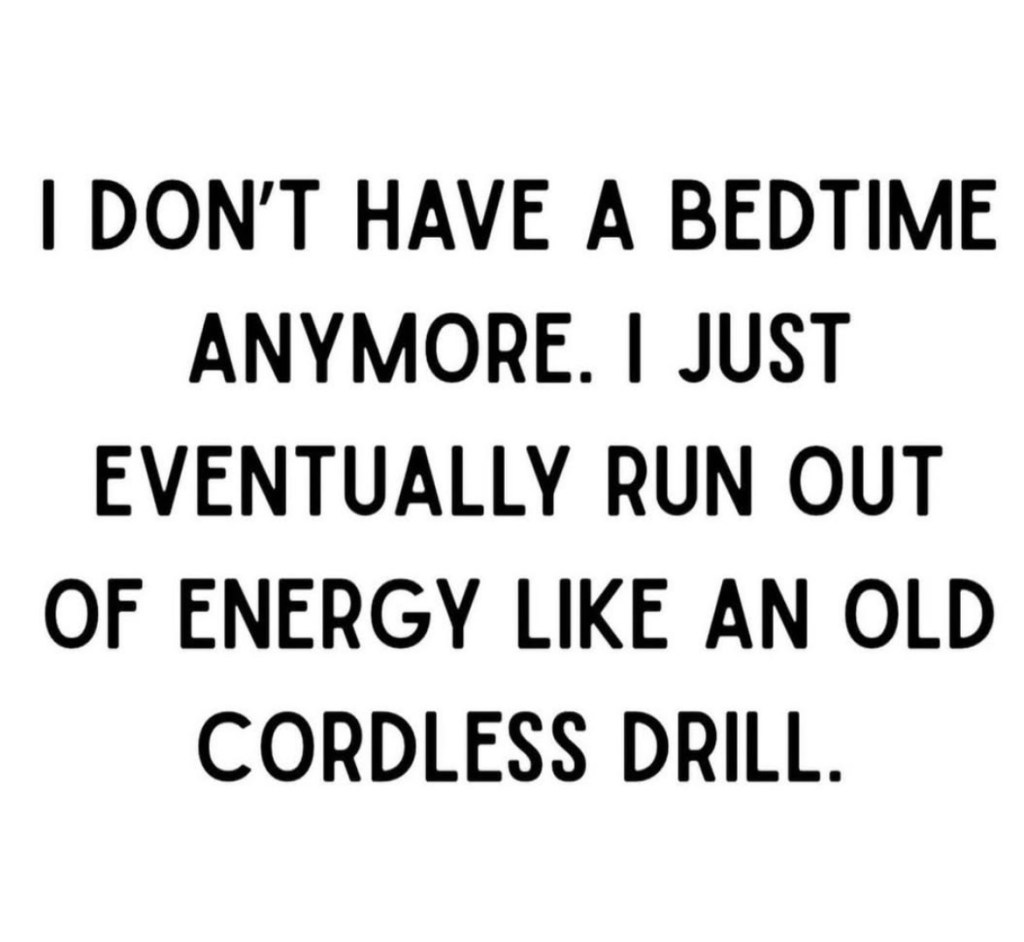
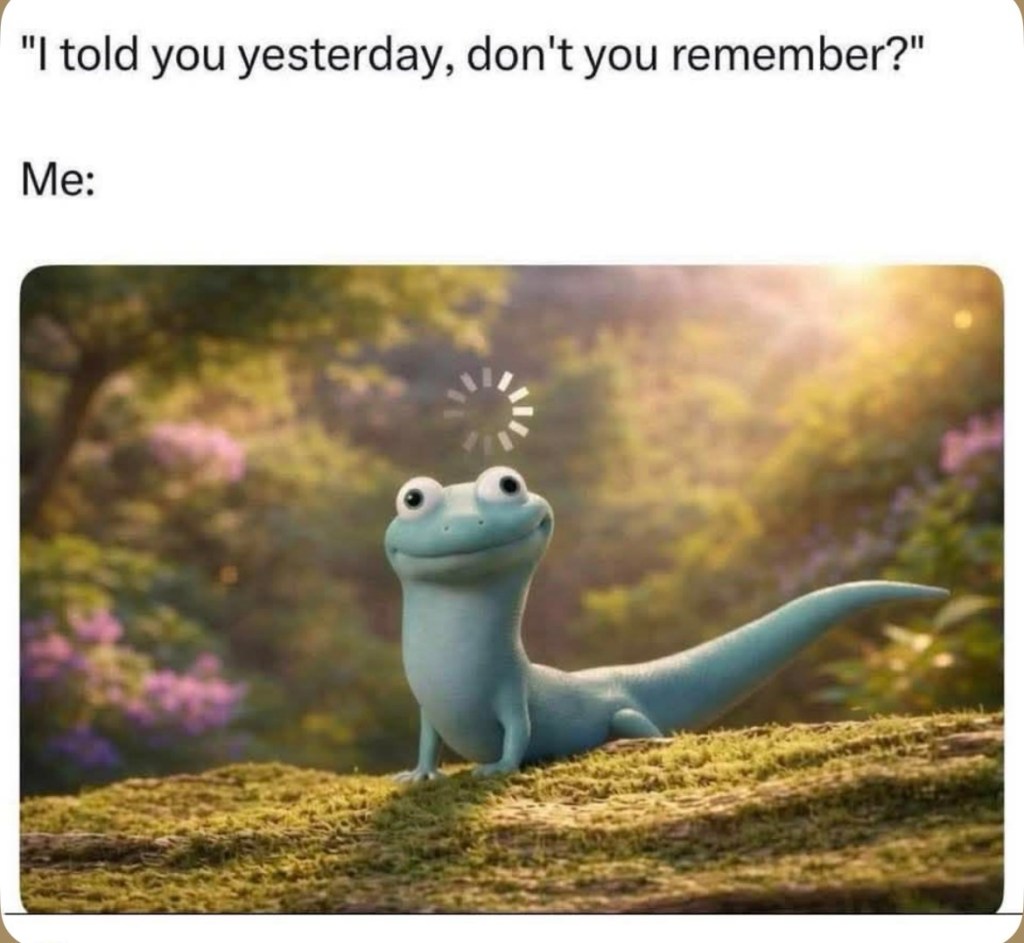
I admit this has become my default. I notice it when I find myself standing in the kitchen with my personal version of the Windows loading screen. Everything is technically running, but nothing is responding properly.
Long term stress physiology is associated with a wide range of health problems. And when I look at my own personal health history, I can’t help but wonder how much my body has been asked to carry for far too long.

What happens when the system never gets to stand down?

I’ve spent a lot of time thinking about this because chronic pain has taught me something I wish I had learned much earlier:

Your body can be working incredibly hard even when you’re doing absolutely nothing.

Someone looking at me sitting on the couch might think I’m resting. And on the outside, I am.

But if my nervous system is still responding to pain as though something is wrong, I am not resting or recovering. Rest isn’t necessarily the same thing as recovery.
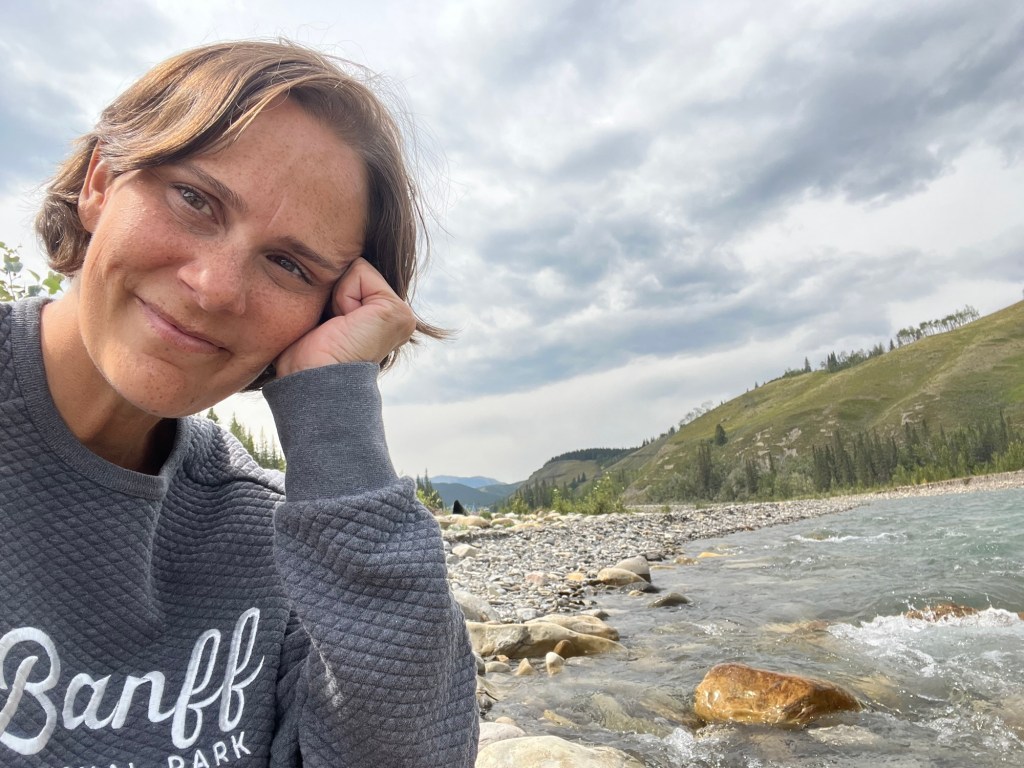
An important distinction.

Stress physiology is complicated. Cortisol and the sympathetic nervous system are not villains. We need them. They help us wake up, respond to challenges, regulate energy and survive.

But a system that is repeatedly activated without adequate recovery can become strained.

Sleep can suffer. The immune system can be affected. Hormonal regulation can become disrupted. Concentration can become harder.

The brain can become more focused on immediate survival and less able to access the thoughtful, flexible parts of itself.

And eventually, you may start wondering:

Why does everything feel harder than it should?

Think about a forest

Imagine a tree in a Saskatchewan forest.
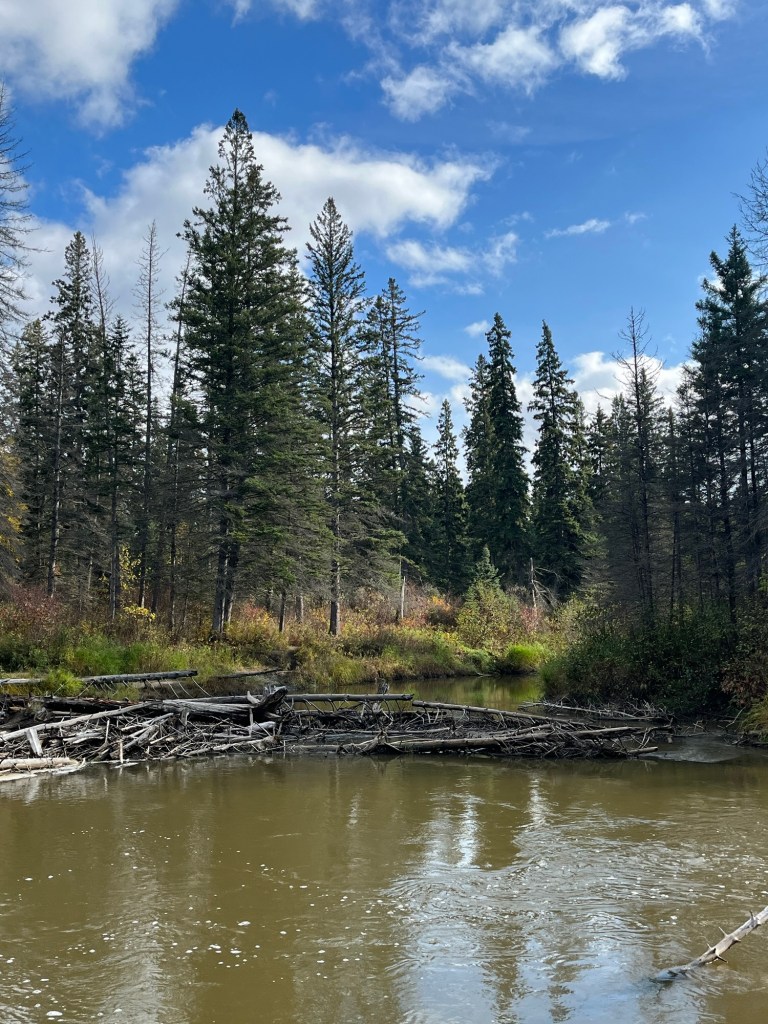
It has to withstand wind. Heat. Drought. Snow. Ice. Insects. Storms.

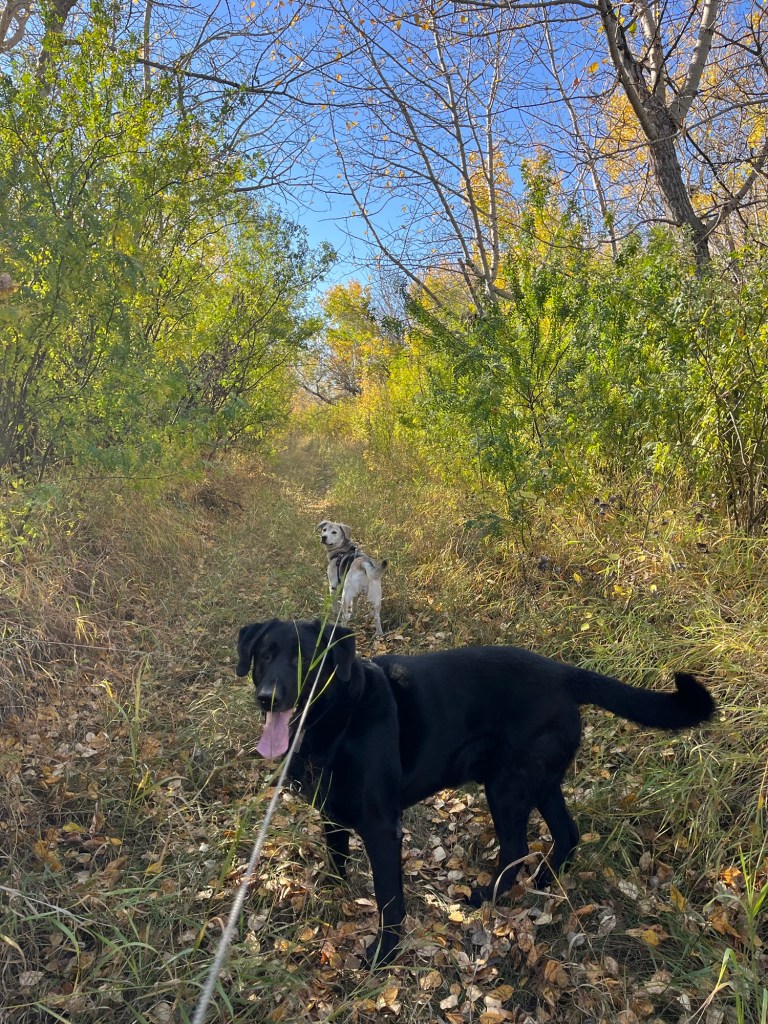
And sometimes a dog. Then another dog. And another.

The tree doesn’t avoid every stressor. It can’t.

Instead, it has systems that allow it to respond and recover.

There are periods of growth. Periods of dormancy. Periods when resources are plentiful. Periods when resources are scarce.

The whole system changes depending on what is happening around it.

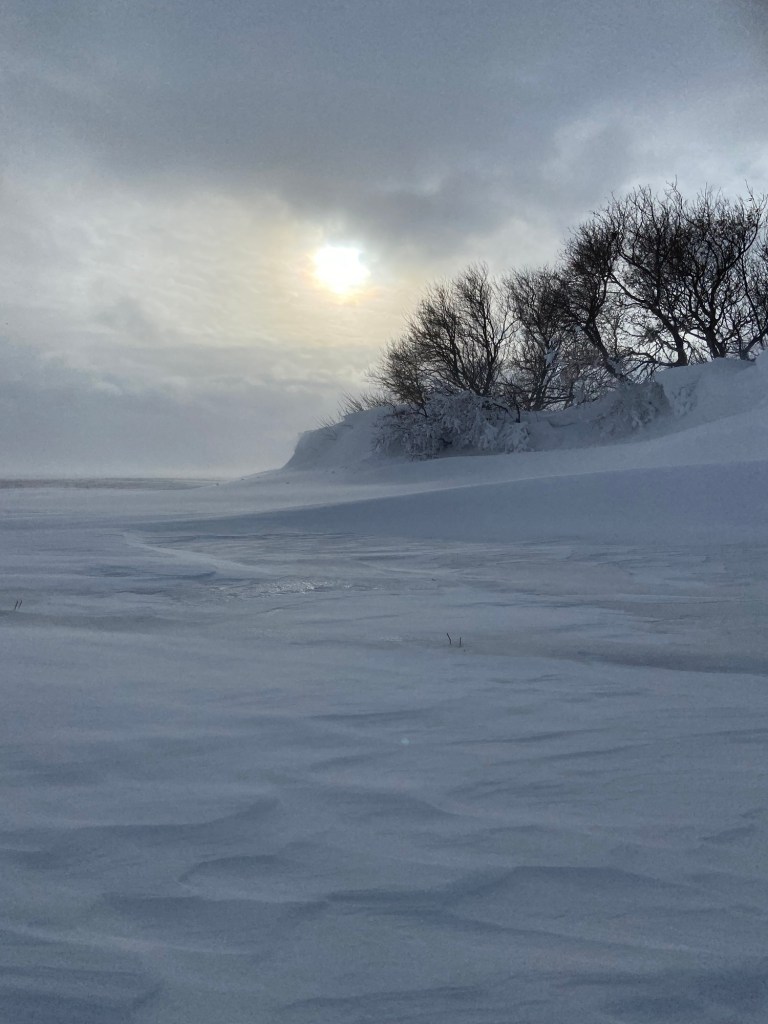
Now imagine that tree experiencing a Saskatchewan windstorm…

…every single day…

…without ever getting a calm day.

Eventually, the problem wouldn’t simply be the wind.

It would be the lack of recovery between the winds.
Do we spend all our energy trying to eliminate every source of stress when what our bodies may desperately need is something else:

more opportunities to come back down? Is this something that can be done while experiencing pain?

Clinophile

A lover of going to bed 🙋‍♀️

Recovery isn’t something you earn

This is where I have had to change my thinking.

I used to treat things like sleep, healthy food, movement, hydration and time outside as things I would get around to when everything else was done.

You know.

I’ll drink more water when I’m less busy.

I’ll get outside tomorrow.

I’ll start eating better when things settle down.

I’ll exercise when I know how to do it without hurting.

I’ll prioritize sleep when I finally get caught up.

Which is a fascinating strategy.

We all know the “when things settle down” portion of life never actually arrives.
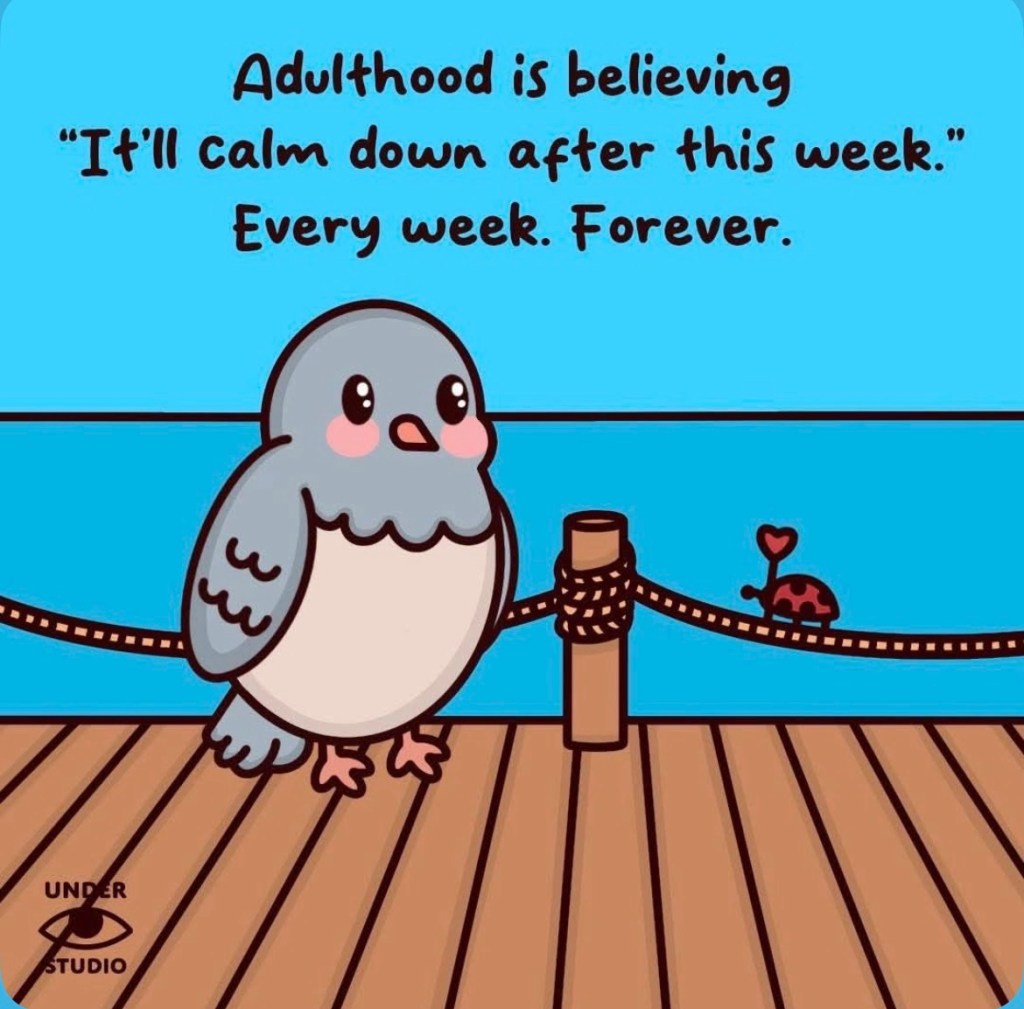
I’ve discovered that these things aren’t rewards for finishing everything else.

They’re part of the maintenance.They’re part of supporting the system.

Drink the water.💦

Not because water is going to magically cure your problems.

But because your body needs it. Down to the cellular level.

Eat food that actually supports you. 🍗 🥗

Not perfectly. Not Instagram post worthy.

Not twelve ingredients you’ve never heard of and a smoothie that costs $19.

Just real, nourishing food more often.

Move your body in ways your body can tolerate. 🏃‍♀️ 🚶‍♀️ 🏋️‍♀️ 🏊‍♀️

A walk.

Gentle stretching.

Mobility work.

Dancing in your kitchen.

Whatever movement is appropriate for you.

Movement doesn’t have to mean punishing yourself at the gym. Unless that’s your thing. Then go for it.

Protect your sleep. 🛌

Sleep isn’t wasted time.

It’s recovery time.

Get outside. 🌲 🌺 ☀️

Especially when you can.

Feel the cooler air.

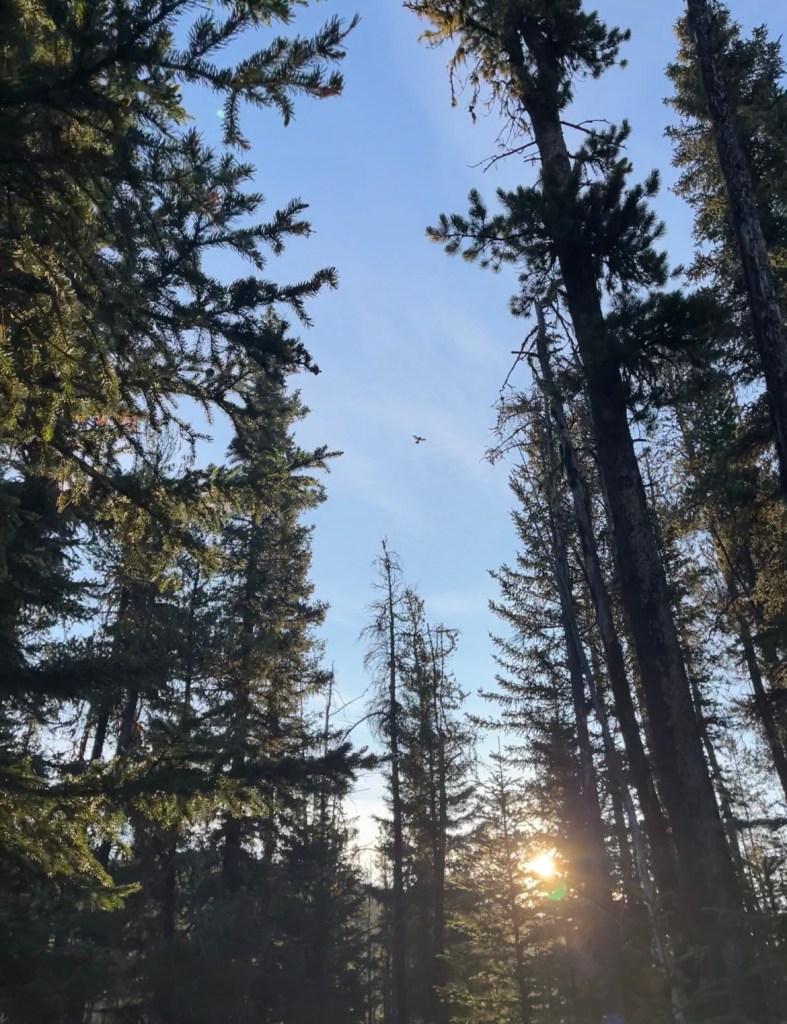
Notice the trees.

Let your eyes move farther than the four walls you’ve been staring at.

And create actual pauses. 🧘‍♀️ 😮‍💨

Not scrolling pauses.

Not answering emails while planning your next move pauses.

Not I’m technically sitting down but mentally fighting multiple battles pauses.

Real pauses.

Your nervous system needs some evidence that the emergency is over.

Even when the pain is not.
I don’t want to put the medical world on the shelf

I also want to be clear about something.

I’m not suggesting that we replace medicine with nature.

Or medication with supplements.

Or doctors with trees.

Please don’t fire your doctor because I told you to go hug a tree.

I’m suggesting something slightly different.

What if we stopped expecting medicine to carry the entire load?

What if we used the medical world as one part of our support system rather than waiting until our bodies are screaming before we do anything to support them?

There is room for both.

There is room for medication.

There is room for physiotherapy.

There is room for testing, specialists and evidence-based treatment.

And there is also room for sleep. Food. Water. Movement. Connection. Fresh air. Sunlight. Stillness. Nature. Breathing.
And learning to notice what our bodies are actually telling us. Past the noise of pain.

Those things don’t have to compete.

They can work together.

A little forest therapy for a body that has been holding on

One of my favourite practices for this idea would be a simple “storm and stillness” sit spot.

Find a place outside where you can sit comfortably for 10–15 minutes.

You don’t have to hike anywhere impressive. Your backyard counts. A park counts.

No majestic mountain vista required. A Saskatchewan ditch with a sapling and the distant call of a magpie will do.

Sit down.

For the first few minutes, simply notice signs of movement around you.

Leaves moving.
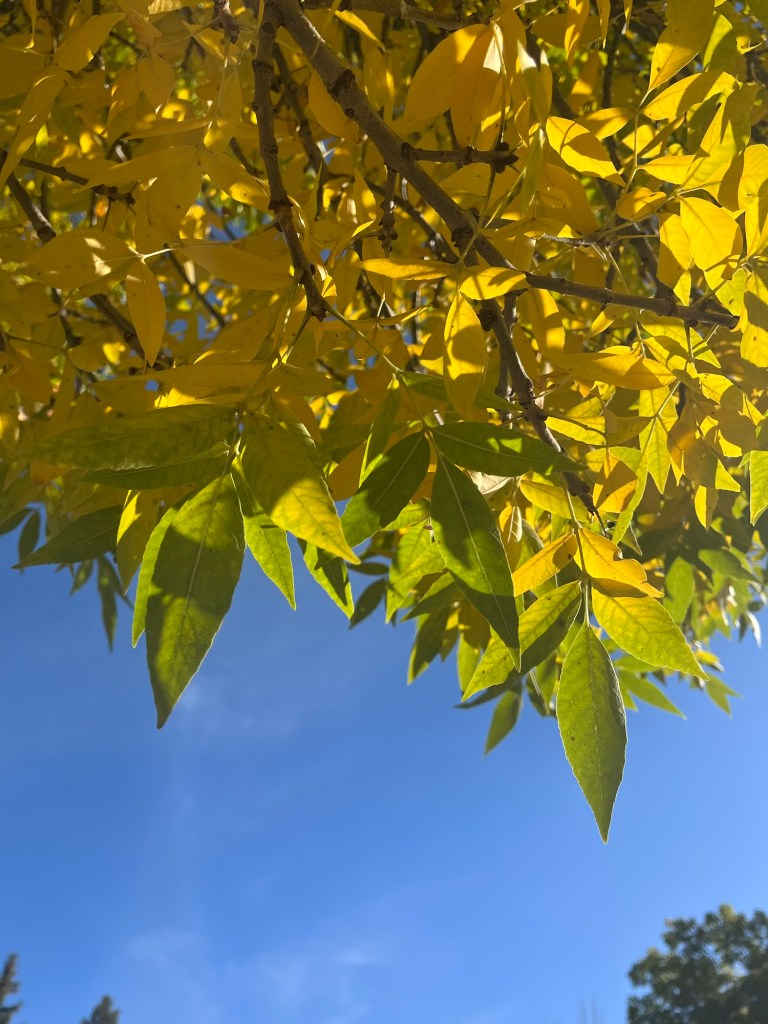
Branches swaying.
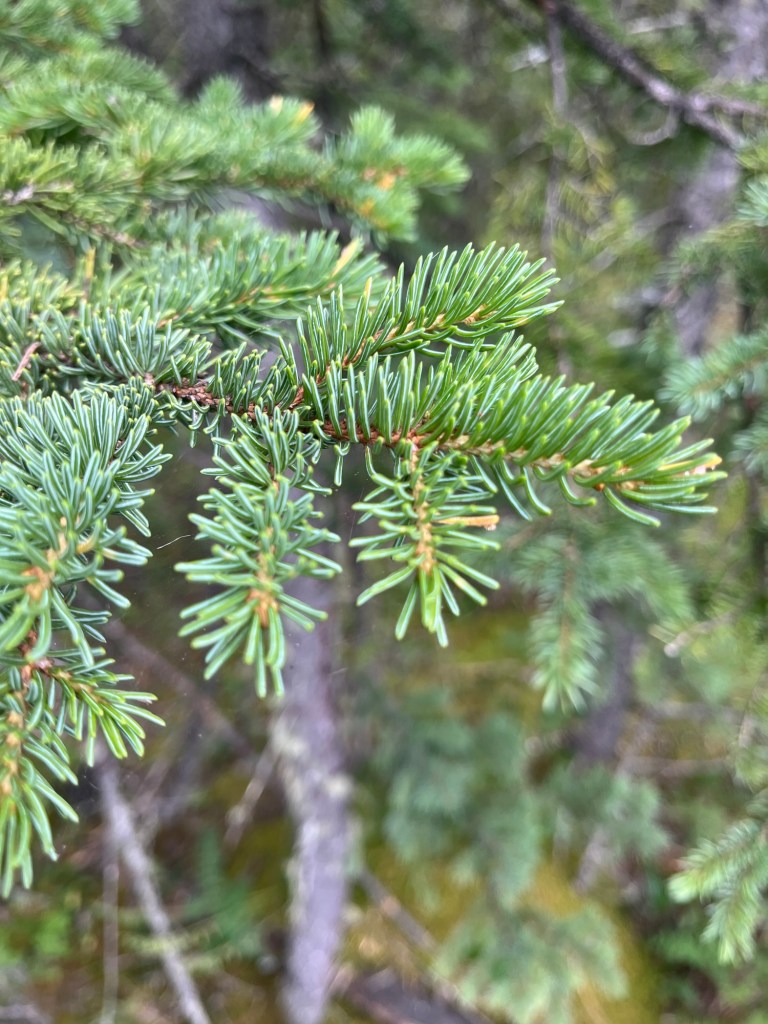
Birds flying.
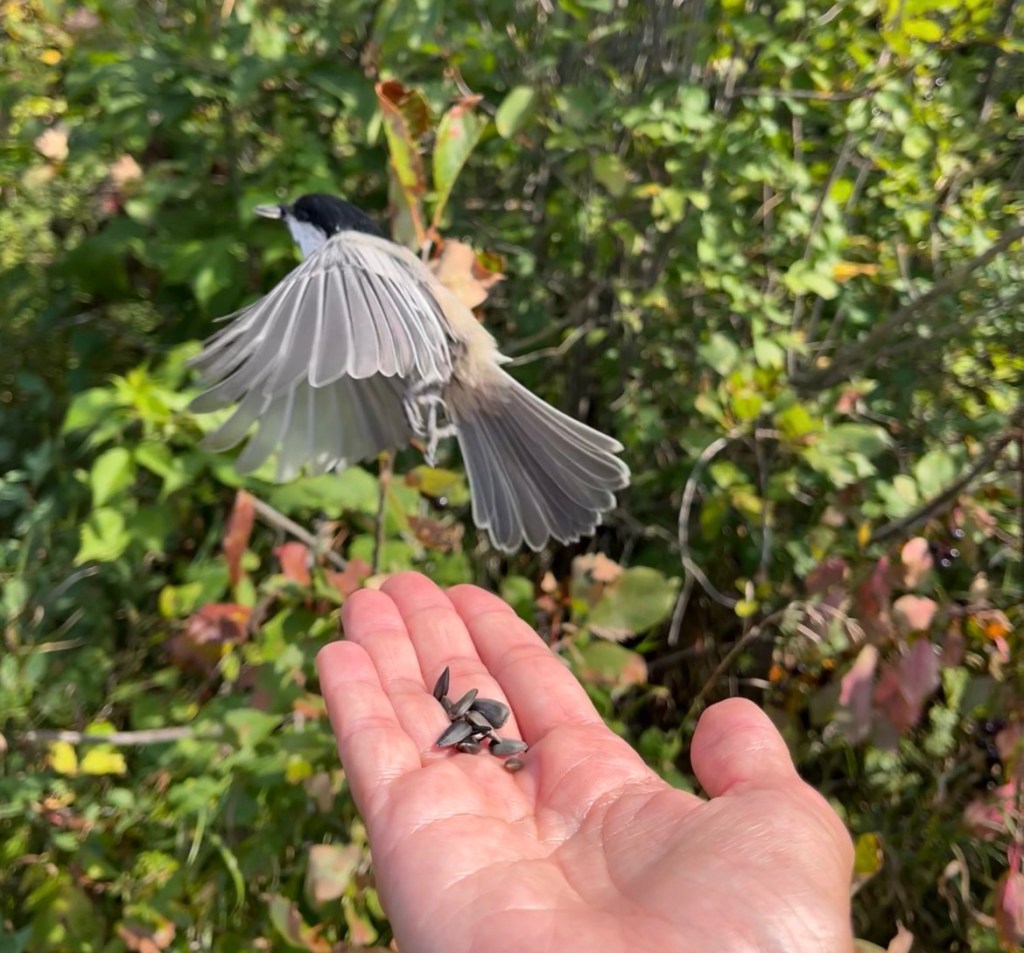
Clouds crossing the sky.
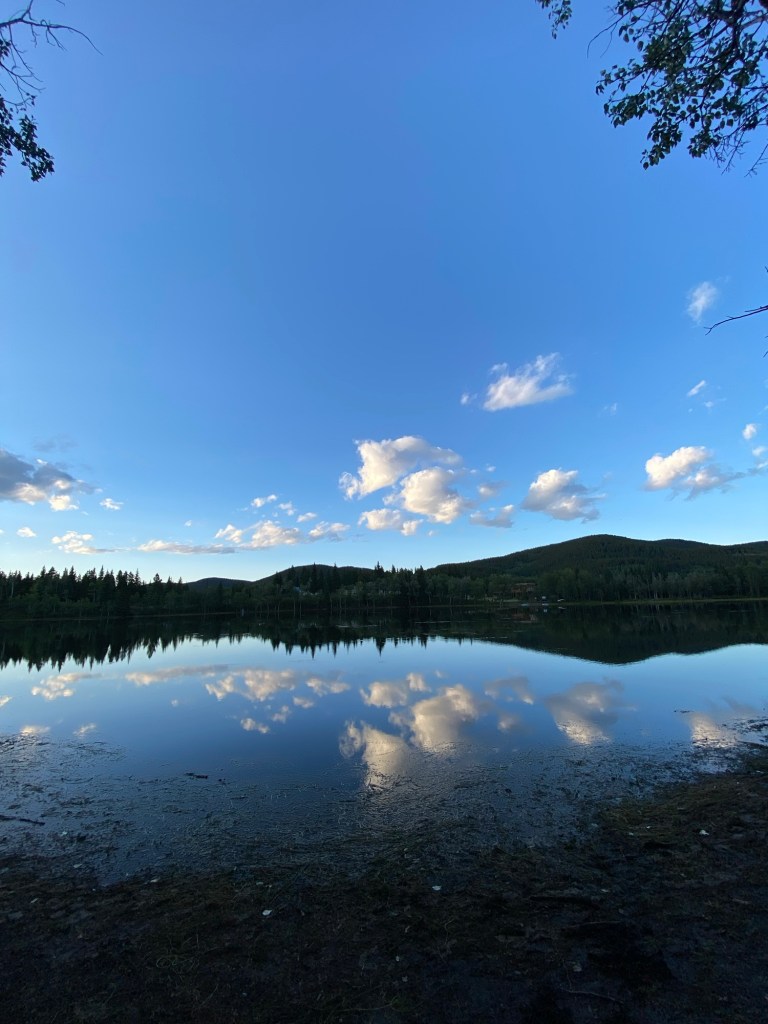
People walking.
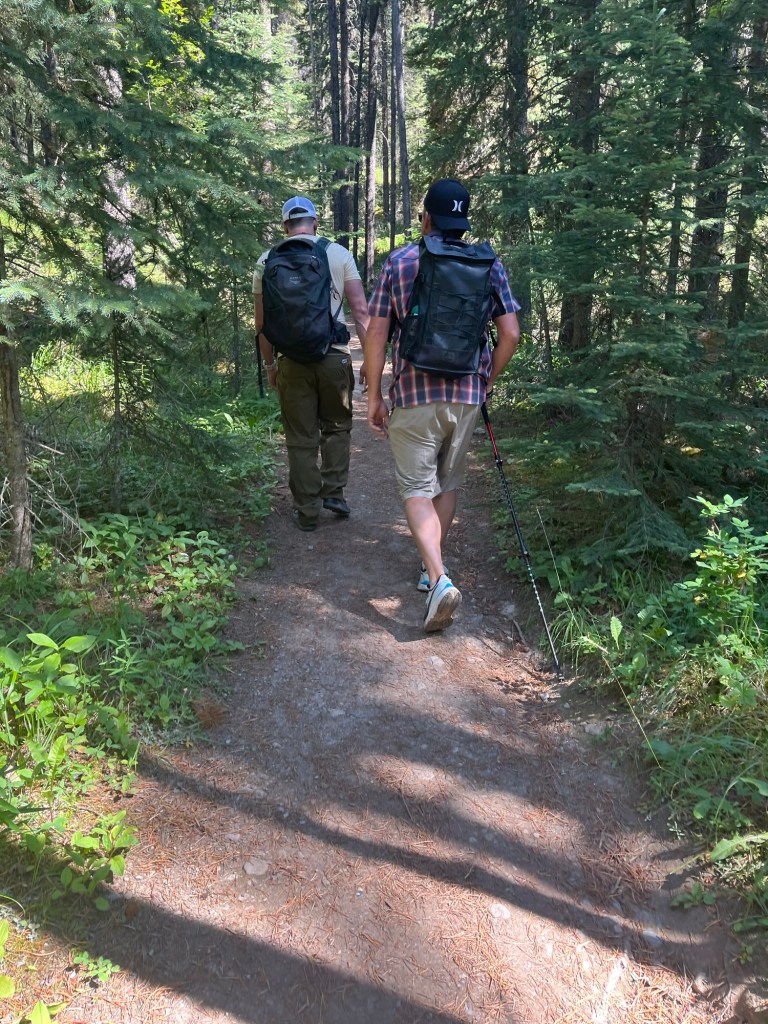
Your own thoughts.
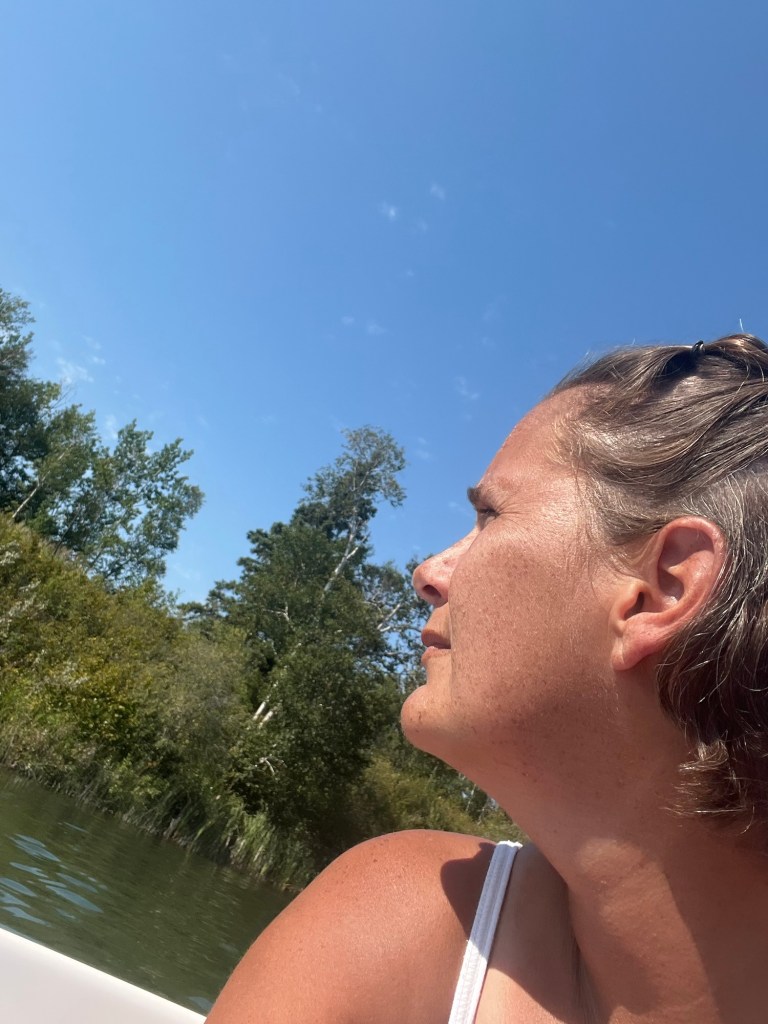
Notice how much movement exists around you.

Then look for something that is not moving.

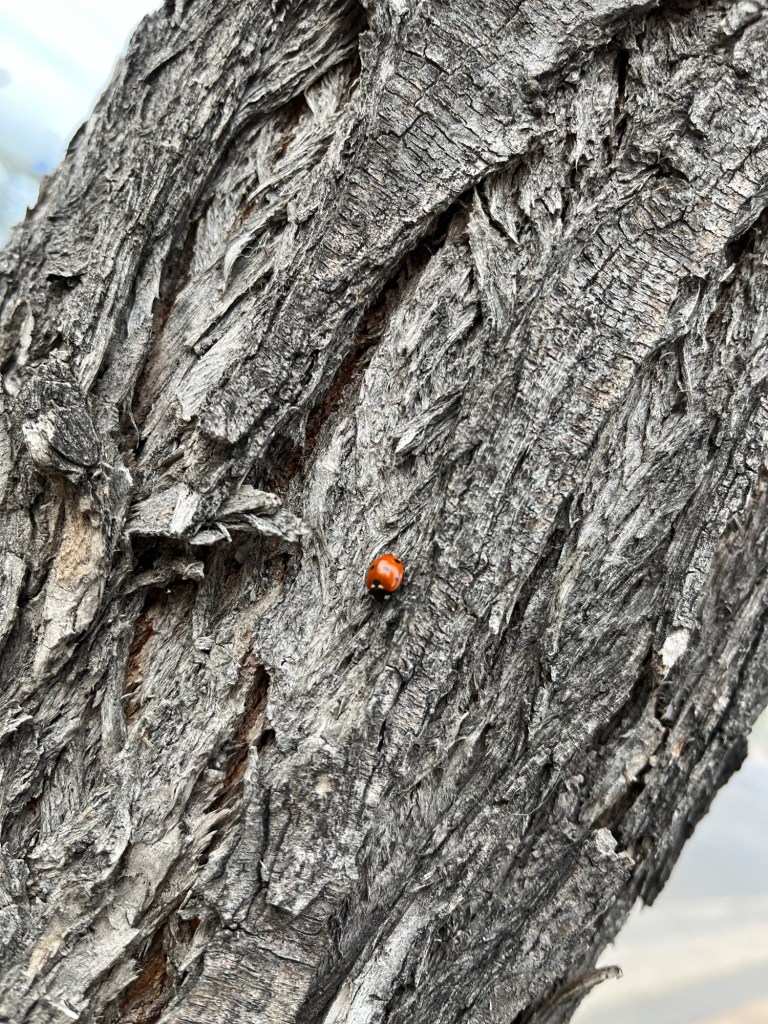
A trunk.
A rock.
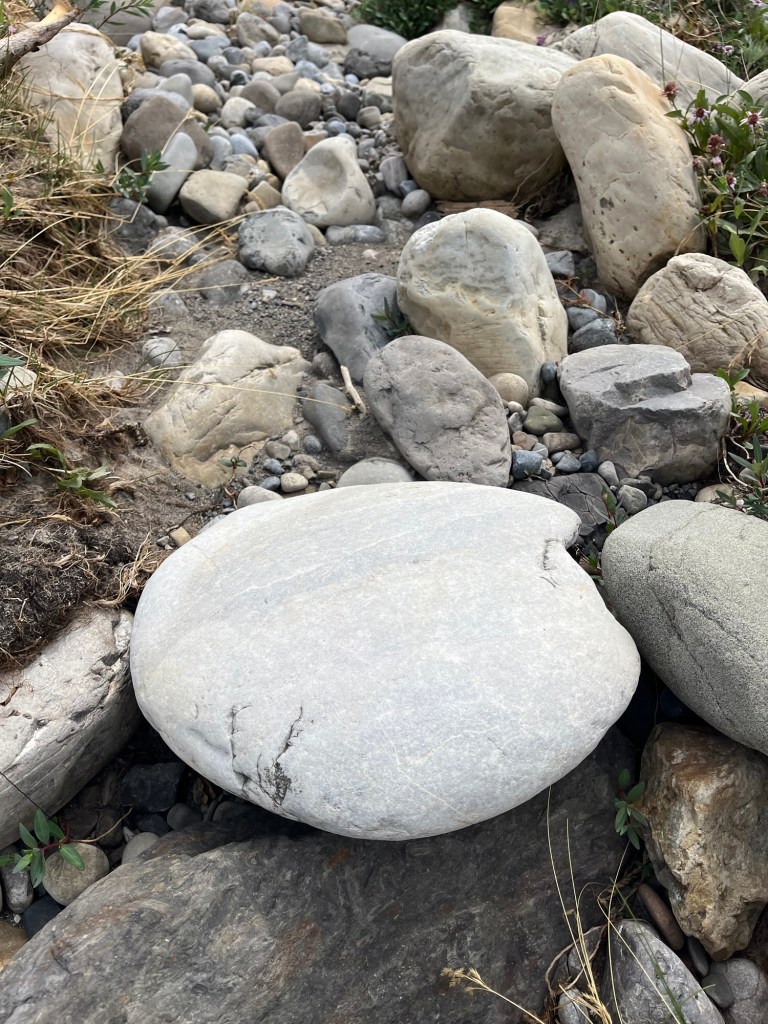
A patch of earth.
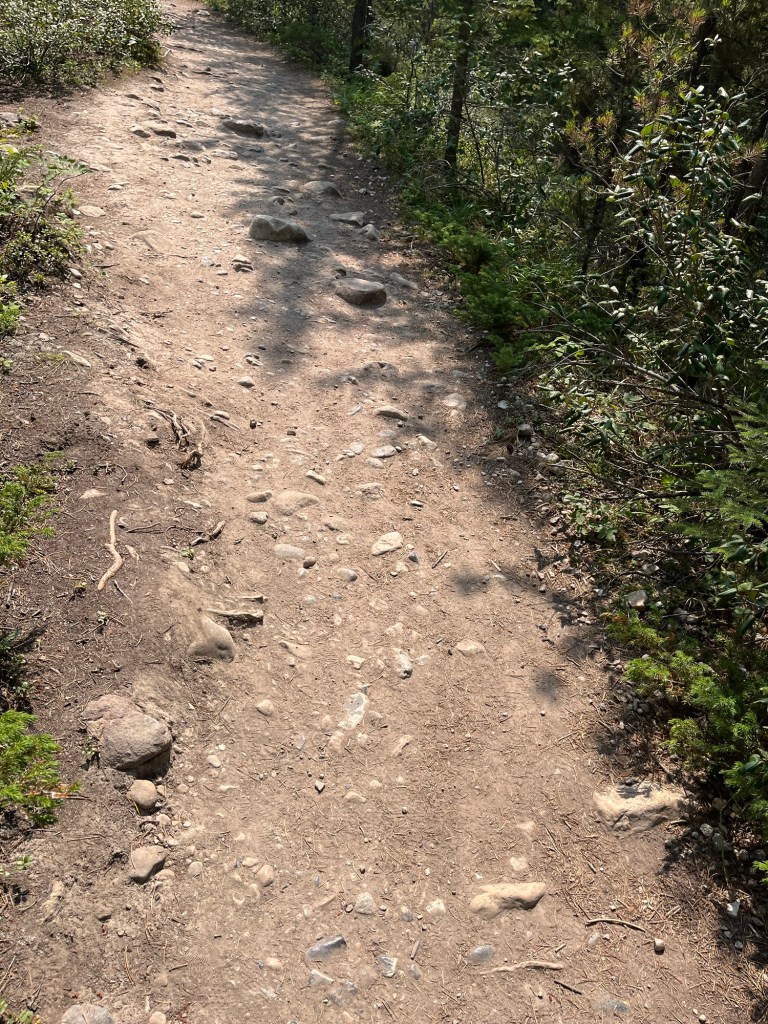
A branch that isn’t moving even though everything around it is.
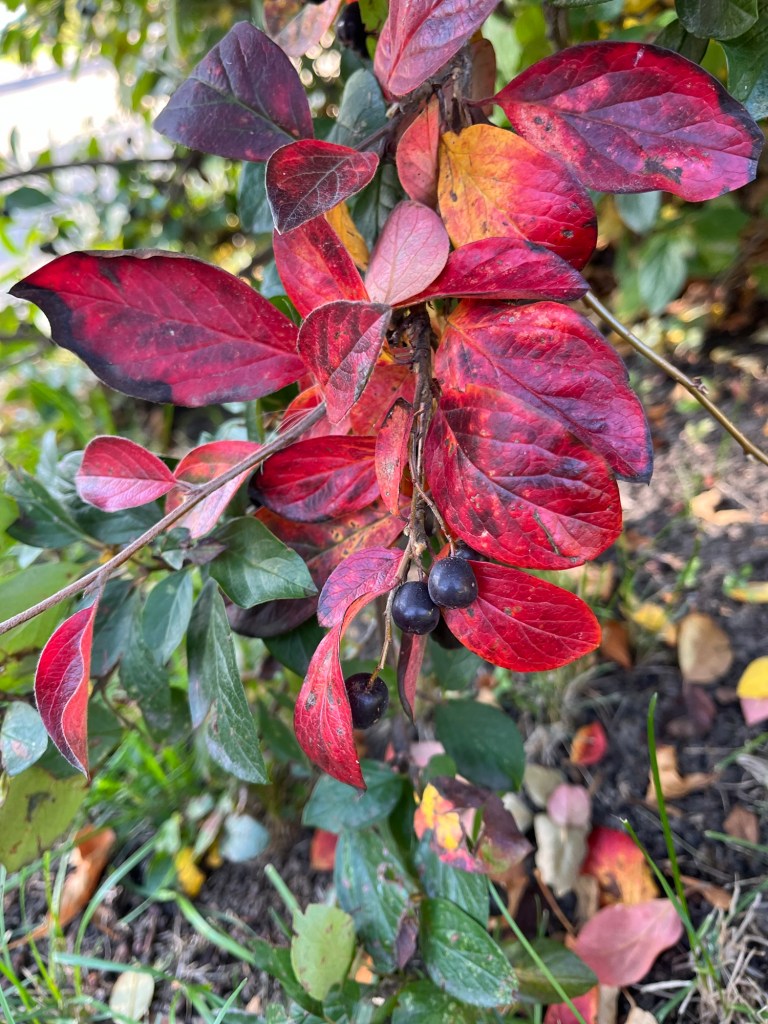
Spend a few minutes noticing the contrast.

Then ask yourself:

Where am I carrying the storm?

Don’t try to fix it.

Don’t analyze it.

Just notice.

Then ask:

Where could I create a little more stillness?

Maybe it’s ten minutes outside.

Maybe it’s going to bed half an hour earlier.

Maybe it’s saying no.

Maybe it’s asking someone else to do something.

Maybe it’s putting your phone down.

Maybe it’s letting yourself rest before you have completely emptied the tank.

You don’t have to solve your whole life.

That would be very ambitious.

Just notice.
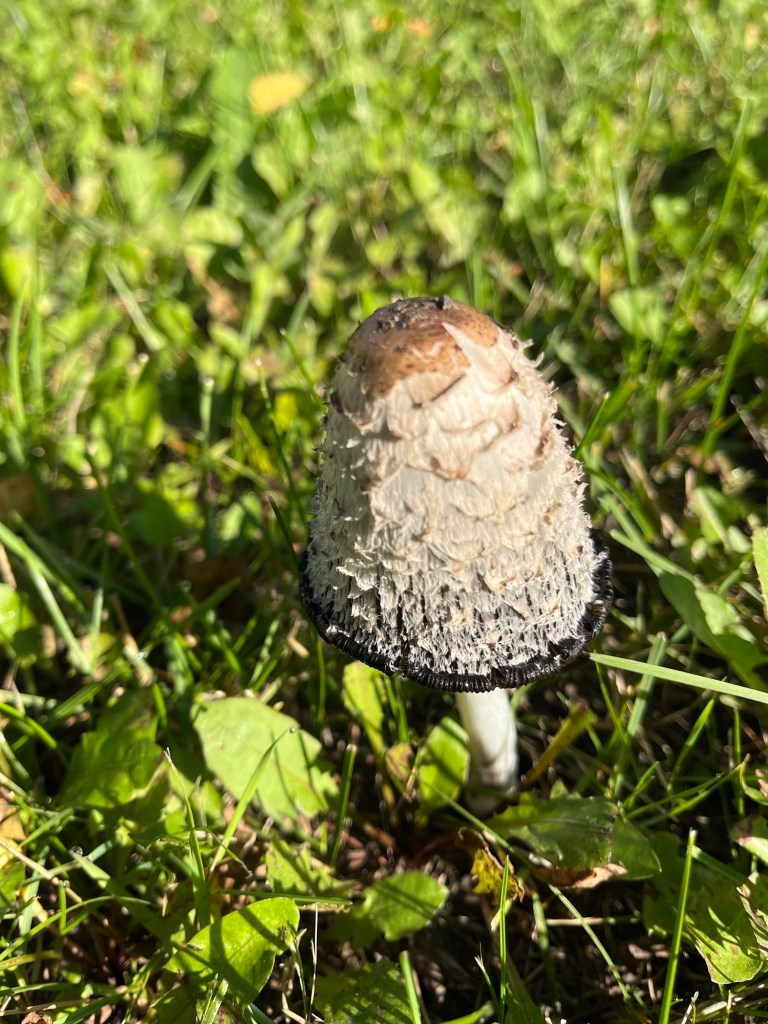
The leaves aren’t failing because they’re changing

This might be my favourite part of autumn.

The trees don’t hold onto summer because they’re afraid of what comes next.

They let go.

One leaf at a time.

The colours are not evidence that something has gone wrong.

They’re evidence that something is changing.

And maybe our bodies deserve some of that same compassion.

Maybe needing rest doesn’t mean we’re lazy.

Maybe slowing down doesn’t mean we’ve failed.

Maybe a body that has been under strain for a long time needs more recovery, not more criticism.

I don’t think the answer is to eliminate every stressor from our lives. That’s impossible. Life is going to life.

There will be deadlines. Pain. Children. Grandchildren. Bills. Appointments. Bad news. Good news. Things breaking at precisely the wrong moment. People saying things that make us wonder if they have ever met another human being before.

Stress is part of being alive. But so is recovery.

So this fall, when I walk through Saskatchewan and see those brilliant trees letting go of their leaves, I’m going to try to remember:

I don’t have to be productive every minute to be valuable.

I don’t have to push through every signal my body gives me.

And I don’t have to wait until I’m completely depleted before I start taking care of the system carrying me through this life.

The trees aren’t trying to avoid winter. They’re preparing for it. I can too.

Not to eliminate the hard seasons. Just learning how to give my body enough recovery to meet them.

And maybe today, that means stepping outside.

Taking a breath.

Feeling the cool Saskatchewan air on my face.

And noticing that, for this moment…

there is no emergency.

Pain is the signal. Not an emergency. Take time to rest and recover. Even if that recovery isn’t always perfect.

When despair for the world grows in me
and I wake in the night at the least sound
in fear of what my life and my children’s lives may be,
I go and lie down where the wood drake
rests in his beauty on the water, and the great heron feeds.
I come into the peace of wild things
who do not tax their lives with forethought
of grief. I come into the presence of still water.
And I feel above me the day-blind stars
waiting with their light. For a time
I rest in the grace of the world, and am free.

-Wendell Berry, “The Peace of Wild Things”
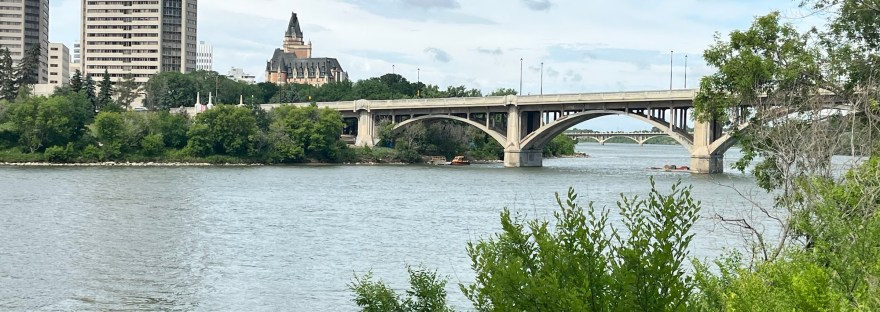

Chronic Willpower: The Cost of Being the Woman Who Always Pushes Through

The curious paradox is that when I accept myself as I am, then I can change.

–Carl Rogers

For most of my life, I thought willpower was the answer.

Tired? Push through.

In pain? Push through.

Overwhelmed? Push through.

Running on fumes? Push through harder (and question what my problem is. Everyone else can do it all!)

Our culture practically hands out gold stars for overriding our bodies. We admire grit, determination, hustle, and resilience. We celebrate the people who keep going no matter what.

But what if chronic willpower isn’t a strength?

What if it’s a survival strategy?

And what if the very thing you’ve relied on for decades is now contributing to your exhaustion, burnout, brain fog, chronic symptoms, and sense that your body has become the river overflowing its banks after years of holding everything in?

I am learning that hormones play a major role in mid life. Learn more about hormones and their effects in this past post. Female Hormones: Our Fickle Fairweather Friend

The Problem With “Just Try Harder”

I recently listened to an episode of the  Success Genius podcast⁠ hosted by Neill Williams, a master certified coach. Her podcast focuses on helping ambitious women work with their brains and bodies rather than constantly pushing against them. A message that feels particularly relevant to my own journey with chronic willpower.

Williams suggests willpower is often a withdrawal, not a strategy. It is what we use when we don’t have access to regulation. Instead of listening to the body, we override it. Instead of responding to its signals, we silence them. Instead of resting, we push harder.

At first, this works remarkably well.

You become productive.

Dependable.

Capable.

The person everyone can count on.

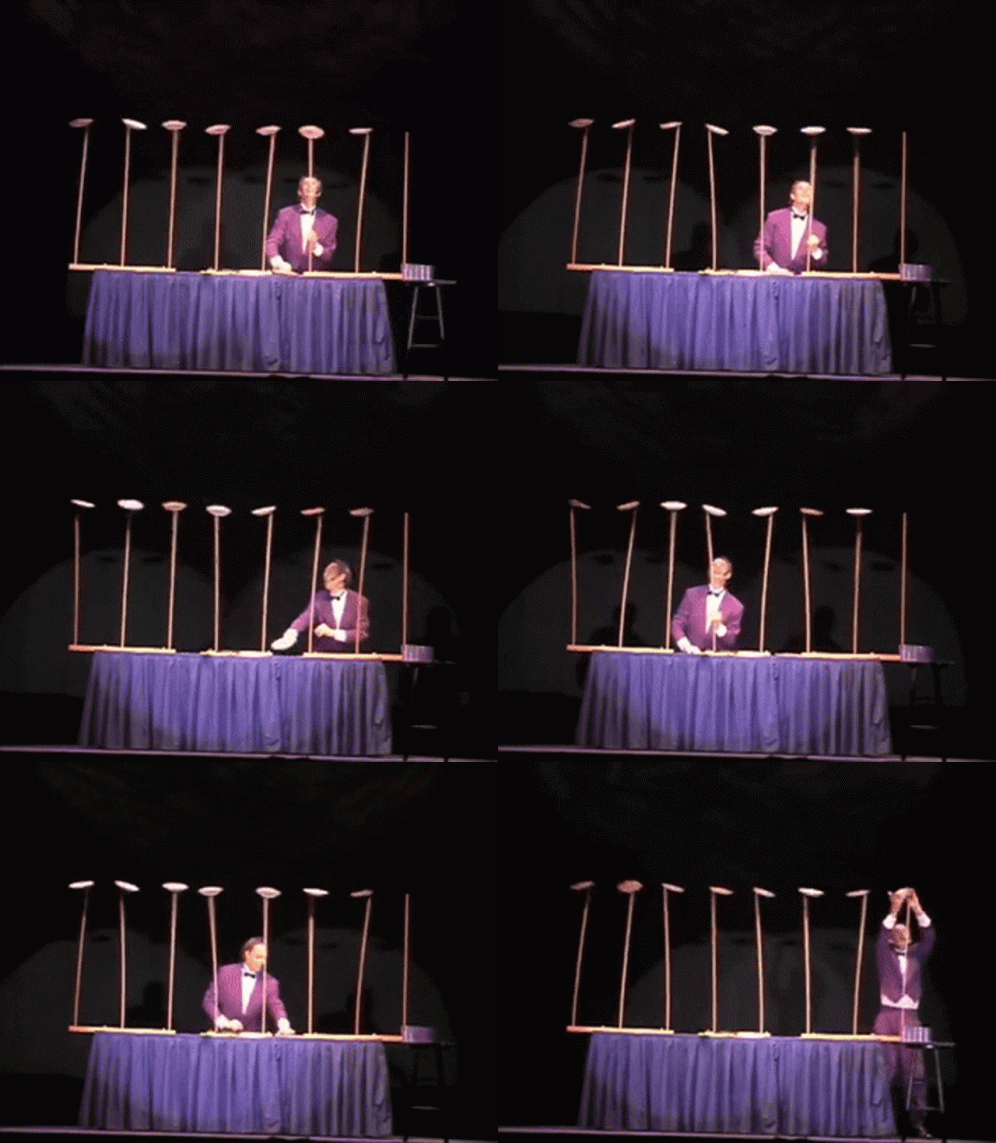
The person who somehow manages to keep all the plates spinning.

Until one day the plates start spinning you.

It’s amazing how long you can juggle flaming torches before realizing you are the one on fire.

When Willpower Becomes a Withdrawal

One of the most eye-opening ideas Williams proposes is this:

Willpower is not a strategy. It is a withdrawal.

Using willpower occasionally isn’t a problem.

Life happens. Deadlines happen. Emergencies happen.

Sometimes we need to dig deep and do hard things.

The trouble begins when overriding ourselves becomes our default operating system.

When every day looks like:

“I’m exhausted, but I’ll push through.”

“I’m overwhelmed, but I’ll push through.”

“My body is asking for rest, but I’ll push through.”

A withdrawal isn’t necessarily noticeable at first.

Just like spending a little extra on a credit card doesn’t feel like a crisis.

But eventually the bill arrives.

And like every credit card company, our nervous systems charge interest.

I once heard a doctor describe it this way:

“It starts as a whisper. Then it becomes a shout. Then it becomes a scream. If you keep ignoring it, eventually it shuts you down.”

I suspect many women reading this know exactly what that feels like.

Listen to your body when it whispers so you don’t have to hear it scream.

What Happens Physiologically?

Your nervous system is constantly gathering information about whether you’re safe.

When you repeatedly ignore fatigue, stress, grief, overwhelm, pain, or emotional needs, those signals don’t simply disappear.

They get louder.

The body begins turning up the volume in an attempt to get your attention. What started as mild fatigue becomes crushing exhaustion. A little tension becomes chronic pain. Occasional anxiety becomes a constant background hum.

Symptoms are often the falling leaves, not the falling trees. They’re early signs that something needs attention.

The Physiological Cost of Chronic Willpower

It is not stress that kills us, it is our reaction to it.

–Hans Selye

We are designed for stress.

Contrary to what social media might have us believe, stress itself is not the enemy.

The stress of giving a presentation.

The stress of learning something new.

The stress of tackling a challenge.

Those are normal.

Healthy even.

The problem is chronic stress without sufficient recovery.

When we continually override our body’s signals and never allow the system to recover, we remain stuck in a state of ongoing activation.

Over time that can contribute to:

  • Elevated cortisol
  • Disrupted sleep
  • Increased emotional reactivity
  • Brain fog and reduced cognitive function
  • Immune system suppression
  • Hormone disruption
  • Burnout
  • Chronic fatigue
  • Increased vulnerability to illness

Many women eventually find themselves working harder than ever and accomplishing less.

Not because they’re lazy.

Not because they’re undisciplined.

Not because they suddenly lost their motivation.

Because their nervous system has been carrying a debt load for years.

I, myself, believed rest was something you earned after finishing everything. Unfortunately, everything is never finished.

Determination Is the Fuel. Regulation Is the Engine.

You cannot solve a problem from the same consciousness that created it.

–Albert Einstein

One of the most helpful concepts Williams shared,

Determination is the fuel. Regulation is the engine.

Fuel matters.

But pouring premium gasoline onto a broken engine won’t get you very far.

Many of us have spent years trying to compensate for a dysregulated nervous system by adding more determination.

More discipline. More motivation. More supplements. More planners. More productivity hacks. More caffeine.

At some point the engine needs attention.

Regulation is what allows the nervous system to move between effort and recovery. It is the body’s ability to activate when needed and settle when the challenge has passed. Without regulation, determination eventually becomes expensive fuel burned inefficiently.

Why We Keep Doing It Anyway

Because overriding ourselves works.

At least temporarily.

When we push through exhaustion and finish the project, check off the list, save the day, or meet the deadline, we get a reward.

That reward is often dopamine.

Dopamine isn’t simply the “pleasure chemical.” It’s deeply involved in motivation, anticipation, reward, and learning what behaviors matter. Our brains remember what helped us survive and succeed.

So the pattern becomes:

🏁Ignore body. ➡️ Push harder. ➡️ Get result. ➡️ Receive dopamine hit. ➡️ Repeat. 🔄 😵‍💫 😵

Soon, productivity itself can become a form of self-medication.

The nervous system learns that overriding discomfort equals reward.

No wonder it’s hard to stop.

The Chemical We May Actually Need More Of

While dopamine drives pursuit, serotonin is associated with feelings of contentment, safety, stability, and well-being.

Dopamine is the Labrador chasing the tennis ball.

Serotonin is the golden retriever napping in a sunbeam.

Many chronic willpower users have spent decades chasing the first while starving the second.

We become experts at striving but beginners at simply being.

And that’s where nature has something remarkable to teach us.

The Forest Doesn’t Care About Your To-Do List

One of the reasons forest therapy feels so restorative is that it gently shifts us toward a state of regulation.

No notifications. No deadlines. No performance reviews.

No one asking whether you’ve earned your rest. Whether you’re keeping up. If you’re winning at life or whether your worth is keeping pace with your to-do list. No one asking whether you’ve justified your existence through accomplishment.

The forest would NE-ver. Trees are refreshingly difficult to impress.

And somehow that’s exactly what makes them healing.

In the forest, many people experience what feels like a serotonin bath. 🛁

A quiet sense that everything is okay.

Not perfect. Just okay. Perfectly imperfect.

The more often we experience that state, the more familiar it becomes. Eventually regulation starts feeling less like a vacation and more like home.

A Forest Therapy Practice for Chronic Willpower

If you recognize yourself in this article, try this simple practice.

Step 1: Walk Slowly

Spend 10 to 15 minutes walking without a destination.

Not hiking. Not exercising. Not trying to get your steps.

Simply walk.

Notice colours. Textures. Movement. Bird sounds. Wind. Light.

Whenever your mind starts solving problems, gently return attention to your surroundings.

Step 2: Sit

Find a place to sit for 10 to 20 minutes.

Allow yourself to do absolutely nothing.

No journaling. No podcasts. No meditation app.

Simply sit.

Notice what emerges. At first you may feel restless.

That’s normal.

Many chronic willpower users experience sitting still the same way a Labrador experiences being told not to chase a tennis ball.

Step 3: Listen

Ask yourself:

“What is my body trying to tell me?”

Then resist the urge to answer immediately.

Wait.

The nervous system often speaks in sensations before it speaks in words.

Step 4: Walk Again

Take a slow walk again.

Notice whether anything feels different.

You are not trying to force an answer.

You are creating conditions where answers can arise.

The body always leads us home if we can simply learn to trust sensation and stay with it long enough for it to reveal its wisdom.

–Pat Ogden

Going Upstream

There is a somewhat unsettling, but well-known parable about a group of adults standing beside a river.

Suddenly they see a child floating downstream and jump in to save them.

Then another child appears.

And another.

And another.

Everyone becomes frantically occupied rescuing children.

Finally someone leaves.

“Where are you going? How could you possibly leave at a time like this?” the others shout.

“Upstream,” they reply. “To find out why they’re falling into the river.”

Chronic willpower is often what happens downstream.

Parts of your self are drowning in the river upstream.

Those adults frantically jumping in are your chronic willpower, your nervous system desperately trying to manage the consequences.

But you can go upstream.

You can find the calm your body has been asking for.

You can stop overriding the system long enough to hear what it has been trying to say.

And the day came when the risk to remain tight in a bud was more painful than the risk it took to blossom.

–Anaïs Nin

My body budget got so far in the red it was basically applying for bankruptcy protection.

Looking back, I wonder how many so-called midlife crises are actually the moment the bill for decades of nervous system debt comes due. The strategies that helped us survive and succeed for years suddenly stop working.

What feels like falling apart may actually be the beginning of a profound transformation. I explored that idea more deeply in Midlife Crisis to Chrysalis.

When you can access a place of peace, something surprising often happens. The answers you’ve been chasing become easier to see. The next step becomes clearer.

Not because you forced it.

Because you finally became quiet enough to hear it.

Sometimes healing isn’t found in pushing harder.

Sometimes it’s found wandering through a lush, green forest, realizing your body wasn’t fighting you all along.

It was actually trying to draw your attention upstream, where the real answers were waiting. Guiding you away from the noise. To a place of stillness. Back to who you were before the push. Your natural self.