
Chronic Struggles On The Daily: Behind the Scenes

And since all this loveliness cannot be heaven , I know in my heart it is June.

-Abba Gould Woolson

Chronic illness, pain and fatigue are each a full time job. Would you agree? I can sum chronic illness up in three words. It’s. Always. Something.

Today I would like to field such inquiries as the following: What do you do all day? You seem like you are fine, maybe you should start working. Why can’t you work part time? Maybe you should go to school while you are waiting to feel better. Be careful not to take too many medications!

I’m actually only on two at the moment but in the past I have needed more. And with each needed medication comes all the side effects. And by that I don’t just mean the ones on the label. I am of the opinion that those cautions should be followed by, May the odds be ever in your favor.

Diagnosis Denied: The Meds Maze

Chronic illness has no one-size-fits-all medication. It is not like a UTI with basic symptoms. Based on which we can diagnose ourselves. There is not a list of medications to try until we find one that wipes out all the bad stuff.

Alternatively, our goal is to manage symptoms through medication. Not all of the symptoms, mind you. But the ones with which we cannot function while they remain.

Unless you are also dealing with chronic illness you may not realize how frustrating medications can be. Here are some of the medication woes I have come up against:

  1. medications that didn’t work, it would take weeks or months to find this out, starting with a low dose and slowly working up while a multitude of symptoms are ever evolving is relentlessly complex to track
  2. medications that did work but were out of my price range through times that we didn’t have benefits, or often these experimental drugs are not covered anyway, also drug tests that are not covered by the province are out of reach (one in particular that may be useful in determining what I have is $4000)
  3. then there are the fabulous medications that have been the answer to prayer, they finally gave me relief and hope; until they stopped working
  4. when the end result of a medication to manage the pain made me feel worse than the actual pain we were trying to treat
  5. the super fun times when I would react poorly to a medication that looked like it was working (any medication that loosens muscles is now on my DO NOT TAKE list)
  6. there’s the ones that make me gain weight and feel like garbage
  7. and the ones that make other conditions flare
  8. and my least favourite of all, the ones that made me feel like a zombie, they worked but I hated them, the only thing that would touch the pain and I was treated like a drug addict when I would go to refill, but there were also no other options being found, let alone researched 😠

Doctor Who? Solving My Medical Mystery Solo!

Life is hard enough to navigate without chronic illness and its associated roles. Yet sometimes I don’t get to be the patient. I also have to be my own doctor. And patient advocate. And research assistant. Not only are these not paid jobs but they are also crossing the line of a patient-doctor relationship. Which is not appreciated in many doctor’s offices.

On some of my hardest days I have had to play both patient and care provider. I am blessed to have a family doctor at this time who trusts my judgment in my own care. He is happy to fill the supporting role. I wish everyone would be so lucky as to find such a person.

Sleep: My Part-Time Job with Full-Time Exhaustion

Ever since I can remember, I have wanted to go back to bed. While I’m having fun. Whilst visiting with people who energize me. Even after a good night’s sleep.

This is not the same as tired after a long day of living life. This is in response to waking up sick for years and years and years. And it is not tired. It is drained down to my bones. My reserve tank, my extra battery, my other 8 lives. All drained.

In my 20s I would get tired. I would be exhausted. Babies. Working. Home and family care. And then I would push through and accomplish whatever needed to be done. Spring cleaning. Painting a room. Grocery shopping. There was always something left in the tank when I thought I had nothing.

I am learning that a body living on the verge of empty is in survival mode. When I think I have energy to finish a task I am already on the last of the reserve tank. I just don’t know it yet. Chronic illness is about living in survival mode. And that takes constant energy.

Roadblocks and Resilience

My dear chronic comrades, it is okay to do less when you are dealing with more. Chronic illness has put us at a different place in life. And that is okay. I can struggle when I see people around me aiming high and accomplishing so much. But remember, we are not aiming low. We are not accomplishing little. We are aiming in a totally different direction. Which on its own is accomplishing much.

If you see me out and about. Chances are pretty good that I am pushing through. I just want to participate in life. I don’t want to miss it.

Note to self: it’s always a bad pop.

It’s been said that living with EDS is like living the day after a car accident in perpetuity. Some days are just a fender bender. Perhaps I could go to work after a fender bender. But many days I wake up after a head on collision. And even after my fender benders I have to plan ahead for the car accident to come later that day. I never know quite how bad it will be. I live my life on a roller coaster. Not a fun one. I never know when the next down is coming. Still sound fun? Forgot to mention, the roller coaster is on fire.

Joking about it is the only way of opening my mouth without screaming.

-Hawkeye Pierce

Peculiar Symptoms: A Comedy of Errors in Quality of Life

A person’s symptoms can be as varied as a fingerprint. Have you ever felt your hair hurt? Bugs crawling under your skin while simultaneously feeling sunburned? Loathed the need to talk on the phone? These are weird yet documented symptoms of just one of my chronic illnesses. Suffice it to say that pain is pain. And being in pain is about more than just being in pain.

Based on this quality of life scale. For the better part of part of 3 years I was at a 0. I have friends hovering around a 4. I have other friends living at a 8-9 and their body requires a 2. If you think everyone should live at a 10 with enough effort, you are wrong. Be grateful if you are at a 10. Look out for those anywhere else on the scale. This world is not made for us.

The Pain Paradox: Doctors and the Quest for Relief

There is not a good way of measuring pain. A doctor has to cause pain to assess it. Unfortunately for me, my pain would show up the next day after one of these assessment appointments. Long after the time for diagnosis had passed. I didn’t know how to answer the question,

Doctor: What makes your pain worse?

Me: This.

Doctor: You’re just sitting there.

Me: Exactly.

Doctor: Could you elaborate

Me: No, I actually forgot what I just said.

Eleutheromania: an intense and irresistible desire for freedom.

Have you ever wished you could escape your own body? Does it sound like freedom to picture taking off your body like a suit. Living your day. Then you could put the pain suit back on. Perhaps this is why other girls are delicate like flowers. While me and my chronic comrades are delicate like the claw end of a hammer. There is no taking off and putting back on. It is incessant.

A Plot Twist in My Story: Object Lesson

Chronic illness has become a big major focus of my life. I’ve been told if I didn’t focus on it so much, it would be easier to cope.

If you have big rocks and small rocks and sand. If they all have to fit in one container. What goes in first? The big rocks have to go first. If not, the sand and small rocks will take most of the space and the big rocks won’t fit. The sand and small rocks will fit in around the biggest rocks if those big ones are placed first.

The rest of the world has work and family and other big important things like church as their biggest rocks. Then they have other hobbies and interests that fit around those.

Most people cannot fathom having their health as their biggest rock. Their reality does not require it of them. When I put that great big rock in, not much else fits in my container of life. My health has to be my focus. But it can still be a beautiful life. I just have to work extra hard to make it that way.

Some people are under the impression that the longer you are sick, the easier it gets. Don’t you just get used to it? In my experience. No. The longer it has been. The further away the rest of the world can feel. Support people even start to wonder why you aren’t better. Hope is harder to come by. Hope for answers. Hope for the future. The more I try to catch up, the further behind I get.

The Tug-of-War Between Hope and Heartache

I have different needs. I need to rest after small tasks. I need to plan for outings to cost me. My mental health has paid a heavy price over the years and needs extra patience and work. Or dysregulation sneaks up on me. Flares that come out of nowhere need my focus.

Different things drag me down. I am dealing with the grief of losing who I once was. The recovery time it takes for me to do anything extra is hard to take and harder to explain. Believing I should be stronger. Self doubt. Physical, mental, emotional breakdowns. So much guilt. There will be more pain from now until I sleep. All of these and more emotions and feelings I can’t explain.

A disco ball is hundreds of pieces of broken glass put together to make a magical ball of light. You are not broken. You are a disco ball.

Take Two Forest Walks and Call Me in the Morning

I am not a doctor or trained therapist. But I offer you these prescriptions for the following maladies:

For overstimulation- An open sky

For irritability- your hands in the garden

For overthinking- waves on the shore

For disconnection- walk barefoot in the grass

For loneliness- stars in the night sky

For tension- a flowing river

For anxiety- forest air

For mental fatigue- a forest therapy walk

For burnout- listening to a thunderstorm

For lack of focus- the scent of rosemary

For confusion- quiet morning twilight

For inner chaos- sunlight filtering through the trees

For insecurity- the scent of cedar wood

For stress- the scent of lavender

For feeling stuck- hike a mountain trail

For grief- the scent of rose

For isolation- the sound of birdsong

My Daily Circus with My Inner Monkeys

I have often been asked what I do with my time. I know it has been asked with good intentions by my friends and family. They are not accusing me of anything but genuinely want to know what I do. I hesitate to answer because the list seems pitiful in this world of high achievers. But in an effort to link arms with my chronic comrades I share these parts of my day.

I spend time in my spiritual rituals and rhythms. I journal. I work on creative outlets. I spend time outdoors and get my skin in the sun. I do detoxes. I help care for our home as a means of functional movement. I practice EFT tapping and other energy work. I have days that I walk and days that I run. I have to keep moving or I quickly lose muscle. I spend time with friends who bring me up. And my little rays of sunshine (my grandkidlets). So. Many. Appointments. Then there are the high pain days. And the recovering from high pain days. And recovering from every time I go out. It is not the schedule I would choose. But it is one I will keep. I know the alternative.

The smell of moist earth and lilacs hung in the air like wisps of the past and hints of the future.

-Margaret Millar

I hope I have answered some of those questions. I invite you to enjoy your prescriptions. If you know anyone else that needs them, please share this post!

Mending Your Nervous System With Forest Therapy

We have been the guardians and the healers of the forest. We have too long forgotten the magic powers of nature. The time has come to call on them again. Remember. All the magic of creation exists within a single, tiny seed.

-Magi Lune, Fern Gully

Today we will consider the role nature plays in regulating our nervous system. We will talk about the vagus nerve and how signals travel along it. How to use your senses to bring you back to a regulated state once you have left? Plus some ideas on how to deepen your connection with nature.

Balancing Act: Operating a Hyper, Hypo, and Regulated Emotional State

But first, 3 different accounts of two of my children and me. Each representing a spot on the window of tolerance. Hyper aroused. Regulated. Hypo aroused.

I have three children. So similar in some ways and vastly different in others. As young boys they kept me busy. I recently had the opportunity to read some stories of this other lifetime of raising my children. I share here two stories of two of these children to introduce my topic of the nervous system. See if you can follow my train of thought here.

We find our first young friend at the dinner table. He was never the type of child that could sit still for any amount of time. He isn’t capable of this as a grown young adult either. At the time of this story he was around the age of 6. We were finishing our dinner. When he proudly told me, “This is the first time I am not just eating hyperthetically.”

I knew there was a reason for the new word so I asked, “You usually eat hyperthetically?”

To which he replied, “Yeah, usually I’m all hyper and jumping around while I’m supposed to be eating, y’know, hyperthetically.”

Ah yes, just how all 6-year-olds should be. I loved my hyperthetic kid then and I love him now.

But when we live in a hyper state of arousal as an adult that looks different. Our bodies are constantly on the alert for danger. Every second of every day. When your body senses this hyper state which looks like anxious, hyper-vigilant, defensiveness and quick to anger or overwhelm. It goes into fight or flight. I might feel busy and productive in this state, but I am actually just spinning my wheels. It is not a happy for place for a nervous system to be.

Which brings us to our next story. Me.

When I am experiencing more pain than usual I go into a hypo state of arousal. In the fight or flight model, this is freeze or fawn. I feel drained. It’s harder to get to the gym. I just want to stay home and not see anyone. I have no motivation for anything. Every decision seems harder. All the stuff that was difficult before the flare is suddenly exacerbated. I remember all the things I have lost in my pain and lose track of what I have gained. I have to fight hard to find hope. I tend to withdraw from my social circles. This is also not a happy place for a nervous system to be.

Okay that wasn’t much of a story. But the next one is. And it’s the best.

Of my three boys, calm was not a common descriptor. But if you put them on a continuum of calm demeanor, this one would rank closest to calm. Not close to calm. But closest.

Different year. Different kid. Again, a sweet 6-year-old.

We find this one on the beach with cousins enjoying the sand and water. My mom looked over at one point to see him at a stand-still, ankle deep in the water. Just standing. It looked like he was pointing at something. We went back to chatting with one eye on him. It took some time for it to dawn on us that he was not moving. He was still standing there in the same spot. And still pointing.

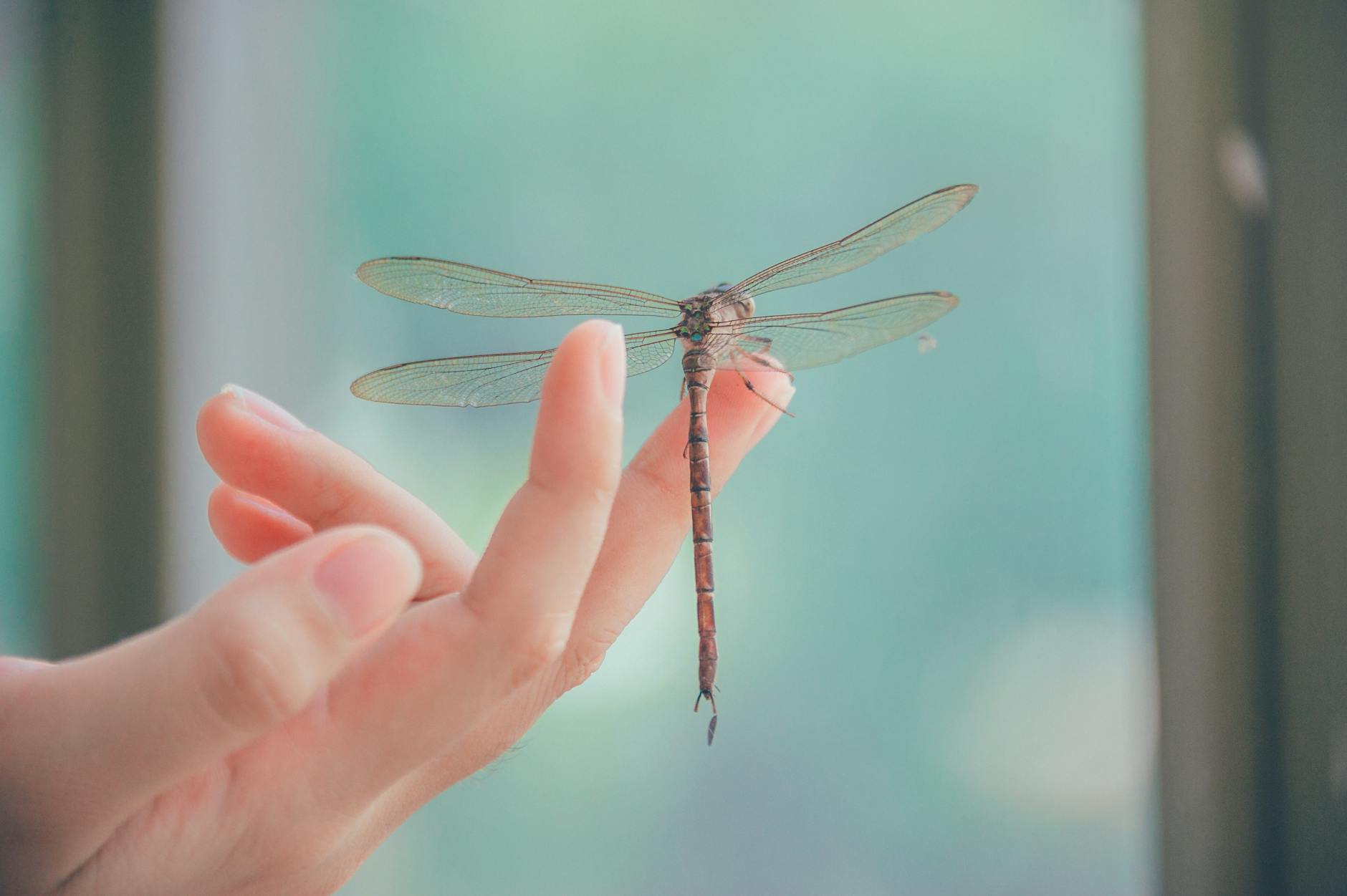
With some concern I approached to see what was happening. It was then that I saw the dragonfly on his finger. This was not my biggest fan of bugs. So I was surprised that he was okay with this turn of events.

When I asked if he needed something, he calmly filled me in. The dragonfly got his wings wet. So he couldn’t fly away. But it was okay. He would just wait until they were dry and he could fly again. And he did. That sweet kiddo put aside everything that was important to him to calmly hold space for wings to dry. The simple yet crucial healing that was needed.

Do you live hyperthetically? Do you live in a state of underwhelm and dissociation? Or do you hold space for calm and finding the simple, effective tools that will support you?

The Vagus Nerve: Your Body’s Hidden Messenger

One of the podcasters I listen to, Neill Williams, said the other week, “You can’t out-think your nervous system.” Preach 🙌🏼!

A nervous system that is stuck in fight or flight is in frenzy mode. Taking all rhyme and reason out of our thinking and thereby our actions. Our result is a frenzied life. A nervous system stuck in overdrive is like a truck, stuck in Drive. Being in the gear that will get us where we need to go seems best. But when you need it to park or reverse, Drive is not going to be your answer.

We have all heard of the vagus nerve. It is the largest cranial nerve and it connects our brain and body. I would have thought that most of the signals run from our brain to our body.

But Williams taught me the science is showing that about 80% of signals traveling along that vagus nerve. Are going from body to brain. That means only 20% of the information is traveling brain to body! All the things I need to tell my body to do daily are only 20% of signals traveling that track. So for most of our lives we are receiving messages from our body to our brain.

This means I cannot positive-think my way out of a dysregulated nervous system. Or chronic pain for that matter, but that’s a topic for another post. A dysregulated nervous system cannot be solved by thinking. But it can be solved.

I don’t want to devalue the role of positive thinking. It has provided a means for wonderful things to happen in my life. It is one of the tools in my toolbox. Of highest priority though, are those things that will support a regulated nervous system. Because those are the things that create the greatest healing.

Heliophile- any organism that is attracted to sunlight

(ME)

I know I am in that space of a regulated nervous system when I feel present, grounded, empathic (with good boundaries), safe and authentic. I know that something is right for me and will not take me to dysregulation, when it gives me energy. I don’t feel the need to go seize everyday. I know that some will be seized by someone else. Some are not seize-able days. And some I can watch for the moment to seize without it costing so much effort.

How do I get to that space. Once I have left my window of tolerance. A wise woman asked, “Can I just spin into control for once, please?”

Unfortunately it won’t just happen. We have to make an effort. But the effort is not hard.

The spring is fresh and fearless 
and every leaf is new,
the world is brimmed with moonlight,
the lilac brimmed with dew.

Here in the moving shadows
I catch my breath and sing--
my heart is fresh and fearless
and over-brimmed with spring.

-Sara Teasdale

Now we will take a look at some of the benefits of forest therapy. Do you see a correlation, even if you don’t believe it is causation between forest therapy and a regulated nervous system?

Forest therapy:

  • lowers stress and anxiety by decreasing blood pressure, reducing cortisol rates and lowering heart rate
  • improves focus by restoring our concentration through meditation practices
  • strengthens the immune system by increasing production of NK cells thanks to phytoncides released by trees
  • regulates emotions by soothing and calming
  • improves mood through time spent in natural, green spaces which has been shown to reduce depression

A main theme in our forest therapy walks is connecting to nature through all our senses. I propose that you can use the forest to your advantage no matter what state you are in. The following chart lists our senses. And how we can use them to bring us back to regulation when we have become hypo or hyper aroused.

Sensory Perception To go from hypo to regulatedTo go from hyper to regulated
Tactilefeel the bark of a tree, walk on rocks, dig your toes in the sandplace your feet in a natural body of water, run your fingers through the grass, pick a smooth stone to hold in your hand
Vestibularskip, run, dance, swing in any green spacefloat, slow and repetitive dance, gentle rocking
Proprioceptionjumping, tight hugs, weightsbalance exercise such as tai chi, stand on one foot
Auditorylisten to rhythmic and engaging music, playing instrumentsgo on a listening walk, use noise reducing headphones in public, listen to nature sounds
Visualadd light and colour, look for a variety of textures in naturelower the lights or sunglasses, minimize clutter or go outside, focus on a single object
Olfactorypetrichor, the smell before and after a thunderstorm, pine needles, woodsy smellsrosemary, chamomile, rose, jasmine, basil
Gustatorycrunchy foods like nuts, intense flavours like pickles, carbonated drinksmild flavours, smooth textures, comfort foods
InteroceptionI find I need to eat as soon as I am hungry or I miss my window, having and insatiable need to sleep I try to use my awake time wiselyhaving healthy snacks healps as I tend to overeat in this state, using a regular sleep schedule helps keep me from staying up all night

Green was the silence, wet was the light, the month of June trembled like a butterfly.

-Pablo Neruda

Photo by Tinthia Clemant on Pexels.com

What are some ways we can deepen our connection to nature, see how many you can do in the coming months:

  1. Picnics- eating in nature brings an element of adventure, suppers in the field during harvest time are some of my best memories of my family eating together
  2. Gardening- healthy for the way it keeps us active and also for the homegrown payoff
  3. Unstructured outside time- this isn’t just for your kids, plan some time to just be outside
  4. Pausing to appreciate- there is beauty everywhere, take time to notice and appreciate it
  5. Camping- I love camping, I love being tucked up in my tent after spending way too much time in the sun and water, I can’t pin down what it is but camping will connect you with the earth

Of course there is always forest therapy!

If you feel like what you are learning on the blog is beneficial, I invite you to subscribe. But if you would like to go deeper. If you would like to find support in your healing from chronic anything. Reach out to me on my How To Get in Touch page to book a forest therapy walk. Forest therapy walks are for everyone. Any age. Any ability.

I’d love to hear what you are thinking about the blog. Shoot me a message anytime.

Today, me will live in the moment, unless it is unpleasant, in which case, me will eat cookie.

-Cookie Monster

How to Be a Better Ally for Chronic Pain Sufferers

I am wedded to wooded wanderlust; a true soulmate in the rough.

-Angie Weilland- Crosby

The Best Supporters and the Worst Naysayers

I love my support people. They are the ones who love me, have been with me along the way. And try to understand my world of chronic pain. They mean the world to me and some days they are the thing that keeps me going. This post is not directed at those loving and supportive people. But if they read this, they will get ideas of how to play defense for us chronic comrades in social situations.

You ask what I’ve been doing all this time; as if surviving wasn’t much of an effort.

-Ginnie Bale

I experienced a less-than-supportive exchange recently. I have discussed it with friends who are chronic comrades. They have experienced multiple similar conversations. Let’s talk about what my role is in someone else’s healing? How do I support? And how does it relate to honey bees? Find out more in this post.

First Things First

Join me on Facebook, Instagram and X. For quotes, reasons to forest bathe, updates and the odd pic of my super cute grandkids. If you know anyone that needs this information to be a better support person. Or, if you know a chronic comrade who needs to read this to know they are not alone. Please share.

When Helping Hurts: The Irony of Good Intentions

As humans we love to be fixers. We hear of a problem and we want to get to work solving things. Whatever we can do to relieve the suffering of another. But what if in our best efforts we are creating more pain? How do we support without making it worse?

Saying nothing sometimes says the most.

-Emily Dickinson

I have a dear friend who just had shoulder surgery. She struggles to get up from a seated position. I saw someone trying to help her stand. But in their best effort, they were pulling on her bad shoulder. She didn’t have the words to say, Stop! in her pain. As they yanked on her, she cried out. It made me think, how often in my best efforts am I creating more strain on my chronic comrades? Thinking I am supporting when really I am doing more damage than good.

Unlicensed and Unqualified: Keep Your Remedies to Yourself

One of the more painful things I have encountered since developing this condition. Is being told what I should do to fix it. As though I haven’t been trying for all these years. It brings up so many emotions for me.

When simple solutions are proposed, I feel they are questioning my motivation to get better. When they go on and on about supplements I’ve tried. Or therapies I know don’t work for me, I feel misunderstood. And alone.

When they ask where I’ve been and why I’m ghosting them. I don’t have the words to explain what being stuck in a flare means.

When they say I hope you feel better soon… 🤦🏼‍♀️

In Sorrow: Silence Speaks Louder Than Advice

One must earn the right to give advice to a chronic comrade. Do not offer unsolicited advice. A close support person that has been with us through the years has earned that right. A new acquaintance has not.

While we chronic comrades appreciate the effort. Whatever you think we should try, we have tried or it is not an option. You are not greater than my condition. You will not have the ability to swoop in and solve it. After years of me trying to do so.

As hard as it is for the average human to understand, sometimes there is no answer. We chronic comrades go through a grieving process to get to this place of acceptance. Do not interrupt that process!

My chronic comrades, how do you handle someone that is trying to help and doing more harm?

Try this idea on for size. What if we tried to see that everyone is here to teach us a lesson? What can I learn from this person’s response to hearing about my condition? is a good question. Is there a way to avoid this person in the future? is also a good question.🤷🏼‍♀️

Some cause happiness wherever they go; some whenever they go.

-Oscar Wilde

Sick of Oversharing: Trying My Best

Excited to announce I have just about had it. I feel like my body has had a check engine light on for months and I just kept driving it. ‘It’ll be fine.’ And now all the dashboard lights are on and some of them have started flashing. Sometimes life just sucks the jelly right out of your donut.

When life is going smoothly I can take terrible advice from someone, scoff, and carry on with my life. When life is opposing my every effort, it is much more difficult to have patience. This often happens in chronic conditions. It is a challenge to be patient with those who don’t understand.

This statement rings so true for me. And I hope all my chronic comrades can take this in. Say it with me: My Chronic Illness Is Not My Fault. Now say it again and mean it.

Chronic comrades do not need sympathy or pity. We don’t have time or energy for that. But when my condition and its associated symptoms are treated like moral failings. It drains what life energy we had left. So much of my energy goes to existing, I am stretched. I have a low tolerance for everything.

Here’s an odd question for my chronic comrades. When you meet someone new, how long do you wait to share about your condition? It’s like dating someone new and waiting to tell them you have kids. It’s gonna come up.

I have tried not to share about my condition. I have tried sharing just a snippet. But when someone asks what I do for a living, and I say, “My best, I just keep doing my best.” And they stare blankly at me waiting for the real answer. I eventually say somethings along the lines of, “I have chronic pain and I can’t work right now.” The conversation seems to shift.

My condition permeates my life. It has weaved it’s way throughout and there are not many topics that don’t touch on it. But in giving this much information people seem to think it is now their job to diagnose and cure me. They become Dr Quinn Medicine Woman. And inquire about medical history, medications, past surgeries and the like. They have all the solutions. Often their solution is that I just need some motivation. There is this surgery someone had. Have you tried yoga?

I look deep in their eyes and determine, I’m starting to think we aren’t in this together.

Newsflash

a person’s medical information is not up for your perusal. Do not ask invasive questions and Quit trying to fix them.

Bees Be Like My Chronic Comrades; Let Me Count The Ways

Let’s talk bees. Below, are some bee facts and how they relate to those with chronic conditions.

  1. There are more than 20 000 species of bees including bumblebees and honeybees. There are so many chronic conditions out there we can’t possibly have the answer to every one. Doctors are still working on how to treat them. Let’s allow the doctors and patients to figure that out.
  2. Male bees are called drones. Their only purpose is to mate with the queen bee. We all have a role to play. Those with chronic conditions will have to reassess the role they have assigned themselves at times. Checking in to make sure you are not playing the roles for others around you is key.
  3. Bees live in colonies. Those with chronic conditions rely on their support people. Do not force yourself into a role inside their colony without their approval. It’s like trying to change someone’s pants for them when they already dressed themselves that morning. Soooo awkward!😳
  4. Bees have different odor receptors to help them distinguish different flowers. Generally speaking, those with chronic conditions are able to distinguish the pain and frustration of a chronic comrade. Better than someone who has not experienced it. Do not be offended if your loved one with a chronic illness needs the support of other “bees”.
  5. A Queen Bee can lay up to 2500 eggs a day. You don’t see the queen. Anyone that is able to watch her will think she is just sitting around. But under the surface, great effort is occurring. This is her role and she fills is elegantly. My chronic comrades have been known to lay low. Sometimes that is our role. And I see my chronic comrades as elegant in the laying low and the emerging when it is time.

Here’s another suggestion for my chronic comrades in these awkward conversations, a wise man once said,

Bees don’t waste their time explaining to flies that honey tastes better than 💩.

-Willbur Glenn Colaco

Uplifting Allies: A Glimpse into Positive Support

This is what positive support looks like for me 👇🏼. How about you? Drop an image or remarks in the comments.

If I fall and you don’t know how to safely get me off the floor. Don’t yank and pull until I am crying out in pain, lie down with me until the ambulance arrives.

These are just ideas. These make my nervous system calm to know that someone else has felt what I am feeling. If you can find ways to relate to me, I feel less alone. I feel that when I think of my chronic comrades. I know I have chronic sisters who spend a lot of their time working on their eluxorama. I am inspired by them!

Eluxorama

The devotion to positive spiritual growth in the midst of underlying chaos or darkness

Surviving Life’s Ricochets: Finding Clarity Alfresco

Some days I enjoy time spent developing my eluxorama. Other days I say, ‘it is what it is’, then I turn around and vomit due to anxiety. Having a support person can take me from yelling, “Silence you uneducated peanut!” at those who don’t understand, to :

"Let me keep my distance always, 
from those who think they have the answers.

Let me keep company always with those who say
"Look" and laugh in astonishment
And bow their heads."

-Mary Oliver

Nature’s Finest Wonders

Get out and enjoy some forest therapy. There is so much beauty around us.

In nature nothing is perfect and everything is perfect.

-Alice Walker

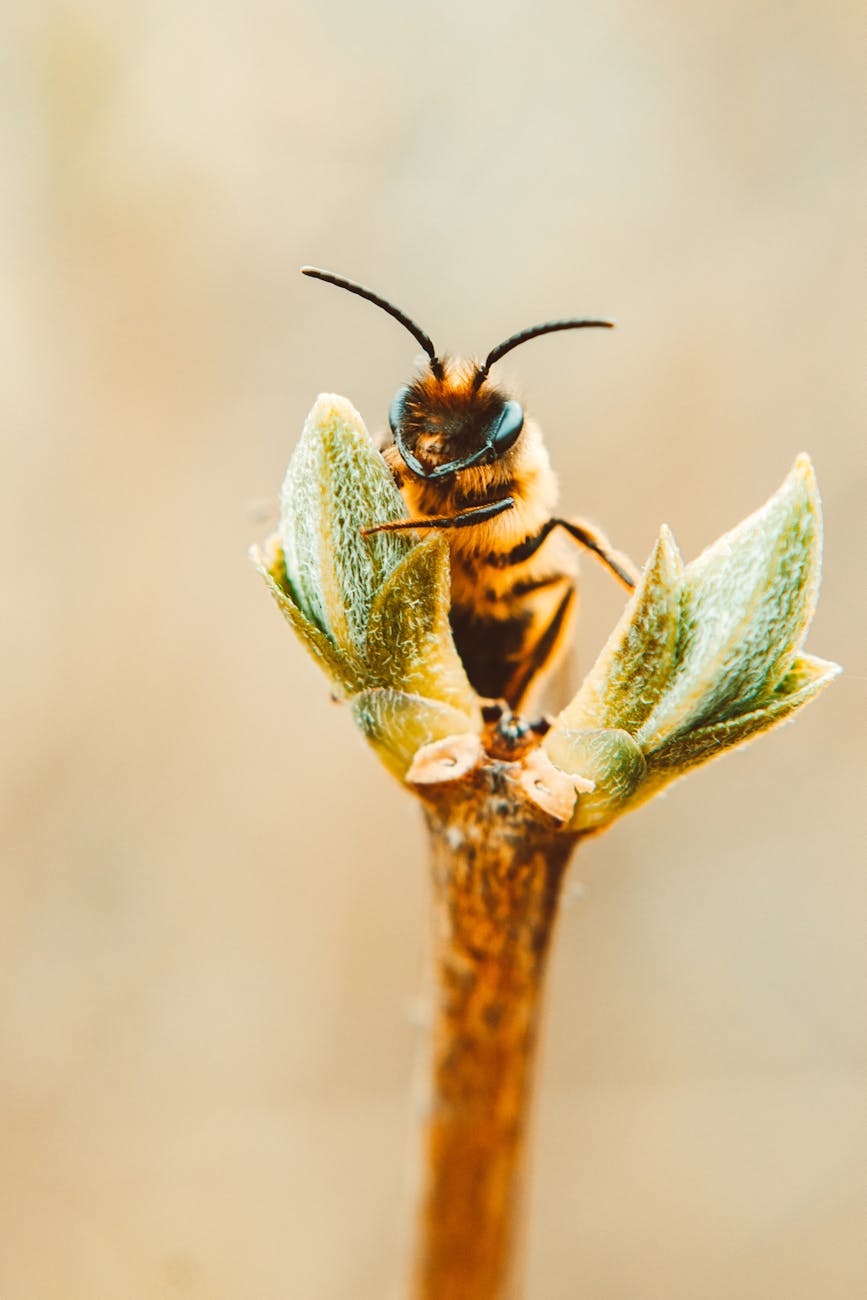
Here’s some life lessons from our honey bee friend:

Photo by Lisa from Pexels on Pexels.com
  • stop to smell the roses
  • take care of your family
  • be loyal
  • work hard in your role
  • the sweetest things result from our efforts
  • cooperate and collaborate
  • watch out for nature
  • consider the needs of the group

Thanks for joining me. Whether you are a sufferer or a supporter or someone that wants to understand. Here’s the highlights. Make sure your helping is helpful and not harmful. Unless you specialize in my condition, or are a support person that has earned the right to an opinion. Kindly keep your remedies to yourself. Even if you have the best of intentions. Thank you, but no thank you. My condition is not my fault and yes, I have tried that. Do you see yourself in my bee analysezzzzz? I’ve shared what positive support looks like for me. Drop a comment for what brings your nervous system to calm. Develop your eluxorama and enjoy nature’s wonders. Take some lessons from our bee friends. Take care, my friends.

"Some days she's a warrior.
Some days she's a broken mess.
Most days she's a bit of both.
But everyday she's there
Standing. Fighting. Trying."
-Anonymous

…as I wandered the forest, the green leaves among, i heard a wildflower singing a song…

-William Blake

Photo by Kristina Paukshtite on Pexels.com

Welcoming Your Inner Dandelion: Growth Beyond Wishes

And the dandelion does not stop growing, because it is told it is a weed. The dandelion does not care what others see. It says, “One day, they’ll be making wishes upon me.”

-B.Atkinson

Have you ever felt like a weed among the roses? Do you look around and wonder how you got here? Our brains are fickle things. But we can decide how we want to see ourselves and our relationship to life. Dandelions symbolize what I want to be in this life. What does that mean and how does it relate to forest therapy? Find out in this post.

Subscribe to the blog. If you are enjoying what you are reading, get a weekly reminder when the new post goes up on Tuesdays. I appreciate all who have reached out to let me know that you are reading. I would love to know what you most relate to on the blog. Shoot me a message here or leave a comment at the bottom of the page.

Dandelion: The Misunderstood Rebel of the Garden!

When you think of dandelions, what comes to mind first? ‘They are spoiling my lawn.’ ‘They spread like a disease.’ ‘Get rid of them!’

Here are some of the ways that I see dandelions. See if any of these qualities strike a chord in you.

  • hard to kill
  • brimming with sunlight
  • stubborn
  • highly disapproving of convention
  • beautiful in their own way
  • unapologetic
  • full of wishes
  • can push through seemingly solid ground
  • search for the sunlight to open
  • allow the wind to carry them
  • hoping to be made into a beautiful crown

is this you, perhaps in some small way?

Embrace Your Inner Rebel: Then Exhale and Make a Wish

I am a dandelion
A weed
That holds impossible
Wishes & dreams
Overlooked by most
Ruined in rain
Flowing in a breeze
Stepped on in fields
Some find me beautiful
A miracle
Some find me annoying
A waste
I am a dandelion
A weed
That holds impossible
Wishes & dreams
-Viviana Cervantes

The world moves very quickly these days. As a person with chronic pain, I feel left behind and forgotten at times. But I am not the weed in everyone’s way. I am not unseen and abandoned. I have much to offer. And so do all of my chronic comrades. Even a weed can be a support in significant healing.

My brain does not work at top speed anymore. It does not keep pace with the masses. When I try, I quickly find myself turned upside down. Maybe if I gently put my mental health in rice it will improve.

It’s like I’m built different from everyone else. Like, incorrectly. But then I think, why would my brain take me to this place? Whose side is it even on? Does it even want me to be happy? It is in this moment I remember I have brain fog.

Mind Traps for The Brain-Function-Challenged:

  1. Personalization– when you believe the outcome of all things is because of you or depends on you, everything is your fault PSA: you are not sick because you are not trying hard enough to get better, a positive attitude will not cure you, and it isn’t your fault that you are here
  2. Always Being Right– the chronic strain on our nerves can make it hard to look past our own thoughts and feelings and listen to others, a great way to overcome this is to ask this three word question when you can’t see eye to eye with someone, listen to what they have to say then ask “I WONDER WHY” I wonder why they see it that way, I wonder why they feel that way, I wonder why leaves space in your heart for empathy
  3. Minimizing– the good things others say about you, I have had to work to see myself as an equal to those who can work and enjoy their lives in a different way, one of the first steps was to take a compliment and say, ‘thank you,’ don’t minimize or disqualify it, take the praise for what it is and grow from it
  4. Mind Reading– assuming I know what others are thinking of me and that it is negative, it is always best to assume that others are thinking highly of me, usually that’s true
  5. Catastrophizing– believing the worst will happen and that I won’t be capable of handling it, pain is its own trauma, but we have seen many beautiful things happen even with this heavy trust, believe that the best is yet to come

My brain requires my world to be softer, and quieter, and just less of everything. It can be a lonely place. I am often exhausted, overwhelmed and overstimulated. I can never actually catch a thought. They come and go so quickly.

Focus and The Ineffective Art of Juggling Distractions

I am so easily distracted. I was learning from my friend, Neill Williams @ Success Genius how this works and why this is so frustrating. She says that paying attention while we have multiple distractions is like trying to hear a whisper at a rock concert. Then blaming our ears for not being sensitive enough. Our brains just need the noise cleared away.

Williams is teaching me that it’s okay if I need to clear physical distractions. Before beginning my focused work. I can pare my space down to bare essentials. Turn off phone notifications. If I have things floating around in my brain I can write them down to clear them. It is okay if I need to wear cozy clothing and sit in a relaxed position. Taking care of myself, making sure I get a good sleep before I make demands on my brain and staying hydrated is paramount. Another good rule of thumb is to work for a couple of hours. Then move. Take a break. Get outside. Before resuming concentration.

Williams has also educated me as to what is happening in my brain when I am focusing as opposed to being in my brain’s default setting.

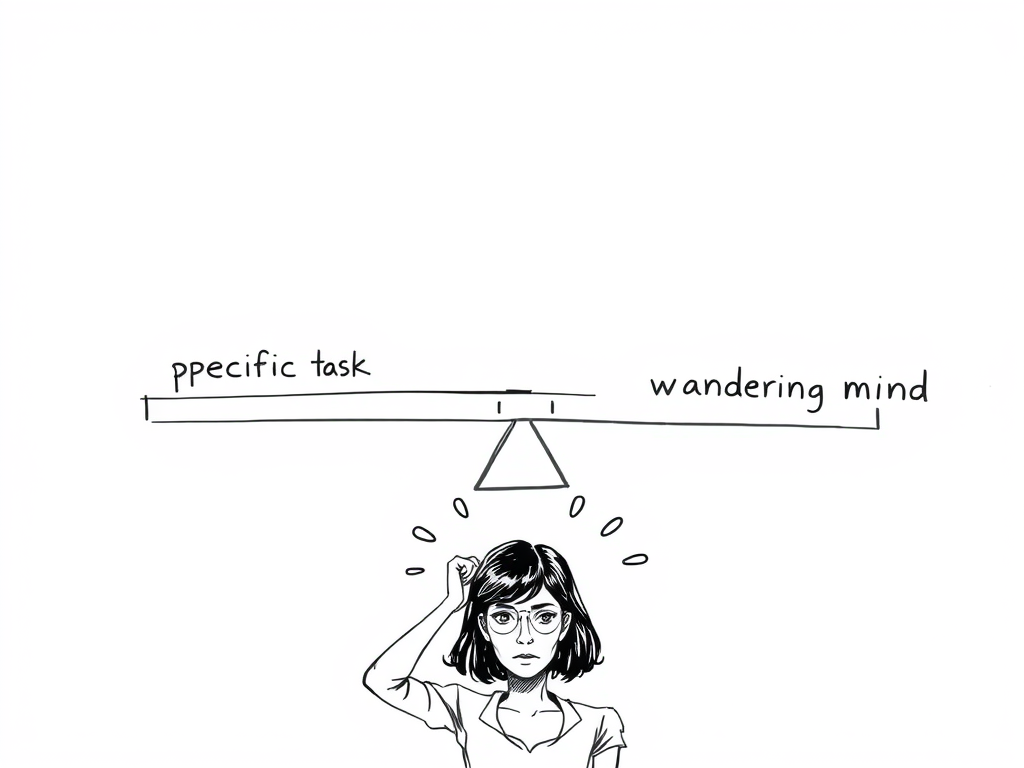
She says there are two networks in our brains. The task positive network. It is activated when you are focused on a specific task. Then there is our default mode. It could be compared to a wandering mind.

These two networks operate like a see-saw. When one is activated, the other is suppressed. But when you are distracted your brain goes into a back and forth between the two networks. Can you relate?

This was the best AI could do, ppecifically speaking ( it should say specific task on the left)

Trying to catch my last thought is like watching a tennis match but my eyes are always just a tad behind the ball. Then the direction changes. Then the speed. I find myself going back and forth even between matches when no ball is in play. Is that normal? Should I look into that?

Williams cited research from the University of California that says it takes a full 23 minutes to return to a deep concentrative state after being interrupted by the default mode. Or by something. Or someone.

I love my family but they get kicked out of the room (and sometimes kicked out of the house) when I am trying to focus. I feel every part of those 23 minutes of trying to get back to deep concentration once I have been interrupted. **Keep reading to find out what that sensation is coming from. And why it affects us chronic comrades so much!**

The danger, Williams states, is that we are living in a constant state of partial concentration. And what’s more distressing is that researchers have now found what they call ‘attention residue’. This happens when part of our brain stays focused on the most recent distraction even when we think we’ve brought it back. The more switches we experience. The more our cognitive resources are drained.

Here’s what catches my attention. **Each time our attention is broken, our body produces a small amount of cortisol . Does this ring any alarm bells chronic comrades?!?** Cortisol is our stress hormone. We already have that in spades. This makes so👏🏼 much👏🏼 sense👏🏼 to my body. As a young mom I was constantly distracted by little ones. As a piano teacher my attention had to stay on the work at hand. As a wife of someone with ADHD I am often pulled into his wandering thoughts. But nothing breaks up my concentration like pain. It is constant. And demanding. Nagging. Wearing. It can be frustrating to think of all my brain could do without that perpetual pull.

But I believe the following to be true,

everything
that ever
hurt

that we never
told
a soul
about

has become
a gallery
of art

inside
us

-jw

What do you think? What would your exhibit feature? Mine would include: Unseen Selves of the early 2000s. When The World Tilted. The Fabric of Ache. Held Together: Coming Apart.

From Pain to Prosperity: Choosing Healing Over Hurt

A monk once said. “Imagine being bitten by a snake, and instead of focusing on healing from the poison, you chase the snake to understand why it bit you and to prove that you didn’t deserve it.”

That chase could be the death of you. Literally.

Imagine getting a chronic illness and instead of focusing on healing, you chased the medical professionals to understand why you got this and to prove that you deserve to be healed.

Is that chase yielding the results you want to see?

Now imagine the forest and how being in nature can heal you. Because it can. Perhaps cure is not in your vocabulary, but healing is. What healing can you find in the forest?

… those golden kisses all over the cheeks of the meadow, queerly called dandelions.

-Henry Ward Beecher

☝🏼 Me being a dandelion ☝🏼

Saerling- (Norwegian) someone who is unique, unconventional, or stands apart from the norm. If that doesn’t describe us chronic comrades, I don’t know what does. My fellow Saerlings:

Be a dandelion in a world of roses
Inspire wishes in kisses of stolen breath
Complete your phase in celestial dreams
Of the sun moon and stars
While setting your roots deep
In the warm earth amidst blades of humble grass
-teaganell

Discover the Warmth: Embrace Forest Therapy for a Stronger You!

Nature is beneficial for your mental health in many ways. Studies show that daily contact with nature is linked to reduced levels of chronic stress, reduction in obesity, and improved concentration. Plus nature just makes us happier.

You can also make your inside space green, add plants and even birdsong to boost your mood indoors.

Find ways to add nature into your day. Map out a trail with a friend. We have a few nice options in and around Saskatoon. Find wildflowers, and enjoy bird feeding stations.

You are the garden. Tend to yourself. We may be dandelions, but now we know all the ways that is a good thing. The world is moving quickly. But we don’t have to. Watch for the five mind traps we discussed. Check out the Success Genius Podcast. Listen to this episode, The Two-Part Concentration System for Better Focus to learn more about what we examined today. Consider your gallery and what exhibits would be featured. Don’t chase answers so hard as you chase those golden kisses that turn to wishes. Find the ways that nature can heal you.

I’ll see you in the forest! And see you back here next Tuesday.

The Impact of Self Compassion and Forest Therapy on Chronic Illness

Blooms break forth from the startled earth. The sky laughs. The trees, abashed, dress themselves in verdant green.

-Rick Yancey

Embracing Your Inner Warrior and Cuddle Bug

Have you heard of fierce self compassion? I have been reading Dr. Kristin Neff’s books. I have learned enough that I think I can convey some of what she teaches. In her research on self compassion, Dr. Neff has become the expert in her field. She has an innate ability to speak to the individual. In a way that is both calming and empowering. I highly recommend her as an author. Her work can be found at self-compassion.org. Stick around to learn about self compassion. And to answer these questions: Why is self compassion significant in healing chronic pain? And how is forest therapy a good support for this type of practice?

Do you know anyone that would gain from a lesson in self compassion? Share this post with them. Hook them up with my social media. And then plan to attend a forest therapy walk together with them in the next week or two. We are so close 😄! Click below to see what forest therapy walks are available so you are ready to book.

Nurturing Self-Compassion Through Sensory Awareness

Self compassion comes in many forms. Tactile- running your fingers along the back on your arms, getting the right temperature, pressure from a weighted blanket. Something fuzzy or squishy. Visual- lower the lights in the evening and in a bath, candle light. playing with colors. Auditory- listen to the music or nature sounds that lift your soul. Olfactory- what EO scent helps you feel balanced. Gustatory- a multitude of options from water to ice cream to tea, find what fills this sense for you. In filling these needs for myself, I have noticed a growing sense of self compassion. And it has been a support to me in healing all things chronic.

Note: to me, healing and cure are not the same. healing gets me to a place of functioning. i do not expect a cure in this life. but i would take one if offered. healing takes time. and doing the right stuff. that’s what i’m talking about here.

Another sense that I didn’t realize existed until recently. And I really didn’t pay any attention to it at all. Is interoception. That is my ability to understand the signals my body is giving me internally. For example, hunger, thirst, feeling full, relaxing tense muscles and calming a racing heart. I ignored my interoception signals as a mom of young boys. I prided myself on being able to hold a full bladder all day. Getting to the end of a day and realizing I hadn’t eaten anything. Or had anything to drink. I had to train this sense to be felt again. I had tucked it away but it is important to the overall health and function of my body.

Bursting at the Seams: The Threat of Overcapacity

Another internal neighborhood watch, if you will, is paying attention to my capacity. Knowing it is less at this stage of my life. At home. I only need to take care of myself, I still have a capacity to take on more. I add my family and my home. I am getting up there but all is still well. I add service and church responsibilities. Almost at capacity. Once I hit capacity, I experience emotions like overwhelm. Irritability. Exhaustion. Anxiety.

To decrease the overflowing emotions I can stop taking on anything else until things normalize. I can take a close look at what I have taken on and get rid of non-essentials. I can find the people that have a capacity to support me. Hand them some of what is making me overflow. I can look at specific issues that are in the overflow and problem solve how to manage them. What is in my control and what should I do to have a positive influence on those things? Through it all I speak kindly to myself which also keeps the capacity from boiling over.

Achieving Balance: Three Wins for Success

Dr. Neff’s research has proven that to thrive and find a sense of wholeness in our lives. We need to find a balance between tender and fierce self compassion. In our tender compassion. We recognize that in accepting ourselves, we alleviate our own suffering. This type of compassion leads to inner healing. Our fierce self compassion alternatively, provides a springboard for taking action. We draw boundaries by learning when to say no. We recognize our needs and learn where to say yes. We are motivated in our growth to reach out and have an impact on our world and those around us. This type of change leads to outer healing. It all starts with that balance between tender and fierce self compassion.

Self compassion includes finding ways to meet our own individual needs. To provide for our needs we should set up our day to experience at least three wins. A physical, a mental and a spiritual win.

A physical win can look like a forest therapy walk! Drinking enough water. Eating nourishing meals and getting enough sleep. Deep breathing.

Mental wins can look like reading a book that inspires or educates you. Writing in your journal. Organize an uplifting playlist and enjoy. Or catch up on a podcast or TED talk that can get you to your next level. And here again we can list forest therapy as a mental win. Declutter a space or meditate to clear up some head space.

Spiritual wins are my favorite. Praying or setting intentions for the day. Hey, wouldn’t ya know, a forest therapy walk and spending time enjoying and appreciating nature also hits a spiritual win! Reflect at the end of your days.

The Power of Self-Compassion in the Chronic Illness World: A Gentle Uprising

Not Okay

I am not okay today.
So, in the absence of okay,
what can I be?
I can be gentle.
I can be unashamed.
I can turn my pain into connection.
I can be a student of stillness.
I can be awake to nature.
I can sharpen my empathy
against the stone of my discomfort.

I am not okay.
but I am many worthy things.

-Jarod K Anderson (the CryptoNaturalist)

Some nights, the soul weeps louder than the eyes ever could.

-Edgar Allan Poe

There is a weird phenomenon in the world of the chronically ill. It is the place of the in between. A place between too sick to function and not sick enough to get support. You almost puke but you don’t. Your muscles cramp so bad you almost can’t stand. But you can. You always have pain but it’s not always awful. There is no surgery that will fix it. There is no research being done on it. Because there is a lack of belief that this exists. You forget EVERYTHING, but everyone is forgetful. Your BP is low but not low enough to treat it. Your anxiety is high but they say just manage it. You want answers but doctors don’t think there is one. Have you ever wished you were more sick so you at least have the benefit of a desire for understanding?

Self compassion here says I am just the right amount. For today. I am sick and I can rest even if others don’t understand. I won’t puke but my nausea is enough to be gentle with myself. When my muscles cramp I will take care of them. When there is pain, no matter the level, I will not be upset. I can be tender and inquisitive.

☝🏼 A close look at how symptoms can come out of nowhere and knock you off the couch. ☝🏼

I DON'T LOOK SICK

I DON'T LOOK SICK, but my legs will often feel like wet spaghetti and will go numb and give out on me without warning.

I DON'T LOOK SICK, but I live with an intense deep exhaustion that makes every movement feel like I'm trying to move at the bottom of the ocean.

I DON'T LOOK SICK, but I suffer from an extremely sensitive heat intolerance that makes me feel light headed, ill and faint even in what feels like a normal room temperature to you.

I DON'T LOOK SICK, but my nerves often give me "phantom itches" that make me scratch myself raw at an itch that doesn't actually exist.

I DON'T LOOK SICK, but inside, my bones often feel like someone is using a jackhammer on them, especially during a change in weather.

I DON'T LOOK SICK, but if anything, even something little, stresses or worries me, my body rebels and symptoms flare up just for the fun of it.

I DON'T LOOK SICK, but it's extremely difficult for me to concentrate on anything, and as a result my memory suffers drastically.

I DON'T LOOK SICK, but the simplest tasks can take me 5 times longer and takes 5 times as much energy to finish that a "normal" person.

I DON'T LOOK SICK, but you'll never know the struggle beneath the surface.

I have been dealing with chronic pain for a while now. There have been weeks where all I could do was lay down. That leaves a lot of time for thinking. I know my thoughts can create my reality. So I want to be careful with them. Since learning this painful lesson I have seen my life blossom as a result.

Over the last few years I have seen my tears turn to blossoms of understanding. Self compassion and holding a space for myself at all of the stages of healing has been critical. At times I can look back and see tender self compassion. When the tears would flow. And I would be okay with it. I would not hold back. Other times I can see evident in my behavior the fierce self compassion that Dr. Neff talks about. Where I learned to set boundaries and how to recognize my own needs. To act for my own best outcome.

In motu, veritas: blooms after the storm. When have you experienced this type of growth?

When all I can see ahead are endless days of pain, I need to take a step back. I know in those times I am getting lost in the weeds of my thoughts. I find a better look out spot and get a sense of what is important. What is true. What is helpful. And the rest is weeded out. This is most likely to happen when I have not set myself as the priority and I need to recalibrate. Self compassion is the key to start the process.

I hope you find time to be happy. Not just strong.

-Louise Kaufman

Life with chronic pain is demanding. But with a combination of fierce and tender self compassion, balance is restored and hope is renewed.

So many days can feel like a struggle. Remember to find something to laugh about and someone to laugh with.

Maybe you could give me a hug and slowly loosen your hold and then you could tell me what my blood pressure is.

I just had a discussion with a friend the other day. We both excelled in school. Yet we struggle in life. Due to chronic illness. We had such high hopes being that we read significantly higher than our grade level. Surely that’s the number one marker for success in later life. This is regrettably not the case. Well that’s a fine how do you do!

The Wonder of Forest Therapy: A New Edge on Chronic Illness Relief

I love the idea of collecting sunsets. In a jar! What can you collect in your forest therapy this season? Campfire collection. Rainbow collection. Starlight collection. Wildlife collection. You can take a mental picture. Sketch it in a journal. Take an actual photograph or video. It does not need to be posted on social media to make it valid. This is your collection. Find what works for you.

When we go for a forest walk together I can offer invitations such as the following.

  • Forest bathe at sunrise or sunset. Find a good perch and invite the sun into the day. Or tuck it into bed at night.
  • Bring your journal and sketch any signs of spring that you see.
  • Dedicate a part of your walk to gratitude, what do you see on your walk that gives you a sense of gratitude

SUSURROUS (adj)- full of whispering sounds

Can you find a susurrous space that enhances your forest experience?

Personal Benefits of Forest Therapy and Self Compassion

I can not put into words the how or the why of forest therapy for pain relief and chronic illness. I can direct you to the work of Kristin Neff for the how and why of self compassion. And I can speak by experience that I am getting my life back as I practice both. As I learn and practice forest therapy. Is it worth the effort for you to try it? Perhaps you will get your life back too.

As we practice compassion for ourselves remember to be kind to one another. We never know what the other is going through. As women, our bodies and our brains go through a lot. Chronic illness, pain and fatigue are a lot. And we all have that one chin hair that we are locked in a lifelong skirmish with. Give each other grace. Enjoy the tale of this Grace 👇🏼 and her way to self compassion. And remember to laugh! Have a great week my chronic comrades!

Embrace Nature: The Power of Forest Therapy in ME-CFS

Fjellro (Norwegian)- means “mountain peace” or “a quiet place in the mountain”.

I could use some mountain peace. My diagnosis of Myalgic Encephalomyelitis- Chronic Fatigue Syndrome (ME-CFS) demands that I find time and places for peace. Outdoors- if at all possible. The winter months make it less than practical in Saskatchewan. But the forests and spaces of nature are melting and inviting us to join their tip toe into spring. I will explore this diagnosis and why nature is so beneficial in today’s post.

Before that, if you haven’t already,

☝🏼 Me today ☝🏼

I slipped on the ice again yesterday. Just a mini whoopsy daisy that would be nothing for the average Joe. But I am me. And it is not nothing.

This has been an atrocious year for ice. This is my third fall. Every time I fall I have to put in a herculean effort to get back to where I was physically. Which also takes a toll mentally and emotionally.

It means more painful days. And harder to sleep nights. It takes weeks (sometimes months), a few physio appointments to figure out what is happening and then I fall again!

Frustration at the setback is not a strong enough word. Exasperation. Fury at myself over such a mistake. Rage at the prospect of what this means for the days, weeks and months ahead.

Faith is a bluebird we see from afar. It’s real and sure as the first evening star. You can’t touch it, or buy it, or wrap it up tight, but it’s there just the same- making things turn out right.

-The Rescuers

My ME-CFS Diagnosis: The Mystery Illness That Would Have Ruined My Social Life If I’d Had One

Such an accurate depiction. Just getting dressed feels out of reach. Taking care of kids is a stretch but worth it. Although that knocks out fitness and and career (you can’t have it all!) Plans, hopes and dreams feel too far away to try to reach.

In my last post on Myalgic Encephalomyelitis (ME) Chronic Fatigue Syndrome (CFS) Living with ME/CFS: A Journey Through Chronic Fatigue I explained that when broken down the term means, inflammation of the brain and spinal cord with muscle pain. After years of wondering and then months of testing, I was told the master plan was to manage the symptoms and treat the pain. Forever.

Rubatosis is a newly coined term by John Koenig. He defines it in his book “The Dictionary of Obscure Sorrows”. It speaks to me because it is derived from the musical term rubato. I played piano for years. I loved songs with rubato. Rubato literally means ‘robbed time’.

When playing a piece of music that calls for rubato, the musician subtly speeds up and slows down. This ‘robs time’ from one spot and gives it to another. This inclines the ear of the listener as it is not what is expected.

Rubatosis is being aware of your own unsettled heartbeat. Sensing a nervous, irregular rhythm. Unlike the steady beat of a metronome, it feels erratic and frantic. This is one of the sensations I feel with ME. Along with that feeling of sorrow as originally intended. I sense a physically unsettled feeling that never shows up on any test. Doctors and their machines cannot find it. But the sensation persists.

From There To Here: Now What?

How does one keep fighting against such odds and thrive, not just survive this life? I believe this is where SISU can come in. I discuss sisu in another post if you want to learn more. Sisu: The Art of Thriving in Adversity.

Sisu is where perseverance and grit end. It is the second wind we find to go on. When you feel you have reached your limits, can you find your sisu? Can you meet yourself in this place of suffering and give yourself the time to grieve? And then push past your perceived limits. Those places that other people don’t have to go. Feel the frustration. And then advance. Arise. Flourish. Shine.

Also know when it is time to stop shining and go to bed. 😉

I recommend doing all you can to make your physical environment peaceful and comfortable.

Guilt-Free Zone: Moving Past Disability Guilt

Do you feel guilty about your disability? I feel like a burden on others. I see my inabilities and put aside my abilities. Let’s discuss the guilt that comes along with disabilities. Bring it out into the light so there is no shame here. You are not the only one.

  • I feel guilty when I struggle with an everyday task like walking the garbage to the trash can outside. I feel incompetent. I feel like a whiner. I feel powerless. So I do it anyway. And I slip on the frozen lake that is our driveway.
  • I feel guilty when I need to ask for help. I would rather just take care of things myself. But I have seen the repercussions in the past. It is an ongoing internal battle of pros and cons for the most menial of tasks.
  • I feel guilty for needing accommodations. My back starts to spasm when I think of sitting on an upright chair for any length of time. If I can’t recline, all the joints that are “out” have to work too hard. Little, tiny muscles are asked to do too much. And then they start to complain loudly. With inflammation and pain. But to bring a recliner camp chair with me wherever I go is demeaning. Even the super old people are fine in upright chairs. What’s the matter with me?
  • I feel guilty for needing more rest than others. It is a need I cannot ignore. I can pretend to be a “normal person” for one day. Maybe two. But then I will pay dearly for time that should have been spent resting &/or sleeping.
  • I feel guilty for quitting my job. I see others fighting through exhaustion and pain. Continuing to work. There are so many days I just want to ignore my body and join the rest of the world. Even typing that sentence makes my body react adversely.
  • And I feel guilty for not showing up. I want to be there. I want to do more. I want to see you. But my condition is not meant for this world. I have to create my own if I want to thrive.

The Vast Spectrum of Struggles: Understanding This Essentially Invisible Condition

What’s stressful about having an ‘invisible illness’ is that others expect you to have the same energy levels and stamina as people who are healthy, because you ‘look healthy’, which usually means you push your body past where you should in order to not appear ‘weak’ or ‘needy’.

-Hannah Lindgren

The symptoms and severity of this condition vary widely person to person. Some are home bound. Others even bed bound. I was there. I know what I, personally, need to do to keep myself from going back. This is what I can share with you.

It is not a cure all. Every journey with this serious neurological illness will be different. One thing sufferers will see in common is an exacerbation of symptoms with physical and mental exertion. Resting is ineffective at alleviating the symptoms. Waking exhausted is the daily norm.

ME-CFS is characterized by a profound dysfunction of the regulatory control network within and between the nervous system.

This interacts with immune and endocrine systems affecting virtually all body systems cellular metabolism and ion transport.

Rosalynde Lemarchand

A Nod to Jeff Foxworthy and a List of My Own: Both of Which Are Not to be Taken Too Seriously

Instead of Jeff Foxworthy’s famous, You Might be a Redneck, let’s play You Might Have ME-CFS. Disclaimer: I am not a doctor or medical professional. This is not intended to diagnose, it is for entertainment and introductory informative purposes only. If you have any questions, talk to your doctor. Also despite the fact that I said let’s play, this will not be fun.

You Might Have ME-CFS-

If you experience severe and debilitating exhaustion on a daily basis. if you have ever been too tired to answer a simple question, to turn your head to look at someone, to get to your bed and so you lay down wherever you are, you might have ME-CFS

If you have sensitivities to noise, lights, sounds, foods, odors and chemicals, if your guts are grinding and your brain is buzzing, your limbs are cramping, your eyes are tingling and your muscles are spasming and your extremities are numb, you might have ME-CFS

If your body overreacts to temperature changes, if the cold makes you convulse and the heat makes you nauseous and you get stuck feeling one or the other, then back and forth with no sense of order or balance, if your skin feels like a million pin pricks with each change in temperature, you might have ME-CFS

If you experience daily unexplained pain in your muscles and joints, if you have muscle weakness and reoccurring headaches, if you wonder what you will do when you are 80 since your body feels like it has aged 10 years in the last year, you might have ME-CFS

If you have brain fog to the point that it is often embarrassing and off-putting in a conversation, if you constantly struggle for the right word, forget the names of your friends, and lose track of what you were going to say every, single, time, you might have ME-CFS

If you struggle through exhaustion all day and then equally struggle to get to sleep and stay asleep all night, if you have night sweats and chills, if you have extra pajamas by your bed, just in case you sweat through the first round, you might have ME-CFS

If you struggle with lymphatic fluid blocks and swollen or tender lymph nodes, if you know the spots to massage and what to leave alone, if you struggle with nasal passages staying clear and swollen glands, you might have ME-CFS

Pretend You Have ME-CFS: The Hilariously Not Funny Guide

The symptoms are one thing, how they dismantle our lives is another. I have a different list in my other post on ME. Here is a new list of how to duplicate the feeling of having ME for anyone that wants to know. Like a partner trying on a pregnancy suit to find empathy for their expectant wife. Here we go. How to replicate the symptoms of ME-CFS:

  1. drink a bottle of wine and all the espressos you can hold (I don’t drink either but you get the point, something to make you sleepy and something to keep you up for 3 days straight)
  2. dump a load of rocks onto your bed and lie down
  3. have someone lay multiple weighted blankets on you
  4. invite someone with the flu virus to cough in your face and wait for that to take effect
  5. call on a friend with a toddler to jump all over you, especially directly on your joints
  6. inject your muscles with lactic acid until it feels your limbs will fall through the mattress with dead weight
  7. ensure you have live bare wires placed around you, the shocks you get will be equivalent to the body shocks we are so fond of
  8. have someone dump all the ice cubes they can find on and around you, touching your bare skin until the sensation of pin pricks starts, then have someone prick you with pins, small pins are fine
  9. turn on all the florescent lights and place them directly over your eyes, no blinking!
  10. Lastly, have your niece that is learning violin over to practice directly by your ear

Chronic illness is tricky. People don’t know what to say. When someone has an illness that they beat, they are applauded for their ability to overcome. As they should be! When someone dies, we remember them for their strength to the end. As we should! But in chronic illness, people ask if you are better yet. What will the doctors do? As though you haven’t tried everything. They look for improvement and see none and wonder when you will start trying.

I’m Not Tired, Just in a Long-Term Relationship With my Bed!

Recherche Women

Some women are made
of steel, stones, tears, 
dust, bones and scars
Others are made of books, music, 
rainfall, stardust, moonlight,
flowers, daydreams
And wild adventures.
The rare ones are made of both. 

-Omoehi Ehixojie

Just because the past is painful, doesn’t mean the future will be.

-Meet the Robinsons

Forest Therapy: The Only Time Talking to Trees Isn’t Considered Crazy

I need to be alone for certain periods of time or I violate my own rhythm.

-Lee Krasner

My way through. Forest therapy. I don’t openly share the invitations that I use in my forest therapy practice. They are what I use when I take individuals or groups on walks. There is an added benefit to utilizing silence, meditation and the many practices I have to offer.

Click to my How To Get in Touch page to reach out if you have any questions. If you’d like to know when my walks get scheduled, follow me on social media. Search sunbeam acres on Instagram, Facebook and X.

Tickling All Five Senses for a Brilliant Nature Connection Adventure

Engaging all five senses is tantamount to the forest therapy walk. Enlist your eyes, ears, nose, fingers, and taste buds to join you. Following is an example of how that looks.

Sight- (this one is easy, you can look at a book of nature to get that, but you are missing four other senses when that is all you have) take time in nature to notice what is around you, the colors, the shapes, the relationship between the forest and fauna.

Sound- the birds are singing their songs, we can hear the breeze, what else do you hear, listen for what is near, and then further and further away, then nearer and nearer

Smell- what trees are near, do they have a scent, is there mud or dirt, decaying wood, pinpoint different scents and then how would you describe the overall scent of this space in nature

Touch- a variety of textures are accessible in any space in nature, the bark of the tree and any body of water nearby are what come to mind first, what else is handy, a ladybug to crawl on your hand, a light brush over a patch of grass, toes digging into the sand or dirt, what else

Taste- this one can be tricky, lots of forest therapists bring a thermos of hot water and add bits of the forest to use in a tea ceremony at the completion of the forest therapy walk, make sure you know what you are putting in if you decide to go this route, only use what you are very familiar with, some of the places I go have Saskatoon berries or honeysuckle (just don’t eat their berries) use what you know and learn more about what is safe in your area, you can always bring a snack from home to engage this sense while on your forest bathing walk

It’s Not Woo Woo: It’s Science, Just with a Side of Quirk!

Connecting with the forest through all these and more sense helps me to balance a nervous system. And that is not an easy feat with my life! I promise you it is worth feeling a little quirky at first. For those that think this is alternative medicine linked to the supernatural. Let me assure you, it is no such thing. The science behind the practice is proving the benefits.

If you’d like to look at a couple of those scientific studies:

👉🏼Here is one that shows how woodland sounds help with relaxation more than meditation apps.

👉🏼Another on how the sounds of nature relax our bodies and help them go from fight-or-flight to rest-and-digest mode.

👉🏼And one more that shows the psychological and physiological benefits of forest bathing in bamboo forests.

These studies are copied from Forest Bathing Central You can head to their page to find a monster list of the research they’ve compiled on the physical, emotional and mental effects of forest bathing. Forest Bathing Central check them out!

Ralph Waldo Emerson knew where it was at. He was a forest therapist long before it was a term. Check this out, he said:

Few people know how to take a walk. The qualifications are endurance, plain clothes, old shoes, an eye for nature, good humor, vast curiosity, good speech, good silence and nothing too much.

I’d go for a walk with him any day. Take care my friends. Watch out for the icy patch!

Confronting the Lizard: Battling Depression

…Winter will be forced to relent once again, to the new beginnings of soft greens, longer light, and the sweet air of spring.

-Madeleine M Kunin

I realize I just talked about depression in my most recent post. This is the direction of my life. So this is the direction of the post today. I cannot make my brain focus on any other subject.

Do you ever feel like you work really hard and things never get better? The harder you try, the worse things get? Is this known as the vegetable of our labour? (I’ll show myself out 😳)

A Fun Dive into the World of Depression

I don’t have much left in me today. I’m sliding from situational depression into full blown depression.

There doesn’t seem to be any reason to try anymore. No matter what I do things get worse. (All or nothing thinking)

Who do I think I am to be writing a blog that maybe 3 people enjoy? (Imposter syndrome)

I want to turn off my light and slide under the covers and just stay there. Until things get better. (Avoidance)

I see the depression hijacking my mind. I know what I need to do. I’ve been here before.

Unleashing the Fight: Your Guide to the Point

But making that first decision to turn and keep fighting is a battle chronic comrades will understand.

Why keep fighting? What is the point?

Courage is knowing it might hurt, and doing it anyway. Stupidity is the same. And that’s why life is hard.

-Jeremy Goldberg

Chronic pain/ illness/ fatigue, always hurt. Choosing courage to participate in life despite the pain is part of our daily lives. Where does it cross the line into stupidity? Where are my efforts wasted? Depression is part of chronic illness. It will always be there. Why fight?

A Different Take on “The Great Divorce”

C.S. Lewis wrote a book called The Great Divorce. It’s not as famous as his other ones like Chronicles of Narnia, but I couldn’t stop thinking about it today. As I work to find a reason to keep fighting this time.

I like this part of The Great Divorce.

I think it’s towards the end of the book, where there’s a man who doesn’t live a good life. He ends up going to hell and (hold onto your hat) he doesn’t like it there!

From what I understand on the subject I wouldn’t want to live there either.

He says it’s black and white, there’s not a lot of color. Everybody’s pretty ornery and there’s lots of long lines.

Wouldn’t that make you think, I’ll do whatever I need to do to stay outta there! I can handle burning and fire, but long lines and ornery people and no color. Oof!

The man learns you can take a tour of heaven. So he gets on the bus and wants to go see heaven. Well, he gets there and he loves it. There’s no long lines. Everybody’s pretty happy and everything’s in color.

And he thinks, ‘I wish I would have lived a better life. I could stay in heaven. This is where I want to be.’

The bus driver, he says, “Hey, get back on the bus.” I don’t know if he’s from Brooklyn, but in my mind, he has a Brooklyn accent.

He’s saying, “Back on the bus, fella.”

The man doesn’t want to go but he starts walking over to the bus. An angel stops him and tells him, “You don’t have to get back on the bus.”

And the man says, “I do. I was just visiting today.”

And the angel says, “Do you like it here?”

And the man says, “Of course, I like it here. I love it here.”

And the angel says, “You can stay.”

The man cannot believe what he is hearing. The angel promises, “You can stay if you want to.”

He says, “I want to.”

And the angel says, “Okay, good. I’m so glad you want to stay. You can be here. But that,” and he points at his shoulder, and it’s this big, red, ugly lizard. (I can see why the book wasn’t super popular.) And it’s sitting on his shoulder. And the angel says, “You can stay, but that cannot.”

You find out later that this represents this man’s sins. This is where I want to take my own spin on this. I apologize for stepping away from Lewis’ intended interpretation. Which is much better than mine.

But today I feel that I have this ugly red lizard on my shoulder. Today that lizard is looming depression. In this, my own interpretation I do not want anyone to think I am saying depression is a sin. It is not. To me, the Savior weeps with and for those struggling with depression.

I’ll carry on the story, I believe it still has deep implications in my different interpretation.

So the man can go to heaven. But his sins (or in my separate interpretation, his depression,) can’t go with him. I have a choice to live in my depression or to choose the atmosphere represented here by heaven.

That’s why this is called The Great Divorce. He had to choose to divorce from his sins. So he could stay in heaven.

Are you able to divorce from your depressive thoughts and tendencies when things go from bad to worse? Do you seek to live in a heavenly atmosphere?

When I am depressed I feel myself losing the ability to see colour. I become more ornery. Everything I do seems like a long line. When I come out from under its grip, I see colour and joy and an easing of pressure.

Back to our story, this red lizard does not want to let go.

The man says to the lizard (it can talk). He says to the lizard, “I need you to leave me because I want to stay here.”

And the lizard says something like, “I’m not leaving you. Do you know how long I’ve been with you? Do you know how many good times we’ve had together? I am not leaving you.” And it starts to grip him with some claws. And he says, “Ow, ow, ow, don’t, don’t.”

When you confront your depression. Does it seem to dig its claws in deeper? Do things get worse?

In the story, there’s an angel and he sees the man in pain and asks, “Can I help you?”

And he’s like, “Well, I don’t want you to kill it. Let me figure it out on my own.”

So the man says to the lizard, “Listen, I really need you to go.”

And the lizard says, “Nope, I’m not going anywhere.

And the angel takes a step forward. “I can help you.”

There are earthly (and I believe, also heavenly) beings reaching out to you. To comfort and support you. Are there times you don’t want to reach back? Because it makes it feel worse. So much worse!

So when the angel takes a step forward, that lizard digs in and he says, “Don’t let him touch me. He can kill me. Don’t let him touch me.”

The man says to the angel, “Don’t come near me. This hurts, when you are close to me.”

When people who love me best and most reach out to comfort me I recoil. Why is that?

Fighting depression and its effects hurts. It can feel like a lizard digging its claws in. Side note: I know of that which I speak. I’ve had a cat hang off of me with just its claws digging in to my chest. I have the scar to prove it. It is painful and makes it hard to focus on anything when something is clawing at you. All focus goes to the pain.

So the lizard has his claws digging in. Pretty soon, the bus driver starts saying, “Hey pal, you got to get on the bus.”

And he says, “Hold on a minute.”

And the angel is there going, “I can help you.”

And he says, “Hold on.”

And the lizard’s talking to him. “Don’t let him touch me.”

“Hey, pal, get on the bus.”

“I can help you. Let me help you. Don’t you want to stay?”

“I want to stay, but don’t get close.”

“Hey, buddy, you’re getting on the bus, right?”

Do you know this confusion? Where everything is fighting for your attention? And thoughts seem to take on a life of their own?

This man has got to make a decision. And he finally looks at the angel, and he says, “Can you do it? Can you really kill it?”

And he says, “Yes, it will hurt more than anything you’ve ever felt in your entire life.”

And the man says, “Oh no.” (This is all a loose paraphrasing, the book is much better.)

But he doesn’t want to go back to hell. He wants to stay in heaven. And the desire to stay in heaven is now worth the pain.

What will it take for you to decide staying in the atmosphere of heaven is worth it? With colour and nice people and no line ups. Is it worth the pain to reach an atmosphere of love and peace? Is it time to allow others to help?

So the man drops to his knees, and he says, “Do it, kill it.”

And the angel comes over, and the lizard freaks out. And it’s just shredding the man’s shoulder. He’s screaming in pain,

Pause.

This might be where you are today. But it is not the end of your story.

at any given moment you have the power to say: this is not how the story is going to end.

-Emily Dickinson

Unpause.

The angel gets to the lizard and grabs it, and it dies, and he throws it. And it’s far away, and the man looks over, and his shoulder is fine.

The man’s shoulder is healed. He’s trying to grasp what happened, and he looks up, and the angel is the Lord. It’s the Savior. And he says, “Now you can stay.”

And they embrace, and it’s a great story. And then his sins turn into a stallion, and come back, and he rides it into heaven. I don’t quite understand that part. But I love the story of, it’s worth it. It’s worth the pain.

If this is your story. Healing is available. It is worth the fight. It is worth the hope. Healing is not the same as cure. Healing is sometimes lifelong. But in the healing there is a happy life.

I want to re- emphasize that depression is not a sin. My interpretation is that the red lizard represents depression instead of sin.

The Grumpy Red Lizard: My Scaly Shoulder-Mate

I have an angry red lizard on my shoulder today. Its claws dig into the tender spots of my heart. ‘I should be working.’ ‘What do I know?’ ‘Who do I think I am?’ ‘I have nothing to offer the world.’

I am writing with my burnt hand about the nature of fire.

-Ingeborg Bachmann

As I reach out to others their support makes me feel worse. Even if they do everything right. That bad feeling wants to stay. Its grip is deadly.

But there is help. I believe in Jesus Christ. He is my Helper. Who is yours?

Sliding into Serenity: My Forest Therapy Flop

I got out on the icy trails today. It was awful. I literally had to hang off of someone’s fence while my feet did a Riverdance trying to find any footing.

I need to get some forest therapy to loosen the grip of that lizard. To get rid of that angry beast. So my heart and soul can feel peace. The forest does not have to be an actual forest. Any spot of nature will do. The more secluded (but safe), the better. It is not just a walk. It is taking nature in through all your senses as you follow the invitations of the guide. I need that. Do you? How is your brain today?

My brain is spiraling today. I saw this line somewhere: I’m going into a spiral, anybody need anything?

But this is not the end of my story.

I see the choice before me. I choose not to dwell. I choose to turn the tides from depression to joy. It feels impossible but I know it is available. I am not battling uncontrolled chemical imbalances. So Joy is an option. Today and Everyday. My Helper is near.

Backward steps are part of the journey. Pain is part of the healing. Rain is in the storm. But it is not the storm. I live my life in pain. But I am not my pain. I will strive to dance in the rain to this new rhythm I’m choosing. A rhythm of joy that only faintly echoes of pain and despair.

Choose joy with me. Despite the pain. Despite the tears. Despite the loss. We can still choose joy. Peace to you, my chronic comrades.

FOREST THERAPY HELPS!

Dear March, Come in-
How glad I am-
I hoped for you before-
Put down your Hat-
You must have walked-
How out of breath you are.
-Emily Dickinson

Understanding Depression in Chronic Illness: Signs and Strategies

I walked a mile with Pleasure
She chatted all the way;
But left me none the wiser
For all she had to say.

I walked a mile with Sorrow
And ne’er a word said she;
But, oh! The things I learned from her,
When Sorrow walked with me.

-Robert Browning Hamilton

Have you found learning in your greatest sorrows? Chronic pain has changed the landscape of my life. Through the sadness and heartache. It has been my own school. A specific training.

Searching for Joy in the Gloomy Neighborhood

As humans, we all experience seasons of grief and depression. There are times in this life that those emotions are the correct and measured response. Chronic everything has led me to more than one season of grief. But I don’t want to live in the neighborhood of depression. It is appropriate and healthy to visit grief and sadness at times. However, I believe that to live in the community of peace and joy will give me the greatest satisfaction.

Today I will explore the relationship between chronic illness and depression. I will share what I have noticed, and what has helped me.

I want to take a moment to send a shoutout to all those that have subscribed to the blog. And a big thank you for all the loving feedback. If you know someone that suffers with chronic illness, chronic pain, &/or chronic fatigue. Take a minute to share either my landing page: sunbeamacres.ca or any specific post. There are so many people that are hurting and have tried it all. They have lost hope. I was there. I don’t want anyone to suffer the way I did for a moment longer than is necessary. Offer them a sunbeam of hope.

Do you know the signs of depression? Would you recognize it in yourself or others?

Disclaimer: I am not a trained counselor or psychologist. This post is meant to be used as suggestions from a friend. A friend who has been there. If you have medical issues, talk to your doctor. If you have mental health concerns, talk to your therapist. If you are looking to break the cycle of unmanaged pain and fatigue, that’s where I can help.

What You Need To Know

Here is a my list of things to watch for in regards to depression. This is not meant to diagnose. Just to raise a red flag for you to talk to your doctor.

  1. Brain fog- this is tricky because brain fog is a side effect of our illness, our medications, our inability to sleep, but if you notice an increase in brain fog, take note (literally, write it down or you will forget)
  2. Messy- there may be a lack of care for appearance and living space, again some people are just messy, this is more mess than usual, and not caring about it
  3. Feeling worse around others- you know the people in your life that lift you up, if you feel dull and dragged down around your tribe, that indicates something is off
  4. Your own thoughts drag you down- have you heard of ANTs (automatic negative thoughts) these are powerful and constant, pay attention to the ANTs, the way you talk to yourself internally
  5. Hobbies are not energizing- we all need creative and physical outlets, those activities that normally bring you joy suddenly seem like a chore
  6. Acting more irritable and trying to drag others down with you when going into a depression spiral
  7. Wanting to be at home, alone, all the time- some of us are home bodies, but having a desire get out and socialize is part of our beings, we get to choose the tribe and the activity, I don’t think we can choose to not need anyone
  8. Constant fatigue- again, tricky with meds and side effects and flares, but for no other reason, you are more fatigued than usual
  9. View of the world is negative- we all have to navigate this world we live in, it can be tricky, but when all we can see is the dark side of everything, something is up
  10. Losing dreams and goals- lack of mental energy to plan ahead, all you can see is a dreary future

Do you see yourself or someone you love in this list? How about in this image? 👇🏼 When we ignore the signs of depression, it will start to manifest in physical symptoms.

The Wacky World of Chronic Illness Factors

Do you have triggers that initiate your depression? It’s good to know your triggers. And yet, in my experience, anything can trigger depression in chronic illness. Cold weather. Holidays. Waking up. Going to bed. Getting together with friends. Not getting together with friends. There are so many layers of emotion.

are u ok? im literally a forest fire and i am the fire and i am the forest and i am the witnesses watching it

@fringeffect

I used to daydream of a time when I would have no more pain. My life would realign with the trajectory I’d planned for it. But waiting and waiting for something that is never coming led me to despair. With each setback I slipped farther and farther.

Maybe you are like me. When all these emotions hit me, I pushed through. Thinking there were no other options. And (no surprise), the next stop for me was burnout.

Burnout is sneaky because you don’t realize you’re borrowing from tomorrow to push through today.

Emily Leahy

Brain Power Showdown: Healthy Minds vs. Chronic Pain

I have seen images of healthy brains and the brain of someone with chronic pain. My limited understanding (also not a neurologist) is that a brain can be damaged over time. In someone with chronic illness. There is constant activity in centers that should normally be at rest. Information starts to be processed differently. This could explain why over time we develop symptoms such as anxiety, depression, sleep disorders, and difficulty making decisions. The toll our brains take on a daily basis when dealing with pain is no joke.

When I am in crisis mode mentally. My brain is not to be trusted. It is overwhelmed and overworked. Our brains are designed to protect us. But left to their own devices, they do a terrible job. We have to manage them. Especially when they are also dealing with chronic illness. But don’t worry. You are still inside there.

Don’t think the garden loses its ecstasy in winter. It’s quiet, but the roots are down there riotous.

-Rumi

Brain Games: Boosting Your Mental Superpowers

I am learning to manage my brain and my emotions when depressive thoughts come up. Part of that work is affirmations. I can find the words to let go of what is not useful or regain balance with what is useful. For example:

Over generalization thought: “I failed at this so I am a failure at everything.” Counteracting affirmation: “A bad day does not equal a bad life”

Minimizing thought: “Sure I’ve done hard things. But other people are better.” Counteracting affirmation: “My chronic illness does not define me. I can still do hard things.”

Apathetic thought: “I will never get better, why do I even try to manage it?” Counteracting affirmation: “I am worthy of healing.” (healing is different than cure)

Catastrophizing thought: “This is awful and it will never get better.” Counteracting affirmation: “There are good days ahead.”

Isolation thought: “I don’t belong with my loved ones anymore.” Counteracting affirmation: “Not all my thoughts are true, depression lies to me.”

Perceived burdensome thought: “I make their lives harder because I am this way.” Counteracting affirmation: “I am not a burden on those around me, I only think I am.”

Comparison thought: “What is wrong with me? Why do I need so much more sleep?” Counteracting affirmation: “Rest is important and my body deserves it.”

Give Your Negative Thoughts a Run for Their Money: Six Questions to Ask

When an affirmation isn’t enough to chase those negative thoughts away. Here are 6 questions to ask yourself:

  1. Is this thought true? Can it be proven in a court of law? e.g. Thought: I am too much for people. True? Not necessarily. Maybe for some people. Or in some situations. It is an opinion. It is not a fact.
  2. Is there evidence to prove it? Thought: I can’t handle the pain. Evidence? It sure feels like it some days. But the evidence would suggest that you have been and will continue to handle the pain.
  3. What is a more helpful thought? Make sure it is a true thought that you offer yourself. e.g. Maybe I am too much for some people now that I have a chronic illness. And maybe that’s okay. Maybe I like being my true self more than catering to the needs of other people.
  4. Is there another way to look at it? Going back to the second example, the thought that I can’t handle the pain. What do I need to survive this flare? Who are my people and what are my supports in place? Start to see the way out.
  5. Am I jumping to negative conclusions? Maybe I was never too much for anyone in the first place. The amount of negative energy we spend on anxiety over something that never has and never will happen, is ginormous.
  6. What would I say to a dear friend in the same situation? I would speak gently and lovingly to a friend in pain. I would not expect more than she was able to give. I would honor her needs. Can we learn to do that for ourselves?

Healing: A Hike, Not a Sprint!

Instead of absorbing all of the thoughts that your brain produces. Try observing as though you were on the outside looking in.

I do not want to give the impression that if you follow this simple list. Poof! Your depression will be gone. The journey out of depression takes time. It takes mending.

Mending is a story on a sleeve. Mending is resiliency. Mending cheers the heart and soothes the mind. Mending is clever, ancient and wise. Mending is hope. And mending is healing.

How are you healing? I find chronic pain is best survived by surrounding myself with people who understand and commend my quiet, everyday courage. The bravery shown by just getting up some mornings. To a body that does not behave. And a life that is more stressful than most.

Something else ancient and wise that soothes a body and soul. FOREST THERAPY!

Connect with Nature Through Forest Therapy!

We often forget that we are nature. Nature is not something separate from us. So when we say that we have lost our connection to nature, we have lost our connection to ourselves.

-Andy Goldsworthy

I feel this in the winter months. I lose a connection to myself. And to the healing that is available through the earth. I miss having time in nature.

The mountains are in my bones. 
The rivers my veins.
The forests are my thoughts,
And the stars are my dreams.
The ocean is my heart,
Its pounding is my pulse.
The sounds of the earth write
The music of my soul.

-Wild Woman Sisterhood

I love nature. I love its music and rhythms and breath. I love its beauty and majesty. It has been my greatest earthly physician.

Live in each season as it passes; breathe the air, drink the drink, taste the fruit, and resign yourself to the influence of the earth.

-Henry David Thoreau

Wrapping It All Up with a Bow!

Chronic everything is heavy. Visit the land of grief and sadness but do not get trapped in the neighborhood of depression. Recognize the signs in yourself or your loved ones. We have a lot of triggers. Including a different life than the one we had planned. I did not plan to spend my 40s living like the grandparents in Charlie and the Chocolate Factory. But some days. 🤷🏼‍♀ h️ere we are. Be aware of burnout. Chronic pain actually changes the way our brains look and work. Do not discount your struggle. Practice managing your brain by countering negative thoughts with positive truths. Challenge sticky negative thoughts with the six questions. Mending and healing happen best around those who understand the struggle. Forest therapy helps!

Watch my social media to stay up to date on my forest therapy schedule. TBD once the trails are clear.

I’ve Got a Question for You: Enriched with a Gaelic Blessing

You get to decide who you will be. I choose to be the girl on the right. I choose to be a success story. For anyone that wants to join me in this. Here’s my advice: Wear your best clothes! Light your best candles. Get excited about your health and wellness goals. Don’t save them for a future version of you. You are worthy of good things. Now! In whatever form that may be. Get going on your best life. It will look a little different than you had planned, but you are trusted to carry this burden. If you look around, you will see people you are teaching as you go through your suffering. It is not without purpose.

To help you find the strength to keep digging, I leave you with this Gaelic blessing:

Deep peace of the running wave to you
Deep peace of the flowing air to you
Deep peace of the quiet earth to you
Deep peace of the shining stars to you
Deep peace of the gentle night to you
Moon and stars
pour their healing light on you...
Deep peace to you.

(doesn't that make you want to go into the forest?!?)

Coping with Chronic Pain: When to Break the Silence

Winter sunlight is a warm old soul, spreading love in the bitter cold.

-Angie Weiland- Crosby

Exulansis

Have you ever heard of the emotion, exulansis? It is the tendency to give up trying to talk about an experience. Because people are unable to relate to it.

Can my chronic comrades relate?

I have lived in that space. Until I started this blog. It is a way to talk about my journey. It was lonely to keep it all in. It felt like I was the only one. But I keep hearing of people who are reading the blog and have had similar experiences. We are not alone.

Have you subscribed to the blog yet? Go to the bottom of the page. Hit subscribe. Just fill in your name and email. And you’ll get a weekly email with a link to the newest post. Please share with anyone who would benefit. From the discussion here. Or from a walk in the forest. And watch my social media. (Instagram, Facebook, and X). For upcoming forest therapy walk dates and times as the weather warms up.

Masking the Pain

I try to hide the pain. In social settings I smile and visit and try to be present. When I see photo evidence I recognize I am not as sneaky as I think I am. Why do we do this? Why do we hide chronic pain?

I have some thoughts. But I’d love to hear yours. Comment why you think we hide the pain in chronic illness? Here’s my non- comprehensive list of why I think we hide the pain:

  1. With invisible illness there is a fear of not being heard or taken seriously
  2. Some people choose to be private about what they are going through
  3. When people know, they treat you different
  4. Previous negative experiences when sharing
  5. It is almost impossible to put it all into words and the emotion is close to the surface
  6. Social pressure to be normal- to make others comfortable
  7. Shame and guilt- in all its forms
  8. Avoiding the feeling of being a burden, needing pity or sympathy
  9. Fear of judgment- have you met people? They’re awful!
  10. Denial of the illness and its effects- ‘I can do this on my own’ type of attitude

☝🏼 Can you see yourself in this list? What would you add? ☝🏼

The Health- Privileged

Those privileged enough to know only health do not understand. How could they?These are the ones that will ask if you are better. They are watching only for improvements and progression to a cure. It does not occur to them that your chronic illness does not come with such commodities.

While this can be frustrating. I find it helpful to have a sound bite ready to go for such cases. Instead of staring blankly while your mind searches frantically for where to start. Not everyone needs the whole story. Just a few sentences. ‘My illness is chronic. I have better days and worse days. And for now that is as good as it gets.’

This method is not foolproof. ☹

We can honor our own progress in a way superior to what someone on the outside can provide. From past experience we know how this goes. It might be hard today, easier tomorrow and hard again the next day. I choose to meet myself where I am. Regardless of improvements and progression in the standard way. And that is my route to healing.

The health- privileged will not understand. But as a group of chronic comrades we can provide that understanding for one another. It is said, Health is a crown and only the sick can see it.

Chronic Comrades

I THINK IT'S BRAVE
by Lana Rafaela

i think it's brave that you get up
in the morning even if your soul is very weary
and your bones ache for a rest

i think it's brave that you keep on
living even if you don't know how to
anymore

i think it's brave that you push
away the waves rolling in everyday
and you decide to fight

i know there are days when you
feel like giving up but i think it's brave
that you never do

I am thankful for the few on the outside that want to understand and help. Here are some helpful tips for those of us that live with and love those with chronic illness. Here are some things that seem small but are actually big to those that are suffering:

  1. checking in on us makes us feel loved- even if we can’t hangout, the connection is significant
  2. being heard- having someone hear us and trust our ability to handle it, not take over and offer unsolicited advice
  3. when I say I need to rest and someone rests with me- I don’t need to be motivated, I need to be supported
  4. comfy clothes- they are the only way for my arms to get through a day
  5. going at my pace- whether walking or making a plan, I appreciate being able to move at my own pace
  6. when someone asks how I am and I answer with the standard ‘Fine’ they ask, but how are you really? I feel seen.
  7. meeting people going through something similar- another reason for this blog

You Should Know

It’s important to know that people with chronic illness will have stomach issues, dizziness, nausea, headaches, joint pain, muscle pain, fatigue, and more everyday. These are all essentially invisible. Especially for those who have learned to cope. My grandma knew how to cope. I hope I can emulate her example. Remember you never know who is in pain just by looking.

Coping vs Shutting Down

Is this is the main reason to hide the pain? Is it a coping mechanism? We cannot moan in pain all day long. Learning to listen to your body and ignore the pain is a skill. What are the right coping mechanisms in chronic illness?

Dr Gabor Mate said, When you shut down emotion, you’re also affecting your immune system, your nervous system. So the repression of emotion, which is a survival strategy then becomes a source of physiological illness later on.

Is this also true in a way for shutting down pain centers? What is the difference between coping and shutting down? To me, coping is a way through the pain. Through the darkness to the other side. Shutting down is staying stuck in the discomfort with no plans to get out. This is where I found despair. When we grin and bear it instead of answering the call for what our bodies need, what does it cost? Does it take a bad situation and make it worse?

Maybe you have had a similar experience to mine this week. A new symptom appeared. Instantly, I have so many questions. Is this a symptom I will have as my new baseline? Is it just a flare? How will this affect everything else? Can I handle this?

I’m sick not ugly, thank you very much!

Hiding Below the Surface

We often fill our day until it is overflowing. I believe that this is true especially for women with chronic illness. Then everyone wonders why this Mom is such a mess. At least that’s what happens at my house. 🤷🏼‍♀️

Like a water balloon that can only handle so much weight before it tears. Ask yourself, what was in that balloon that it could not handle one more drop of water? What is already happening under the surface that is filling your balloon to bursting over an insignificant event? Here are some possibilities:

Emotional dysregulation. We all have emotions. Do you know how to handle the negative ones? If not, they can sit and fester like a wound. Chronic illness comes with its share of negative emotions. Constantly filling our cup up to and over the brim if we don’t learn how to process them. In a healthy way.

Lack of understanding, empathy and compassion. We all crave being understood and cared for. In chronic illness there is an added bonus of feeling misunderstood in the medical world. Finding that understanding somewhere is vital and replenishing.

Mental exhaustion. It is not just physical fatigue we deal with. Trying to figure out what to make for supper when the mental exhaustion has set in is awful. Like trying to thread a chicken through the eye of a needle. Mental exhaustion is not something that can be ignored. It is in your face.

Self deprecating thoughts about how you should be able to do more. No matter what we do as moms and women, we want to do more. Exponentially so in chronic illness. We think we should be able to do what we used to do. We wish we could be ourselves again. We think we should have the ability to push through. Just like the rest of the general population.

I was sick yesterday. Having a minor cold or infection is a big deal in chronic illness. It causes a flare in my other symptoms. My body aches were quite enough before this bug. The fatigue that comes and stays with any upset in the baseline is debilitating. What little time or energy I had is sapped out of me. And recovery is not quick. It is a long and slow process.

Add to the list: anxiety, frustration trying to find the words to communicate, sensory issues, and hormones.

Once overstimulation hits, I know I have already passed the point of no return. Overstimulation is not being able to focus. Everything feels overwhelming. I can’t remember or process anything. Everything is irritating.

From Overstimulation to Emotionally Regulated

Then what? What can you do to move through this situation and come out with minimal effect? How do we cope and not shut down?

Please congratulate me on my new position. It is the fetal position. I will be in it for a while.

-@kristen_arnett

The first step is to remember that you are not selfish if you need to remove yourself from the overstimulating situation. You are allowed to care for yourself. You are allowed to opt out of overwhelming environments. Getting adequate rest is not an indulgence but a necessity. Crying is one way the body regulates itself. Go ahead and cry. It is not weak. Forgive yourself for any reactions. You have limits and that is okay. Learn to listen to them. Honor them.

Unlocking Your Full Potential

You are meant to thrive. Not just survive. My veins are filled with stories of survival. Surviving looks like flight, shutdown, protection, fighting, impulsivity, mistrust, rigidity, critical of others, anxious, anger, defensive, collapsing, freezing, fear, submitting, shame, despair.

While thriving includes regulation, connection, resilience, prosperity, goodness, passion, love, contentment, expansion, well being, ease, play, rest, repair, joy, trust, growth, stillness, presence, and health in all its forms.

Shout out to all those making their life with chronic illness a life of thriving. You don’t let anyone see your darkest moments. Nobody knows the effort. I know how hard it is to transform yourself. Silently battling and winning. Be proud of every little step you are making. Keep going! You’ve got this!

I find it easier to thrive when I am with the right people. They are the ones that help me to feel sunshine when I am around them.

Forest Therapy has been my way of coping. It is healthy and beneficial in so many ways. This is not a hike, this is deliberate invitations that lead to learning and healing. Join me in the forest when the ice has melted. We can get on the trails in and around Saskatoon for some much needed forest therapy. My body does not winter well. I am anxiously awaiting. Spring! Dates and times TBD. Watch my social media to see when and where. If you have any questions reach out to me.

Tell me, when was the last time you ran through a field just to feel the freedom of creating your own wind.

-Author Unknown

Explaining and Embracing Life with Hyper Mobility Issues in My Tissues

And a softness came from the starlight and filled me to the bone.

-W B Yeats

I yearn for this type of softness. Nature provides the way. Even if nature and I are not currently on the best of terms.

Gluggaveour (Icelandic)- (n.) “window- weather”; a weather that looks so nice and picturesque through the window, until you’re actually outside in it; a weather best enjoyed only behind the window. (If that doesn’t describe Saskatoon these days, I don’t know what does)

I. Am. Cold. My body does not like to be cold for several reasons. One of them being my hyper mobility issues. My bones are on a subluxation mission this week. Making my muscles work overtime to hold me together. When I go outside and my muscles tighten up in response to the cold, there isn’t much left to tighten. It feels like I am full of rubber bands that will snap at any time. Today I will be sharing more information on hyper mobility issues. And what to do about it, here on the 124th of February and when spring arrives!

Is there nothing to sing about today? Then borrow a song from tomorrow; sing of what is yet to be. Is this world dreary? Then think of the next.

-Charles H Spurgeon

Forest Therapy Helps

First take a moment to think of one person you could share this blog with. Someone with chronic issues. When we tell our stories, we don’t feel as alone. It is a chance to lift others. If you know someone who will benefit from the camaraderie. Take a moment to hit the share button and send this post or my landing page (sunbeamacres.ca) to them. Make sure you are subscribed. To keep up on all things forest therapy in the spring. Find me on instagram, facebook and X! Tell the others.

Reality vs TV Dramas

My chronic comrades, am I the only one who sees the irony of medical dramas? Maybe there are such hospitals. And maybe there are such doctors. But I have not run across the ones who pause their lives for hours. I’m confident they don’t sit in their office thinking only of me. They don’t throw a ball in a repetitive manner while trying to solve the complex issue of my body. They haven’t run all the tests and stopped at nothing to provide me with answers. Until suddenly, they have the answer (after their hour of regularly scheduled programming obviously). I have not experienced this. Have you?

More like, “After minimal deliberation, we’re pretty sure you are faking it.” First of all, how dare you, sir.

Chronic

Recently I was asked what the doctors are going to do. Because it seems like I am not getting better. I didn’t have the words in the moment. But chronic is chronic. And not every condition has a name. And they definitely don’t all have solutions.

If someone is unable to find solutions to their chronic condition, it is surely not for lack of trying. Hope in chronic illness does not mean hoping for answers. Or miraculous recovery. Or even hope of regaining a certain level of functioning. Those are out of our hands. Even if we are doing all the “right” things. Hope with chronic illness involves trusting your ability to manage whatever your condition throws at you. You will be capable of handling it. And your life can still be full of joy. It is worth living!

Hyper mobility/ Ehlers- Danlos Syndrome

If you missed my last post about my hyper mobility syndrome, I have an undiagnosed connective tissue disorder. Akin to Ehlers- Danlos Syndrome (EDS). I share many of the same symptoms.

This is a fitting description of my symptoms. Resulting in chronic pain.

Having hyper mobility, Ehlers- Danlos ish Syndrome is like if you ordered your structural collagen from Wish. Skin from Shein. Organs from Temu. It looks like it should function. Just not quite up to par.

Describing Chronic Pain

Chronic pain is part and parcel of what I have. If I were to describe that pain. It’s like leg day at the gym was yesterday. Everyday. All the time. Forever. And it’s not just my legs. I have that pain everywhere. Some other people describe what it’s like to live with hyper mobility/ EDS.

It feels like I’m 80. But I’m only 40. – Kimberly A Bates

It feels like having the flu. All the time. -Linnie Lin

I’m slowly disintegrating into particles. – Sarah- Marie Zeraphic- McFarlane

I feel like a marionette and someone else is in charge of the way I move. – Nicole Hess

It’s like riding a bicycle with very loose bolts. – Melissa Drennan

EDS is living the day after a car accident in perpetuity. – Sabrina Winchester

You cannot trust your body to do what it is supposed to. – Emma Stathopoulos

The hair on my skin hurts. – Mary Carlson

I feel like I am falling apart at the seams. – Lisa Sinnott

EDS is feeling insane for years because people tell you there is nothing physically wrong with you, when you know there is. – Sarah Elizabeth Erwin Bloom

The cruelest symptom of our disease is disbelief by medical personnel. – Mary Carlson

It’s like falling down the up escalator indefinitely while bystanders speculate about how you got there, what your injuries might be, and if you really even look hurt. – Jess Elsen

Hormone Changes

One negative aspect of my hyper mobility is the hormone changes that come with being female. Progesterone is known to increase subluxations. Especially leading up to the week of menstruation. Joints loosen and pain tightens muscles. A tragic combination.

During pregnancy there are other hormones present that loosen joints further. Creating a need for the muscles to work overtime. Then add to that the trauma of pregnancy. And giving birth. Looking back I can see why my body gave up on me in my 30s. My 20s were super hard on it. How many of you could say the same?

I miscarrried a baby in 2013. While the loss broke parts of me, the physical strain would have been too much at that time. We had 16 weeks together and I would have gone all the way if it had been up to me. But it wasn’t. I was blessed to have all 3 of my boys in my early 20s. When my body was up to the challenge.

I wanted that one more baby so, so bad. For so, so long. The loss was devastating. Following a short time, I was advised to get a hysterectomy. To solve a large part of the hormone cycle- subluxation cycle- pain cycle. It was all getting to be too hard on me. The idea of letting go of my little caboose to fill out our family, was heartbreaking. I still miss that precious one. But the physical damage was increasing in severity. Spreading to my nerves. So I made the heartbreaking decision to have a hysterectomy. That’s all I’m ready to share on the matter at this time.

We are often told if something doesn’t kill you it will only make you stronger. I agree. But some days I don’t want to be any stronger.

The Chronic Cycle

There are other parts of hyper mobility that can be draining. For me, it is a never ending cycle of going to physiotherapy and having everything put back in place. I leave feeling so much better. One wrong move. Or too much exercise. Or sleeping the wrong way. Or a slip on the ice. Then it’s waiting for physio. Get put back in place. Everything feels good. One wrong move. And we begin again. This cycle is painful in so many ways.

The pain of this is so real to me.

I am very flexible. But in hyper mobility that is a bad thing. It has been said only the cognitive and emotional flexibility we develop is truly a good thing. Through having to navigate a medical system that doesn’t understand and therefore is unable to help us manage our condition.

Brain Fog

Let’s talk about how our thoughts feel as though they are swimming in molasses. Or swirling in a cloud of cotton candy. Like the Lord poured in my brains with a teaspoon and somebody jostled His arm (Apple Dumpling Gang). When the brain is not braining. The struggle is so real.

Or teaching a lesson to a bunch of ladies at church. I often fake it until I remember or change the subject. How many of my friends can tell?😳😊

Brain fog affects more of us than just those with chronic illness. Between stress and medication and toxins. Many of us are suffering some level of brain fog. I forget what I am doing every time I get distracted. I forget what I am saying every time another thought comes along. I forget where I am driving on a regular basis. I cannot access parts of my brain that used to work. I used to be an avid speller. I got people’s names right. I remembered long passwords made up of random letters and numbers. I kept my family on track and on time. Those parts of my brain have fled or have taken refuge somewhere. I d0 not have access to them.

Brain fog is not just forgetfulness, confusion or feeling out of it. I often feel isolated from my reality. And parts of my personality. I feel detached. Like an outside observer. There are days when the effects of my brain fog are debilitating. And extremely frustrating. Until I can let that go. Which is sometimes easy. Wait! What was I talking about?

These symptoms are minimal to those that have not experienced them. I’ve been asked how my symptoms interfere with my daily activities. **Blank stare**. My symptoms ARE my daily activities. My life is planned around them. And I often half function in a hurried state when trying to get something accomplished. I see the amount of stuff to be done. And the number of spoons. The math doesn’t math. I feel similar to what a sloth must feel being chased by a cheetah. There was never a chance.

Hard Pills to Swallow

In addition, there are pills that come with hyper mobility, other than the actual pills. That are hard to take. These are the pills I find hard to swallow that come with any chronic condition:

  1. Giving up a career- I loved teaching piano. It was so hard to say good bye to my students. Packing up my piano supplies has been even harder. After five years I have started to pick away. But the grief surfaces and I set it aside again.
  2. Losing or changing relationships- I have amazing friends. Some that have lasted for years and changing lives. Other people have slipped away. They took more energy than I had or the other person couldn’t handle a different me. Chronic illness has changed me. The process has eroded me to my most essential parts. That means the way some relationships look is different now. Not the way I would have planned.
  3. Accepting the term chronic- It has taken time to come to terms with the fact that this condition is chronic. There is no cure. There is a lot I can do to manage it. But it will always be a part of me. I will always have pain. And then the pill of others not understanding. If they are not familiar with chronic, they might have a hard time accepting the limits of the medical world.
  4. Accepting physical limitations- I like to be strong. I used to do the P90X workouts. I had muscles I previously did not know existed. Now I need to bring my husband with me to pick up a chair. I need to sit often. My brain does not function as it should. I need reminders for everything. And then there are still times where something important falls through the cracks. And I need to acknowledge and accept. Then work within my capacity.
  5. Great desires to do what I used to do- I am so happy I can run. For years I just wanted to run again. And now I can! There are other movements or actions I am working towards. But I need to curb my expectations. Some days I get on the treadmill and I am so fast! Like a gazelle. An old one. With arthritis. Run over by a truck. Seven days ago.

Are there pills you find hard to swallow with chronic illness?

Puddle of Exhaustion

Which brings me to my next point. All of this is mentally and physically exhausting. The hyper mobility and resulting pain is tiring. The cycle of subluxations is tiring. Brain fog is tiring. We are just tired. I always feel like I’m about four days past my bedtime.

So many moments of my day, I wish there was a rope available to hang over. I have no more strength to hold my upper body and those muscles greatly desire to let go. So if you see me looking like the people in the picture, rope or no, now you know why. I’m just hung over. (I haven’t been pickled in decades)

One More

Proprioception. I have none. And from that point it gets worse as I get more tired. Actually, I can tell where I am in a space. But navigating within that space gets less easy as I get more tired. When I have subluxations, I am essentially crooked. So unless I am paying attention I walk crooked. I run into walls. I walk into people. I take a step and end up on the exact thing I was trying to avoid.

There is so much more to EDS and hyper mobility.

This post is getting too long and there is more about my EDS/ hyper mobility. So I will revisit this condition in the future. I hope this information is useful and that you can relate to parts, if not the whole condition. We all have parts that need healing.

Before we go I want to share some ways to handle any chronic issues.

Number one on the list as always is:

FOREST THERAPY!

Join me in the spring to see what forest therapy looks like. It is not just walking around in the forest. It is mindful and focused work. And then you will see the healing begin. I still struggle and suffer at times. But the forest brings me back to life. Back to joy.

If you have any questions feel free to email me on my How To Get in Touch page. I’d love to hear from you. Remember to subscribe and share with anyone you think could use a little forest therapy.

Once There Was a Snowman

Until that time. To help us navigate these terribly cold and icy days. Take some advice from this cute little snowman.

  1. Be a jolly, happy soul
  2. Spend time outdoors (unless it is even too cold for the snowmen)
  3. Stay COOL
  4. It’s okay to be bottom heavy
  5. Stay in the environment and energy that will help you avoid meltdowns
  6. Be well rounded
  7. Make others happy
  8. Remember life is short

You are strong, chronic comrade. You are not alone and you can do this. And if you feel broken…

Oh but the irony is, broken people are not fragile.

-Clinton Sammy Jr