Understanding Fibromyalgia: 10 Surprising Symptoms

Out of difficulties grow miracles.

Jean de La Bruyรจre

If youโ€™ve ever searched fibromyalgia symptoms, youโ€™ve probably found the usual suspects.

Pain.

Fatigue.

Brain fog.

Poor sleep.

Accurate? ๐Ÿซก Absolutely.

Complete? ๐Ÿคฃ Laughable.

Fibromyalgia has a way of inventing symptoms that make you wonder if your body has subscribed to the premium panic package. One day your skin burns. The next day your leg launches itself off the couch while youโ€™re calmly watching Michael Scott turn an ordinary workday into an HR nightmare. Your hands are so cold someone checks to see whether youโ€™re still among the living.

(For the record, I am.)
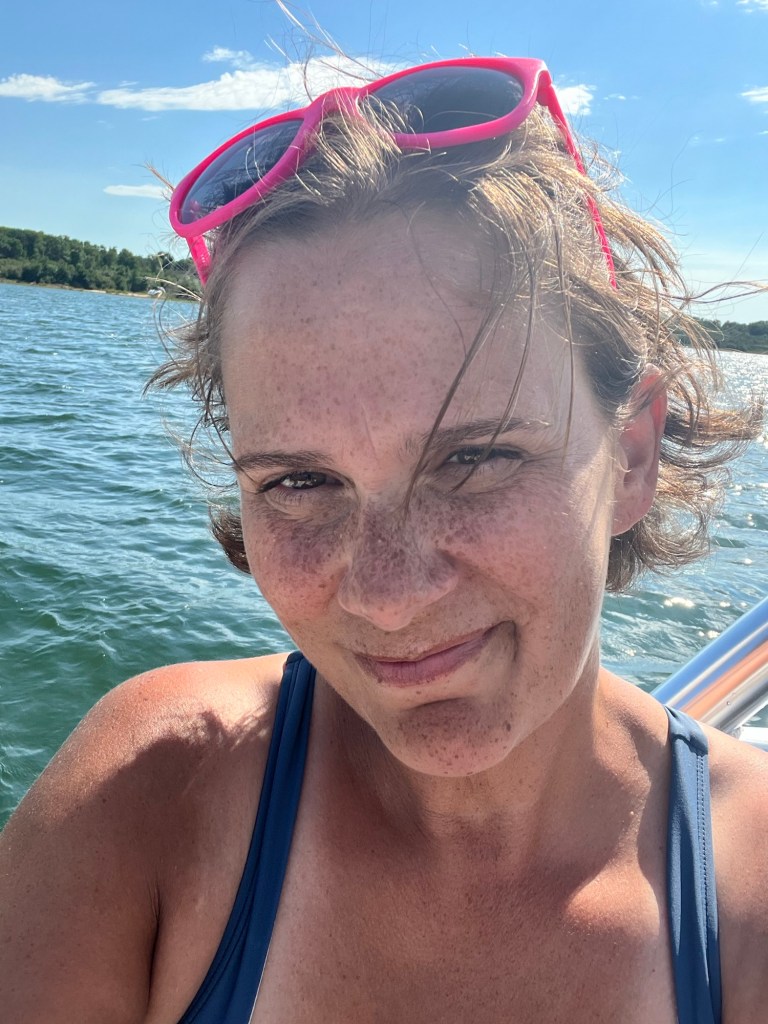
Before we begin, one important disclaimer.

I also live with hypermobility, ME/CFS, and surgical menopause. These conditions overlap so much that itโ€™s impossible to say with certainty which symptom belongs to which diagnosis. They tend to flare together after poor sleep, stress, overexertion, heat, illness, or simply asking my body to do more than it has available that day.

But every symptom on this list is also commonly reported by people living with fibromyalgia.

Why Fibromyalgia Feels So Strange

Researchers now believe many fibromyalgia symptoms are driven by central sensitization. Think of it as your nervous systemโ€™s alarm system becoming far too sensitive. Instead of responding only to danger, it begins reacting to things that shouldnโ€™t require an alarm at all.

A warm shower.
Bright lights.
A busy grocery store.
A long conversation.
Even clothing touching your skin.
This is closely tied to nervous system dysregulation, where the body spends too much time in โ€œfight, flight, freeze or fawnโ€ and not enough time in the restorative parasympathetic state. When your nervous system never truly feels safe, it can amplify pain, fatigue, sensory overload, temperature changes, digestive issues, and many of the symptoms below.

Maybe youโ€™ll recognize yourself in a few of them.

Maybe all ten.

1. Burning or Tingling Skin

Sometimes my skin feels sunburned without the sunshine.

Other times it tingles like Iโ€™ve rubbed myself head-to-toe with fiberglass insulation.

For me, itโ€™s one of the earliest warning signs.

High pain day.

Busy day.

Poor sleep.

Missed medication.

Too many commitments.

My nervous system begins clearing its throat. And waving tiny red flags. ๐Ÿšฉ ๐Ÿšฉ

Iโ€™ve learned not to argue with it anymore.
2. Random Itchiness

This one is maddening.

Iโ€™ll suddenly become fiercely itchy.

No mosquito.

No rash.

No dry skin.

Itโ€™s like the itch exists underneath my skin where no amount of scratching can reach it.

If youโ€™ve experienced this, you know exactly what I mean.

If you havenโ€™t, I sincerely hope you never do.

3. Light, Noise and Touch Become Too Much

When my nervous system is already overloaded, everything gets louder.

Bright lights feel brighter.

Background conversations become impossible to filter out.

The tag inside my shirt transforms into a tiny medieval torture device and demands 100% of my attention.

Even a loving hug can sometimes feel overwhelming.

Fibromyalgia isnโ€™t simply pain.

Itโ€™s often a nervous system that has forgotten how to turn the volume back down.
4. Balance Problems

I used to do cartwheels.

Now I turn around too quickly in the kitchen and have to wait for the earth to stop rotating.

Heat and fatigue make it worse.

Overdoing things makes it worse.

After spending a day on a boat, getting back onto solid ground requires far more concentration than it should.

My feet and my brain occasionally disagree about where โ€œupโ€ is.

5. Pins and Needles

Hot showers.

Long walks.

Overexertion.

Sometimes they all trigger pins and needles that creep across my body for no obvious reason.

Once they arrive, they rarely leave quickly.
6. Muscle Twitches and Spasms

My leg has launched itself off the bed while watching television.

My neck twitches throughout the day.

Occasionally a finger joins the party.

Apparently my muscles enjoy interpretive dance.

I did not approve the choreography.
7. Surprise Food Sensitivities

Foods I tolerated for years suddenly decide theyโ€™re no longer interested in cooperating.

They arrive uninvited.

They unpack.

They stay far longer than anyone asked them to.

Itโ€™s one more reminder that chronic illness loves unpredictability.
8. Hands and Feet That Never Warm Up

My hands are frequently freezing.

Years ago, someone grabbed my hand and asked,

โ€œAre you okay?โ€

Apparently, based on my hand temperature, I should have been dead for several hours.

Comforting.
9. The Fake Flu

Out of nowhereโ€ฆ

Nausea.

Aching muscles.

Complete exhaustion.

Like Iโ€™m about to come down with something terrible.

Exceptโ€ฆ

Nothing ever happens.

It simply ruins an hour.

Or the rest of the day.
10. Heavy, Lead-Like Limbs

Some days lifting my arm feels like lifting concrete. My body has a way of treating everyday events like Iโ€™m qualifying for an Olympic Games.

Opening a jar feels ridiculous.

My muscles are technically attached.

Operation has become optional.

Having fibro is like having a phone stuck on 12% battery. And everyone keeps asking me to download another app.
The Ten Things That Actually Help Me Soothe Fibromyalgia

Talk to yourself like you would to someone you love.

Brenรฉ Brown

Living well with fibromyalgia isnโ€™t about eliminating every symptom.

For me, itโ€™s about calming an overprotective nervous system often enough that it remembers Iโ€™m safe.

  1. Respect my limits instead of arguing with them.
  2. Budget my energy so the moments that matter most are worth the flare.
  3. Keep gently moving. A walk instead of a run. The bike instead of the elliptical. Motion is medicine. Punishment isnโ€™t.
  4. Choose warmthโ€”or coolingโ€”depending on what my body is asking for.
  5. Stay hydrated. Water is my most reliable teammate.
  6. Focus on what matters most.

I used to do everything.

The house stayed clean.

I worked.

The kids were fed.

The yard was mowed.

Meals were planned.

Nowโ€ฆ

The house is messy.

The yard grows faster than I can keep up.

The microwave has become surprisingly talented at storing forgotten meals.

If one truly important thing needs to happen todayโ€ฆ

Thatโ€™s the thing.

Everything else can wait.

  1. Take breaks before I need them.

Fibromyalgia has taught me that resting isnโ€™t the reward for finishing.

Sometimes resting is the reason Iโ€™ll be able to finish tomorrow.

  1. Accept support.

This remains one of my weakest skills.

I am surrounded by extraordinary people.

Help is offered constantly.

Sometimes strength looks like saying,

โ€œYesโ€ฆ thank you.โ€

  1. Believe my own body.

Fibromyalgia is invisible.

Sometimes even to me.

I minimize.

I explain it away.

I push through.

But my body keeps telling the truth.

Listening with compassion changes everything. Instead of wondering why my body is betraying me I try to speak the language it is trying to communicate.

  1. Calm my mind.

Sometimes thatโ€™s meditation.

Sometimes itโ€™s prayer.

Sometimes itโ€™s journaling every scattered thought onto paper until my brain stops trying to juggle twelve tabs at once.

A calmer mind often becomes a calmer body.
Calarwyth

(n) the moment you stop explaining yourself because silence feels more dignified than being misunderstood again.

A Forest Therapy Practice for Fibromyalgia

One of the greatest gifts the forest has given me is permission to stop performing.

Find a quiet place beneath a tree.

If itโ€™s safe, remove your shoes and allow your feet to rest directly on the earth.

Notice the temperature beneath you.

Feel the texture of the soil, grass, moss, or sand.

Imagine that, for a few minutes, you arenโ€™t simply visiting the forest.

Youโ€™re becoming part of it.

The forest simply exists. Allow yourself to do the same.

Allow your breathing to slow.

Notice the sounds above you.

The breeze on your skin.

The scent of pine or damp earth.
If it feels natural, rest one hand on a tree trunk and imagine your busy nervous system borrowing a little of its steadiness.

This practice also includes earthing, sometimes called grounding.

Early research suggests that direct contact with the earth may allow electrons from the Earthโ€™s surface to neutralize some reactive oxygen species involved in inflammation and oxidative stress. Other studies have found improvements in sleep, cortisol rhythms, pain, and wellbeing.

Whether those effects come from electron transfer, nervous system regulation, time outdoors, or all of the above, we do know something with much stronger evidence: spending time in nature lowers stress hormones, supports parasympathetic activity, improves mood, reduces blood pressure, and helps regulate an overstimulated nervous system.

For a body living with central sensitization, those moments of safety matter.

Fibromyalgia Flare Warning Signs

Iโ€™ve learned these are usually my first clues that I need to slow down.
โ˜ Burning or tingling skin

โ˜ Random deep itchiness

โ˜ Light, sound or touch suddenly feel overwhelming

โ˜ Increased dizziness or balance problems

โ˜ Pins and needles appearing more often

โ˜ Muscle twitches becoming frequent

โ˜ New food suddenly doesnโ€™t agree with me

โ˜ Hands and feet feel like ice

โ˜ Fake flu symptoms appear

โ˜ Heavy, lead-like limbs

When two or three of these show up together, I know itโ€™s time to change course before my body makes the decision for me.

Printable Energy Budget Checklist
Before I commit to something, I ask myself:

โ˜ Have I slept well enough?

โ˜ Am I already in more pain than usual?

โ˜ Have I eaten nourishing food today?

โ˜ Have I been drinking enough water?

โ˜ Is this worth spending todayโ€™s energy on?

โ˜ Have I scheduled recovery time afterward?

โ˜ Can someone help me with part of this?

โ˜ What can I postpone?

โ˜ Have I taken a break yet today?

โ˜ What does my body actually need right now?

Sometimes the healthiest decision isnโ€™t doing more.

Itโ€™s protecting tomorrow.

Final Thoughts

I used to spend all my energy trying to convince my body to behave like it used to.

Now I spend that energy listening instead.

Oddly enoughโ€ฆ

It fights me less.

For those of us living with fibromyalgia, healing often begins in the space between what our body is asking for and what our mind thinks we should be able to do.

Iโ€™d love to hear from you.

What is the strangest fibromyalgia symptom youโ€™ve experienced?

Was it something you never expected? Something your doctor never mentioned? Share it in the comments. Chances are someone else has been wondering if theyโ€™re the only one.

If youโ€™d like to experience what nervous system regulation feels like instead of simply reading about it, Iโ€™d love to have you join me for a guided forest therapy walk. Together weโ€™ll slow down, reconnect with our senses, explore practices that support an overstimulated nervous system, and discover how the forest can become one more tool in living well with chronic illness.
You donโ€™t have to keep pushing through alone.

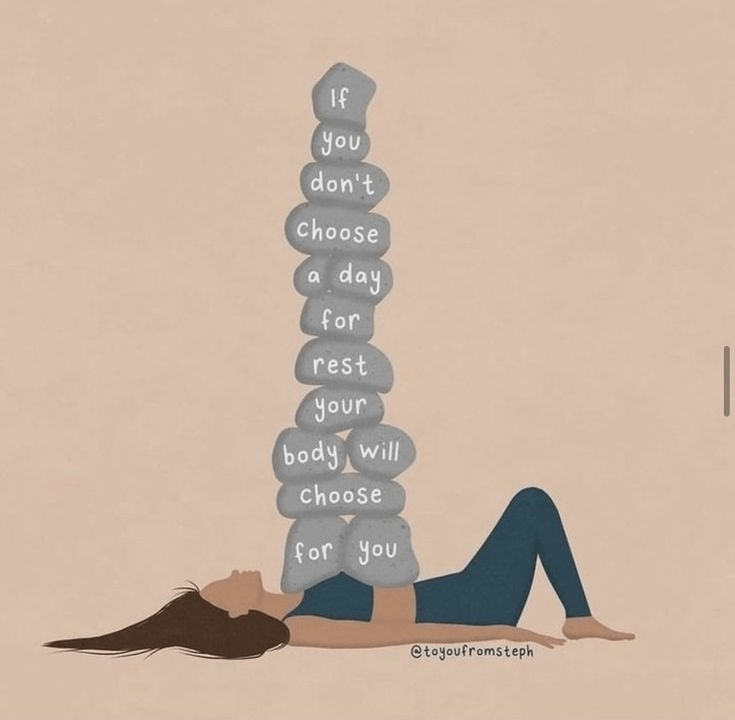
Rest is not idle, not wasteful. Sometimes rest is the most productive thing you can do for your body and soul.

Erica Layne

Understanding ‘Felt Safety’: Memories and Healing

There are memories you remember with your mind.

And then there are memories your body remembers.

This is one of those.

Weemoed

“DUTCH. (n) A bittersweet, nostalgic sadness that lingers like a thin mist. It is the ache of remembering something beautiful that time cannot return, equal parts comfort and sorrow.” (everglow words)

One summer, long before life scattered us in different directions to raise families of our own (and before two more joined our family), we made one of many summer trips to the cabin.

It was late by the time we arrived.

My sister and I had curled up inside our sleeping bags in the back of the car and fallen asleep somewhere along the drive.

When we stopped, I remember sliding onto the floor of the car, trying to wake my little legs enough to walk inside.

Then my dad came back.

I assumed he was coming for another load of luggage.

Instead, with those strong farm arms, he gathered the tops of our sleeping bags in his hands. Me in one, my sister in the other, and lifted us.

I could hear my sister giggling.

I could hear my mom quietly โ€˜tsk, tskโ€™ him for being silly.

The screen door creaked open.

Then came that familiar smell that only our cabin had.

Warm hardwood and the hint of lake air. The familiar mustiness of a place that had been closed up, waiting for more visitors to make more memories.

I didnโ€™t have to carry myself. Or wonder where we were going. I didnโ€™t have to wake up. I knew exactly where I was. I knew exactly who was carrying me. I trusted him completely.

Even now, all these years later, my muscles soften when I remember that moment.

Because your nervous system isnโ€™t asking whether youโ€™re capable. Itโ€™s asking whether youโ€™ll survive.

For years, I thought it was simply one of my favourite childhood memories. I didnโ€™t realize I was remembering what my nervous system feels like when it knows, without question, that I am safe.

Thereโ€™s actually a name for that feeling.

Felt safety.

You carry the calm inside you. You only have to remember.


The term felt safety has become increasingly recognized through trauma-informed care and nervous system research, particularly the work of neuroscientist Dr. Stephen Porges and Polyvagal Theory.

Itโ€™s different from actual safety.

Actual safety is about your circumstances.

Felt safety is about your nervous systemโ€™s assessment of whether you have enough resources and capacity to handle whatโ€™s in front of you.

You can be perfectly safe and still feel anxious.

You can also be facing something genuinely difficult and feel surprisingly calm because your nervous system believes youโ€™ll be okay.

That distinction changed the way I think about chronic pain.

Living with chronic illness teaches your nervous system lessons you never volunteered to learn.

Pain arrives unexpectedly. Fatigue hits like a brick wall. One movement can become months of physiotherapy.

Your body begins collecting evidence that ordinary life isnโ€™t always predictable. Eventually, your nervous system starts asking a different question.

Not,

โ€œCan I do this?โ€

Butโ€ฆ

โ€œIs this going to cost me?โ€

To be fair, my nervous system has earned the right to be unconvinced. Weโ€™ve been through some stuff.

Looking back, I think my body longs for the feeling I had that night at the cabin.

The feeling of not having to brace for impact. Or calculate every movement.

Not having to carry everything myself. But literally being carried.

When you live with chronic pain, your nervous system often becomes exceptionally good at detecting danger. Itโ€™s trying to protect you. As nervous systems do.

The problem is that eventually it begins seeing danger where there may only be uncertainty.

Thatโ€™s why making a phone call can feel exhausting. Trying something new feels overwhelming. Cleaning the kitchen feels impossible. Committing to lunch with a friend somehow feels bigger than climbing a mountain.

Not because youโ€™re lazy or undisciplined.

Healing begins when the body no longer has to choose survival over connection.


Recently I listened to Neill Williams on the Success Genius podcast, and this idea clicked for me.

She explained that felt safety isnโ€™t about waiting until life becomes easier. Itโ€™s something we can build. Incrementally over time.

When our nervous system feels safe, serotonin and oxytocin help create feelings of connection, contentment, and purpose. We can think clearly because the thinking part of our brain is fully online.

When we donโ€™t feel safe, survival takes over. We shut down. Or we push ourselves until we crash.

Not because weโ€™ve failed. But because our nervous system is trying to keep us alive.

Williams suggests asking one simple question:

โ€œWhatโ€™s the smallest version of this that my nervous system can honestly say yes to?โ€

One tiny success becomes one piece of evidence.

I can look back and see I survived.

Your nervous system is always collecting evidence.

Every gentle walk. Every boundary you honour. Every nourishing meal. Every person who keeps their word. Every deep breath. Every quiet moment beneath a canopy of trees. Each one whispers the same message.

โ€œYou are safe enough for this.โ€

Healing isnโ€™t teaching your nervous system that danger doesnโ€™t exist.

Itโ€™s teaching it that safety does.


Maybe thatโ€™s why nature has always felt like home to me.

Not because itโ€™s perfect.

But because it reminds my nervous system of something my body has known since childhood.

What it feels like to be held.

Nature is stillness.

It doesnโ€™t measure your ability to accomplish everything on your to-do list.

It doesnโ€™t ask how many steps you walked today.

Or compare your healing to someone elseโ€™s.

It doesnโ€™t care whether youโ€™ve answered your emails, folded the laundry and mowed the lawn.

It simply keeps showing up. Morning after morning. Season after season.

Offering the same quiet invitation.

You can soften now.

The scent of pine. ๐ŸŒฒ

The rhythm of birdsong. ๐Ÿฆ

Leaves dancing in the breeze. ๐Ÿƒ

The solid earth beneath your feet. ๐Ÿ‘ฃ

These arenโ€™t just beautiful experiences. ๐Ÿ˜

Theyโ€™re cues of safety. โค๏ธ

Tiny reminders that tell your nervous system it can loosen its grip, even if only for a moment.

Over time, those moments become evidence. That not everything requires bracing. Evidence that your body doesnโ€™t always have to stay on high alert. That peace is still available to you.


A Forest Therapy Invitation

The next time you find yourself in a forest, donโ€™t worry about how far you walk.

Instead, find one place that quietly invites your attention.

Sit with it.

Notice your breathing.

Notice your shoulders.

Notice your jaw.

Ask yourself gently,

โ€œWhat evidence of safety can I notice right now?โ€

Maybe itโ€™s the breeze.

Maybe itโ€™s birdsong.

Maybe itโ€™s the warmth of the sun.

Maybe itโ€™s simply realizing that, for this one moment, nothing is asking anything from you.

Stay there a little longer than feels necessary.

Let your nervous system collect another piece of evidence.


Every time I walk with someone through a forest, I hope they experience a piece of what I felt all those years ago.

Not because someone is carrying them across a cabin yard in a sleeping bag.

But because, for just a little while, they remember what their nervous system has perhaps forgotten.

That they donโ€™t have to hold themselves so tightly. Or carry everything alone. That they are safe enough to rest.

If youโ€™ve never tried forest therapy, Iโ€™d love to invite you to come walk with me.

Or find your own favourite stand of trees and let the forest do what it has always done so well.

Quietly remind us of something we knew before life became complicated.

Sometimes healing doesnโ€™t begin with trying harder.

It begins with remembering what it feels like to be carried.

Caught in a Battle Between Conventional and Holistic Medicine- A Chronic Sufferer’s Experience

The longer I live with chronic pain, the more convinced I am that modern medicine is excellent at saving lives and often terrible at helping people live them.

That is not an attack on medicine.

I am deeply grateful for surgeons, emergency rooms, diagnostics, imaging, specialists, antibiotics, and every medical professional who dedicates their life to helping people heal. If my arm bone is hanging on by hope and duct tape, I am not reaching for turmeric and positive affirmations. I want a surgeon. Immediately.

My mom shattered her foot in multiple places in a car accident. Her toe was essentially powder. No longer a toe. She needed surgery, pins, screws, and acute medical care. No amount of herbal tea or breath work was going to fix those bones.

Conventional medicine is extraordinary in moments like that.

But chronic illness and chronic pain are often different beasts entirely.

My body failed to coordinate its symptoms in a way convenient for modern medicine.

This is where many patients begin discovering the enormous disconnect between conventional medicine and a more holistic approach to healing.

And by holistic, I do not mean anti-science wellness influencers waving potions around while trying to sell bottled mountain air and enlightenment in the same online bundle.

There is a fine line between integrative medicine and someone trying to sell you powdered optimism for $89.99.

I mean looking at the body as an interconnected system instead of isolated symptoms.

I mean considering nutrition, supplementation, nervous system regulation, sleep, movement, physical therapies, mindfulness, environmental stressors, and individualized treatment options alongside conventional care.

Not instead of medicine.
Alongside it.

Because pain doesnโ€™t stay politely inside one department.

The body cannot always be divided into neat specialties simply because the healthcare system is.

I recently listened to a podcast episode from Untangle: Exploring What it Takes to Be Pain Free featuring Stacey Roberts, and so much of the conversation echoed what Iโ€™ve experienced navigating chronic pain myself.

One point especially stood out to me. Roberts referenced pain scientist Lorimer Moseley from the University of Adelaide, discussing how conventional medicine often compartmentalizes the body into isolated systems. The gut, the brain, the joints. When chronic pain rarely behaves that neatly.

Pain spills into everything.

Your nervous system changes.
Your sleep changes.
Your digestion changes.
Your stress response changes.
Your sense of safety changes.

The nervous system remembers suffering long after scans stop showing it.

Pain is real, even when the cause is unclear.

Lorimer Moseley

For years I was bounced between specialists who all told me some variation of, โ€œEverything looks normal.โ€ ๐Ÿ‘ ๐Ÿ‘

Which was excellent news except for the small detail that I was getting worse.

Thereโ€™s an exhaustion that comes from hearing โ€œeverything looks normalโ€ while actively deteriorating.

Every appointment felt a bit like medical speed dating except nobody wanted a second date with my file.

I was essentially told to go back to physio. This wasnโ€™t really a medical issue anymore.

I believe in physiotherapy. Deeply. It has helped me tremendously. But there comes a point where patients stop needing another treatment and start needing someone to ask bigger questions.

Nothing discourages a person quite like enthusiastically trying a stretch or strengthening exercise that immediately makes things worse.

Every specialist confidently searches for answers inside their own department like medical-themed escape rooms.

Somewhere between โ€œtry yogaโ€ and โ€œhave you considered drinking more water?โ€ I began expanding my own research.

And Iโ€™ve lost count of the books and podcasts that begin with the exact same storyline:

โ€œI was trained in conventional medicine. I trusted the system completelyโ€ฆ until I became the patient.โ€

At first, these doctors often dismiss holistic approaches entirely. Patients mention supplements, meditation, dietary changes, nervous system work, or alternative therapies, and the response is cautious at best and dismissive at worst.

Snake oil.
Pseudoscience.
Non-compliance.

But then something shifts.

The doctor develops chronic pain.
An autoimmune condition.
A lingering injury.
Burnout.
A nervous system disorder.

And suddenly certainty cracks open into curiosity.

Chronic pain turns you into a part-time researcher, part-time philosopher, and full-time reluctant detective.

I have spent an unreasonable amount of my adult life trying to determine whether I am injured, inflamed, overtired, under-rested, dehydrated, stressed, or simply existing incorrectly.

Living with chronic pain means constantly performing the worldโ€™s least fun science experiment on yourself.

By year three of unexplained symptoms, I could practically earn honorary medical credits.

To be fair, holistic spaces are not immune to problems either. There is misinformation, exploitation, fearmongering, and an endless supply of expensive miracle cures marketed toward vulnerable people desperate to feel better.

Pain makes people easy to manipulate.
Both systems can fail people in different ways.

Thatโ€™s why I donโ€™t believe the answer is abandoning conventional medicine for holistic healing.

I believe the answer is integration.

An actual partnership.

Healing is bigger than symptom management.

Patients do not need doctors to be omniscient. We need them to be curious.

Surgeons are trained to operate.
Doctors are trained to diagnose and prescribe.
Specialists are trained to identify patterns within their specialty.

We need practitioners who understand both the power and the limitations of their training. And openly work with other practitioners, conventional and holistic, to find a root cause and treatment plan.

This matters enormously to a patient just trying to survive.

The shoe that fits one person pinches another.

Carl Jung

Chronic illness does not always fit neatly inside textbook timelines and diagnostic boxes.

Medicineโ€™s symbol speaks of healing being available. Yet many people with chronic illness spend years moving through appointments feeling like fragmented symptoms instead of whole human beings.

Stacey Roberts described asking chronic pain patients to remember a time before they lived with pain. Then she asks them to imagine themselves in the future doing something that currently hurts. Picking up grandchildren. Bending over. Any repetitive movement, without pain.

And many people simply cannot picture it.

Their bodies have become so conditioned toward pain and protection that even imagining safety feels impossible.

This is your forest therapy practice for this week. Find a quiet place in nature and practice this visualization.

Chronic pain doesnโ€™t only affect muscles and joints. It reshapes expectation. Identity. Fear. Hope.

Roberts discussed using visualization, breathing, mindfulness, and repetition to help retrain the nervous systemโ€™s response to pain.

That idea connects to what Iโ€™ve experienced through forest therapy and time in nature.

Regulation comes while standing beneath trees while wind moves through their branches overhead. The nervous system seems to recognize something there before the mind does. The movement. The rhythm. The reminder that not everything in the world is bracing for impact.

Healing and pain elimination are not always the same thing.

Chronic pain teaches your nervous system to scan constantly for danger. Nature quietly teaches it another language.

No performance. No productivity. No pressure to fix yourself.

Just space to exist in a body that has spent far too long preparing for the next flare.

You can read more about that experience in my post about forest therapy and nervous system regulation. ๐ŸŒฒ Activating Your Vagus Nerve With Forest Therapy ๐ŸŒฒ

I appreciated many of the points Stacey Roberts made in the podcast. But I struggled with the title of her book, The Pain-Free Formula.

Not because I donโ€™t believe improvement is possible. I do.

I absolutely believe there are things we can do to reduce pain, improve quality of life, calm the nervous system, support healing, and function better in our bodies.

But chronic illness eventually teaches many of us something medicine rarely does:

Sometimes the greatest medical harm is making patients feel invisible.

At some point I stopped obsessing over becoming pain free and started focusing on becoming supported.

I decided healing would come in time.
And if not, I would still be okay.

Not because I had given up.
But because I finally realized I had the tools, support, and guidance I needed to endure whatever my condition threw at me.

Ironically, that mindset shift brought me more peace than years spent desperately chasing the next solution.

Sometimes acceptance is more freeing than the absence of pain we searched for so desperately.

I hope Stacey Roberts never fully understands that distinction.

Because for her to truly understand it, she may have to suffer at a depth I would not wish on anyone.

At the end of the podcast, the host asked how she would redesign the healthcare system for chronic pain patients. Roberts discussed the need for more investment into preventative health, nutrition research, nervous system regulation, and understanding why certain non-pharmaceutical interventions help people heal.

And honestly, I think she raised important questions.

Because if someone improves through movement, nutrition, mindfulness, supplementation, therapy, nervous system regulation, or lifestyle change, why should that healing be dismissed simply because it did not originate from a prescription pad?

People in pain do not need to be fixed before they are worthy of compassion.

I do think our healthcare system needs to evolve.

Not because doctors are evil.
Not because science has failed.
Not because medicine lacks value.

Oliver Sacks suggests,

To restore the human subject at the center. The suffering, afflicted, fighting human subject. We must deepen a case history to a narrative.

Patients with chronic illness need practitioners who are comfortable saying:
โ€œI donโ€™t know.โ€
โ€œTell me more.โ€
โ€œI believe you.โ€
โ€œLetโ€™s keep looking.โ€

Rachel Naomi Remen said,

The most basic and powerful way to cconnect to another person is to listen.

And William Osler advised:

Listen to your patient; he is telling you the diagnosis.

Listen. Not just for the keywords that trigger familiar treatment pathways. But for the whole story.

For the grief patients carry. For the exhaustion. For the devastation of losing trust in your own body. And for the courage it takes to keep asking for help after years of disappointment.

Healing should never have become a battle between conventional and holistic medicine.

People in pain deserve both.

And if youโ€™ve ever had to redefine what healing or success looks like inside a difficult body, I wrote more about that here as well. You Are a Success Story

The Messy Middle: Finding Hope When Life Refuses to Be Tidy

I am in the messy middle of my life.

Not the beginning, when everything still feels like clay. Wet, moldable, brimming with possibility. And not the end, when threads have been tied off and stories are stitched into something you can finally make sense of. Iโ€™m here, in the thick of it. In the in between. Healing from chronic pain and somehow learning to live with chronic fatigue, trying to shape what might be next.

Trying to find purpose in pain when the path ahead feels tender and unfinished.

She cleared out all of her old ideas of things, until she could hear her own joy with almost no effort at all.

-Sara Avant Stover, The Way of The Happy Woman

As I have talked about previously on here. I had a hysterectomy after years of fighting hormones that felt like they were clawing their way through my insides. Endometriosis pain stretched across entire seasons of my life.

And then there was my business. It was finally thriving, finally fun. Something my mom built with her hands and heart. But my body whispered then shouted then raged to get me to listen to its unmistakable limits.

Even sitting at the piano. The place that once felt like oxygen became something my body could no longer hold. Notes I used to float through now feel heavy, unsteady, often impossible.

Chronic pain doesnโ€™t just take.

It rearranges.

It remodels.

It forces you into corners you didnโ€™t see coming.

And here I am again, in this messy middle. Sorting out the parts of me that remain. Trying to decide what pieces go where, and to whom, and how much. Because there is only so much of me to go around.

My days are short. My energy is rationed. I canโ€™t just โ€œget up earlierโ€ or โ€œpush harderโ€ or โ€œstretch the day.โ€ Those tricks donโ€™t work in this body.

I have learned, painfully, that pushing past limits costs me days, sometimes weeks, of recovery. I donโ€™t slip gently into tired. I crash into a wall of pain with no warning and no buffer. There is no bouncing back.

I donโ€™t have a reserve tank anymore.

I remember when I did.

I remember using an entire day to make snacks and treats for my family, cleaning the house, bathing my littles, tucking them into bed.

I remember being so tired, but feeling full. Like life had weight and meaning and movement. I loved looking at what I had accomplished.

Now?

I can get that same level of bone deep exhaustion from five minutes of washing the dishes.

And that, sadly, is not an exaggeration.

This isnโ€™t โ€œjust midlife.โ€

This is chronic pain. And chronic fatigue. And chronic limitation.

But hereโ€™s the truth Iโ€™m holding onto-

The messy middle is still a valuable place. A real place. A sacred place of hope. A place worth tending.

And Iโ€™ve learned that healing isnโ€™t found in the before or the after.

Itโ€™s found right here.

In the slow, intentional steps we take when life has to narrow down.

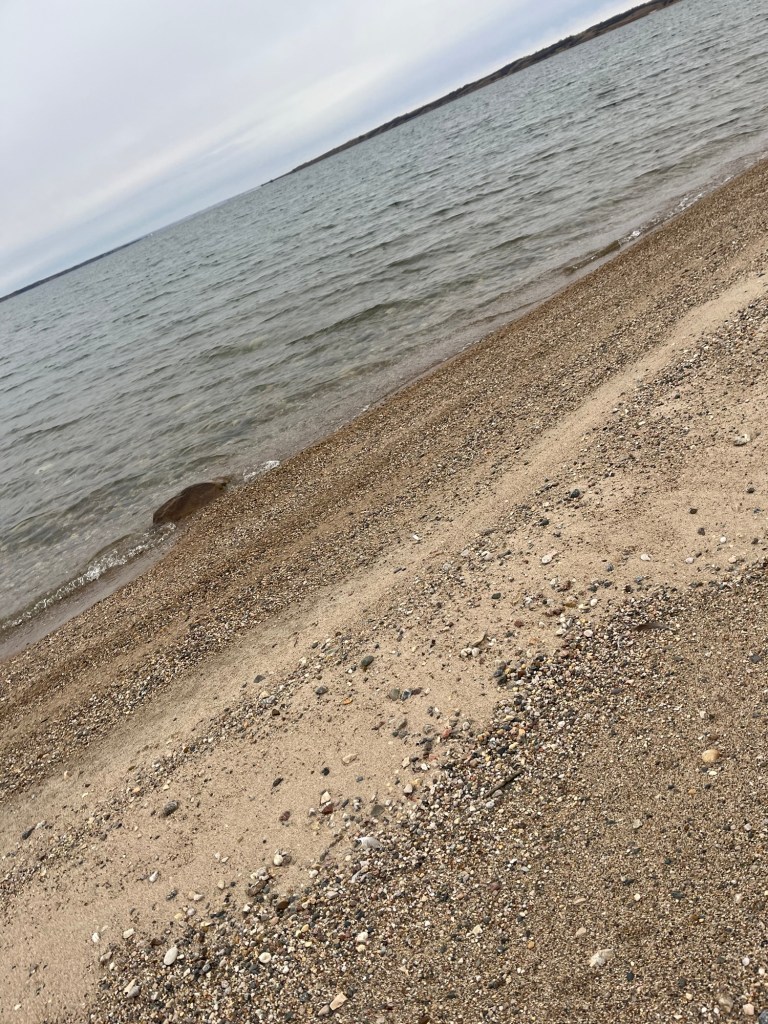
I have never experienced walking on sand in my winter boots before. Weird!

For me, one of those steps is forest therapy.

Where Forest Therapy Meets Healing Journey

In this season, forest therapy has become one of the few places where my body and my motivation find agreement.

It isnโ€™t hiking. It isnโ€™t performance. It isnโ€™t even about movement.

Itโ€™s a return to your own breath. It is nature therapy in its gentlest form.

A soft doorway into emotional healing, grounded presence, and quiet hope.

A reclaiming of the parts of yourself that pain has tried to scatter.

A gentle companionship in the places of life that feel undone.

In the forest, I donโ€™t have to be anything for anyone.

The trees donโ€™t ask me to push. The moss doesnโ€™t question my intentions. The forest simply holds space.

And in that space, I remember that even when life feels broken, Iโ€™m not.

I think healing is like that.

Quiet. Nonlinear. Messy.

More felt than understood.

And every time I enter the forest, I feel like I step onto a โ€œladder of hope.โ€

The Ladder of Hope by me

You climb it not in leaps
But in breaths.
You rise not by strength
But by softness.
The rungs are made of momentsโ€”
A bird call,
A sunbeam,
A place to sit.
And every rung you step on
Whispers the same truth:
Youโ€™re still rising.

These are small moment that lift me enough to keep going. Not giant steps. Not perfect healing. Not having everything sorted.

The middle is messy. But itโ€™s also alive. Itโ€™s also becoming. Itโ€™s also sacred ground.

And maybe, purpose isnโ€™t something we chase.

Perhaps it is something that can grow. Slowly, gently, sturdily. If we let it.

โ€œHopeโ€ is the thing with feathers, that perches in the soul. And sings the tune without the words. And never stopsโ€” at all.

-Emily Dickinson

Wherever you find yourself today, whether youโ€™re living your own messy middle or standing at the edge of it, may you find one small rung of hope. One quiet moment. One breath of space.

Chronic pain has rerouted my life more times than I can count. It has taken me down roads I never meant to travel.

Itโ€™s like my GPS is stuck on the back roads setting as I travel cross country. Not quite the way Iโ€™d planned. A lot bumpier. Requiring a slower pace. And focused attention. It is often lonely. And misunderstood.

Sometimes a path calls for you to walk alone. And still, it is beautiful.

-Angie Weiland- Crosby

There are places where the forest tends us and our own breath begins to feel like a home again.

Let the air touch your face. Let the light filter in.

Climb one rung of your ladder of hope.

Just one. This will look different for each one of us. Rightly so.

We are still rising.

And that matters.

Winter, come rest your soul on autumnโ€™s weary head. Twirl, shimmer, soften, before tucking fall into bed.

-Angie Weiland-Crosby

Embrace Nature: The Power of Forest Therapy in ME-CFS

Fjellro (Norwegian)- means “mountain peace” or “a quiet place in the mountain”.

I could use some mountain peace. My diagnosis of Myalgic Encephalomyelitis- Chronic Fatigue Syndrome (ME-CFS) demands that I find time and places for peace. Outdoors- if at all possible. The winter months make it less than practical in Saskatchewan. But the forests and spaces of nature are melting and inviting us to join their tip toe into spring. I will explore this diagnosis and why nature is so beneficial in today’s post.

Before that, if you haven’t already,

โ˜๐Ÿผ Me today โ˜๐Ÿผ

I slipped on the ice again yesterday. Just a mini whoopsy daisy that would be nothing for the average Joe. But I am me. And it is not nothing.

This has been an atrocious year for ice. This is my third fall. Every time I fall I have to put in a herculean effort to get back to where I was physically. Which also takes a toll mentally and emotionally.
It means more painful days. And harder to sleep nights. It takes weeks (sometimes months), a few physio appointments to figure out what is happening and then I fall again!

Frustration at the setback is not a strong enough word. Exasperation. Fury at myself over such a mistake. Rage at the prospect of what this means for the days, weeks and months ahead.

Faith is a bluebird we see from afar. It’s real and sure as the first evening star. You can’t touch it, or buy it, or wrap it up tight, but it’s there just the same- making things turn out right.

-The Rescuers

My ME-CFS Diagnosis: The Mystery Illness That Would Have Ruined My Social Life If I’d Had One

Such an accurate depiction. Just getting dressed feels out of reach. Taking care of kids is a stretch but worth it. Although that knocks out fitness and and career (you can’t have it all!) Plans, hopes and dreams feel too far away to try to reach.

In my last post on Myalgic Encephalomyelitis (ME) Chronic Fatigue Syndrome (CFS) Living with ME/CFS: A Journey Through Chronicย Fatigue I explained that when broken down the term means, inflammation of the brain and spinal cord with muscle pain. After years of wondering and then months of testing, I was told the master plan was to manage the symptoms and treat the pain. Forever.

Rubatosis is a newly coined term by John Koenig. He defines it in his book “The Dictionary of Obscure Sorrows”. It speaks to me because it is derived from the musical term rubato. I played piano for years. I loved songs with rubato. Rubato literally means ‘robbed time’.

When playing a piece of music that calls for rubato, the musician subtly speeds up and slows down. This ‘robs time’ from one spot and gives it to another. This inclines the ear of the listener as it is not what is expected.

Rubatosis is being aware of your own unsettled heartbeat. Sensing a nervous, irregular rhythm. Unlike the steady beat of a metronome, it feels erratic and frantic. This is one of the sensations I feel with ME. Along with that feeling of sorrow as originally intended. I sense a physically unsettled feeling that never shows up on any test. Doctors and their machines cannot find it. But the sensation persists.

From There To Here: Now What?

How does one keep fighting against such odds and thrive, not just survive this life? I believe this is where SISU can come in. I discuss sisu in another post if you want to learn more. Sisu: The Art of Thriving inย Adversity.

Sisu is where perseverance and grit end. It is the second wind we find to go on. When you feel you have reached your limits, can you find your sisu? Can you meet yourself in this place of suffering and give yourself the time to grieve? And then push past your perceived limits. Those places that other people don’t have to go. Feel the frustration. And then advance. Arise. Flourish. Shine.

Also know when it is time to stop shining and go to bed. ๐Ÿ˜‰

I recommend doing all you can to make your physical environment peaceful and comfortable.

Guilt-Free Zone: Moving Past Disability Guilt

Do you feel guilty about your disability? I feel like a burden on others. I see my inabilities and put aside my abilities. Let’s discuss the guilt that comes along with disabilities. Bring it out into the light so there is no shame here. You are not the only one.

  • I feel guilty when I struggle with an everyday task like walking the garbage to the trash can outside. I feel incompetent. I feel like a whiner. I feel powerless. So I do it anyway. And I slip on the frozen lake that is our driveway.
  • I feel guilty when I need to ask for help. I would rather just take care of things myself. But I have seen the repercussions in the past. It is an ongoing internal battle of pros and cons for the most menial of tasks.
  • I feel guilty for needing accommodations. My back starts to spasm when I think of sitting on an upright chair for any length of time. If I can’t recline, all the joints that are “out” have to work too hard. Little, tiny muscles are asked to do too much. And then they start to complain loudly. With inflammation and pain. But to bring a recliner camp chair with me wherever I go is demeaning. Even the super old people are fine in upright chairs. What’s the matter with me?
  • I feel guilty for needing more rest than others. It is a need I cannot ignore. I can pretend to be a “normal person” for one day. Maybe two. But then I will pay dearly for time that should have been spent resting &/or sleeping.
  • I feel guilty for quitting my job. I see others fighting through exhaustion and pain. Continuing to work. There are so many days I just want to ignore my body and join the rest of the world. Even typing that sentence makes my body react adversely.
  • And I feel guilty for not showing up. I want to be there. I want to do more. I want to see you. But my condition is not meant for this world. I have to create my own if I want to thrive.

The Vast Spectrum of Struggles: Understanding This Essentially Invisible Condition

What’s stressful about having an ‘invisible illness’ is that others expect you to have the same energy levels and stamina as people who are healthy, because you ‘look healthy’, which usually means you push your body past where you should in order to not appear ‘weak’ or ‘needy’.

-Hannah Lindgren

The symptoms and severity of this condition vary widely person to person. Some are home bound. Others even bed bound. I was there. I know what I, personally, need to do to keep myself from going back. This is what I can share with you.

It is not a cure all. Every journey with this serious neurological illness will be different. One thing sufferers will see in common is an exacerbation of symptoms with physical and mental exertion. Resting is ineffective at alleviating the symptoms. Waking exhausted is the daily norm.

ME-CFS is characterized by a profound dysfunction of the regulatory control network within and between the nervous system.

This interacts with immune and endocrine systems affecting virtually all body systems cellular metabolism and ion transport.

Rosalynde Lemarchand

A Nod to Jeff Foxworthy and a List of My Own: Both of Which Are Not to be Taken Too Seriously

Instead of Jeff Foxworthy’s famous, You Might be a Redneck, let’s play You Might Have ME-CFS. Disclaimer: I am not a doctor or medical professional. This is not intended to diagnose, it is for entertainment and introductory informative purposes only. If you have any questions, talk to your doctor. Also despite the fact that I said let’s play, this will not be fun.

You Might Have ME-CFS-

If you experience severe and debilitating exhaustion on a daily basis. if you have ever been too tired to answer a simple question, to turn your head to look at someone, to get to your bed and so you lay down wherever you are, you might have ME-CFS

If you have sensitivities to noise, lights, sounds, foods, odors and chemicals, if your guts are grinding and your brain is buzzing, your limbs are cramping, your eyes are tingling and your muscles are spasming and your extremities are numb, you might have ME-CFS

If your body overreacts to temperature changes, if the cold makes you convulse and the heat makes you nauseous and you get stuck feeling one or the other, then back and forth with no sense of order or balance, if your skin feels like a million pin pricks with each change in temperature, you might have ME-CFS

If you experience daily unexplained pain in your muscles and joints, if you have muscle weakness and reoccurring headaches, if you wonder what you will do when you are 80 since your body feels like it has aged 10 years in the last year, you might have ME-CFS

If you have brain fog to the point that it is often embarrassing and off-putting in a conversation, if you constantly struggle for the right word, forget the names of your friends, and lose track of what you were going to say every, single, time, you might have ME-CFS

If you struggle through exhaustion all day and then equally struggle to get to sleep and stay asleep all night, if you have night sweats and chills, if you have extra pajamas by your bed, just in case you sweat through the first round, you might have ME-CFS

If you struggle with lymphatic fluid blocks and swollen or tender lymph nodes, if you know the spots to massage and what to leave alone, if you struggle with nasal passages staying clear and swollen glands, you might have ME-CFS

Pretend You Have ME-CFS: The Hilariously Not Funny Guide

The symptoms are one thing, how they dismantle our lives is another. I have a different list in my other post on ME. Here is a new list of how to duplicate the feeling of having ME for anyone that wants to know. Like a partner trying on a pregnancy suit to find empathy for their expectant wife. Here we go. How to replicate the symptoms of ME-CFS:

  1. drink a bottle of wine and all the espressos you can hold (I don’t drink either but you get the point, something to make you sleepy and something to keep you up for 3 days straight)
  2. dump a load of rocks onto your bed and lie down
  3. have someone lay multiple weighted blankets on you
  4. invite someone with the flu virus to cough in your face and wait for that to take effect
  5. call on a friend with a toddler to jump all over you, especially directly on your joints
  6. inject your muscles with lactic acid until it feels your limbs will fall through the mattress with dead weight
  7. ensure you have live bare wires placed around you, the shocks you get will be equivalent to the body shocks we are so fond of
  8. have someone dump all the ice cubes they can find on and around you, touching your bare skin until the sensation of pin pricks starts, then have someone prick you with pins, small pins are fine
  9. turn on all the florescent lights and place them directly over your eyes, no blinking!
  10. Lastly, have your niece that is learning violin over to practice directly by your ear

Chronic illness is tricky. People don’t know what to say. When someone has an illness that they beat, they are applauded for their ability to overcome. As they should be! When someone dies, we remember them for their strength to the end. As we should! But in chronic illness, people ask if you are better yet. What will the doctors do? As though you haven’t tried everything. They look for improvement and see none and wonder when you will start trying.

Iโ€™m Not Tired, Just in a Long-Term Relationship With my Bed!

Recherche Women

Some women are made
of steel, stones, tears, 
dust, bones and scars
Others are made of books, music, 
rainfall, stardust, moonlight,
flowers, daydreams
And wild adventures.
The rare ones are made of both. 

-Omoehi Ehixojie

Just because the past is painful, doesn’t mean the future will be.

-Meet the Robinsons

Forest Therapy: The Only Time Talking to Trees Isn’t Considered Crazy

I need to be alone for certain periods of time or I violate my own rhythm.

-Lee Krasner

My way through. Forest therapy. I don’t openly share the invitations that I use in my forest therapy practice. They are what I use when I take individuals or groups on walks. There is an added benefit to utilizing silence, meditation and the many practices I have to offer.

Click to my How To Get inย Touch page to reach out if you have any questions. If you’d like to know when my walks get scheduled, follow me on social media. Search sunbeam acres on Instagram, Facebook and X.

Tickling All Five Senses for a Brilliant Nature Connection Adventure

Engaging all five senses is tantamount to the forest therapy walk. Enlist your eyes, ears, nose, fingers, and taste buds to join you. Following is an example of how that looks.

Sight- (this one is easy, you can look at a book of nature to get that, but you are missing four other senses when that is all you have) take time in nature to notice what is around you, the colors, the shapes, the relationship between the forest and fauna.

Sound- the birds are singing their songs, we can hear the breeze, what else do you hear, listen for what is near, and then further and further away, then nearer and nearer

Smell- what trees are near, do they have a scent, is there mud or dirt, decaying wood, pinpoint different scents and then how would you describe the overall scent of this space in nature

Touch- a variety of textures are accessible in any space in nature, the bark of the tree and any body of water nearby are what come to mind first, what else is handy, a ladybug to crawl on your hand, a light brush over a patch of grass, toes digging into the sand or dirt, what else

Taste- this one can be tricky, lots of forest therapists bring a thermos of hot water and add bits of the forest to use in a tea ceremony at the completion of the forest therapy walk, make sure you know what you are putting in if you decide to go this route, only use what you are very familiar with, some of the places I go have Saskatoon berries or honeysuckle (just don’t eat their berries) use what you know and learn more about what is safe in your area, you can always bring a snack from home to engage this sense while on your forest bathing walk

It’s Not Woo Woo: It’s Science, Just with a Side of Quirk!

Connecting with the forest through all these and more sense helps me to balance a nervous system. And that is not an easy feat with my life! I promise you it is worth feeling a little quirky at first. For those that think this is alternative medicine linked to the supernatural. Let me assure you, it is no such thing. The science behind the practice is proving the benefits.

If you’d like to look at a couple of those scientific studies:

๐Ÿ‘‰๐ŸผHere is one that shows how woodland soundsย help with relaxationย more than meditation apps.

๐Ÿ‘‰๐ŸผAnother on how the sounds of natureย relax our bodiesย and help them go from fight-or-flight to rest-and-digest mode.

๐Ÿ‘‰๐ŸผAnd one more that shows theย psychological and physiological benefitsย of forest bathing in bamboo forests.

These studies are copied from Forest Bathing Central You can head to their page to find a monster list of the research they’ve compiled on the physical, emotional and mental effects of forest bathing. Forest Bathing Central check them out!

Ralph Waldo Emerson knew where it was at. He was a forest therapist long before it was a term. Check this out, he said:

Few people know how to take a walk. The qualifications are endurance, plain clothes, old shoes, an eye for nature, good humor, vast curiosity, good speech, good silence and nothing too much.

I’d go for a walk with him any day. Take care my friends. Watch out for the icy patch!

Finding Strength in Nature During Winter

I have loved her my little wanderer, with a mind full of wild forests and eyes that await adventures.

-Connie Cernik

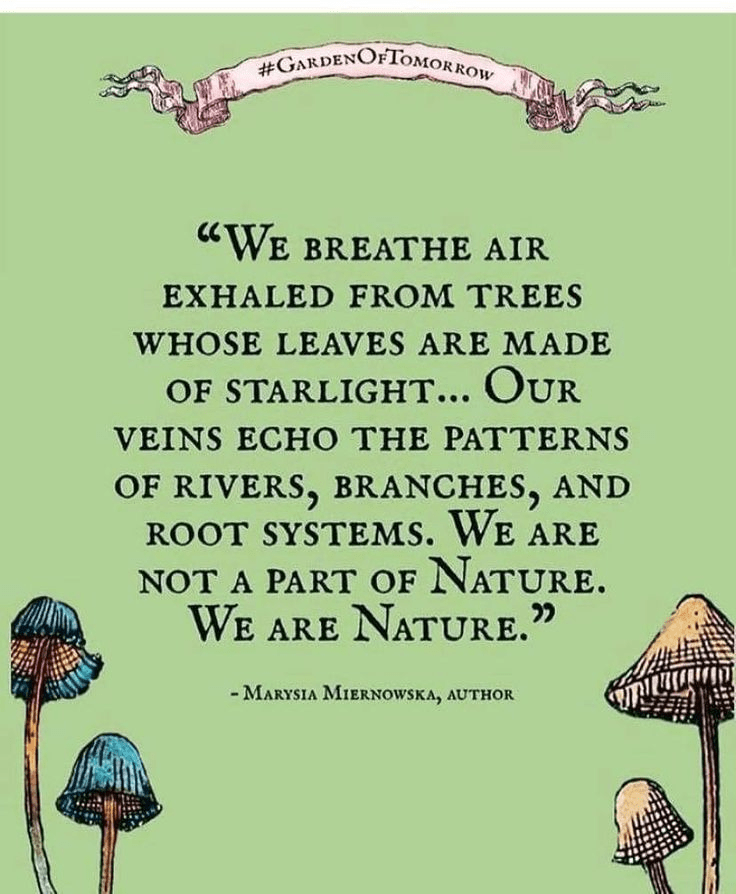
We Are Nature

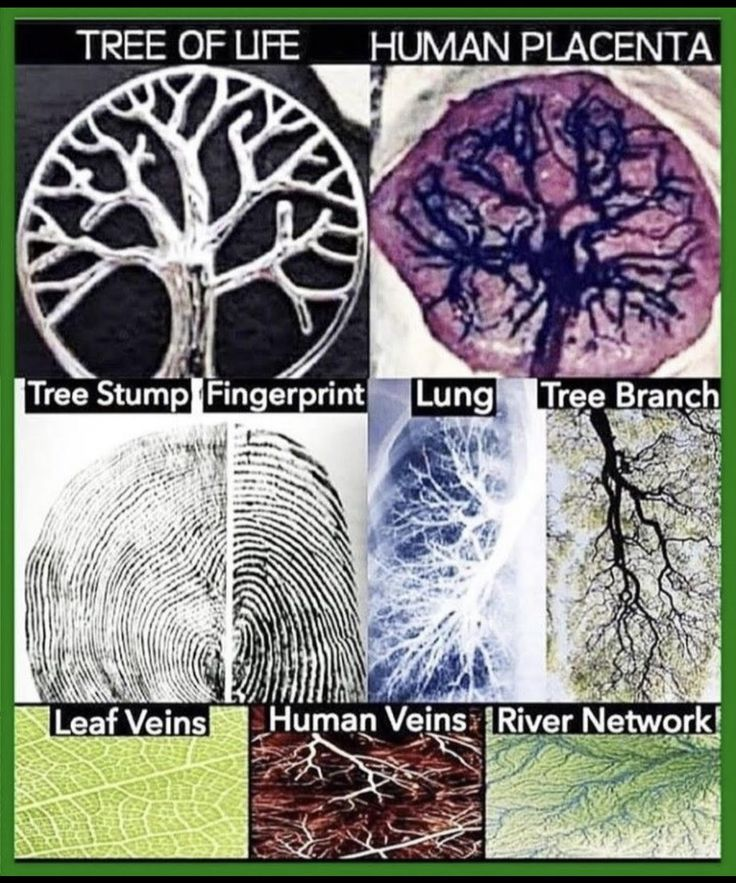
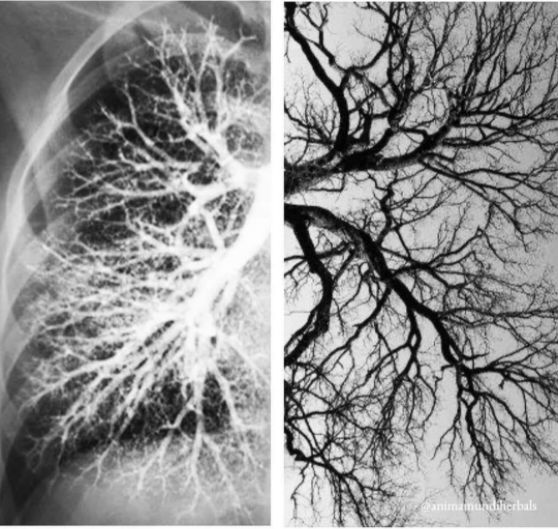
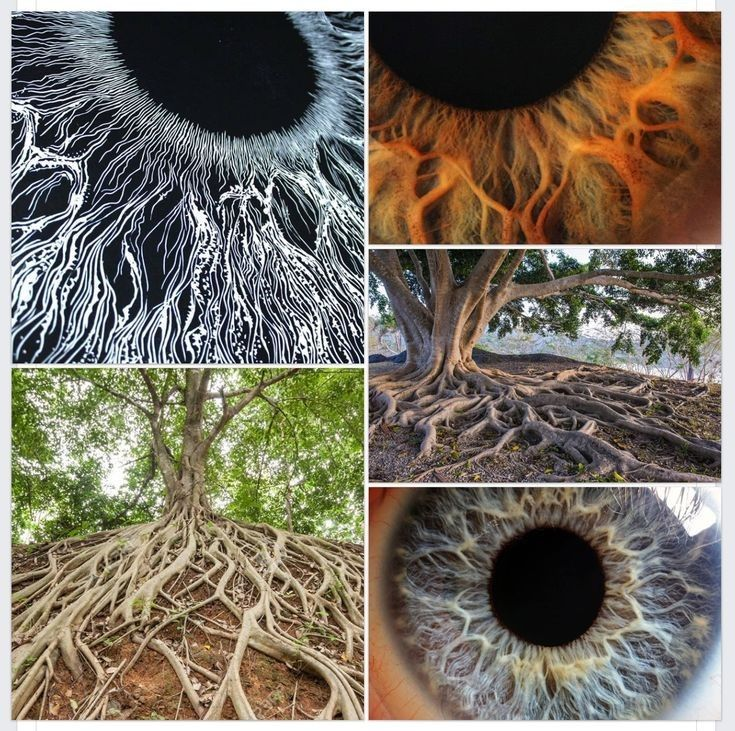
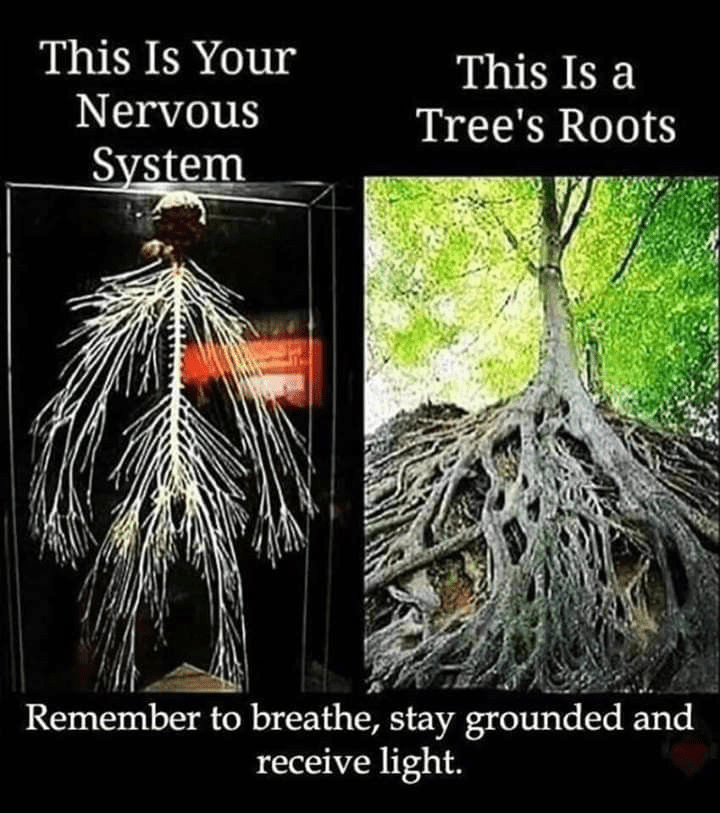
Have you ever considered how closely connected we are to nature? We have only to look at the pictures below to tap into that relationship. What does this awareness do for our psyche through the months of snow? Darkness and cold are the norm in places like Saskatchewan. We can fall into bouts of depression if we are not aware. We must also be willing to do something about it. Something as seemingly insignificant as looking at the next images can invite more positive vibes.

Lungs and trees, eyes and roots, tree branches and placenta, leaf veins and human veins and a network of rivers. We are nature and nature is in us. We are created to gain from this connection. How can you connect in the winter months? Choose your space and length of time wisely. When you have time to go, consider these images and find more connections between your body and nature.

A Flare of a Week

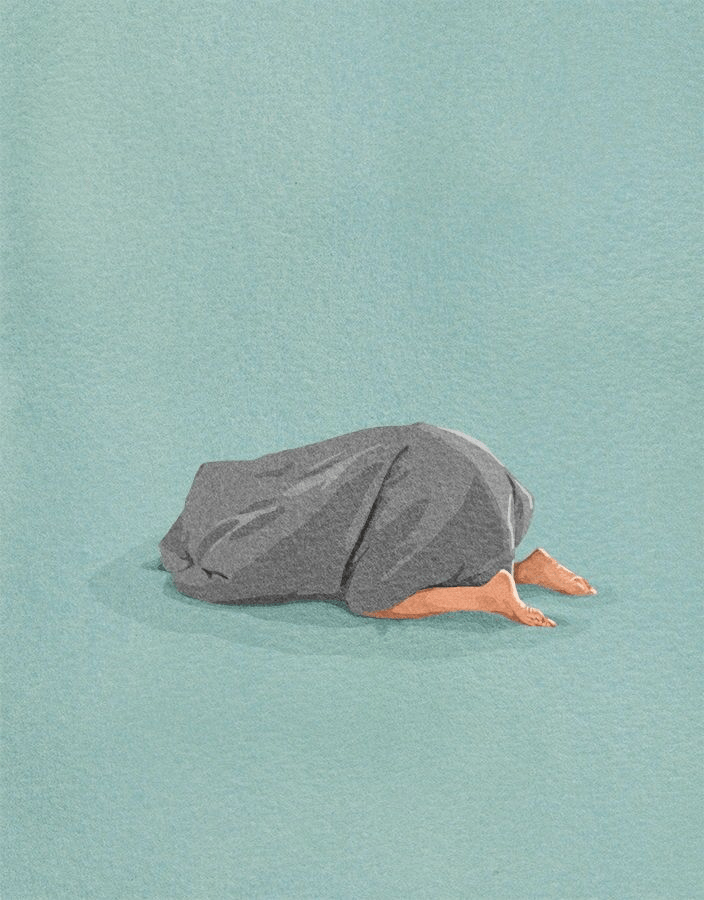
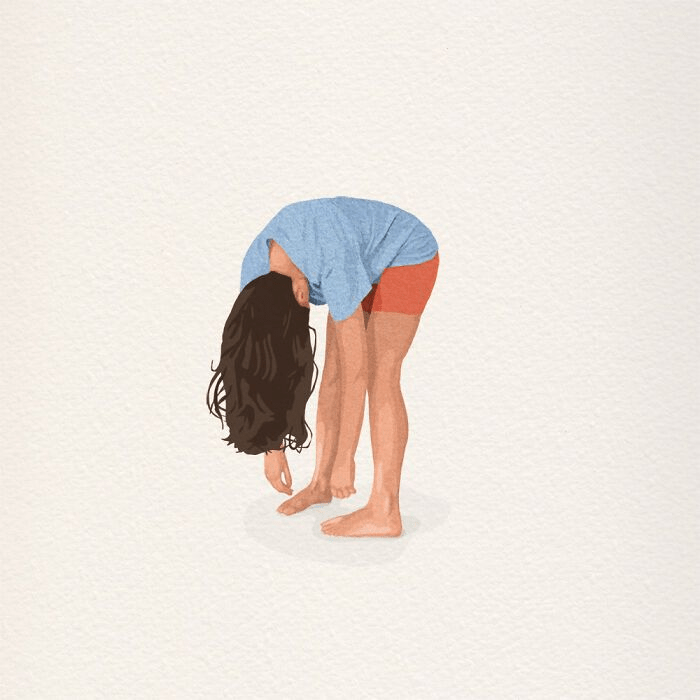
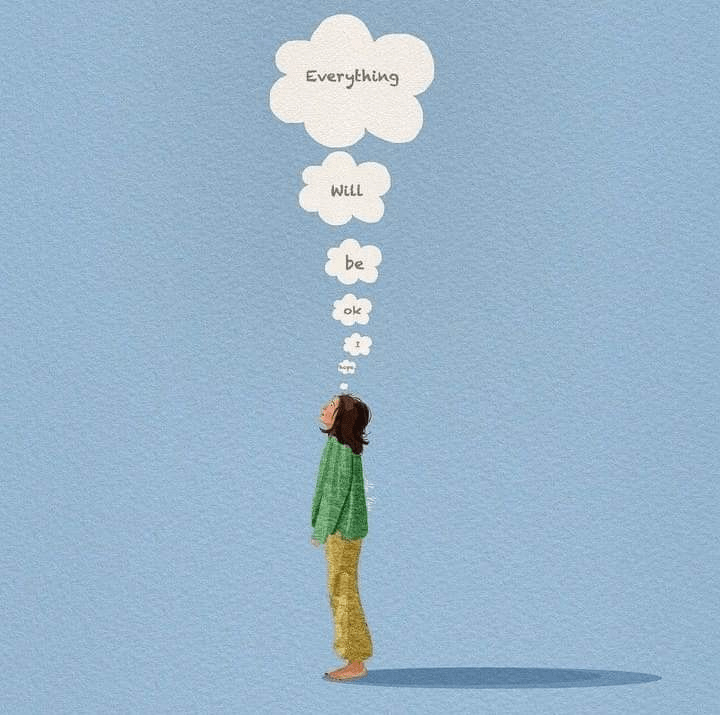
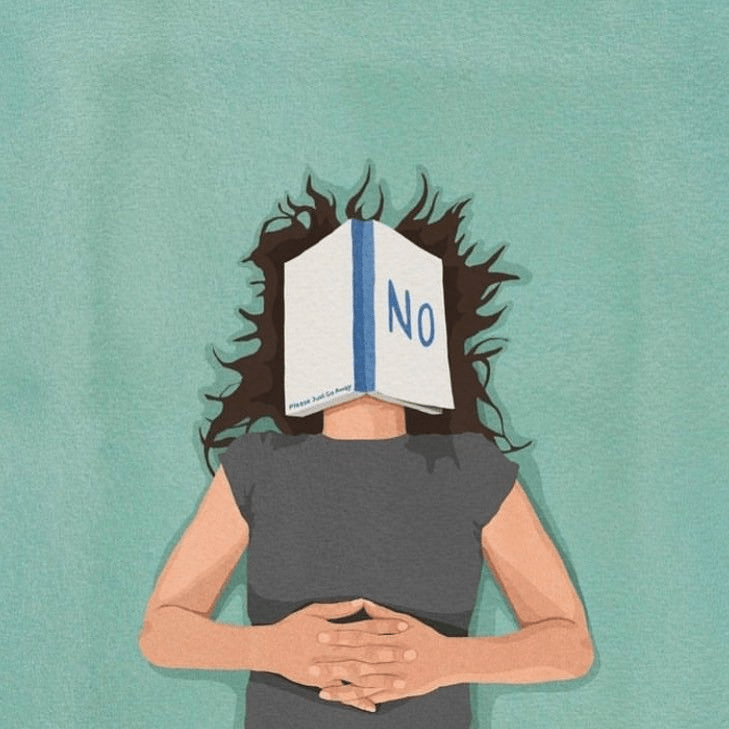
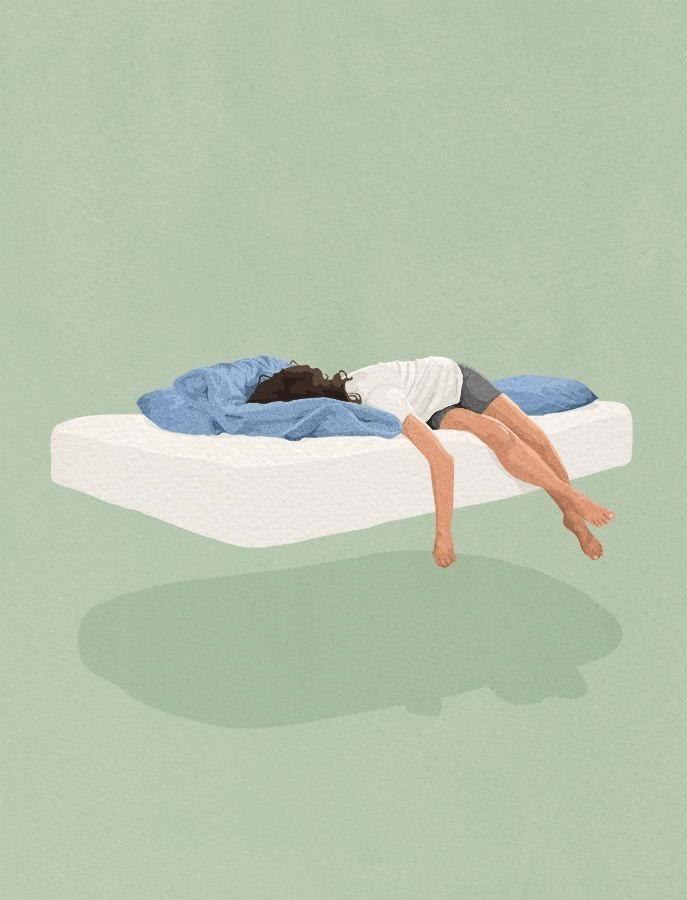
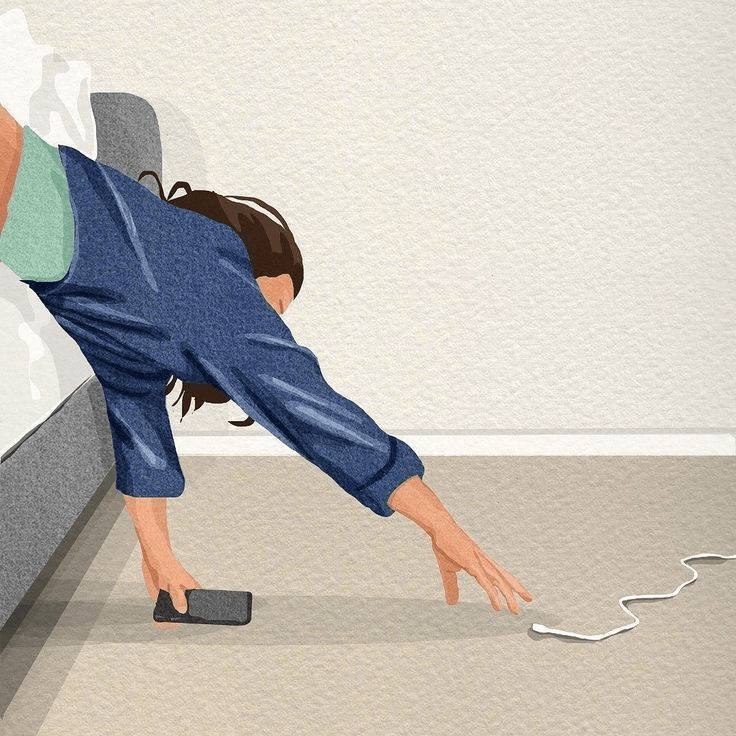
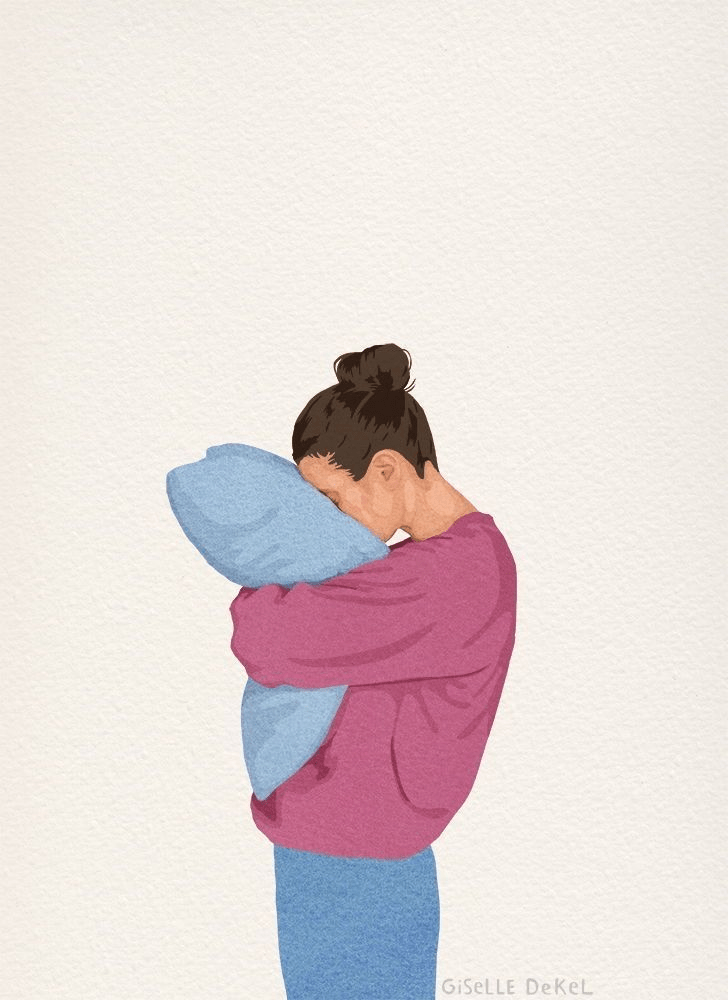
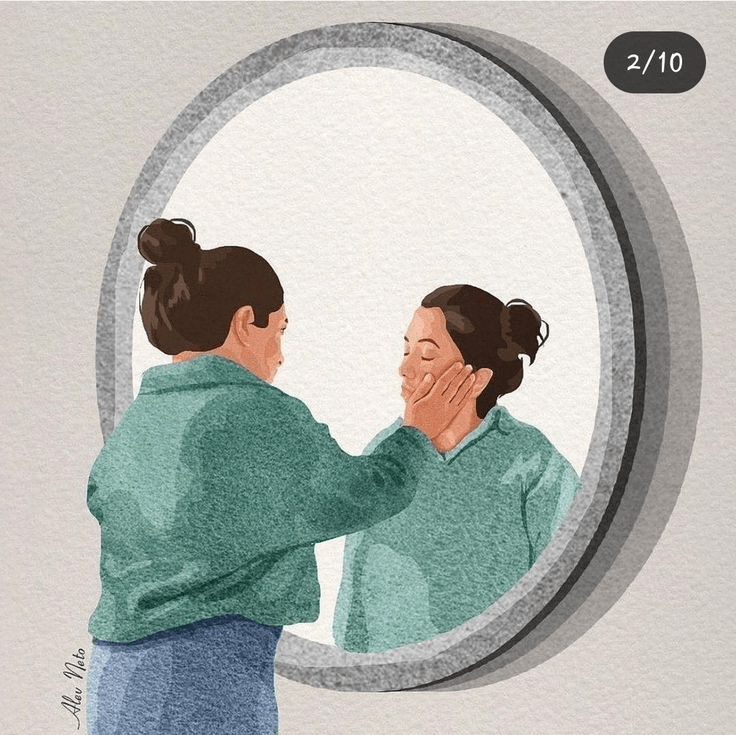
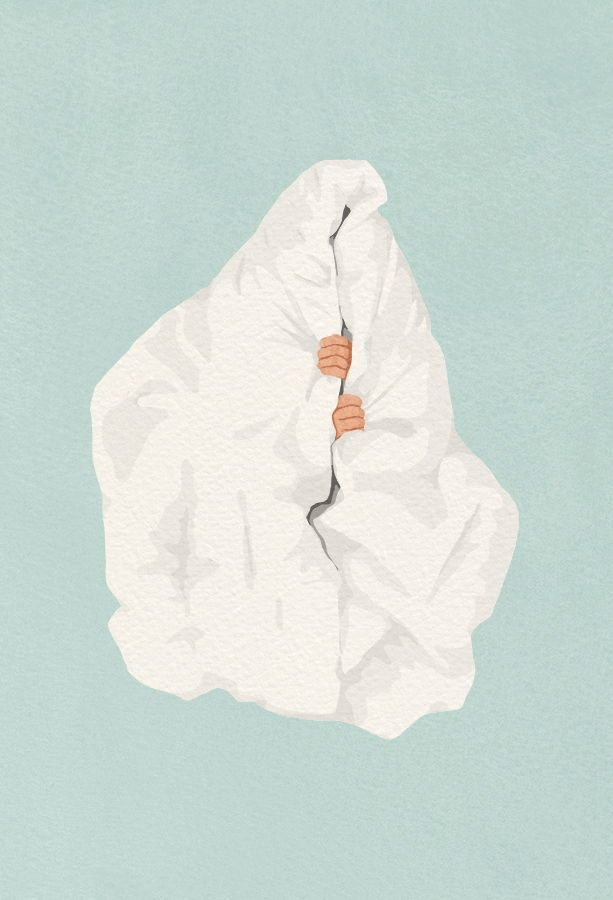
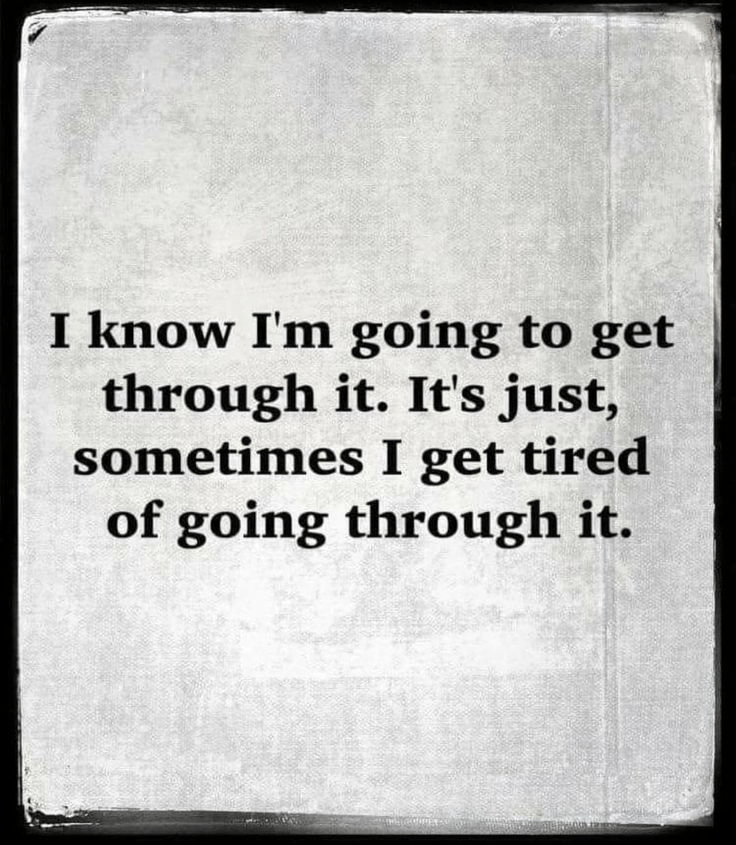
This has been a week. One of those. You know the kind. I find it hard to think with any depth. I read but it goes in one eye and out the other. The more I strain to discern the more fuzzy my brain feels. I am drawn to images more than words. If you could match your week to an image, what image would it be? Add your image in the comments!

This has been my week. Shout out to @giselledekel for the apt illustrations. They define what I am feeling. What I can’t put it into words. As far as I know, Giselle did not intend to portray chronic fatigue and pain. And yet, in my estimation, she nailed it.

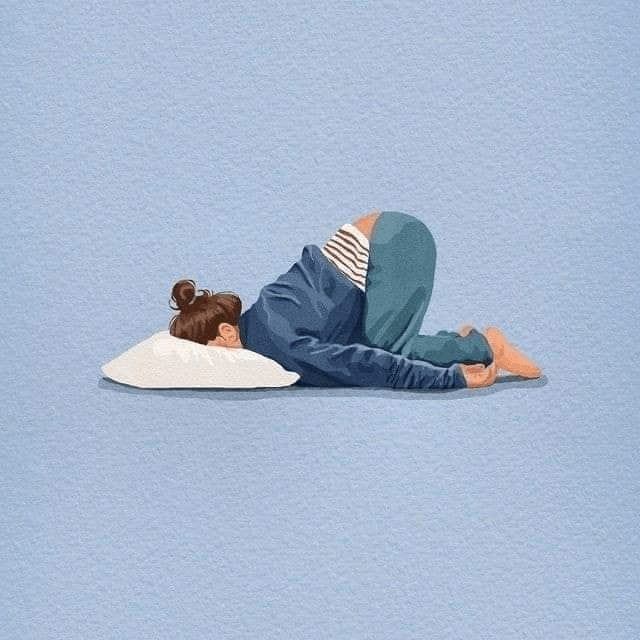
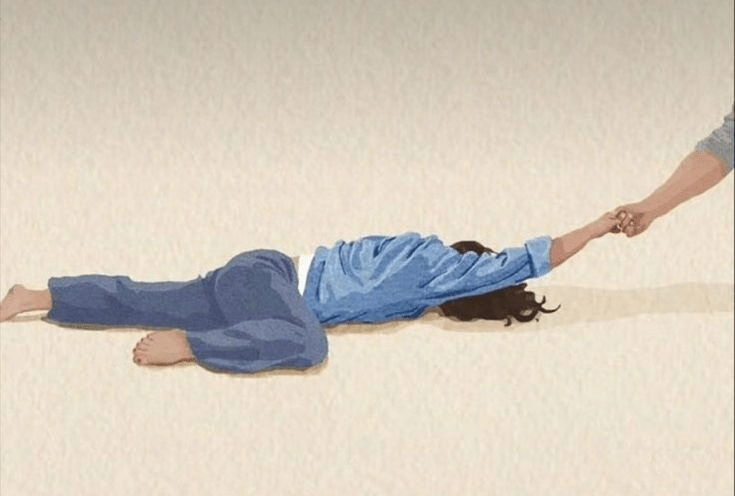
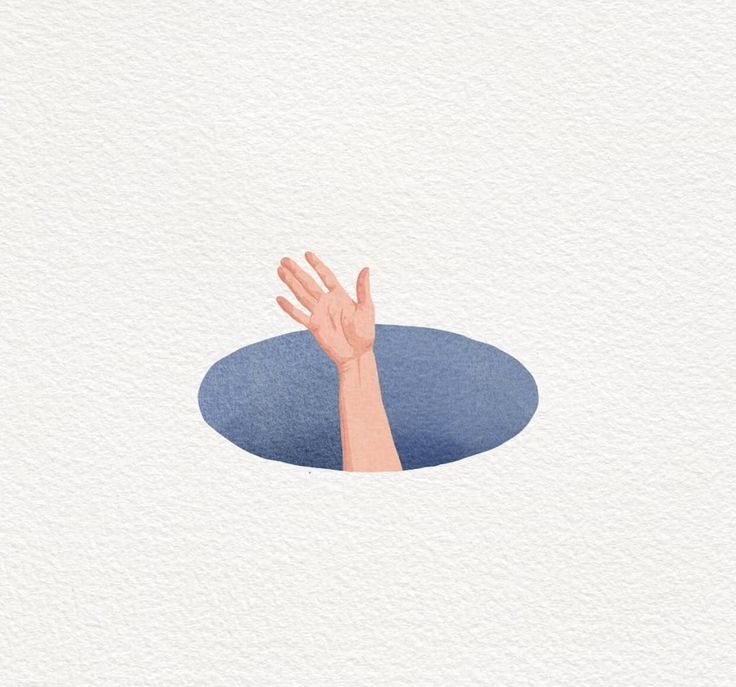
Make it stop. I will do anything to make the pain stop.

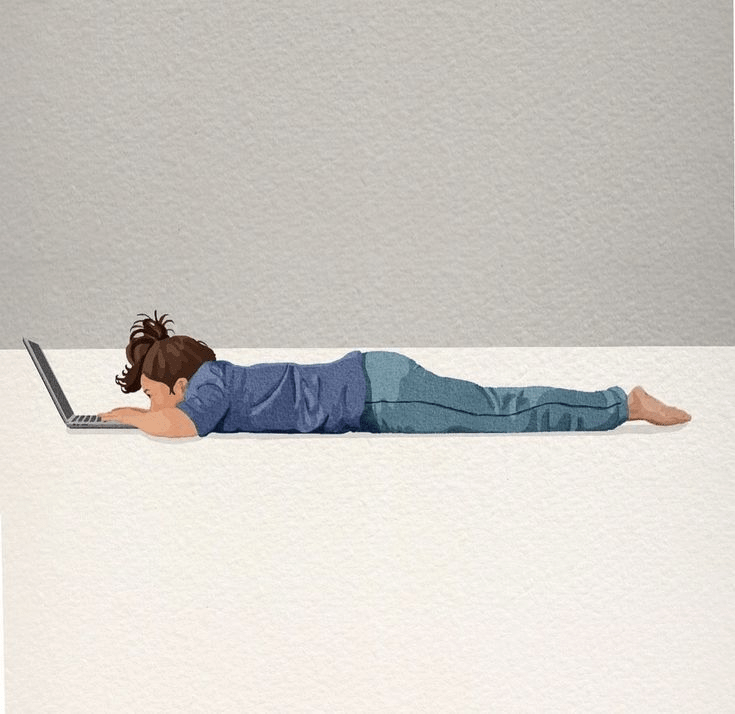
Actual footage of me going to get a drink.
When one is stuck in bed for any length of time the positions into which one gets range widely. Having been stuck in bed for two days myself I think I will lose my mind soon. My body craves movement but I have a joint stuck out in my lower back. The muscles spasm after sitting or standing for a few minutes. What does one do when what the body needs in one way contradict what is needed in another?
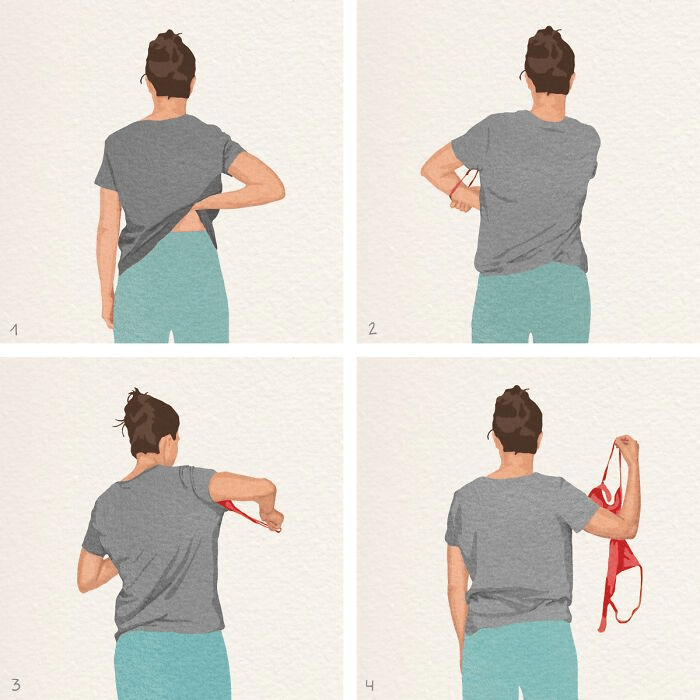
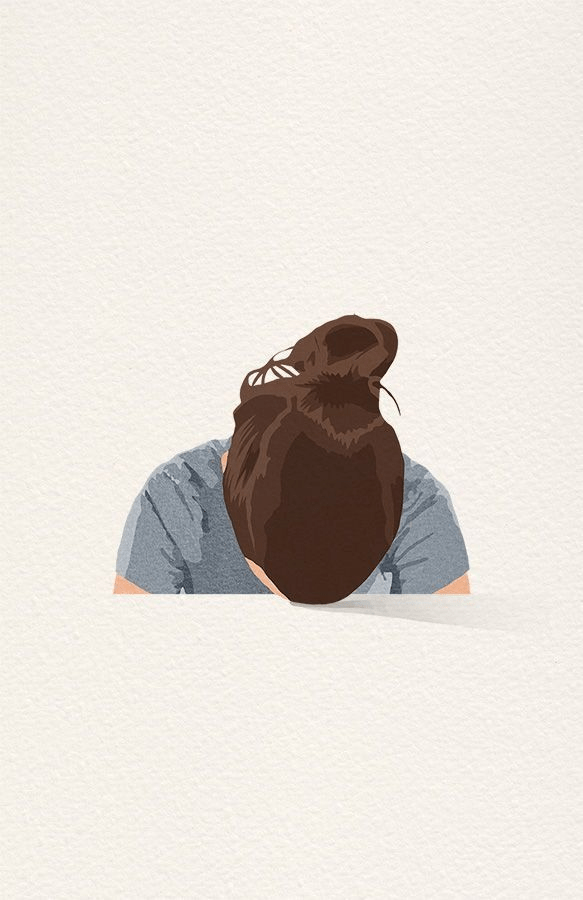
Me by noon if I got one on at all.
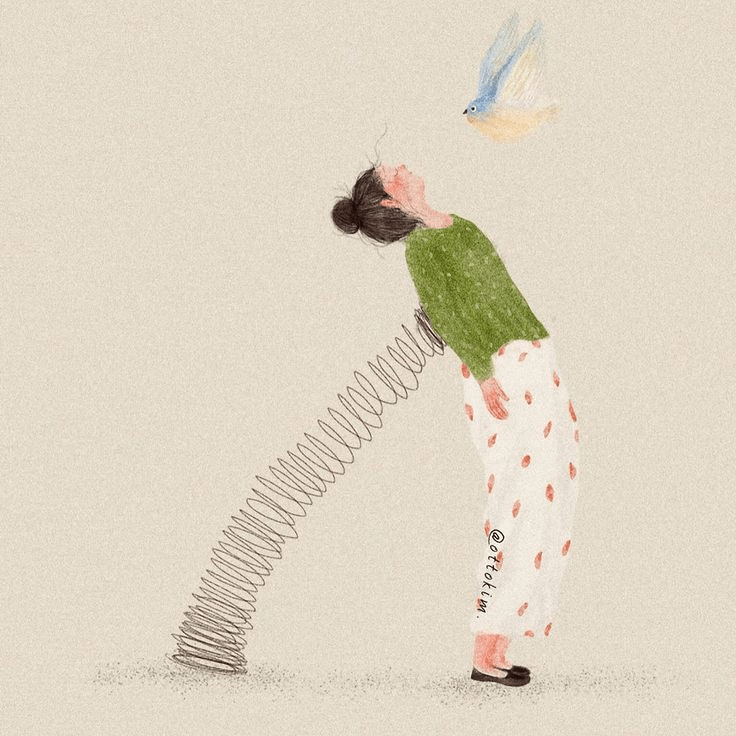
Sometimes all one needs is a little ‘spring’. Don’t worry, spring will come again.
Constant. fog. Can’t focus. What was I saying? Where am I going? Why did I come in here?
The question is, how much do I actually need to pee? Is this an emergency or can it wait till tomorrow? I’ll wait.
Too tired to get out of bed to grab the cord. In chronic illness this is not laziness, this is of necessity.
Come on, Pam. We have to do the things. ‘Coming!’
You are doing better than you know.

Sometimes I feel useless because I compare my day to someone who is not struggling with chronic illness. I think showing up daily means giving 100%. But 100% is going to look different on different days. Maybe one day will be spent taking care of myself, the next resting, the next a combination of the two. And maybe that’s ok.

When I have a week like this one, I need to remember something important. Where there is a flare up, there is also a flare down. These symptoms will subside. Like Mumford and Sons suggest, I can learn to love the skies I’m under. Despite how dim those skies appear at times.

Beware the Weight

What are you carrying under your dim skies? We all carry something. Is it necessary to carry that weight? Some weight is. But other weight is bigger and heavier than we were meant to bear. Are you carrying a mountain that you were supposed to climb instead? Be in tune to the weight you carry. Weight is what helps us grow and get stronger. But it is also what squishes us. We will be more successful in all areas of life if we are open to putting unnecessary weight down. What can you put down to lighten your load this season?

Is your definition of success and your current inability to achieve it an extra weight you can put down? There are times I need to be reminded that my success will be different from that of others. Maybe my success is what I have become as I seek to regulate my nervous system. Maybe the only needed success at this time is not to compare myself to others. Creating a life that is mine. Having genuine and close relationships. The ability to heal from past mistakes. Setting and expecting boundaries to be kept. Knowing my own worth. Knowing how to show up for myself. Speaking kindly to myself. And knowing when and how to let go. Not abilities highly sought after these days. Yet in terms of growth these traits are far from inconsequential.

Having Fun this Christmas Season

Despite the weight and the hard days, there are still opportunities to have fun this Christmas season. Though as C.S. Lewis said,

Have fun, even if it’s not the same kind of fun everyone else is having.

I don’t always know what will add to my fun. But I understand that certain types of fun are difficult for my body. Trying to have such fun will not add to my enjoyment in the long run. This can be difficult and lead to feelings of abandonment and depression.

But there is a type of fun that will work for everyone. It will look different for each person but we start with the same questions. Gabrielle Roth explains that in many shamanic societies, a medicine person would ask one of four questions if you complain of being depressed. The first question is, when did you stop dancing? Second, When did you stop singing? Next, When did you stop being enchanted by stories? And finally, When did you stop finding comfort in the sweet territory of silence?

So this Christmas season, have fun and keep dancing (literally or figuratively). Sing, find enchantment in stories, and find comfort in silence. Find time for novalunosis- the state of relaxation and wonderment experienced while gazing upon the stars. I love stars.

Adopt a slower pace and own it.

Survival

When each day feels like I am barely surviving I start to feel so small. As though there is so much going on in the world and I am missing it all. I am falling behind and being forgotten. I am a moot point. What can I offer the world from my bed? Then I remember these words by Brene Brown.

One day you will tell your story of how you overcame what you went through and it will be someone else’s survival guide.

I do not write to complain or to invite sympathy, I show my scars so that others can heal.

The Power of Love

This time of year we start to think of our favorite things. We make lists of what to get and what to give. If you were to list all of the things you love, how long would it take to name yourself? There is a power in loving yourself. Not a prideful love but a quiet knowing and enjoying. Maybe it’s something we can all work on in the new year.

In my journey of wellness through forest therapy I am finding the real me. Would you like to do the same? Would you like these words to be said of you?

She was powerful not because she wasn’t scared but because she went on so strongly despite the fear.

-Atticus Poetry

In Conclusion

We are nature. Recognize the connections in your short and sweet forest time. When you have a week like mine, success will look different. Check that the weight you are carrying is of worth to you. Keep having fun, dancing, singing and finding enchantment. Find wonder in the stars. Allow yourself to move slower this season instead of faster. You are wintering. Do not feel small in your trials, you are going to be the way out for someone else. On a list of things you love, make sure your name is close to the top. Find yourself and your strength despite the fear.

The trees know about the winter. About the change. About the falling. About the loss. And they grow anyway, What’s your excuse?

– Erin Van Vuren