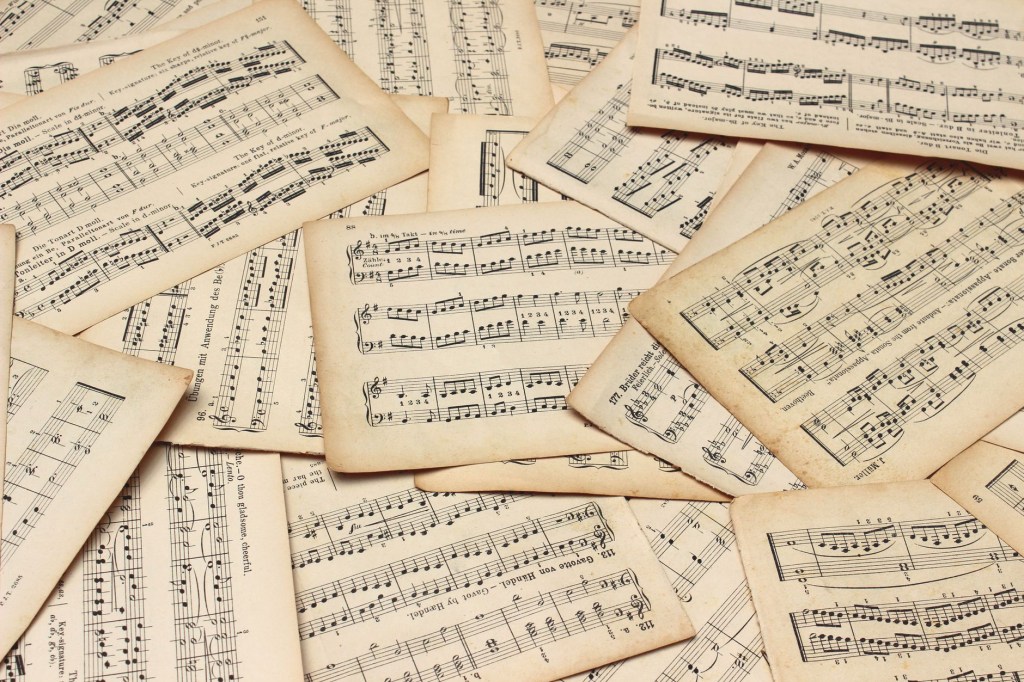
“The music is not in the notes, but in the silence between.”
—often attributed to Wolfgang Amadeus Mozart
I’ve been thinking about the pause. The spaces between the things we think make a life important.
We live in a culture obsessed with the notes.
The promotion.
The house.
The vacay.
The degree.
The business.
The six-figure salary.
The awards.
The followers.
The accomplishments we can put on a résumé.
More. More. More.
More recognition.
More experiences.
More things.
These things absolutely have their place and purpose. But somewhere along the way, we started measuring ourselves and others by those notes. What if, hear me out, the music is actually in the silence between? In the pause.
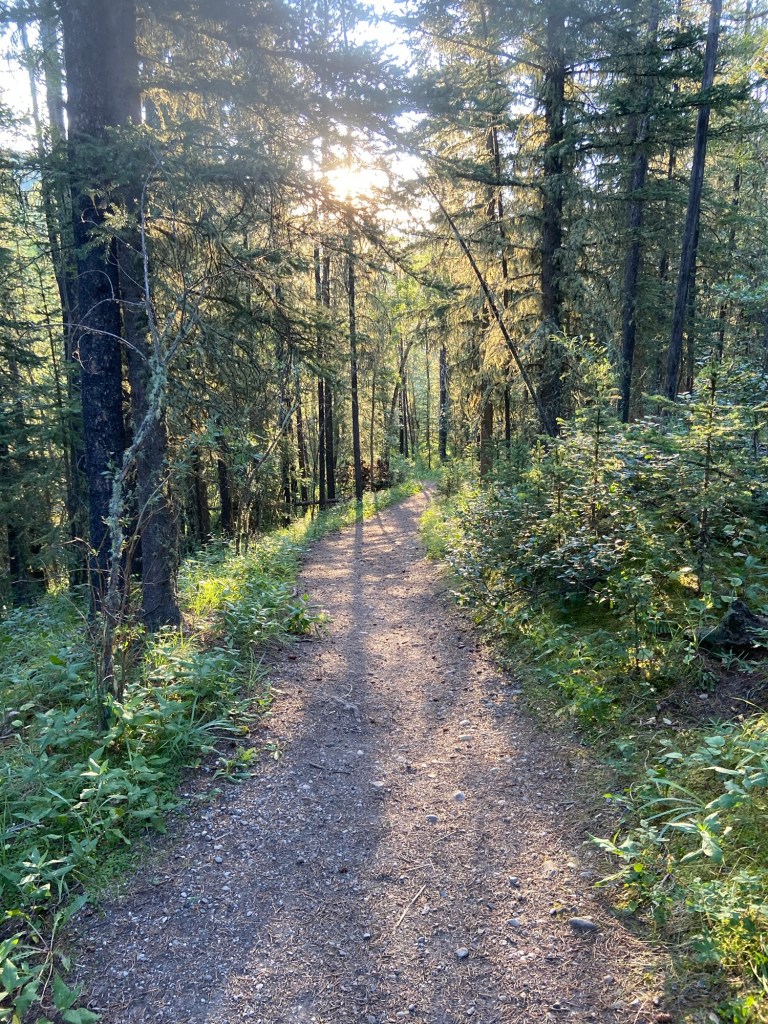
A forest is never truly silent. There is wind moving through the branches, birds calling, insects buzzing, leaves rustling, footsteps on the trail.
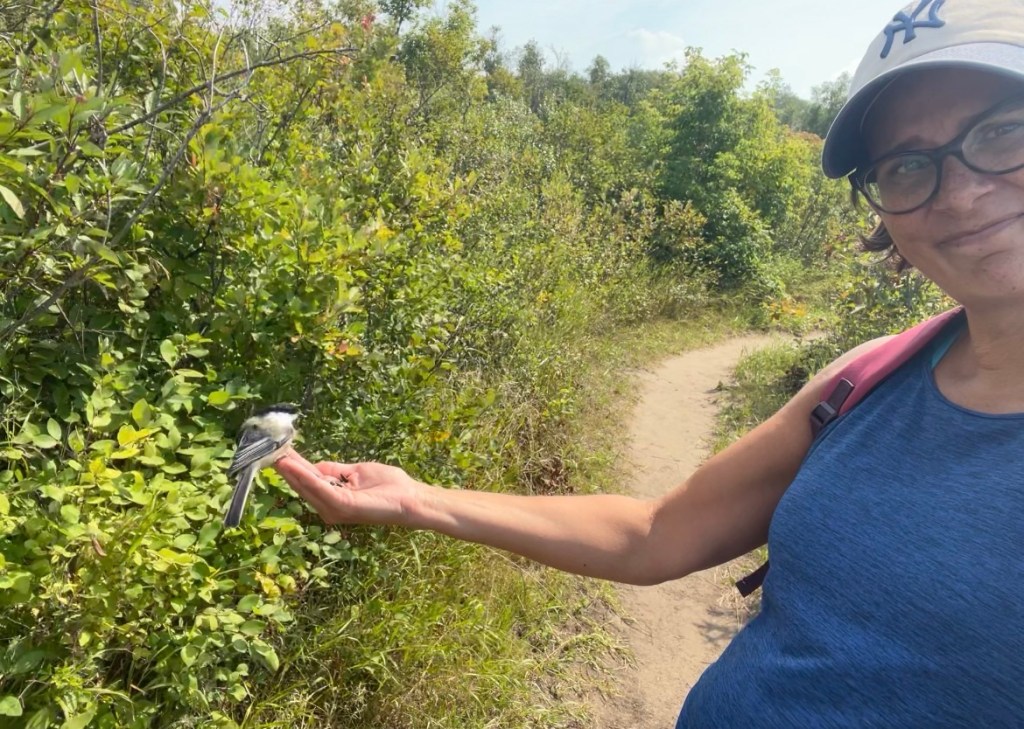
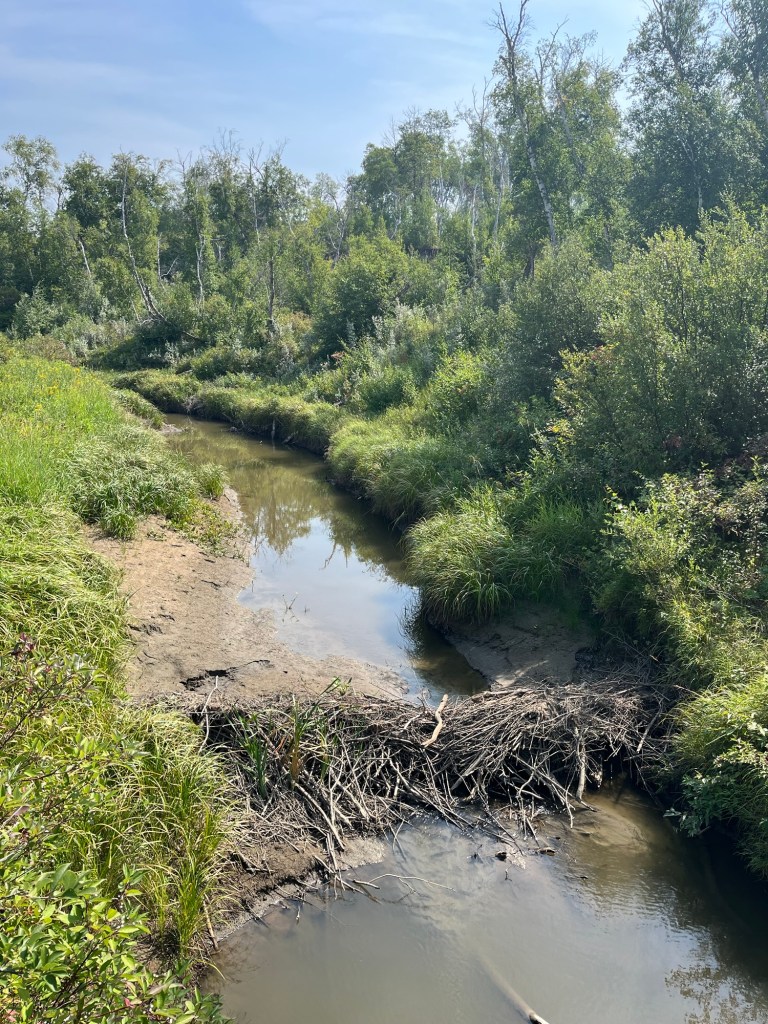
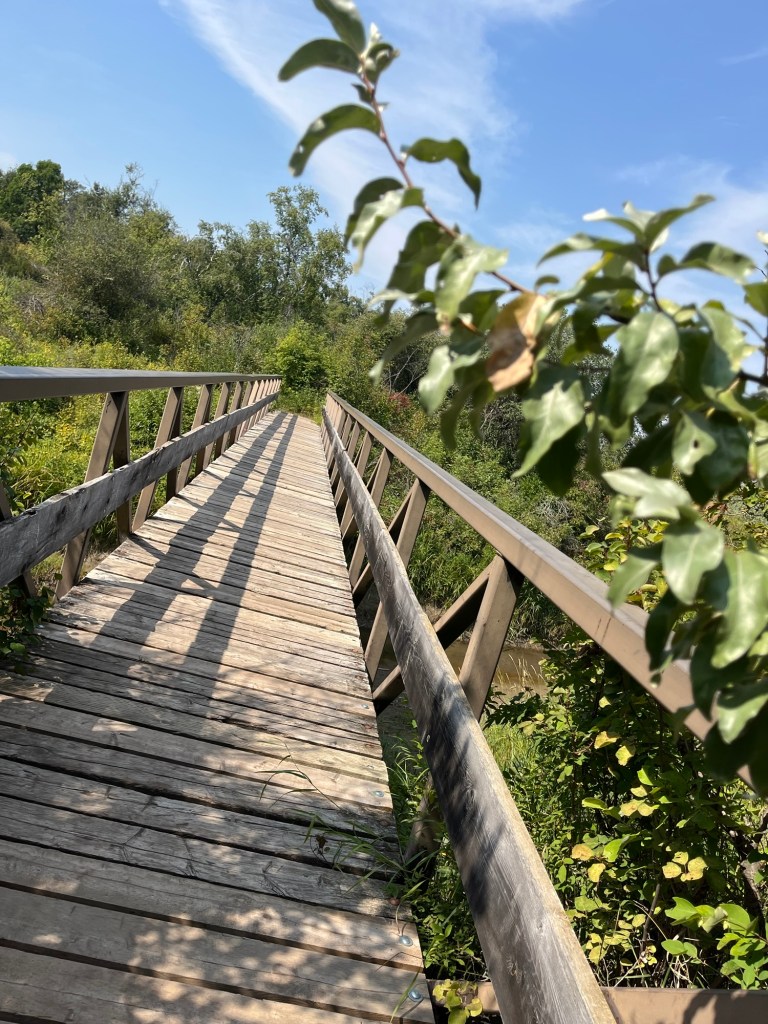

But there are pauses between the sounds. If you notice them, those pauses make you notice the sounds that much more.
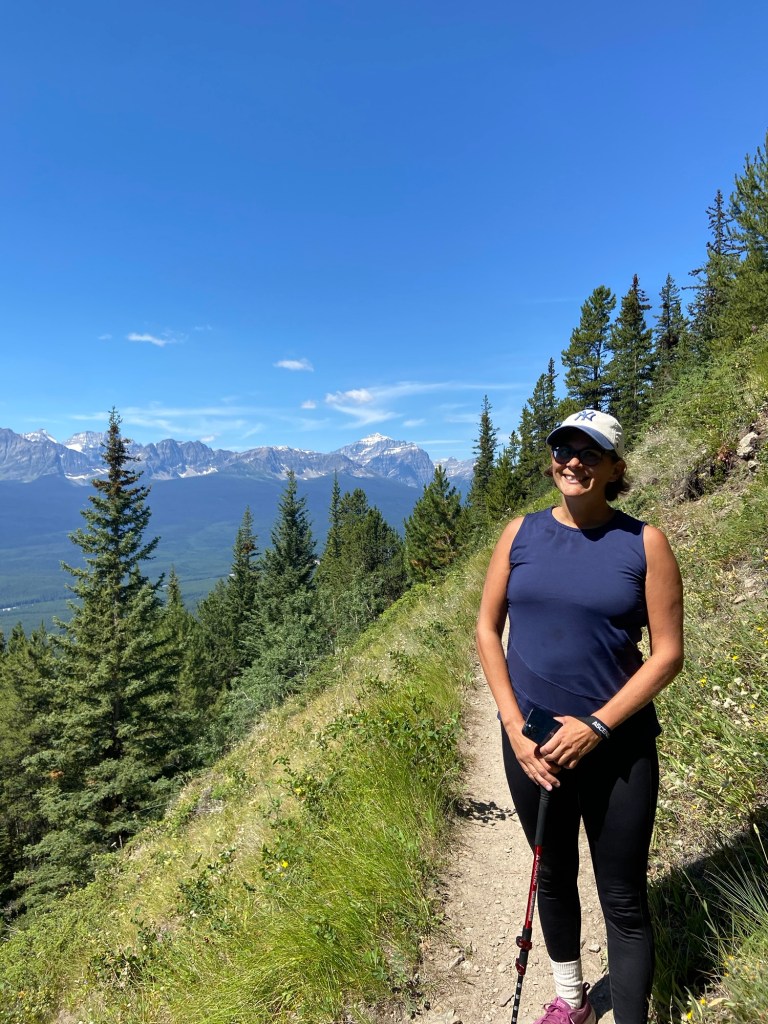
Maybe life works the same way. Maybe the pause isn’t empty. Maybe it is where we hear what we would otherwise miss.
I don’t have the wealth or notoriety or conventional accomplishments that can make a life look impressive from the outside.
And often, I’ll admit, I struggle with that.
I want to work. I want to contribute. I want to be useful. I want to afford to live. I want nice things. I want to go fun places.
I want to get groceries without having to figure out which ones I can afford to put back (calculus- level grocery shopping.)
I want to say yes to things without factoring in the 2-3 business days of recovery. I don’t want to be a burden on others.
And when I look around and see everyone else accomplishing things, building careers, travelling, buying houses, starting businesses and living their lives, comparison can sneak in.
And comparison has never once left me somewhere good. It usually leaves me grieving the life I thought I was “supposed to have.”

Maybe I’m not missing the music. Maybe I’m living in the pause.
That reoccurring thought has changed some neural pathways in my brain.
Billy Graham once said, “You’ve never seen a hearse with a U-Haul behind it.”
We don’t take our houses. We don’t take our bank accounts. We don’t take our titles. We don’t take the things we’ve accumulated. We don’t even take our accomplishments.
People sometimes leave a legacy through museums, buildings, scholarships, roads and schools named after them. (And there is nothing wrong with that.)
But I’ve started asking myself a different question:
What if the most important legacy isn’t what has my name on it?
What if it’s who I became while I was here? And whose name I have written on my heart at the end of it all?
What if the real question isn’t, “What did you accomplish?”
But:
“Who did you become?”

Did I become kinder? More compassionate? More patient? More generous? More loving?
And, if you believe as I do, “Do you pause to recognize this is who you have become with God’s help?”
That changes the way I look at my days.
I believe the only things I ultimately get to take with me when I leave this life are my relationships with the people I love and what I have become in the process of living it.
So if this is the pause, I don’t want to waste it.
I want to live here intentionally.
Interruptible-y.
I’ve spent a lot of my life focusing on productivity.
What’s next? What needs to get done? What am I accomplishing? How do I fit everything in?
But what happens when I build my life so tightly around my plans that there is no room for interruption?
What if the interruption is the point?

I still have a loose outline for each day. Things I want to accomplish.
But I want to be interruptible. I want to leave room for God.
For people. For a conversation. For a need. For beauty. For a compassionate detour.
What does living in the pause look like for me?
I’ve started organizing my life around four areas.
Not perfectly.
But intentionally.
1. Spiritual growth
I start with God. I pause to pray to speak to Him. Then I read scripture to listen.
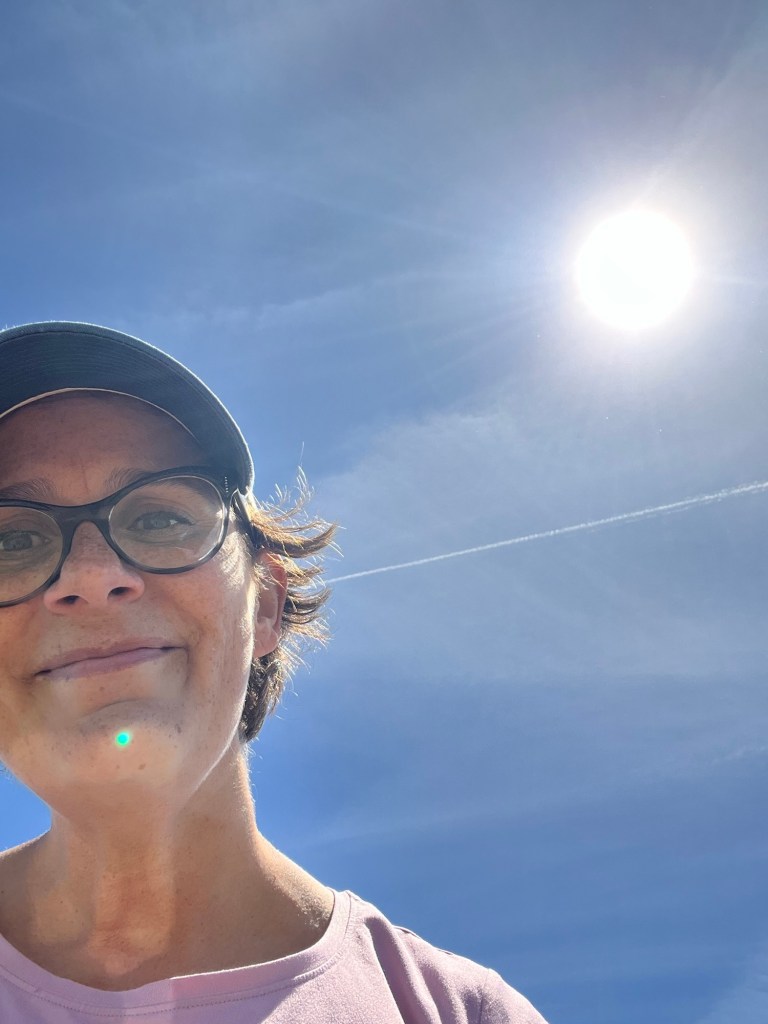
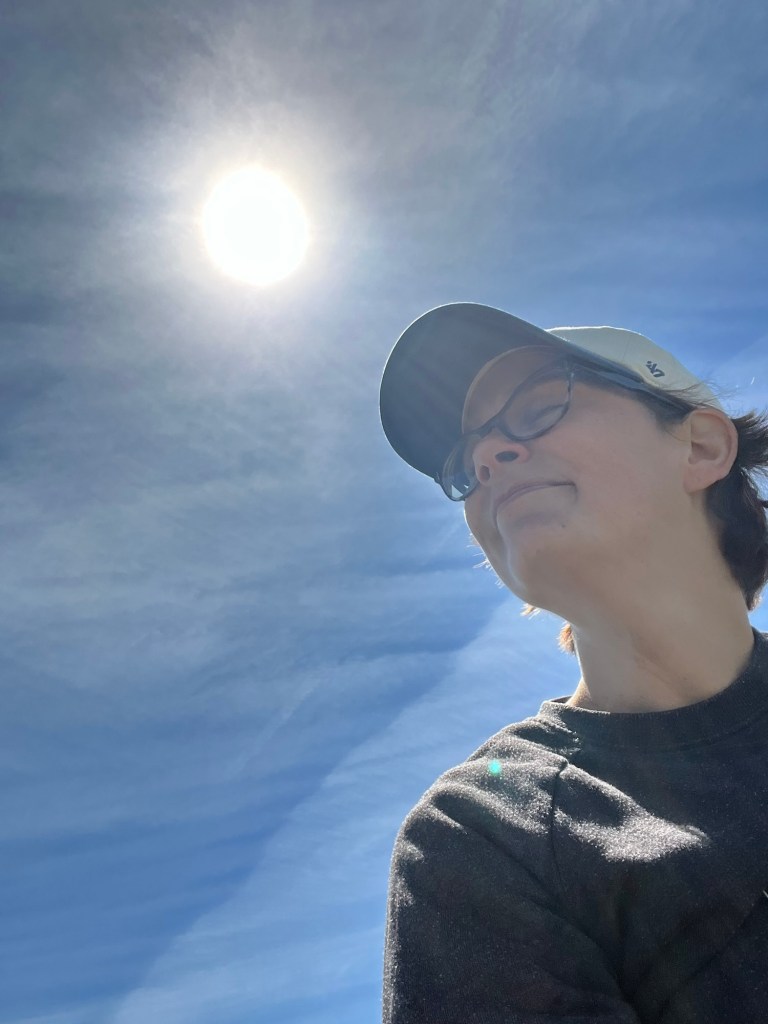
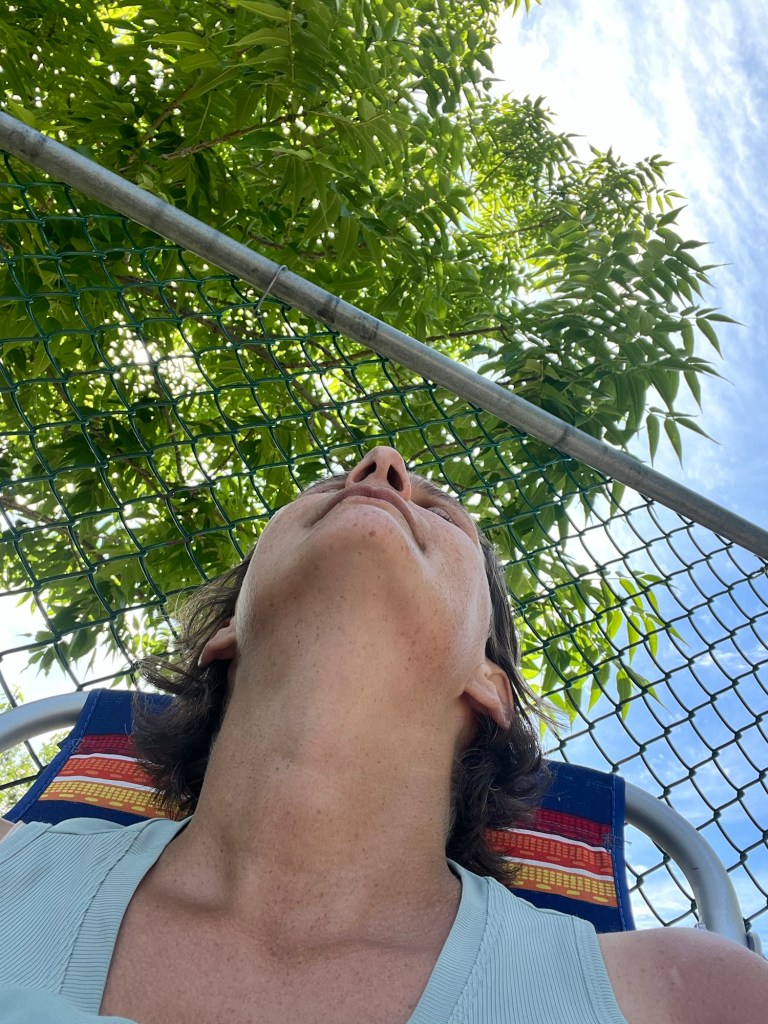
Sometimes I’ll sit in the sunshine while I pray. There’s something about feeling the warmth of the sun on my face, noticing the light, and remembering that I’m part of something much bigger than whatever is happening inside my own head. Or my body.
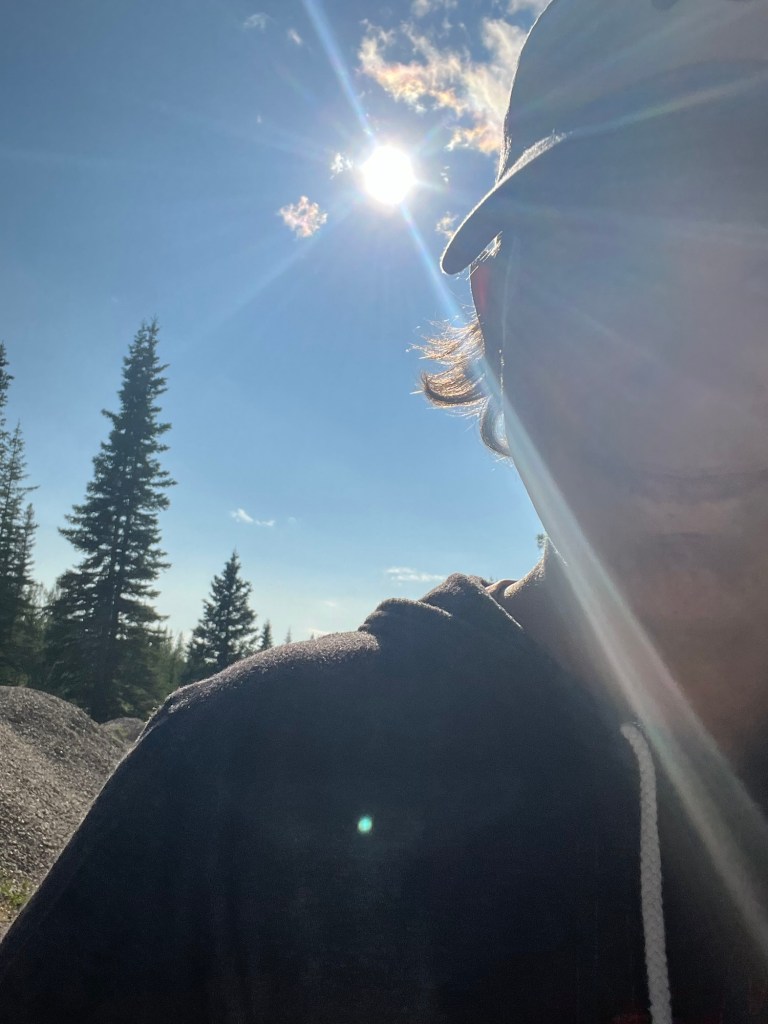
Soulucence
A coined spiritual and artistic term meaning the radiant, unarmored light of your true soul, shining to the world.
I try to carry that awareness with me through the day. That light. That connection.
The reminder that my life has a purpose beyond what I can accomplish.
Because if I spend all my energy trying to build a life that looks successful but neglect the person I’m becoming, I’ve missed the point.
I don’t have to earn my worth by being useful.
I can simply be His.
And from that place, I can become more interruptible. More available. More attentive.
More willing to notice what He might be putting in front of me.
2. Physical health
My body gets a significant portion of my attention these days.
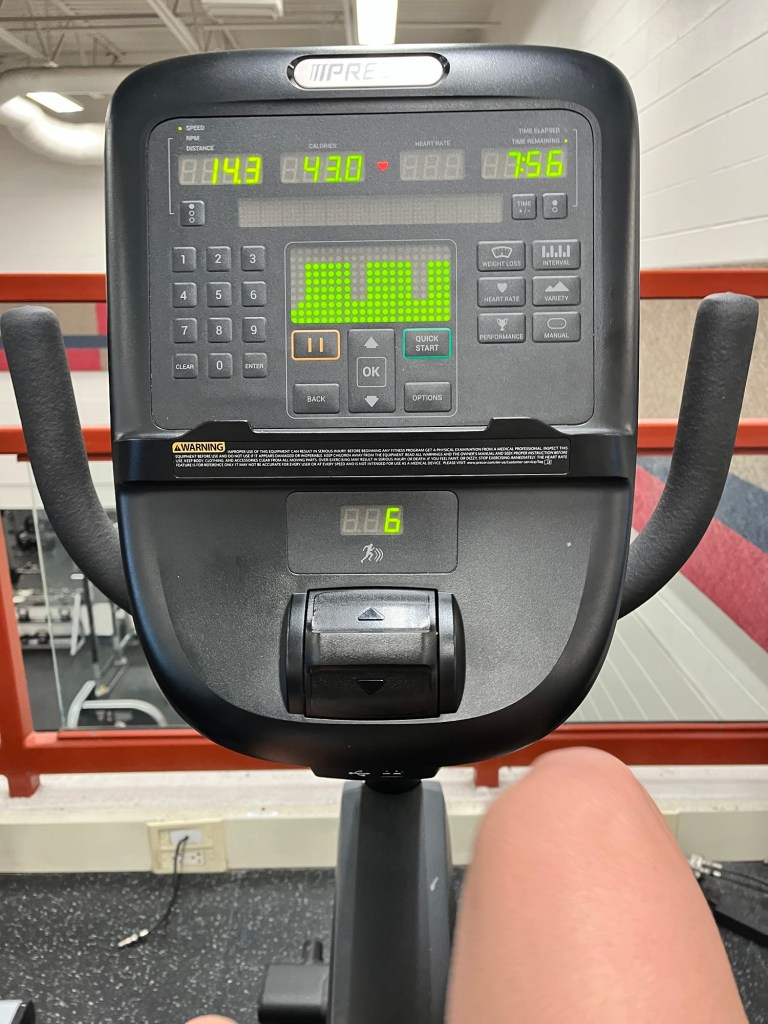
I go to the gym three days a week. I have a routine for each visit.
I generally walk there, which means going to the gym can consume a surprisingly large portion of my day.
Not much keeps me home.
Ribs out? Still going.
Bone structure held together by ligaments there more for decoration than integrity? Still going.
Bad weather? Still going.
The people who were supposed to meet me there cancel? Still going.
Apparently I have become that person.
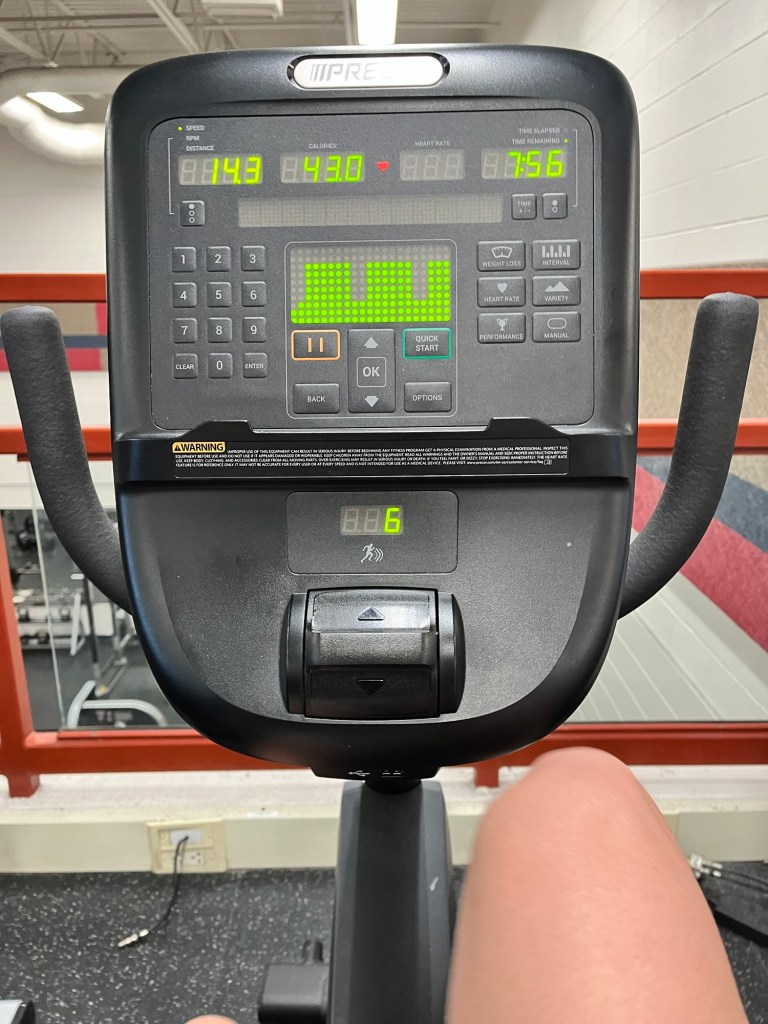
Until. Ice. Then I stay home.
I also spend time trying to support my body in other ways. Light therapy, castor packs, and other things that have become part of my detox routine.
I’m working toward an anti-inflammatory way of eating. Let’s just say this is a work in progress.
I can make a beautiful, healthy breakfast and then my good intentions meet a snack.
My next goal is finding healthy lunches I actually enjoy and snacks that don’t make my inner snack gremlin revolt.
I’m also working on drinking more water. If you have a solution for this other than “just drink more water 🙄,” I’m listening 👂.
I make homemade body products and cleaning products too. One day a week is usually devoted to refilling whatever is running low.
It’s not glamorous. But it is part of caring for the body I’ve been given. And I’m learning that caring for my physical health isn’t about forcing my body to perform like it used to.
It’s about listening to it. Respecting it. Working with it. And sometimes, that means adjusting the plan.
Which brings me back to:
Being Interruptible.
A healthy life isn’t necessarily a perfectly executed schedule. Sometimes it’s knowing when the schedule needs to change.
3. Intellectual and creative growth
“Live as if you were to die tomorrow. Learn as if you were to live forever.”
— often attributed to Mahatma Gandhi
A mind is a terrible thing to waste.
I don’t want to stop learning just because my life doesn’t look the way I once imagined it would.
So I read. I listen to books and podcasts. Not mindless gibber-jabber. I want to learn things. Understand things. Try things.
I’m interested in how people work, how the brain works, how the body works, how nature affects us, how faith shapes us, how we can live better.
And then I try to do something with what I’m learning. I recognize it’s about more than just taking in. Our output of that knowledge benefits us and others.
I write. I blog. I create. I try new skills. I play. I experiment. I make room for curiosity.

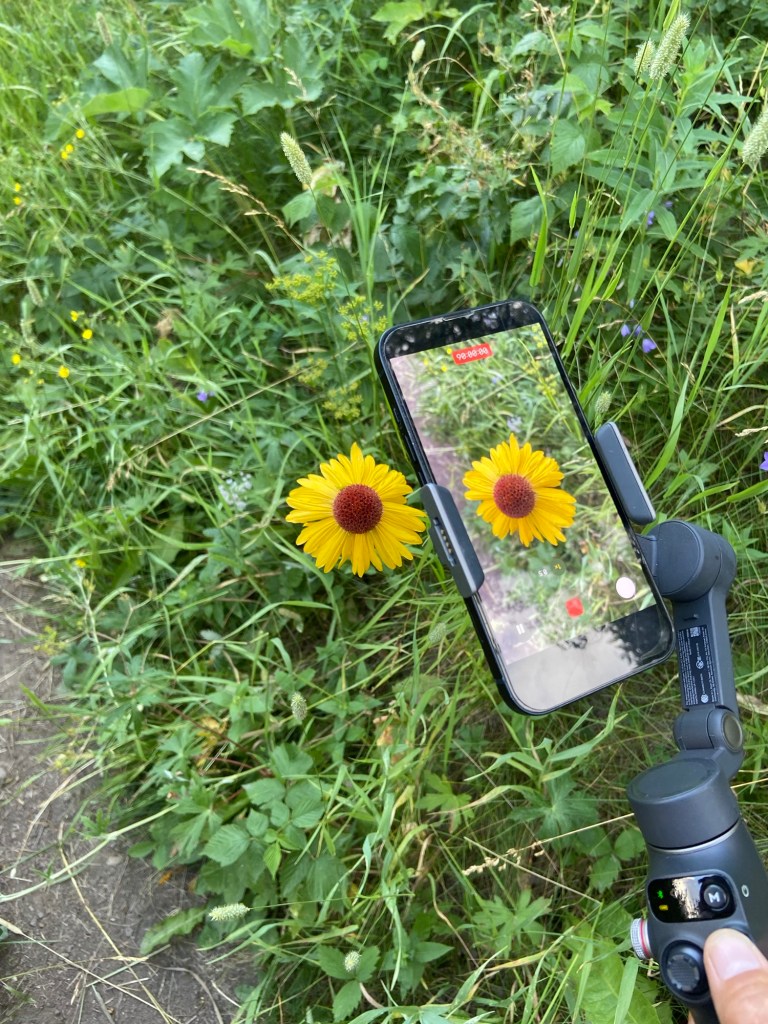


And I’m trying to bring meditation back into my routine this fall. That one has fallen somewhat spectacularly off the summer wagon schedule.
Maybe summer isn’t the season for stillness for me. Maybe it’s the season for gathering enough light to carry me into the winter pause.
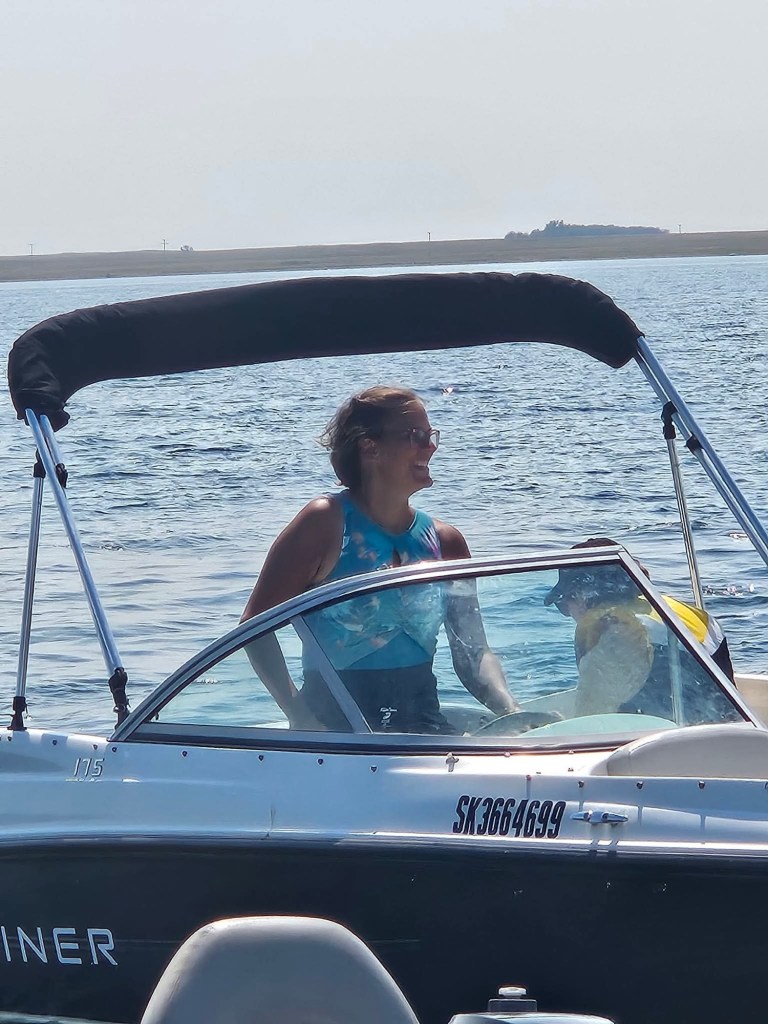
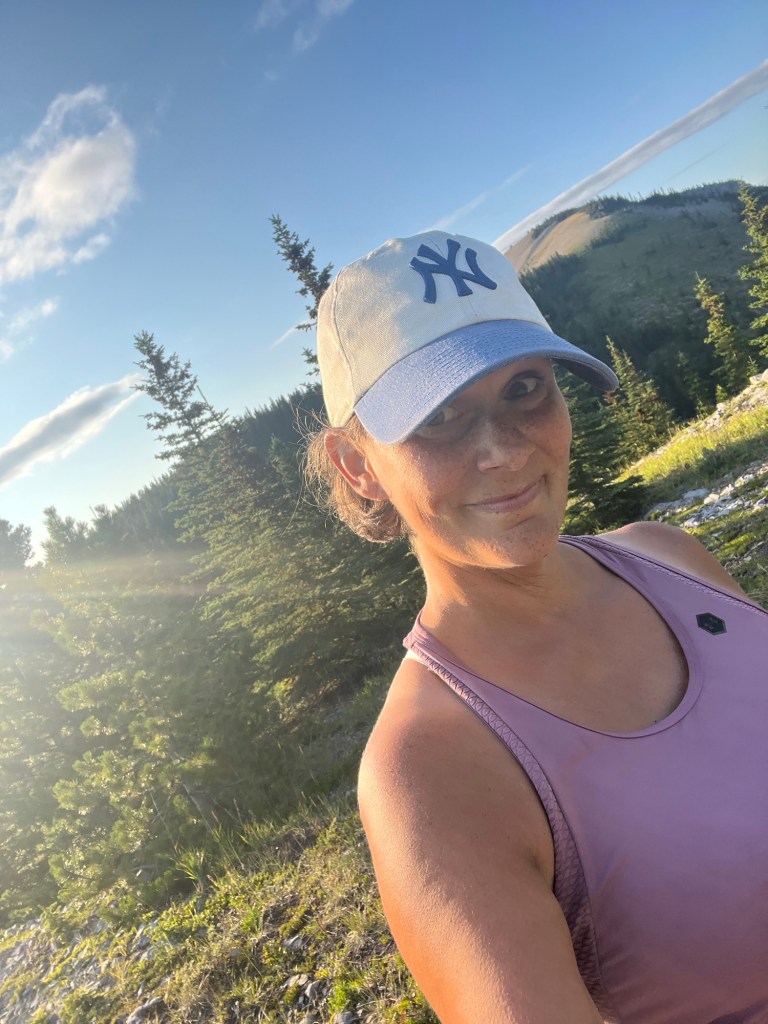

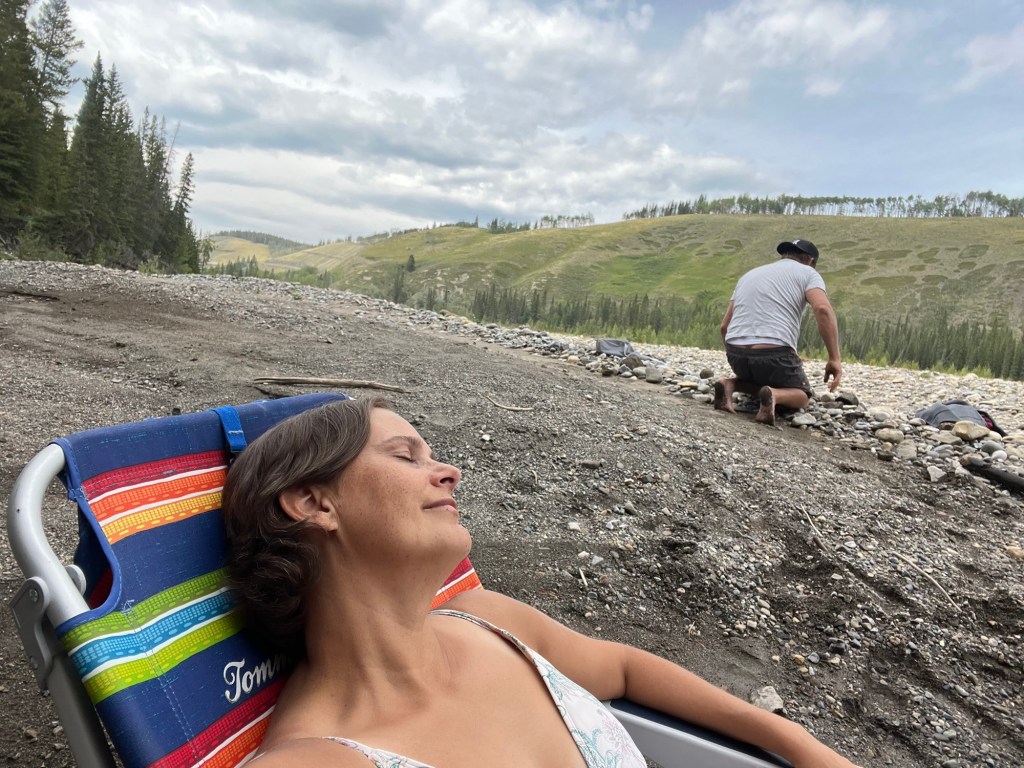
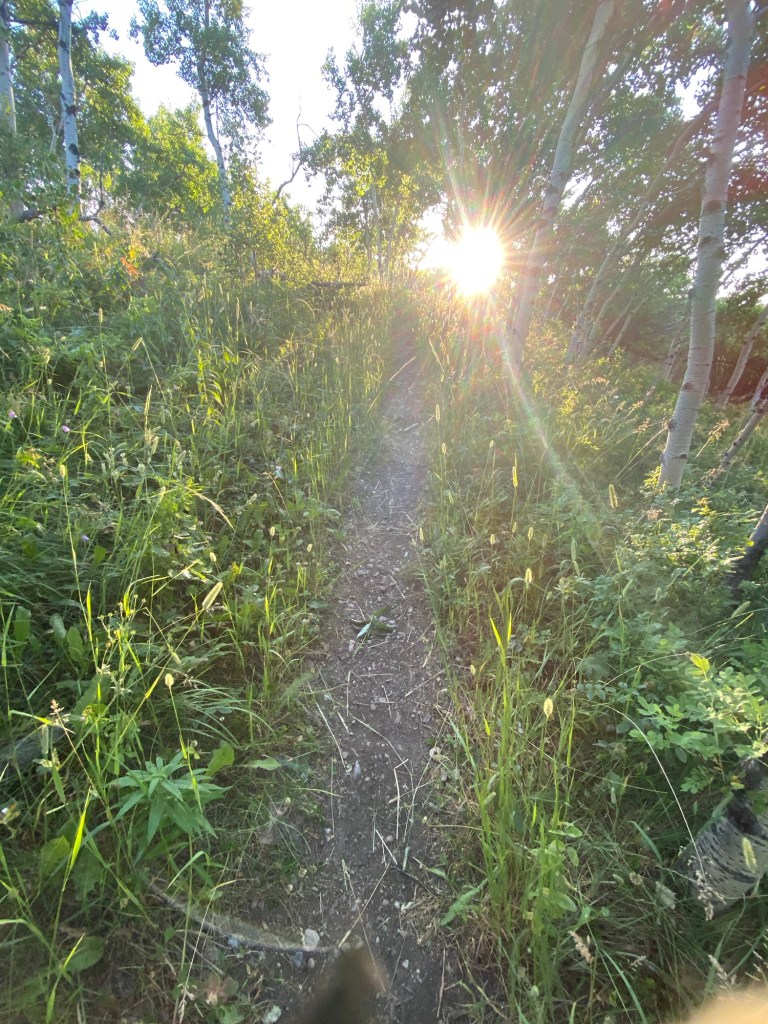



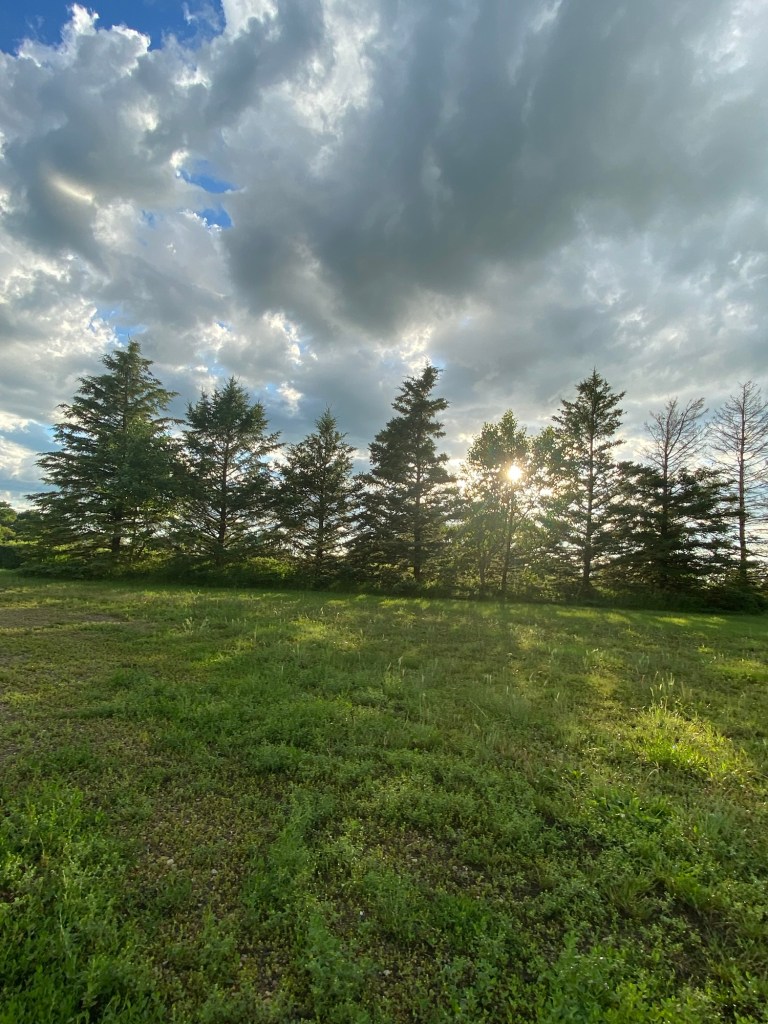
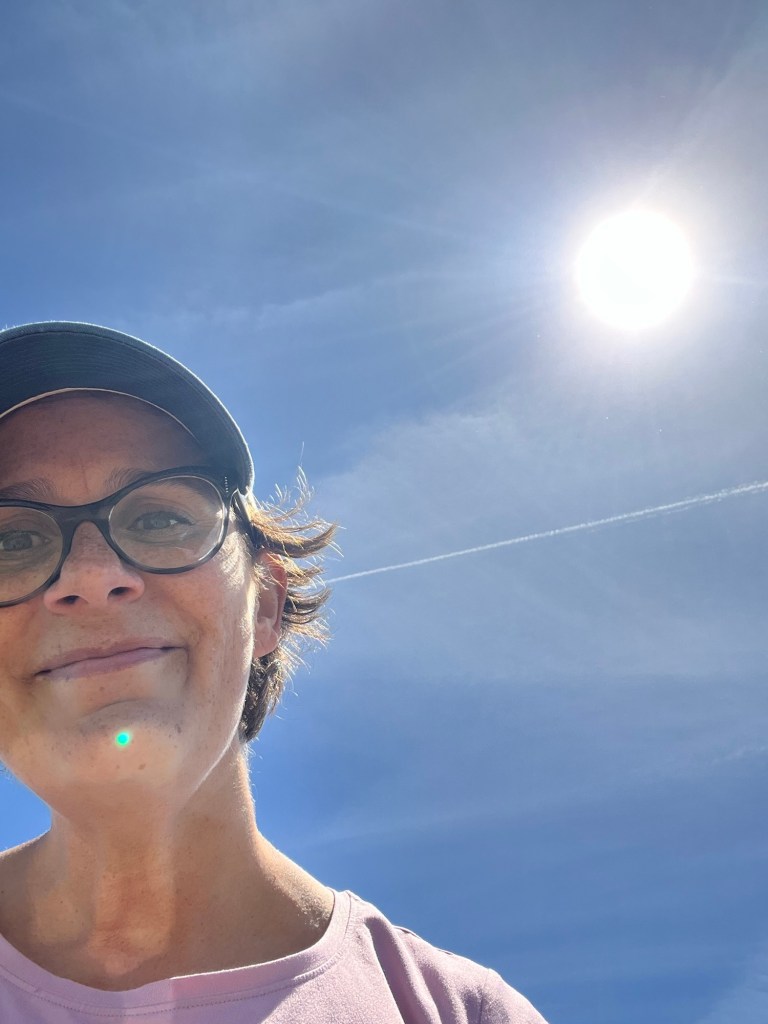

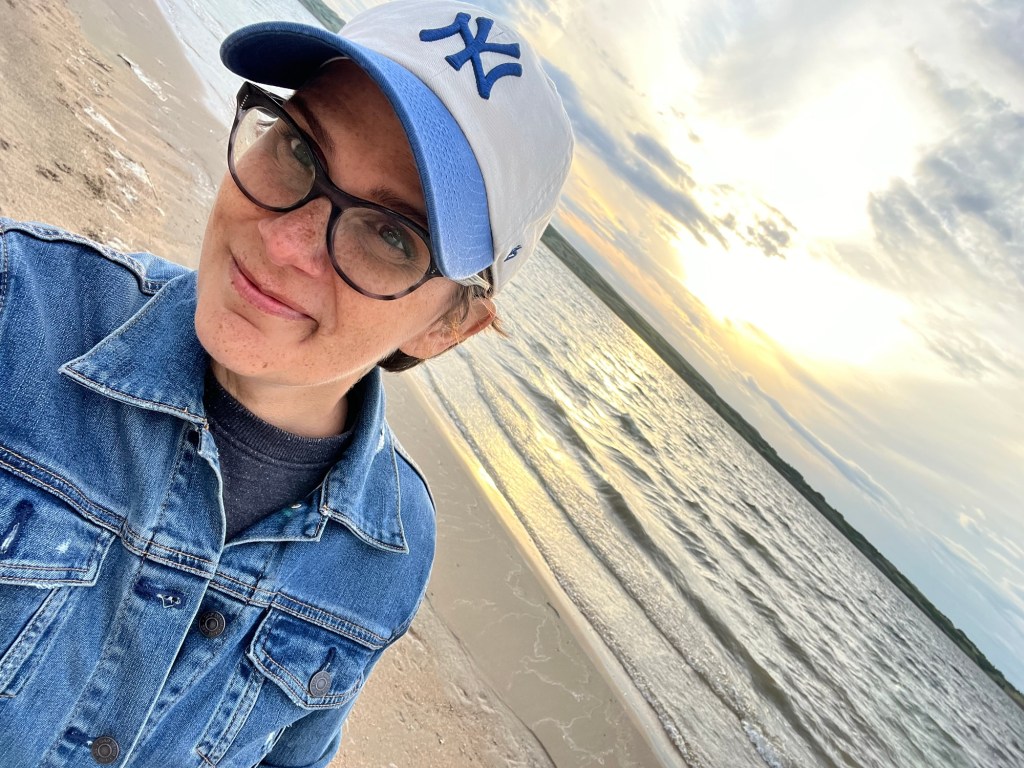
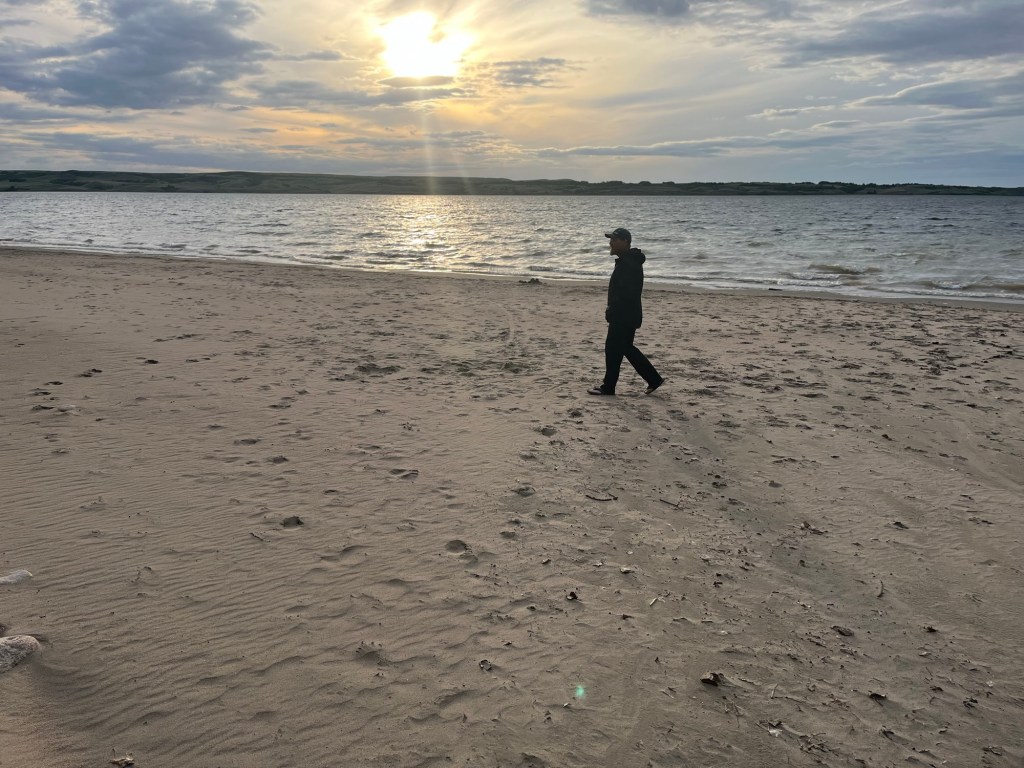
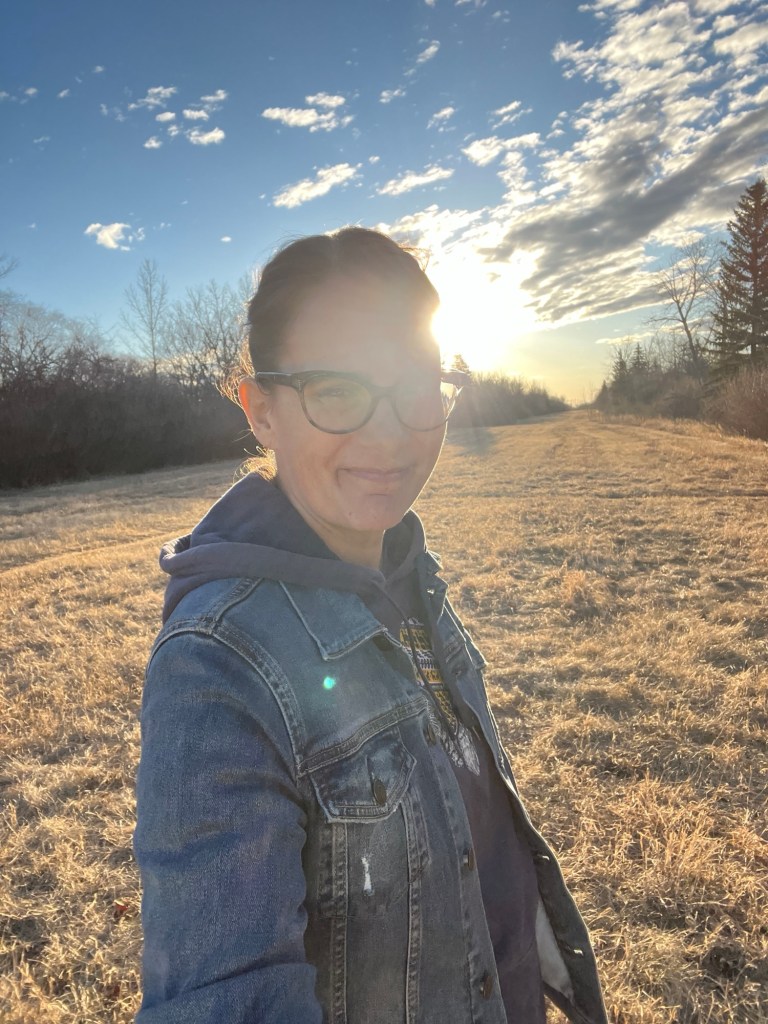
Living in the pause doesn’t mean creating another impossible list of things I must accomplish in time.
It means paying attention and following what works for the day. Or pursuing a completely unplanned thought.
Such as taking a compassionate detour.
Which brings me to the fourth part.
4. Relationships
This might be the most important one.
I start my day with a loose outline.
But I try to remain interruptible.
If a friend needs to talk, I want to have room for that.
If someone needs support I can give, I want to be available.
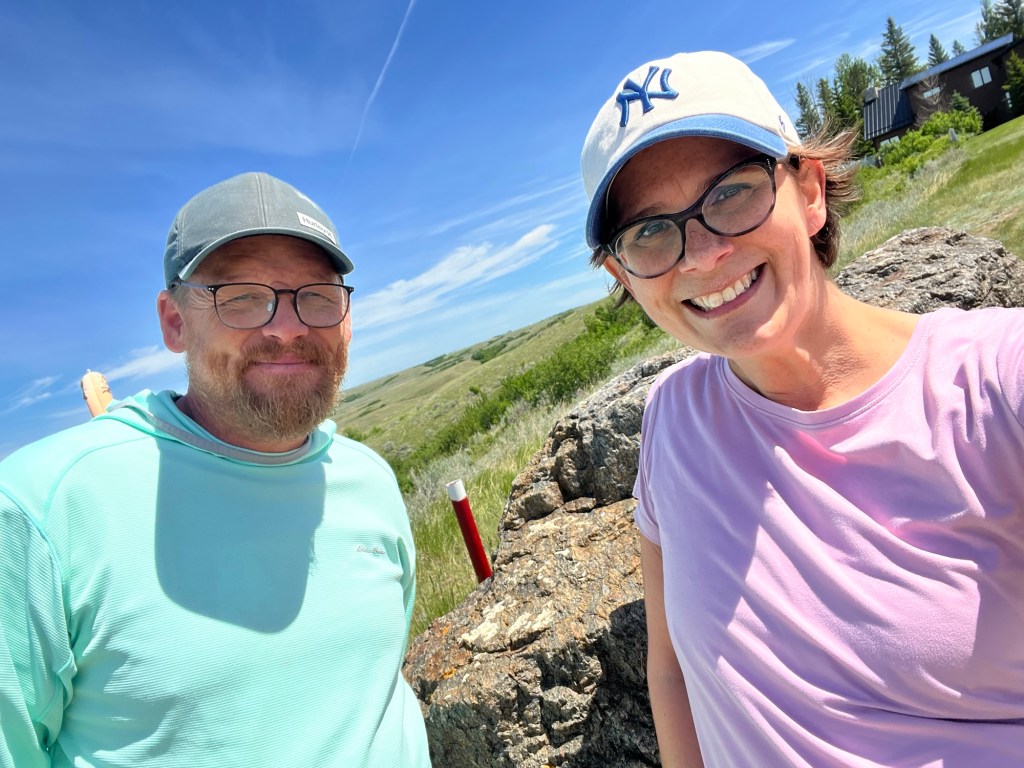
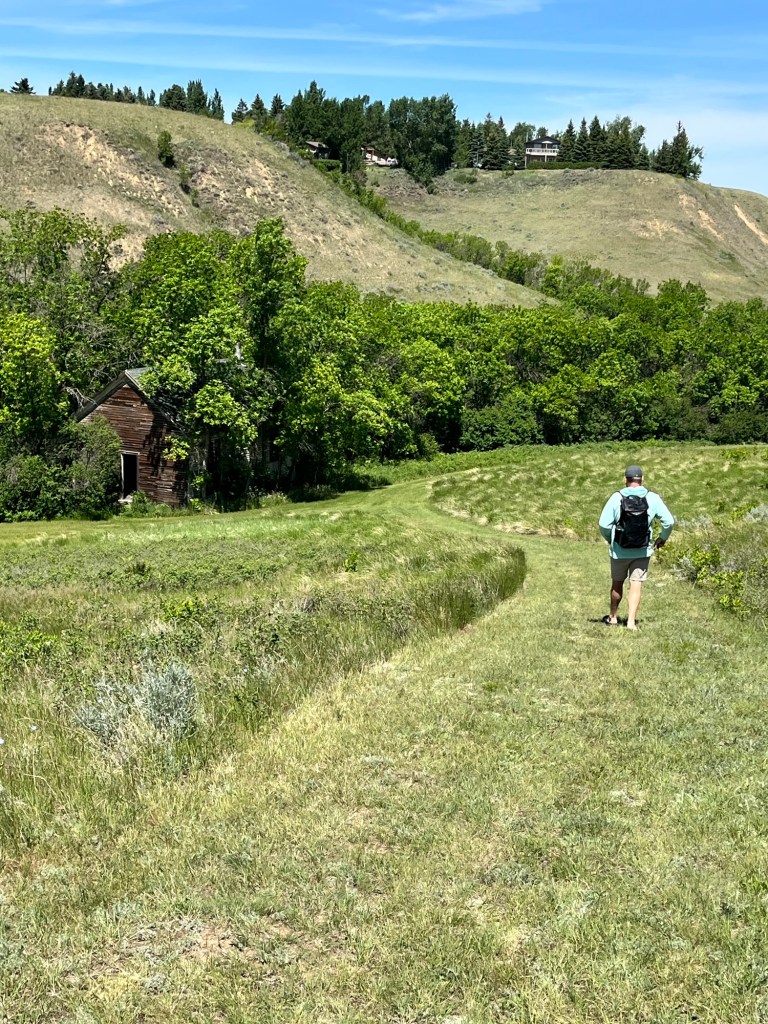
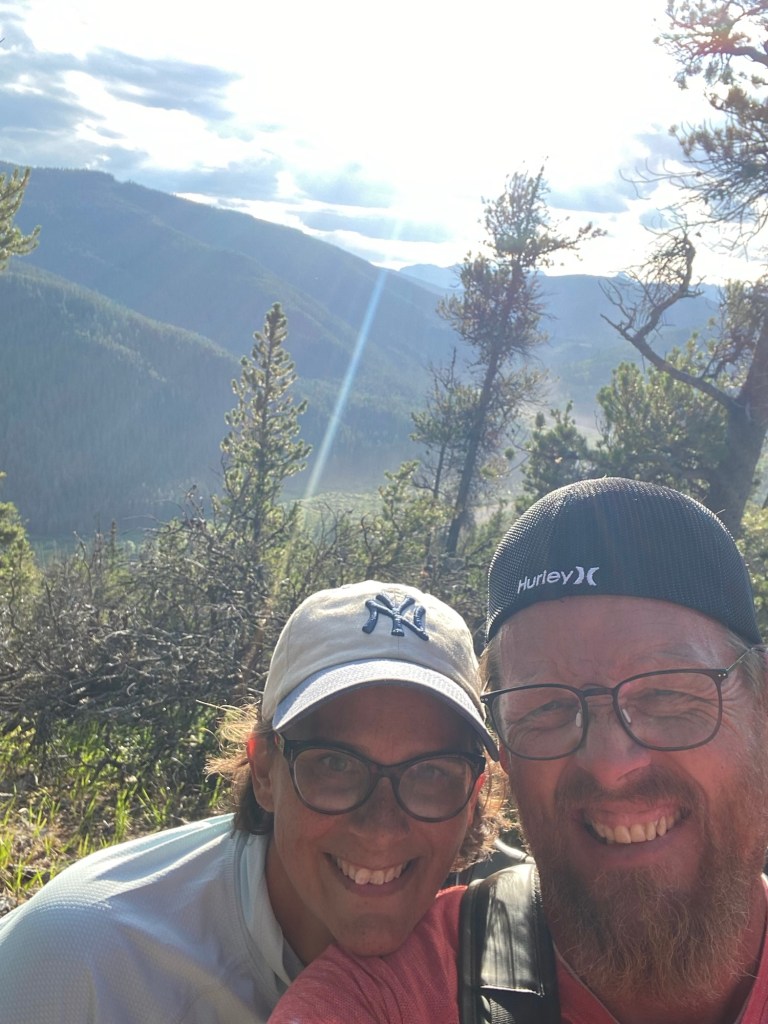
If my husband and I have an opportunity to go for a walk or grab a treat, I don’t want to be so committed to my schedule that I miss it.
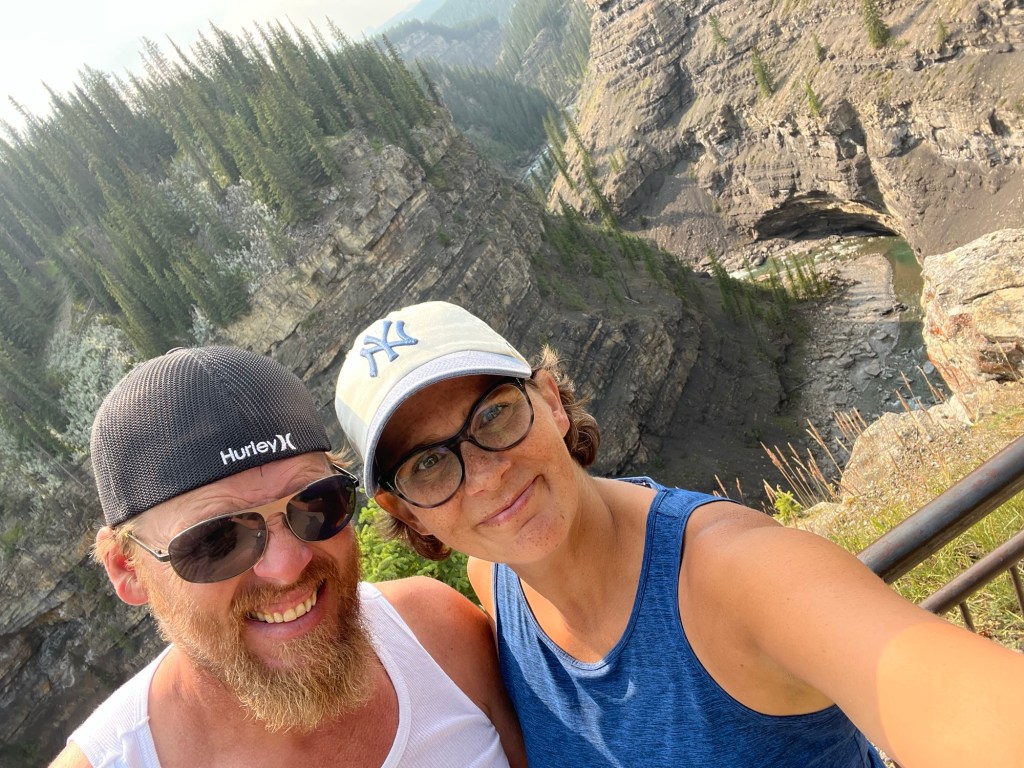
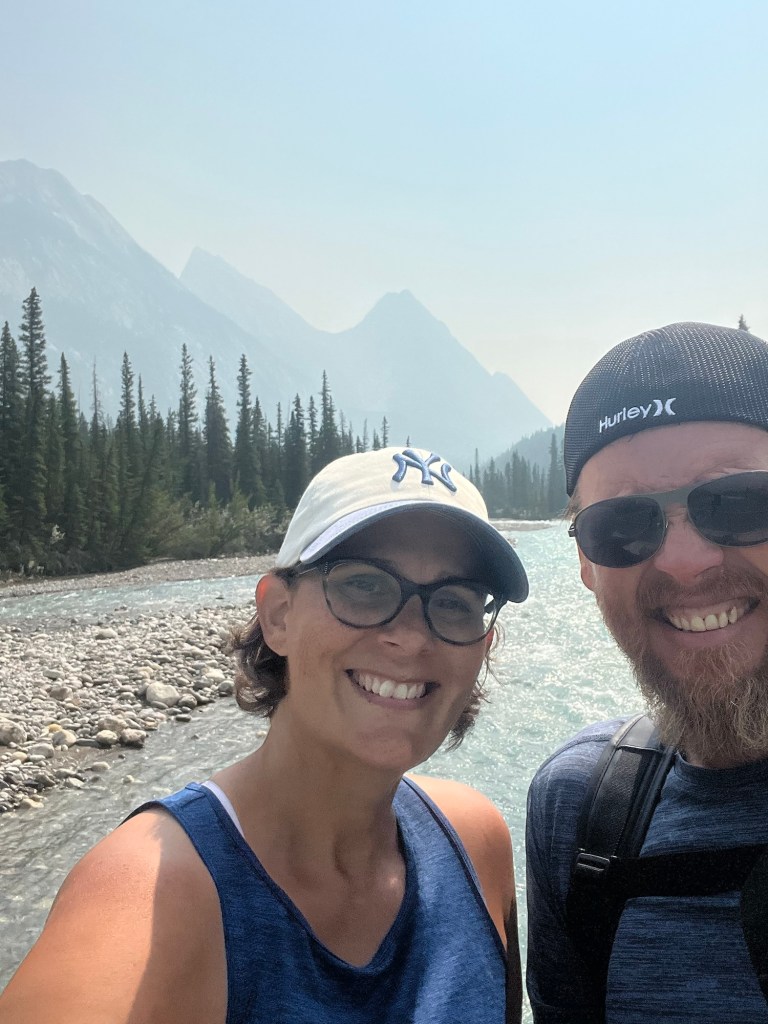
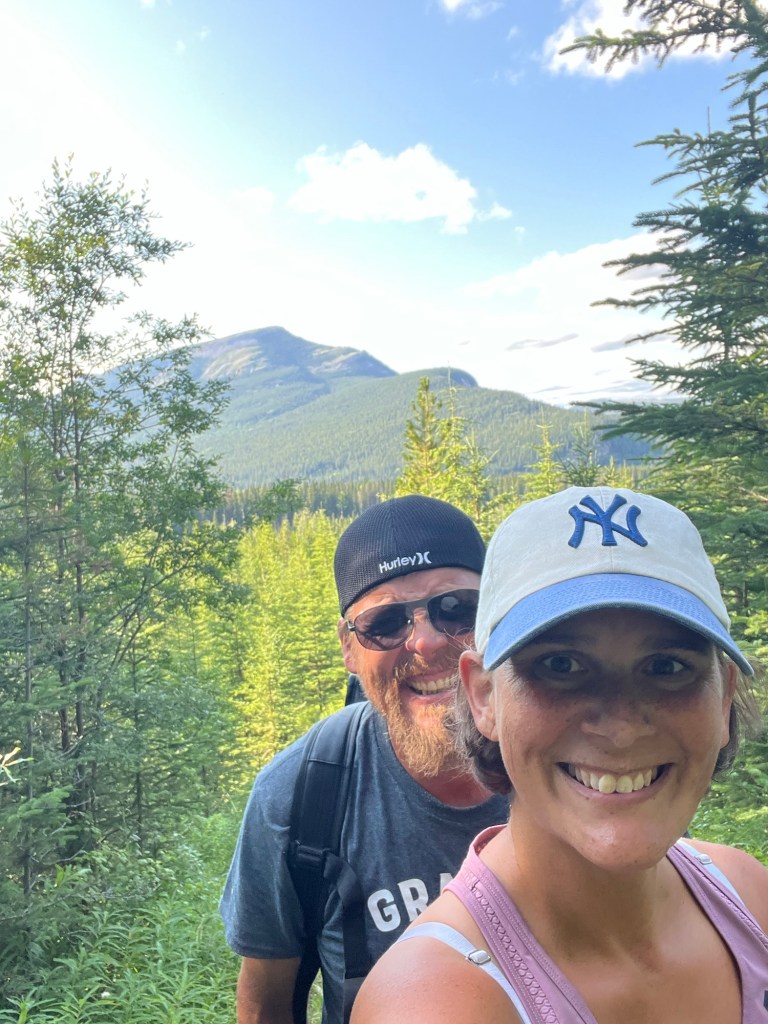
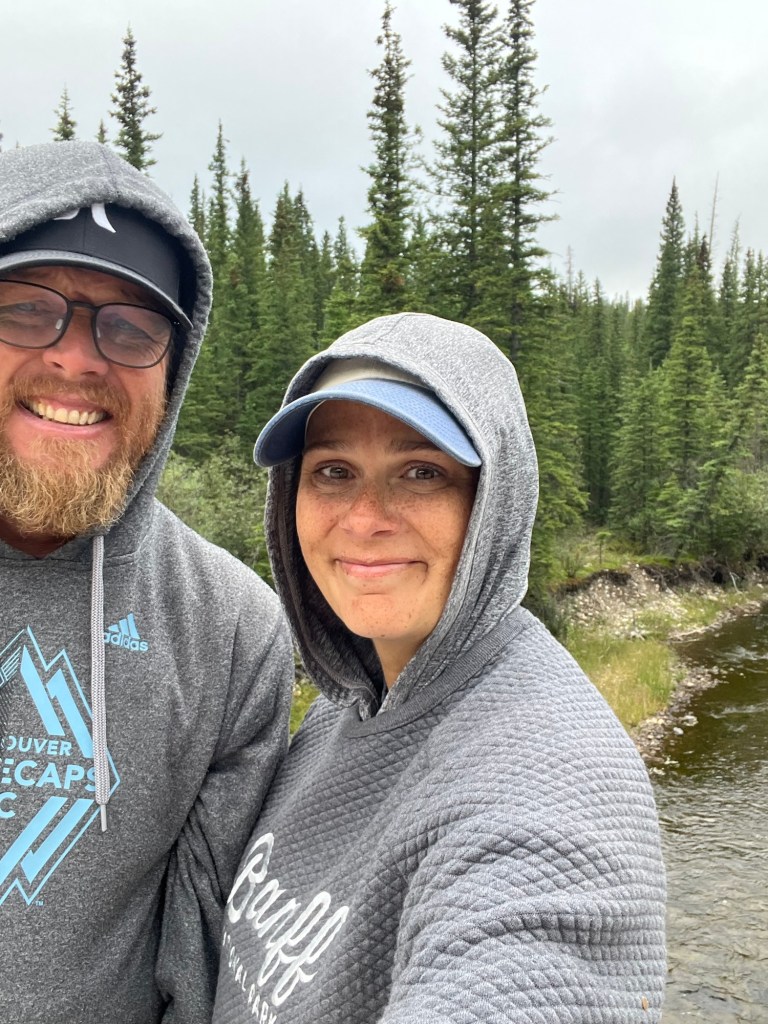
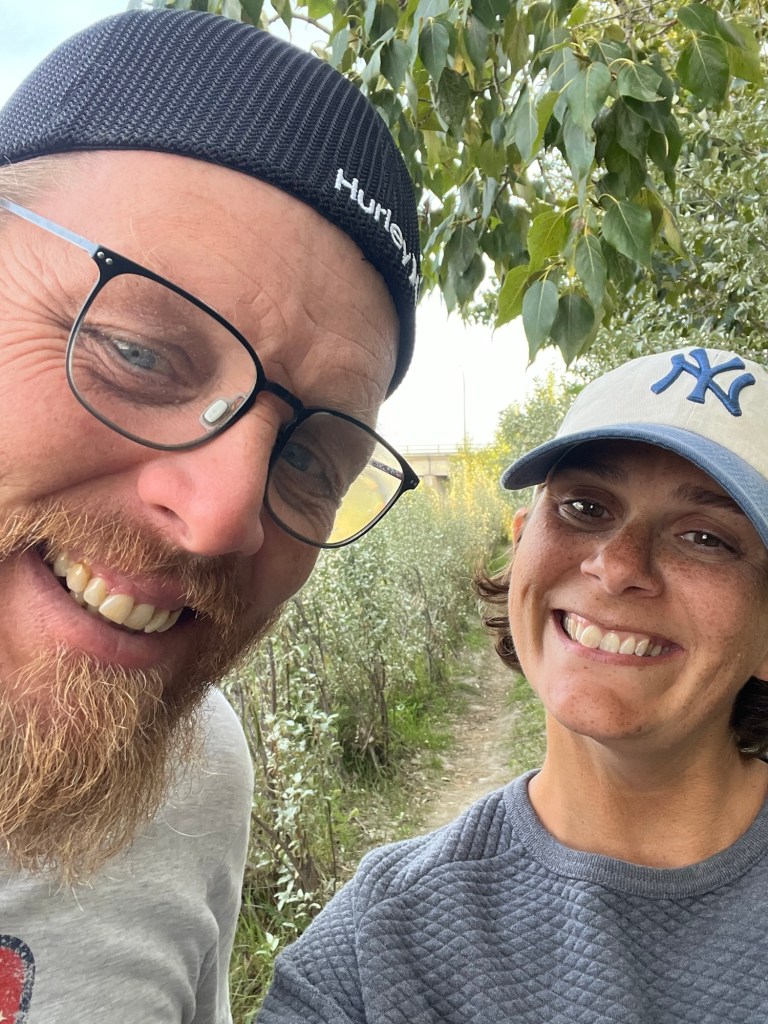
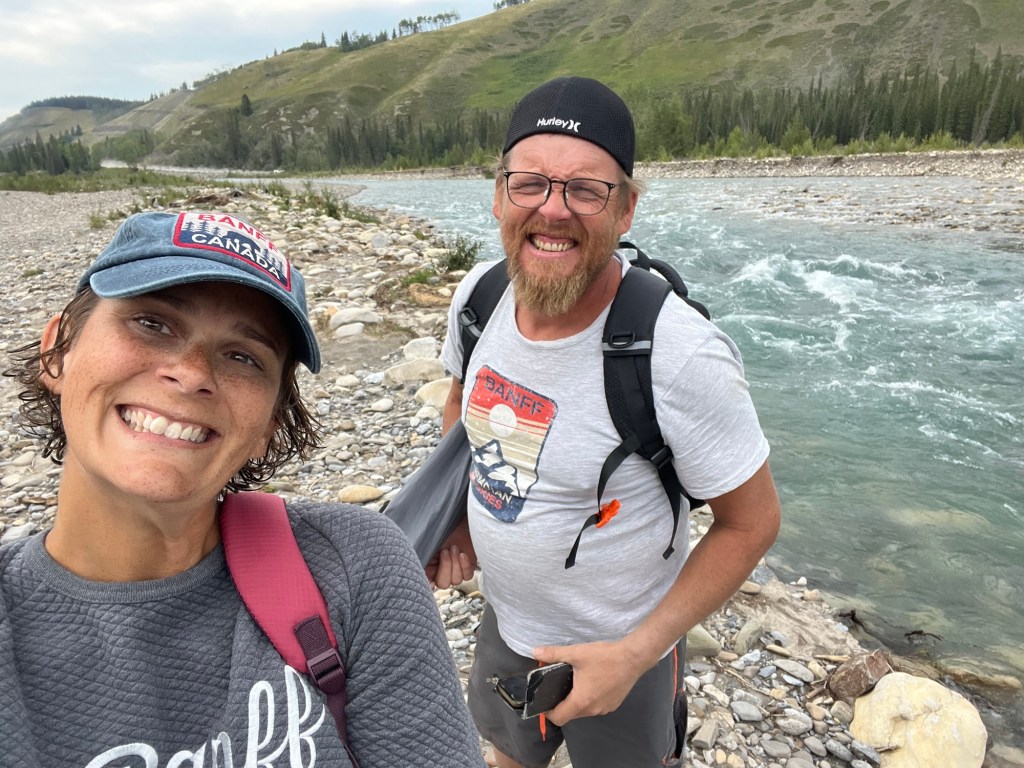


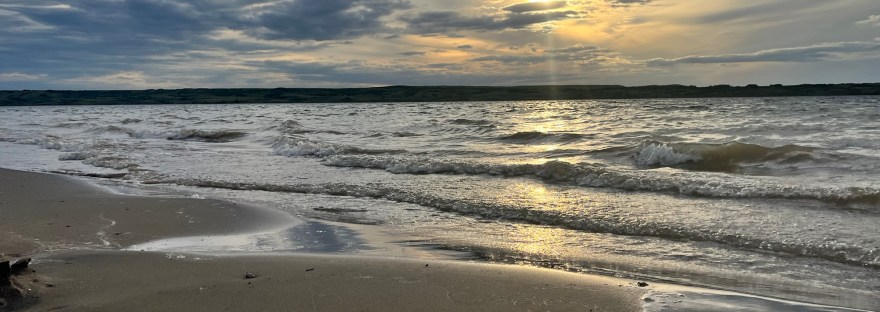
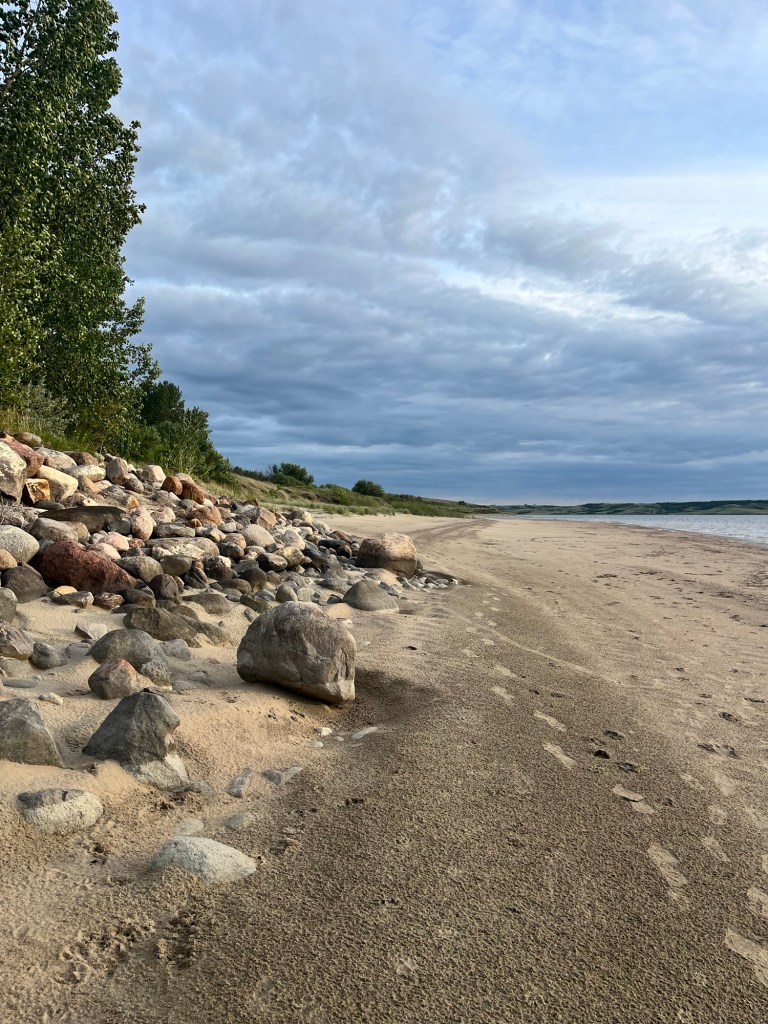
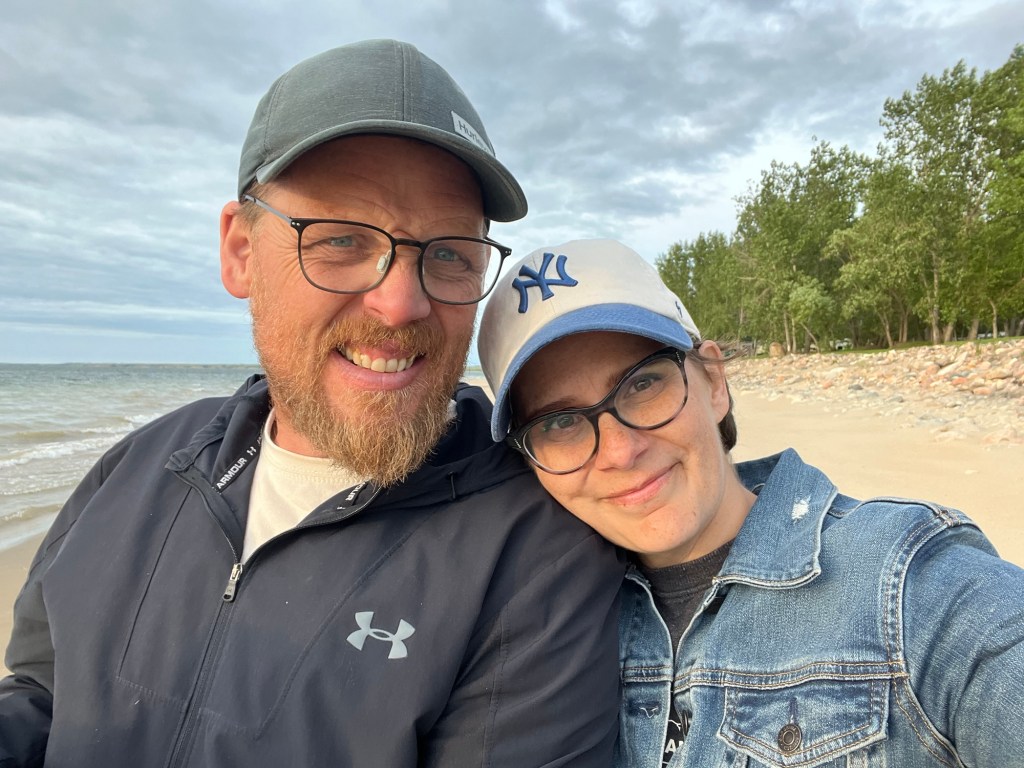
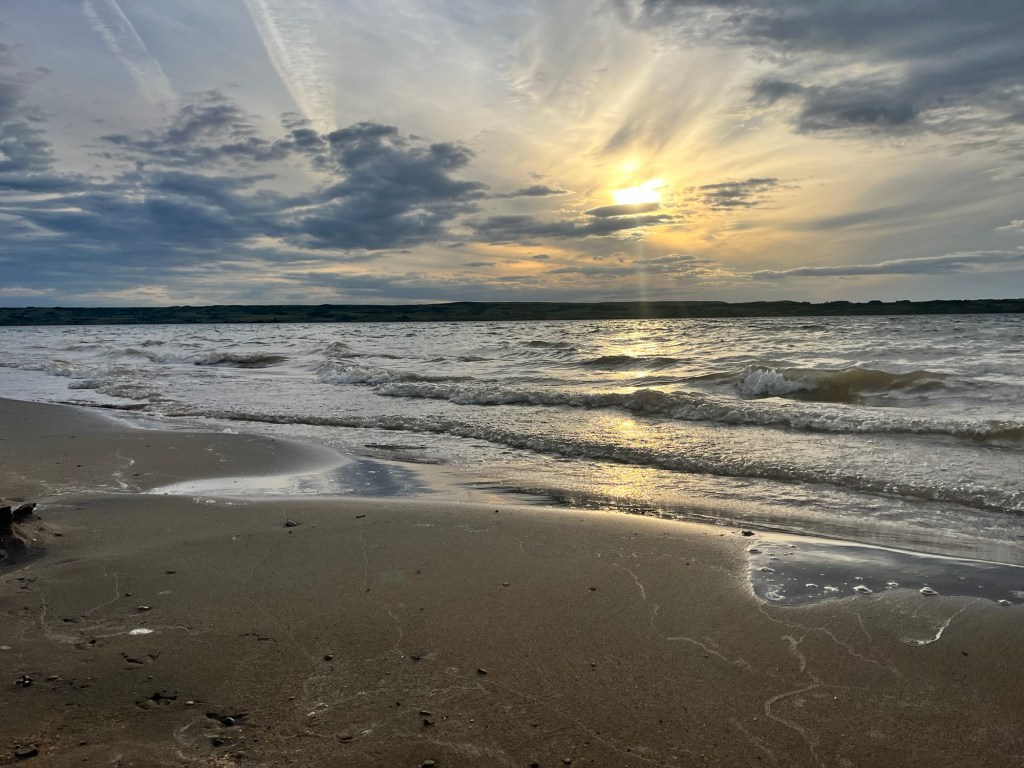
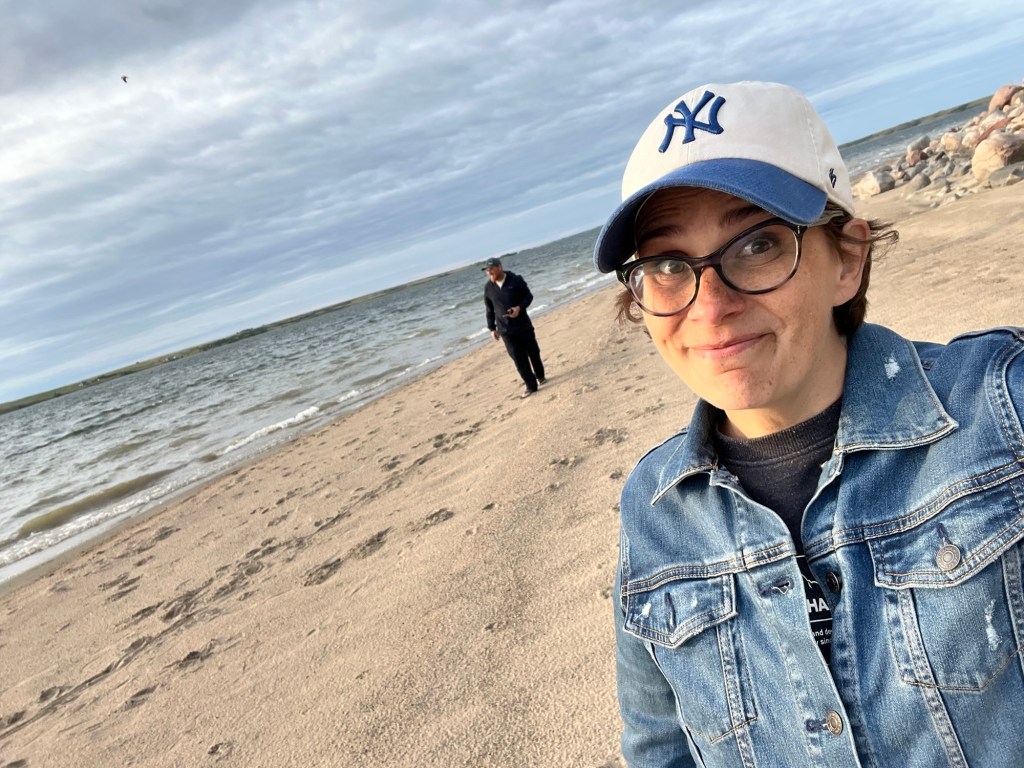
I intentionally build visits with friends into my week. Sometimes we go for a walk. Lay on the beach. Or we just sit and talk.
Some people leave me energized. Some people deplete my energy.
I’m learning to recognize the difference, being mindful without judging either one. Because relationships are not an optional extra to a healthy life. They are part of a healthy life.
I believe that the people I love are part of what I take with me into eternity, so investing in those relationships isn’t time away from my purpose.
It is part of my purpose.
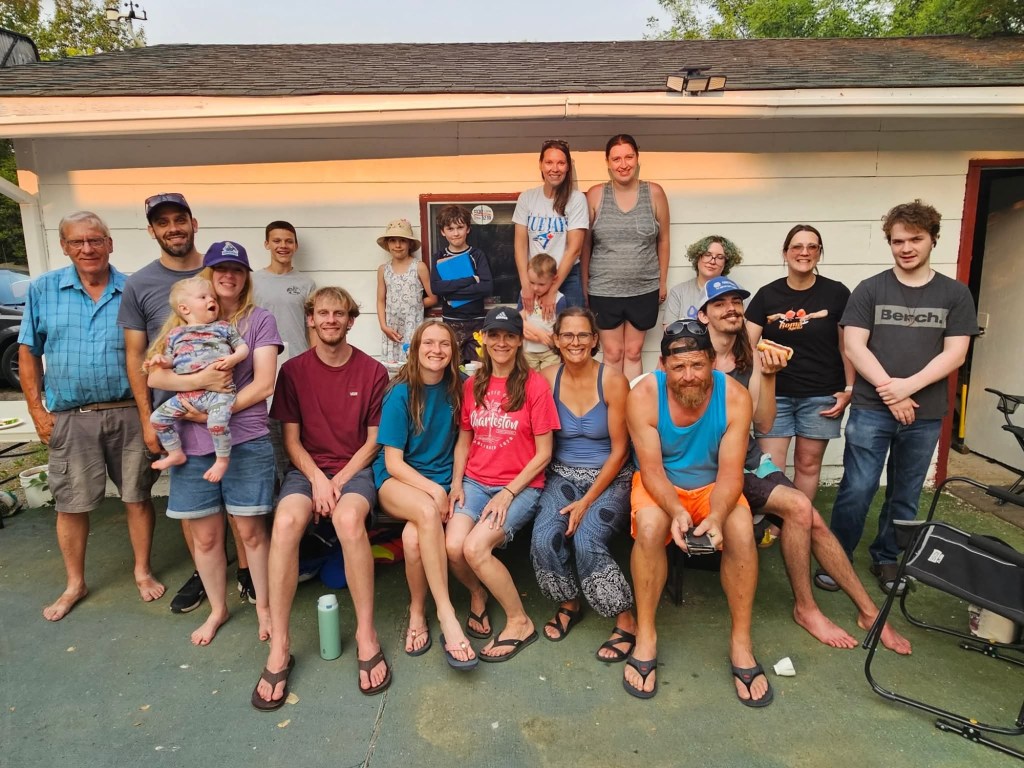
Being interruptible means leaving enough room in my life for another human being to matter.
I still have days when I desperately want the notes.
I want the accomplishments. I want the freedom. I want to contribute more. I want to travel more. I want to buy something without having to calculate whether it’s practical.
I want a life that feels bigger sometimes.
But I don’t want wanting them to blind me to the life I’m already living.
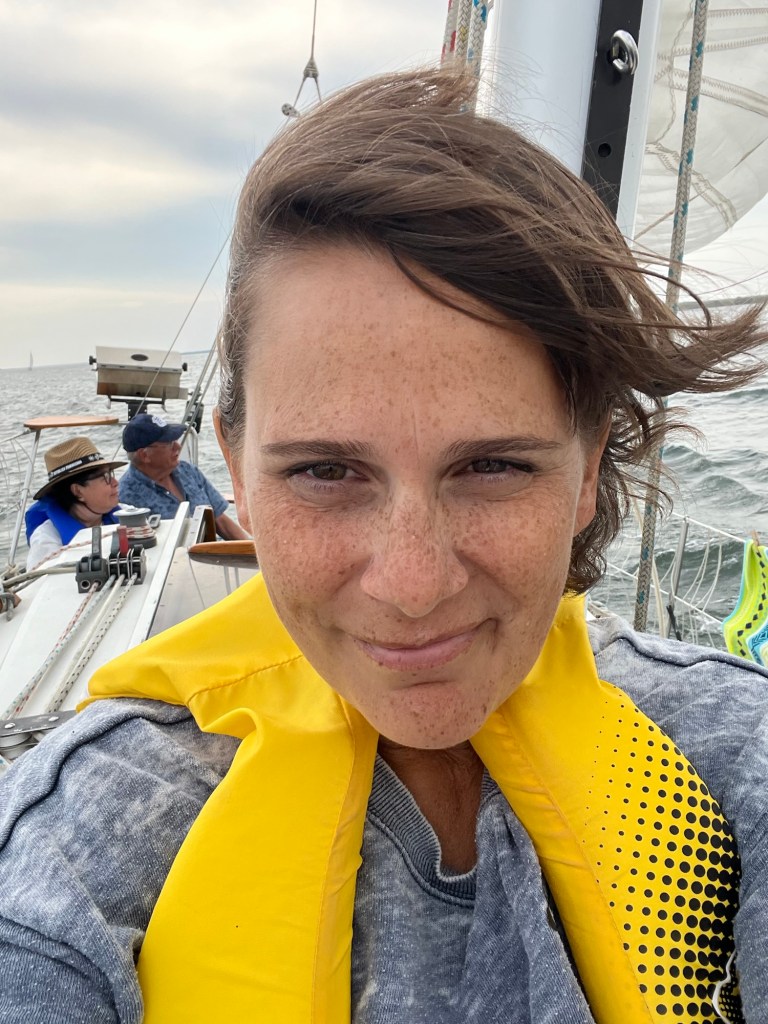
The pause isn’t wasted time.
I used to think of the spaces between accomplishments as empty.
Waiting. Stuck. Behind.
I’m starting to see them differently.
Maybe this is where the music is. Where I learn to listen to God. Where I learn what matters. Where I become.
And maybe the pause isn’t the part of my life that happens while I’m waiting to get back to the real thing.
Maybe this is the real thing.
So I’m going to try to live here. In the pause.
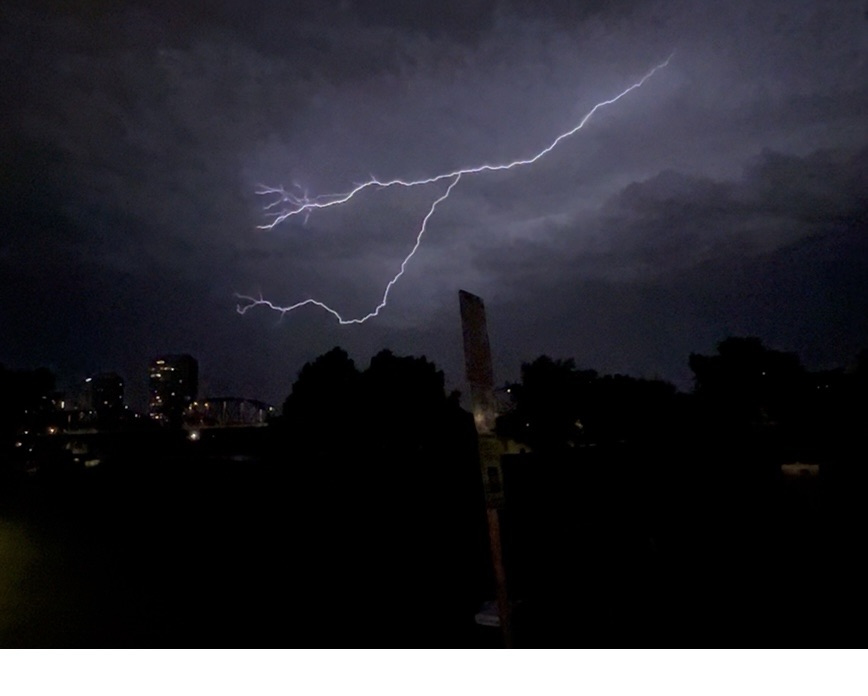
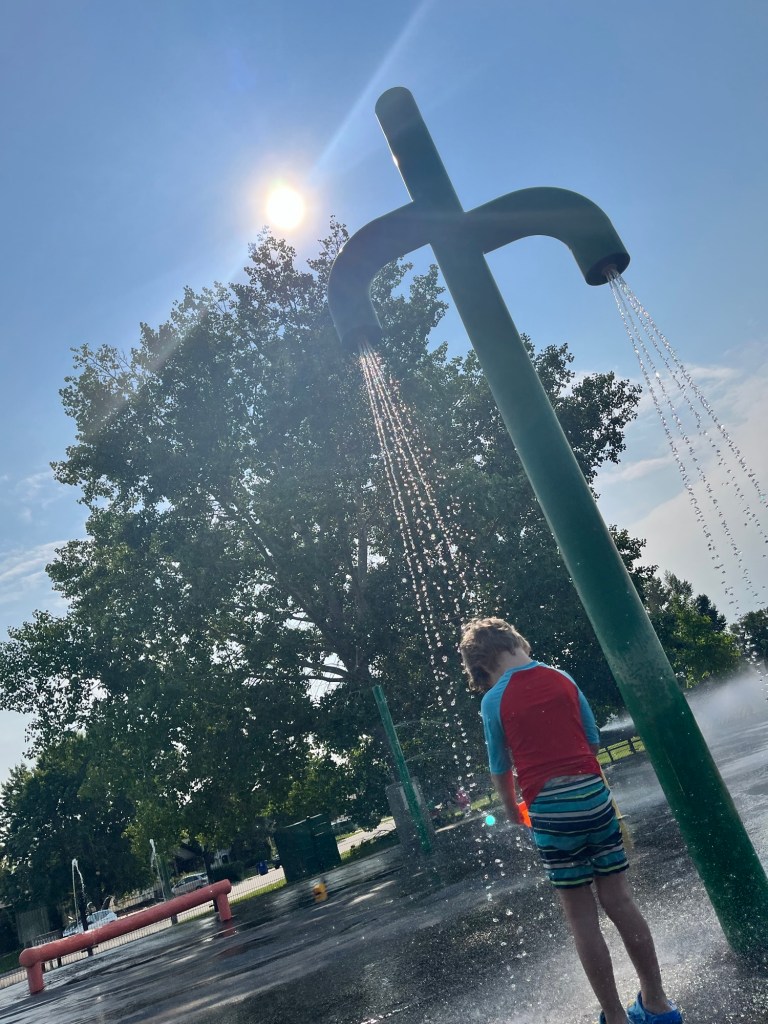
To pray. To learn. To care for my body. To create. To laugh. To love my people. To take compassionate detours. To notice the rain. To sit in the sunshine. To walk through the forest.
And to become the kind of person I hope to be when all the notes have finally ended.
Because perhaps the music was never in the accomplishments.
Perhaps it was always in the silence between them.
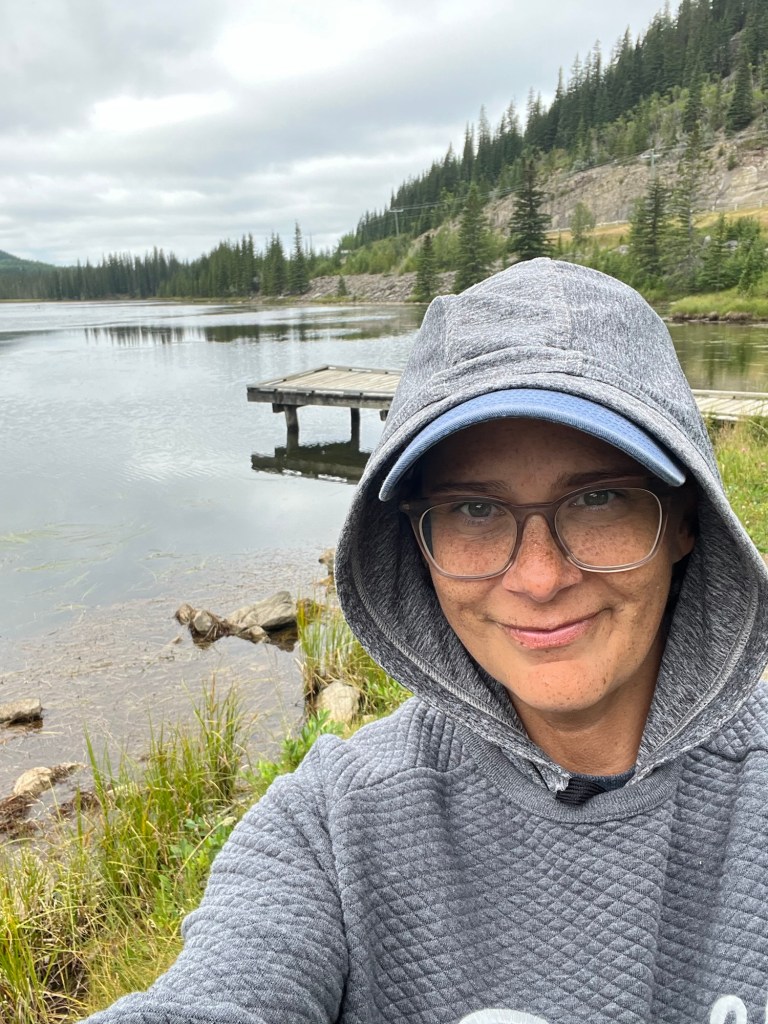
And maybe that’s one of the reasons I keep coming back to the forest.
Forest therapy teaches that you don’t have to force a forest to perform for you. You simply enter it, slow down, notice what is already there, and become receptive to what you might otherwise miss.
The wind between the trees. The birdsong between the sounds. The light between the branches. The breath between one moment and the next.
The pause. I’m due for another sit beside the rushing water beneath the tall trees. A lay down under clear, bright, starry skies.
So here’s a question for you:
What would change in your life if you stopped seeing the pause as wasted time and started asking what it might be teaching you?
Be led by joy. It’s the whole point.
-Mike Dooley