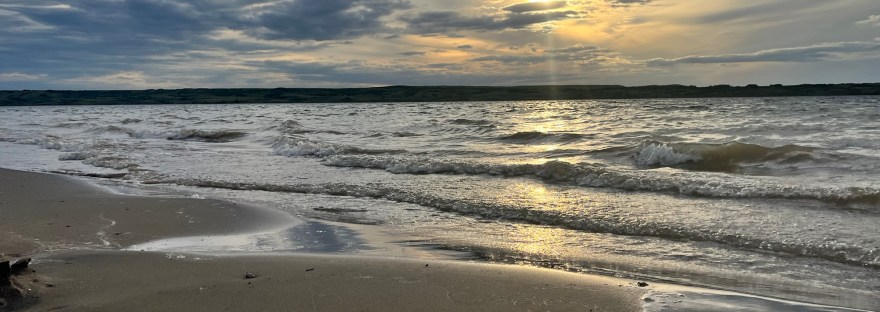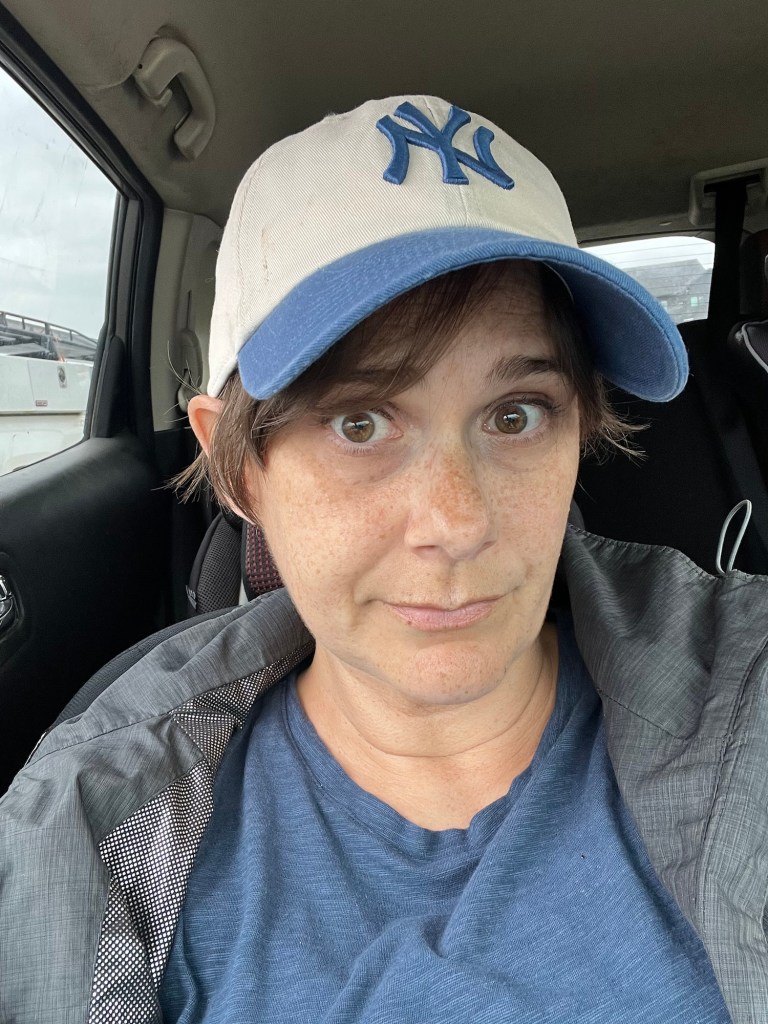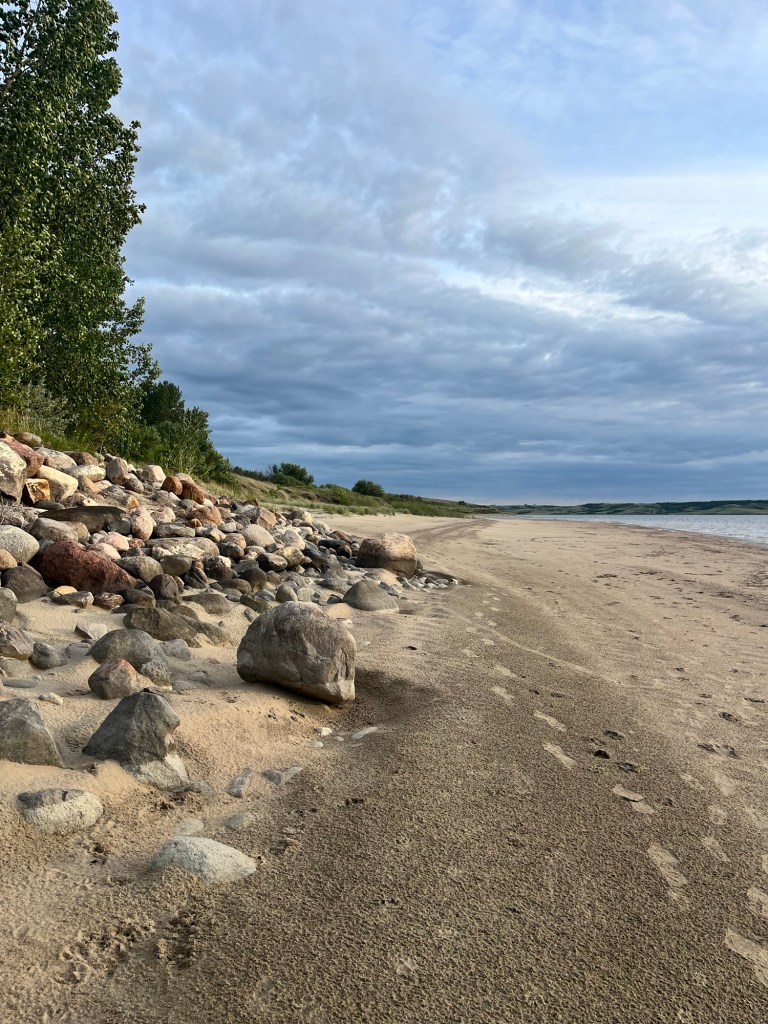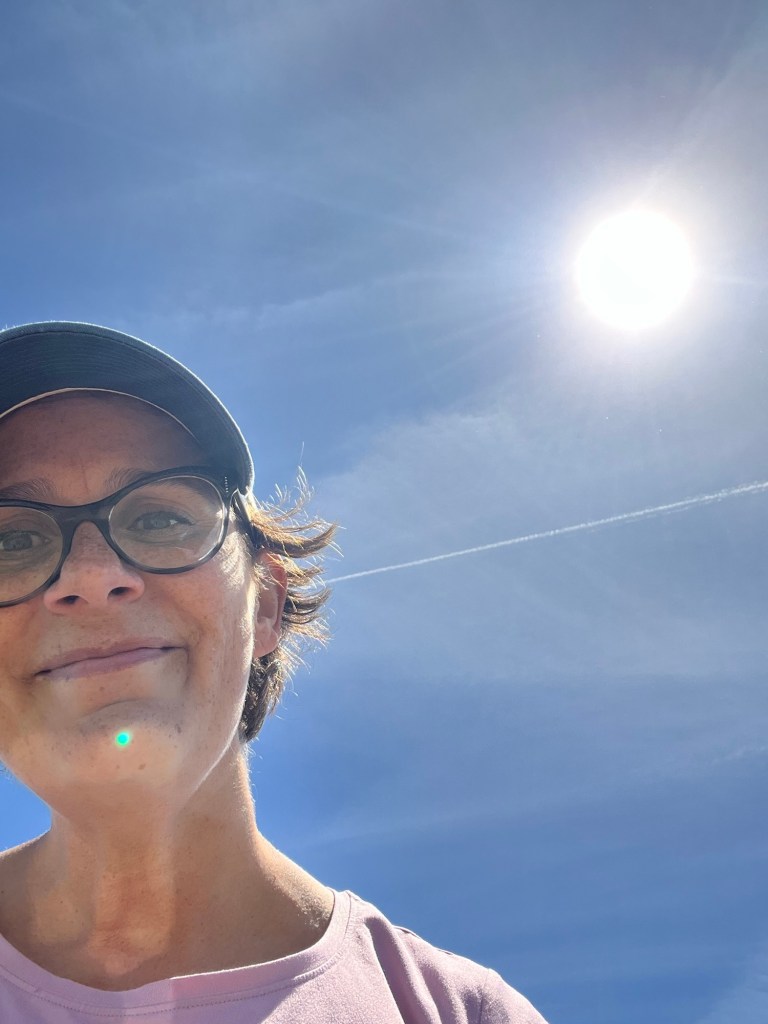
Inside me, the Protector, the Wounded Child, the Survivor, and the Healer all dance in a quiet circle. Each one longs to be seen, to be heard, to be held. And when I finally stop to witness them, their chaos becomes a rhythm… and their rhythm becomes my healing.
-recoverytrauma.ltd
I heard something recently that has been rolling around in my head. It was a conversation about worry versus wisdom.
The idea was that worry keeps us stuck, while wisdom keeps us moving.
One of the concepts was this, sometimes we feel stuck because we want two things that can’t exist at the same time.
- I want to be healthy, but I don’t want to change anything.
- I want to feel better, but I don’t want to slow down.
- I want to have more energy, but I don’t want to give anything up.
- I want my nervous system to settle, but I keep filling every available minute.
And with chronic pain, there can be a whole extra layer of this.
- I want to do the things I used to do, but my body can’t always do them.
- I want to feel better, but I can’t control whether I have a good pain day or a terrible one.
- I want answers, but sometimes there are no tidy solutions.
So I worry. I think. I analyze. I replay. I predict. (I’m actually a delight. But you wouldn’t know it because I’m so tired and irritated all the time.)
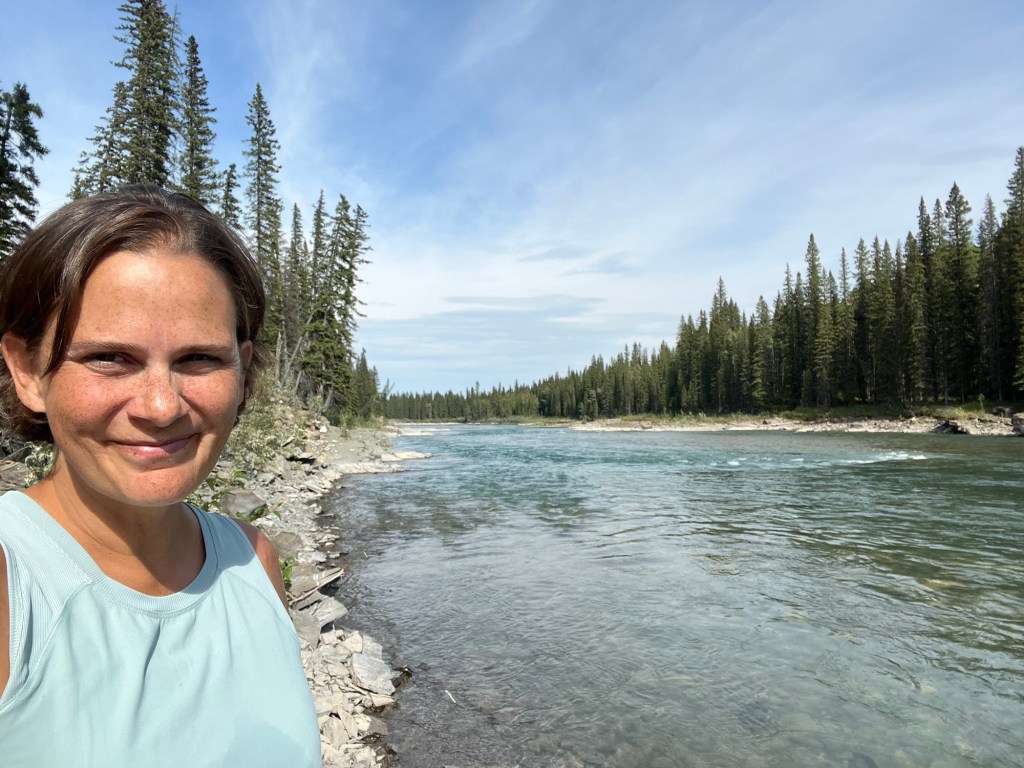
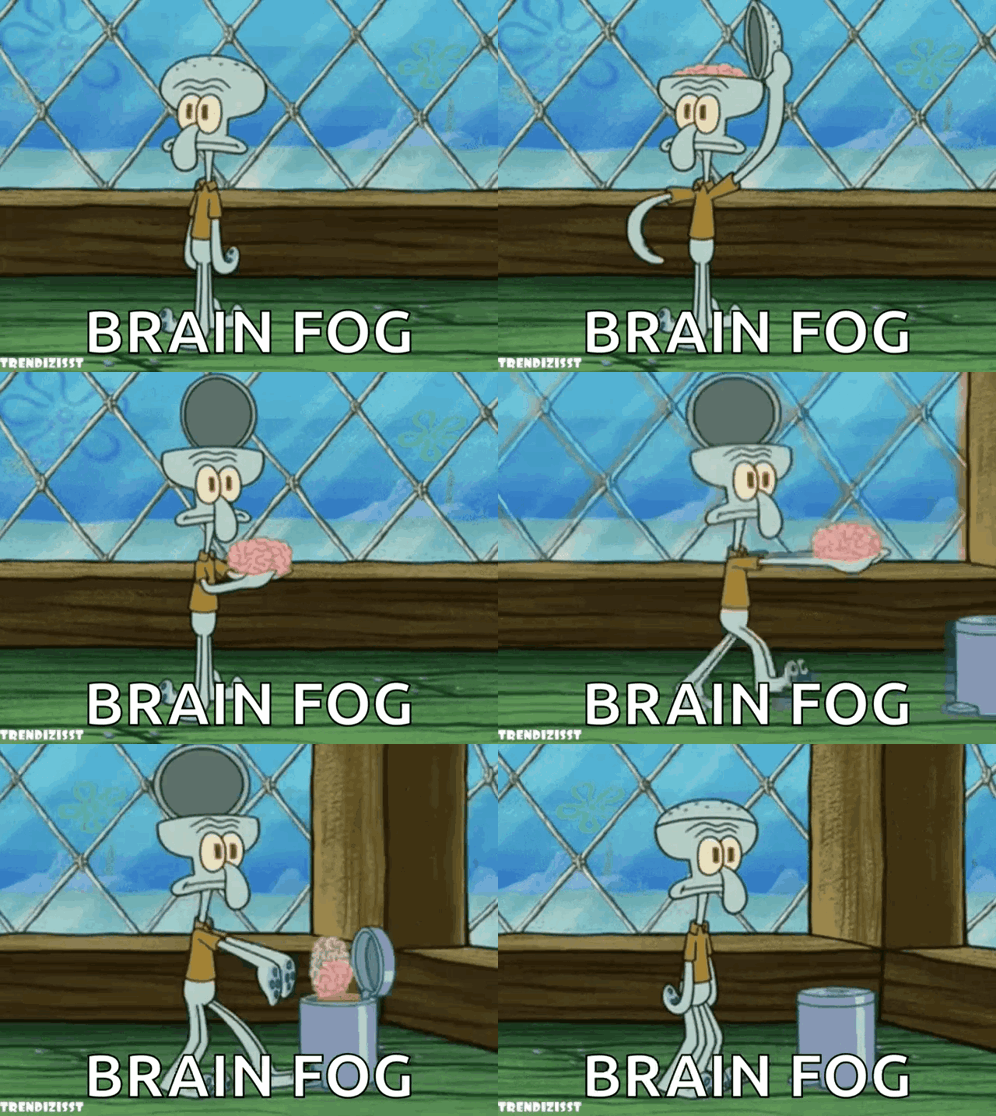
I consider every possible scenario until my brain has apparently opened approximately 47 tabs, and none of them are helpful.
And somewhere in all of that thinking, I can become very, very stuck.
But then I look at my grandkids.
They might know something I have forgotten.
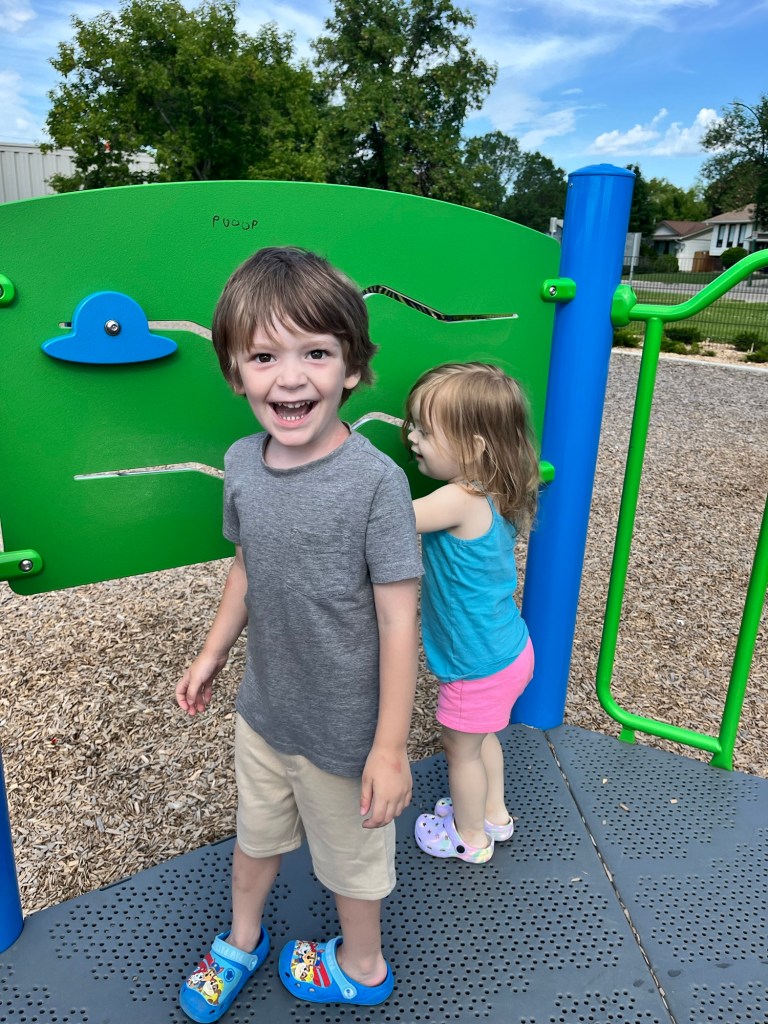

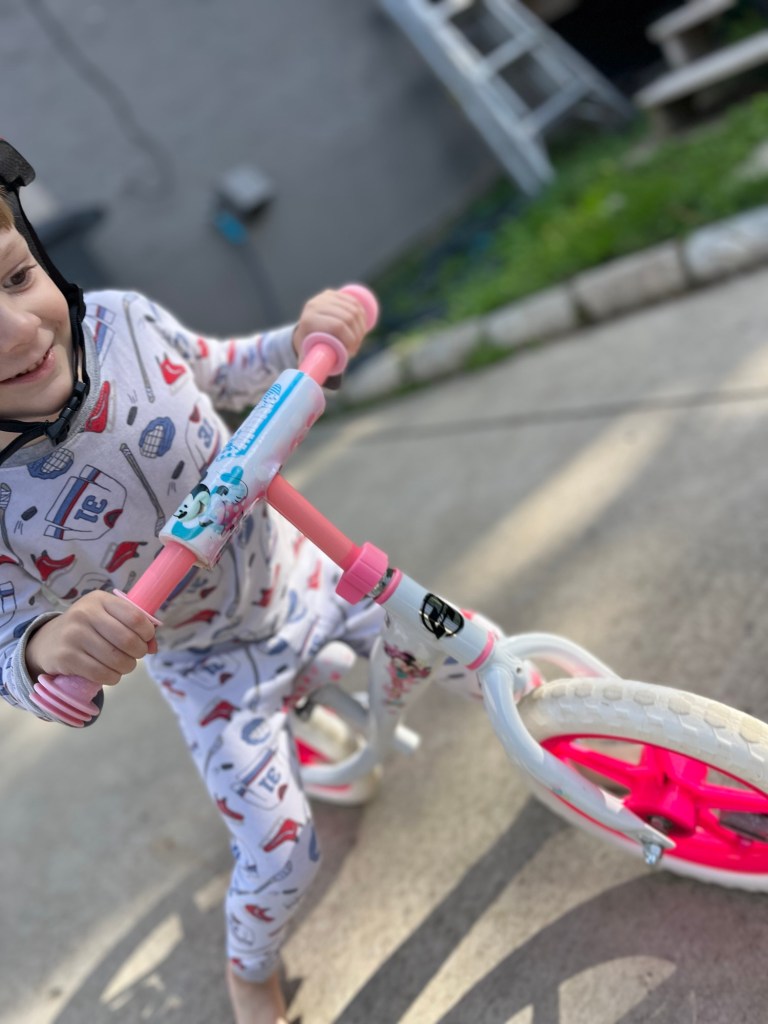
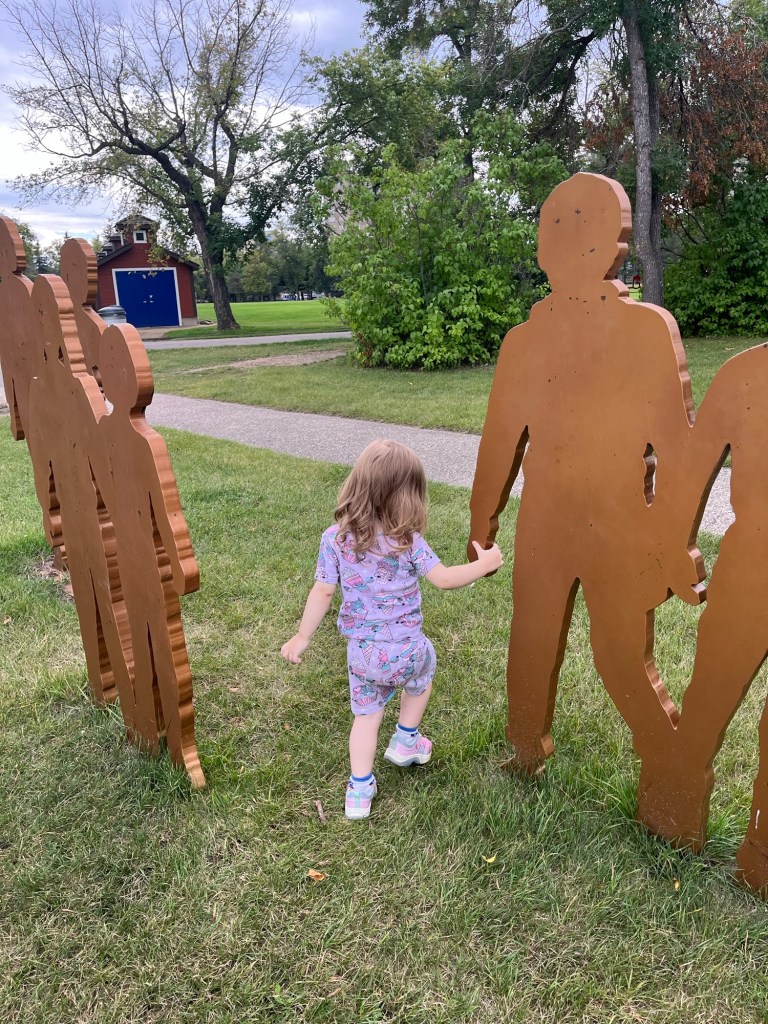
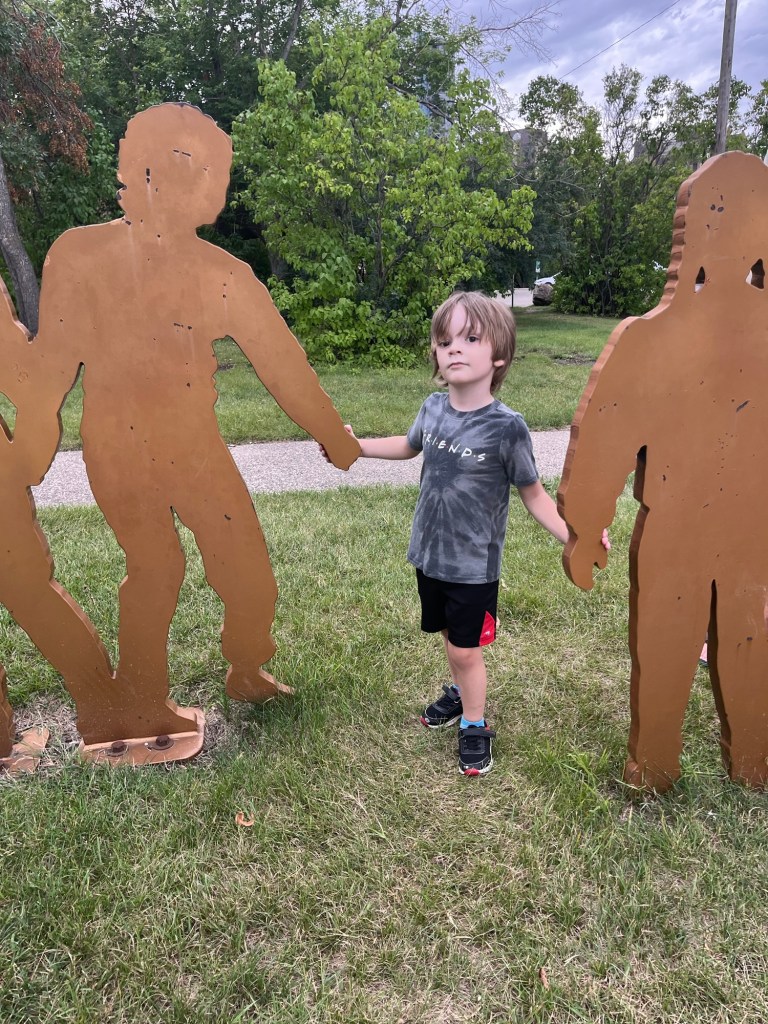
They don’t spend nearly as much time worrying about what happened yesterday or what might happen tomorrow.
They deal with right now.
If they’re hungry, they eat.
If they’re tired, they lie down.
If they see a bug, suddenly that bug is the most fascinating creature on Earth.
If someone says something funny, they laugh.
If they fall down, they may cry. And then, remarkably, five minutes later they’re deeply invested in something completely unrelated.
They don’t seem to spend a lot of time thinking:
I really shouldn’t have fallen down yesterday.
Or:
What if I fall down again tomorrow?
They are busy being where their feet are. Kids have a PhD in being where their feet are. (Wise little beings.)
Not because the past doesn’t matter. Not because the future doesn’t matter.
But because this moment is the only one I can actually do anything with.
And I think that is part of the difference between worry and wisdom.
Worry keeps asking:
What if?
Wisdom asks:
What now?
What if I stopped trying to solve tomorrow?
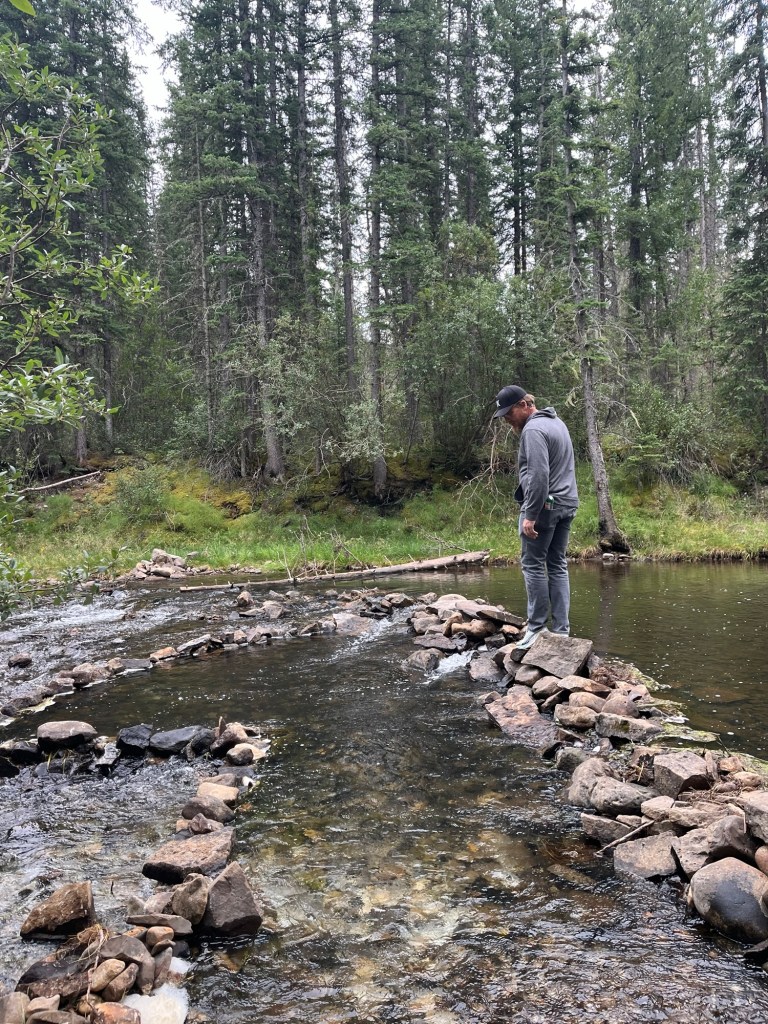
One of the things I love about forest therapy is that nature gives me a place to practice being present.
Not by sitting perfectly still and trying to empty my mind.
My brain 🧠- Director of Unnecessary Mental Load 🪪
Instead, I can go outside and let my attention wander.
I call this a sensory wander.
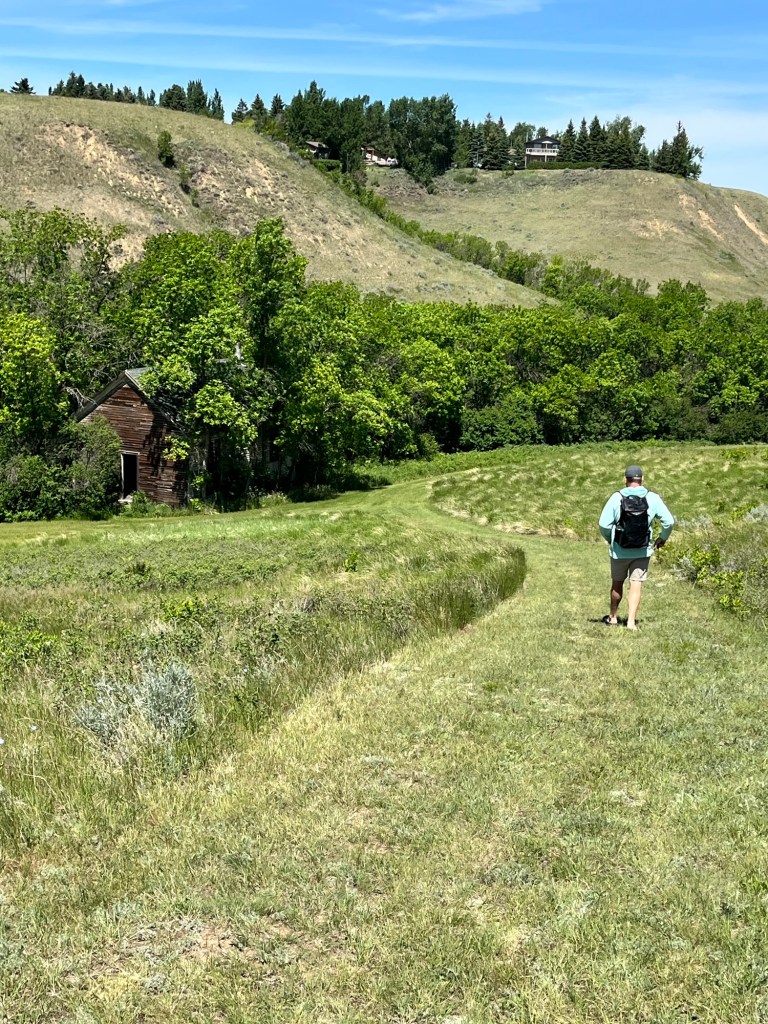
Rather than walking with a destination in mind, I slow down and follow whatever catches my attention.
Maybe it’s the shape of a leaf.
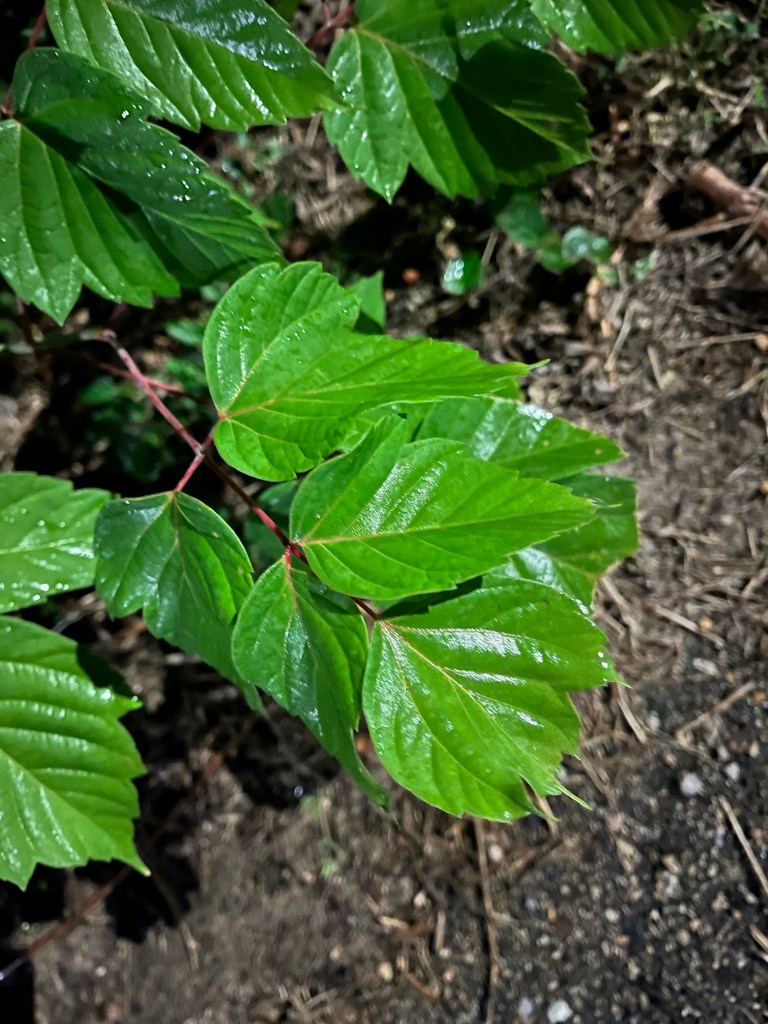
The sound of something moving in the grass.
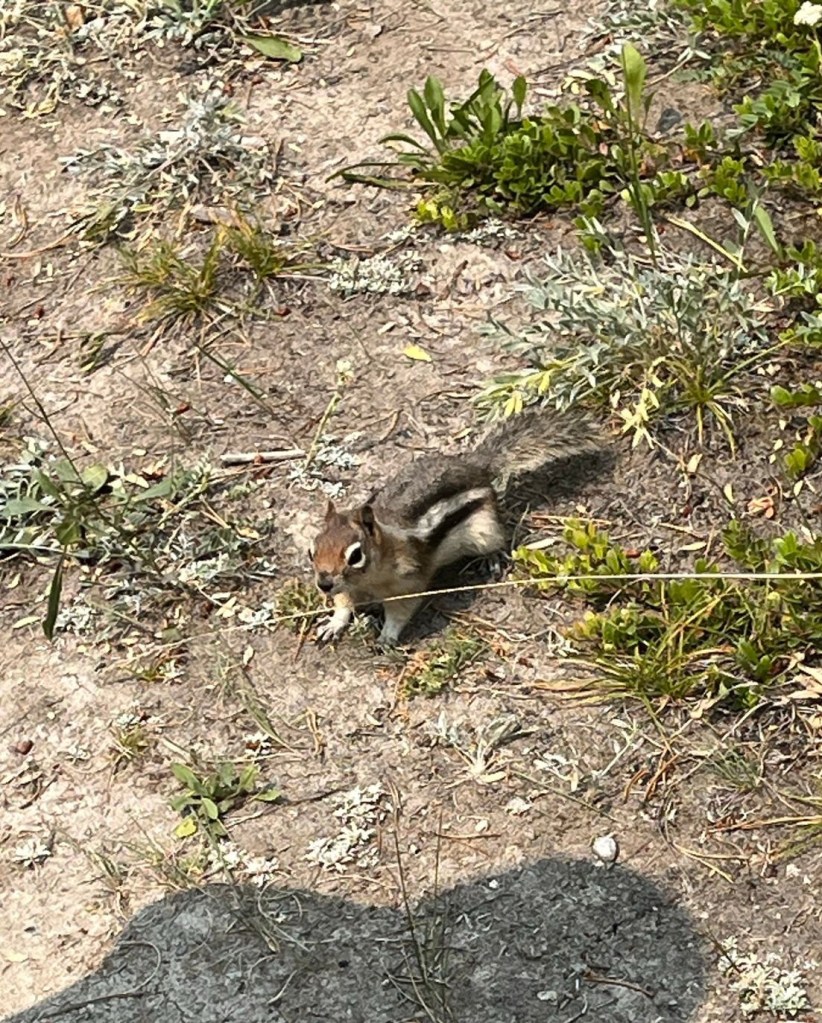
The smell of wet earth.
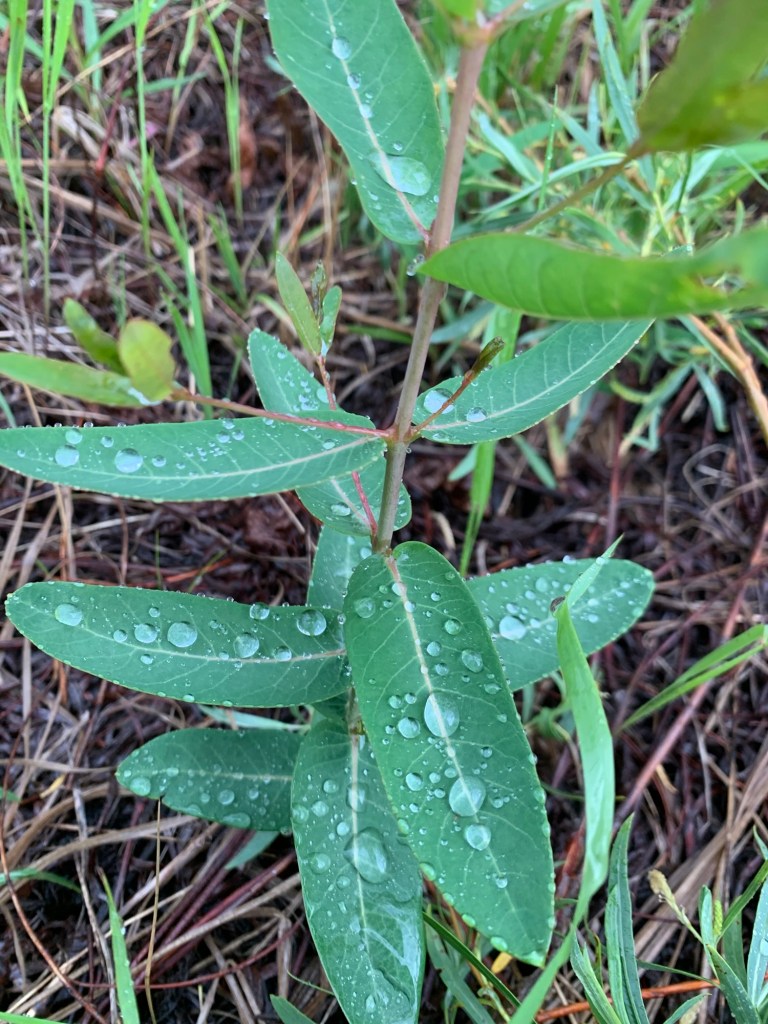
A tree with strange bark.
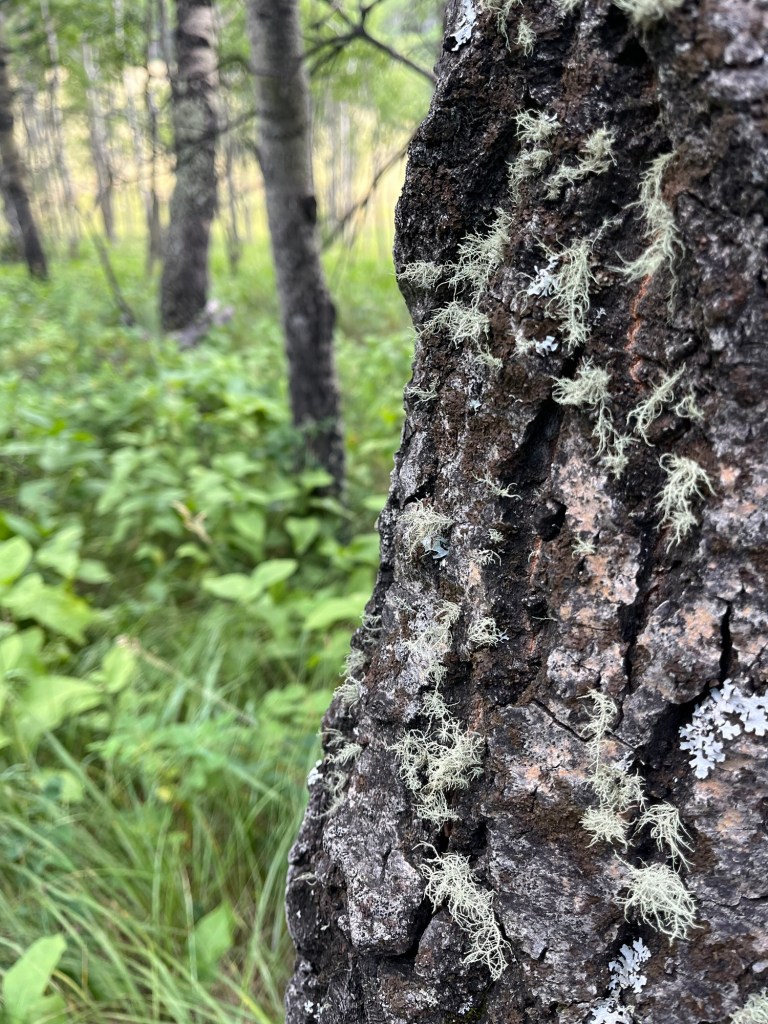
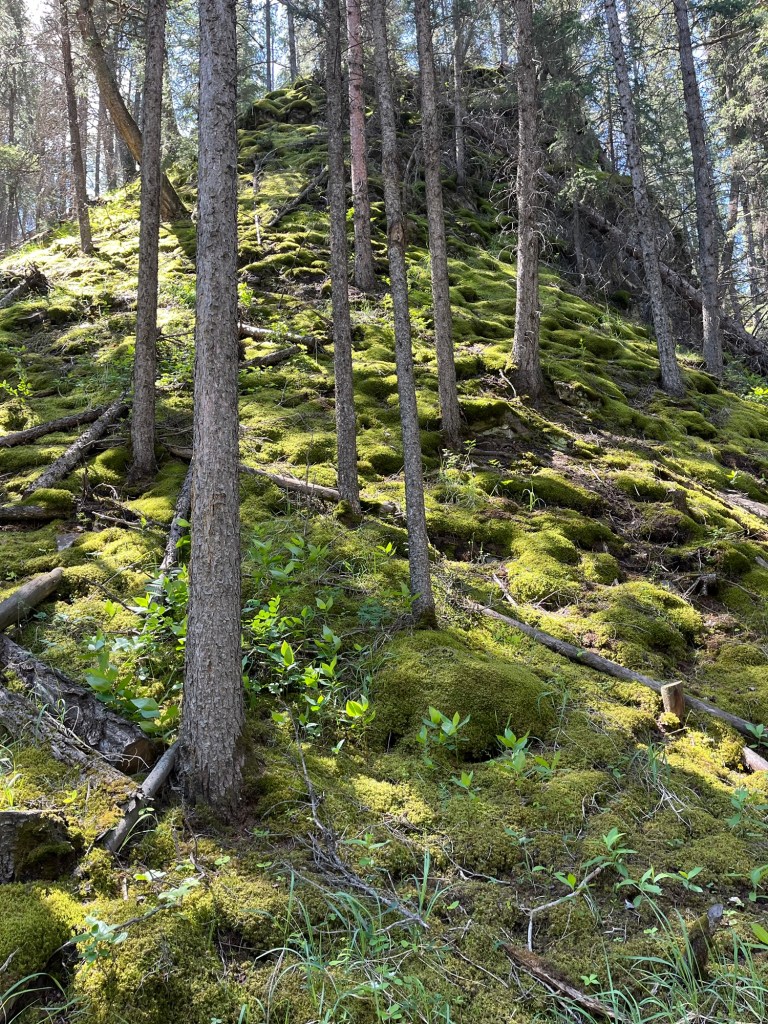
The way sunlight hits one little patch of moss.
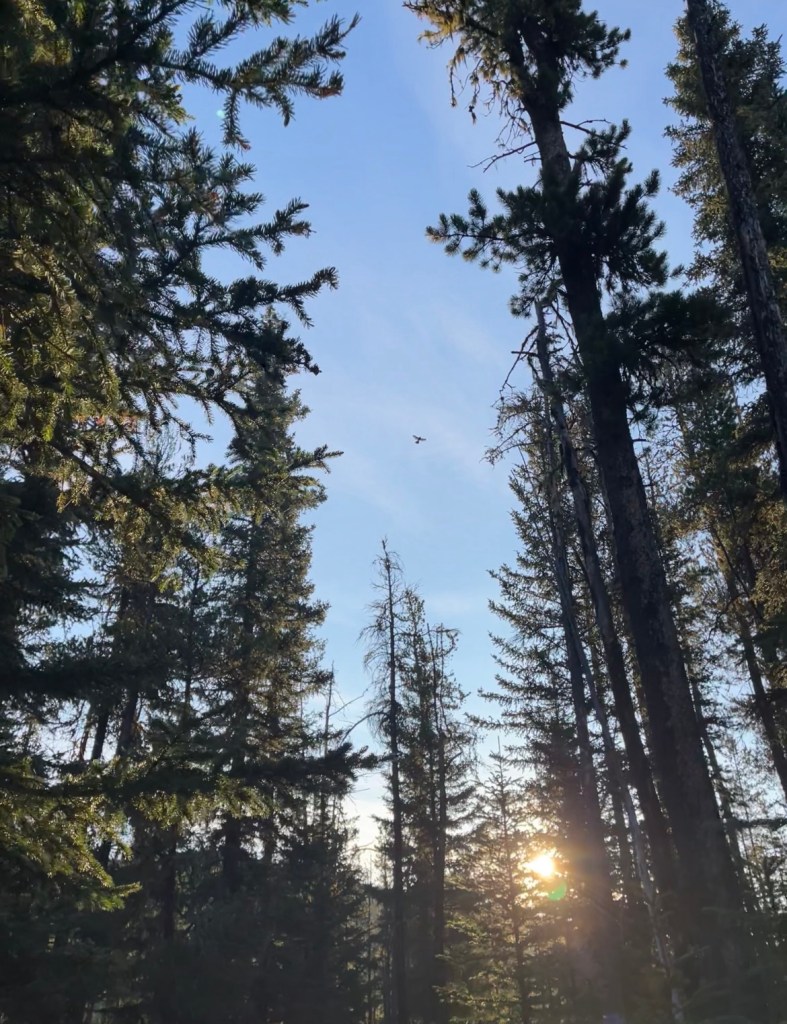
A bird I can’t identify.
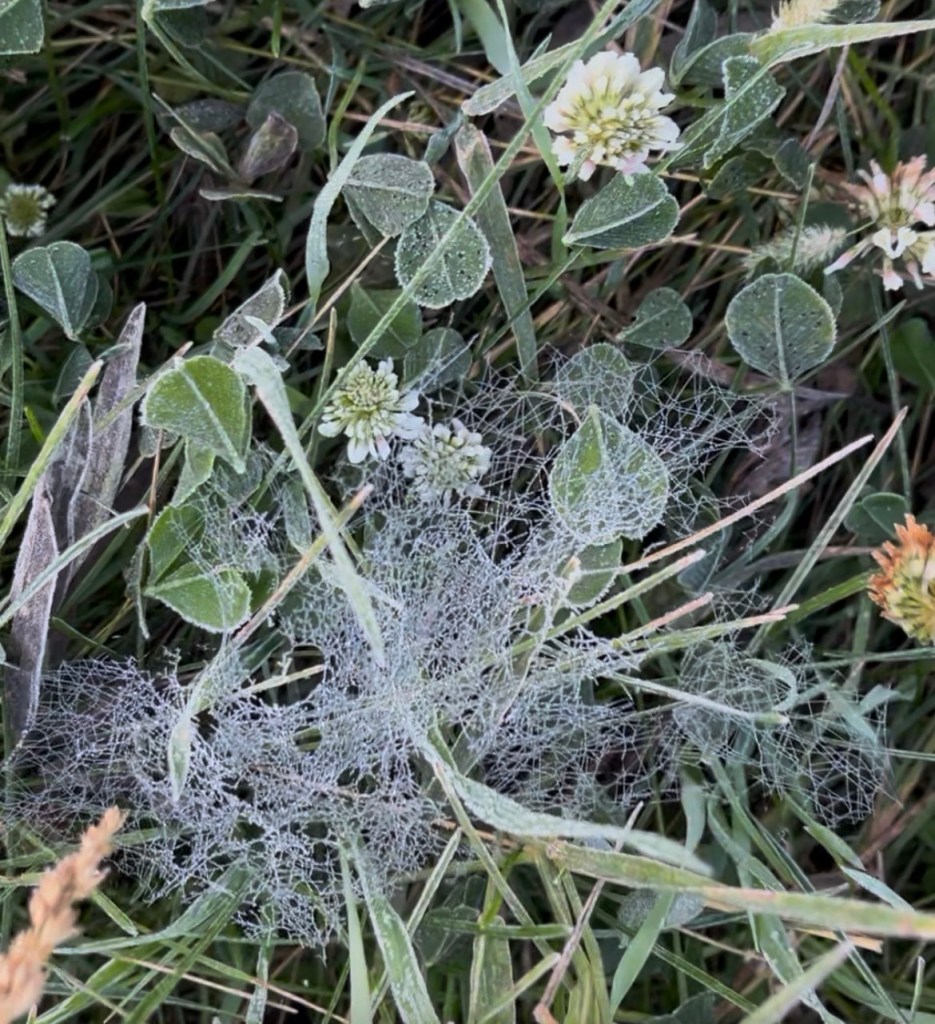
A spider web I would have walked right past.
I don’t have to figure anything out.
I don’t have to make the experience meaningful.
I don’t have to turn it into a lesson.
I just notice.
What has my attention right now?
Then I follow that.
And when something else catches my attention, I follow that instead.
It’s quite simple.
I don’t have to live three days ago. I don’t have to live three weeks from now.
I can live right here.
With the trees.
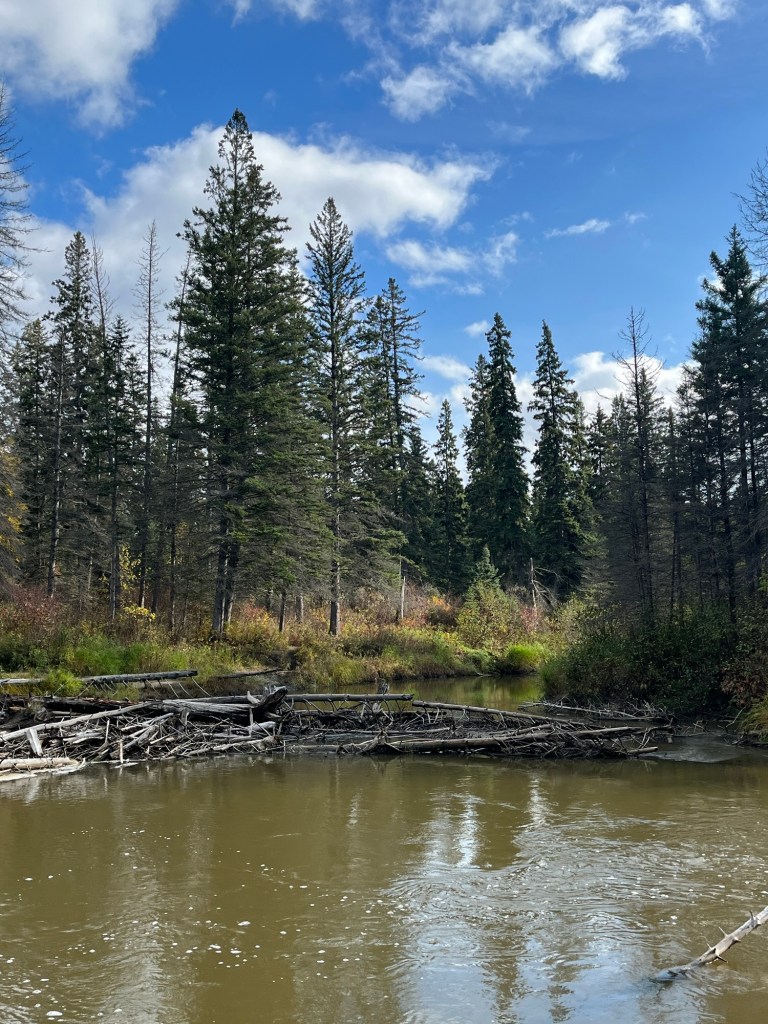
With whatever happens to be in front of me.
Wisdom doesn’t mean having it all figured out
I don’t think the podcast was suggesting that wisdom means knowing exactly what to do.
Sometimes we don’t know.
Especially with chronic pain.
There is a lot of trial and error.
What helped yesterday might not help today.
Something that works beautifully for one person might make another person’s body stage a small coup.
There isn’t always a clear answer.
But wisdom doesn’t necessarily require a complete plan.
It can be much smaller.
One thing I know I can do is this.
- I can drink some water 💦
- I can rest before I completely crash. 😴
- I can step outside 👣
- I can notice what my body is telling me 👂
- I can take a short walk instead of deciding I need to complete a 5km hike or not bother going at all 🚶♀️
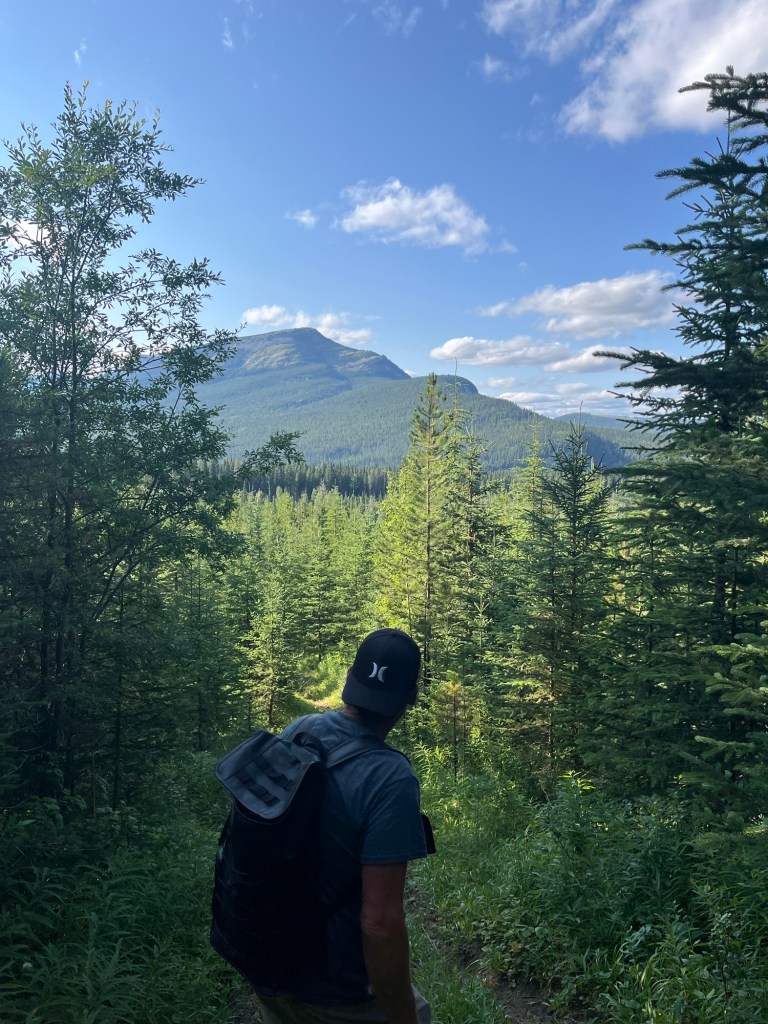
- I can spend ten minutes among the trees 🌲 🌲
- I can stop arguing with the reality of today long enough to actually experience today 🧘♀️
That last one is hard.
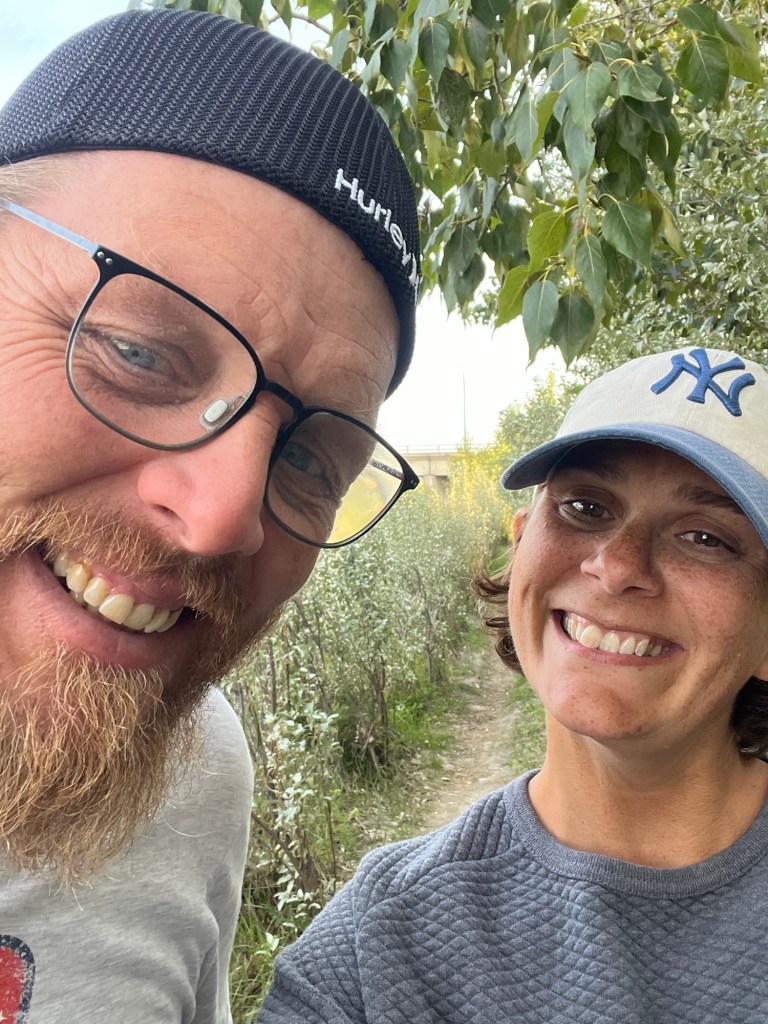
Because sometimes I want today to be different. But wanting it to be different doesn’t change what it is.
And accepting what is happening right now doesn’t mean I like it. It means I stop spending all my energy fighting a moment I can’t change.
Maybe that’s where wisdom starts. Not with a solution. With noticing.
Maybe the kids have it partly right
My grandkids aren’t worried about whether they’re making enough progress in life.
They aren’t measuring the day by how productive they were.
They aren’t wondering whether they should have made a different choice three years ago. (One of them wasn’t even here three years ago.)
They aren’t lying awake thinking about everything that could possibly go wrong tomorrow.
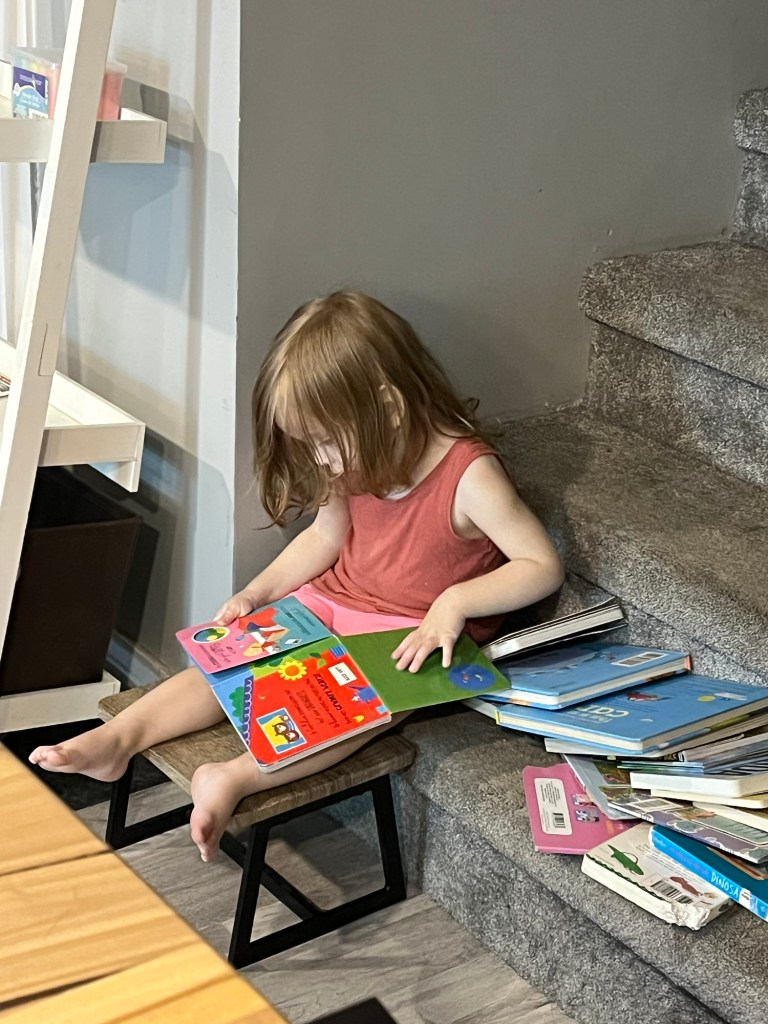
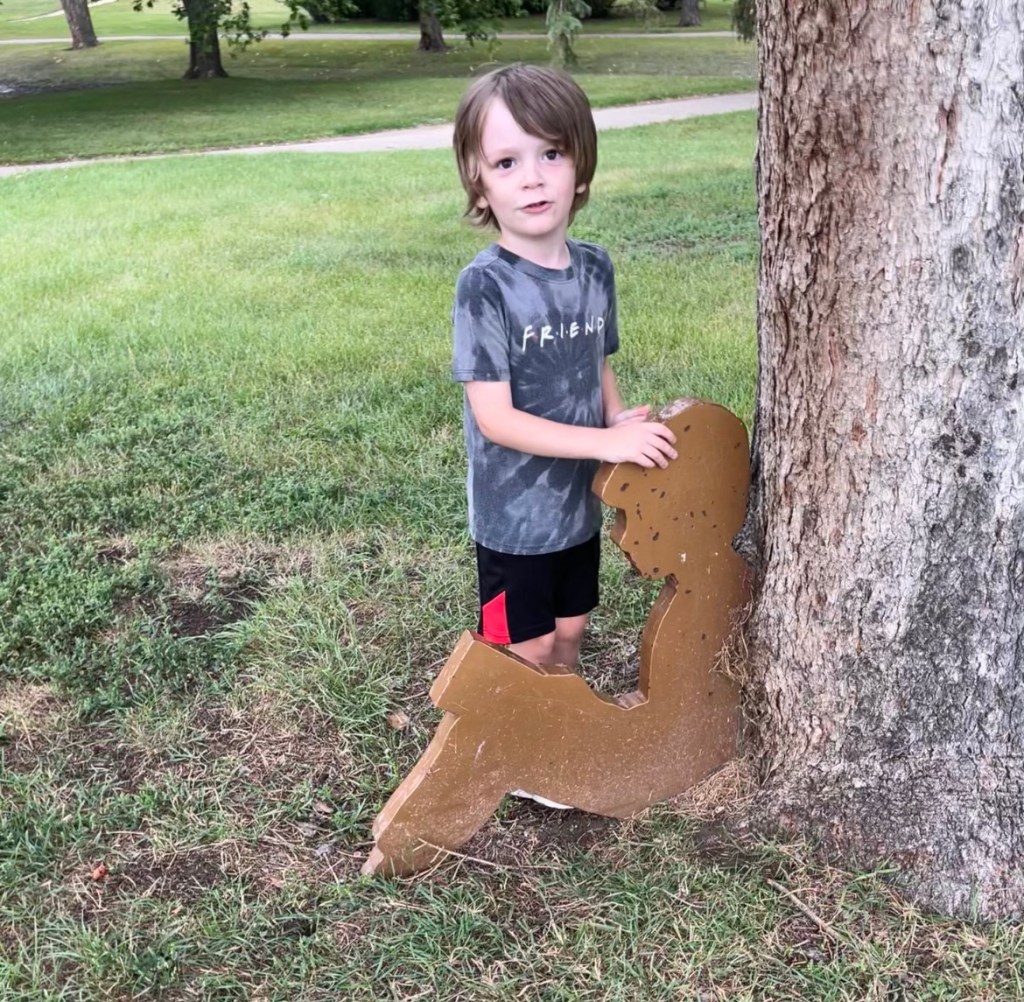
They are here. Reading a book. Talking to a wooden cutout.
And maybe I don’t need to become a child again to learn from them.
I can become child-like without becoming childish. And remember something children seem to know naturally:
Pay attention to what’s happening right now.
“Christopher Robin, what day is it?”
“Today”
“My favourite day”
There will be time for tomorrow when tomorrow gets here.
There will be things to learn from yesterday when yesterday needs to teach me something.
But right now?
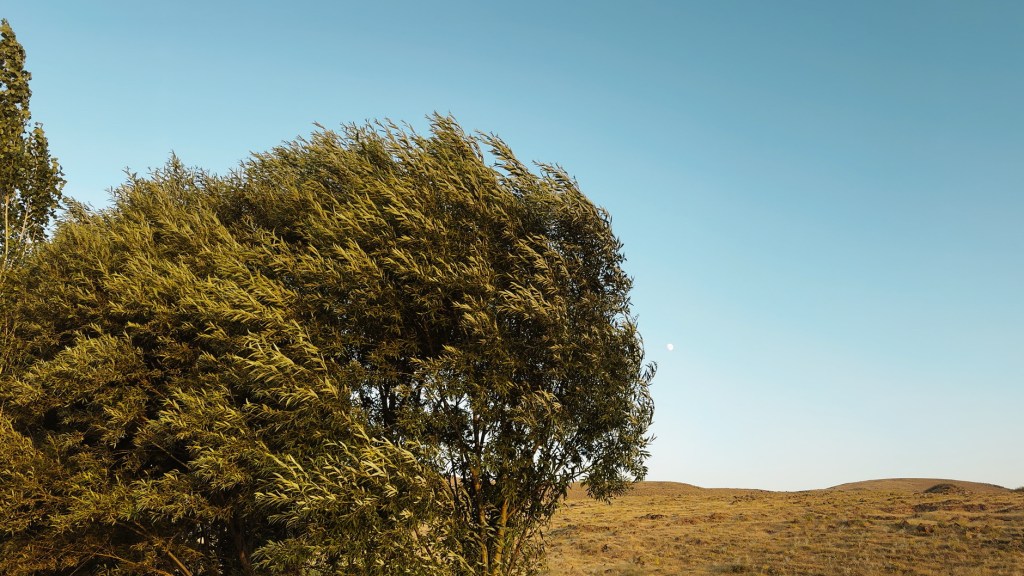
There is a tree.
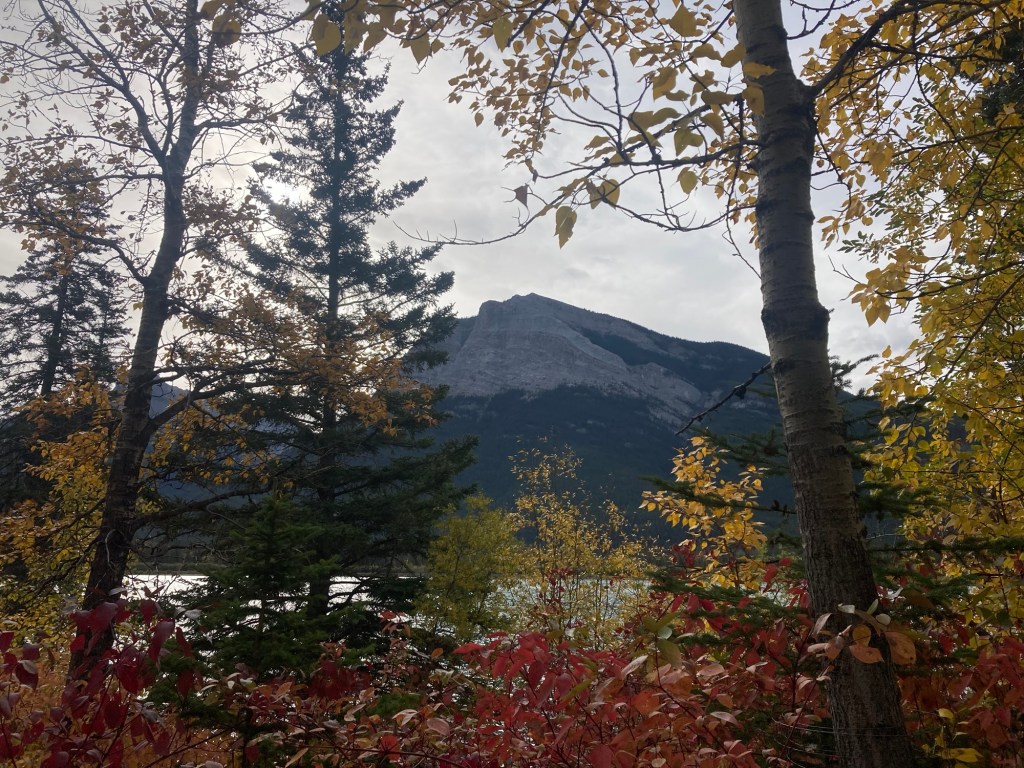
There is wind moving through the leaves.
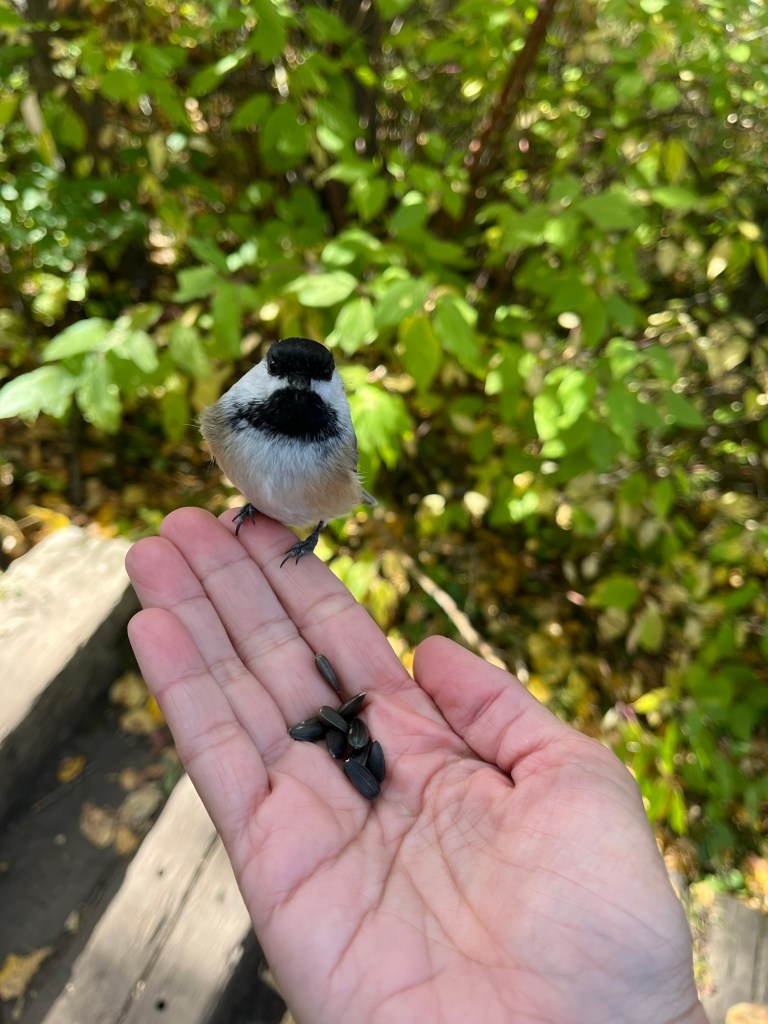
There is a bird making an extremely confident noise.
There is this breath.
There is this moment.
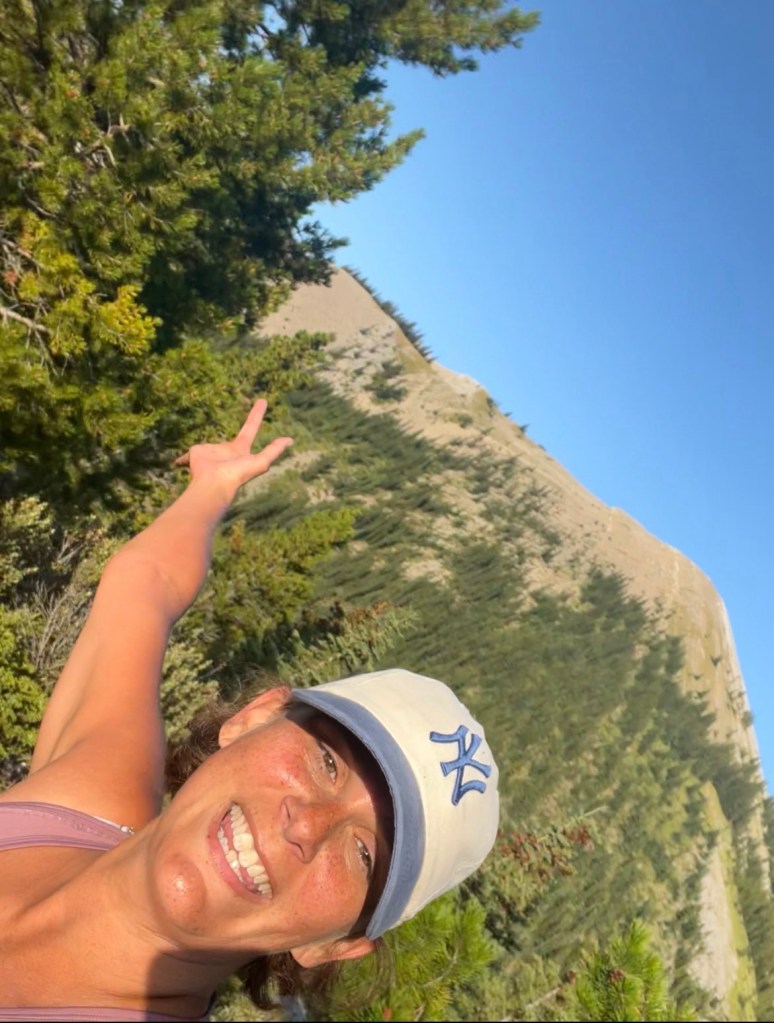
And for today, maybe wisdom is simply noticing that I’m here.
Then taking the next small step. We are all walking miracles. Let us strut accordingly.
Valemor
(n.) The quiet pride of knowing you survived something without becoming cruel, loud, or bitter. 🙌
The ideas about worry, wisdom and being stuck were inspired by the podcast Better Than Happy: “Don’t Worry” Is Terrible Advice, August 27, 2026