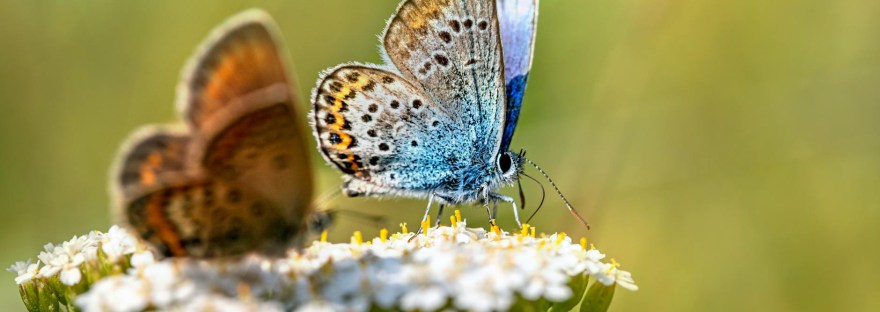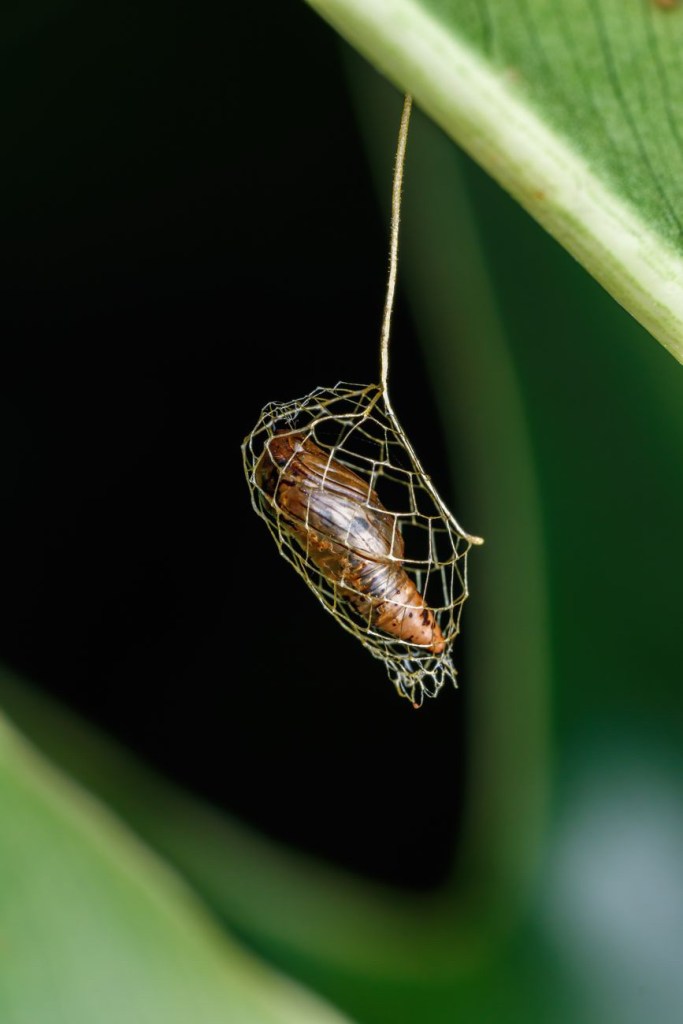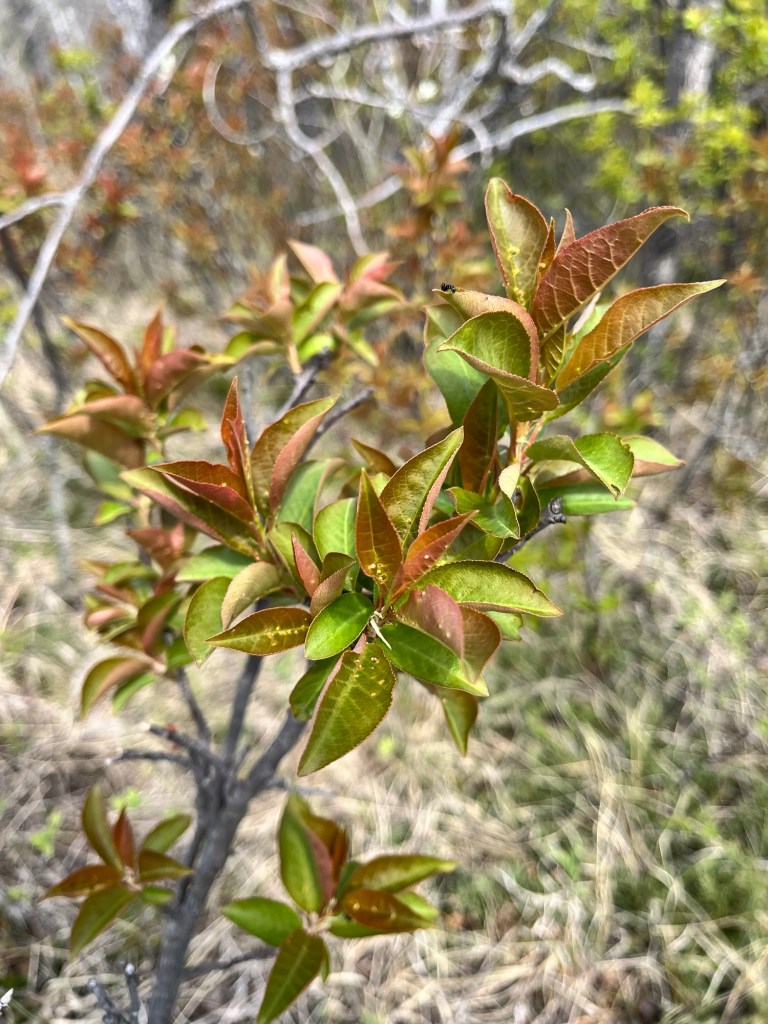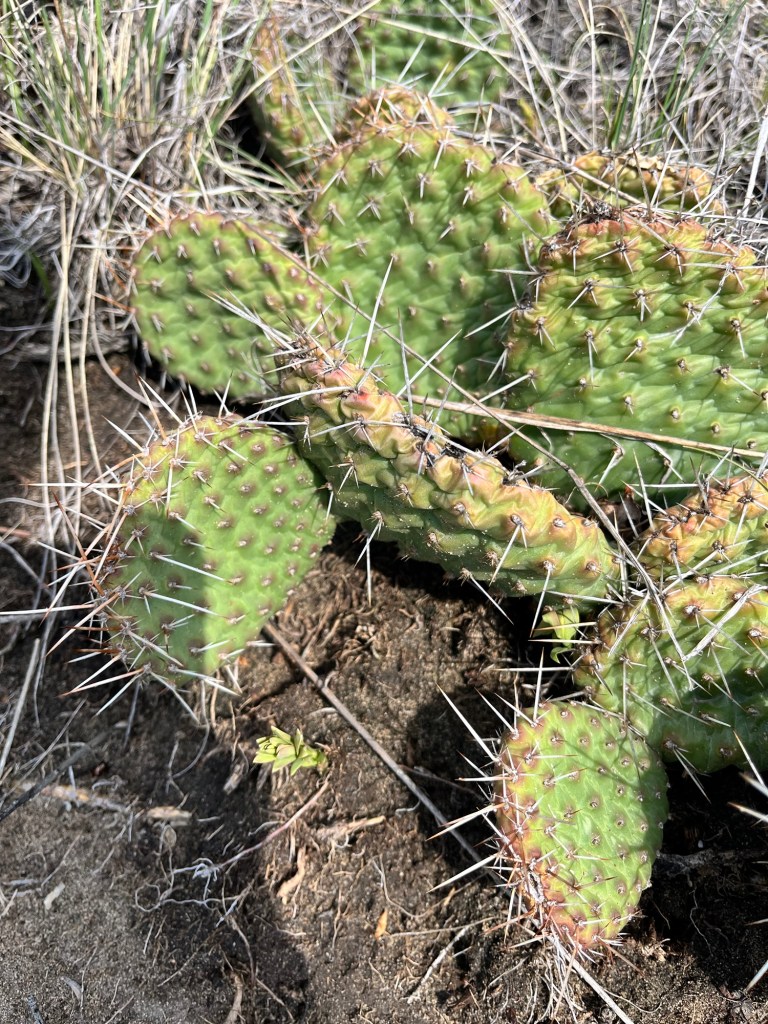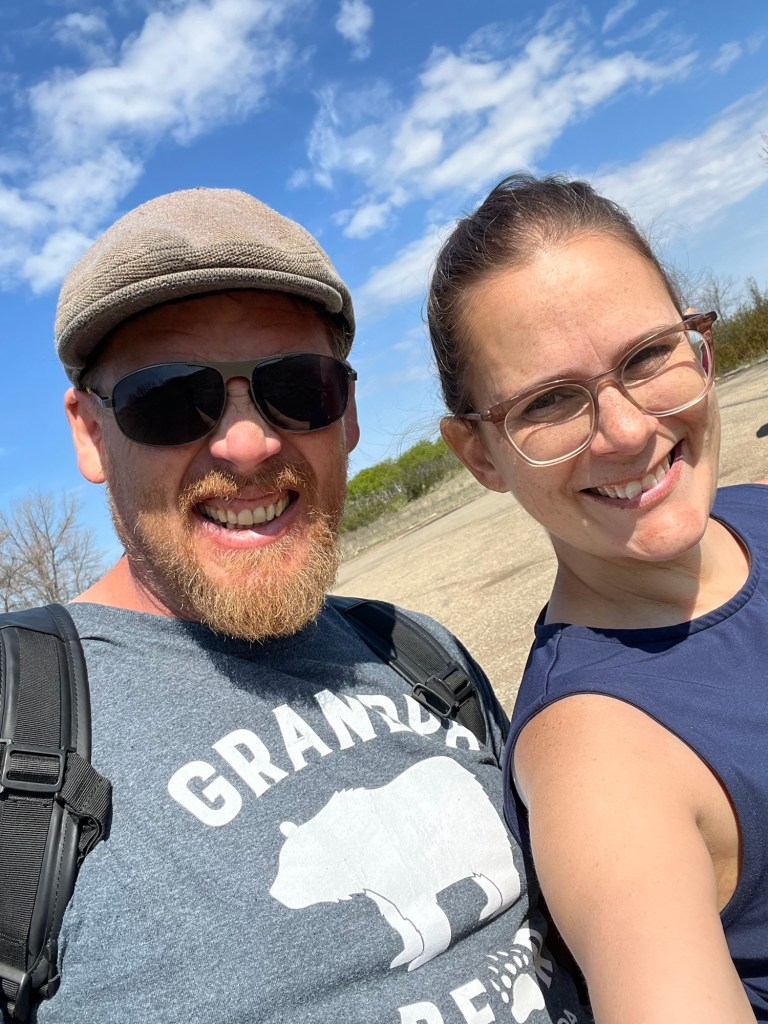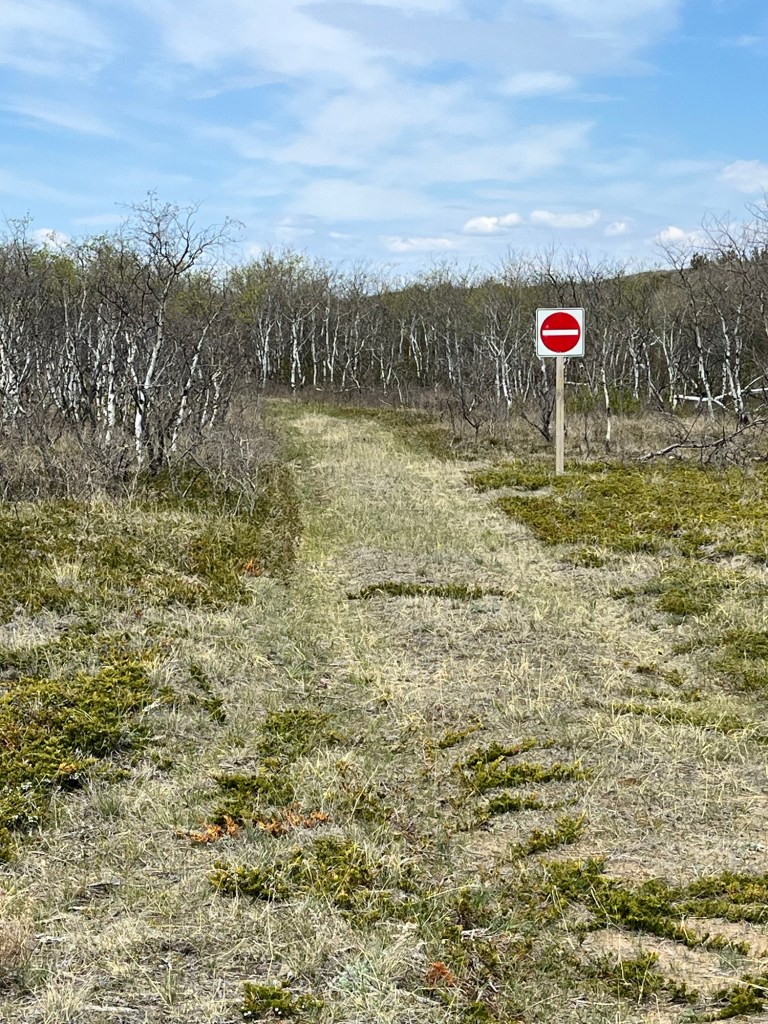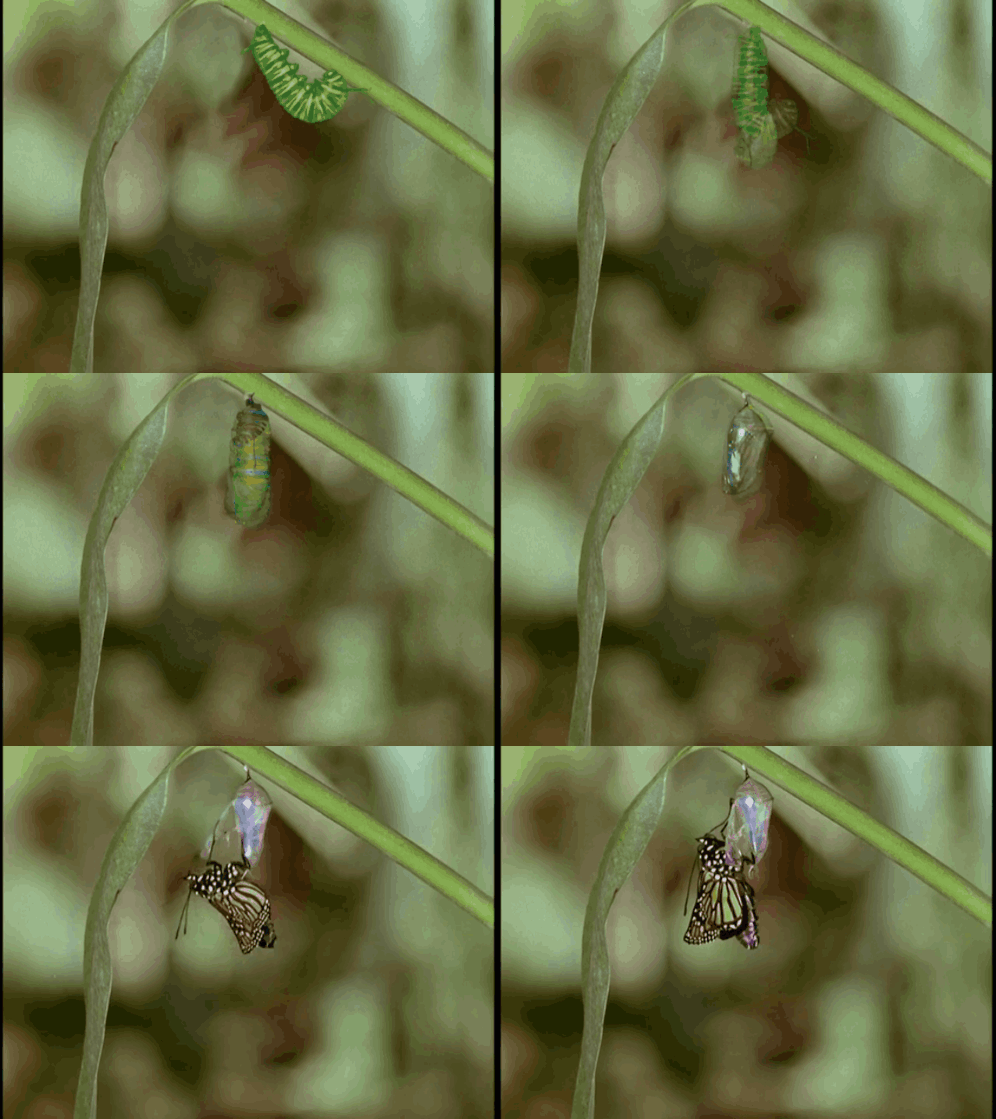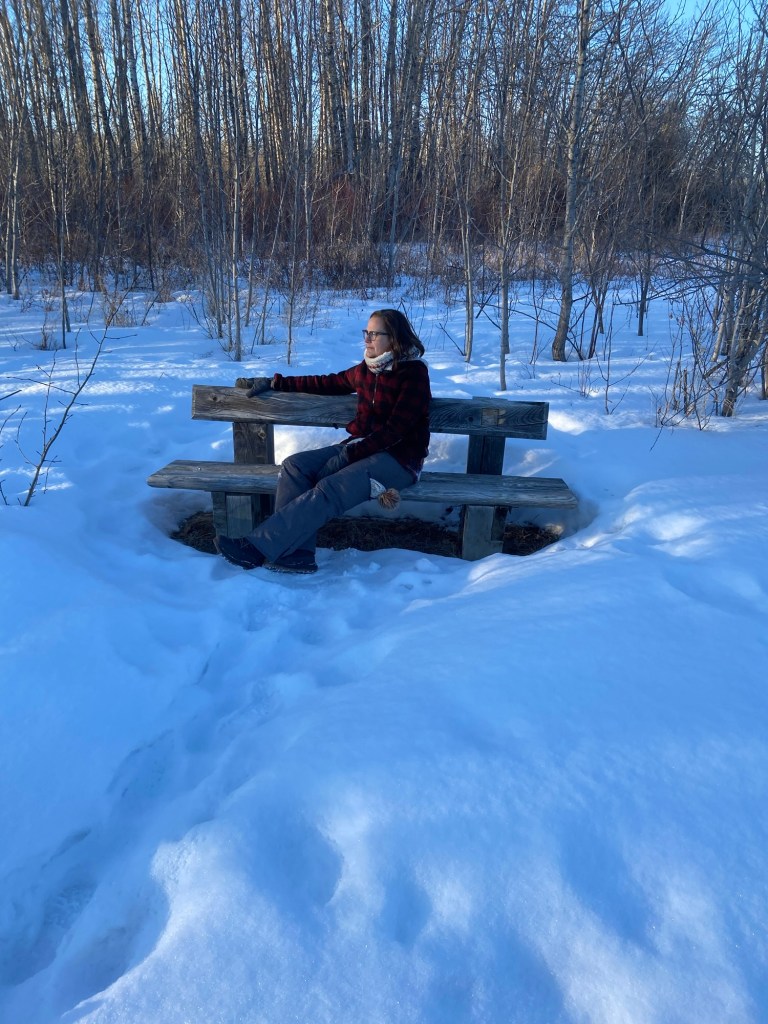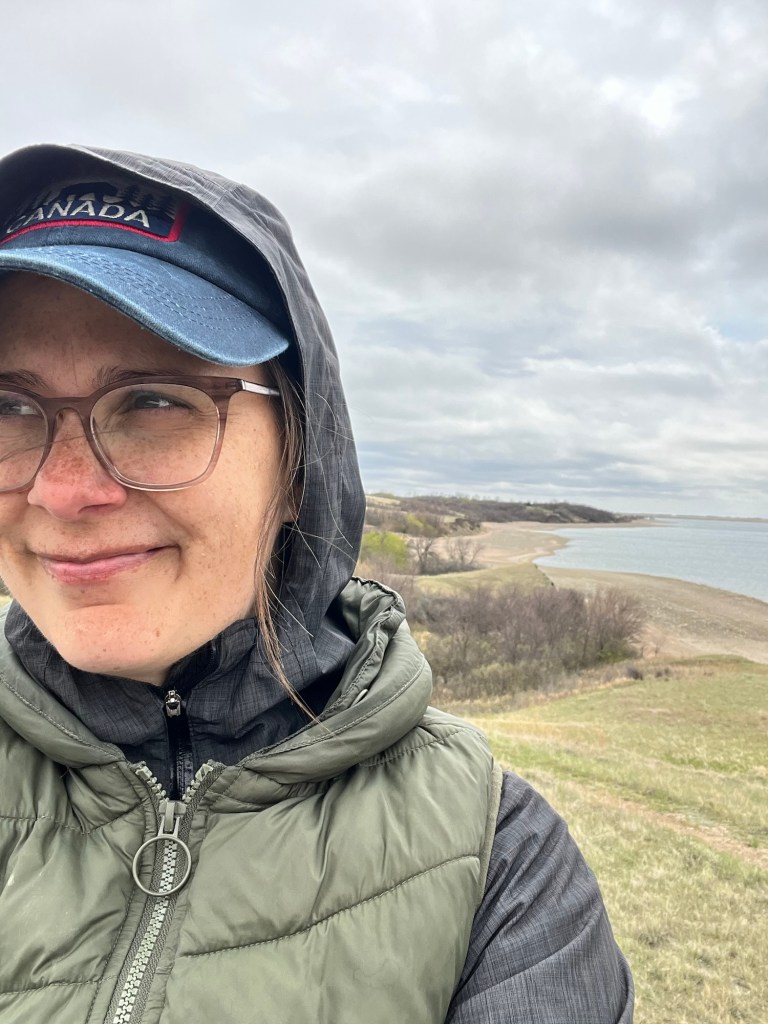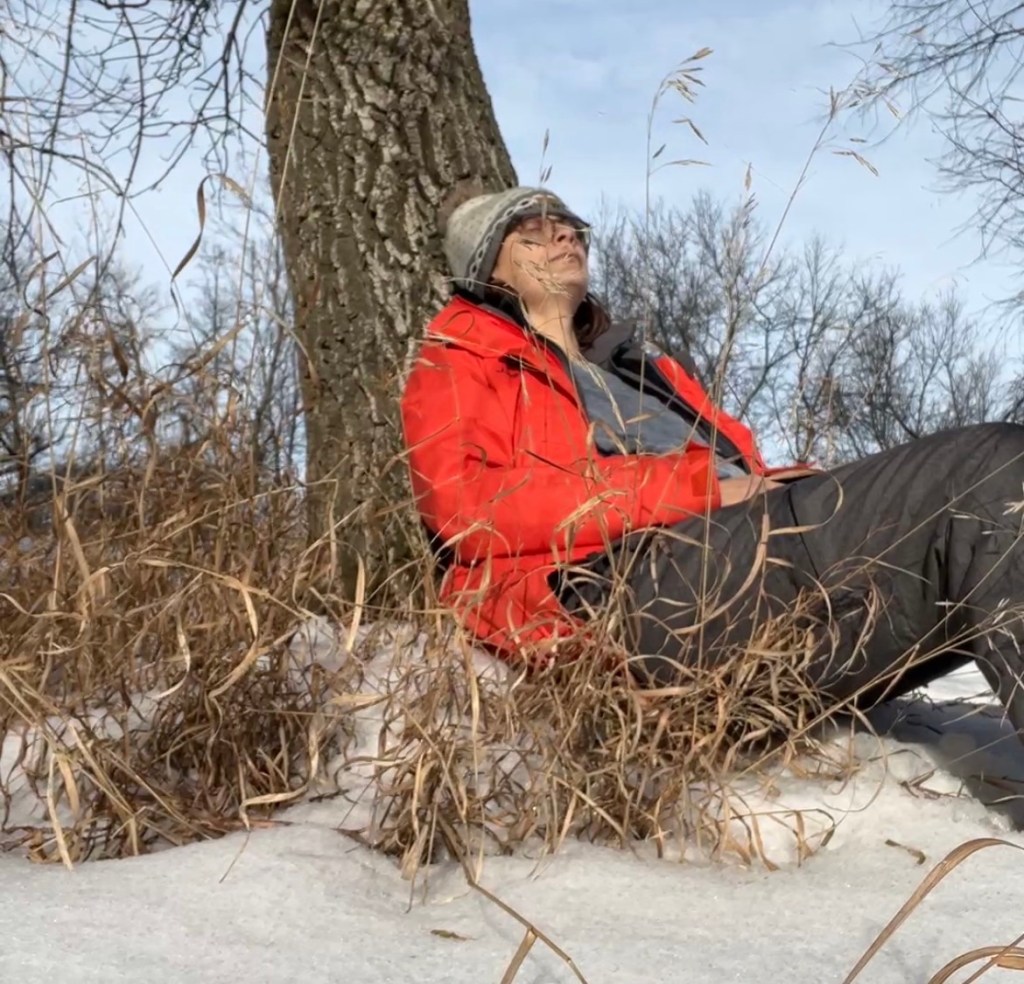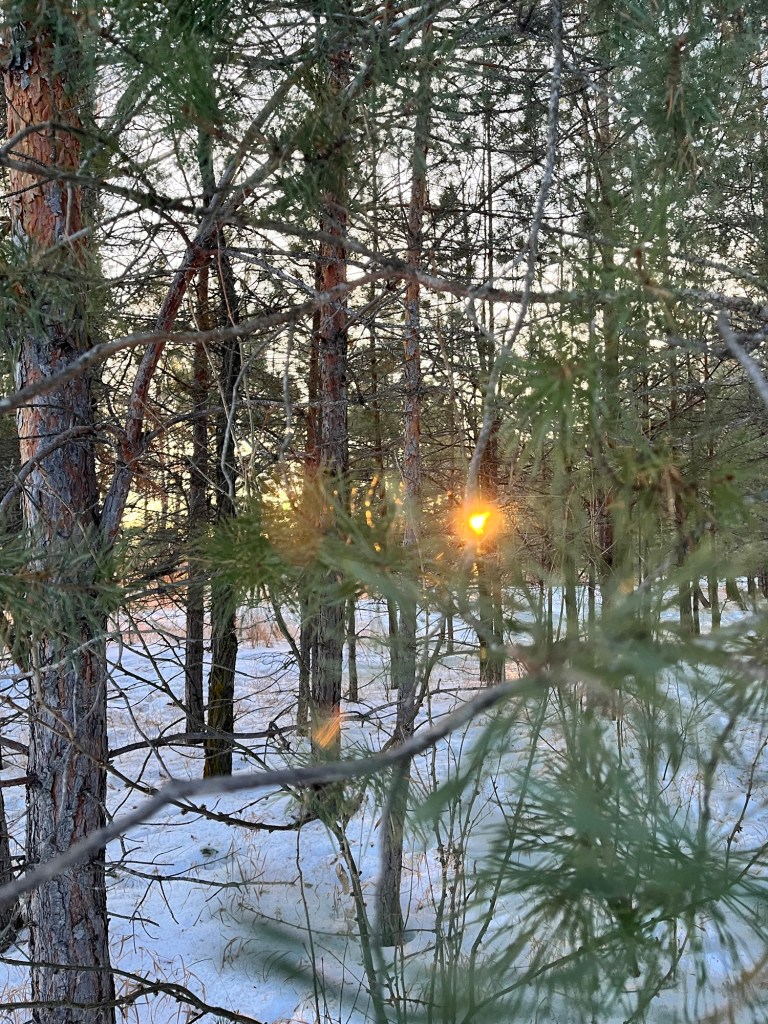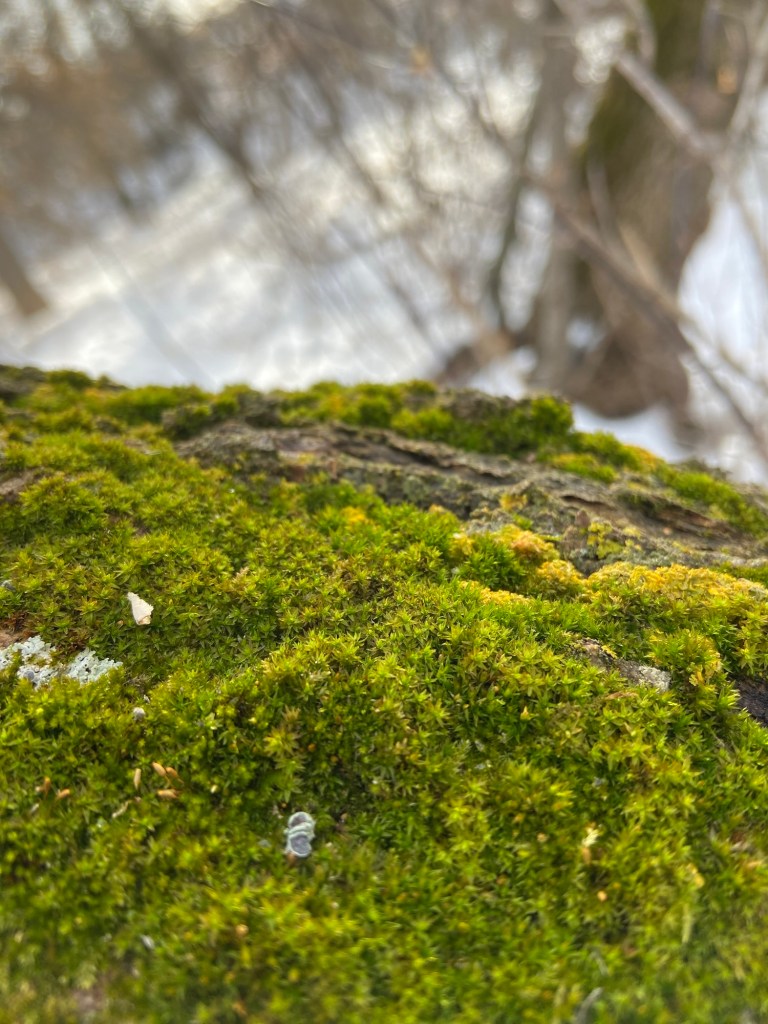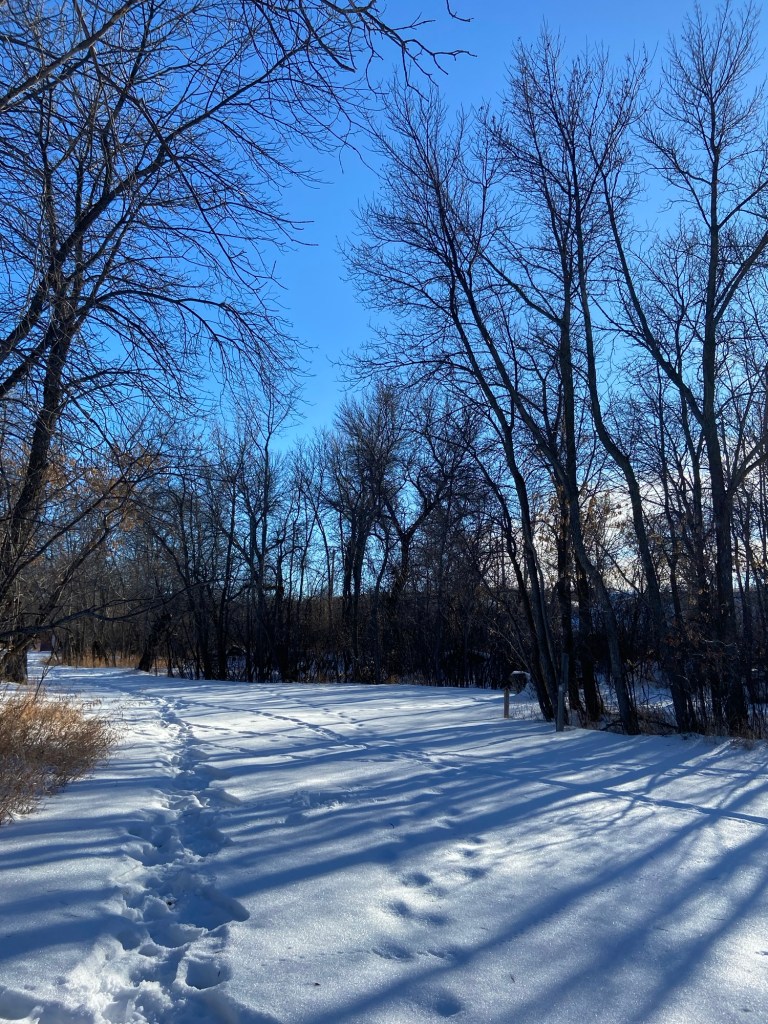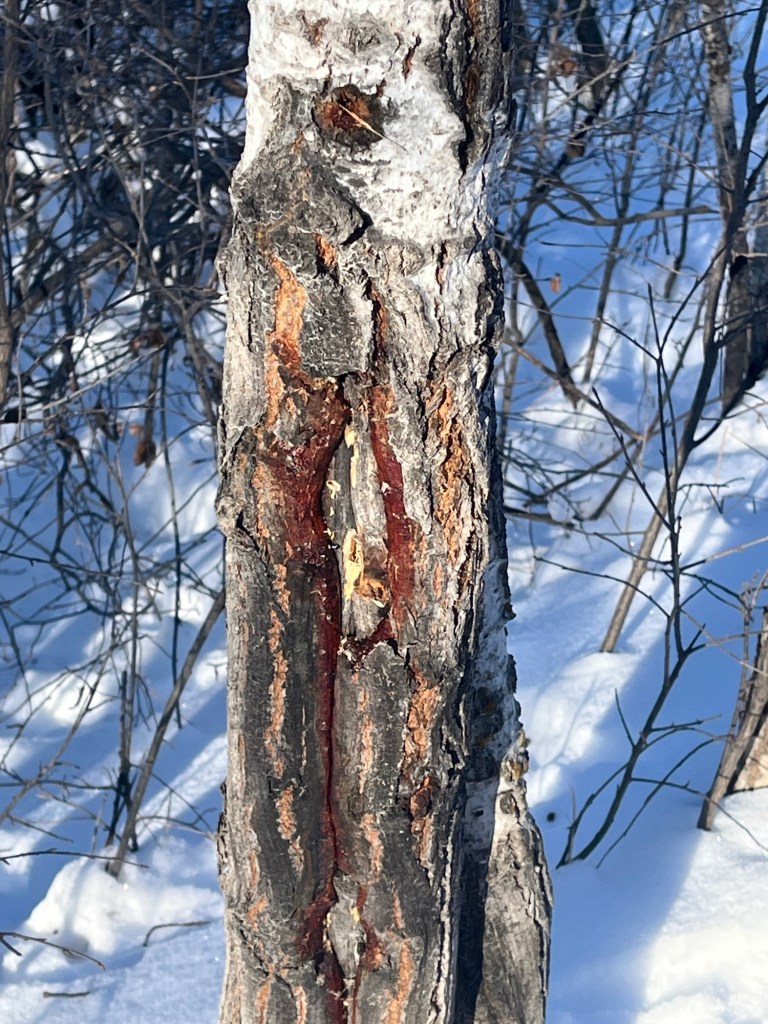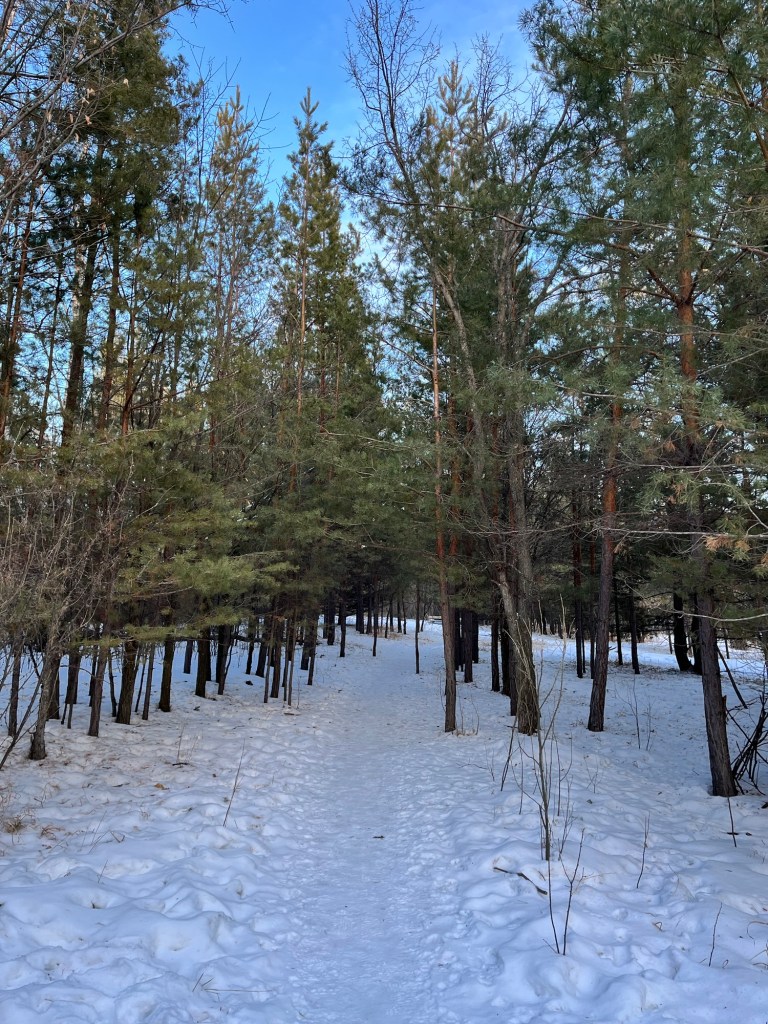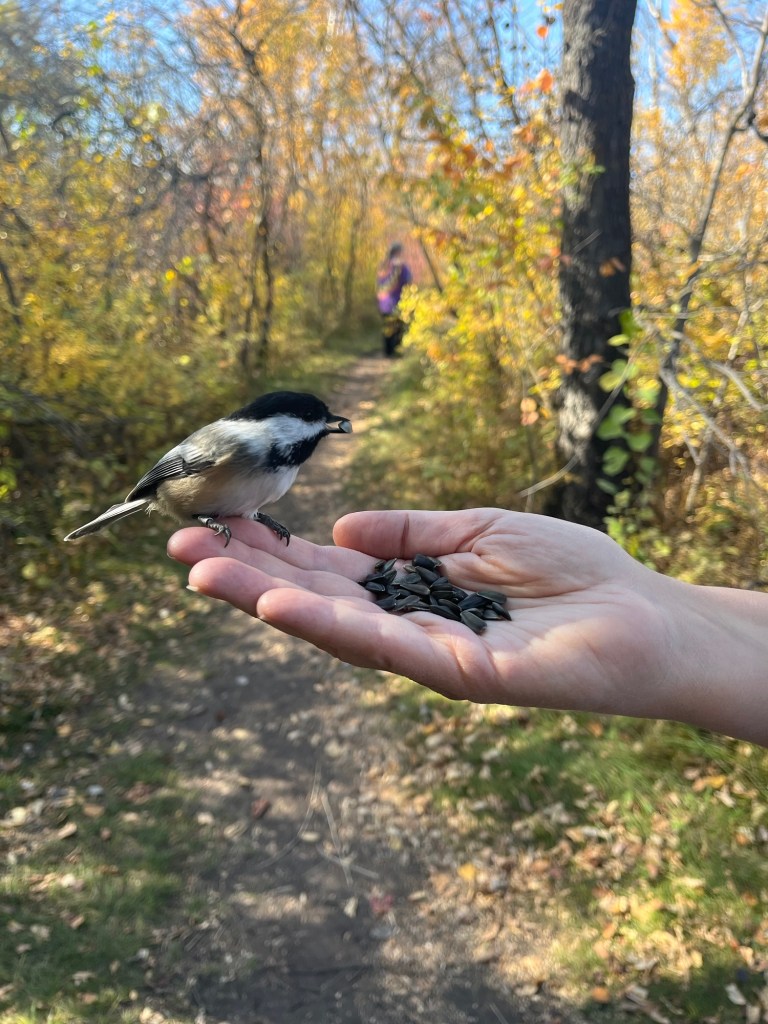

That, perhaps, is the difference between a crisis and a chrysalis. One keeps us frozen in fear. The other slowly reshapes us.
Technically, Iโm not even fully in my midlife years yet.
And yet my body arrived early to the party.
A complete hysterectomy fast-tracked me into conversations I thought I still had years to prepare for.
Ironically, some circles donโt allow me in to the conversation because Iโm โfar too youngโ to know what menopause is.
It seems my reproductive system retired before society was emotionally prepared to handle it. Medically, I pass the test but I always get IDโd at the door.
I was medically launched into menopause with all the glamorous perks.
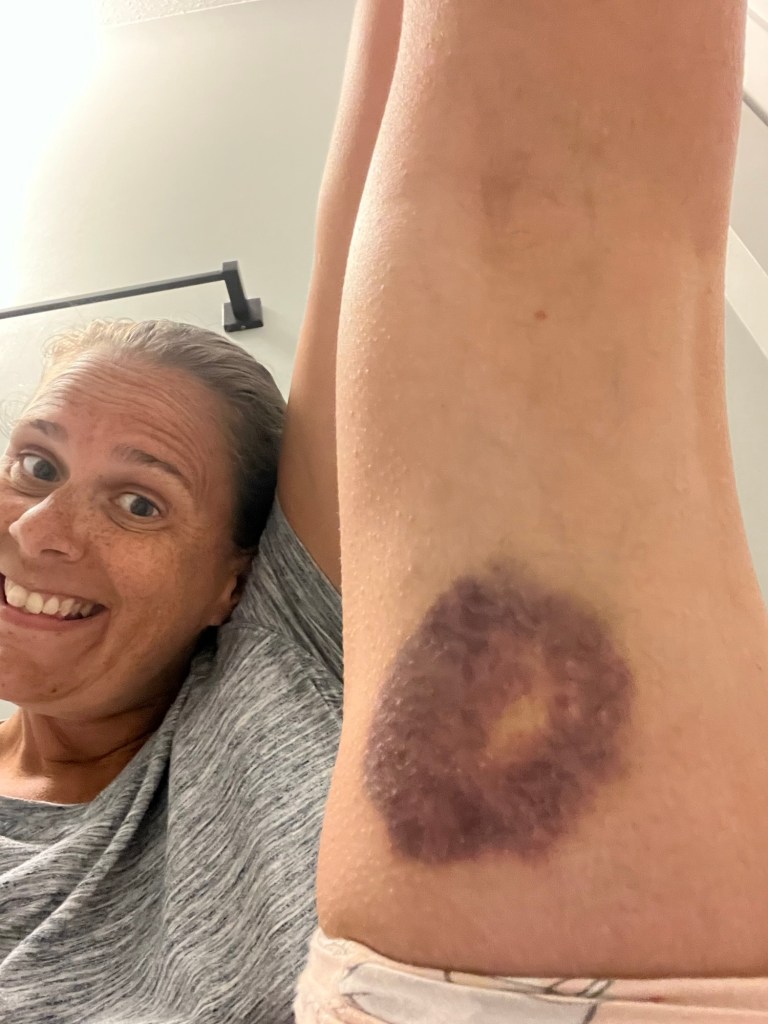
Hot flashes. Joint pain. An increasingly fragile relationship with sleep. And the deeply humbling realization that apparently your underarms and mid range can become flabby despite hours of working out at the gym.
(Nothing prepares you for sneezing incorrectly in your 40s.)
My body has adopted the classic expired warranty strategy, catastrophic synchronized failure. Iโve entered the โeverything squeaks, leaks, or spasms unexpectedlyโ chapter of ownership. My body has moved beyond โminor repairsโ and into โhave you considered replacing the whole unit?โ territory.
Which is why a phrase I recently heard on the podcast Hello Menopause! grabbed my attention.
โMidlife chrysalis.โ
Not midlife crisis. Midlife chrysalis.
The episode featured Chip Conley talking about reinvention, and I chose to listen to this episode because crisis sounds like collapse. Losing control. Becoming less.
Like panic bangs and plans to live โoff-gridโ and taking up emotional support hobbies. Sourdough starter anyone?
But chrysalis?
That sounds like transformation.
Messy. Strange. Hidden. Uncomfortable. Necessary.
A chrysalis says. You are not falling apart. You are simply changing form.
I think many of us who have experienced chronic illness, disability, grief, loss, burnout, etc. arrive at this transformation long before the culture expects us to.
Some of us are forced into reinvention before we even finish becoming who we thought we would be.
The Crisis
Be patient toward all that is unsolved in your heart.
Sometimes crayon. When I need a little more whimsy in my days.
There were years where survival became the main objective. Years where my nervous system felt like a shaken vending machine full of stress hormones. Years where I thought resilience meant pushing harder instead of listening deeper.
And then came the hysterectomy.
One of those dividing-line experiences where life becomes Before and After.
Before, I still secretly believed if I tried hard enough I might someday return to the old version of myself.
After, I slowly began realizing there may not be a way back. Emotional landslides and experiential cave-ins had blocked that passage way.
Forward and through became my only options. Through self-realizations. Humbling concessions. Constant negotiations between mind and body.
And maybe that is where the chrysalis begins.
The Chrysalis
And the day came when the risk to remain tight in a bud was more painful than the risk it took to blossom.
A chrysalis does not look impressive from the outside.
It looks still. Inactive. Even broken down.
But inside? An extraordinary reorganization is happening.
And I think thatโs what midlife (or medically-induced midlife-adjacent existentialism) can become.
Not a crisis to survive. But a transformation to participate in. Whole-heartedly.
Chip Conley talked about how the first half of life is often about accumulation.
We gather. Relationships. Responsibilities. Possessions. Roles. Expectations. Obligations. Dreams that once fit.
And eventually we become emotionally overstuffed.
He described midlife as โa great midlife edit.โ
As I listened I considered the fact that chronic illness forces the edit whether you volunteer readily or not.
You simply cannot carry everything forever when your body already feels like itโs carrying a weighted backpack full of loose cutlery.
At some point you must ask important questions.
What still fits?
What actually matters?
What has become lukewarm in my life?
Do you know what a lukewarm life looks like? One of the lines from the podcast,
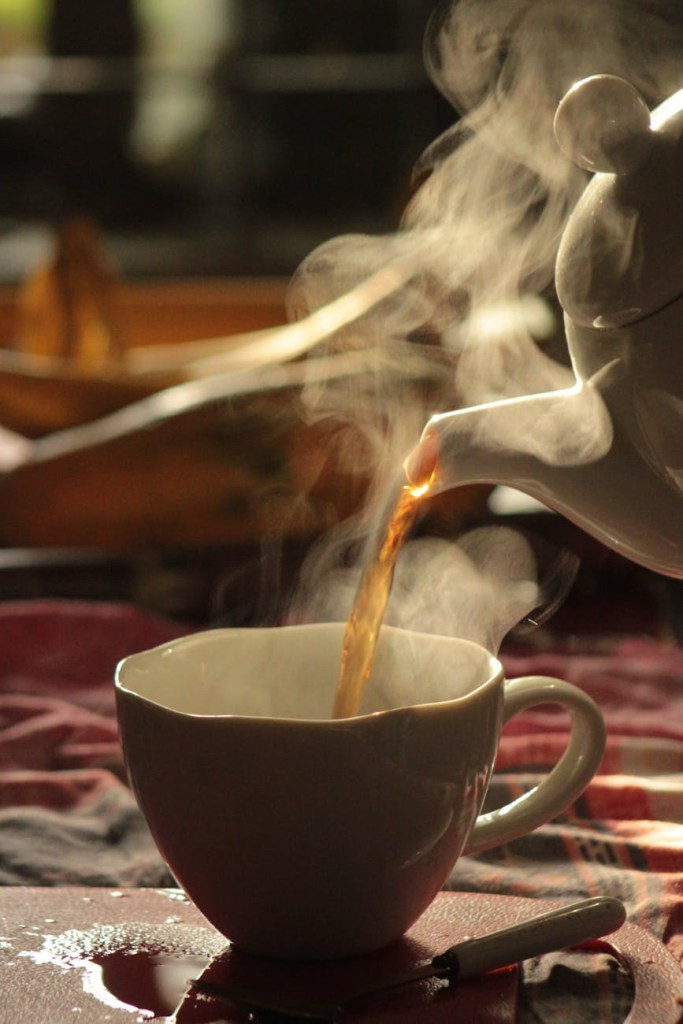
Pouring out part of your tea allows you to pour some hot new tea into the cup.
Because some things are not meant to last forever. Not every friendship. Not every role. Not every expectation you once had for yourself.
And maybe releasing those things is not failure. Maybe itโs pruning.
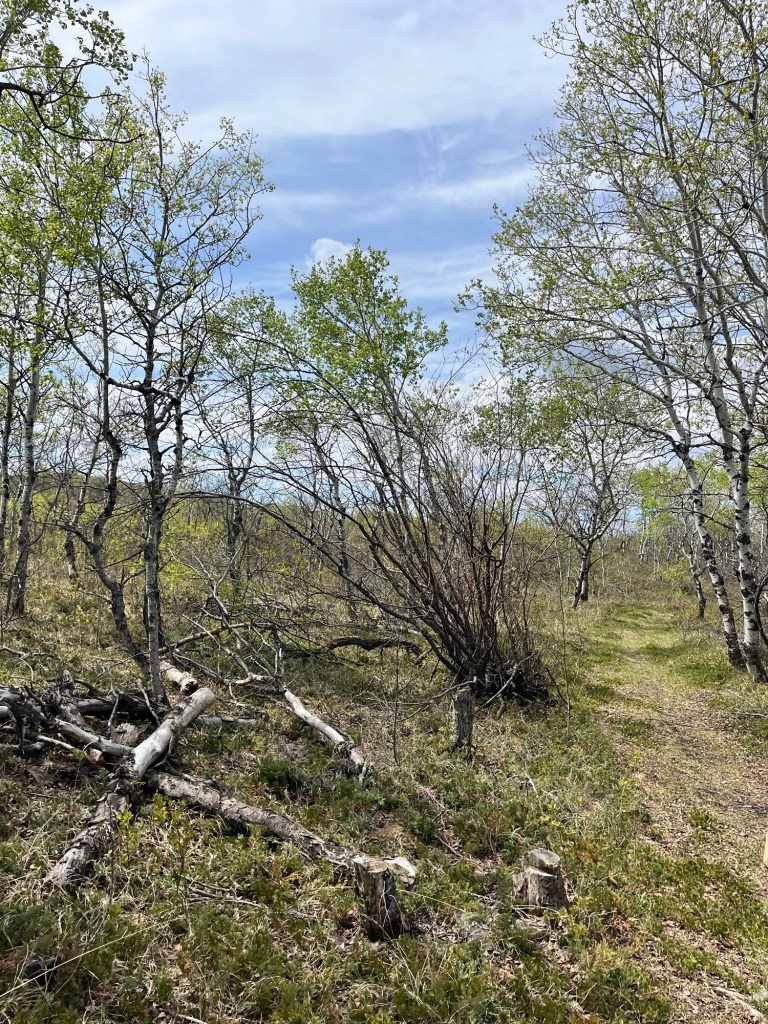
The forest understands this better than we do.
The Forest
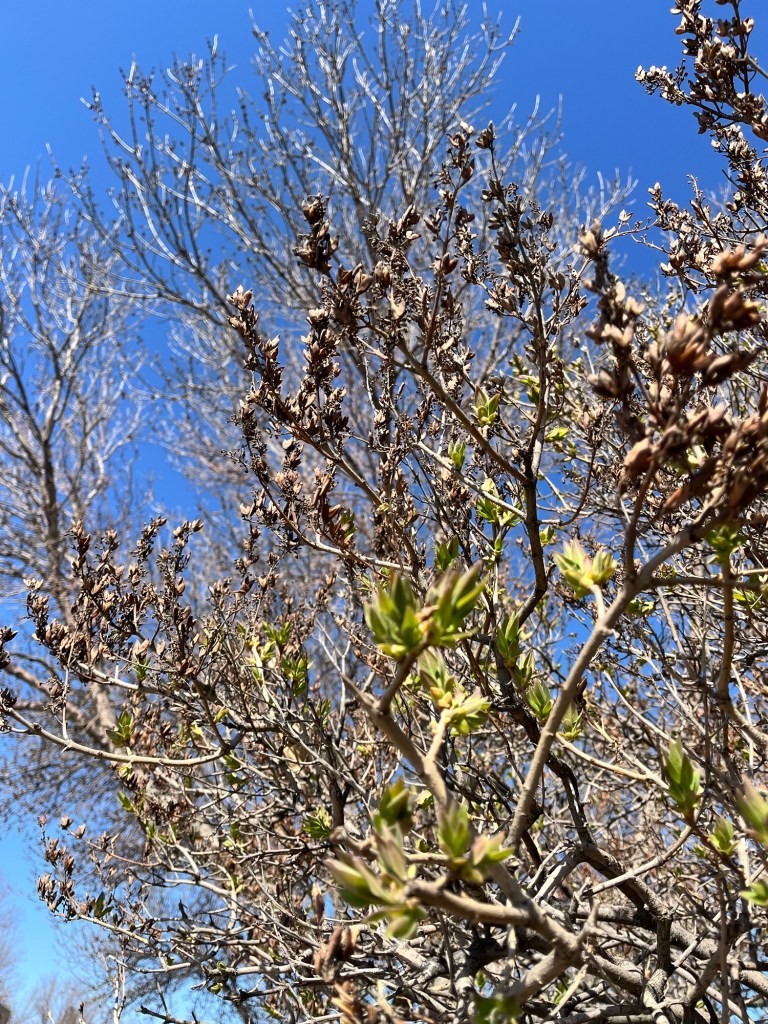
One of the reasons forest therapy has become so meaningful to me is because the forest never panics about transformation.
Forest therapy has taught me that stillness is not the same thing as stagnation. Sometimes what appears dormant is actually becoming. I wrote more about that in this post, Nourish Your Nervous System: Forest Therapy Insights
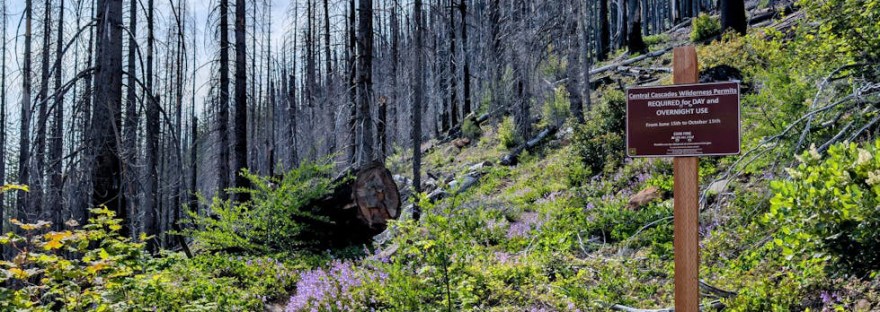
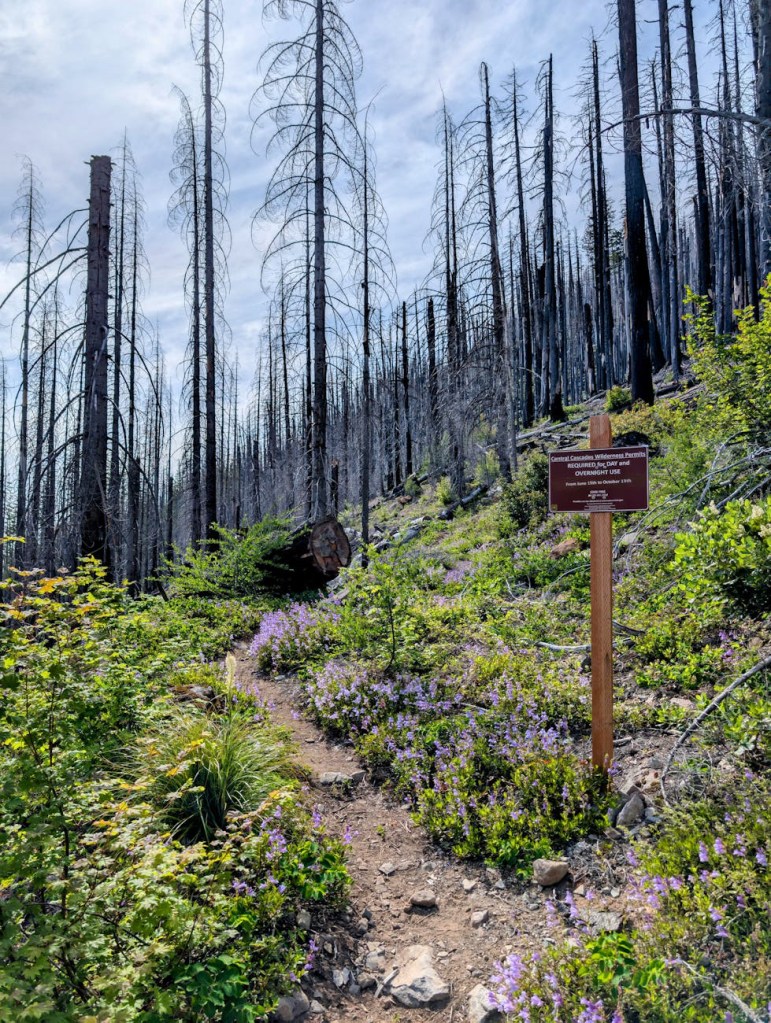
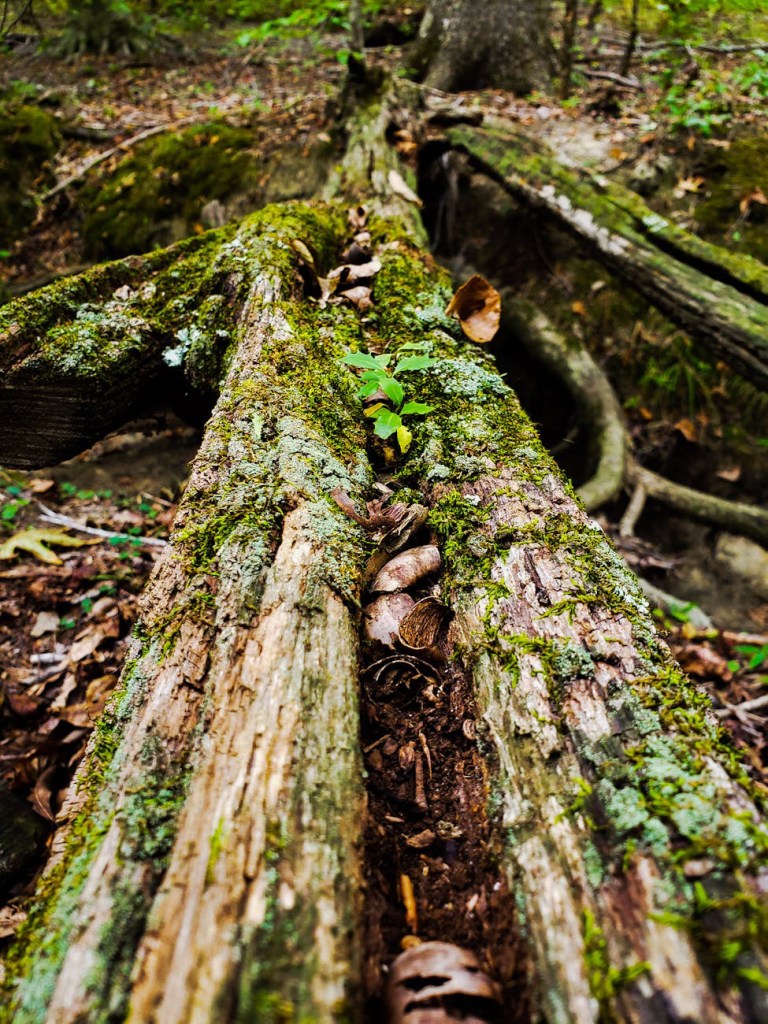
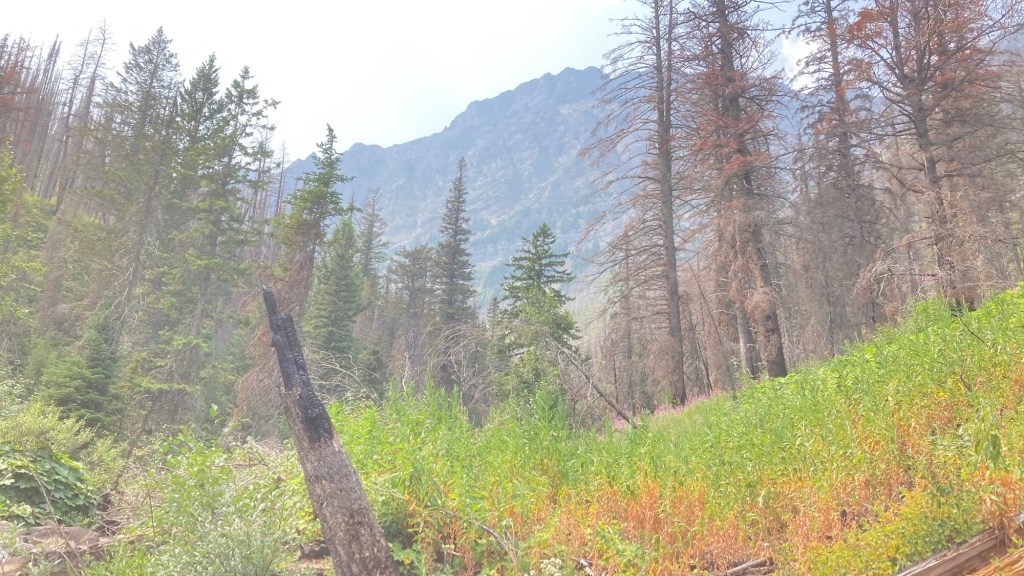
Deadfall becomes nourishment. Burned places grow new life. Trees release entire branches to survive harsh seasons. These changes that seem negative are essential to a healthy forest.
Humans also require those experiences that appear negative and are actually essential for a healthy life.
In the forest, decay and renewal, soft and hard, smooth and sharp are all happening simultaneously.
And honestly, that feels like midlife too.
Especially for those of us living in bodies that have known pain.
We have experienced days where tears of pain rolled down the left cheek while tears of joy rolled down the right.
We know how to hold grief and gratitude at the same time.
That depth changes a person.
We know what it is to laugh in waiting rooms. To find beauty in tiny victories. To feel gratitude and grief sharing the same chair.
I have learned that emotional pain cannot simply be numbed away the same way physical pain can. There is no ibuprofen for identity loss. No heating pad for disappointment. No prescription for becoming someone new.
And while suffering itself is not noble, I do think deep experiences deepen people.
My chronic comrades know this.
Pain can also make people bitter, stuck, isolated, hardened.
That, perhaps, is the difference between a crisis and a chrysalis. One keeps us frozen in fear. The other slowly reshapes us.
If we allow ourselves to learn from it. We can become more compassionate. Tender. Wise. Present. Better able to sit beside someone elseโs suffering without looking away.
As they said in the podcast,
Our painful life lessons are the raw material for our future wisdom.
I believe that in my soul.
The Offering
Sometimes our culture subtly teaches that the people worth listening to are the successful ones. The polished ones. The credentialed ones. The endlessly productive ones
What can we do about this imbalance? If you ever deem somebody less than youโฆ ask yourself what they can teach you.
Because some of the wisest people I know have had their lives interrupted.
Some had to abandon dreams they loved. Some never got the education they were capable of and deserved. Some are rebuilding lives with parts and pieces they never would have chosen.
And still. They carry wisdom.
Do not think less of yourself because your life required adaptation. You are not behind because your path bent unexpectedly.
Some of us have earned emotional depth the hard way.
And if you cannot live the exact life you once pictured?
Find something to run toward anyway.
Even if your pace looks different now. Even if you have to limp toward it some days. Even if your dream has changed shape entirely.
A chrysalis does not become what it originally was.
That is the whole point!
A Forest Therapy Invitation: Chrysalis Walk
The next time youโre in a forest, park, or tree-lined path, try this:
Walk slowly and notice signs of transition.
What is decomposing?
What is emerging?
What is shedding?
What is adapting?
What still carries beauty despite visible damage?
Then ask yourself:
What version of myself am I grieving?
What no longer fits?
What wants to emerge now?
What if this season is transformation instead of failure?
You do not need immediate answers.
The forest is always becoming new. Slowly. Over time.
The Question
One question from the podcast we can all ask ourselves,
Ten years from now, what will I regret if I donโt learn or do now?
Conley called anticipated regret a form of wisdom. Chronic illness teaches you that later is not guaranteed. Perfect timing is imaginary. And someday can become never surprisingly fast.
So maybe this chapter is not about trying to reclaim who we once were.
Maybe it is about becoming more fully ourselves.
Hot flashes. Heating pads. Existential growth. And all.
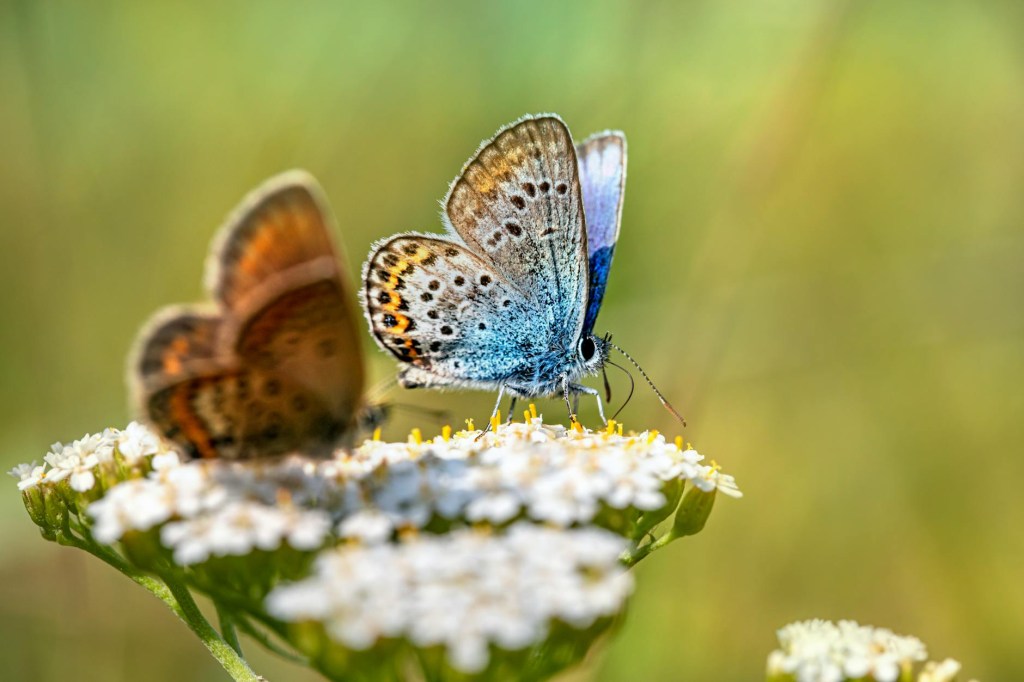
What the caterpillar calls the end of the world, the master calls a butterfly.
My physiotherapist, โJ,โ has been with me through it all.
She has seen me on some of my best days over the past 15 years of working with her.
The day I told her I was finally pregnant with the baby I had tried nearly a decade to conceive.
The day I said, โIโm running again.โ After years of pain making even the thought of it feel impossible. My body has approached physical activity like a suspicious cat approaches a cucumber in the past.
She heard me process the long, exhausting teenage years of push and pull with my oldest child. And then my second. Followed by my third. The painful years that felt like emotional whiplash and then she celebrated with me when they all graduated.She understood firmly the mentality of, We did it! On each occasion.
She walked alongside me through buying and selling homes.
When Kenzie got engaged. Jamie transitioned. Riley moved in with his girlfriend.
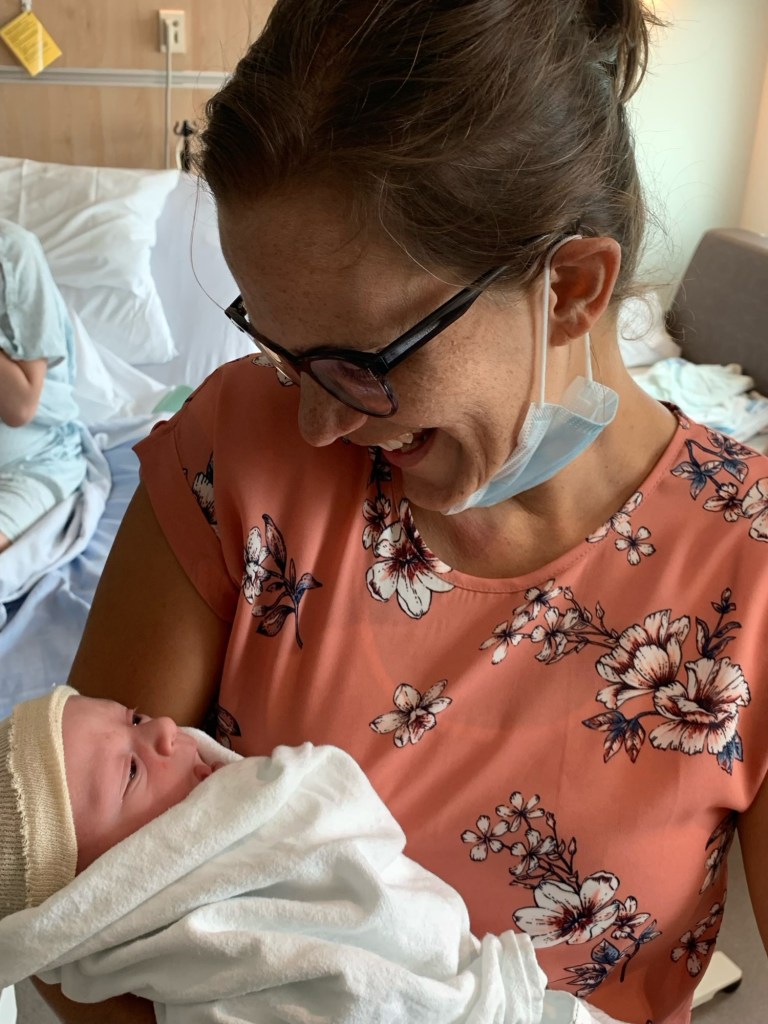
When all three times I found out I was going to be a grandma, she was one of the first people to know.
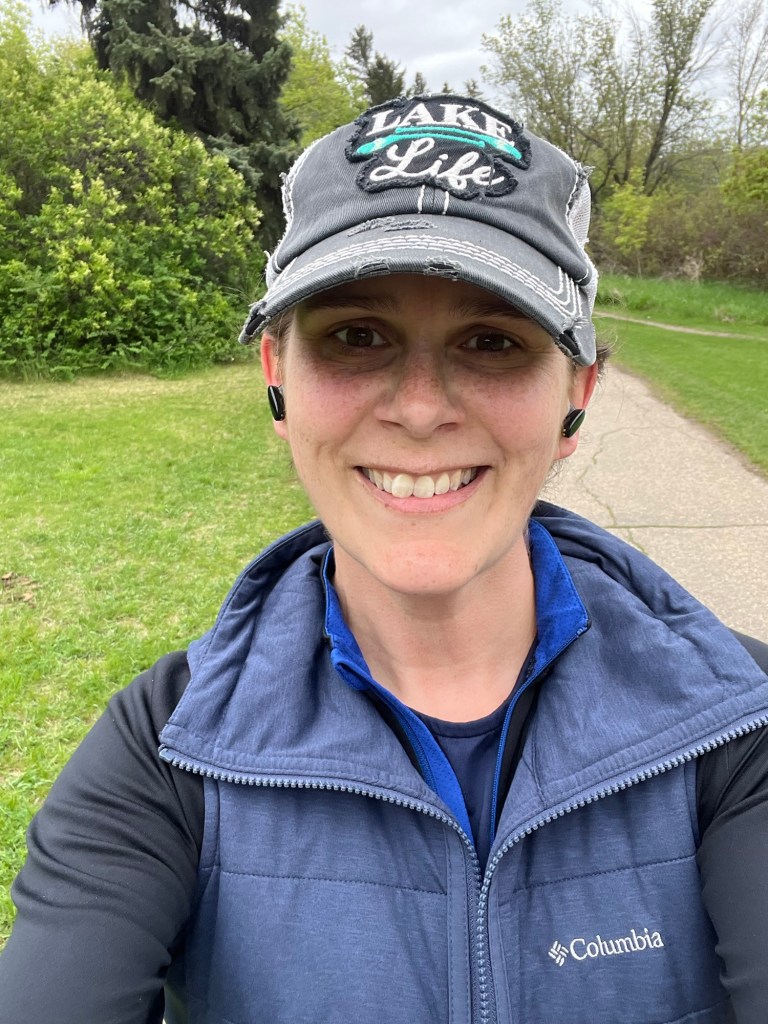
When I started a forest therapy business and dared to believe healing could become something I offered others.
She has witnessed joy. Growth. Milestones.
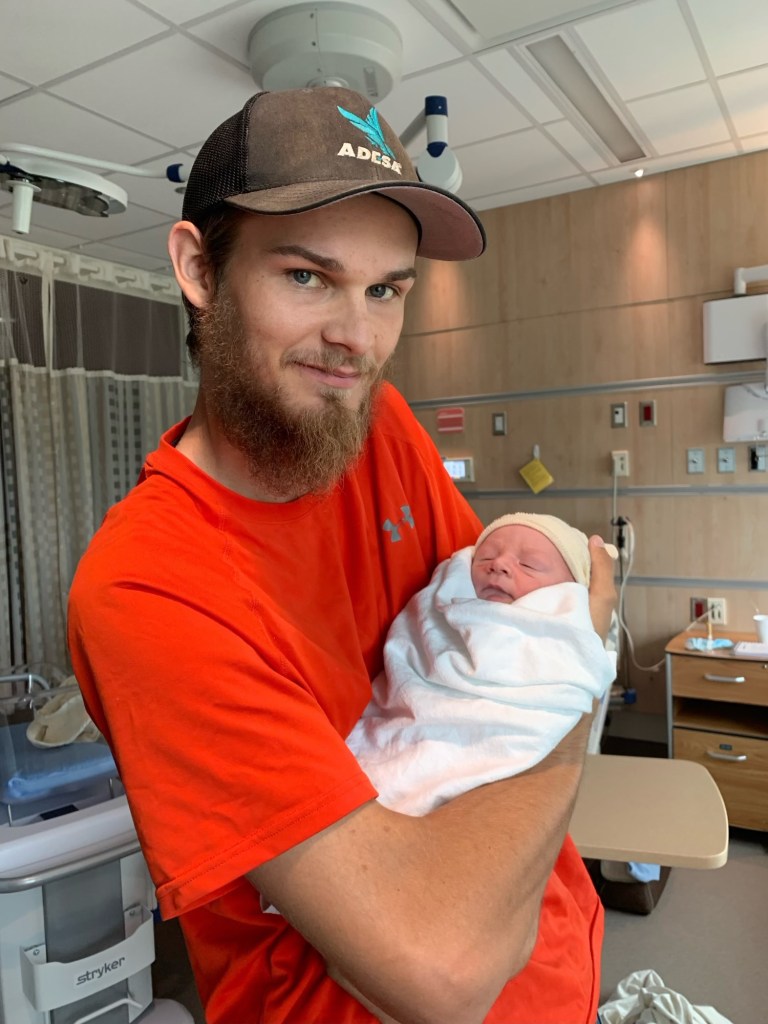
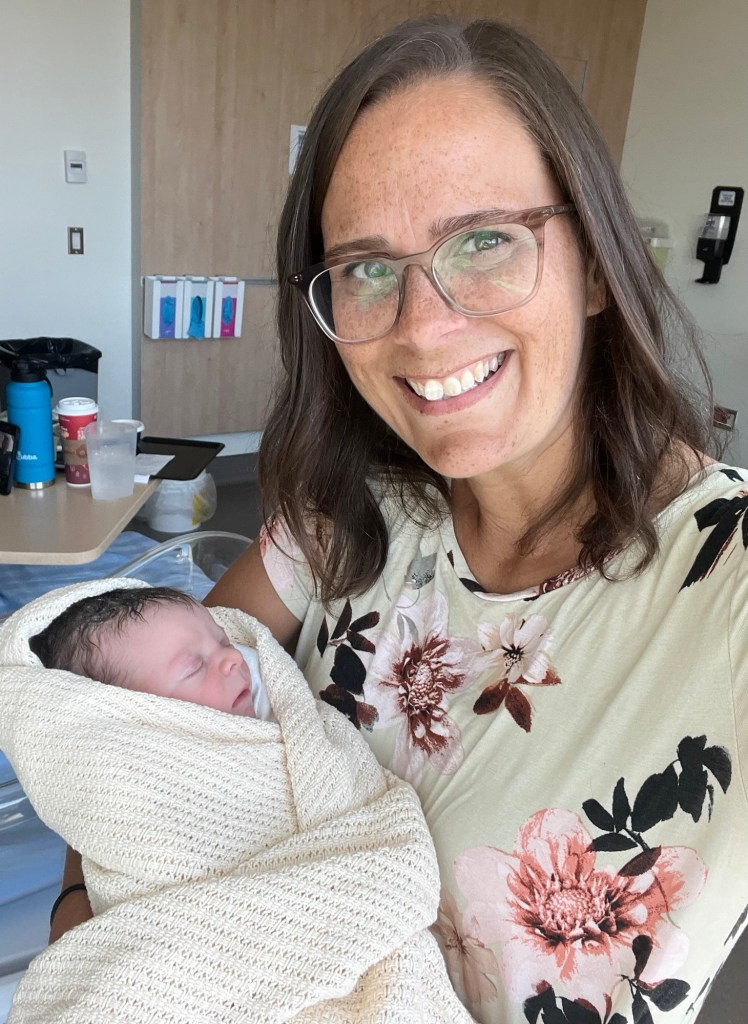
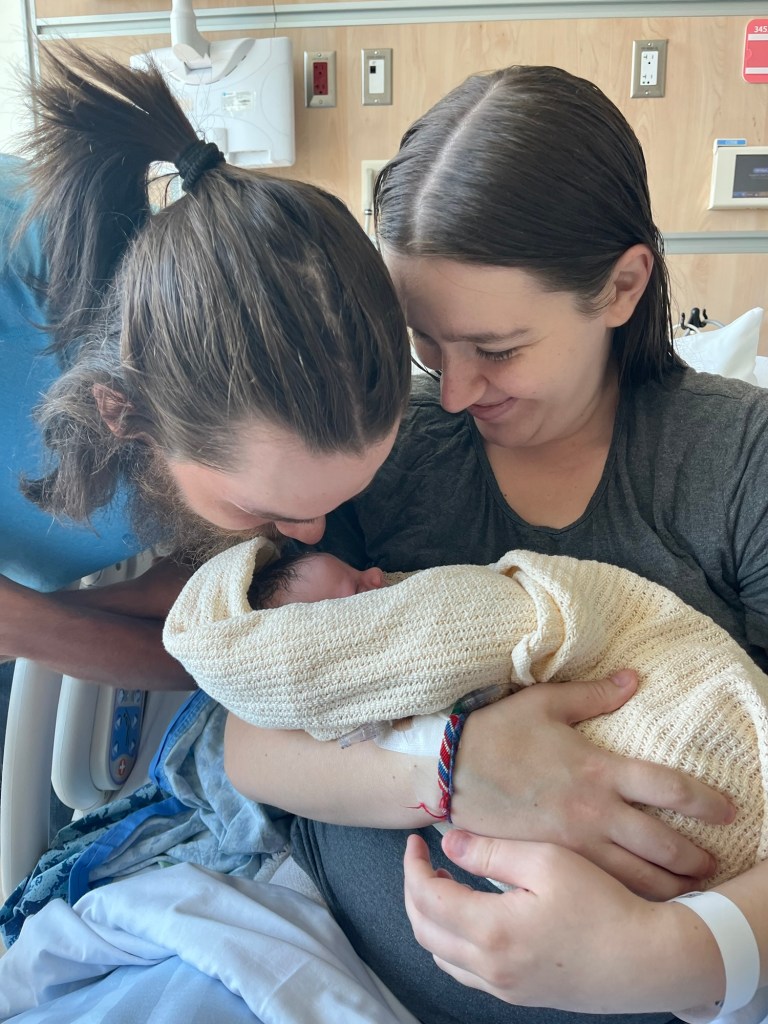
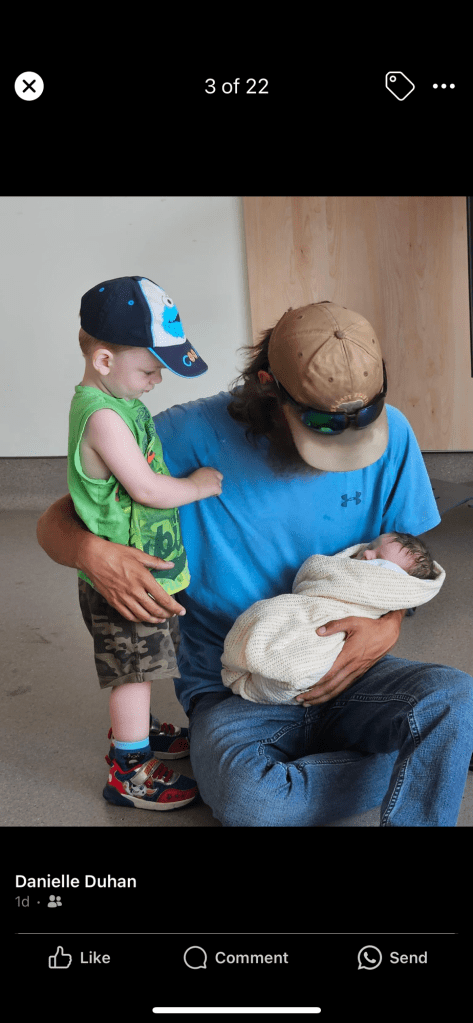
Baby #4Grandbaby #1Iโm running outside!Grandbaby #2Riley and GreyGraduation #1Graduation #2Engagement #1Home sale #2
We have laughed together as I walked around in a body that behaved like itโs been assembled from spare parts with vague instructions and one missing screw.
Proof that life can still bloom in hard soil.
And she has also sat with me on some of my worst days.
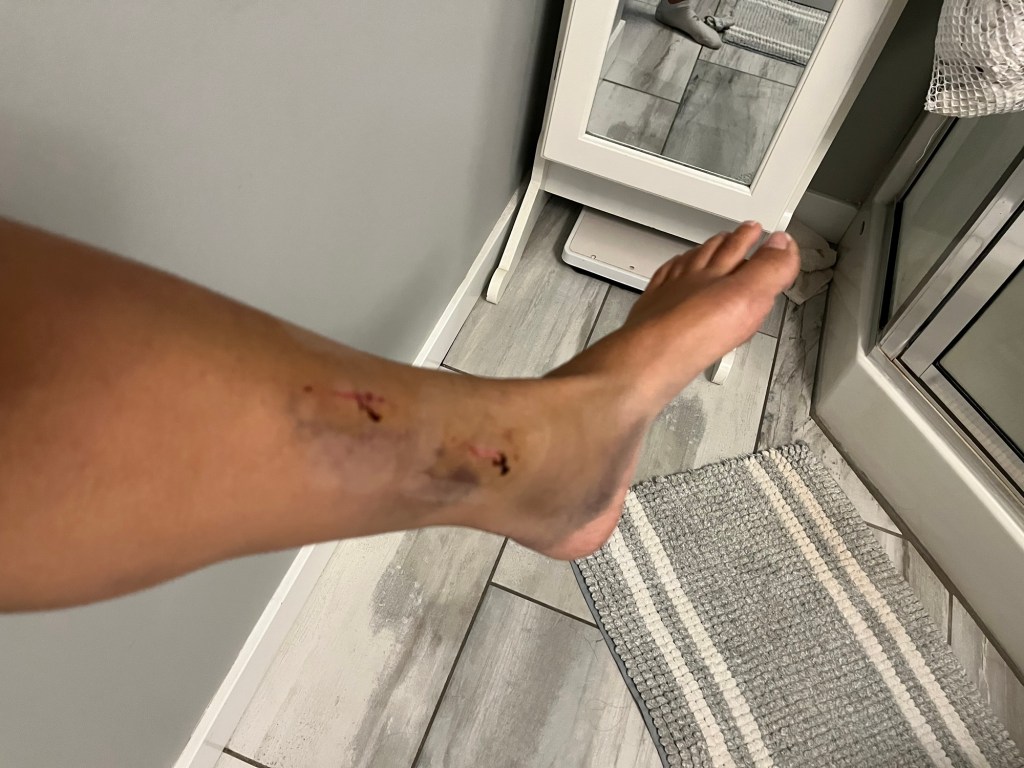
The day I fell off a boat and we both knew recovery would not be quick.
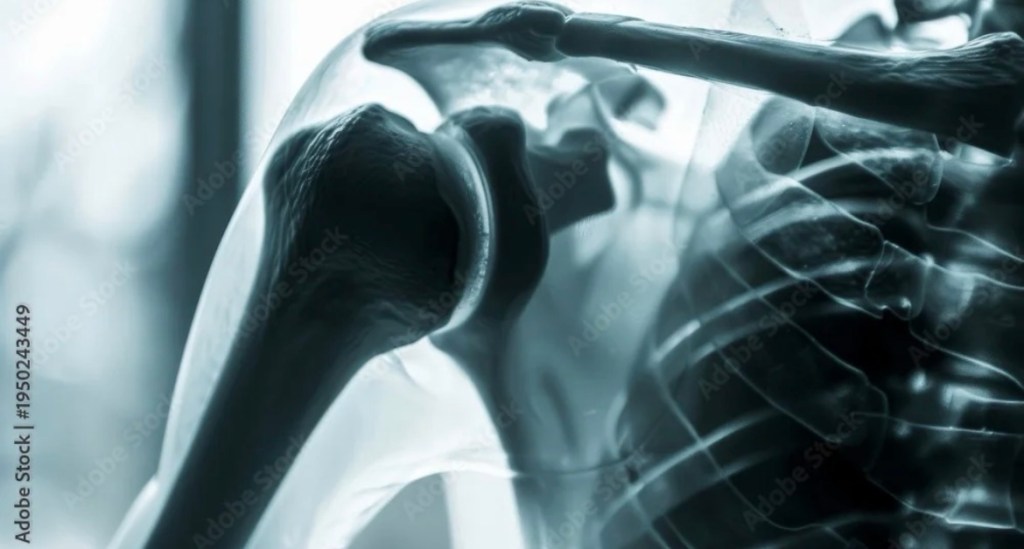
The years I fought to be taken seriously by medical professionals before finally getting the MRI that revealed my bone spur. Disappointing specialist appointments. Medical gaslighting.
Family job losses.
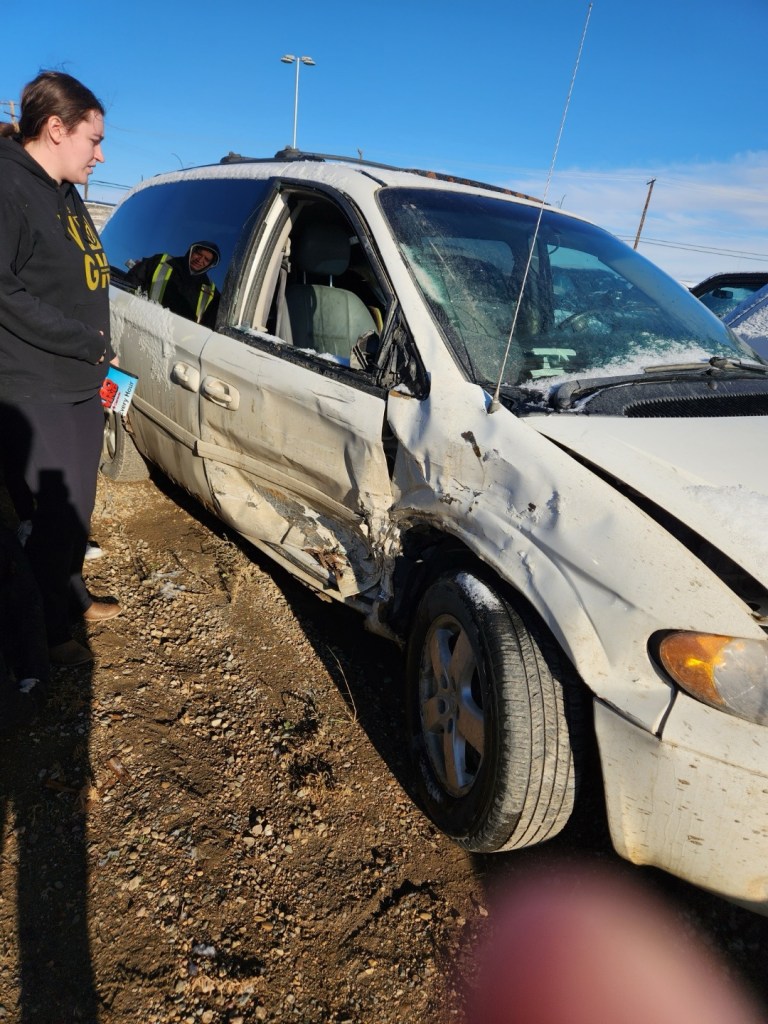
Kids in car crashes.
The miscarriage of the baby I had fought so hard to conceive. She cried with me that day. And the day I told her I was going ahead with the hysterectomy that closed that door entirely. We were so hopeful that would help my overall health.
Surgeries that did not go well.
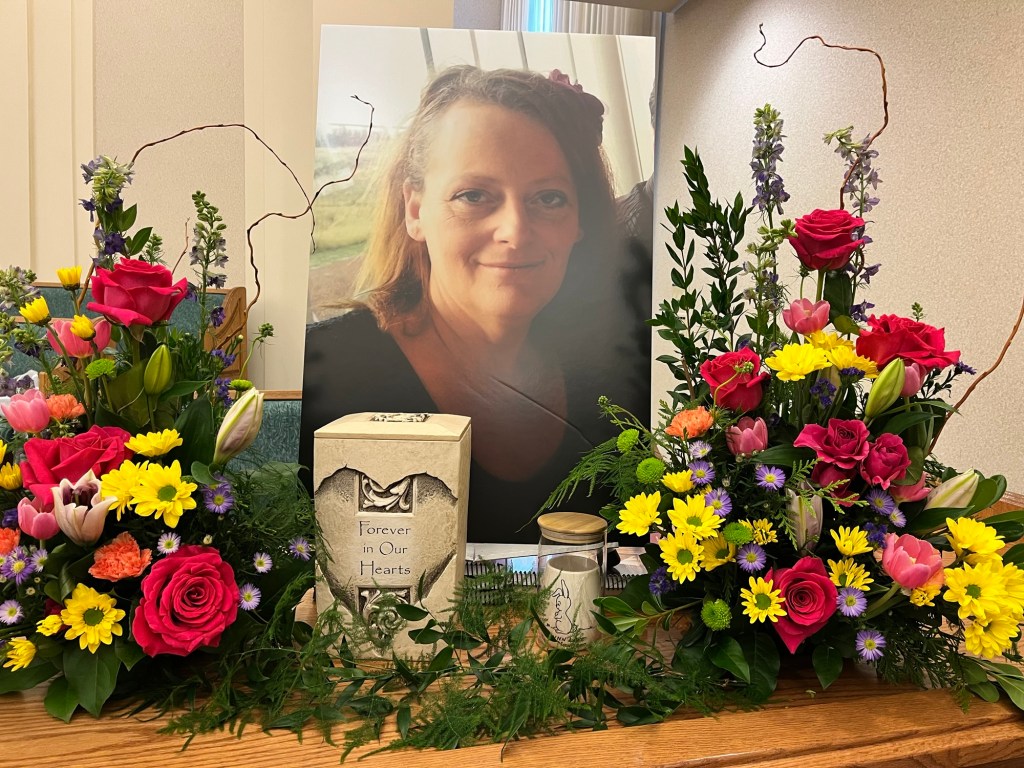
The passing of dear friends.
The painful decision to close my business and then Brentโs and eventually to stop working.
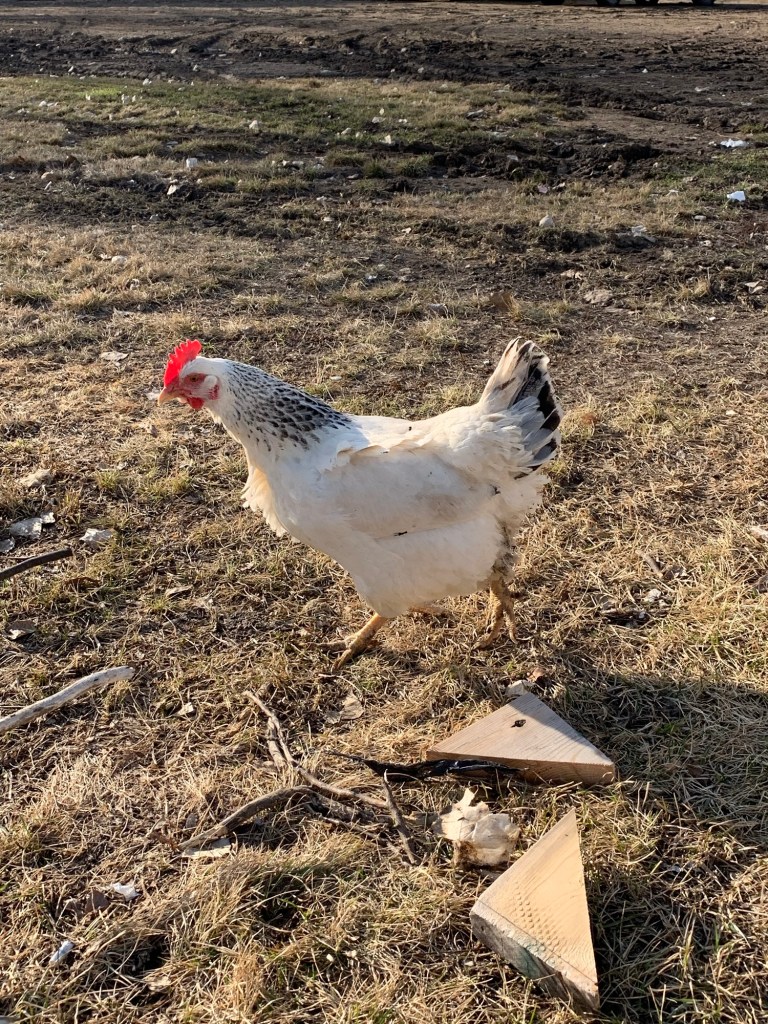
Leaving the farm and grieving all that move represented. She understood, sheโs a farm girl.
And the appointment Christmas Eve where she examined me and realized something was deeply wrong. I had almost no muscle mass. I was so weak and felt so broken, useless, a waste of skin.
Car crash #1Fell off the boat An MRI changed everything Following surgeryCar crash #3Car crash #2Farm life
I could write pages about what J and I have discussed over the years. At some point, she became more than someone treating my body. She became someone quietly witnessing my life story unfold.
The size of my kids when I started seeing J
The size of my kids today.
And then one ordinary appointment changed how I saw myself.
It started like any other. I explained where the pain was. What had shifted in my workouts. What stress was doing to my body. What daily life had looked like since we last met.
She examined me, worked through familiar areas of tension, and after a moment of silence she said something I think applies to all my chronic comrades:
โYouโre a success story. Do you know that?โ
My first instinct is always to deflect a compliment.
I think you have me confused with someone whose joints arenโt held together by determination and prayer alone.
But it felt true. It felt like the most true diagnosis Iโd ever been given.
She continued, (and I want you to see yourself in this,)
When you look at where youโve been on your lowest days and where you are now. This is a success story.
You could have closed the doors on life. Stayed in bed. Turned inward. Leaned into fear of the future. You could choose to live frustrated and depressed. White-knuckling your way through existence.

But instead, you keep rebuilding. You keep getting stronger. No matter what knocks you down, you come back.
Like one of those punching balloons from childhood. The ones you smack into the floor and somehow they pop right back up, mildly annoying and aggressively optimistic.
I have a core memory of my cousinโs party. They had one of those balloons in the backyard. As I played with it I wondered what was inside that made it keep popping up.
If resilience had a mascot, I might nominate a half-inflated punching balloon and a woman with heating pads.
J was right though. Thatโs me. Thatโs you.
What is it thatโs inside us that keeps us popping up, time after time?
Not graceful. Not elegant. Occasionally leaking air. But still coming back up.
Again. And again. And again.
J encouraged me to start writing it down. My story. To let others read it. And that is where this blog began.
A success story, heavily disguised as a challenging life story.
Chronic Pain Does Not Stay in One Box
If you live with chronic pain, you understand this. Pain does not politely stay in your shoulder. Or your spine. Or your hips. Or your joints.
It leaks. It spreads.
It enters your sleep, your patience, your relationships, your finances, your confidence, your work, your parenting, and your identity.
It is never just physical.
The dis-ease spreads just like disease. Not because we are weak. But because pain is invasive.
Scars are not signs of weakness, they are signs of survival.
Yet many people living with chronic pain quietly continue. They raise children. Show up to work. Try to exercise. Cook supper. Pay bills. Care for aging parents. Smile through appointments (and cry after.) Fold laundry while wondering why their body feels like it was assembled by a distracted Ikea employee.
And stillโฆ they continue.
That is not failure. That is resilience. That is success.
Rock bottom became the solid foundation on which I rebuilt my life.
One of the hardest parts of chronic pain is not always the pain itself. Sometimes it is the disbelief. Unfortunately, this can include close family members. Friends. Employers.
And yes, medical professionals.
When symptoms are invisible, people often assume they are exaggerated. If scans are unclear, they question your tolerance. If you โlook fine,โ they assume you must be fine.
And so many of us become defenders. Explainers. Evidence gatherers.
Trying desperately to prove that our pain is real. Trying to earn validation. Trying to convince others that suffering exists even when they cannot see it.
When attacked by error, truth is better served by silence than by a bad argument.
That quote hit me.
We do not need to defend ourselves from every misunderstanding. Not every person deserves access to our explanations. Not every accusation needs a rebuttal. Not every skeptical glance deserves our emotional energy.
There is a time to inform. And there is a time to walk away.
Never wrestle with pigs. You both get dirty and the pig likes it.
Silence is not surrender. Sometimes silence is strength. Sometimes it is peace. Sometimes it is refusing to spend precious energy proving your pain to people committed to misunderstanding it.
Do not explain. Your friends do not need it, and your enemies will not believe you.
A Forest Therapy Practice: Seeing Yourself in the Landscape
One of the most grounding practices I return to comes from forest therapy.
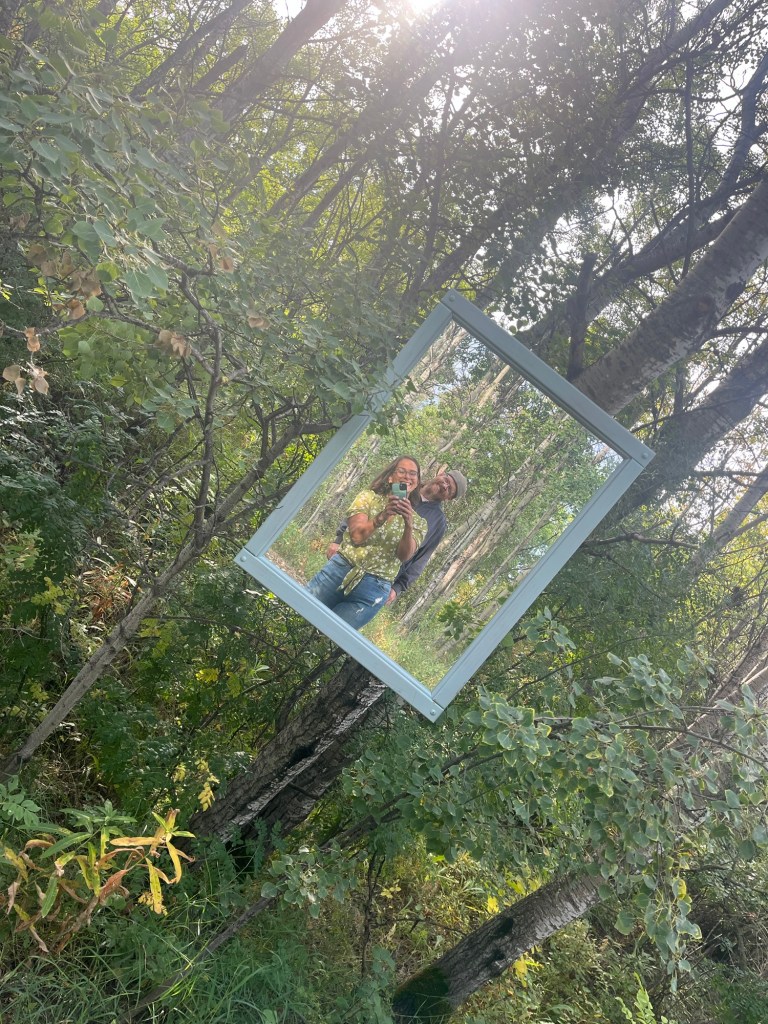
Take a small mirror with you into nature.
Stand among trees.
Or beneath open sky.
Hold the mirror so your reflection appears framed by branches, clouds, leaves, or light.
Look at yourself. Really look. See your face inside the larger landscape. Notice how you are not separate from nature. You belong here too.
Then ask yourself:
Where was I a year ago?
What have I survived?
How far have I come?
What strength still exists in me?
Appreciate where you are now. Not because healing is complete. But because progress deserves to be witnessed. And because you still have what it takes to continue.
Rivers donโt apologize for moving slowly at some points on their path.
Seasons do not shame themselves for resting.
Maybe we shouldnโt either.
My Success Story Is Still Being Written
I used to think success had to look polished. Strong. Linear. Easy to explain. Now I know better.
Sometimes success looks like rebuilding muscle. Sometimes it looks like surviving grief. Sometimes it looks like asking for help. Sometimes it looks like walking instead of running. Sometimes it looks like closing one chapter when life forces your hand. Sometimes it looks like bouncing back up like an emotionally exhausted inflatable clown with stubborn determination.
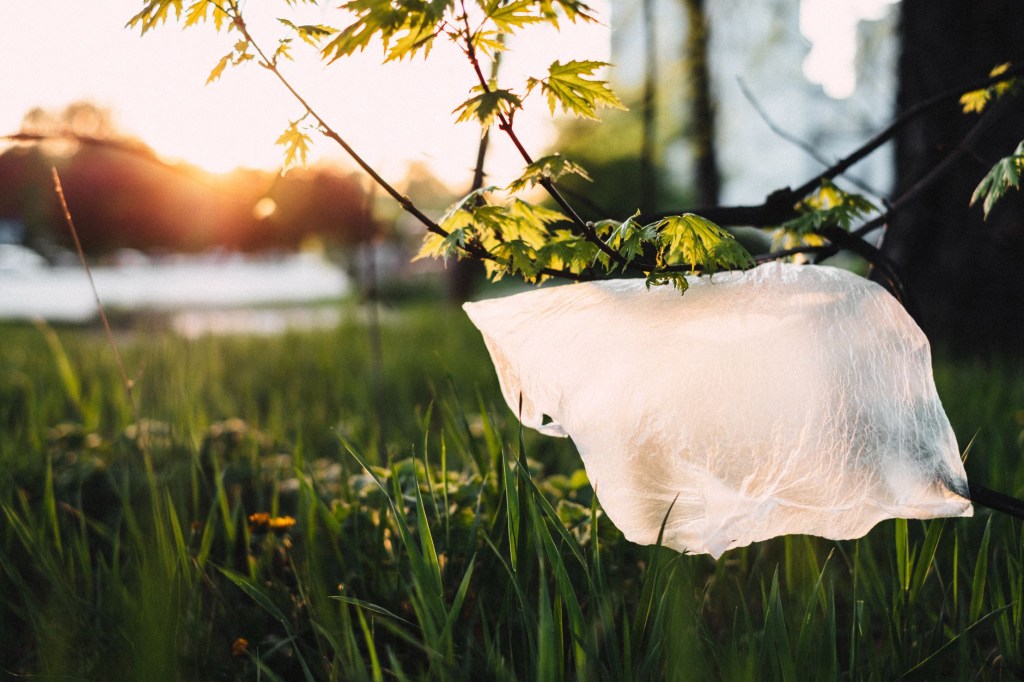
I have bounced back like a plastic bag caught in a prairie wind.
Messy. Crooked. Still rising. Still trying.
And maybe that is enough.
Actually
Maybe that is extraordinary.
You are a success story.
If pain has tried to rewrite your life and you still continueโฆ
A forest therapy reflection on burnout, surrender, and learning to live gently inside your own life.
There was a period of time where my nervous system was running entirely on stress and outrage. I was carrying so much tension I could feel it humming beneath my skin. I wore it like an armour.
I was teaching piano almost full time. Helping my children survive school systems that did not know how to support kids with ADHD. Trying to advocate for a child who had endured years of bullying only to be treated like he was the problem once he finally reacted.
There were meetings. Emails. Phone calls. Policies. Assessments. Endless explanations.
And somewhere in there, I was also managing a farm, a household, meal planning, grocery shopping, appointments, chronic pain, surgeries, inflammation, and a body that kept submitting maintenance requests I could no longer ignore. Sound familiar?
Outer chaos eventually becomes inner weather.
Then there was the car.
Oh, the car.
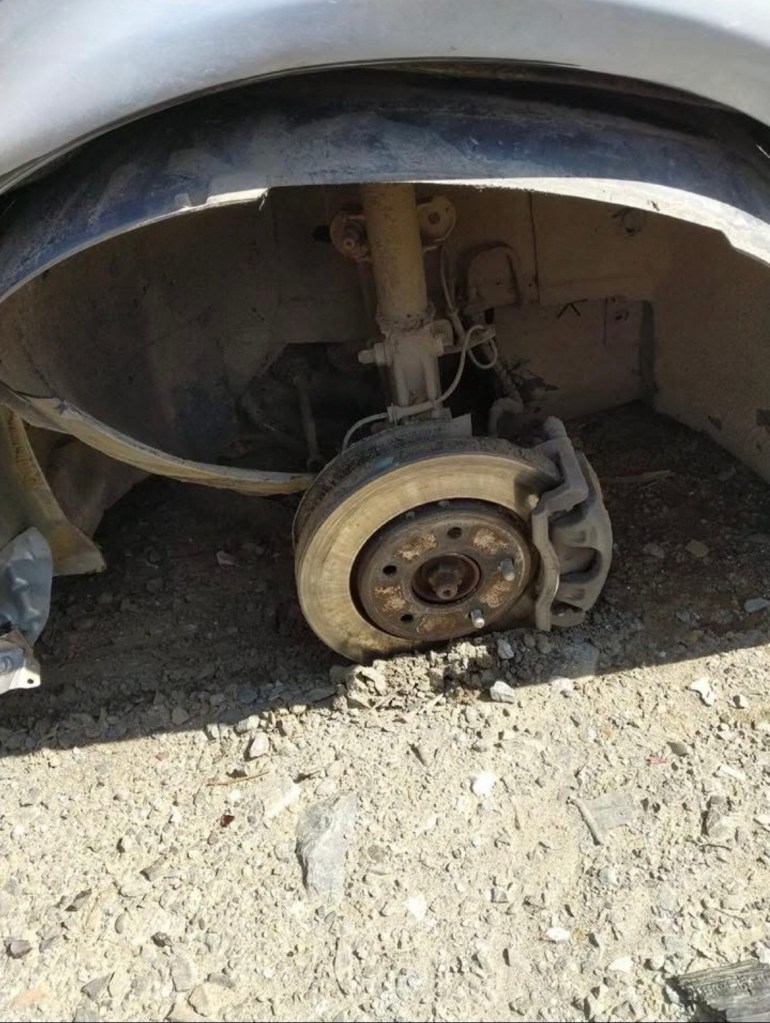
Marketed as โoff-road capable,โ apparently as long as your idea of off-roading was driving over a decorative gravel patch at a golf resort once annually.
When our Saskatchewan roads started dismantling it piece by piece, we were informed it wasnโt actually built for daily gravel roads. Then every winter the same part broke because it apparently also wasnโt designed forโฆ winter?
I remember thinking, Well neither am I, but you donโt see me breaking down.
(foreshadowing ๐ณ)
This felt a little too intentional of a design flaw for something sold in Saskatchewan.
At the time, I was angry at everything.
The educational system. The medical system. The government. Corporations. World events. Every injustice. Every failure. Every person who made life harder than it needed to be.
And underneath all of it was one desperate belief:
If I fight hard enough, maybe I can force the world to become safe.
So I fought.
And every phone call tightened my muscles more. Every conflict wound my nervous system tighter. Every injustice became another brick in the emotional dam I was trying to hold together.
Even now, writing about it, I can feel traces of that tension in my body.
My nerves were tight. My jaw was tight. My shoulders were tight. My thoughts were tight.
My energy felt dark and electric and sharp. Warnings were everywhere:
Do Not Touch: Load Bearing Delusions Ahead.
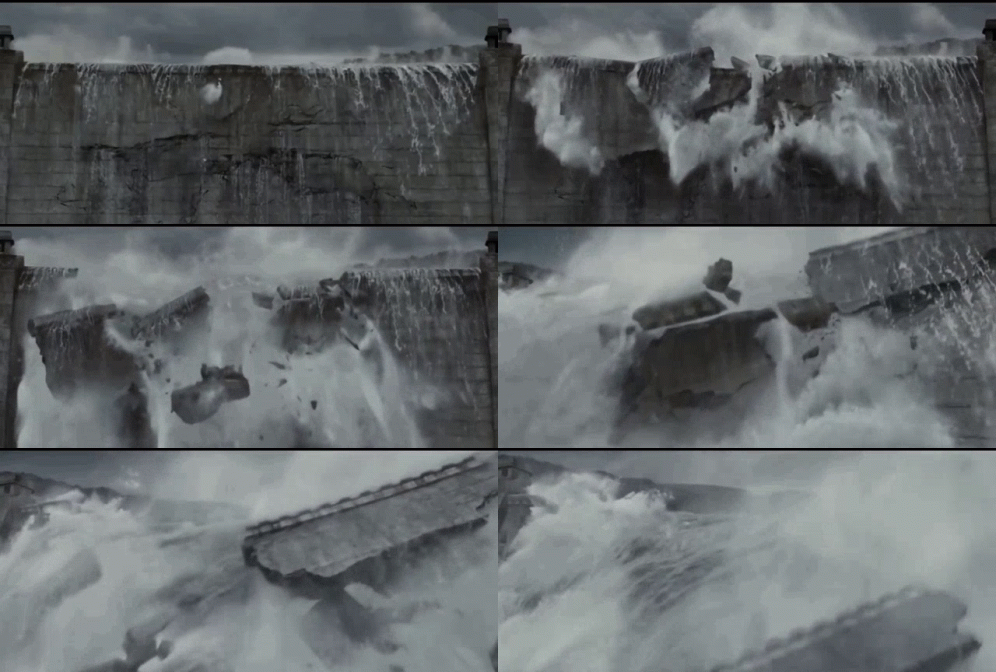
Eventually, the dam broke.
Not in some poetic, graceful collapse. More like a nervous system mutiny. Everything in my body was operating like an emergency broadcast system.
Everything I had stuffed down flooded upward at once: bad information, bad coping, bad core beliefs, fear, grief, anger, exhaustion.
It was physically excruciating. I’d been on my last straw for like 300 straws, and finally I ran out of straws.
After the initial effects subsided, I remember lying in bed unable to function. A puddle of a human being. All the fight inside me still existed but now it lived in a body that couldnโt move and a brain that couldnโt think.
I didnโt know it at the time but this would become my new beginning.
You can’t go back and change the beginning, but you can start where you are and change the ending.
One of the greatest gifts forest therapy gave me was this:
Nature does not spend its energy resisting its own seasons.
The forest does not panic because decay exists beside growth.
Yet so many women live as though rest is failure.
We push through pain. Push through exhaustion. Push through grief. Push through our intuition. Push through limits our bodies are desperately trying to communicate.
We fight every battle. Carry every burden. Solve every crisis.
And then we wonder why we are chronically exhausted, inflamed, anxious, disconnected, and burned out.
I see it everywhere.
Women who are always tired. Always hurting. Always โfine.โ Always one more obligation away from collapse.
Forest therapy taught me something radical.
Stillness is not laziness. Stillness is regulation.
Outer stillness creates the conditions for inner calm.
Not because the world becomes peaceful. But because you stop feeding every storm.
A Forest Therapy Practice: The Sit Spot
One of the simplest and most powerful forest therapy practices is called a sit spot.
You choose one place outdoors and return to it regularly.
Thatโs it.
No performance. No hiking goals. No fitness tracker congratulating you for elevated heart rates. No optimizing your experience into a competitive sport.
Your only job is to sit and notice.
(The chickadees remain unimpressed by productivity culture)
How To Practice
Find a place outdoors where you feel safe and comfortable.
A forest trail. A park bench. A tree in your yard.
Then:
Sit quietly for 10โ20 minutes.
Notice what moves and what remains still.
Listen farther away than you normally do.
Feel where your body touches the earth or chair.
Allow your nervous system to settle before asking anything of yourself.
You do not need to โachieveโ calm.
The forest does not demand that from you.
It simply offers regulation through rhythm, repetition, sensory softness, and presence.
Over time, your body begins remembering something it forgot. It does not have to remain in survival mode forever.
From Fighting Everything To Tending Something
It has taken me years to pare down my list of fights to zero.
Not because I stopped caring.
But because I realized anger was consuming the very life I was trying to protect.
Now, instead of fighting constantly, I create spaces of calm.
I meditate. I practice energy work. I use affirmations. I spend time in the forest like it is medicine because for me, it is.
Despite the chaos that can still exist around me, I guard my energy carefully.
From this space, I choose where I can genuinely be of service.
I try to listen when my body whispers instead of waiting until it screams through symptoms. I create rituals that bring me back to myself when I wander too far into fear or overwhelm. I practice gratitude daily because gratitude softens the nervous systemโs constant scanning for danger.
And when concerns arise, I do my best to voice them clearly and compassionately.
Then I let them go.
Not because they do not matter. But because I matter too.
Become a possibilitarian. No matter how dark things seem to be or actually are, raise your sights and see possibilities. Always see them, for theyโre always there.
Forest therapy helped me understand this deeply.
Possibility exists everywhere in nature.
A burned forest regenerates. A fallen tree becomes nourishment. A cracked open pinecone releases seeds. Life keeps finding ways forward.
And humans can too.
Not always by forcing harder. Sometimes by softening enough to notice another path entirely.
What Makes A Good Life
Thereโs a quote from Donald Miller that has stayed with me for years. In it, he imagines sitting with God under a tree outside heaven, remembering the story of his life together.
And what moves me most is this idea:
That God would have favourite parts of our story.
Not just the successful moments. But the moments we grew. The moments we softened. The moments we overcame. The moments we kept loving despite pain.
The moments we learned how to become fully human.
To me, this is what a good life looks like.
Not a perfectly optimized one. Not one where we won every fight. Not one where we proved ourselves endlessly useful.
But one we could sit down and talk about with tenderness.
A life where our soul is no longer thirsty.
A meaningful life is not built through perfection but presence.
People tell me itโs wonderful that Iโve turned my pain into something useful or helpful. And I appreciate the kindness in that.
But honestly, sometimes purpose looks less glamorous than people imagine.
Sometimes itโs simply this:
If you do it wrong, you know how to tell somebody else what to avoid. If I walk into an invisible wall, I’m going to let others know about it. This wall is invisible and solid!
If I can help someone avoid walking into walls or burning themselves to the ground trying to hold up the entire world, then my pain served a purpose.
If I can help another woman understand that rest is not weaknessโฆ that stillness is healingโฆ that her nervous system deserves gentlenessโฆ that she is allowed to stop fighting every battleโฆ
Then maybe this story matters.
An Invitation To The Forest
So if you are exhaustedโฆ
If your body hurts all the timeโฆ If your mind never stops spinningโฆ If your nervous system is tight as a fence wire in January…
Come to the forest.
Not to fix yourself. Not to become more productive.
Back in my day, some kids brought hockey cards and sticker collections to school. I brought an alarming range of ligament-based entertainment.
Sometimes hypermobility first appears as a child who seems unusually bendy or clumsy, often both at once. ๐โโ๏ธ
The child who sits in a W position on the floor because it feels natural. The one who, without pausing to question it, contorts themselves into strange positions during movie night.
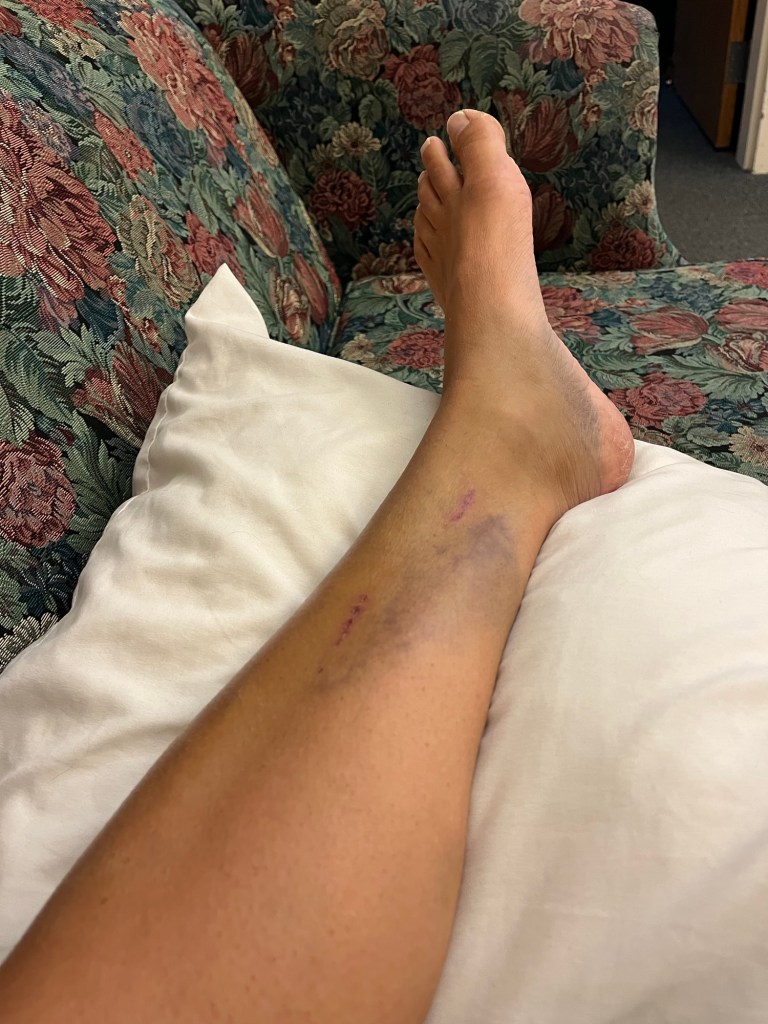
What they may not see is the child constantly running into walls because their body struggles to map itself properly in space. Bruises appearing mysteriously across shins. Ankles rolling on flat ground. Sleeves chewed because pain and overstimulation are difficult to explain at seven years old.
And then there are the โgrowing pains.โ
Except many children with connective tissue disorders experience pain far beyond the occasional ache adults remember from childhood.
Deep bone pain at night. Legs throbbing so intensely sleep becomes impossible. Crying after gym class. Exhaustion after seemingly normal activities.
Many hypermobile children become experts at masking early. They laugh while joints slip. They keep playing while hurting because they assume everyone else feels this too.
Some become the โdramaticโ child. Others become the โtoughโ one.
Honestly, I was the child trying to survive in a body I did not yet have language for.
What am I even doing bending my neck like that?
The thumb that bends too far backward. The knees that point in unusual directions. The shoulder that clicks when slipping in and out. Being crazy talented in a yoga class my first day.
What people donโt see is that connective tissue is not merely a few loose ligaments behaving badly.
Connective tissue is infrastructure.
It is the architecture holding the body together. The webbing woven through blood vessels, skin, organs, fascia, tendons, heart valves, lungs, digestive systems, pelvic floor, eyes, nerves, and joints. It is scaffolding. Suspension bridge. Packaging tape. Elastic waistband. Shock absorber.
And when connective tissue is faulty, life can begin to feel like living in a house where every screw has loosened itself by half a turn.
Not enough to collapse all at once. Enough that everything creaks. And left unchecked, more and more areas become unstable, then require constant repairs. Eventually some rooms just become unusable.
A Sad Commentary: AKAMy Brush with Organized Sports
My joints approached organized sports with more enthusiasm than stability. More optimism than skill.
In a small town, everybody played volleyball or there simply wasnโt a volleyball team.
So I played volleyball.
I hated it.
Looking back now, I wonder why I stayed in as long as I did. Every practice left my forearms covered in bruises. Big ones, tiny ones, overlapping ones. I looked part Dalmatian. Nobody else seemed to bruise like that, so naturally the conclusion was that I was doing it wrong.
Turns out my connective tissue was doing it wrong. Not me.
I was terrible at volleyball. Not for lack of trying, either. I could picture exactly what my body was supposed to do, but the execution never matched the image in my head. It always felt like there was a lag between my brain and my limbs, like someone had replaced my coordination with an unreliable Wi-Fi signal.
The only part of volleyball practice I excelled at was stretching.
That should maybe have been a clue.
I could also run forever, but the muscle fatigue before, during, and after was brutal. My legs and ribs constantly felt tight and overworked, like my muscles were trying to compensate for a body that refused to stabilize itself properly.
The solution offered to me was always the same: โPractice more.โ โYou just need to focus, Pam.โ โTry harder.โ โDonโt give up so easily all the time.โ
My P.E. teacher, who was also my coach, and I were not exactly compatible personalities. I suspect I ranked fairly high on his โlazy kidโ list. My feelings toward him and his teaching style donโt need to be discussed for the purpose of this post. Perhaps he was doing the best he knew how ๐คทโโ๏ธ.
What hurt most was that I wasnโt used to being bad at things.
I excelled in music. Dance. Academics. If I tried something, I usually became good at it eventually. But anything involving proprioception. Balance, coordination, spatial awareness, reaction time, exposed a kind of weakness I couldnโt outwork.
No matter how hard I tried, my body never responded the way everyone elseโs seemed to. I felt like I was being asked to build a stable life with elastic bands where other people were given rope.
After enough years of that experience, something in me quietly stopped trying.
Not everywhere. Just there.
I realized I could put in enormous effort and still end up with roughly the same P.E. grade as the kid half-heartedly wandering laps around the gym. So eventually, I became that kid instead. The one at the back of the class who didnโt seem invested. The one teachers assumed didnโt care whether they passed.
Stemming from humiliation in trying my hardest while looking like a fool and as though I wasnโt trying at all.
Itโs an incredibly discouraging place for a young person to live.
Some kids are exhausted. Discouraged. In pain. Disconnected from bodies that refuse to cooperate. In retrospect, my body had all the stability of a shopping cart with one bad wheel.
The whole point of physical education is supposedly to encourage lifelong movement and confidence in your body.
Ironically, I now walk everywhere, go to the gym regularly, and deeply value movement. I suspect that may not be the case for those classmates that achieved gold stars for gym class back in the day.
Children are often graded on visible performance without anyone asking what invisible barriers may exist underneath it. ๐ ๐ ๐
And maybe that experience is part of why I later felt drawn toward educational support work. Because I remember exactly what it feels like to be misunderstood in a classroom. To be trying harder than anyone realizes while appearing like you are trying the least.
Some kids are not lazy.
Sometimes what looks like apathy is actually years of silent defeat.
So MuchMore Than Loose Joints
My body has taught me that fragility and resilience are not opposites. Sometimes they exist in the very same tissue.
People often imagine connective tissue disorders as orthopedic inconveniences.
A sore knee. An ankle sprain. Being exceptionally bendy.
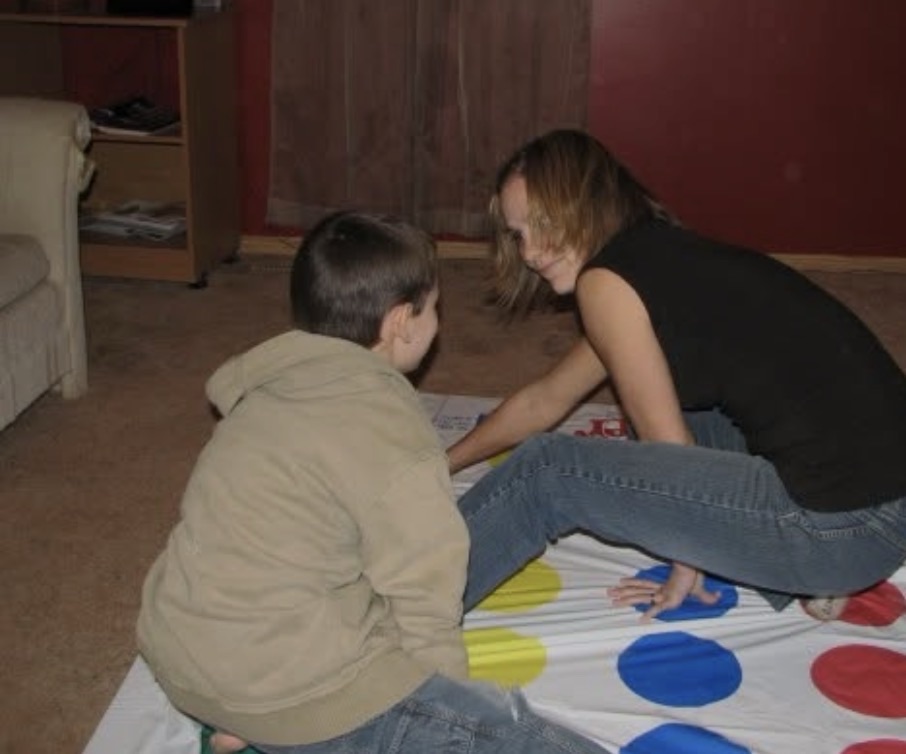
Playing twister with my now-26-year-old. Not to brag, but I was very good.
But connective tissue does not politely stay in one department.
It influences how blood vessels constrict and relax. Why standing up can feel like gravity suddenly doubled. Why heart rates race while brushing teeth. Why exhaustion arrives not after effort, but before and during it.
It influences the skin. Fragile, stretchy, slow to heal, easily bruised.
It influences digestion. Because the digestive tract also depends on connective tissue and smooth coordination. Meals become negotiations instead of nourishment.
It influences breathing. Because the rib cage, diaphragm, and tiny structures supporting the lungs are all part of the same interconnected story.
It influences pain. Not only through injuries, but through a nervous system constantly adapting to instability. Muscles tighten to compensate. Fascia braces. The body learns vigilance.
Even sleep can become difficult when the body spends the entire night trying to hold itself together. Some people wake up refreshed. My body wakes up looking like Iโve been assembled with spare parts in low lighting. Like sleep happened near me but not directly to me.
There is loneliness in illness that hides in plain sight.
You may look healthy while internally calculating:
Can my hips handle this chair? Will my spine tolerate the drive? How long before the fatigue crashes in? Is today the day I sustain an injury that sets me back a year?
People see the smile at the gatherings. They do not see the cost afterward.
The Forest Never Demands Symmetry
One of the reasons forest therapy can feel so healing for those with any type of disorders is because the forest does not care about perfection.
Trees twist toward light. Branches split and regrow. Moss softens fallen things instead of condemning them.
In the forest, support is collaborative.
Roots intertwine underground. Fungi trade nutrients between struggling trees. Fallen logs become nourishment for future life. Nothing survives entirely alone.
For people living in bodies that require adaptation, slowness, pacing, and care, the forest offers a radically compassionate model of existence.
Nature does not measure worth.
Walking Practice: โBorrowing Stabilityโ
This forest therapy practice can be done slowly while walking a trail, sidewalk, park path, or even your backyard.
As you walk, notice what in the landscape appears stable.
Perhaps it is:
the rootedness of a tree
the reliability of stone
the rhythm of wind
the resolution of moss growing over rough surfaces
Without forcing positivity, simply observe.
Now begin walking more slowly.
As each foot touches the ground, imagine you are borrowing steadiness from the earth beneath you.
Not fixing yourself. Not overcoming your body. Borrowing support.
You may silently repeat:
Supported. Held. Connected.
If your body hurts while walking, let the practice include that truth instead of resisting it.
Forest therapy is not about pretending discomfort away. It is about allowing yourself to belong exactly as you are.
Pause occasionally and place a hand on a tree trunk, railing, stone wall, or your own chest.
Notice:
What supports you physically?
What supports you emotionally?
What support have you been refusing because you are used to surviving alone?
Continue walking without rushing toward insight.
Sometimes healing begins the moment we stop arguing with our pace.
The Grief No One Talks About
There is grief in becoming intimate with limitation.
Grief when your mind has cheques your connective tissue cannot cash.
Grief when symptoms multiply like unwanted groupies: fatigue, dysautonomia, chronic pain, migraines, digestive problems, instability, inflammation, sensory overwhelm.
Many connective tissue disorders do not travel alone. They tend to arrive in flocks.
Not the polished beauty of wellness culture that insists healing should look photogenic and triumphant. Complete. Universal.
But a quieter beauty.
The beauty of learning to listen deeply to others. The beauty of noticing small joys because large ones became inaccessible. The beauty of becoming tender toward bodies. Your own and othersโ. The beauty of discovering that a meaningful life was never dependent on being free from pain.
I spent years believing my bodyโs limitations were character flaws. Turns out that limiting belief was false. Those limitations have helped me become the person I am.
To be rooted is perhaps the most important and least recognized need of the human soul.
Research continues to show time in forests can help regulate the nervous system, reduce stress hormones, lower heart rate, and support emotional well-being. But for those living with connective tissue disorders, the benefits often go deeper than measurable metrics.
Forest therapy gives permission to:
move slowly
rest without guilt
reconnect with sensory pleasure
soften hypervigilance
leave productivity behind temporarily
remember you are more than symptoms
When the nervous system lives in a constant state of adaptation, gentle sensory experiences matter.
The sound of leaves moving overhead. The coolness of shade on inflamed skin. Birdsong interrupting anxious thoughts. The visual softness of green.
None of these cure a connective tissue disorder.
But they can create moments where the body feels less at war with itself.
And moments matter.
Especially when stitched together over time.
A Beautiful Life Can Still Grow Here
Instructions for living a life: Pay attention. Be astonished. Tell about it. โ Mary Oliver
Living with a connective tissue disorder may mean your life unfolds differently than expected.
More pauses. More recalculating. More adaptation.
But different is not lesser.
Some of the most compassionate people are those whose bodies taught them interdependence.
Some of the most observant souls are those forced to slow down enough to notice life carefully.
The forest reminds us that resilience is not hardness.
Resilience is flexibility. Relationship. Return.
And perhaps that is fitting for people made of connective tissue. Those who understand, more than most, that life is ultimately about connection.
Not perfect strength. Not endless endurance.
Connection.
To the earth. To one another. To moments of beauty that still arrive, even here.
Your ability to hold vision, hope, and belief is not just a mindset. Itโs a nervous system state.
When your body is overwhelmed, depleted, or in pain, the part of your brain responsible for vision and forward-thinking struggles to stay online. You can journal, visualize, and set goals all you want but if your body feels unsafe, your mind will keep pulling you back.
And if you live with chronic illness, chronic pain, or burnout, this is not new information.
Youโve probably had moments where:
โข You want to feel hopeful, but canโt access it
โข You know what mindset would help, but it feels out of reach
โข You try to think positively, but your body feels tense, guarded, or braced
Thatโs not failure. As if our bodies are just waiting for us to say the right affirmation in the right font.
Thatโs actually physiology.
โธป
The Body Test: A Different Way to Measure Alignment
Hereโs something simple but surprisingly powerful to try:
When you imagine the life you want. The healing, the work, the relationships, the version of yourself youโre moving toward,
Does your body softenโฆ or does it brace?
That response is important information. That brace could be your body essentially replying: โRespectfully, no.โ
Sometimes what we think we should want was actually handed to us by fear, pressure, or comparison. And chasing those things can give us the energy of pursuit but not the peace of arrival.
Thereโs a quieter, truer kind of vision.
One that comes from a regulated, grounded body.
And your body knows the difference.
โธป
Why Mindset Feels So Hard with Chronic Conditions
Most of us were taught that results come first, and mindset follows.
โWhen I get healthier, then Iโll feel good.โ
โWhen I have more energy, then Iโll be more positive.โ
But if youโve ever made progress on a health journey, you know the truth.
You had to start treating your body with care before it changed. You had to practice compassion before you believed it.
Mindset doesnโt come after results. It creates the conditions for them.
And when youโre living with chronic symptoms, this becomes even more important. Because your external results often change slowly. And beyond your control.
Big, dramatic efforts such as new routines, strict plans, sudden bursts of energy donโt sustain us. Sadly, healing is rarely impressed by one heroic Tuesday.
Especially not when our bodies are already working hard just to function.
What changes us is the steady trickle. Small, repeatable moments of regulation.
Tiny habits that teach the body. We are safe, we are supported, we can keep going.
Because in the end,
You donโt rise to the level of your goals. You fall to the level of your habits.
Not in chasing someone elseโs version of success.
But in creating a body that feels safe enough to hope again.
In choosing small, steady practices over dramatic change.
In building habits that nourish instead of deplete.
In letting your body have a vote in the life youโre creating.
Because when your body believes itโs possible your mind doesnโt have to work so hard to convince it.
โธป
I taught piano lessons for years. I enjoyed working with kids. I enjoyed the lesson prep. I even enjoyed some of the music!
But in 2020 my body said, โno more.โ It could no longer do outward smiles and inward screams.
It said no to early mornings. And busy days. And constant focus. And sitting or standing. It said โstop!โ
Eventually I chose to set aside my business. Then close it. I often consider, after having a couple of good days in a row, about teaching again.
Sometimes I start to think of how much I miss it and think perhaps I could just take a few students. I get excited thinking about it.
When I slow down my thinking enough to see how my body feels about this idea. It braces. It feels drained.
I see myself leaning forward over and over to show the place in the music I am referring to. The repetitive motion getting more and more painful.
I picture my fingers that canโt play more than a few minutes. And only simple songs. No reaching. No pressure. And how frustrating that can be when trying to demonstrate.
I think of the days I didnโt get any sleep and had to go to work anyway. And drag myself through the day. How can one person be so bad at both sleeping AND staying awake?
I have good days. That is true. But only because Iโm not forcing my body and mind to work day in and day out in ways that do not support its healing.
I need time for exercise. And rest. And listening to my body. As hard as it is to listen to it at times. It really does know best.
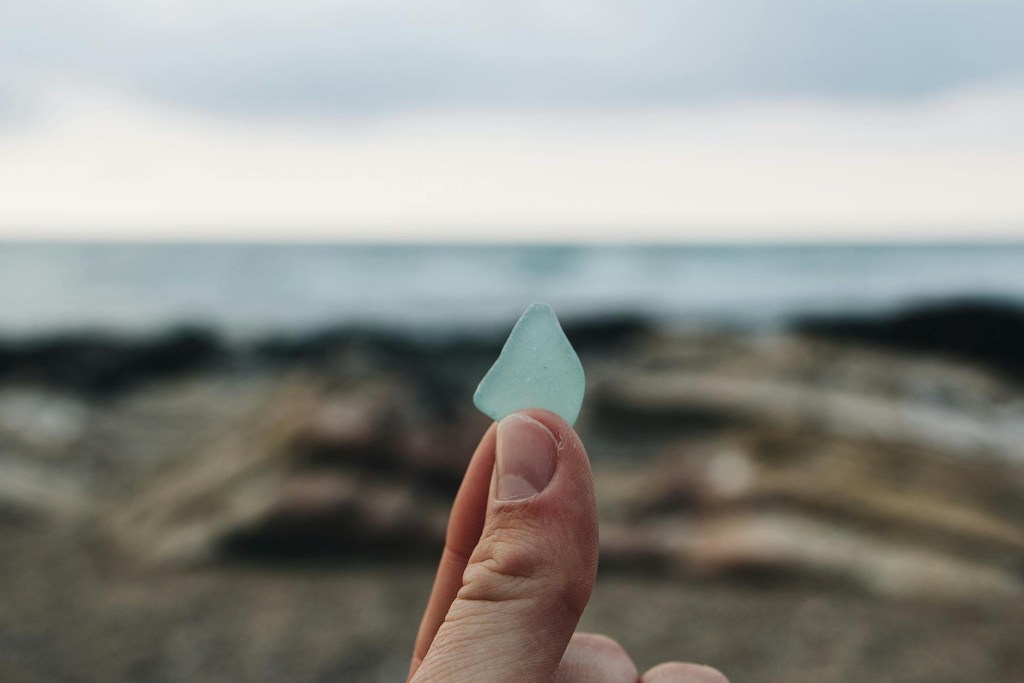
i hope you know you aren't broken glass you are sea glass shaped by the tides softened by the waves that once felt like they'd shatter you what you've been through hasn't made you less it has made you rare and luminous
even the toughest waters can create something beautiful and that's what you are... a reminder that survival can turn into art
By the time you reach the last spring, your hands are shaking.Youโre sweating. Frustrated. Everything keeps getting more crooked.
You realize too late. You started wrong. ๐
Anyone who has assembled a trampoline knows the rule. You donโt hook the springs in a circle, one after another. If you do, the tension pulls unevenly. By the end, you donโt have the strength to stretch it into place.
You begin with four. Evenly spaced. Then every ten. Then every five. Then every two.
You build balance first. Then you stretch.
Cruising the Chaos of Life’s Pulls
We are pulled by responsibilities๐, expectations๐, needs๐, roles๐, diagnoses๐ซต, deadlines๐ซก.
Work. Family. Health. Friendships. Faith. Community. The list goes on.
Each one a spring tugging at the mat of our life.
When we hook ourselves fully to one area without anchoring wisely, the whole thing warps. We overextend in one direction and find ourselves weak in another.
Sometimes that is the season we are meant to live.
After giving birth, your whole being stretches toward that tiny life. Other areas thin out. That is not failure. That is devotion. In time, the tension redistributes.
But chronic pain does not redistribute so gently.
Chronic Pain: The Illusion of Perfect Harmony
When you live with chronic pain, you are constantly pulled toward managing symptoms, setting and going to appointments, pacing yourself, rest, prevention. Your energy budget is small. Other areas stretch thin.
Then something hopeful happens. ๐ฎ
You focus on your health. ๐ง
You improve. ๐ซข
You feel almost normal. ๐ฅน
Everyone else sees it too. ๐
Schedules begin to fill ๐๏ธ Invitations multiply ๐ฅณ Expectations quietly rise ๐ซด . The springs of โnormal lifeโ begin snapping back into place ๐ซฐ.
You let yourself believe it. ๐
Maybe Iโm better. ๐
Then exhaustion crashes in ๐ซฉ You stare at your calendar at night and wonder what youโve done to yourself ๐ณ A small slip becomes months of recovery ๐ต One flare unravels carefully rebuilt stability ๐.
And then come the looks ๐๐โโ๏ธ
The subtle confusion ๐คจ
The well-meaning advice ๐ค
The unspoken question: Why canโt she just get it together?
Living with chronic illness often means managing other peopleโs perception of your crooked mat.
There is grief in that.
Grief in not being believed. In being misunderstood. In having to explain your limits and have them questioned again and again.
Eventually, you begin to let springs go.
Work (sounds great, itโs decidedly not great)
Hobbies
Certain relationships
Many dreams have to shift
Not because you lack discipline. Because you are learning discernment.
Tregi:
“A tender form of sorrow- one that doesn’t overwhelm but lingers softly in the soul, and it’s the ache of remembering something beautiful that’s gone, the silence after a goodbye, the bitter sweet pull of nostalgia. “
–
The Spring I Learned to Release
Within you there is a stillness and a sanctuary to which you can retreat at any time.
One sunny day I carried my journal and scriptures out to our trampoline. It was warm, the sun pooling across the mat. A strange place to do cold, hard work.
I read.
I prayed.
I journaled.
I napped.
I prayed again.
And then I cried.
And cried some more.
To say I wanted one more baby doesnโt begin to explain the years of ache. The doctors knew what my body could not sustain. I knew it too.
But my heart wasnโt ready. I wanted to leave the doors open for God to do His work.
That day on the trampoline, I realized I was hanging on to a spring that was pulling my whole life crooked. The decision to have a hysterectomy felt like unhooking something sacred. I needed my Saviour in it with me.
It was one of the hardest decisions I have ever made. Letting that spring go felt like loss. But when I finally released it. After some time. I stopped trying to force tension where my body could not hold it. And space opened for healing. Opportunities I never could have seen coming appeared. Energy shifted. My frame steadied.
The mat did not look like I once imagined. But it began to hold me differently.
Calm comes when I choose my springs intentionally.
Cultivating Serenity Amidst the Clutter
Inner calm is not equal distribution. It is intentional tension.
It is knowing which four anchors belong in this season and which ones do not.
There is a calmness to a life lived in gratitude, a quiet joy.
You are not weak for having fewer springs. You are wise for choosing them. Balance may not look symmetrical. Your mat may not look like someone elseโs.
But even a crooked mat can hold us.
And in the quiet of the forest, we learn to stretch for only what weare meant to hold.
What a blessing it is to look around and see pieces of my old prayers scattered everywhere.
Not the beginning, when everything still feels like clay. Wet, moldable, brimming with possibility. And not the end, when threads have been tied off and stories are stitched into something you can finally make sense of. Iโm here, in the thick of it. In the in between. Healing from chronic pain and somehow learning to live with chronic fatigue, trying to shape what might be next.
Trying to find purpose in pain when the path ahead feels tender and unfinished.
She cleared out all of her old ideas of things, until she could hear her own joy with almost no effort at all.
-Sara Avant Stover, The Way of The Happy Woman
As I have talked about previously on here. I had a hysterectomy after years of fighting hormones that felt like they were clawing their way through my insides. Endometriosis pain stretched across entire seasons of my life.
And then there was my business. It was finally thriving, finally fun. Something my mom built with her hands and heart. But my body whispered then shouted then raged to get me to listen to its unmistakable limits.
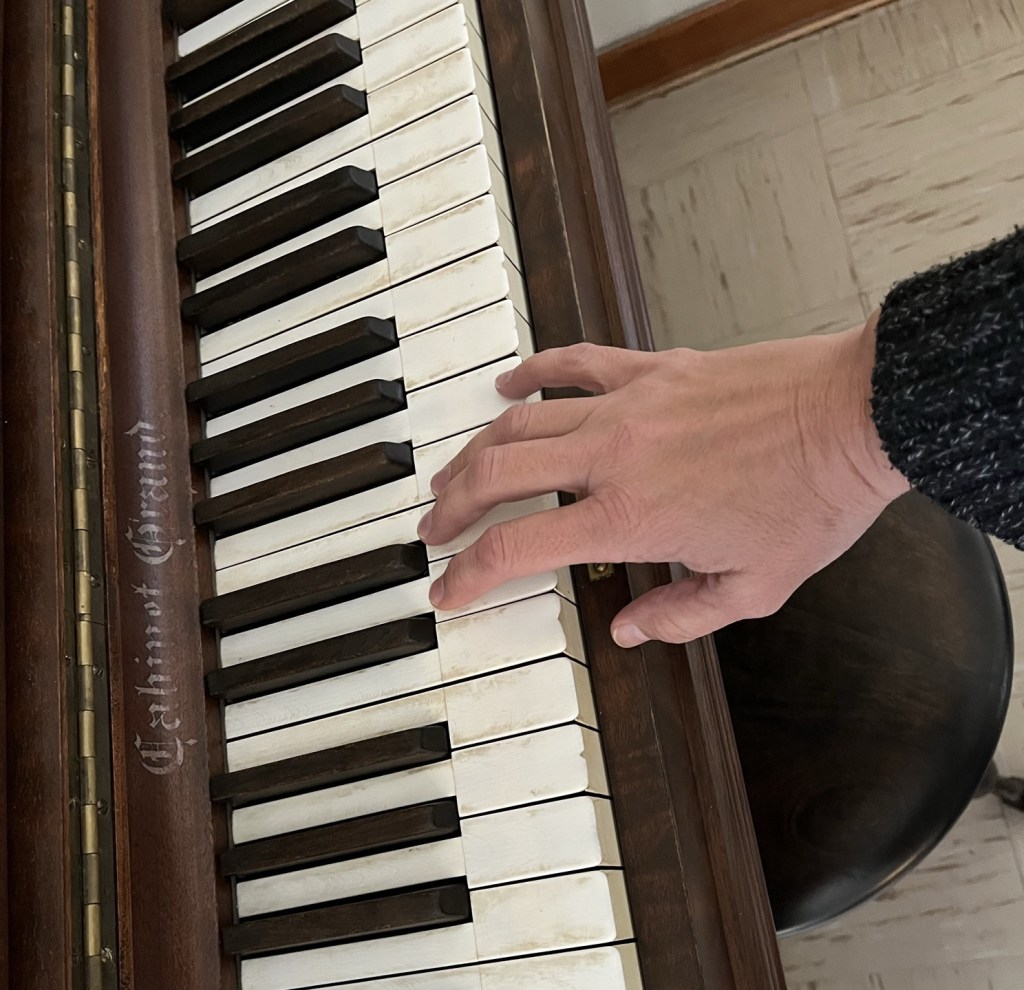
Even sitting at the piano. The place that once felt like oxygen became something my body could no longer hold. Notes I used to float through now feel heavy, unsteady, often impossible.
Chronic pain doesnโt just take.
It rearranges.
It remodels.
It forces you into corners you didnโt see coming.
And here I am again, in this messy middle. Sorting out the parts of me that remain. Trying to decide what pieces go where, and to whom, and how much. Because there is only so much of me to go around.
My days are short. My energy is rationed. I canโt just โget up earlierโ or โpush harderโ or โstretch the day.โ Those tricks donโt work in this body.
I have learned, painfully, that pushing past limits costs me days, sometimes weeks, of recovery. I donโt slip gently into tired. I crash into a wall of pain with no warning and no buffer. There is no bouncing back.
I donโt have a reserve tank anymore.
I remember when I did.
I remember using an entire day to make snacks and treats for my family, cleaning the house, bathing my littles, tucking them into bed.
I remember being so tired, but feeling full. Like life had weight and meaning and movement. I loved looking at what I had accomplished.
Now?
I can get that same level of bone deep exhaustion from five minutes of washing the dishes.
And that, sadly, is not an exaggeration.
This isnโt โjust midlife.โ
This is chronic pain. And chronic fatigue. And chronic limitation.
But hereโs the truth Iโm holding onto-
The messy middle is still a valuable place. A real place. A sacred place of hope. A place worth tending.
And Iโve learned that healing isnโt found in the before or the after.
Itโs found right here.
In the slow, intentional steps we take when life has to narrow down.
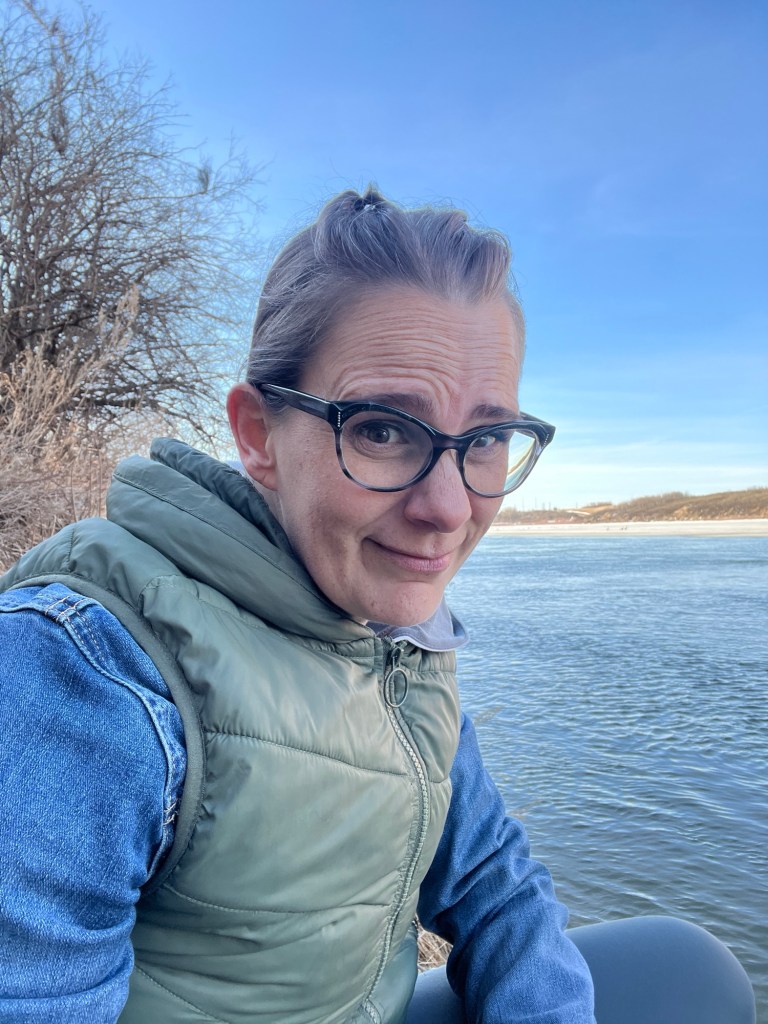
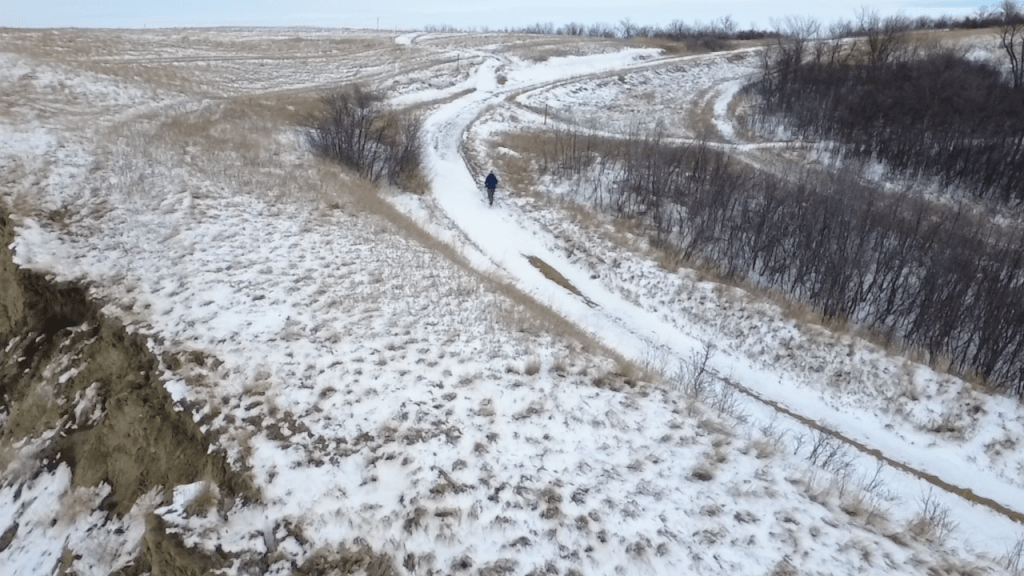
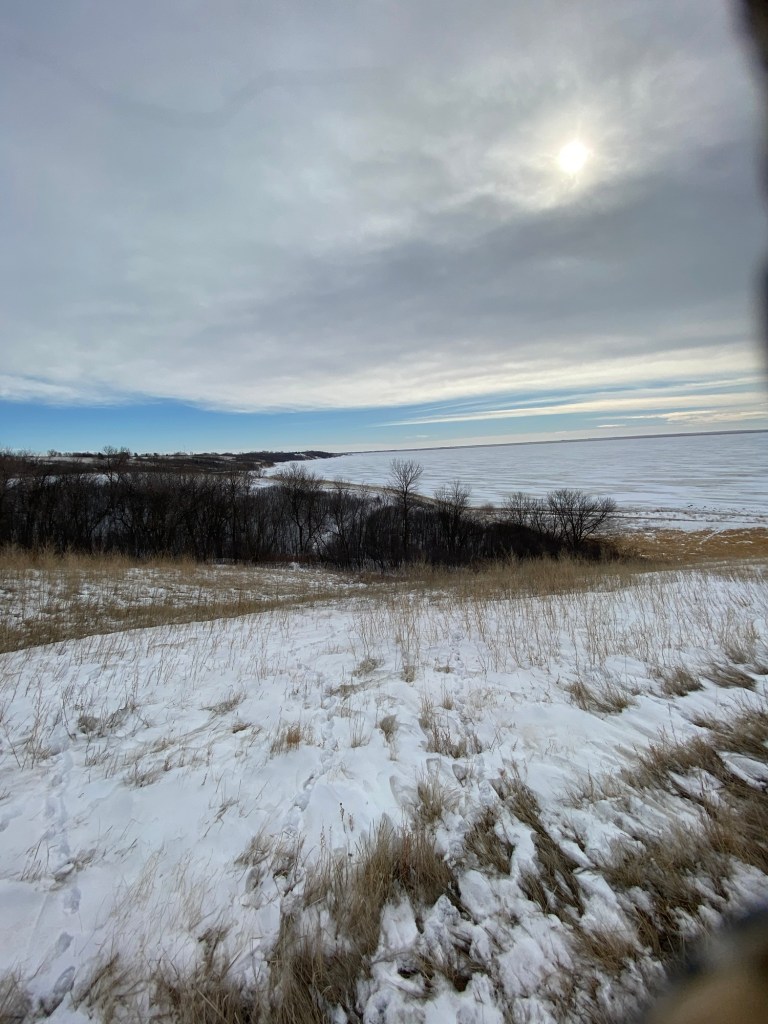
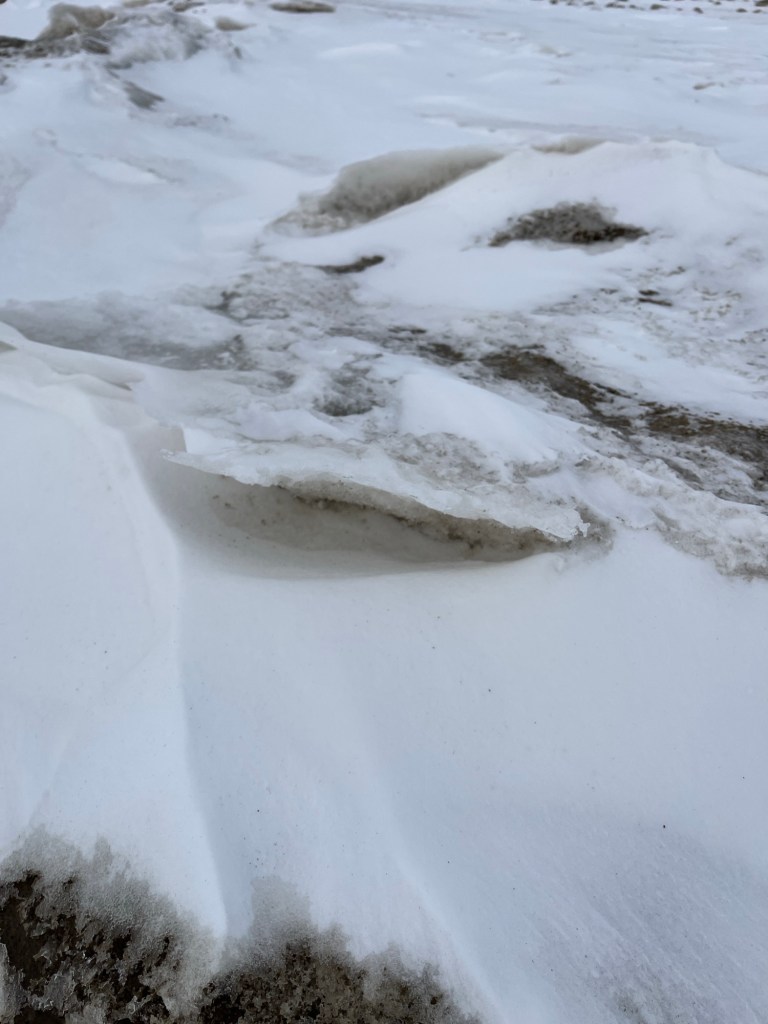
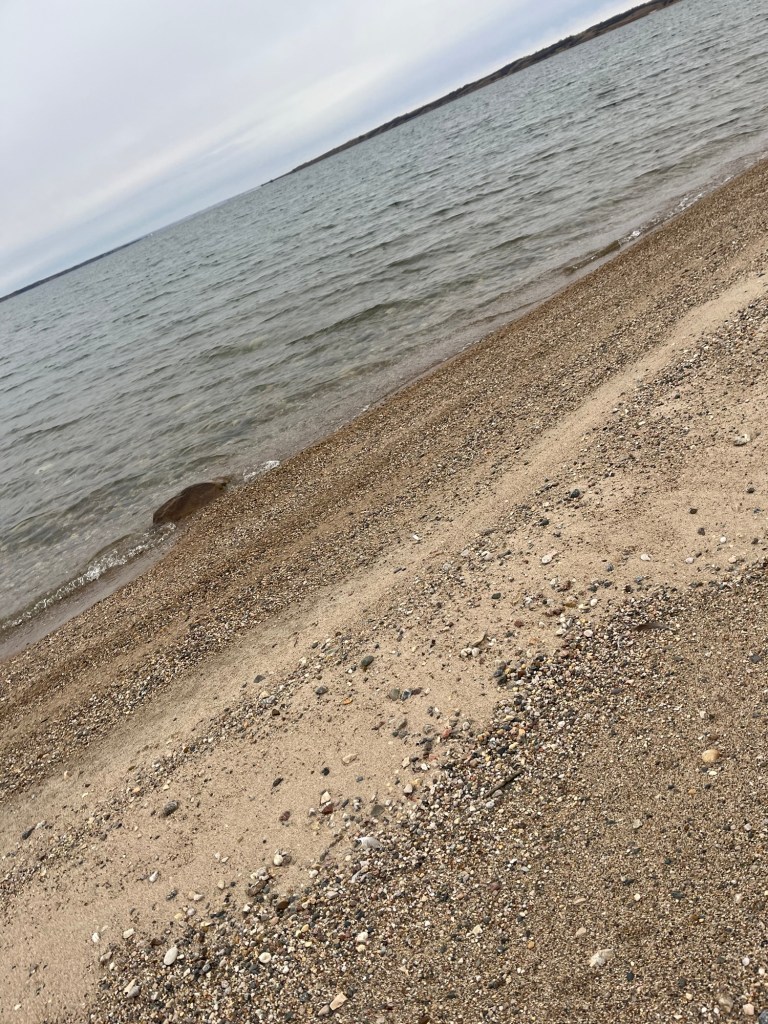
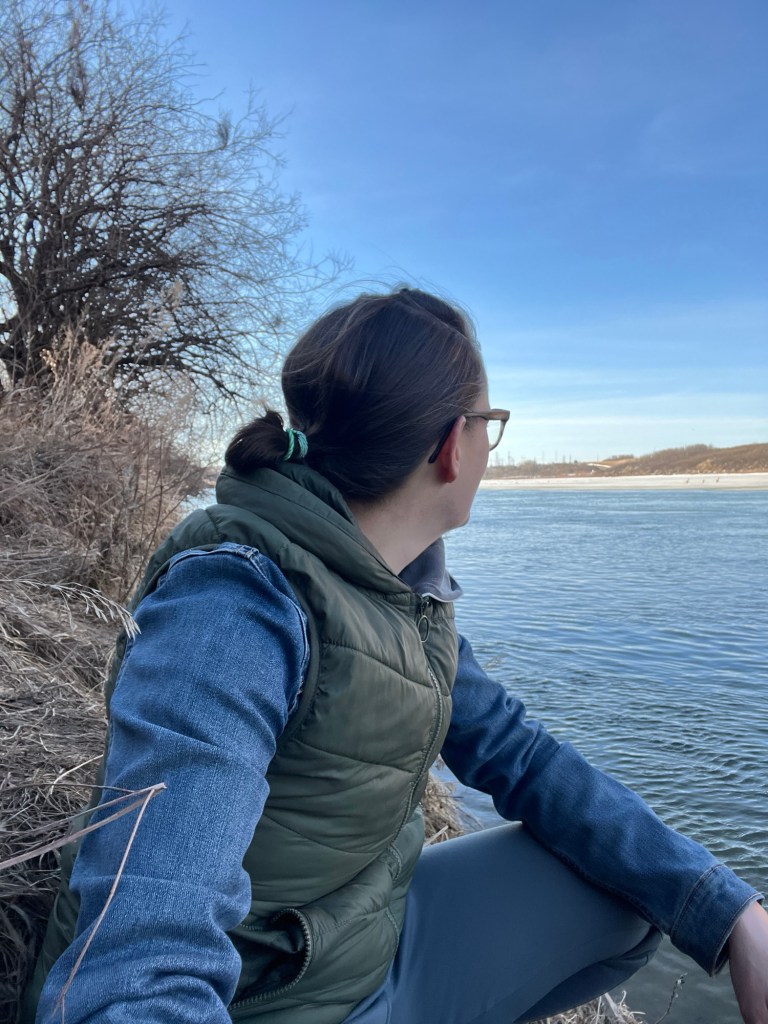
I have never experienced walking on sand in my winter boots before. Weird!
For me, one of those steps is forest therapy.
Where Forest Therapy Meets Healing Journey
In this season, forest therapy has become one of the few places where my body and my motivation find agreement.
It isnโt hiking. It isnโt performance. It isnโt even about movement.
Itโs a return to your own breath. It is nature therapy in its gentlest form.
A soft doorway into emotional healing, grounded presence, and quiet hope.
A reclaiming of the parts of yourself that pain has tried to scatter.
A gentle companionship in the places of life that feel undone.
In the forest, I donโt have to be anything for anyone.
The trees donโt ask me to push. The moss doesnโt question my intentions. The forest simply holds space.
And in that space, I remember that even when life feels broken, Iโm not.
I think healing is like that.
Quiet. Nonlinear. Messy.
More felt than understood.
And every time I enter the forest, I feel like I step onto a โladder of hope.โ
The Ladder of Hope by me
You climb it not in leaps But in breaths. You rise not by strength But by softness. The rungs are made of momentsโ A bird call, A sunbeam, A place to sit. And every rung you step on Whispers the same truth: Youโre still rising.
These are small moment that lift me enough to keep going. Not giant steps. Not perfect healing. Not having everything sorted.
The middle is messy. But itโs also alive. Itโs also becoming. Itโs also sacred ground.
And maybe, purpose isnโt something we chase.
Perhaps it is something that can grow. Slowly, gently, sturdily. If we let it.
โHopeโ is the thing with feathers, that perches in the soul. And sings the tune without the words. And never stopsโ at all.
-Emily Dickinson
Wherever you find yourself today, whether youโre living your own messy middle or standing at the edge of it, may you find one small rung of hope. One quiet moment. One breath of space.
Chronic pain has rerouted my life more times than I can count. It has taken me down roads I never meant to travel.
Itโs like my GPS is stuck on the back roads setting as I travel cross country. Not quite the way Iโd planned. A lot bumpier. Requiring a slower pace. And focused attention. It is often lonely. And misunderstood.
Sometimes a path calls for you to walk alone. And still, it is beautiful.
-Angie Weiland- Crosby
There are places where the forest tends us and our own breath begins to feel like a home again.
Let the air touch your face. Let the light filter in.
Climb one rung of your ladder of hope.
Just one. This will look different for each one of us. Rightly so.
We are still rising.
And that matters.
Winter, come rest your soul on autumnโs weary head. Twirl, shimmer, soften, before tucking fall into bed.