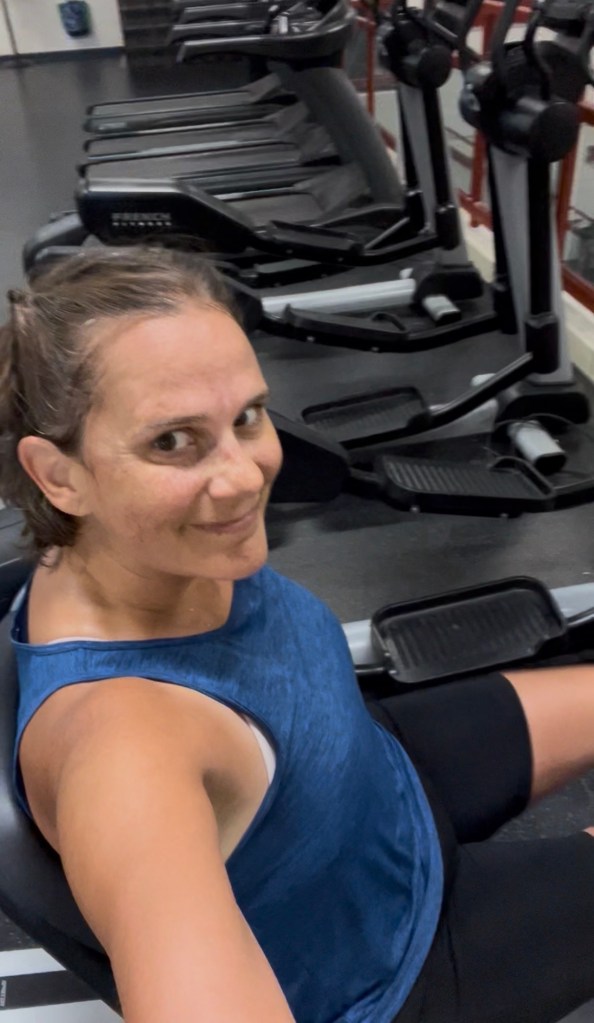

I feel unbalanced living in a body that looks perfectly capable of holding itself together. When the truth is, it can do nothing of the sort.
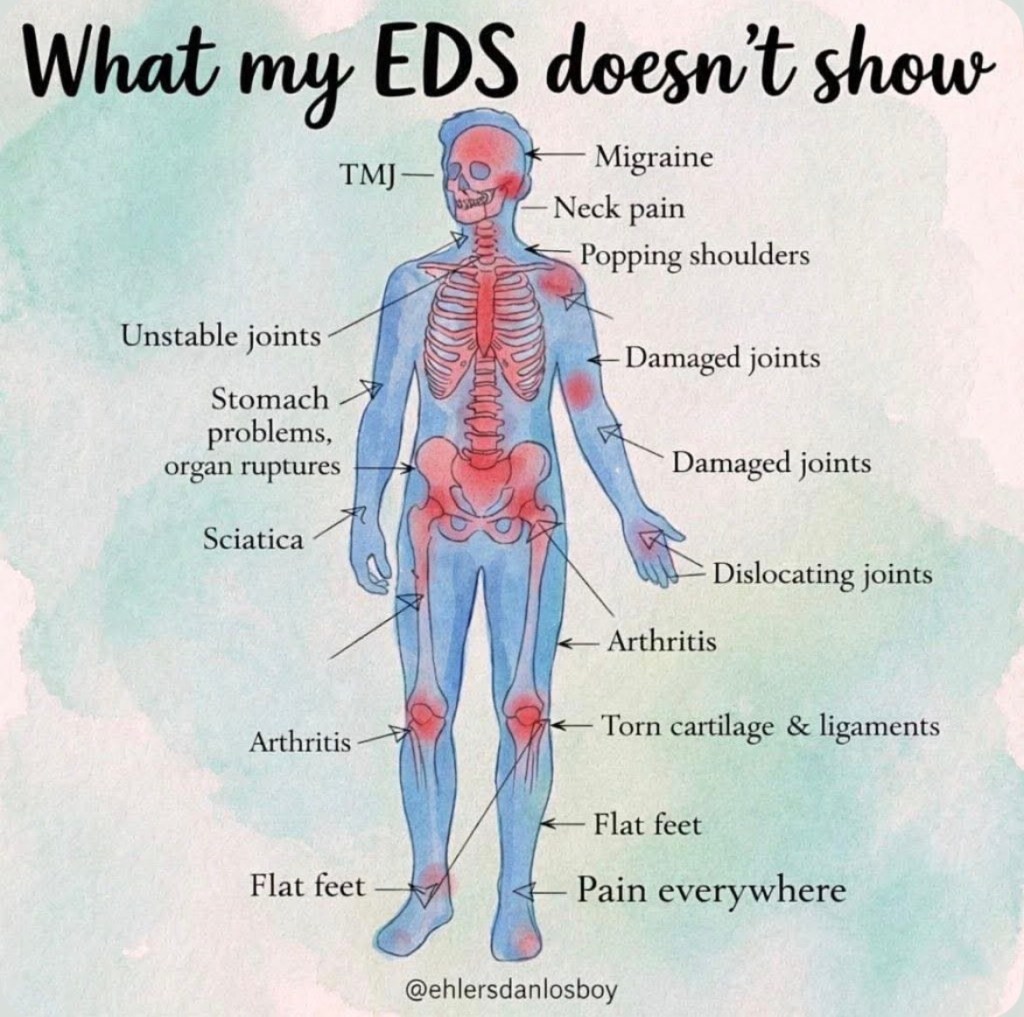
I mean this in more ways than one. I am physically unbalanced more often than I am balanced. This is due to my very unstable joints.
And then I look around and see the life I formed to manage this body, that it is in opposition to the rest of the world. Making emotional balance feel next to impossible.
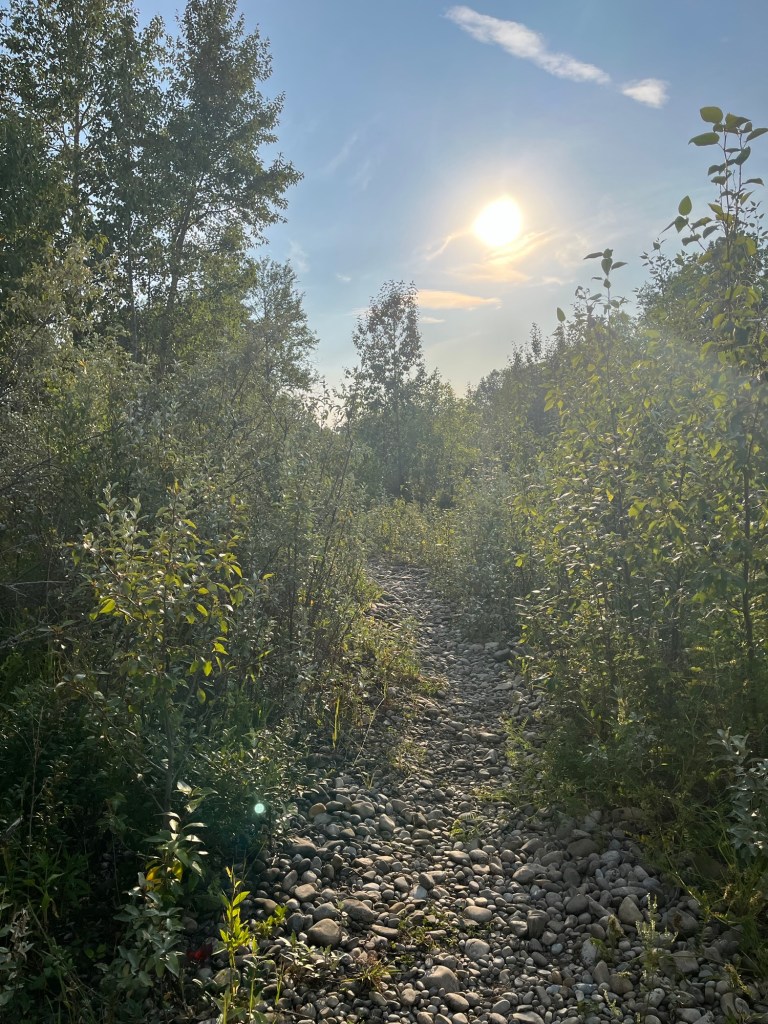
I can walk. I can hike. I can play with my grandchildren.
I can carry things, bend down, climb over things I probably shouldn’t climb over and occasionally convince myself that I am a completely normal person who has this whole body thing figured out.
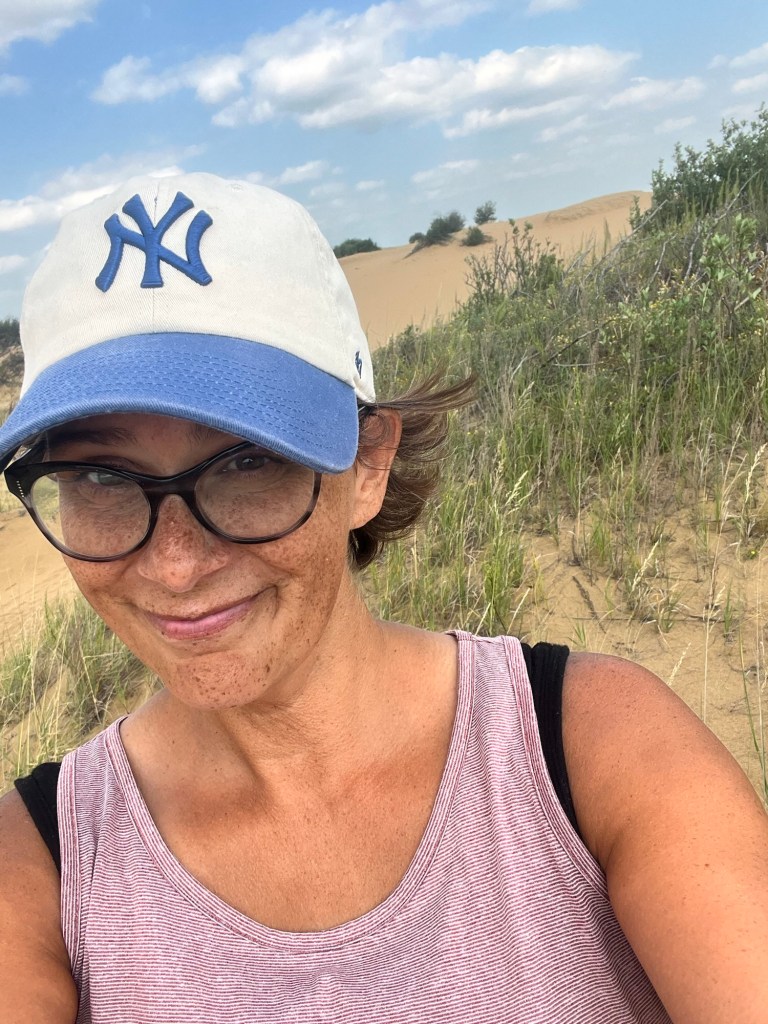
And then someone leans against me. Or my dog steps on my foot. Or I turn slightly to walk around someone. Or I roll an ankle on a trail.
And suddenly I become a sack of bones doing their best, more than that of a functioning skeleton.
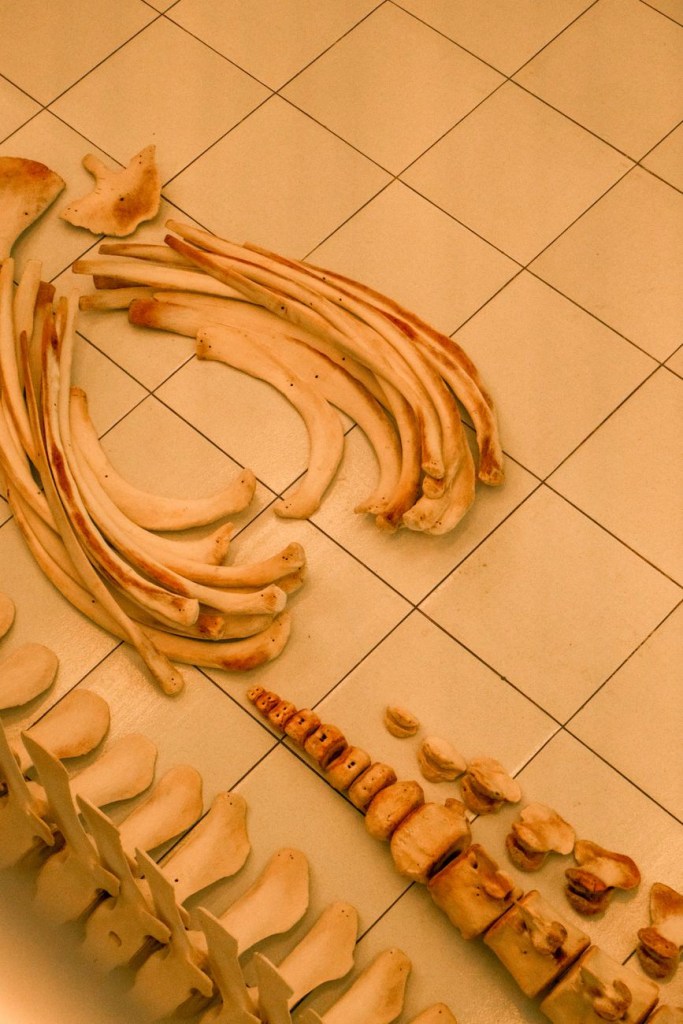
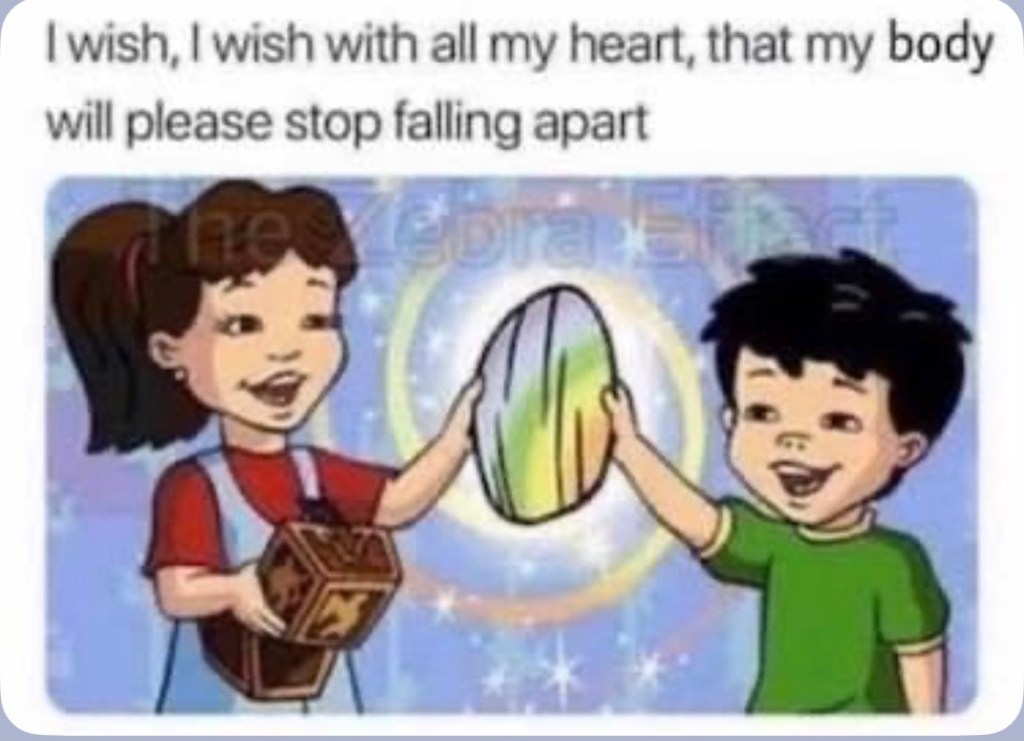
When your body is a little too enthusiastic about movement
I live with hypermobile joints.
Hypermobile Ehlers-Danlos syndrome (hEDS) is one of the conditions that can fall under the hypermobility spectrum. It is a connective tissue disorder associated with generalized joint hypermobility, joint instability, chronic musculoskeletal pain and a collection of other fun features.
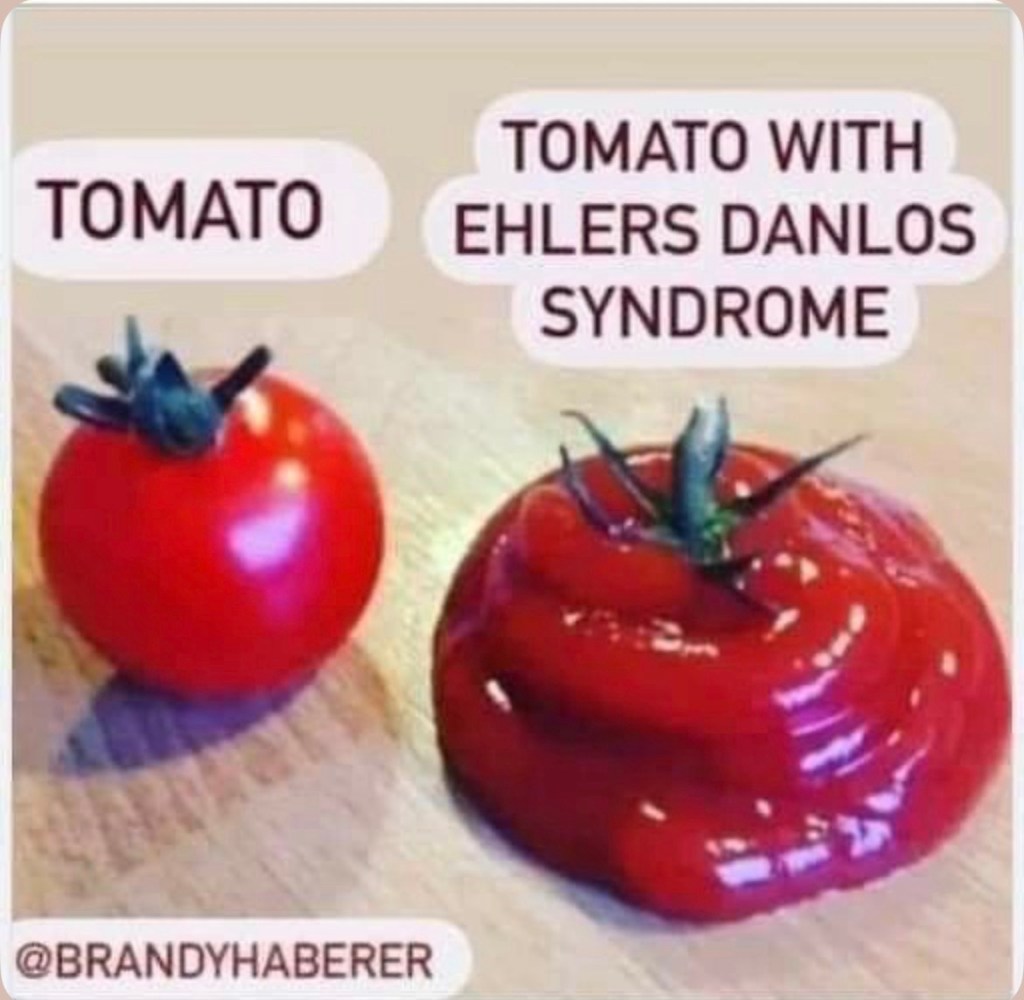
There isn’t currently a laboratory test that simply says, Yep. You’ve got it. Diagnosis is clinical and involves looking at the whole person rather than one isolated symptom. (The Ehlers Danlos Society)
Hypermobility isn’t simply being unusually flexible. It isn’t about being the kid who could put her feet behind her head. Or fold her eyelids inside out. It isn’t a party trick.
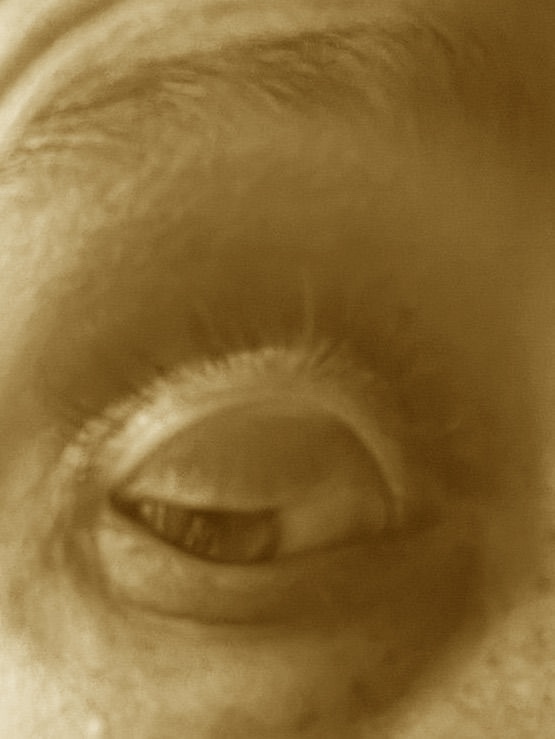
For some of us, the problem isn’t that our joints can move farther than everyone else’s. It’s that sometimes they keep going when we’d really prefer they didn’t. Past what tendons can protect and ligaments can control.
My joints can be remarkably cooperative about leaving their assigned positions.
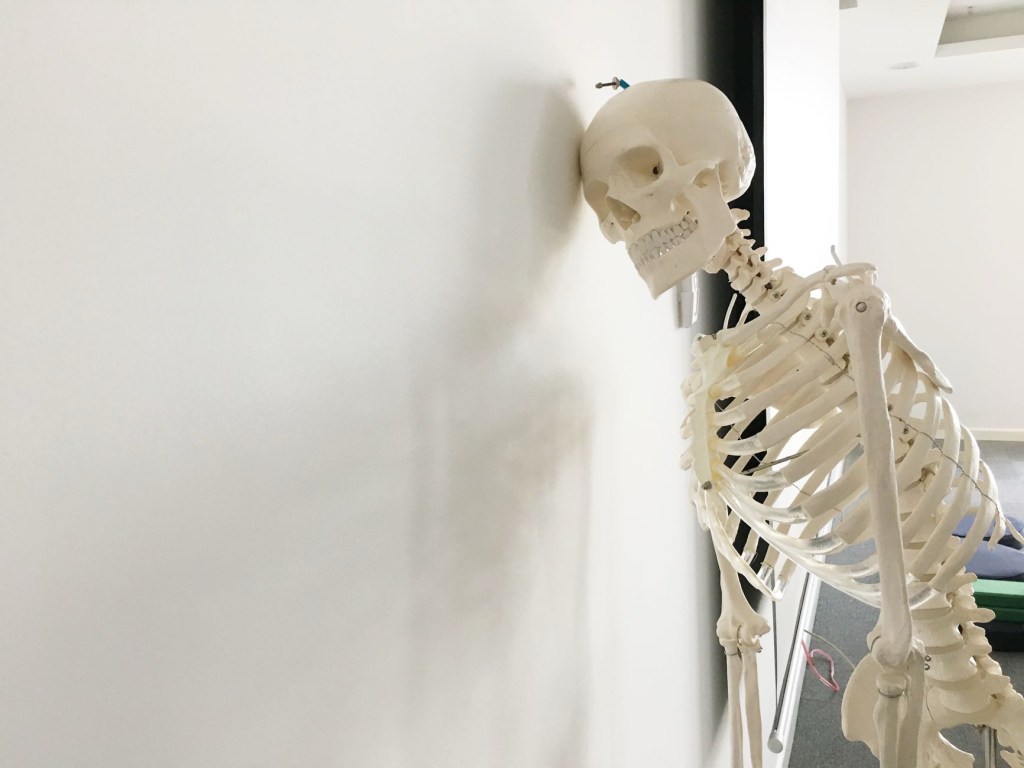
For example:
My grandson wanted to show me something the other day. He leaned over me, and his little elbow dug into my ribs.
His little elbow. My adult rib. Click!
Three days after my physiotherapist put me back together.
She and I have a standing monthly appointment.
So now I wait. 27 days.
Because correcting too often in a case like mine can make the problem far worse.
This is not the life I expected. But it’s my life.
There are other examples.
Trying to walk around someone and somehow putting bones out in my foot. 🦶🤨
Playing with my granddaughter when she decided to give me a little shove and those ribs that love to move, eagerly allowed her to rearrange them. 🩻 😑
My dog stepping on my foot and somehow moving everything around. 🐕 🦶
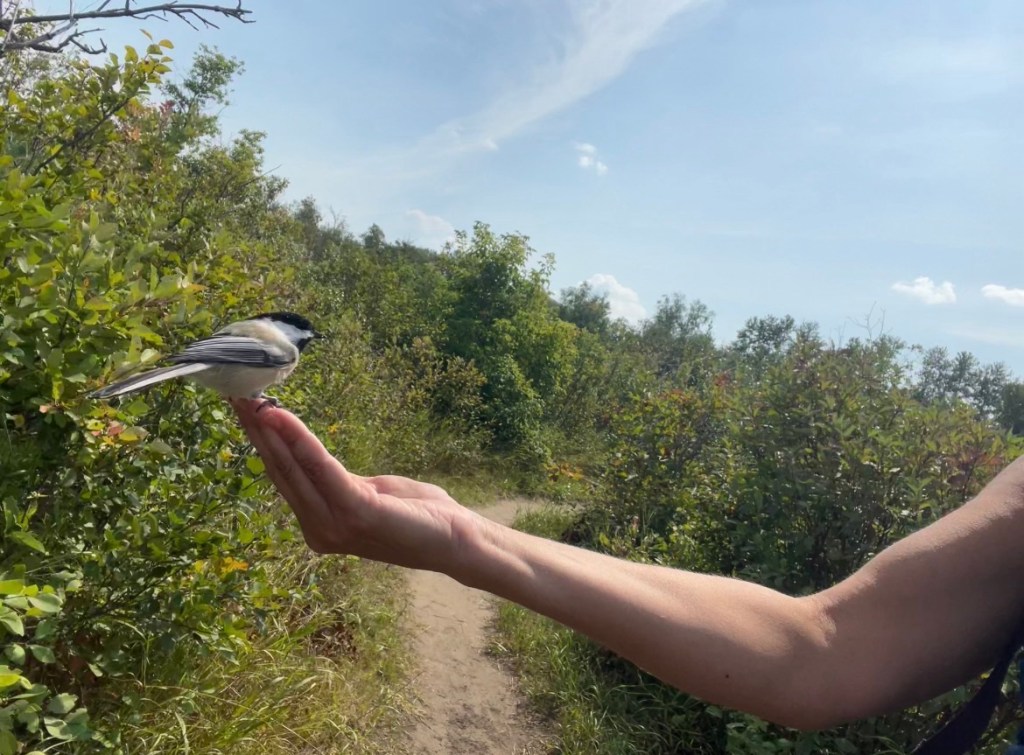
Going hiking and rolling my ankle, spraining various parts and pieces of myself while trying to enjoy the great outdoors. 🥾 😣
These examples are only the tip of the iceberg. They have all happened in the past few months.
I love my family. Most of the time I love my dog. I love hiking.
I do not love constant pain. Therefore, I would like to formally request to be encased in bubble wrap. (Unfortunately my physio says that’s not a viable option either.)

Antara
(Sanskrit) The space between what you feel and what you show.
The problem with explaining pain nobody can see
One of the hardest things about chronic pain is explaining something that doesn’t have an obvious beginning, middle and end.
There is an injury.
There is pain.
There is a scan.
There is treatment.
There is recovery. Hooray!
But when this isn’t the progression.
There is pain, but the imaging doesn’t explain the pain.
Joints are unstable but this doesn’t show up neatly on a picture.
The answer is essentially, Everything looks normal.
When you get stuck in an endless loop of injury, pain, scan. Nothing. Injury, pain, scan. Nothing…
You begin to wonder if maybe you are the problem.
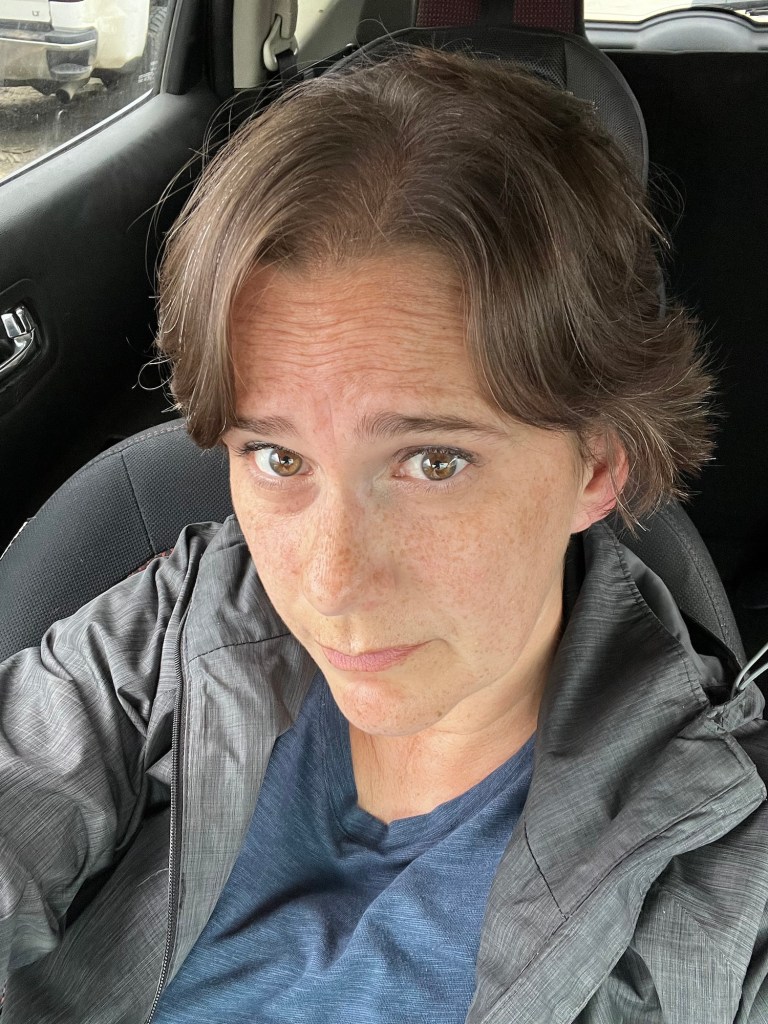
Maybe you’re exaggerating. 🤔
Maybe you’re weak. 😔
Maybe you’re just sensitive. 😢
Maybe you should exercise more. 🏃♀️
Maybe you should exercise less. 😣
Maybe you need to think positively. 😃
Maybe you need to stop thinking about it. 🧘♀️
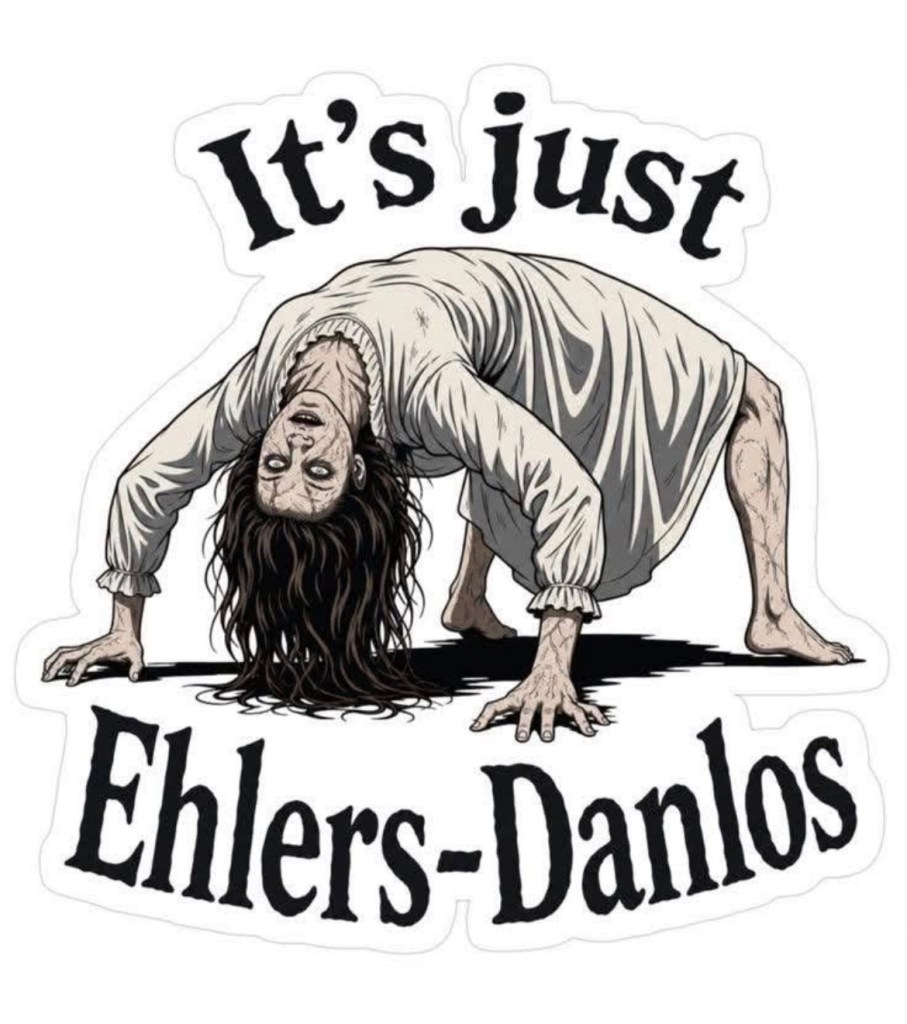
Meanwhile, your body is sitting there like:
I would love to participate in this discussion, but unfortunately my rib muscles are currently screaming so loudly I can’t hear anything else.
A diagnosis doesn’t magically make pain disappear.
But a name can change something.
There is power in having a name
There is something different about being able to say:
I have hypermobile Ehlers-Danlos syndrome.
Instead of:
“Well, I’ve had pain for years, and my joints move too far, and sometimes things come out of place, and my muscles have to work really hard to stabilize everything, and I have all these other weird things going on, and I know it sounds strange, but…”
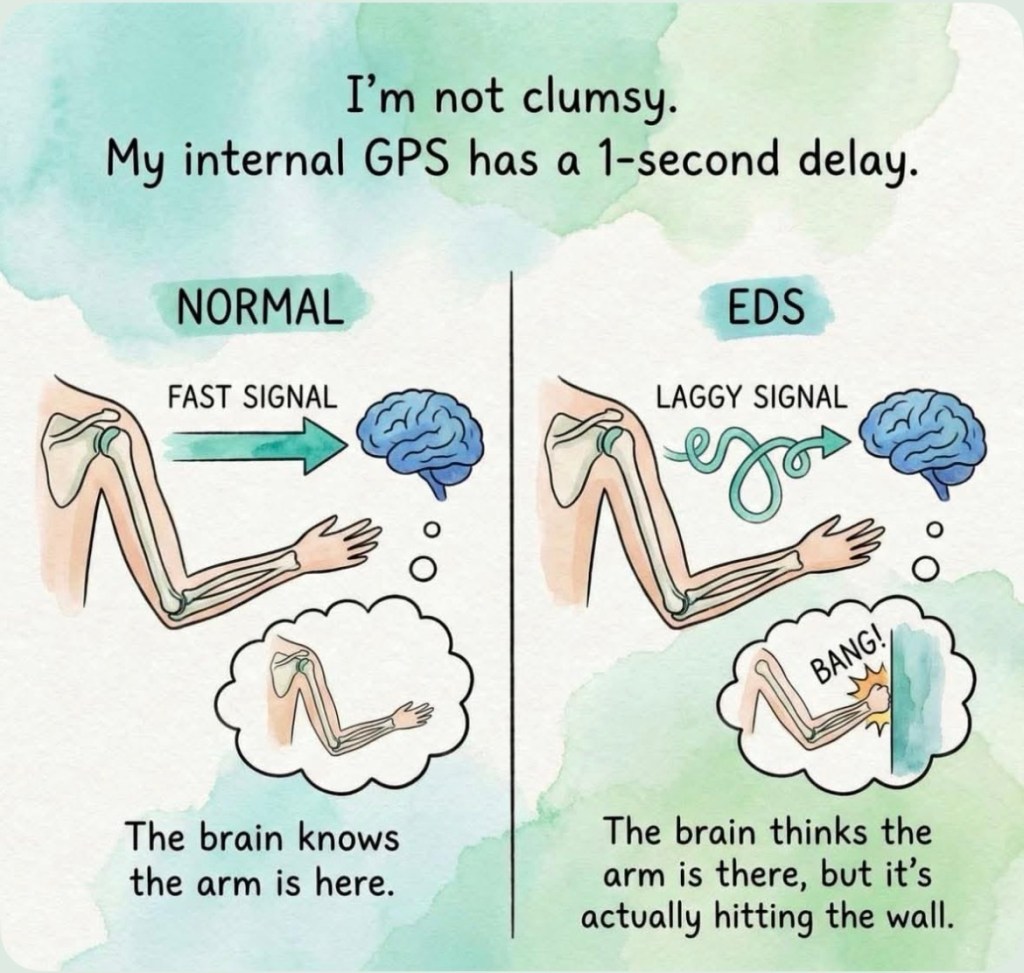
A name is shorter. A name means someone believed you.
A name is understood… sometimes. Which is better than never.
A name gives your experience a place to stand.
It can feel like a credential for suffering. 🪪
Not because suffering needs a certificate. It shouldn’t.
But because there is a difference in saying, This is a recognized condition, instead of feeling as though you have to build a courtroom case every time you describe what your body is doing.

And there is another thing a name gives you:
Other people.
You discover that there are other people who understand why walking across a parking lot can sometimes feel like an athletic event.
People who know what it means to have a joint suddenly become unreliable.
People who have learned the pain in I hurt myself again.
People who don’t need the entire history before they understand the sentence.
There is comfort in that shorthand.
There is camaraderie in saying, Wait, that’s normal?
Skin that flaps under an automated hand dryer. Feeling like your brain is being jostled when you run. Those are normal in some circles?!?
Even the measuring stick is changing
For years, one of the tools used to assess generalized joint hypermobility has been the Beighton score.
It is a nine-point scale based on whether certain joints, such as little fingers, thumbs, elbows, knees and the spine, move beyond particular ranges. Under the current criteria, the score is used as a screening measure for generalized joint hypermobility. (The Ehlers Danlos Society)
But there is a problem with measuring an entire complicated body by asking a handful of joints to perform five tricks.
What about the hips?
The shoulders?
The feet?
The jaw?
What about joints that used to be hypermobile but have become stiffer because you’ve spent years protecting them?
What about the person whose biggest problems aren’t located in the nine places being measured?
Researchers involved in the international Road to 2026 project have been examining these limitations. An expanded assessment that looks at four additional joints is being studied alongside the Beighton score, and the hEDS/HSD diagnostic framework. Even the way generalized hypermobility is assessed is being reconsidered. (The Ehlers Danlos Society)
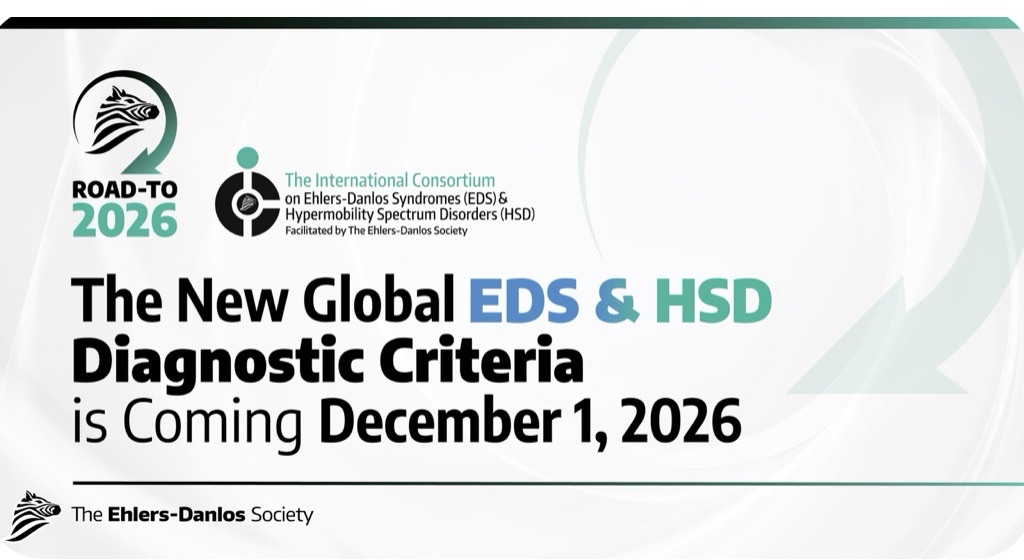
The new international classification is expected to be published in December 2026, replacing the 2017 criteria. The Ehlers-Danlos Society has said the classification publication is scheduled for December 2, with best-practice care guidance expected in March 2027. (The Ehlers Danlos Society)
So even the measuring stick is being re-examined.
I find that hopeful.
I am currently diagnosed with generalized joint hypermobility. But that doesn’t tell the whole story.
I look forward to the updated measuring stick. Not because I need a better score.
But because science is admitting that perhaps the way we’ve been measuring this isn’t telling the whole story.
Sometimes the person doesn’t fit the measuring tool.
That doesn’t necessarily mean the person is wrong.
Sometimes the measuring tool needs work.

A diagnosis doesn’t make you more real
This is something I have to remind myself of.
With the diagnostic criteria change, I don’t suddenly become more or less in pain.
If my score changes, my ribs don’t politely and apologetically fall back in line.
If the medical community discovers a better way to describe hypermobility, my body doesn’t suddenly become easier to manage.
A diagnosis can give language to an experience.
It can open doors.
It can help doctors understand.
It can connect you with other people.
It can change treatment.
It can stop some of the exhausting explaining.
But it doesn’t create the suffering.
The suffering was already there.
A label doesn’t make the pain real. It gives the pain somewhere to be understood.
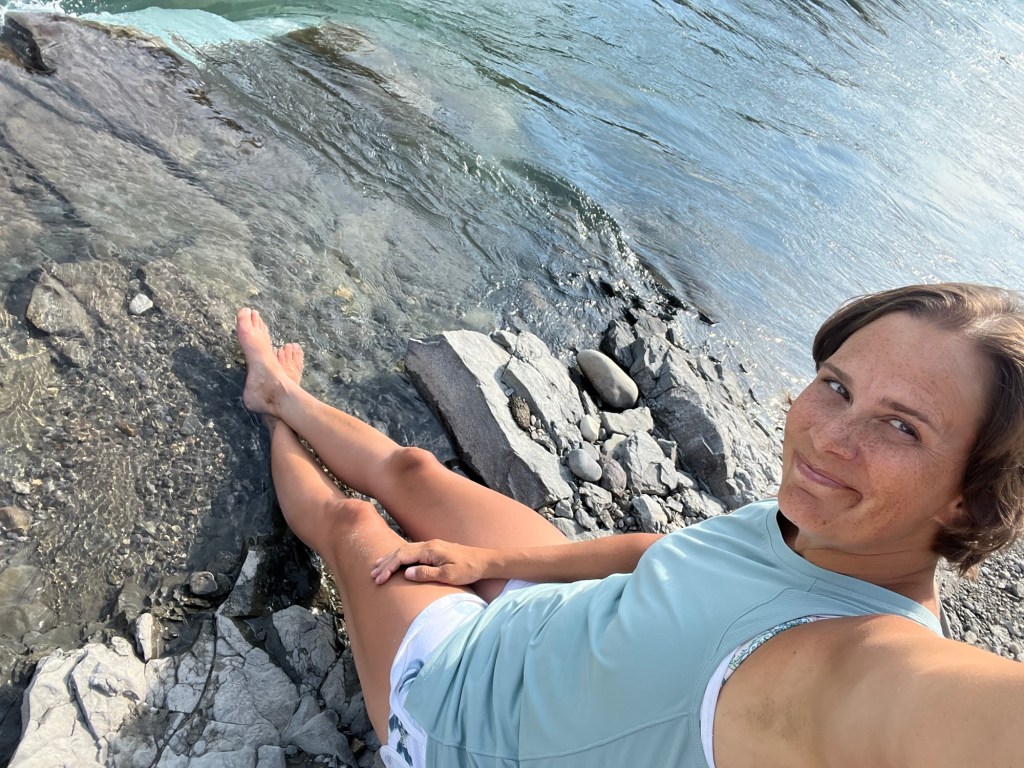
Living on the edge of pain-free
I think this is one of the most striking things about chronic illness.
I don’t necessarily live in constant unbearable pain.
Sometimes I almost feel good. I have gone pain- free for as long as a few days and as short as a few hours after a physiotherapist appointment.
Close enough that I start thinking, Maybe I’m finally getting somewhere.
Maybe this is the week.
Maybe my body is settling down.
Maybe I can do a little more.
Maybe I can hike a little farther.
Maybe I can play a little longer.
Maybe I can just live normally.
And then something happens.
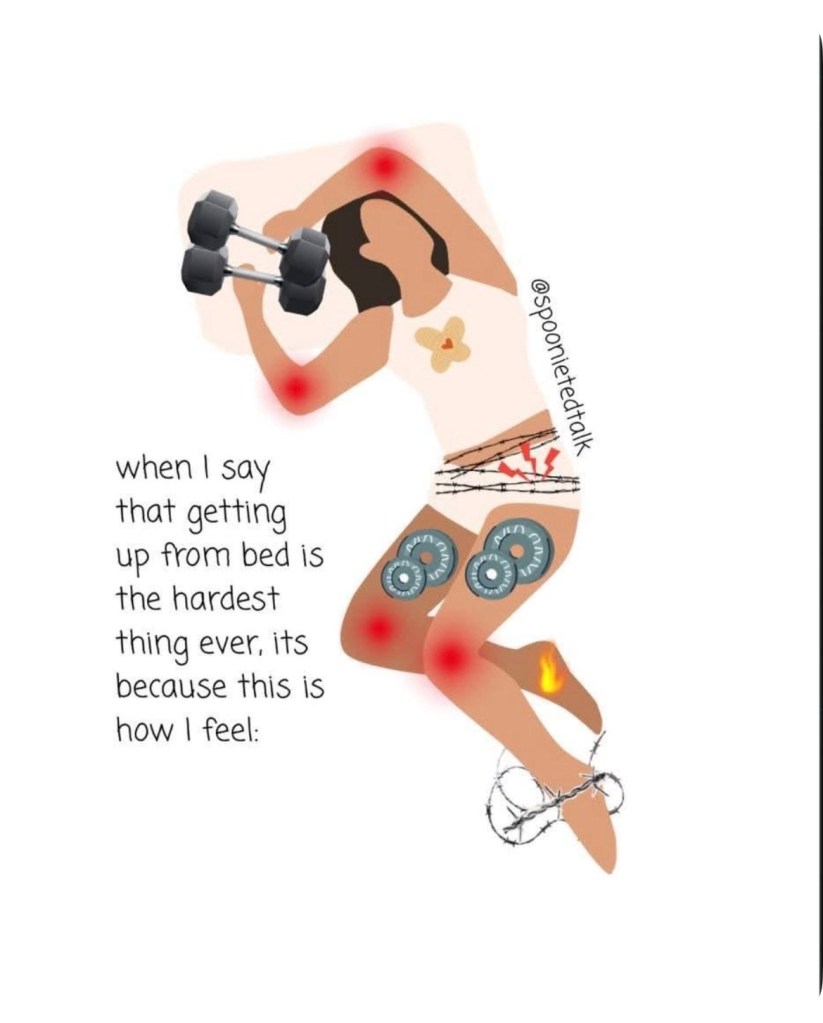
A foot.
A rib.
An ankle.
A muscle.
A joint.
Something reminds me that normal is still a little outside my reach.

I live on the edge of pain-free.
I can see it.
I can sometimes almost touch it.
But I can never quite get there.
Some days this feels draining.
Some days it is really frustrating.
Because I don’t want to spend my life carefully negotiating with my skeleton.
I want to pick up my grandchildren without calculating angles.
I want to walk around someone without wondering whether my foot is going to object.
I want to hike without wondering which part of me will need time to heal after this.
I want to live. Not perfectly. Just freely.
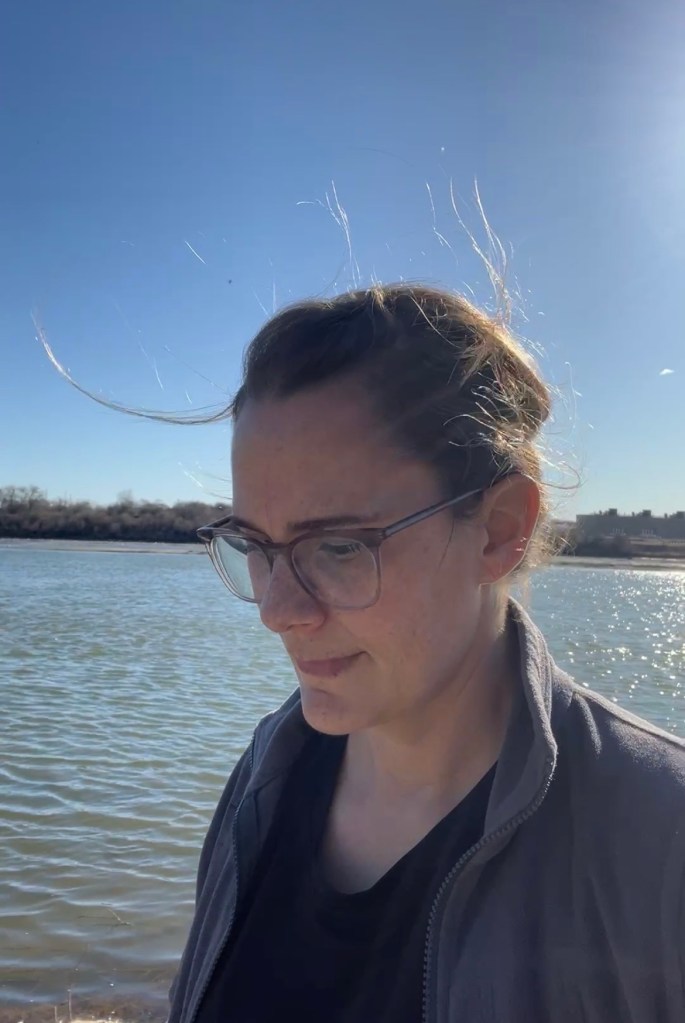
So what does forest therapy have to do with a body like this?
Forest therapy doesn’t ask my body to perform.
There is no gold star for going farther. 🌟
No prize for walking fastest.
No requirement to conquer the trail.
And perhaps most importantly, there is no expectation that I have to force my body into being something it isn’t.
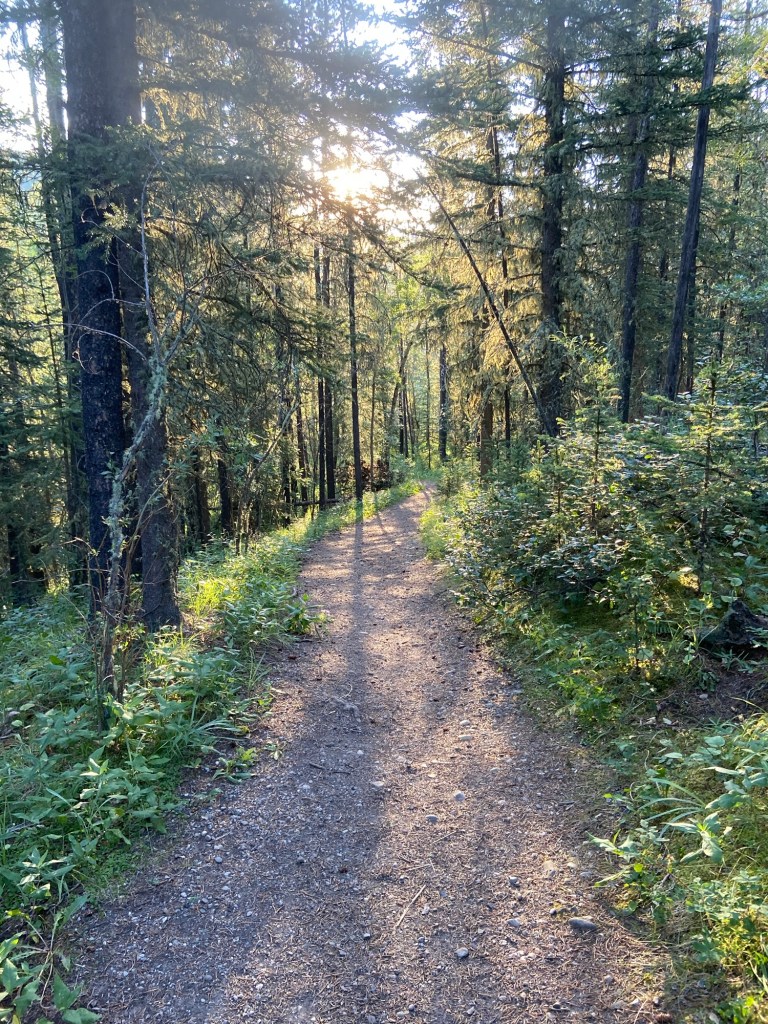
One of my favourite practices for hypermobility is sensory noticing while walking slowly.
Not hiking.
Walking.
There is a difference.
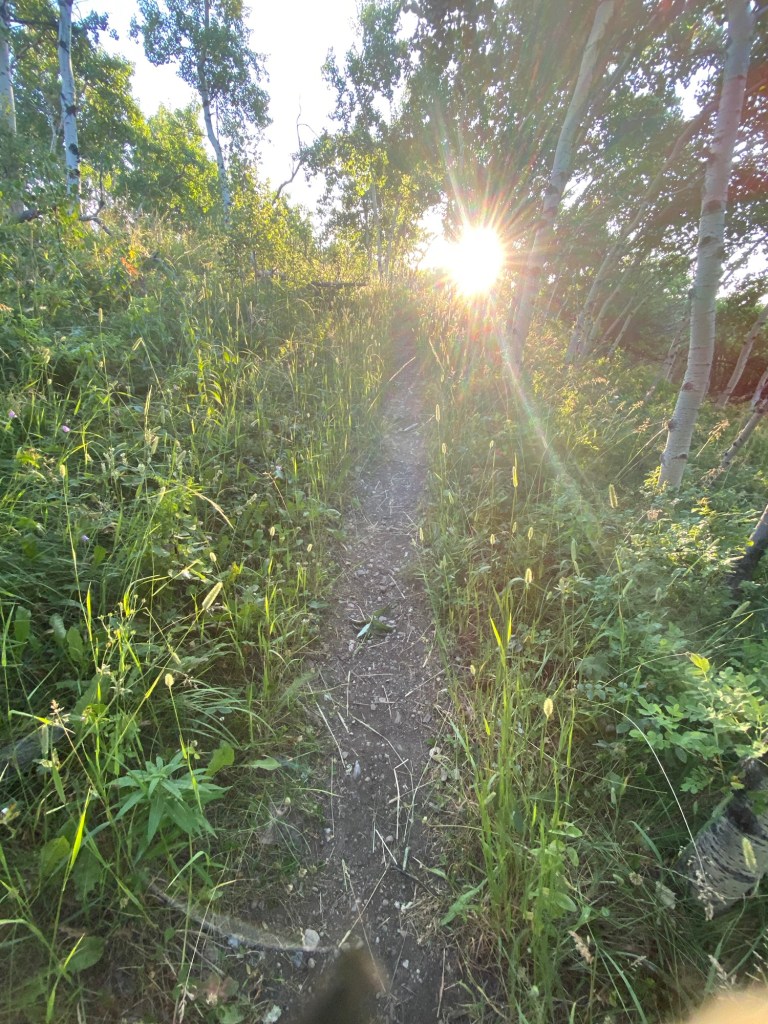
I can take a few steps and notice what my feet are telling me.
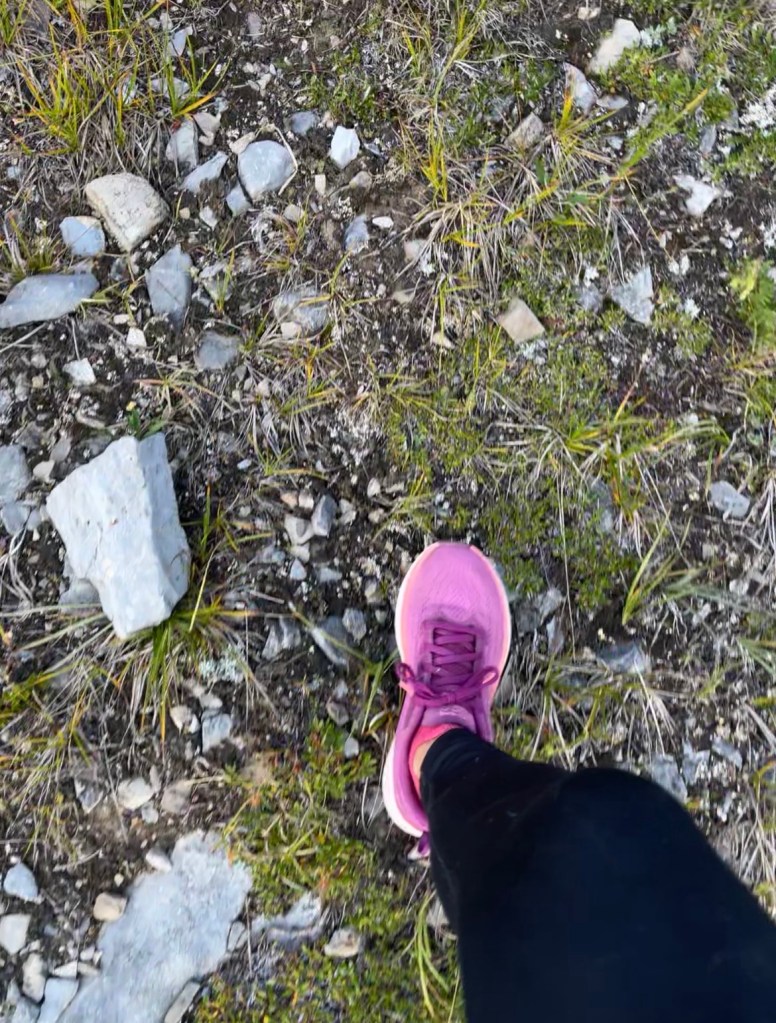
Not to judge them.
Or correct them.
Just notice.
Where is the ground?
What does the trail feel like beneath my shoes?
Am I gripping with my toes?
Am I locking my knees?
Am I holding my shoulders up around my ears?
Is there a place where I can soften?
Can I take one smaller step?
Can I pause?
Can I let the forest set the pace rather than my ambition?
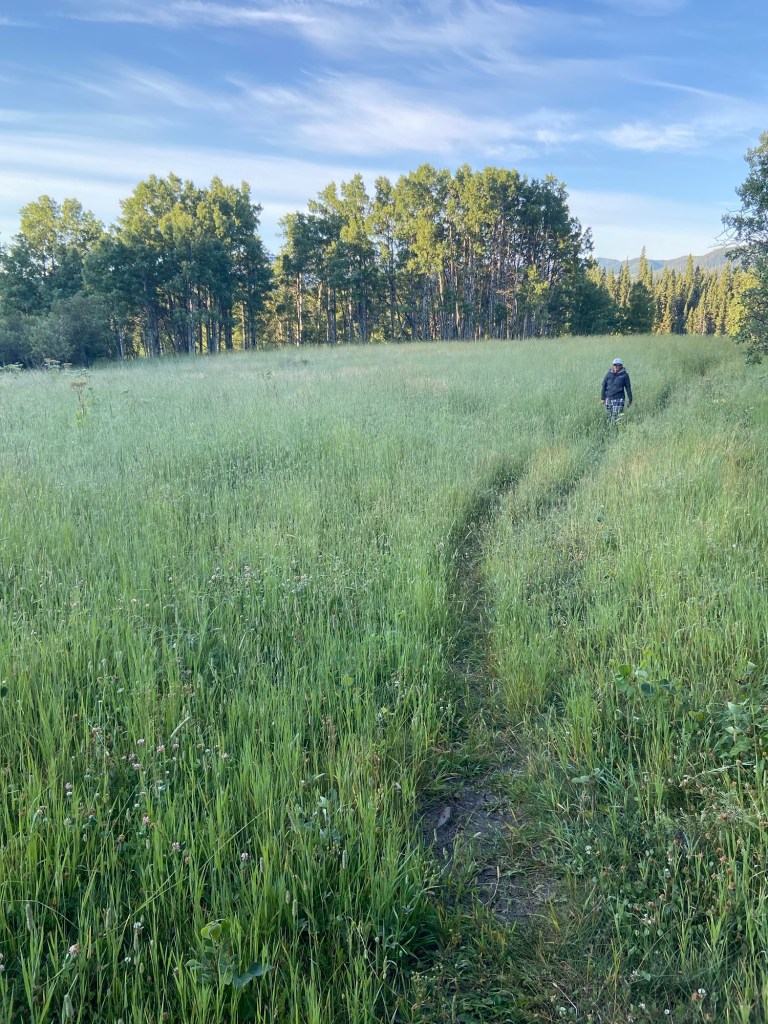
And if my body says, That’s enough, then enough is enough.
Sometimes forest therapy means sitting on a bench while everyone else keeps walking.
Sometimes it means five minutes instead of an hour.
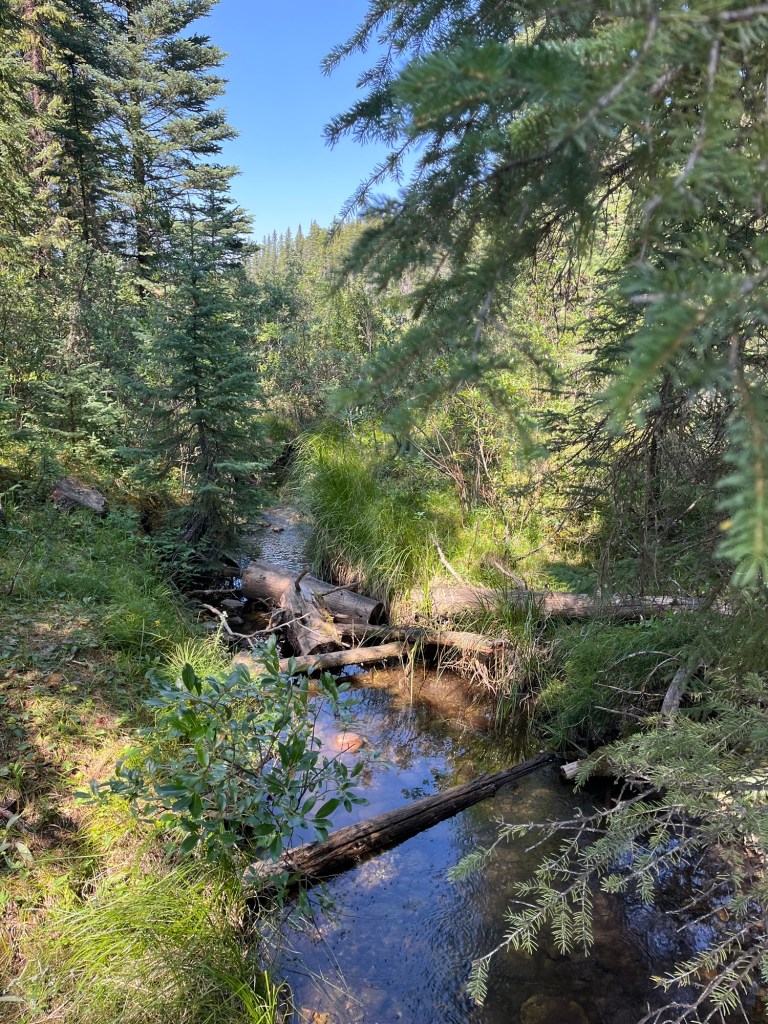
Sometimes it means finding a tree and letting myself simply be near it.
The forest doesn’t seem disappointed in me.
It doesn’t say, You used to walk farther.
It doesn’t say, Try harder. As though I just need a little more motivation.
It doesn’t say, But you look fine. Making me feel like I need to act fine too.
It just keeps being a forest.
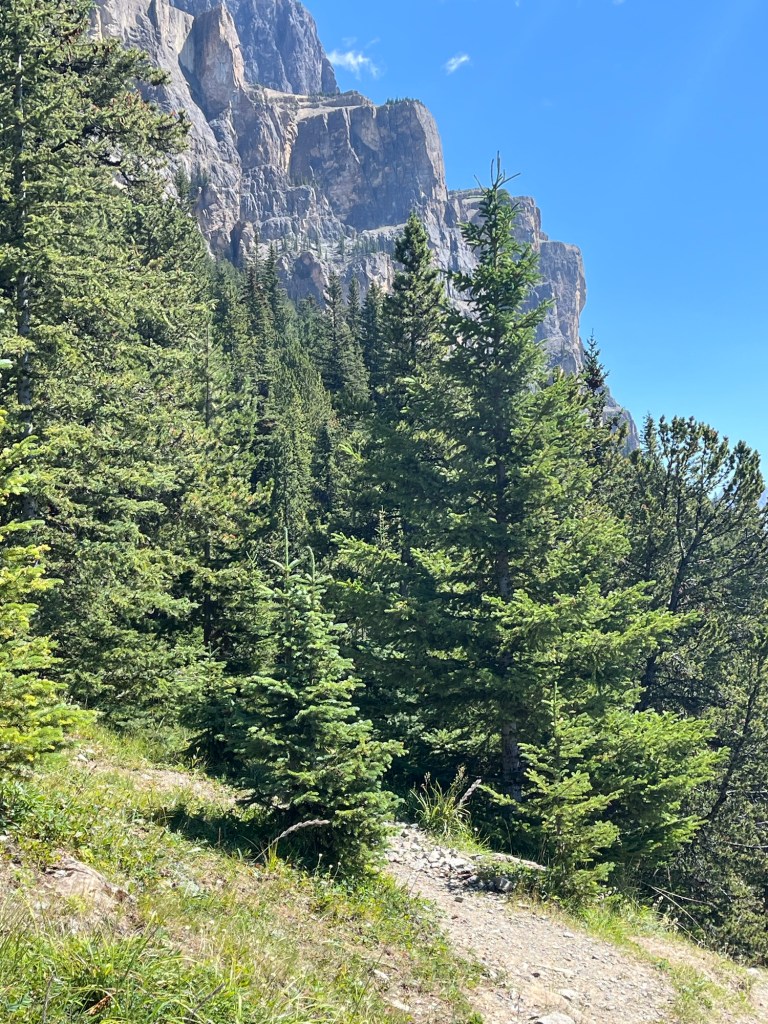
Maybe the goal isn’t to reach pain-free
Maybe the goal is to build a life that still has room for joy while living with a body that requires extra care.
That isn’t giving up. It isn’t settling.
It isn’t saying, Well, I guess this is all my life will ever be.
It is learning a different definition of living.
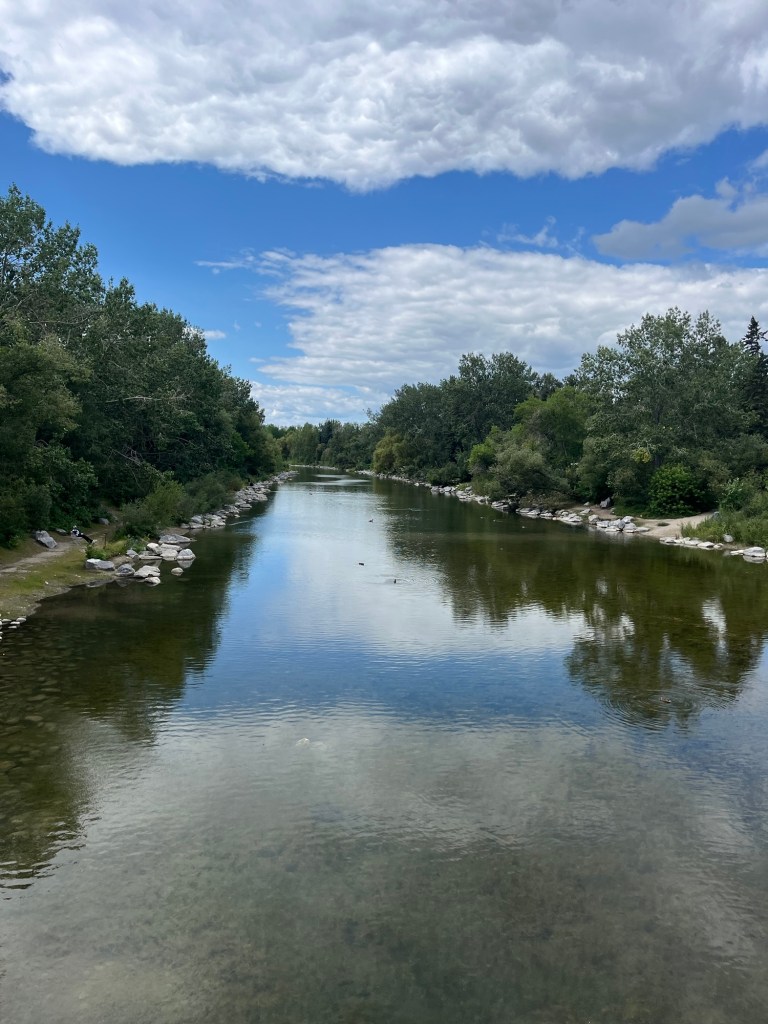
I can be frustrated and grateful at the same time.
I can wish my joints were more reliable and still love the body that carries me through the woods.
I can be tired of pain without being hopeless.
I can want better treatment without believing my life is on hold until I get it.
And I can laugh with my grandson after he accidentally rearranges my ribs.
Eventually. Not immediately. But eventually.
Because sometimes humour is the little bit of space between this is ridiculous and this is my life.
And I want that space. I want the hikes. The grandchildren. The dog. The trees.
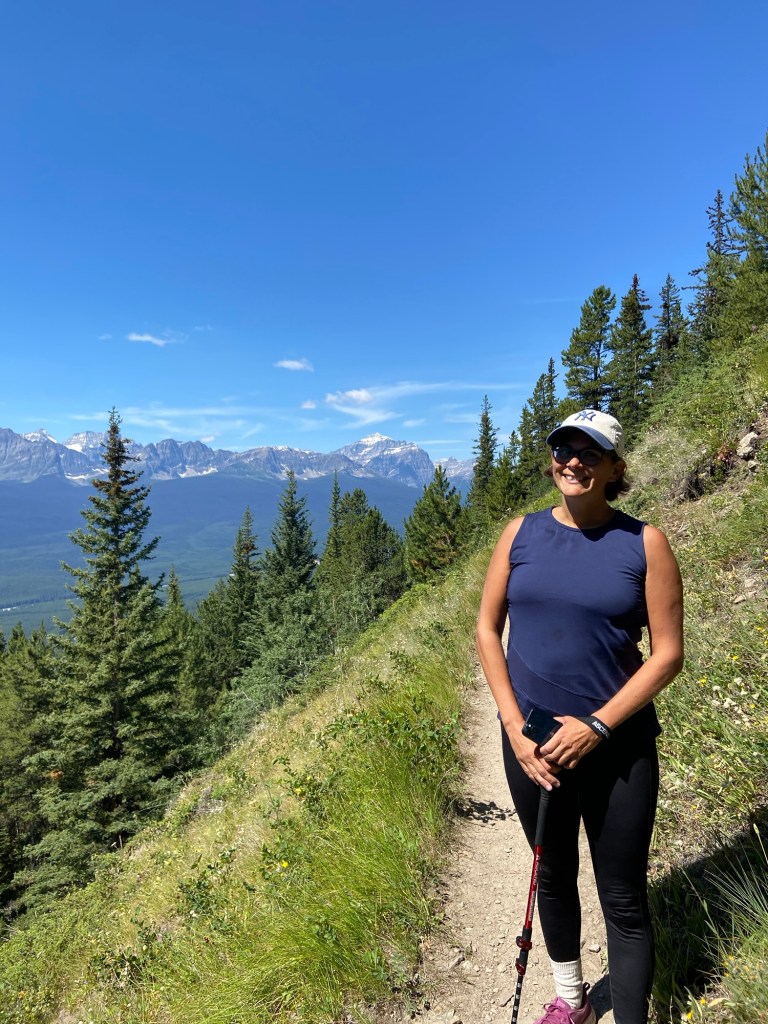
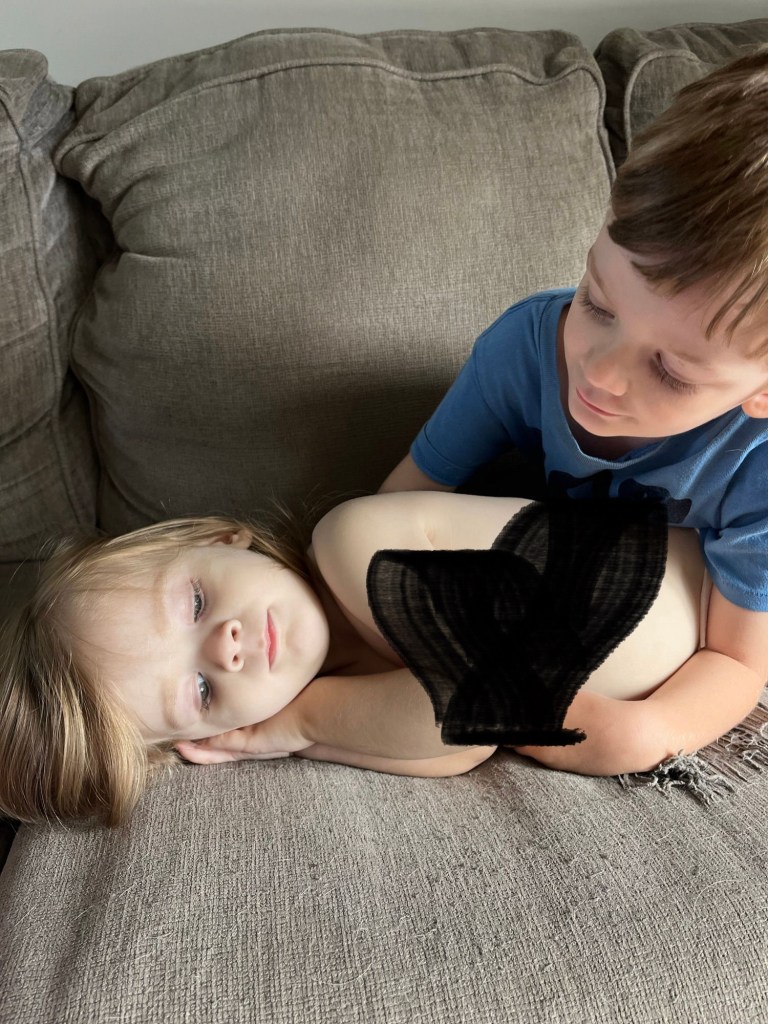
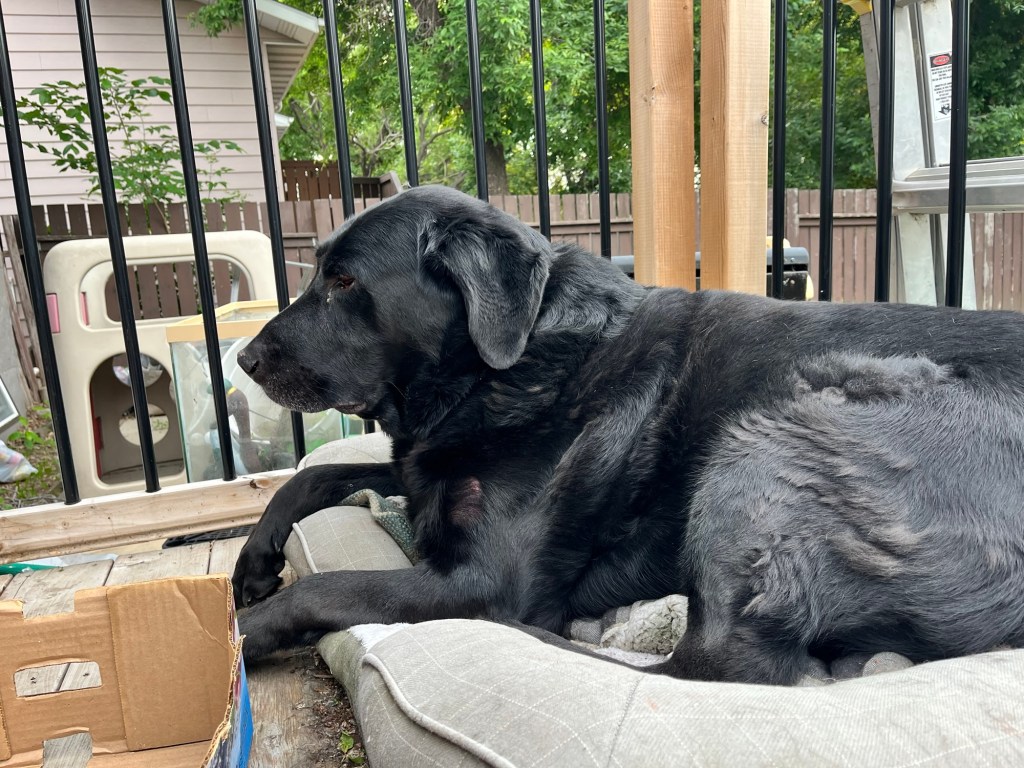
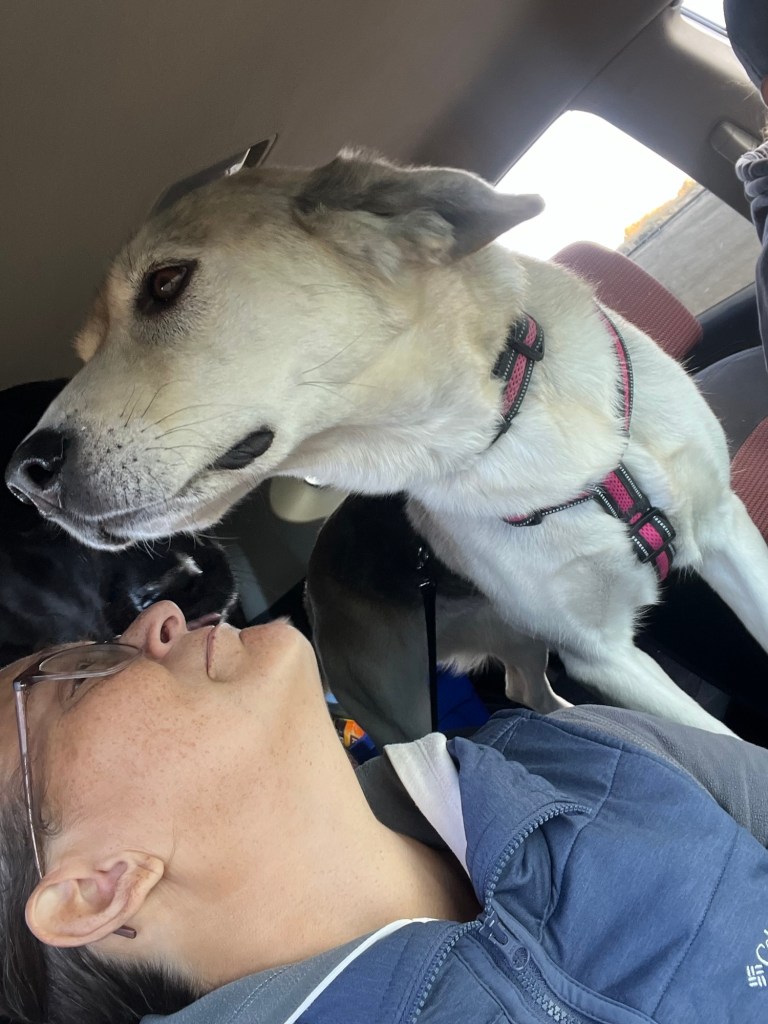
The ordinary moments that don’t require a medical explanation.
I want to keep noticing what my body can do without pretending that what it can’t do doesn’t matter.
Maybe that’s the hope.
Not that one day my body will become uncomplicated.
Maybe the goal is simply to stop waiting for a pain-free life before recognizing that a meaningful one is also valuable.
My body may keep moving the goalposts. I’m learning that I can still choose to keep getting up.
And for today, that’s enough.
Note: This post is about my lived experience and is not medical advice. Hypermobile EDS and other hypermobility conditions are complex, and diagnosis should be made by an appropriately qualified healthcare professional. The international EDS/HSD diagnostic criteria are being updated in 2026, so some of the information and terminology around diagnosis may change when the new classification is published. (The Ehlers Danlos Society)