What Does My Soul Need Today?

I have a confession.

I hear the word retreat and my brain starts packing a bag.

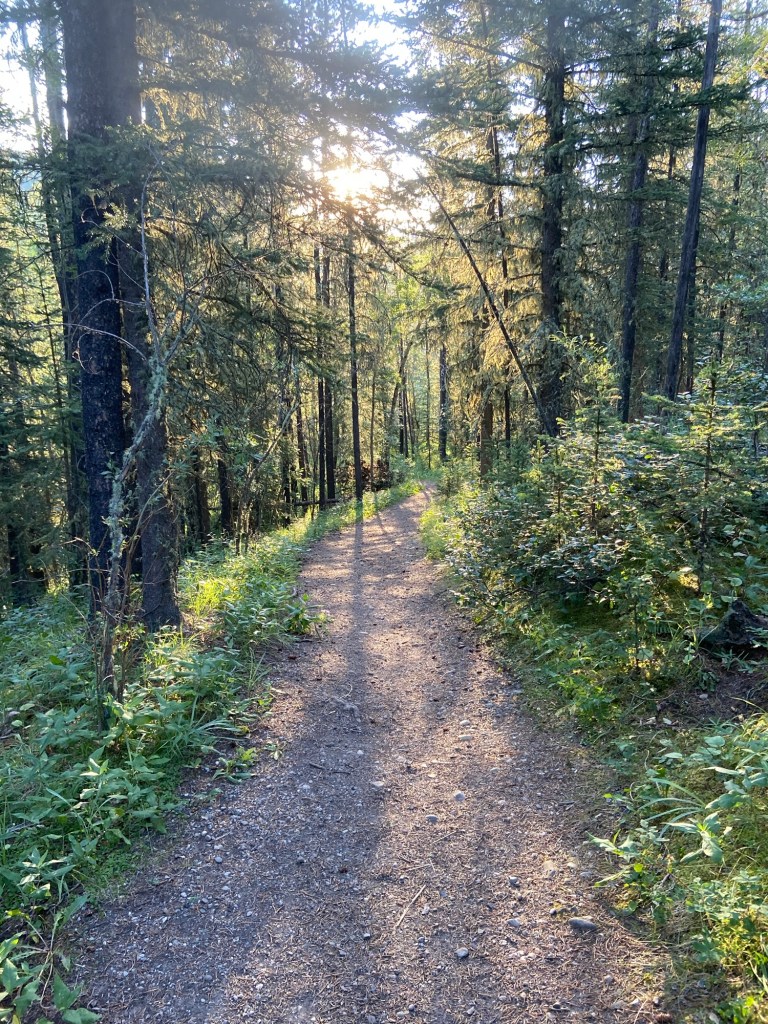
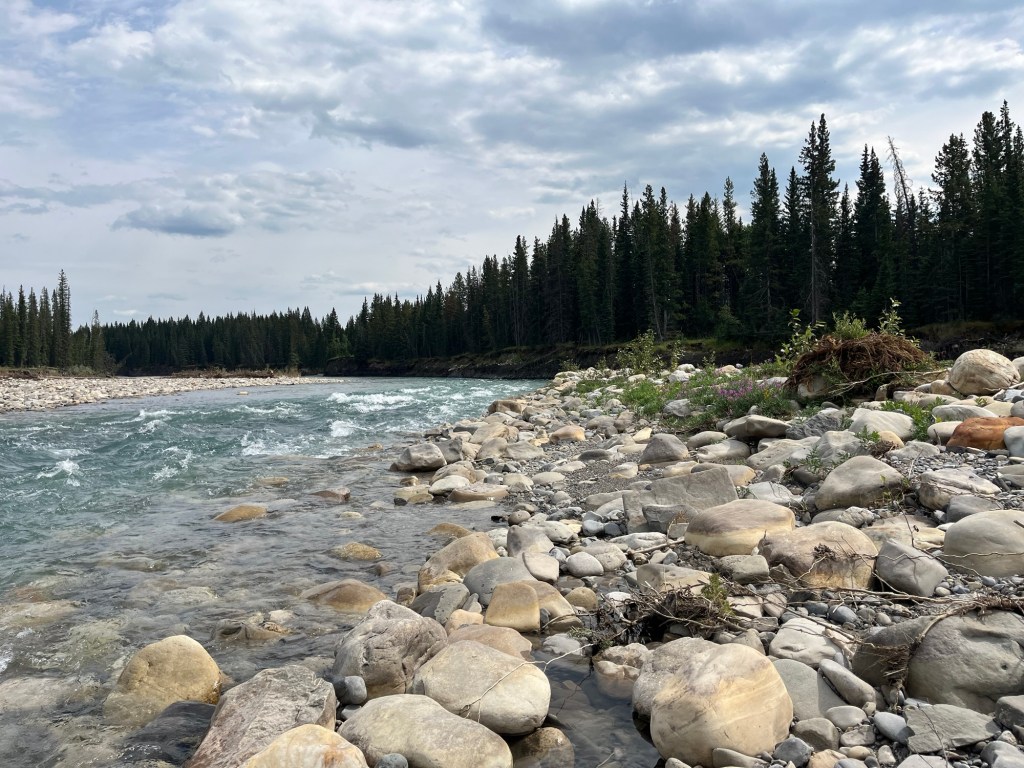
Preferably for somewhere with trees, a mountain, a few trails and nobody asking me what’s for dinner.
A retreat sounds lovely.

It also sounds like something that requires time, money, planning, a reservation, and quite possibly a whole new wardrobe.

But what if retreat doesn’t have to be a big event?

What if it can be ten minutes? A half hour? Or an afternoon?

What if you don’t have to go anywhere?

I’ve been reading Caroline Sylge’s How to Retreat, and I love the idea that retreat can be much more accessible than we tend to make it. A retreat can be a deliberate step away from the noise of ordinary life, and it can look very different depending on what you need.

Which got me thinking about a question I probably need to ask myself more often:

What does my soul need today?
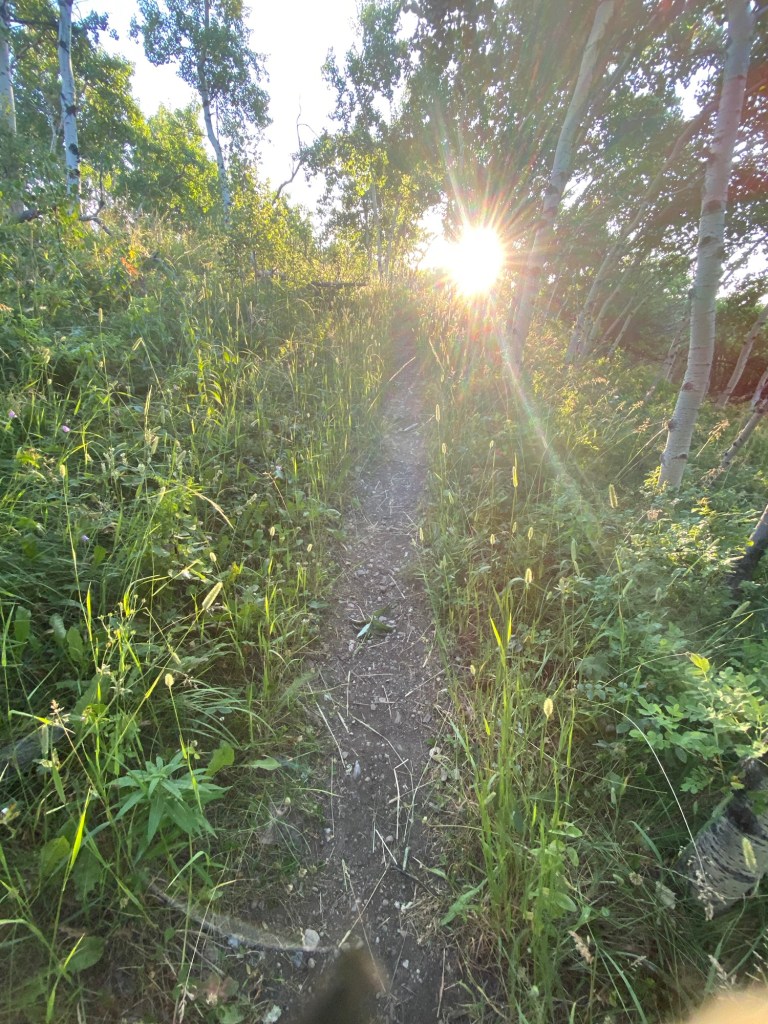
Not what does my calendar say? Not what am I behind on? Not what would make me feel impressively productive?

What does my soul need today?

And sometimes the answer is surprisingly simple.

Āloka

Sanskrit and Pali. Meaning light, brightness, vision or enlightenment. When something inside you finally becomes clear.

Yesterday, apparently, my soul needed to get rained on.

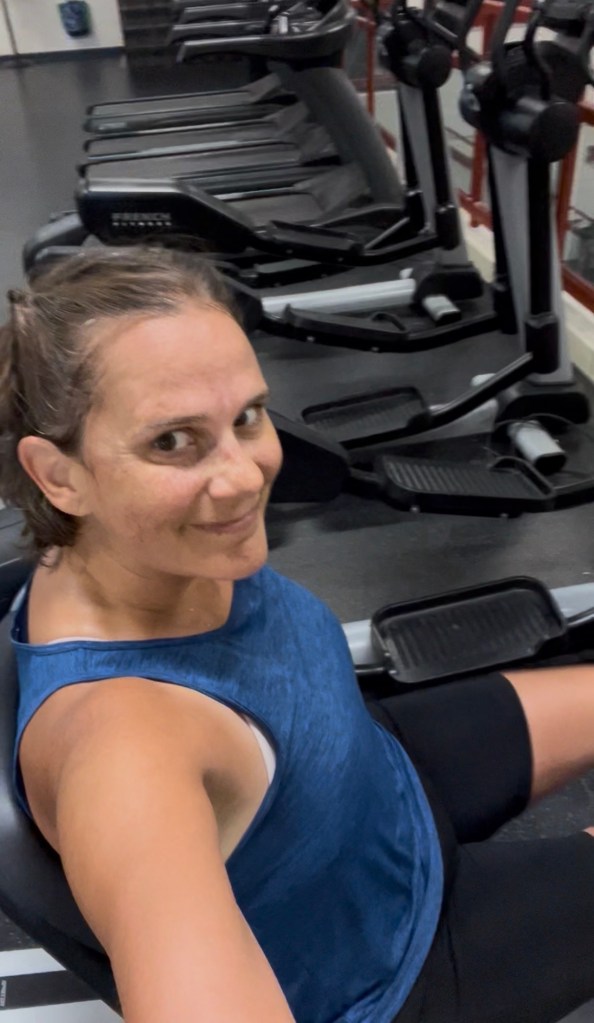
I woke up thinking I should go to the gym.

That meant walking there, working out, and walking home again.

Then I looked outside. It was cloudy and raining.

My immediate response was something along the lines of, Excellent. Perhaps I shall simply allow these blankets to absorb me.

But eventually I got myself moving. Rain gear on. Out the door.

Only a few minutes from home, I noticed something. I was enjoying the rain. I could feel it on my hands. I could hear it hitting my hood. The air smelled different. The whole world seemed quieter.

By the time I reached the gym, I was more than ready to move.
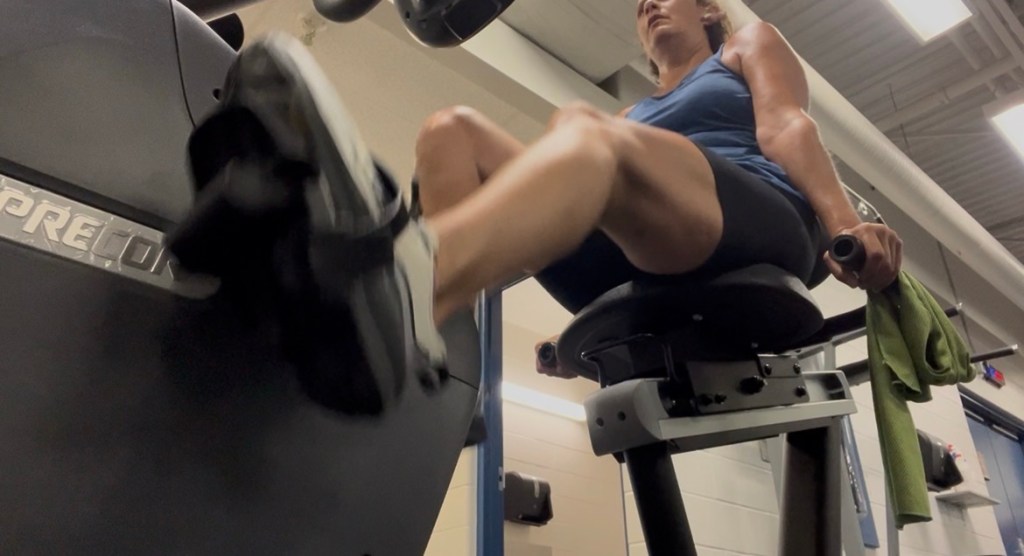
I hadn’t needed to convince myself. I just needed to get outside long enough for my nervous system to catch up with the plan.

Sometimes we don’t need a retreat just a walk in the rain on the way to the gym. And sometimes we need the gym.

That’s the tricky thing about asking what your soul needs.

The answer isn’t always rest.

Sometimes it is movement. Adventure. Solitude. People. A nap. Fresh air.

The micro-retreat

I think this is where the idea of a micro-retreat joins well with the idea of forest therapy.

We have somehow managed to turn rest into another achievement.

Apparently we need the perfect location, the perfect playlist, the perfect journal, the perfect candle and three uninterrupted hours to properly relax.

I would like to formally announce this is unnecessary protocol.

Your retreat can be tiny. You could put a plant on your desk. Turn on a little water feature. Put your phone somewhere you can’t see it.

Sit there for ten minutes. Listen. Look. Breathe.

That’s it!

You have not travelled anywhere. Your bank balance remains unchanged. No achieved enlightenment. But you stepped outside the usual stream of demands.

That counts.

And tomorrow, your retreat might look completely different.

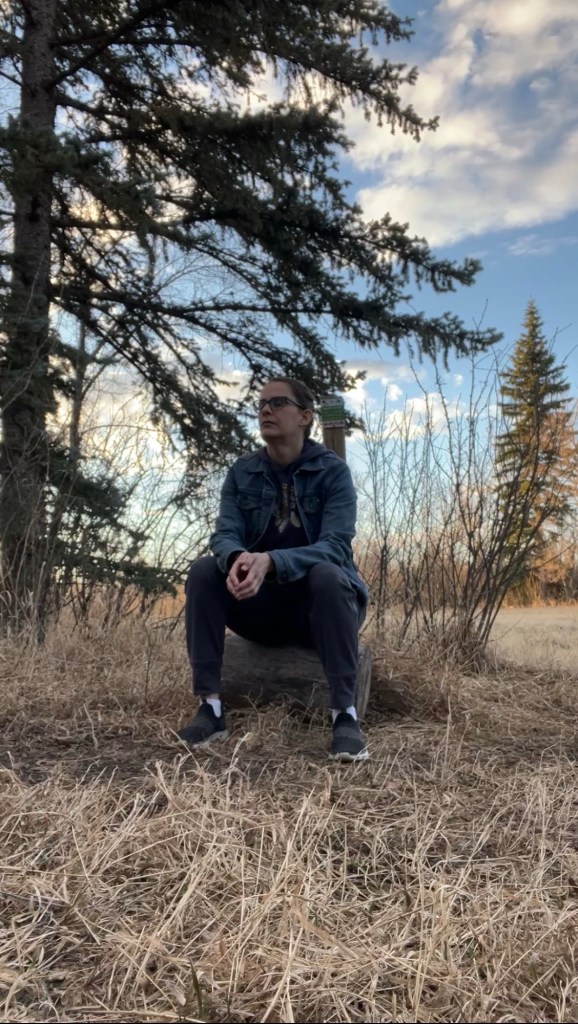
Maybe you need to sit in a cozy chair and read. Or wander for thirty minutes through a park while the leaves are turning. Perhaps you have enough energy for a three-hour mindful walk through the forest. Or just enough energy to sit on a bench and watch water move.
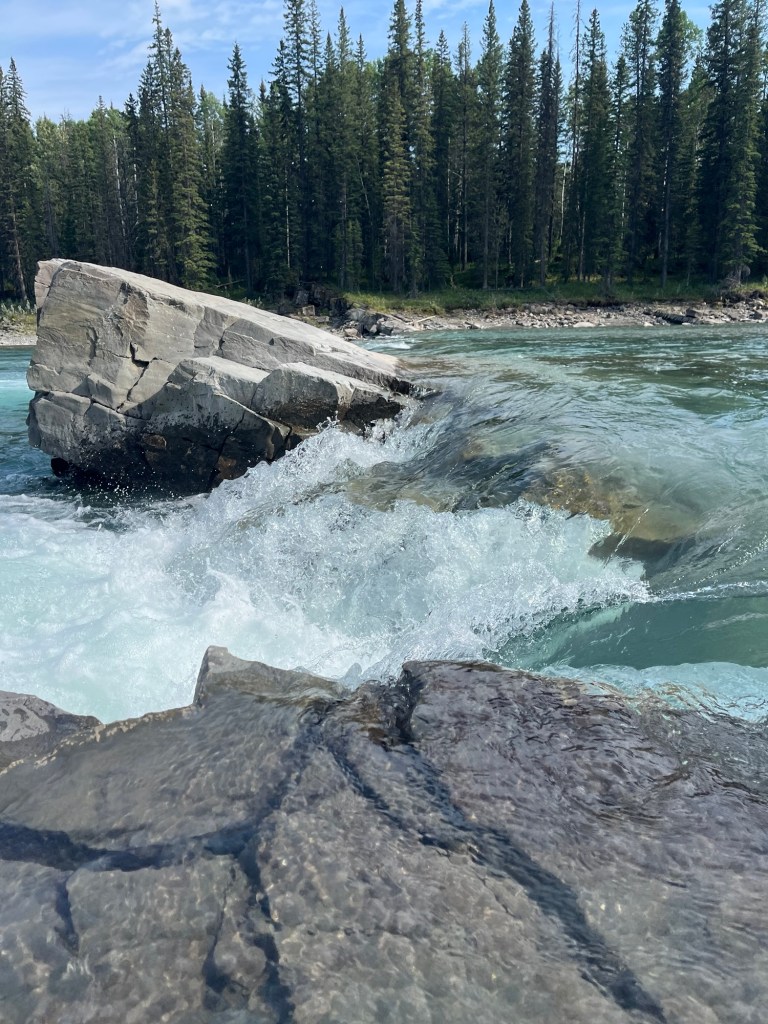
All valid needs.

Forest therapy makes room for all of this

One of the things I love about forest therapy is that there isn’t a mileage requirement.

Nobody hands you a medal at the end because you managed to walk seven kilometres while being mindful.

You don’t have to conquer the forest. You don’t even have to walk very far.

The forest isn’t a treadmill with better scenery. It’s an invitation to slow down and notice.

And the beautiful thing is that you can scale that invitation to whatever your life (and your body) can manage.

Nature can be a forest. It can also be a tree outside your door. A houseplant. A garden. Rain on your hood. The sound of a creek. Ten minutes watching birds. A patch of grass.
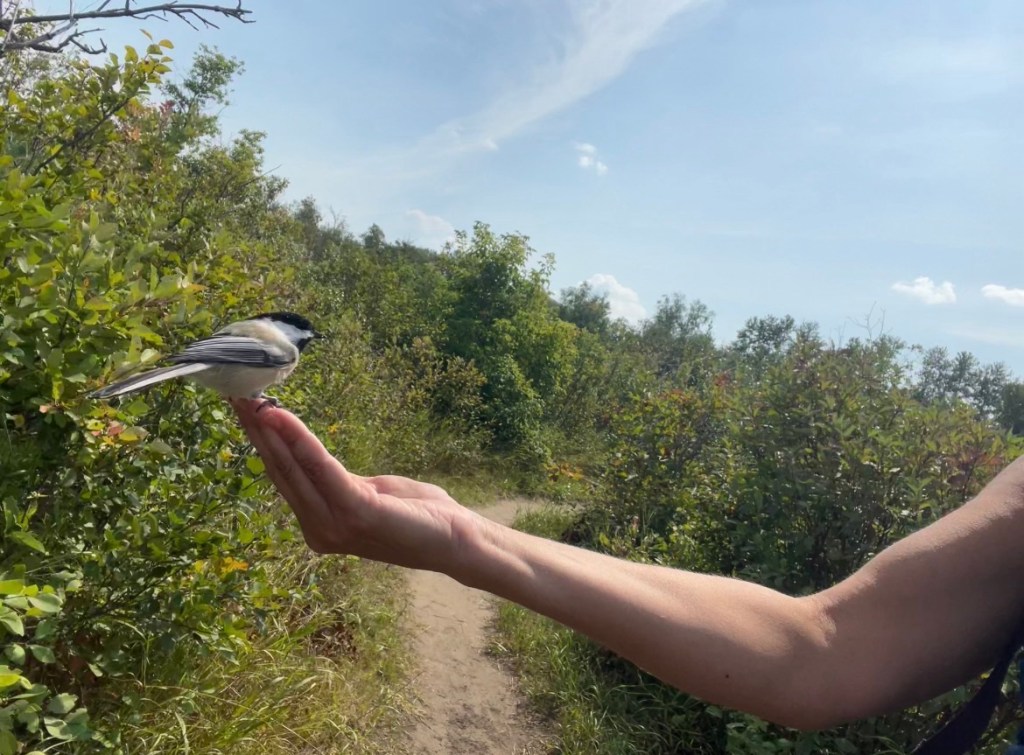
There is some pretty fascinating neuroscience behind this.

We don’t have to make nature complicated. Sometimes we just need to stop long enough to realize it is there.

Your brain might thank you

Our brains spend a tremendous amount of time directing attention, filtering distractions, making decisions and responding to demands.

Nature seems to give that hard-working attention system a bit of a vacation.

Researchers call one part of this soft fascination.

Instead of forcing yourself to concentrate on something, your attention gets gently captured by things like moving leaves, clouds, birds, water or sunlight.
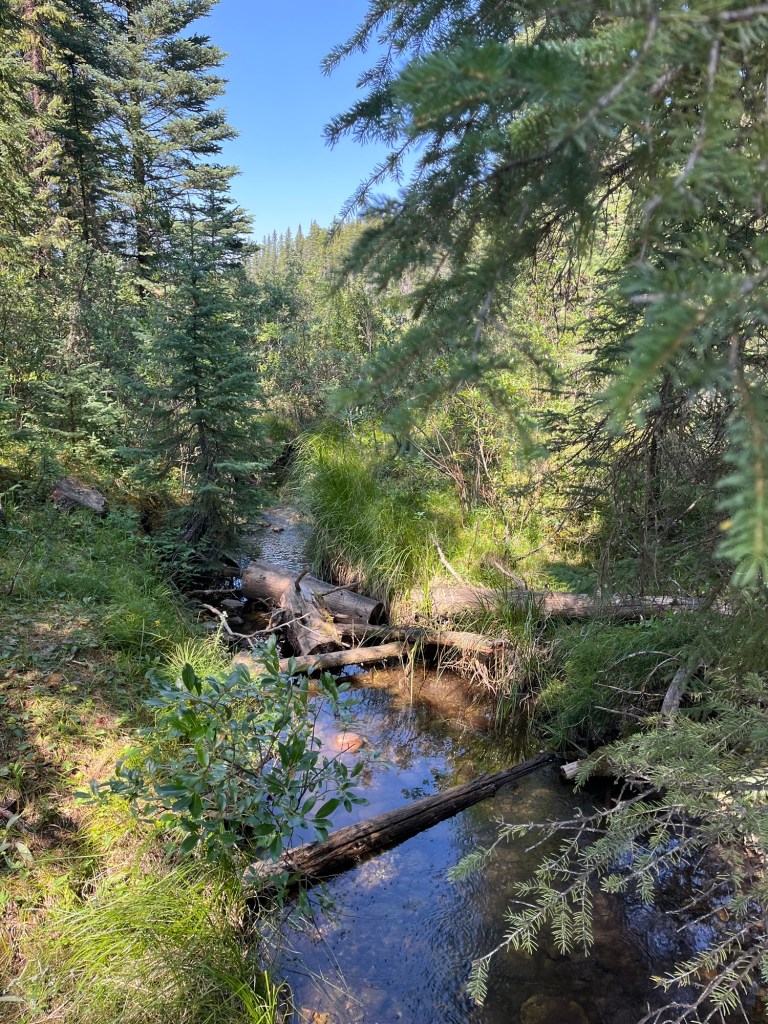
You aren’t doing nothing. Your brain just isn’t working quite so hard at doing everything.

A 2025 systematic review and meta-analysis found that nature exposure was, on average, more cognitively restorative than non-nature exposure, particularly for working memory and attentional control. Interestingly, around 30 minutes appeared to be a particularly useful window in the studies they examined.

And a 2026 review looking across 108 neuroimaging studies found evidence of changes in brain networks involved in stress, attention and self-referential processing following exposure to natural environments.

Now, before we all start dumping our meds out the window, putting a houseplant beside our bed and declaring ourselves neurologically healed, a little caution is appropriate.

This is promising research, though not a magic prescription.

Studies differ in their methods, environments and participants, and researchers are still figuring out exactly what kinds of nature experiences work best, for whom, and for how long.

But the evidence is increasingly pointing in an interesting direction:

Getting away from the constant demands on our attention may actually give our brains some room to recover.
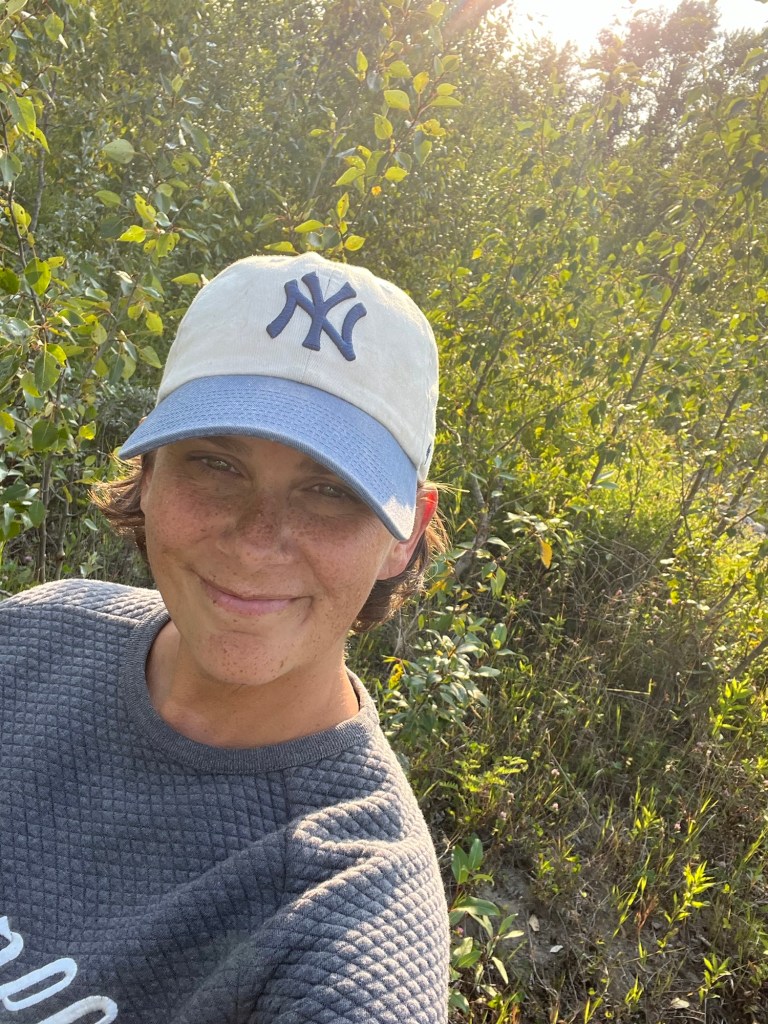
And I will happily take more reasons to go sit in the sun.

What if creativity is the point?

Unused creativity is not benign. It metastasizes. It turns into grief, rage, judgment, sorrow, shame.

-Brene Brown

This is another part of Sylge’s thinking that really caught my attention.

Creativity can be part of the retreat.

But it can also be what comes out of the retreat.

Sometimes you retreat because you need to write.

Other times you finally get quiet enough for the idea you’ve been carrying around in your head to come knocking.

Maybe you take photographs or write or sketch or paint.

Maybe you start noticing colours, shapes, textures and tiny details you normally walk straight past.

You don’t have to be an artist. You don’t have to produce anything profound.

Take a picture of a leaf because you like the way it looks. Write three sentences. Draw a tree that looks like a potato. It’s okay! The potato tree has value.

The point isn’t necessarily to create something impressive.

The creative act may simply be another way of paying attention.

And sometimes, when we stop trying so hard, something unexpectedly creative finds its way through.

My Micro-Retreat Menu

So, if you are wondering what retreat might look like today, here are a few possibilities.

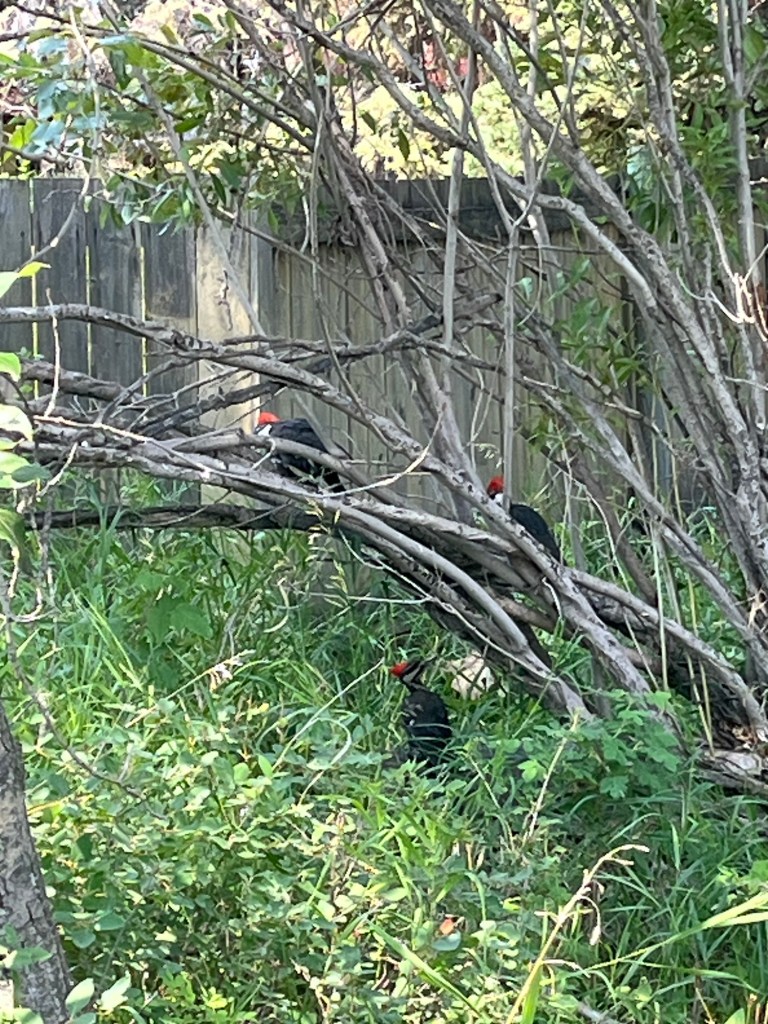
🌱 5 minutes: Find one living thing. Look at it properly. Notice something you’ve never noticed before.

💧 10 minutes: Sit beside water. Real water is excellent. Tiny tabletop water feature? Also acceptable.

📖 20 minutes: Make yourself a cozy space and read. No multitasking. No “I’ll just check one thing.”

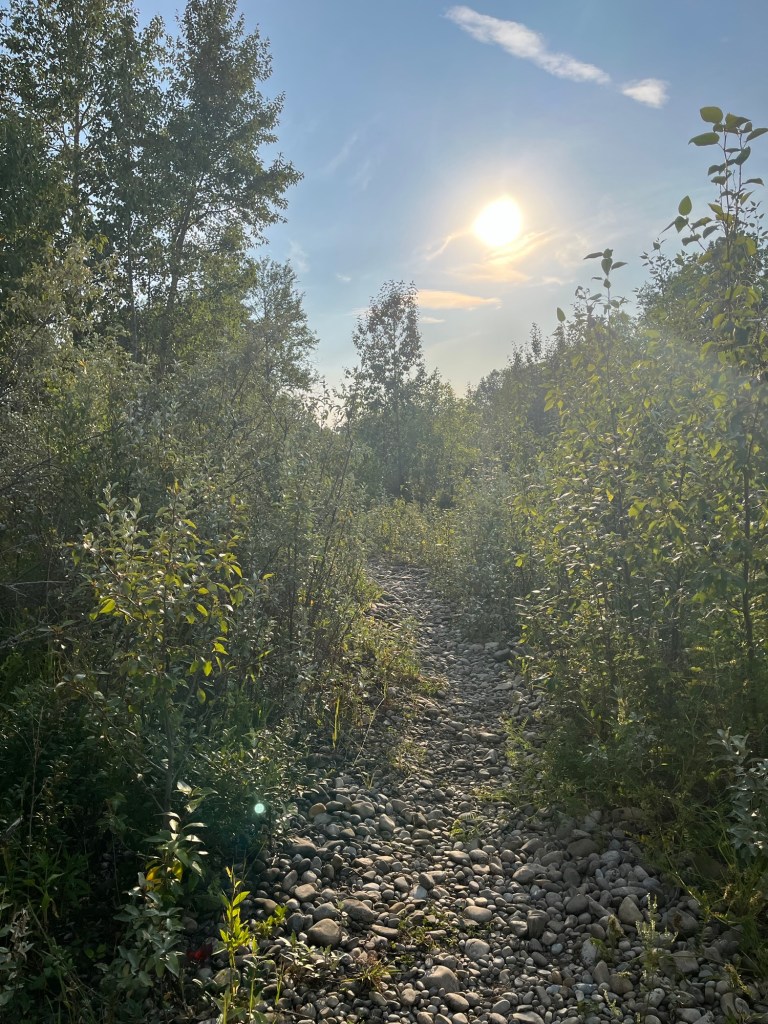
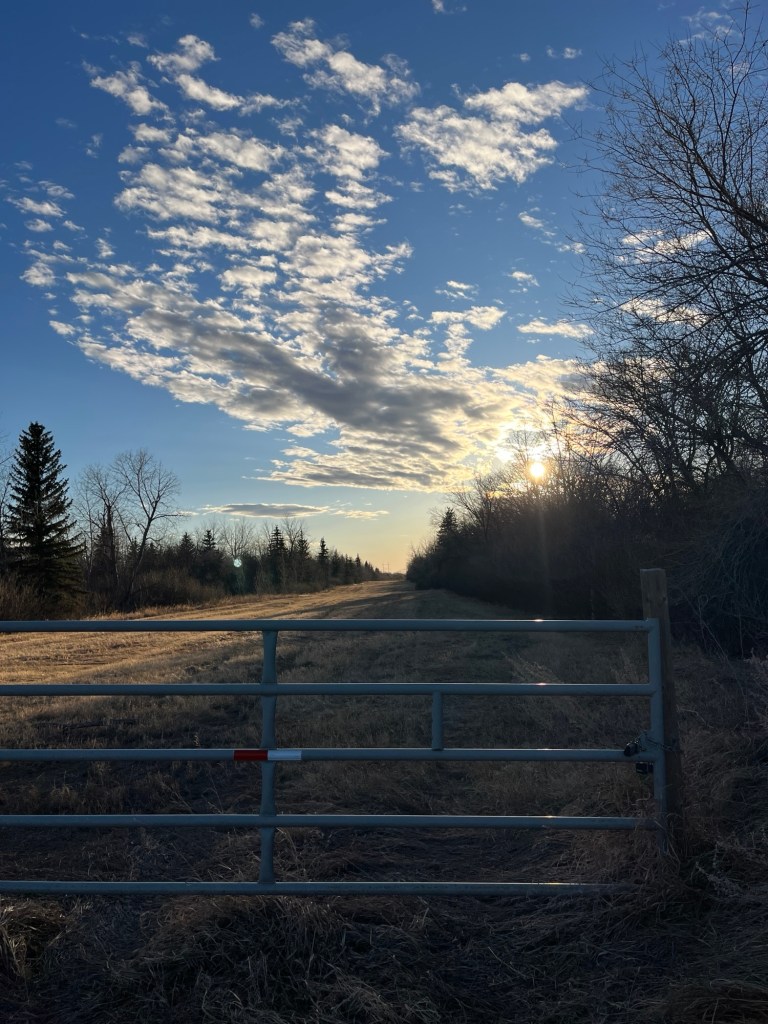
🍂 30 minutes: Take a slow seasonal wander. Notice what has changed.

📷 45 minutes: Take your camera and photograph whatever catches your attention. No theme required.

🎨 60 minutes: Write, draw, photograph, paint, collage, doodle. Follow your curiosity.

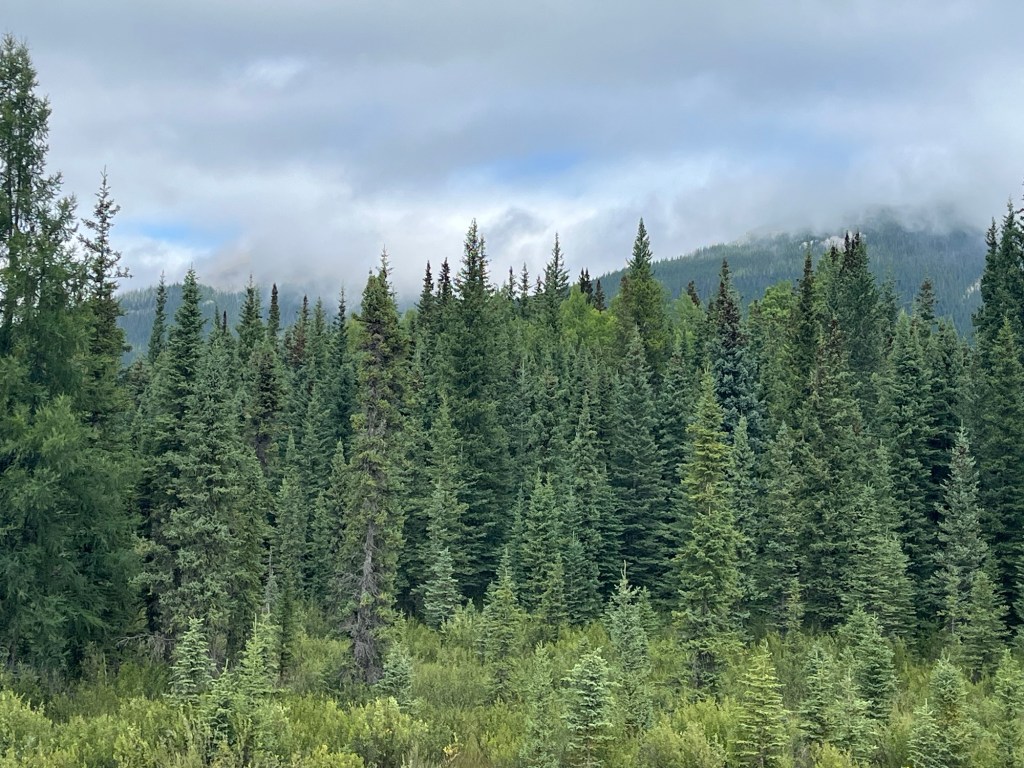
🌲 2–3 hours: Go into the forest. Walk slowly. Sit down. Listen. Notice. Journal. Rest. Let the experience unfold instead of trying to accomplish it.

And then there is:

🛋️ The “my body has voted” retreat: Stay home. Make tea. Read. Listen to rain. Look out the window. Rest without turning it into a failure.
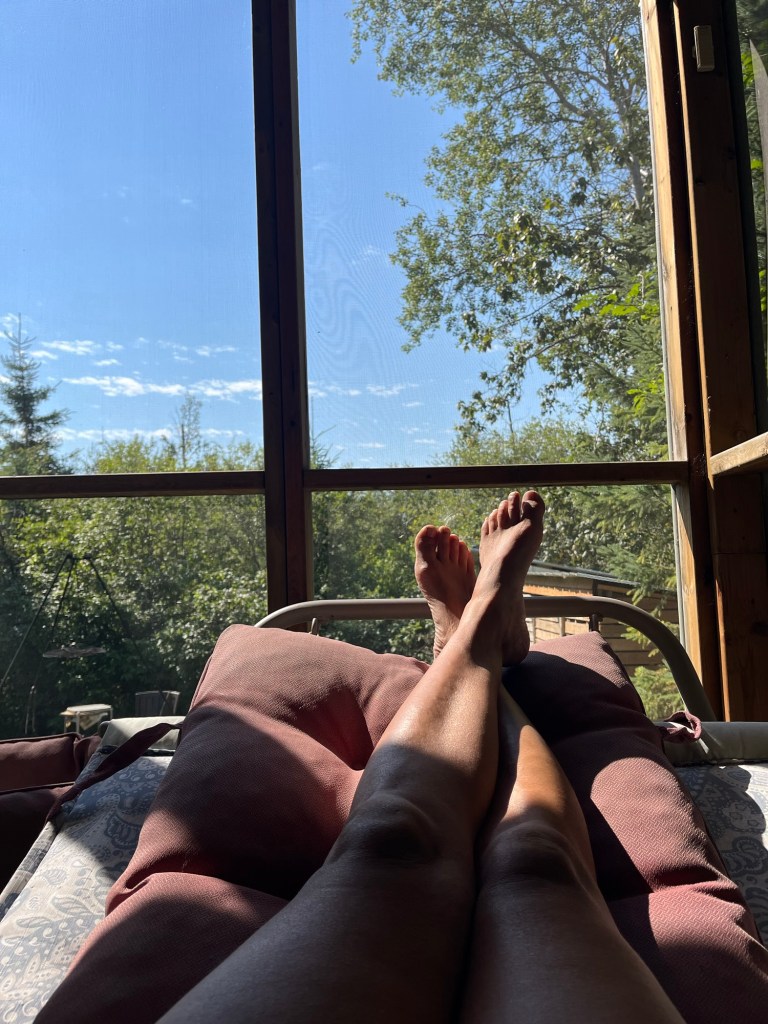
Because sometimes the most mindful thing you can do is listen when your body says no.

Aging is when your brain says, “We ride at dawn.” And your body says, “We absolutely do not.

Retreat so you have something to give

There is another aspect of this that I think gets overlooked.

We don’t retreat only so we can feel better. Sometimes we retreat so we can return. Because when we’re depleted, we don’t have much left to offer anyone.

Our patience gets shorter. Our creativity dries up. Everything feels like one more demand.

And sometimes we need to step away. Not because we don’t love people, but because we do.

I’ve written about this before in A Grid of Love and Light, because I believe our light is meant to reach beyond ourselves.

But we can’t shine indefinitely on an empty tank. Sometimes we need to step back and replenish. Not so we can become more productive. So that we can return with a little more presence.
A little more patience. Creativity. Light.

So ask the question

Before you automatically do what you always do, stop for a moment.

Put down the phone. Look out the window. Take a breath. And ask yourself:

What does my soul need today?

Maybe it needs a forest. Or rain. Perhaps a workout. Or a book. Maybe it needs creativity. Or a friend. Maybe solitude. Or ten quiet minutes beside a plant.

Maybe it needs to crawl back under the covers and put out a Do Not Disturb sign for the world.

The answer doesn’t have to be the same tomorrow.

That’s the beauty of it.

A retreat doesn’t have to be a place. It can be a response.
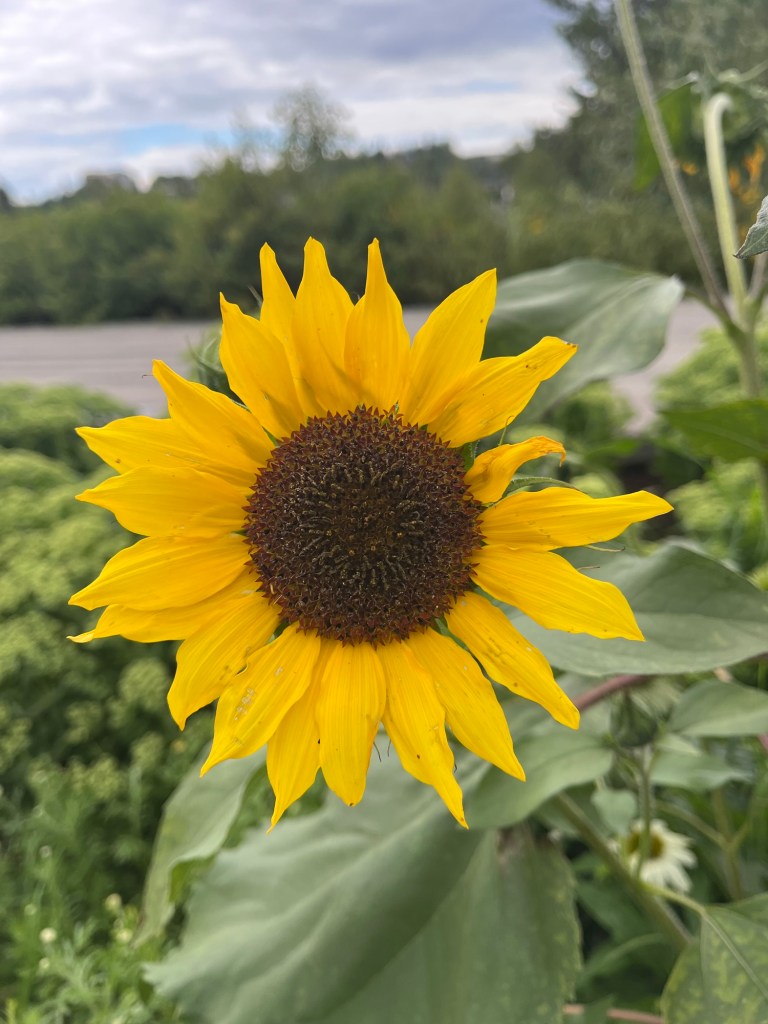
A response to what your body needs. What your mind needs. What your soul needs.

And perhaps the goal isn’t to retreat far enough away that we become someone else. Perhaps it is simply to step out of the noise long enough to remember who we already are.

You don’t have to escape your entire life. You can simply step out of it for a little while.
Feeling It All: Big Emotions, Chronic Pain, and Finding Your Ground in the Forest

There’s a moment. It’s often quiet, sometimes overwhelming. When emotion first arrives in the body.

It might feel like a tightening in the chest. A wave of heat. A heaviness behind the eyes. A sudden drop in the stomach.

Something I’m learning? When this happens, nothing has gone wrong. My body is simply giving me information.

Experiencing big emotions is not a failure of regulation, character, or strength. It is part of being human.

Especially for those living with chronic pain, where the body is already speaking loudly, emotions often arrive amplified and harder to ignore, harder to name, harder to hold.

But after that first signal comes something powerful.

Choice.

Not whether you feel the emotion. But how you respond to it.

As Daniel Chidiac teaches, Not every emotion needs a reaction—but every emotion deserves acknowledgment.

⸻

The Story We Tell After the Feeling

On the Better Than Happy podcast, Jody Moore offers a perspective that can feel both freeing and confronting.

Anger is optional. 

Disappointment is optional.

Embarrassment is optional.

Humiliation is optional.

Not because we can simply turn emotions off. But because these emotions are often shaped by the meaning we assign to our experiences. Have you experienced any of the following?

  • You have been dismissed by a medical professional, again. 
  • You didn’t reach the goal.
  • Someone saw you struggle.
  • Something didn’t go as planned.

Those are just events. Although they feel huge in the moment. 

Disappointment enters when the mind adds the story.

“This means something is wrong with me.”

Embarrassment grows when the thoughts spiral into shame.

“They must be judging me.”

“I look foolish.”

“I am foolish.”

And here’s the important nuance.

These emotions are optional. But not wrong.

You’re allowed to feel them. You’re also allowed to question them.

The feeling is real. The story is optional

– John Delony

⸻

A Simple Task: A Heavy Story

Here’s how that looks in my life. 

I set out to do a little spring cleaning.

Nothing ambitious. Just a smidgen at a time. Slow and steady. The way I’ve learned my body needs things to be. Experience has taught me that enthusiasm and capacity are not the same thing.

But then life showed up.

The everyday mess. The dishes. The door in my room that was in desperate need of a good wipe down. The quiet realization that I couldn’t do both.

I had to choose. My body, which had just clocked in was now requesting a lunch break.

And then the grandkids came to “help.” Which, as you can imagine, added more chaos than progress. At this point the mess was winning. And multiplying.

The vacuum stopped working. My arms started to burn.

And just like that, the thoughts came rushing in.

I’ll never catch up.

My house will always feel like this.

Why can’t I just keep up like everyone else?

Because, obviously, one unfinished chore means a lifetime of failure. 😣

I could see it happening, the spiral. I wasn’t unaware.

But stopping it? That took effort. A surprising amount of effort.

Excuse me while I parent my dramatic inner narrator.

Because even as part of me recognized what was happening, another part was pushing me harder.

Just keep going.

Finish what you started.

If you don’t do it now, it will never get done.

False. What was actually true was much simpler and much harder to accept in the moment.

I was tired. I was in pain. I needed to stop. 

My body wasn’t failing me. It was asking me to listen.

And the real choice in that moment wasn’t about dishes or doors.

But this.

Do I keep pushing to meet an expectation I set for myself… or do I take care of myself?

Eventually, I chose to stop.

Not because everything was done. But because I was.

And that shift didn’t magically clean my house. But it did something more important. It brought me back to myself and my priorities.

—— 

Chronic Pain and Emotional Amplification

Pain is loud. But it is not the only voice.

– Liz Newman 

If you live with chronic pain, this truth lands differently. (You might also find this helpful -> How Forest Therapy Can Transform Your Pain Experience)

Because your nervous system is already working overtime. Because your body has taught you that signals matter and often signal threat. ( If you want to learn how forest therapy supports the nervous system, check this out -> Mending Your Nervous System With Forest Therapy)

Pain doesn’t just exist in isolation. It interacts with emotion, memory, and meaning.

A flare-up can quickly become:

“I’ll never get better.”

“My body is failing me.”

“I can’t live the life I want.”

This is where emotional dysregulation can take hold, much like how Brené Brown describes it:

Being overwhelmed by feelings that are hard to name and contain, driving behaviors and thinking that don’t align with who we want to be.

And suddenly, we’re not just in pain.

We’re in a story about what that pain means.

Your body speaks in sensation. Your mind speaks in meaning. Learn to tell the difference.

–Deb Shapiro 

⸻

Disconnection: When the Body Becomes Unfamiliar

Brené Brown shares a powerful story about recovering from injury and trying to engage muscles that simply wouldn’t respond. Her therapist kept reminding her to “find your ground.”

But she couldn’t feel it. She couldn’t even find her lats. 

She was using her body while being disconnected from it.

That disembodiment, that moving without understanding, existing without connection, is deeply familiar for those with chronic pain.

You expect your body to respond one way. It betrays your expectations. Every time.

And over time, many people stop listening to their bodies with curiosity and start bracing against them with resistance.

Until one simple but profound instruction emerges.

Find your ground.

Not just physically. Energetically. Emotionally. Spiritually.

If you’re trying to find your way back to yourself, back into your body, the answer isn’t usually one big solution.

It’s small, grounding practices.

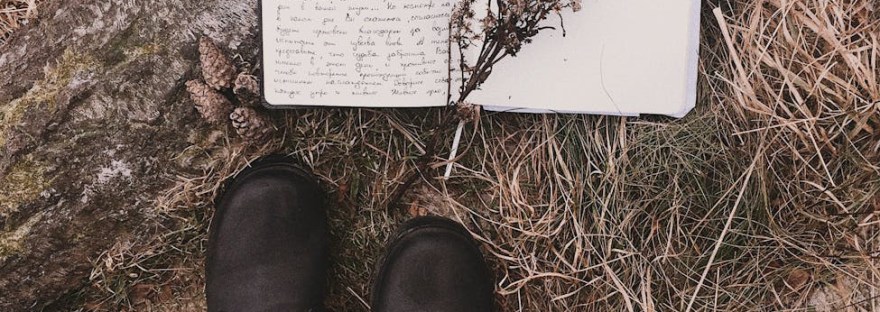
Journalling. Meditation. Art. Spiritual connection. Time in nature.

Each one opens a door.

Forest therapy is where those doors meet, creating a space that supports not just awareness, but true reconnection. 

⸻

The Tree as Teacher

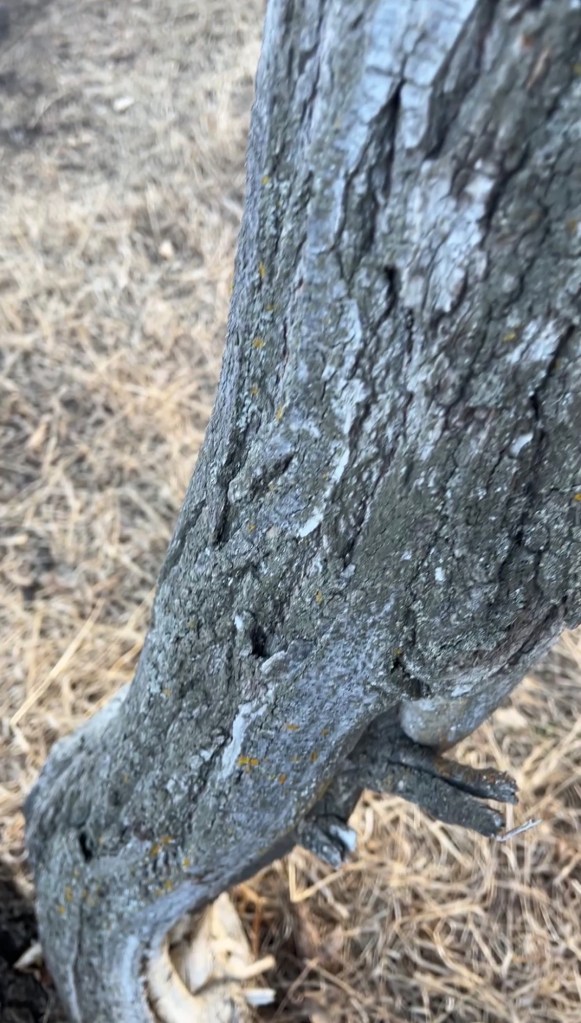
In The Secret Therapy of Trees, Marco Mencagli and Marco Nieri describe the trunk of a tree as something remarkably similar to the human core.

It is a channel of connection. A stabilizing structure. A vital center.

If damaged, the whole system struggles.

Like the human torso, home to breath, circulation, and strength, the tree’s trunk is both anchor and conduit.

And yet, trees do something we often forget to do. They remain rooted while experiencing everything.

Wind. Storm. Drought. Seasonal loss.

They do not avoid conditions. They adapt within them.

⸻

What Actually Matters (Hint: It’s Not the Dishes)

Another truth worth holding onto.

You cannot overestimate the unimportance of practically everything.

– John C Maxwell 

So much of what consumes our emotional energy, what people think, whether we looked polished, whether everything went perfectly, is, in the grand arc of a life, remarkably small.

Jody Moore offers a striking reflection.

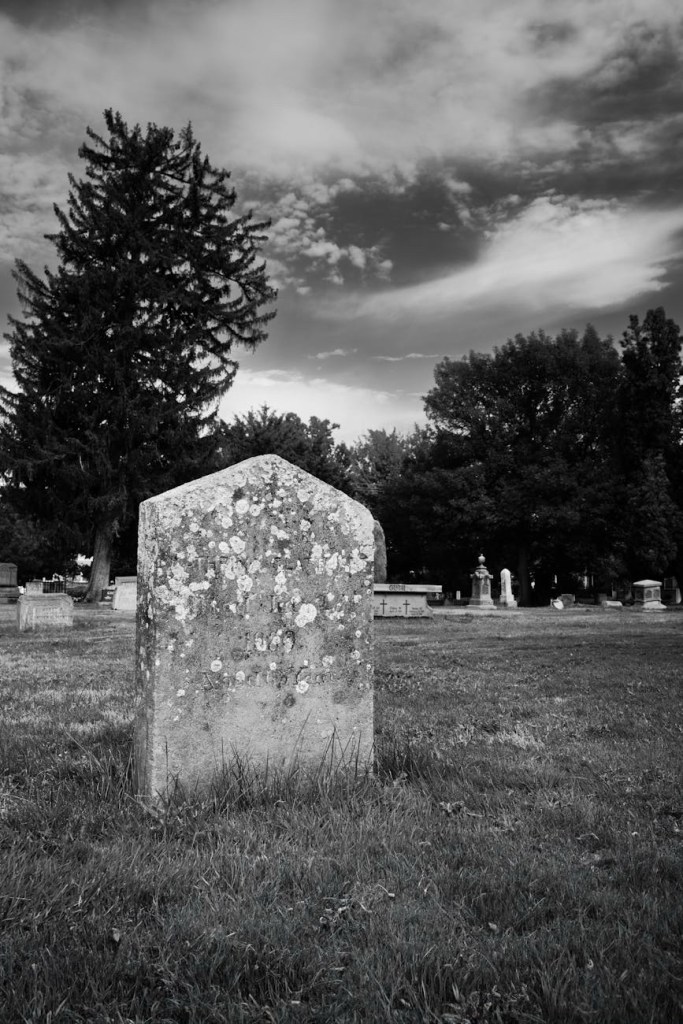
Imagine your tombstone reads:

“At least the dishes and laundry were always done.”

“She really stayed on top of the laundry.”

“At least no one had a reason to judge her.”

That’s not the legacy most of us want.

What we want is something closer to this.

She lived fully. She went all in. She gave her whole heart.

Not perfection. Participation.

Because the real tragedy isn’t failure. It’s not trying at all.

⸻

Vulnerability, Courage, and the Nervous System

Brené Brown reminds us:

There is no courage without vulnerability.

And vulnerability means feeling.

It means stepping into uncertainty.

Risk.

Emotional exposure.

For those with chronic pain, vulnerability can feel even riskier. The body already feels unpredictable. Why add emotional exposure on top of that?

But avoiding emotion doesn’t create safety.

It creates disconnection.

And disconnection pulls us further from our “ground.”

EMBERLIN: (n) the small unbreakable flame inside you that refuses to go out, even on your darkest days.

⸻

A Forest Therapy Practice: Finding Your Trunk

Here’s a simple forest therapy invitation you can try.

The Trunk and the Story

1. Arrive

Find a tree that draws your attention. Stand or sit near it.

2. Observe

Notice the trunk. Its thickness. Its texture. Its steadiness.

3. Connect

Place a hand gently on the tree (or simply sit close if touch isn’t accessible).

Bring awareness to your own torso.

  • Your breath
  • Your chest
  • Your core

4. Journal

Bring a journal or write in the dirt with your finger or a stick. Answer these questions, 

What emotion is present in you right now?

Not the story, just the sensation.

Where is it in your body?

5. Separate Sensation from Story

Gently answer this,

  • What am I feeling?
  • What am I making this mean?

Draw a line between the two answers. Let those be two different things.

6. Root

Imagine your body like the tree. 

  • Grounded below
  • Supported in the center
  • Responsive, but not uprooted

7. Choose

Without forcing anything, ask this,

How do I want to respond to this feeling in this moment?

Write your answer. 

⸻

Final Thought: Feel First, Then Choose

You are not meant to bypass emotion.

You are meant to experience it, fully, honestly, humanly.

And then, from a grounded place, choose your next step.

Not from fear. Not from the story that says you are failing.

But from the deeper truth that you are still here, still rooted, still capable of living a meaningful life.

Even with pain.

Even with uncertainty.

Even with a door that still needs cleaning. 🧼 🚪