Frost upon a windowpane and softly falling snow, Warmth beside a crackling fire while biting north winds blow Books and blankets, steaming tea , The soft glow of an ember, Candlelight and cozy nights~ The magic of December
Especially when you live with chronic pain. Spending time in nature is good. Spending time in nature with people. Held in a shared experience of presence and permission. Now that, is something else entirely.
When you live with chronic pain, connection can feel complicated.
I am happy, hurting and healing at the same time. It is the bravest version of me I have ever been.
You long for meaningful connection. But you don’t have the time or strength to find, let alone nurture it.
Bodies are unpredictable. Energy is rationed. Calendars fill with medical appointments instead of casual plans.
Even when we long for community, there’s often a quiet question humming underneath it all.
Will I be able to keep up?
Will I have to explain myself?
This is where group forest therapy offers something different.
Connection on a forest therapy walk doesn’t come from conversation or comparison. It doesn’t require sharing your story or proving how much you hurt.
It emerges slowly, almost indirectly, through shared pacing and shared permission.
It happens when the group naturally slows because one person needs to slow.
When silence is allowed without awkwardness.
When someone names an experience you thought was yours alone.
I’ve watched shoulders drop the moment someone realizes they don’t have to explain why they’re moving slowly.
That moment matters.
There are many things that can only be seen through the eyes that have cried.
-Oscar A Romero
From a physiological perspective, safe connection is not just emotionally comforting. It is biologically regulating. When we feel seen, believed, and accepted without pressure to perform, the nervous system receives a powerful message.
I am safe enough right now.
Stress hormones like cortisol begin to ease. The breath deepens. Muscles soften. Pain doesn’t vanish, but it often becomes less consuming.
Nature does part of this work.
But shared experience completes it.
AD ASTRA PER AMOREM (latin): To the stars through love.
During the holidays, many of us are preparing, with excitement, (hopefully not with dread) for connection.
Family gatherings. Traditions. Empty chairs. Expectations.
For those living with chronic pain, this season can heighten both longing and fatigue. Wanting closeness while knowing how much it costs the body to participate.
Group forest therapy offers another way of being together. A quieter way. One where connection is rooted in presence rather than endurance.
One of my favorite practices for larger groups is something I call Shared Noticing.
Participants are invited to wander slowly and find one small thing that reflects how they are arriving. A stone, a leaf, a texture, a sound.
We must not allow the clock and the calendar to blind us to the fact that each moment of life is a miracle and a mystery.
-H.G. Wells
Later, we gather in a wide circle. Each person is invited (never required) to show what they found and complete the sentence,
“I’m arriving like this…”
There is no fixing. No interpreting. Just witnessing.
Again and again, what emerges is relief. A realization that our internal landscapes are not as isolated as they feel.
Faith includes noticing the mess, the emptiness and discomfort, and letting it be there until some light returns.
Belonging is not something we negotiate; it is something we remember.
Forest therapy helps us remember. Not by erasing pain, but by holding it gently within a living community. Trees overhead, earth beneath us, and others beside us who understand without needing all the details.
As the season of gathering approaches, I find myself wondering,
Where do you feel most allowed to be exactly as you are? Without explanation, without apology?
Share in the comments 👇🏼
As this season asks many of us to gather, I offer this as an alternative kind of togetherness. One rooted in presence, patience, and permission.
If you’re navigating chronic pain and longing for connection that honors your limits, group forest therapy may be a gentle place to land. I’d love to walk alongside you.
Not the beginning, when everything still feels like clay. Wet, moldable, brimming with possibility. And not the end, when threads have been tied off and stories are stitched into something you can finally make sense of. I’m here, in the thick of it. In the in between. Healing from chronic pain and somehow learning to live with chronic fatigue, trying to shape what might be next.
Trying to find purpose in pain when the path ahead feels tender and unfinished.
She cleared out all of her old ideas of things, until she could hear her own joy with almost no effort at all.
-Sara Avant Stover, The Way of The Happy Woman
As I have talked about previously on here. I had a hysterectomy after years of fighting hormones that felt like they were clawing their way through my insides. Endometriosis pain stretched across entire seasons of my life.
And then there was my business. It was finally thriving, finally fun. Something my mom built with her hands and heart. But my body whispered then shouted then raged to get me to listen to its unmistakable limits.
Even sitting at the piano. The place that once felt like oxygen became something my body could no longer hold. Notes I used to float through now feel heavy, unsteady, often impossible.
Chronic pain doesn’t just take.
It rearranges.
It remodels.
It forces you into corners you didn’t see coming.
And here I am again, in this messy middle. Sorting out the parts of me that remain. Trying to decide what pieces go where, and to whom, and how much. Because there is only so much of me to go around.
My days are short. My energy is rationed. I can’t just “get up earlier” or “push harder” or “stretch the day.” Those tricks don’t work in this body.
I have learned, painfully, that pushing past limits costs me days, sometimes weeks, of recovery. I don’t slip gently into tired. I crash into a wall of pain with no warning and no buffer. There is no bouncing back.
I don’t have a reserve tank anymore.
I remember when I did.
I remember using an entire day to make snacks and treats for my family, cleaning the house, bathing my littles, tucking them into bed.
I remember being so tired, but feeling full. Like life had weight and meaning and movement. I loved looking at what I had accomplished.
Now?
I can get that same level of bone deep exhaustion from five minutes of washing the dishes.
And that, sadly, is not an exaggeration.
This isn’t “just midlife.”
This is chronic pain. And chronic fatigue. And chronic limitation.
But here’s the truth I’m holding onto-
The messy middle is still a valuable place. A real place. A sacred place of hope. A place worth tending.
And I’ve learned that healing isn’t found in the before or the after.
It’s found right here.
In the slow, intentional steps we take when life has to narrow down.
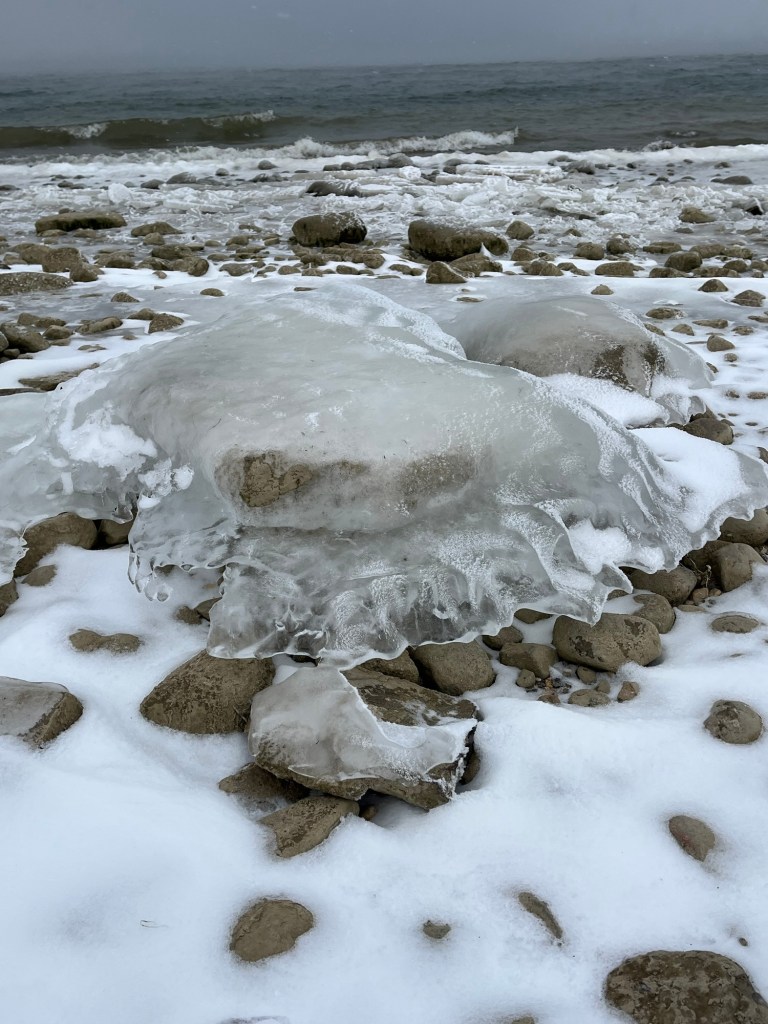
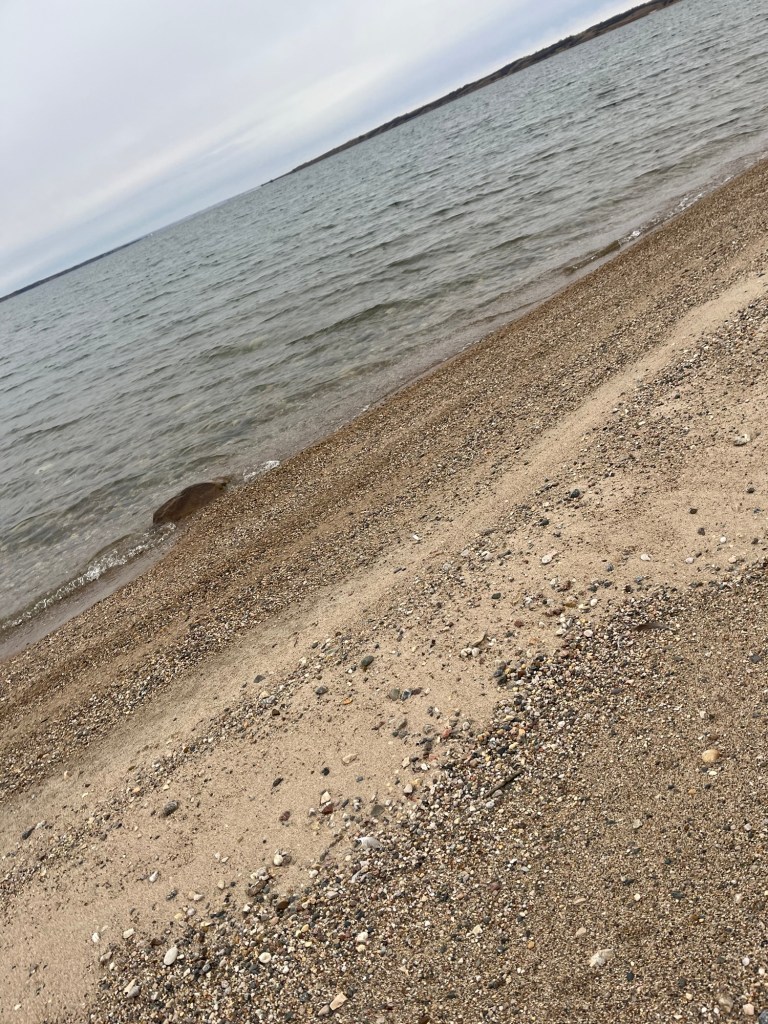
I have never experienced walking on sand in my winter boots before. Weird!
For me, one of those steps is forest therapy.
Where Forest Therapy Meets Healing Journey
In this season, forest therapy has become one of the few places where my body and my motivation find agreement.
It isn’t hiking. It isn’t performance. It isn’t even about movement.
It’s a return to your own breath. It is nature therapy in its gentlest form.
A soft doorway into emotional healing, grounded presence, and quiet hope.
A reclaiming of the parts of yourself that pain has tried to scatter.
A gentle companionship in the places of life that feel undone.
In the forest, I don’t have to be anything for anyone.
The trees don’t ask me to push. The moss doesn’t question my intentions. The forest simply holds space.
And in that space, I remember that even when life feels broken, I’m not.
I think healing is like that.
Quiet. Nonlinear. Messy.
More felt than understood.
And every time I enter the forest, I feel like I step onto a “ladder of hope.”
The Ladder of Hope by me
You climb it not in leaps
But in breaths.
You rise not by strength
But by softness.
The rungs are made of moments—
A bird call,
A sunbeam,
A place to sit.
And every rung you step on
Whispers the same truth:
You’re still rising.
These are small moment that lift me enough to keep going. Not giant steps. Not perfect healing. Not having everything sorted.
The middle is messy. But it’s also alive. It’s also becoming. It’s also sacred ground.
And maybe, purpose isn’t something we chase.
Perhaps it is something that can grow. Slowly, gently, sturdily. If we let it.
“Hope” is the thing with feathers, that perches in the soul. And sings the tune without the words. And never stops— at all.
-Emily Dickinson
Wherever you find yourself today, whether you’re living your own messy middle or standing at the edge of it, may you find one small rung of hope. One quiet moment. One breath of space.
Chronic pain has rerouted my life more times than I can count. It has taken me down roads I never meant to travel.
It’s like my GPS is stuck on the back roads setting as I travel cross country. Not quite the way I’d planned. A lot bumpier. Requiring a slower pace. And focused attention. It is often lonely. And misunderstood.
Sometimes a path calls for you to walk alone. And still, it is beautiful.
-Angie Weiland- Crosby
There are places where the forest tends us and our own breath begins to feel like a home again.
Let the air touch your face. Let the light filter in.
Climb one rung of your ladder of hope.
Just one. This will look different for each one of us. Rightly so.
We are still rising.
And that matters.
Winter, come rest your soul on autumn’s weary head. Twirl, shimmer, soften, before tucking fall into bed.
It was November- the month of crimson sunsets and parting birds, deep, sad hymns of the sea, passionate wind- songs in the pines. Anne roamed through the pineland alleys in the park and, as she said, let that great sweeping wind blow the fogs out of her soul.
When chronic pain changes how you move through the world, finding purpose can feel impossible. Discover how forest therapy helps you reconnect with beauty, peace, and meaning amid limitation.
When the World Doesn’t Understand
This week, I’ve run into that old ache of being misunderstood.
A well-meaning friend said, “If someone is important, you find time to visit them.”
Another person offered me a job, a kind gesture, but one that didn’t see what my body needs right now. Despite having had this conversation with her. Recently.
I wanted to explain that my hours in a day are not the same as theirs. That every decision I make comes with the quiet calculation of energy, pain, and recovery. But I get tired of trying to convince people. That I have a nerve condition, that my life requires peace, that my healing depends on rest.
So instead of explaining, I go where I don’t need to explain.
To the forest.
To the lake.
To the soft company of trees who ask for nothing.
Sophistication in Life’s Constraints
There’s a strange grace in limitation. It strips away the noise. It forces you to listen closely to what truly matters.
Silfira (noun)
“silent fire” an inner quiet confidence that doesn’t need to be loud to be powerful
In chronic pain, the world becomes smaller. But sometimes that’s where beauty hides. The simple act of breathing deeply, the sound of wind in pine branches, the reflection of light on water. These moments remind me that purpose doesn’t disappear when your capacity does. It shifts.
Sometimes you have to let go of the picture of what you thought life would be like & learn to find joy in the story you are actually living.
Every visit to the woods rewires something inside me. It doesn’t erase pain, but it helps me hold it differently, with more compassion, less resistance.
Revitalize Your Soul: The Healing Power of Forest Therapy
In November the trees are standing all sticks and bones. Without their leaves, how lovely they are, spreading their arms like dancers.
-Cynthia Rylant, In November
Forest therapy, or shinrin-yoku, the Japanese practice of “forest bathing”, invites us to slow down and let the natural world do what it’s always done: heal.
When I walk among the trees, I don’t have to perform or explain. I can simply be. The forest doesn’t need me to be productive. It asks only that I show up, open, present, and willing to listen.
Science continues to affirm what our bodies already know. Time in nature lowers cortisol, reduces pain perception, and restores emotional balance. For those of us living with chronic illness, that’s not a luxury, it’s medicine.
Unleashing True Intent
Purpose used to look like productivity, working, helping, showing up for everyone else. Now, it looks like protecting my peace.
It looks like saying no when my body whispers, rest.
It looks like walking slowly among through the trees and realizing that healing is still a form of doing.
Living with chronic pain doesn’t mean my life is smaller. It means my purpose has changed shape, quieter, more deliberate, rooted in stillness.
But I am still connected with society. The kindergarten rules that apply to everyone else still apply to me. It just looks a little different. How do these rules apply to you?
Share everything
Play fair
Clean up your own mess
Say you’re sorry when you hurt somebody
Don’t take things that aren’t yours
Put things back where you found them
Flush
When you go out in the world, watch out for traffic
Hold hands and stick together
Be aware of wonder
And it is this final rule that I want focus on now.
Discovering Hidden Beauty in Your Everyday Surroundings
This is my life. And I can either accept it and find joy in every day, or I can let it ruin me.
-Unknown
Not every day feels beautiful. Some days, it takes effort to see beyond the ache. But the forest teaches patience. It reminds me that seasons change. That even the barest branch carries life within it.
Healing isn’t a straight path; it’s a spiral. And every time I return to the forest, I find another piece of myself waiting there grounded, calm, and whole enough to keep going.
Dancing with Discomfort
If you, too, are learning to live inside limitation, may you know this: your life is still rich with purpose.
You are not falling behind.
You are not invisible.
You are simply living at the rhythm your body requires.
Step outside. Breathe the air that has touched leaves and sky. Let the forest hold what words cannot.
Because sometimes the most powerful healing happens not when we push harder, but when we finally allow ourselves to be held by something greater.
Please never forget how brave it is to continue to show up in a story that looks so different than what you thought it’d be.
fibromyalgia- noun, the feeling of being run over by a bus, dipped into a bucket of acid, and repeatedly thrown off a cliff without any physical evidence
So fibromyalgia,
This tale began long before the word fibromyalgia ever entered the room.
Before the angry bees. Before the heat waves. Before the exhaustion that made my bones hum.
Back then, my body was already waving a white flag.
Endometriosis had long been the ringleader of chaos, and hypermobility joined the act with its own flair for the dramatic. My hormones seemed to operate on a “scorched-earth” policy, every cycle left me depleted in every possible way: physically, mentally, spiritually, energetically.
So, after years of living in that internal thunderstorm, I made the decision to have a hysterectomy. It felt like clearing the undergrowth and removing what was fueling the fires, hoping sunlight could finally reach the forest floor. The surgery did bring relief. No more monthly hormonal hurricanes, no more monthly pain to the degree it pulled joints out of place. In this body that closely resembles a badly fastened tent in a windstorm.
But when the dust settled, I was left with a forest that had already burned.
Attending to the Aftermath: When Your Body Refuses to Cooperate
Recovery was supposed to be a time of healing, but my body apparently missed that memo. Surgery, anesthesia, medications, they left their residue. And to top it off, I woke up to find I’d been dropped unceremoniously into menopause.
My body and I have had a complicated relationship, but menopause turned it into a full-on standoff. Hormone therapy was off the table after one tiny patch sent my muscles on an extended vacation. No postcard, no warning, just gone 👋🏼.
So I turned to holistic treatments. Some soothed the edges, helped me sleep, softened the emotional rage that had been living rent-free in my chest. But nothing touched the furnace within. Every thirty minutes, like clockwork, my body would light up with that internal combustion that seems to come from the bowels of Hell itself. Heart racing. Skin buzzing. Brain short-circuiting.
Then came the chills. The kind that made you question every life choice that led to this point.
This cycle of heat, sweat, freeze, repeat, went on for a year. Every. Half. Hour.
But also this 👇🏼
It’s hard to heal when your body never stops sounding the alarm.
Tuirse
(Irish/gaelic) a deep sense of tiredness, weariness or fatigue that can refer to both physical and emotional or spiritual exhaustion. Soul- level weariness, melancholy, or the emotional heaviness of enduring life’s struggles. (gaeilgeoir.ai)
Buzzed and Bothered Bees
Fibromyalgia had been sitting quietly on my medical chart for years. Alongside its equally mysterious companion, Myalgic Encephalomyelitis. I used to think they were just polite placeholders for the doctors to say 🤷🏼♀️🤷🏼♂️ “we don’t actually think you have anything.”
But after the hysterectomy, I learned what they really meant.
It started in my forearms, this sharp tingling that grew into what I now call the angry bees. I picked that up from somewhere. That’s not my analogy.
A swarm of bees that lives under my skin, buzzing, burning, twitching. Eventually, the bees migrated up my arms, into my neck, sometimes triggering migraines that feel like the entire hive moved into my skull.
I’ve come to learn the bees are mood-driven. They thrive on stress and pain but mellow out in sunshine and rest. On a good day, when my toes are buried in natural elements, the bees hum instead of sting.
Fibromyalgia is like that. Unpredictable, wild, and buzzing with sensations that don’t make sense but demand attention.
Contemplating my Clearing
Somewhere in all of that chaos, I found forest therapy.
It didn’t happen with a grand epiphany. It started with a slow walk. A quiet pause. A breath that finally reached the bottom of my lungs.
I began to notice how the forest holds its own balance. Even when trees are damaged as storms tear through, life finds a way to reorganize itself. The underbrush grows back differently. Sometimes softer, sometimes stronger, always intentional.
So I began to clear my own underbrush. The overgrown “shoulds.” The tangles of perfectionism. The toxic patterns that had wrapped themselves around my worth.
As the poet John O’Donohue wrote,
When the mind is festering with trouble or the heart torn, we can find healing among the silence of mountains or fields, or listen to the simple, steadying rhythm or waves.
In the woods, I let myself unravel a little. My body could buzz, twitch, and ache but surrounded by green, the bees didn’t seem so angry. The forest became a mirror, showing me that healing isn’t about erasing pain, it’s about learning to live among it, gently.
The Healing Continues…
“The forest is not merely an expression or representation of sacredness, nor a place to invoke the sacred; the forest is sacredness itself.” – Richard Nelson
The bees still visit. The heat still flares. The fatigue still sneaks up like fog rolling in uninvited.
But now, I have a clearing to return to. A place both within and around me, where my nervous system can remember what calm feels like.
Fibromyalgia taught me that healing isn’t a straight path. It’s more like a winding forest trail that keeps surprising you. Some days you stumble. Some days you sit on a log and cry. And some days—miraculously—you dance with the bees instead of fighting them.
So I keep walking. Slowly. Barefoot when I can. Listening for birdsong between the buzzing.
And when I feel the swarm rising, I head for the trees asap.
Because out there, among the whispering leaves and mossy ground, my body remembers what peace feels like. Even if just for a breath.
I pray this winter be gentle and kind- a season of rest from the wheel of the mind.
I’ve ignored the pain, pretending if I just kept busy enough, it would slip quietly away.
I’ve focused on it, making it my full-time job to “fix” it.
Neither worked.
Today, I practice something else. I notice.
I name what I feel and where it lives in my body.
I soften toward it, rather than tighten around it.
I work with my pain instead of trying to conquer it.
It sounds simple, but it’s a lifelong apprenticeship. This learning to befriend the body instead of managing it like a disobedient child.
When we honestly ask ourselves which person in our lives means the most to us, we often find that it is those who, instead of giving advice, solutions, or cures, have chosen rather to share our pain and touch our wounds with a warm and tender hand.
— Henri Nouwen
Can we learn to do that for ourselves?
That’s what forest therapy has become for me: a quiet companion that doesn’t try to fix me. The forest listens. It holds space. It teaches me to listen, too.
A few weeks ago, one of my grands fell on my pinky finger. Such a small thing. My hand was resting on a toy, and when I yanked it back, it twisted and pulled. A teeny tiny trauma, I told myself. But that little pinky has been aching for weeks now. Every time I use my left hand to hold a phone, lift a spoon, or pick up that same grand, there’s an internal ow! 😣 And of course I am left handed. Isn’t that the way it always goes?
When I ignore it, I finish the day with an inflamed, angry pinky.
When I overprotect it, the rest of my hand rebels from overuse.
So today, I notice.
I hold space for that poor sweet pinky.
I breathe.
I ask, What do you need today? Not verbally, not out loud. But an internal question. My body always has an answer when I listen long enough.
Until my physiotherapist can put it back together, I do what I can: soften, listen, and allow.
And if that were all I had to do in a day, it would be enough. But these teeny traumas are always happening. For all of us, physical, emotional, spiritual. So I hold space for how hard my life with chronic pain is. I notice and name the struggles it creates. I practice compassion toward myself, the way I would with a friend.
It takes time. And it takes being in the right energy.
The forest helps me remember how to do that. To remember that some years hold questions. And other years will hold answers.
When I walk among the trees, I’m reminded that healing isn’t a straight line, it’s a spiral. The forest doesn’t rush its growth. It doesn’t apologize for the slow work of roots. It knows that rest and renewal are part of the same rhythm.
Autumn embraces change, even as she is falling to pieces.
— Angie Weilland- Crosby
Perhaps I can too.
If you rush it you will ruin it. Pause, pray and be patient.
— Success Minded
My body, similarly, doesn’t like to be rushed.
It doesn’t like to be cold, so as we edge toward winter, I keep a fuzzy blanket in the car.
It needs rest, so I try. Really try! To make sleep a priority.
And I often have to remind myself: this is not selfish.
Spending time in nature isn’t indulgence, it’s maintenance. It’s what can give you the strength to change another diaper, to wipe another snotty nose. To meet the demands of work, to hold the people who need holding. Or in my case to listen to my body. And find the strength to face another day of pain.
JOGAYOP (is this a thing? if it isn’t, it should be)
Joy of going at your own pace. Staying in your lane and adopting the rhythm and speed of living and working that feels just right for you. Letting go of societal pressure to be where everyone else is at.
When we live in any type of deficit, meaning in lack or shortage, we feel it. No system can continue to function long when it is continually experiencing a deficiency.
When our finances are in deficit, there’s pressure. A business that does not bring in sufficient income for its expenses will have no choice but to close.
When our spiritual life is in deficit, there’s darkness. Someone that is experiencing spiritual darkness and refuses to do the things that invite light to their life cannot expect anything to change. And even their light parts will become dim.
When our physical health is in deficit, there’s pain that grows louder and harder to ignore. We forget that this system will also eventually face breakdown if left unchecked.
After time in nature I can turn down the volume of my pain. I can see it in the broader perspective of life. Just like this jack-o’-lantern. Often things are actually smaller than they appear. Try taking a step back.
So I keep returning to the forest to notice, to soften, to reconnect. To see the bigger picture.
Not to fix.
Not to control.
But to listen.
Because the body, like the forest, is always whispering the way home.
There are four natural sanctuaries in life and nature holds them all. Silence. Solitude. Stillness. Simplicity.
Seek healing in these sanctuaries. It is available. It is real.
Perhaps the truth depends on a walk around the lake.
You know that moment when your brain starts buffering? Like a spinning wheel of doom, but for your entire nervous system? That’s where I found myself recently—somewhere between “I’ve got this” and “please send snacks and an ambulance.”
Today’s yoga pose? Downward spiral.
The Story So Far
In 2020, body was in full rebellion. Pain, exhaustion, confusion, everything hurt, inside and out.
Since then, I’ve been clawing my way back by working on my physical, mental, social, and spiritual health. Like it’s a full-time job. There have been peaks and valleys (and maybe a few deep, dark sinkholes). Working on myself used to take all my time and energy.
But lately? I’ve felt strong. Strong enough to take on more.
More housework. More meals. More people to serve. More responsibilities. More friendships. More everything. The more I took on, the more I was given.
And I love all of it.
But herein lies the problem:
I will take care of everyone and everything until it dang near kills me.
The Wall: From Fortress to Fragments
I thought I was doing great. Managing the stress. Juggling the busyness. Feeling like a semi-functional adult again.
Then, I hit my wall.
And boy, was it a humdinger!. That wall came crumbling down on top of me like an emotional mega Jenga tower. Now I’m lying under the rubble of all my well-intentioned choices, beaten, broken, and weak.
But nobody saw the wall. Or the impact. Or the consequences. It can’t be seen. It can only be felt.
Acedia
A deep inner fatigue where one feels detached from purpose, overwhelmed by meaninglessness, and resistant to both spiritual and worldly engagement
I want to be dependable and capable. But having an invisible illness complicates things. The better I look, the more people assume I must be better.
Here’s the true list of things I am handling well right now:
So I push harder. Because I want to help. I want to contribute. It’s easier to push through the pain than defend my need to slow down.
{ “you’re looking so strong” “thanks, I can’t wait to cry tonight” }
But the harder I push, the higher my cortisol climbs. Until it’s practically coming out my nose and ears.
The Marvels of Scientific Wonder
Chronic stress and chronic pain are the best of friends 😀! The kind that make each other worse 😟.
When you live with chronic pain, your body is already in fight-or-flight mode. Add stress to that, and your nervous system goes full drama queen.
Cortisol, your main stress hormone, floods your system. Muscles tense. Inflammation rises. Pain intensifies.
And then, because pain is a stressor, your body releases more cortisol 😞.
It’s a vicious, exhausting, cortisol-fueled merry-go-round that no one in their right mind would sign up for.
So when I talk about being under the rubble, it’s not just a metaphor. My body feels it. My pain spikes. My thoughts spiral. My patience with humanity plummets to record lows.
I feel pointless, expendable, futile.
Exploring the Heart of the Forest
When I finally stop long enough to realize I’m drowning in stress hormones. I know exactly where I need to be: the forest.
Not just in it. But IN it.
That’s the difference forest therapy makes for me. It’s not a hike. It’s not exercise. It’s a slow, sensory, presence-filled practice that invites my body to exhale.
When my cortisol drops, which research shows it actually does in the forest (you can find such research here 👉 PubMed and here 👉 Frontiers), everything softens. My mind clears. The lines between “too much” and “just enough” come into focus. I can see my path ahead, appearing gently on my mind like drops of morning dew.
The forest is a hallowed place for me. It is one of the places I find my strength from heaven. I am reminded that I don’t have to hold everything up all the time. There is strength other than mine available for that. I picture the trees taking the weight. They can handle it. They’ve been doing it for centuries.
Beyond the Horizon
The stress of life is intense. The stress of life with chronic pain is compounded. Like someone hit “multiply by 100” on your degree of difficulty button.
There’s the financial tightening. The grief of the life you lost. Watching others live out dreams you’ve had to let go of.
And always, always, the judgment (spoken or not.)
“If you’re broke, go get a job!”
(Maybe it’s just the echo in my head but it’s really loud! 😳)
You are imperfect, you are wired for struggle, but you are worthy of love and belonging.
Yet shame and uselessness that come with not being able to work the way I used to… those feelings are heavy. They sit on my chest like an invisible refrigerator tipped over on my ribcage, unexpected, ridiculous, and very hard to explain to anyone passing by.
But here’s the thing I keep learning:
My worth doesn’t live in what I produce. I need to write that again. My worth doesn’t live in what I produce!
It lives in my presence. In the stillness. In the way I can connect with the world around me, even when my body protests.
And when I take myself to the forest, when I let the cortisol fall and the moss do its quiet task,
I remember that I am still healing. And that’s holy work.
I’m so glad I live in a world where there are Octobers. It would be terrible if we just skipped from September to November, wouldn’t it?
-Anne Shirley
Mastering the Art of Getting Back Up
If you’ve hit your wall (again), maybe this is your reminder that you don’t have to climb out of the rubble all at once. It’s okay to have days when your illness and pain win. But chronic illness also means I don’t have the luxury of waiting until I ‘feel better’ to participate in life.
Start by finding one quiet, living thing.
A tree. A bird. The wind.
Let it hold space for you until you can hold space for yourself.
Honored are the ones who hum back at bees, clap for rain, and admire the architecture of spider webs.
I remember a morning in spring. There was still a noticeable chill in the air. I slipped outside, to the sights and sounds of my summer second home.
My muscles were tight, my mind crowded with worry and pain—nothing dramatic, just persistent soreness that has become my constant companion.
I wandered toward the trees, the sound of the wind through the leaves soft but insistently present. I closed my eyes. I felt my breath slow. My shoulders dropped. And, almost imperceptibly at first, the ache that had built over a winter, within me softened.
That moment wasn’t some mystical escape. It was evidence of something real: the mind-body connection responding to something ancient: nature.
This post is a little more technical than some of my others. In this post, I want to walk you through the science behind how nature calms the nervous system, lowers pain perception, and gives the body a chance to remember how to rest.
This is not just a nice idea or a self-help quip. I see it working in my life, and the research backs it. I share some of that research in the links provided. Feel free to check it out or to give those links a hard pass.
Mind Meets Body: A Dialogue of Perspectives
Healing is not forcing the body into a state of ‘perfection.’ It’s listening to what it has been trying to say.
-Dr Joe Dispenza
First: we are not two separate things. The nervous system is constantly sensing, interpreting, and “talking” to our organs, muscles, immune system, and even to our thoughts and memories. That internal sensing is called interoception — our body’s ability to monitor its own internal state (heart rate, gut sensation, breathing, tension) and for the brain to make meaning of it.
When we live under chronic stress or chronic pain, that conversation becomes distorted. The sympathetic branch of our autonomic nervous system (fight-or-flight) is persistently overactivated. Our brain becomes hypervigilant to threats, amplifying pain signals, even in places that may no longer need it.
But there is a counterbalance: the parasympathetic state (rest-and-digest) — a state where the body repairs, digests, heals, breathes deeply.
Engaging that side is essential for true resilience. And nature offers a powerful entry point into that parasympathetic realm.
Querencia
{Spanish concept}(n) a place where one feels emotionally safe, a place from which one’s strength of character is drawn.
Nature’s Remedy: Calming the Nervous System
The forest is not merely an escape, it’s a return — a remembering of who we are.
-Unknown
Here is where the “nice idea” begins to feel like a compelling method.
1. Visual contact with nature calms brain & autonomic activity
This overview demonstrates that simply viewing natural elements—flowers, green plants, wood—induces shifts in the brain and the autonomic nervous system, compared with urban or non-natural environments. Link
More recently, neuroscientists have shown through brain imaging that exposure to nature lowers pain perception by reducing neural signals associated with pain processing. Link
In one study, subjects viewed virtual nature scenes while receiving mild pain stimuli, and the brain’s “pain network” lit up less strongly than when viewing urban scenes. Link
2. Nature reduces physiological stress markers
Time outdoors helps shift us from sympathetic arousal toward parasympathetic. Essentially, nature helps us “come out of our heads and into our bodies.” Link
Forest bathing (shinrin-yoku), for example, has been associated with lowered cortisol, reduced blood pressure, decreased heart rate, and improved immune function. Link
3. Attention restoration & easing mental fatigue
One pillar in environmental psychology is the Attention Restoration Theory (ART), which states that when we gaze at nature’s “soft fascinations”—rustling leaves, flowing water, birdsong—we can rest our directed attention (the kind used to suppress distractions) and recover cognitive capacity. Link
When our cognitive resources are less taxed, the brain has more “bandwidth” to regulate our threat systems and lower baseline arousal.
4. Pain modulation is emotional & contextual
Pain is never just a signal from tissues; it is affected by context, anticipation, emotion, and attention. One fMRI study found that anticipation of pain modulates how strongly sympathetic nervous responses occur, and that the brain’s anticipatory circuitry has a top-down influence on peripheral responses. Link
In simple terms, if your brain predicts threat, your body braces for it — heart rate rises, muscles tense, and pain signals grow louder. But when your mind learns to recognize what’s happening without adding fear, it begins to change that loop.
This is exactly what happened to me.
After my hysterectomy, I wasn’t able to take any hormone replacement treatments — they aggravated my other conditions. My body still struggles today to regulate temperature. I hot flash every thirty minutes. Down to a minute. I’ve timed it.
After about a year of this, my body simply couldn’t keep up. The constant swing from sweltering heat to shivering cold became unbearable. There was no rest. No pause between storms.
Then I started to notice the toll — not just physically, but mentally. My nervous system was on edge all the time, anticipating the next wave. I realized that the dread itself — the bracing — was its own kind of suffering.
So I tried an experiment. When I felt that familiar rush rising, I paused. I prepared but didn’t brace. I reached for my water, turned on the fan, maybe sat down if possible. I still remind myself in those moments: this will pass. The less weight I give it — but the more gentle attention I offer — the easier it is to ride out.
These days, my hot flashes still come every thirty minutes. But they are not as draining. They are little blips on the screen — reminders that my body is doing its best to find balance. And in meeting that discomfort with compassion rather than panic, I’ve discovered something powerful: the way we feel our pain changes the way we experience it.
A Walk on the Healing Side
The wound is the place where the Light enters you.
-Rumi
Not long ago, back pain had eaten away my joy. I was down to minimal movement, scared of flare-ups, medicated, trying every therapy that sounded promising. Yet my life was shrinking.
I decided on a small experiment: every morning for two weeks, I would walk down the lane of our farm (or sit quietly under a tree if I couldn’t walk). I would try to notice one thing—perhaps a bird’s call, the play of light on water, a soft breeze. No goal, no agenda.
Day 1: I came back discouraged — I didn’t feel anything.
Day 4: My back still hurt, but I felt… calmer. My breathing was softer.
Day 8: The pain seemed less urgent. The thoughts around it quieter.
By day 14, I don’t know if the pain was less in absolute measure, but I am less ‘in it.’ I have more distance. More space.
Over months, I was able to move farther, sit longer. The pain never vanished, but its domination receded.
My story is not unique. What I was discovering is that the mind-body conversation can shift — the “volume” of pain need not always be maxed out.
The Secret Sauce: How This Works for Me and You
If you have felt that creeping tightness, that locked jaw, that ache that feels like both body and memory. When I walk through forested trails, when I sit by a lakeshore, when I simply stare at mossy bark and inhale the green air, I feel a shift. The chatter quiets. My breath lengthens. My internal tension softens. The pain, though still there, becomes less commanding.
The science shows these are not placebo effects. They are biological responses rooted in ancient neural circuits. We evolved in natural worlds. Our nervous systems know these landscapes. They remember how to open.
If you struggle with chronic pain, anxiety, overthinking, or tension, nature may be a tool you undervalue — not a luxury, but a medicine written into our being.
How to Make the Mind-Body & Nature Practice Relatable, Real, and Sustainable
Here are some practical suggestions (adapt to your pace):
Start small. Even 5 minutes of forest view, or stepping outside to touch grass, can activate calming circuits.
Engage the senses. Smell, listen, feel textures, watch movement. Let nature draw you back from rumination.
Use “indirect nature.” If you’re indoors, look out a window, use nature audio, or view images/videos of nature — these have shown measurable benefit.
Pair movement & stillness. Walking in nature is stronger than walking elsewhere.
Be consistent. The cumulative effect matters. Some studies suggest 120 minutes per week in nature correlates with better well-being. Link
Watch your attitude. Let go of “must heal fast” thinking. Allow nature to be patient, gentle.
Journal your experience. Track tension, mood, pain before and after nature time. Over weeks, patterns can emerge.
Epiphanies and Reflections: To Our Journey’s End
Nature does not hurry, yet everything is accomplished.
-Lao Tzu
We live in an era of constant stimuli, complications, and demands. Our nervous systems were not built for perpetual alarms. The ancient pulse of wind through leaves, water over stones, soil underfoot — these are languages the body still knows. Nature asks us lowly: come back. Listen. Breathe.
So next time the ache presses, try this: walk quietly through green, or sit beneath trees, allow your senses to soften, invite rest. You may find that pain loosens its grip, that your nervous system sighs, that mind and body remember their trust.
Peace is this moment without judgment. That is all.
-Dorothy Hunt
Perhaps part of the answer is: to slow down. To open to nature. To let the body learn again.
Life starts all over again when it gets crisp in the fall.🍂
-F Scott Fitzgerald
Elder Robert D. Hales once said:
When you cannot do what you have always done, then you only do what matters most.
Those words sink deep for me as someone who lives with chronic pain.
There are many things I cannot do anymore—not the way I used to, not with the energy or freedom I once had. And yet, in the midst of those limitations, I’ve discovered that my life is being reshaped around what truly matters most.
🔍 Finding Clarity in Constraints
Elder Hales went on to say:
Physical restrictions can expand vision. Limited stamina can clarify priorities. Inability to do many things can direct focus to a few things of greatest importance.
That is the truth of my life. I don’t have the stamina to do everything I once could. But I do have the vision to see what is worth my energy. Pain has forced me to slow down, to let go of what doesn’t serve me, and to focus on what is most meaningful—faith, relationships, healing moments, and time in nature. 🌲
💛 “Come What May and Love It”
Elder Joseph B. Wirthlin also offered a phrase I want to cling to:
Come what may, and love it.
His mother taught him those words, and he later reminded us that
adversity, if handled correctly, can be a blessing in our lives.
I admit—I don’t always love it. There are days when pain feels relentless, and my instinct is to resist, to grieve what I’ve lost, or to dwell in shame when I make mistakes. I make a lot of those. Mistakes. I find my brain just checks out while dealing with chronic pain. 🧠
🚤 A Maritime Memoir Best Left Unsailed
Like this past weekend, for example. I may or may not have put my husband and myself in mortal danger on the lake (😬 oops). I turned off the boat engine when the battery was low—thinking I’d heard Brent say to shut it off. Turns out, he had said the opposite. 😳
This process set off so many megaddons-
We would have drifted helplessly across the lake. But Brent, my hero, jumped in and anchored us to shore 🥶 . Now he was soaked through with no dry clothes.
Meanwhile, the navy was literally training around us, however, we were too embarrassed to ask for help. What would you have done?
My dad had to haul out his sailboat ⛵️ that was already getting packed away for winter. The sight of them motoring across the harbor with no sails…well, let’s just say it was memorable.
There we were, covered in lifejackets and wrapped in blankets, being eaten alive by biting flies.
At the time, I didn’t want to “come what may and love it.” I wanted to wallow in shame for the mistake that stranded us. But shame didn’t help. It only made me feel worse.
Looking back, I see parts of it that were quite humorous.
Brent’s pants (they had to be fished out of the lake after the wind blew them from their safe perch where they would stay dry while he swam us to safety) soon had the appearance that we had been shipwrecked for months by the time rescue came.
Wet sweatpants are diabolical. Wet sweat shorts on the other hand- marginally better.
So out came the fishing knife (he did not have them on at this stage of the procedure) and off came his pride and a few inches of dripping fleece. Suggesting a shipwreck much longer than the hour or so that it actually turned into.
I couldn’t help but think in this scenario, I was the Gilligan.
On the contrary, the more loving response—for myself—would have been to let it go. To choose self compassion. To laugh. To accept my parents’ kindness.
And Brent’s! Even as he frantically thought through what he needed to do then jumped in the water. Even as he stood there shivering and dripping wet. Even as he swatted flies in nothing but my blanket, he told me not to worry. Not to feel bad.
He encouraged self compassion from the outset. To remember that we would survive the “fly apocalypse,” catch a fish 🎣 , and make it home safely. He reminded me to stay focused on what matters.
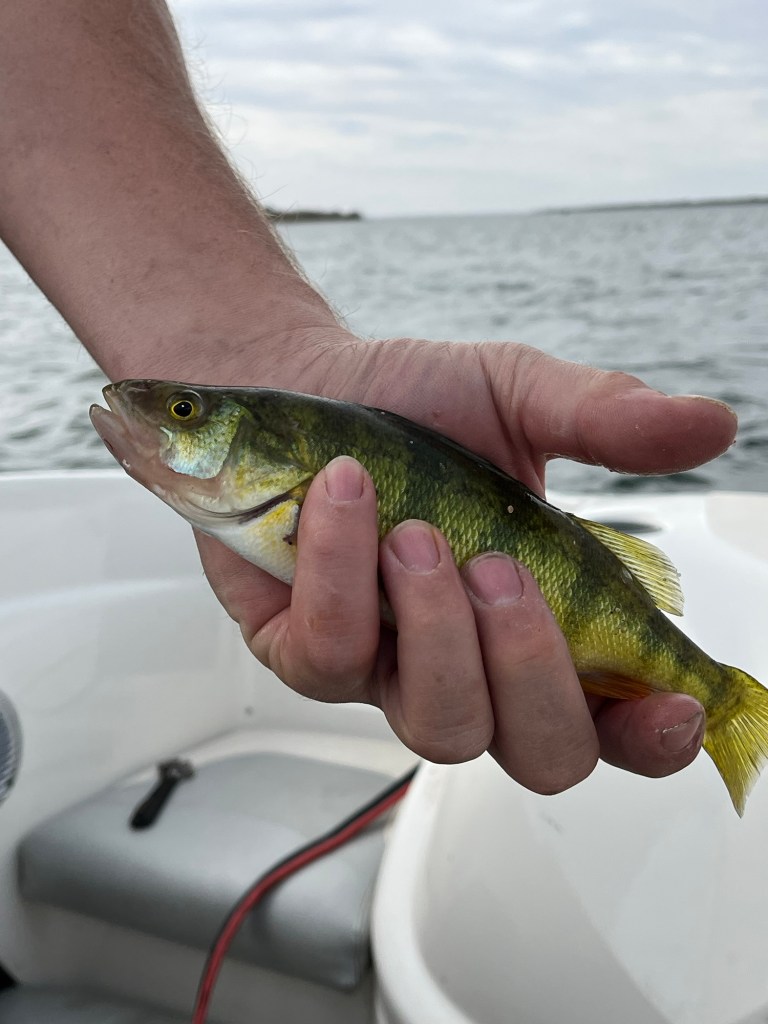
And look at that, he DID catch one!
Meanwhile…
The devil whispered in my ear, “You’re not strong enough to withstand this storm.” I whispered in the devil’s ear, “I love your eggs.” 🤦🏼♀️
🍄 Woodland Wellness: Discovering Peace Among Trees 🌲
Elder Hales reminded us that even the senior leaders of our church aren’t spared from affliction:
Rather, they are blessed and strengthened to press forward valiantly while suffering in and with affliction.
That idea gives me hope. If they can press forward valiantly, maybe so can I. Maybe so can we. Whatever our struggle may be.
That’s where forest therapy comes in for me. When my pain feels like too much, I turn to the forest.
Dendrolatry
a deep reverence for the trees, where every branch whispers ancient wisdom and every root holds the secrets of the earth– to honour a tree is to honour the quiet, sacred connection between life and nature.
The forest is where I remember how to breathe, how to soften, how to let go of shame and find a thread of joy. The forest teaches me that even in adversity, there can be beauty. Even when I’m hurting, there can be laughter, resilience, and connection.
My adversity is chronic pain. It is woven into every corner of my life. It shapes my days and my choices, and so it will show up in my writing and conversations, too. It is part of who I am.
Some people wish I’d talk about it less, but this is my reality. And it’s also where I’ve learned to discover meaning, humor, and even joy.
The woods invite me to notice beauty even when pain is loud. The trees 👆🏼 don’t erase adversity, but they remind me that I am still alive, still loved, and still capable of joy. 🍃
💖 Embracing Love, Bidding Farewell to Shame
So next time I find myself swarmed by biting flies (literally or figuratively in the form of invasive thoughts), or when I am caught in the grip of pain, I hope I can remember Elder Wirthlin’s (and his mother’s) invitation:
Come what may, and love it.
Not because it’s easy. But because it’s the better way forward. 😊
September was a thirty-
days long goodbye to
summer, to the season that
left everybody both happy
and weary of the warm,
humid weather and the
exhausting but
thrilling adventures

-Lea Malot
As we bid farewell to shame we also bid farewell to summer. The following is an unorganized smattering of my summer adventures. Enjoy perusing (or skip it altogether). I encourage you to do the same. Enjoy your memories. Feel free to share stories or pictures in the comments!
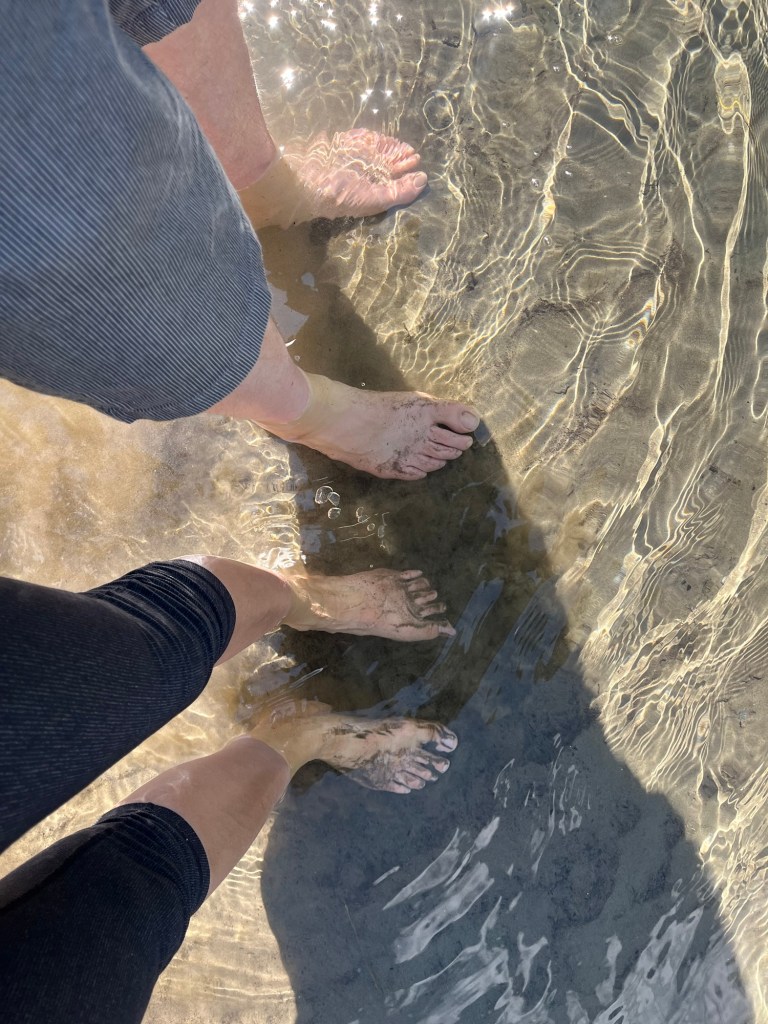
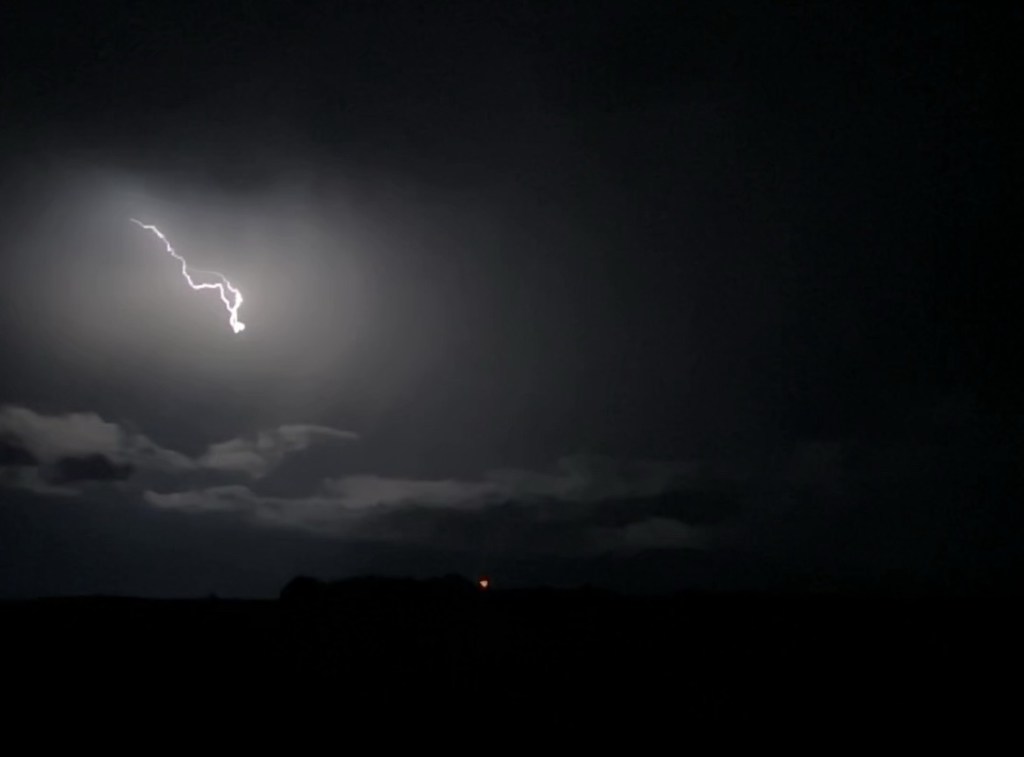
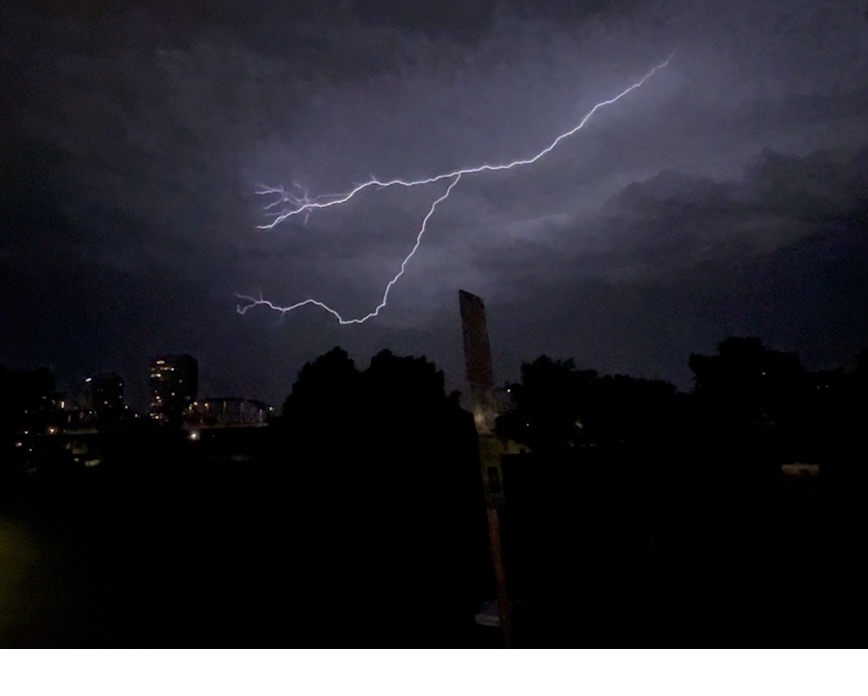
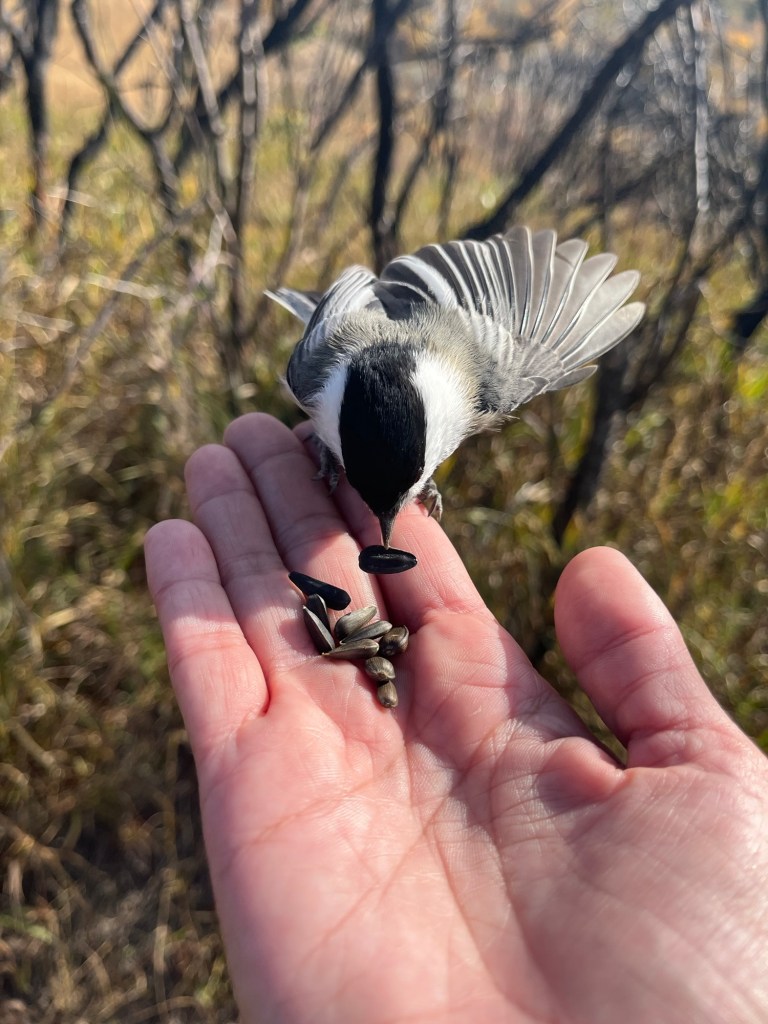
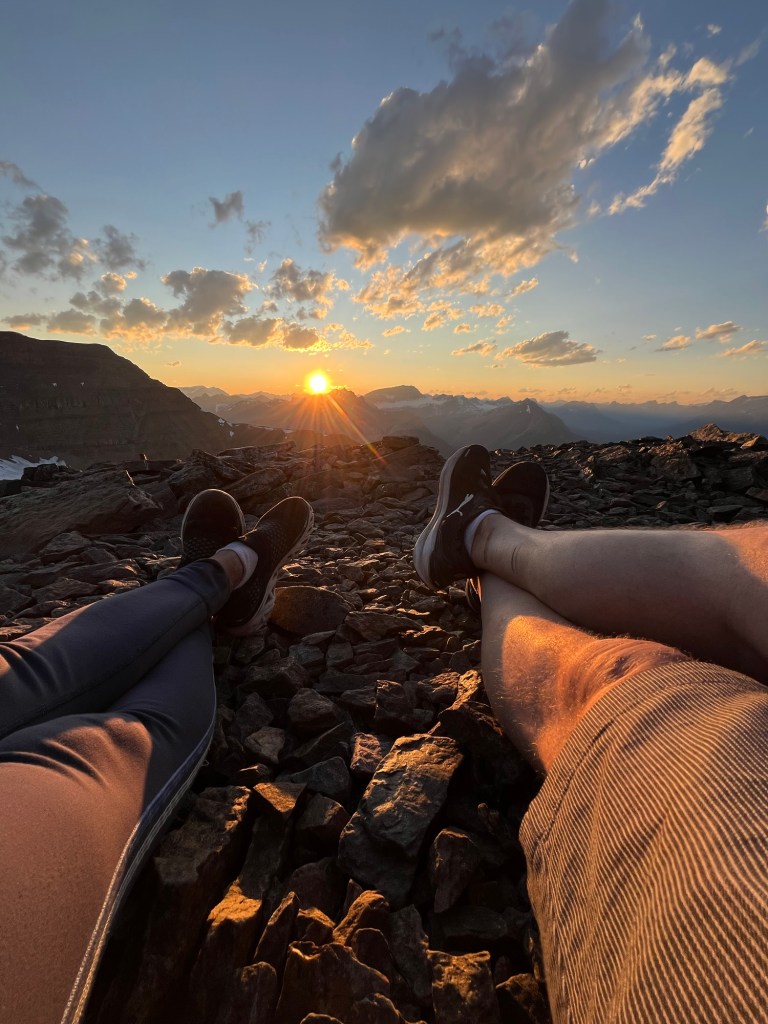
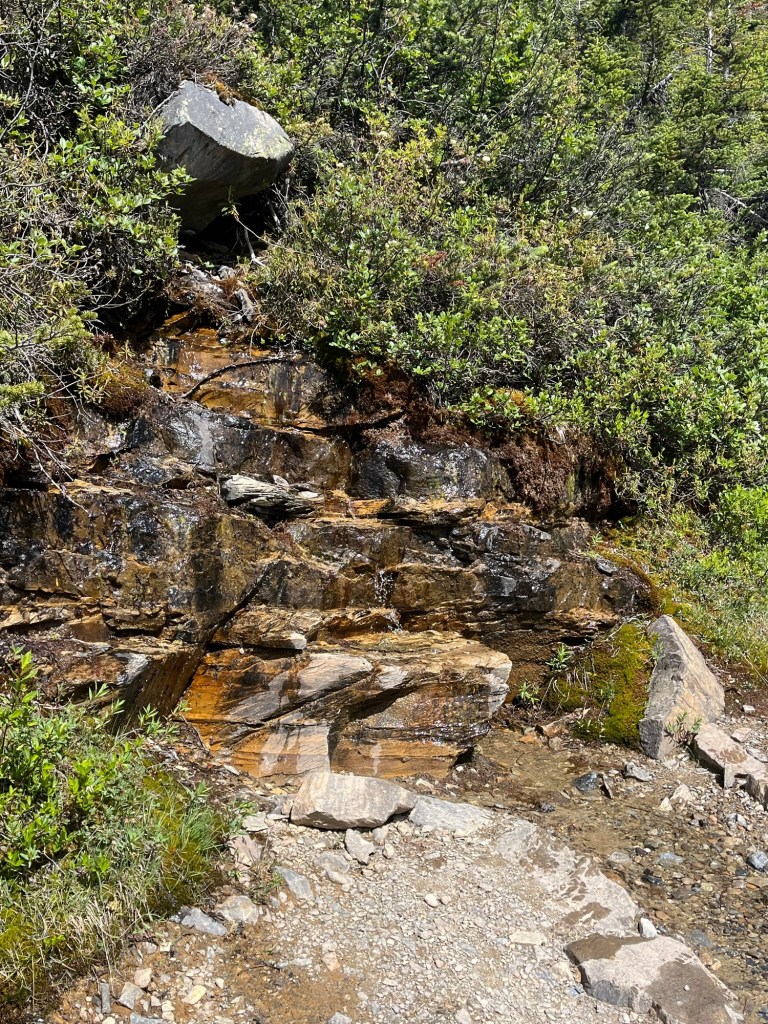
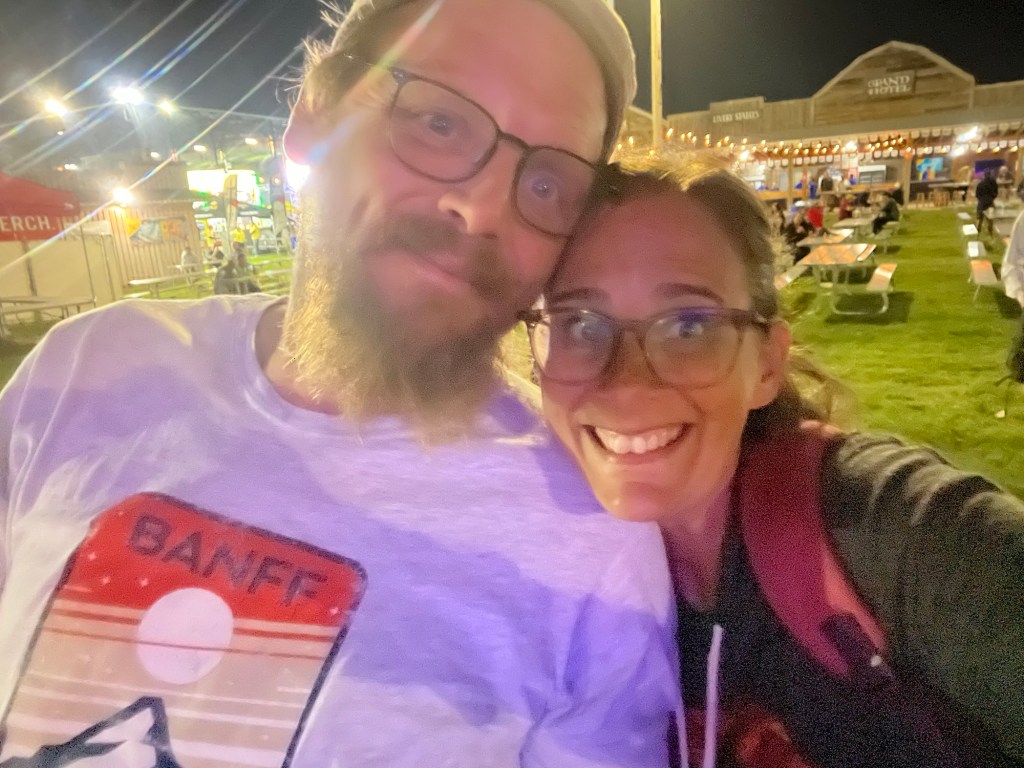
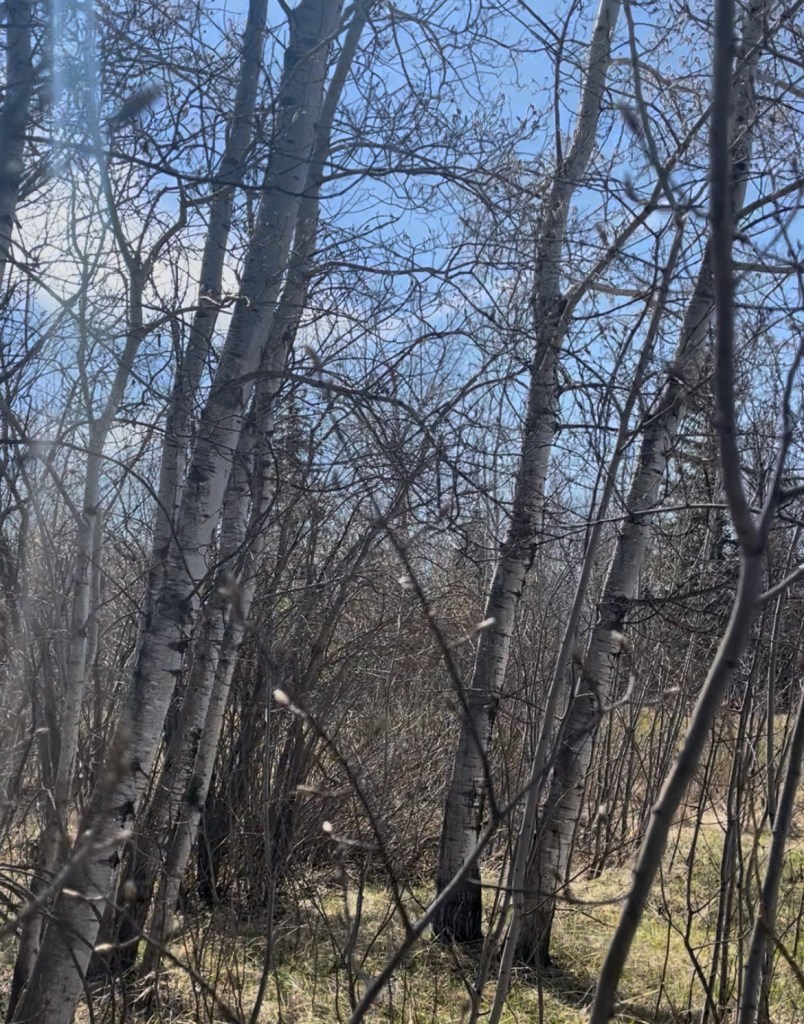
Nisbet Forest hikeHidden gem forestHepburn Forest workshopLake LouiseSouth Saskatchewan RiverThe night the sky put on an electrifying showSailing 💓Standing in mountain waterWatching a sunset from a mountain peakA Berry Barn grounds meanderDiefenbaker Lake. My summer home. Cool kids on a cool motorbike rideOn my streetAlong a walkSpadina CrescentPoplar BluffsThe lake shortly after spring thawOn a roof!In the backyardHikes and waterfallsBlossomsGrounding in the best of placessurviving road tripsRunning around the trampolineOur very own beachMirror LakeCamping at Zig ZagCabin at Fishing LakeSetting upA 1st birthdayWatching Steven Page LiveA 3 yr old boyBoatingThe best of sailorsWalks along the riverA car tour east of Saskatoon when my leg would not allow for a hikeSuccessful fishing tripsTrans Canada TrailDroning by the riverThe ExhibitionA sit n chat with a friend on a rainy daySo many cute mushrooms!A beautiful weddingThe park with my little buddyBeaver Creek chickadees
Enjoy your life and the beauty that nature provides. If you’d like to schedule a forest therapy walk before the snow flies, let me know in the comments, or email me @ pam.munkholm@gmail.com I’d love to show you how healing it really is.
Sometimes my life feels like a forest—dense, shadowed, and uneven.
Everyone else seems to walk a wide, sunlit path: their maps are clear, their steps steady, their packs light.
Meanwhile, I carry heavy bundles of pain and medicine, stumbling often, wondering if I’ll ever catch up.
~Cue the tiny violins 🎻 🤭~
Beyond the Familiar: Embracing a Different Forest
My therapist keeps telling me to stop comparing myself to other people – that life’s not a competition. Which, to be fair, is exactly what I’d say to someone I was trying to beat, too.
Comparison is never useful. It’s like measuring trees by how tall they look in someone else’s forest, forgetting that soil, roots, storms, and sunlight differ wildly.
Or like judging an oak tree by how quickly the wildflowers around it bloom. Different roots, different seasons, different reasons for being.
And yet I fall into it—measuring my path against someone else’s trail, forgetting we are not even walking in the same terrain.
Comparing … is a waste of time and effort; we are all different people, experiencing and feeling things differently.
San Diego Prepare Yourself: Sisterhood Adventures Await
Next month, my sisters will gather in San Diego. I am so excited for them. And to hear about their adventures. Sunshine, laughter, time to connect. It’ll be fabulous.
I would love to be there. But the cost of my monthly medicine is about the same as what that trip would take.
I live in a different economy—the economy of pain management. So instead of boarding a plane, I stay home.
~Poor lil’ me 🥲👉👈 🤣 ~
It’s hard not to compare. Their togetherness, my absence. Their momentum, my stillness. I remind myself that longing is not failure—but it still stings.
Screenshots of a Life I Don’t Live: Family Call, Personal Spiral
On a recent morning: my sister called from her vacation in London. On a family video call. At 9 a.m., I was still coaxing my muscles awake.
I listened to the bagpipes she was sharing and checked out the sights in the background. I marvelled at what she has been able to accomplish and see in her life. I joy in her success.
Inevitably another emotion starts to rise. As on the screen, this is what I see:
One sister in her home office, thriving in a job that suits her perfectly.
Another in her kitchen, caring for her family and home.
A sister-in-law outdoors, likely at the park or on a walk with her two littles.
My parents smiling in their living room, enjoying retirement and seeing their family.
And then there was me—tired, clearly still in bed, clearly accomplishing nothing.
That’s how I saw it. In truth, no one said that. But comparison painted me useless in bold letters across the screen.
~Woe is meee 🐌💤 😜 ~
A Sermon I Couldn’t Speak
At church, I tried to answer a question on a bad pain day after a sleepless night. My words came tangled, incomplete.
I saw my husband’s face and thought, I’m taking too long. I gave up. Without tying my random thoughts together. And I gave him the microphone. He expertly gave a clear, concise answer that was perfectly on point. My effort looked weak next to his polish.
“My brain and I, we are not friends. My brain and I, we are classmates doing a group assignment called Life. And it’s not going great.”
But here’s the truth: trying counts. Even stumbling words are a kind of courage.
The Math of Measuring Up Never Works: The Broken Ruler I Keep Using
Comparison is a thief. It always leaves you with less than you started.
It’s like weighing a feather against a stone and expecting the scale to balance it out. It demands a sameness life never promised. It blinds us to the worth in our own story.
As a people, we tend to magnify the strengths and blessings another person receives. But minimize our own gifts, talents and opportunities. Social media is as helpful as a screen on a submarine when it comes to perpetuating this problem.
There’s no hierarchy of pain. Suffering shouldn’t be ranked, because pain is not a contest.
Fear and scarcity trigger comparison and we start to rank our own suffering.
Brown calls this comparative suffering. She goes on to say,
The opposite of scarcity is not abundance; the opposite of scarcity is simply enough.
Empathy is not finite, and compassion is not a pizza with eight slices. When you practice empathy and compassion with someone, there is not less of these qualities to go around. There’s more. Love is the last thing we need to ration in this world
This toxic pattern of comparison blocks emotional processing and prevents genuine empathy, creating isolation rather than connection.
My worth is not judged by what I do in comparison to others, but by what I do with what I have—what love, what compassion, what presence I can offer. Even just in showing up.
Measuring By Love, Not Ladders
I’ve decided to measure my life by something else: in every conversation, I want the other person to leave feeling better about themselves than when we started.
If they do, then I’ve accomplished something real. It may not be a promotion, a trip abroad, or a picture-perfect moment. But it’s love, and it’s within my reach.
In such a headspace there should be no time for shame and comparing. Only felicitations and adulation.
Broken But Still Moving
Mandy Harvey is a singer/ songwriter. I saw her on an America’s Got Talent clip. Mandy lost her hearing when she was 18. Interestingly enough she has EDS which is similar to my connective tissue disorder.
On the show, she spoke about initially going to dark places. And when she decided she wanted more for her life, she wrote this song. And performed it in front of a live audience and judges and cameras.
She beautifully sings,
“I don’t feel the way I used to / The sky is grey much more than it is blue / But I know one day I’ll get through/ And I’ll take my place again… So I will try…
There is no one for me to blame/ Cause I know the only thing in my way/ Is me…
I don’t live the way I want to/ That whole picture never came into view/ But I’m tired of getting used to/ The day
So I will try..
Those words hold me when comparison tries to unravel me.
Forest Therapy: A Way Forward
If comparison is a thorn, forest therapy can be a balm.
The forest floor is messy. Layers of leaf litter, moss, dead wood. It doesn’t pretend to be clean and perfect. It is rich because of its imperfections.
Your struggles, limitations, pain give richness and texture to your life story—not flaws to hide.
Walking a path in woods, you may have to step over roots, navigate mud and stray branches. But each step gives you awareness, grounding, breathing space.
Comparison often makes us spin like leaves in the wind; forest therapy anchors us.
When comparison grabs tight, I go to the woods.
The forest does not compare:
Trees don’t measure their height against one another.
Moss doesn’t resent the ferns.
Streams don’t ask why the river runs faster.
Each element grows where it is, as it is. That is enough.
Roots, Rituals and Small Resets
Here are ways the forest has supported me:
Leaning against a tree and letting its rootedness remind me that I, too, belong.
Listening to the birds until my thoughts soften.
Sitting by water and imagining my comparisons floating downstream.
From Forest Floor to Open Sky
Yes, I still compare. Yes, it still hurts. But when I remember that comparison steals joy, I find space to choose something else.
I may not be in San Diego, or London, or even fully awake at 9 a.m. (to those who are, Have as good a time as possible, given that I’m not there. Heehee 😊)
~Life said nope 🙃🍋~
I can still offer kindness, presence, and love.
And maybe that is enough.
I want to feel good about my life. Not in the sense of “as good as anyone else,” but as my life, full of the shape I have.
Chronic pain is part of the soil I grow in. It’s changed what I can do, yes—but also deepened what I can feel, what I can appreciate.
If everyone else seems to be walking on sunlit paths, I may be walking in dappled shade, or in a different time of day. But my path is still mine, and still worthy. Because even in the shaded parts of the forest, light still filters through.
If I stand on my tip toes I can see autumn from here.
-Unknown
There are nights when pain feels like a forest fire. It consumes everything, licking at nerves, muscles, and bones, until even the smallest ember becomes unbearable. For me, forest therapy has always been a refuge—trees that don’t ask me to explain, the wind that listens without judgment. But no walk in the woods can erase the reality of the deep harm that comes when the medications I rely on are suddenly out of reach.
Biophilia
the ancient memory that li ves in our bones- a quiet longing to belong to the earth, a deep and sacred bond that awakens our senses and nurtures our souls.
Tales from My Trek
Recently, I went to fill my prescription. It’s a narcotic, tightly controlled with a note that says it can only be filled every 30 days. The problem? It was day 29, and I was out. 😳
For some prescriptions, waiting until the next day is an inconvenience. But when you’re on a heavy narcotic at the highest dose, one missed pill isn’t just painful—it’s catastrophic.
That night without medication meant I wasn’t just “in pain.” It meant shaking, twitching, and detoxing against my will. For a medication I’d have to take in the morning!
I’ve missed this pill before. My body, already fragile, spiraled: my nervous system hijacked by fight-or-flight, my hormones in chaos, my temperature regulation broken. I’d overheat, then sweat, then shiver, round and round. All while my pain screamed louder and louder. It is my definition of Hell.
And the damage doesn’t end when the sun rises. One night like this unravels days—sometimes weeks—of careful work to bring my nervous system into alignment. Forest therapy sessions that usually soothe my body’s alarms are erased by the fresh trauma of unmanaged withdrawal.
One pill—just one—becomes the difference between fragile balance and collapse.
The Pharmacy Door 🚪
This wasn’t the first time.
Years ago, when I was short on medication, it was actually the pharmacy’s mistake. A tech who knew me—a kind soul who remembered my name—looked closer. While others repeated, “Sorry, you can’t have more. Come back tomorrow,” he dug into the records and discovered their count was off by the exact number I was missing. He trusted me. He believed my story. He saw me.
This time was different. My tech friend wasn’t there.
When this new tech told me I couldn’t have more until tomorrow, he must have seen the terror in my eyes. Or noticed me standing in shock for 5 minutes. Just standing by the pharmacy. Holding back tears, while physically and mentally spinning in circles. But instead of offering solutions, he shrugged and said, “Come back in the morning.”
Being someone who hates to cause a stir, I went home. But home is where the panic broke through. I sobbed uncontrollably. My body already gearing up for withdrawal.
Then I realized: silence won’t help me survive this.
I called back. I asked about options. The tech said I could talk to the pharmacist. Why wasn’t that offered before? 🤨
When I spoke with the pharmacist, his tone was dismissive, almost mocking: “So what do you want me to do about it?”
I explained again, told him what would happen if I went without. He finally asked if I’d even come pick it up that night IF he were to fill it.
Sir, I thought, I just told you what a night without it would do. Do you think I’d let that happen if I had any choice?
Eventually, he relented and filled it twelve hours early. I picked it up feeling like I should bow at his feet in gratitude. As if he’d granted me a favor rather than spared me a night of needless suffering. I felt the need to thank him repeatedly.
The petty side of me still wants to send him a Get Better Soon card. Not because he’s sick. But because I think he could do better. As a human being. I’d have to send it anonymously because this is not a person I want to be on their bad side.
The Bigger Picture
I know narcotics require tight monitoring. I know the system has to guard against abuse. But what about patients like me—the ones who never asked for this, who were put on these medications by doctors, and who don’t have the option of just going off of them. When there is something physiologically happening that is not right.
If only I could put into understandable words. This is what is happening everywhere in my body. ☝🏼
Why does losing one pill make me look like a drug seeker? Why is my lived record of years not enough to earn trust? Why is the assumption always suspicion?
Do they want me to be all natural? Do they realize it is people like me who keep them in business? I literally pay their bills!
I wouldn’t have to if I could live every day in the forest—if I could soak in the mossy quiet, breathe in the pine air, let the gentle rhythm of birdsong reset my nervous system—perhaps I wouldn’t need the pills.
But my reality is different.
My reality is managing chronic pain in a system that too often treats me like the problem instead of the patient.
🍂 Whispers of the Woods
As I write this, I think of a line from poet Wendell Berry:
“The care of the Earth is our most ancient and most worthy, and after all our most pleasing responsibility. To cherish what remains of it and to foster its renewal is our only hope.”
What if the same was said of patients? To cherish them. To foster their renewal. To see them not as potential criminals but as human beings navigating unbearable pain.
Another lesser-known verse comes to mind from Antonio Machado:
“Between living and dreaming there is a third thing. Guess it.”
For me, that “third thing” is surviving. It’s clawing through nights without medication. It’s cobbling together therapies—like time in the forest—that offer some relief, though never enough.
Compassion: The Heartbeat of Humanity
I don’t have the solution. But I do know this: when we treat patients like addicts instead of people, we add more pain to lives already saturated with it. I believe we can find a way to monitor responsibly while also practicing compassion, dignity, and trust.
So I’m asking you: have you experienced something like this? Have you been caught in the impossible bind between regulations and your own survival? Do you have ideas for how this system could better serve those who truly need it?
Share your thoughts in the comments. Let’s start a conversation. Because one pill shouldn’t have the power to undo everything.
It was a lovely afternoon-such an afternoon as only September can produce when summer has stolen back for one day of dream and glamour.











































 SUNBEAM ACRES