
Healing from Burnout: Lessons from Forest Therapy

A forest therapy reflection on burnout, surrender, and learning to live gently inside your own life.

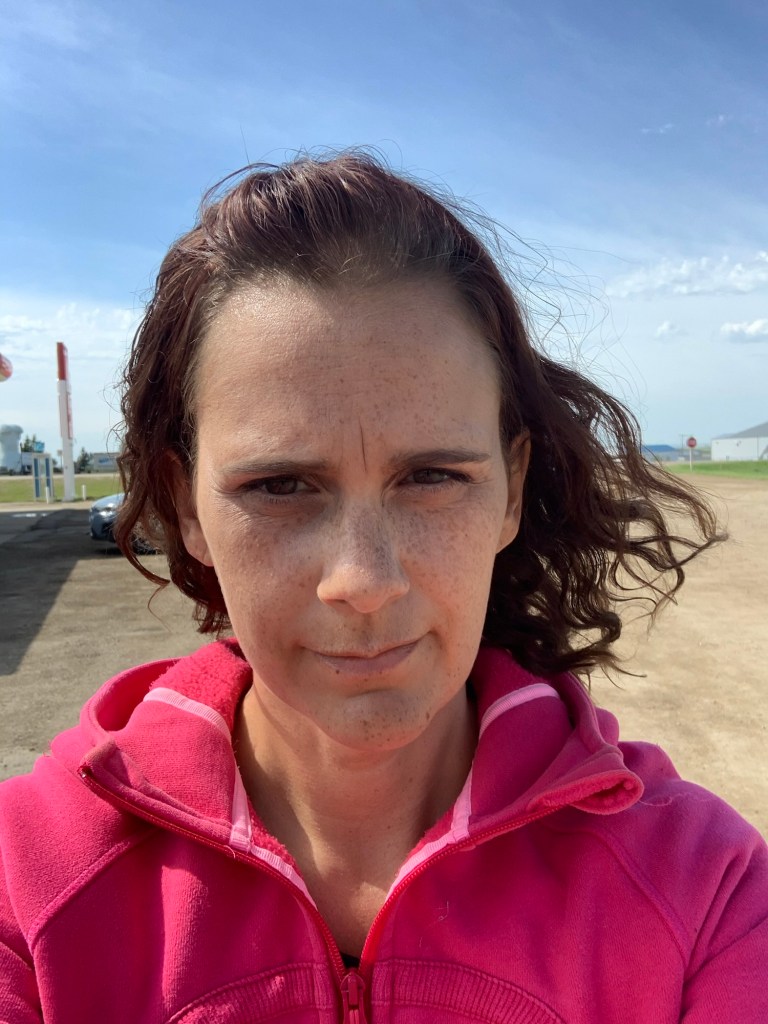
There was a period of time where my nervous system was running entirely on stress and outrage. I was carrying so much tension I could feel it humming beneath my skin. I wore it like an armour.

I was teaching piano almost full time.
Helping my children survive school systems that did not know how to support kids with ADHD.
Trying to advocate for a child who had endured years of bullying only to be treated like he was the problem once he finally reacted.

There were meetings. Emails. Phone calls. Policies. Assessments. Endless explanations.

And somewhere in there, I was also managing a farm, a household, meal planning, grocery shopping, appointments, chronic pain, surgeries, inflammation, and a body that kept submitting maintenance requests I could no longer ignore. Sound familiar?

Outer chaos eventually becomes inner weather.

Then there was the car.

Oh, the car.

Marketed as โ€œoff-road capable,โ€ apparently as long as your idea of off-roading was driving over a decorative gravel patch at a golf resort once annually.

When our Saskatchewan roads started dismantling it piece by piece, we were informed it wasnโ€™t actually built for daily gravel roads. Then every winter the same part broke because it apparently also wasnโ€™t designed forโ€ฆ winter?

I remember thinking, Well neither am I, but you donโ€™t see me breaking down.

(foreshadowing ๐Ÿ˜ณ)

This felt a little too intentional of a design flaw for something sold in Saskatchewan.

At the time, I was angry at everything.

The educational system.
The medical system.
The government.
Corporations.
World events.
Every injustice.
Every failure.
Every person who made life harder than it needed to be.

And underneath all of it was one desperate belief:

If I fight hard enough, maybe I can force the world to become safe.

So I fought.

And every phone call tightened my muscles more.
Every conflict wound my nervous system tighter.
Every injustice became another brick in the emotional dam I was trying to hold together.

Even now, writing about it, I can feel traces of that tension in my body.

My nerves were tight.
My jaw was tight.
My shoulders were tight.
My thoughts were tight.

My energy felt dark and electric and sharp. Warnings were everywhere:

Do Not Touch: Load Bearing Delusions Ahead.

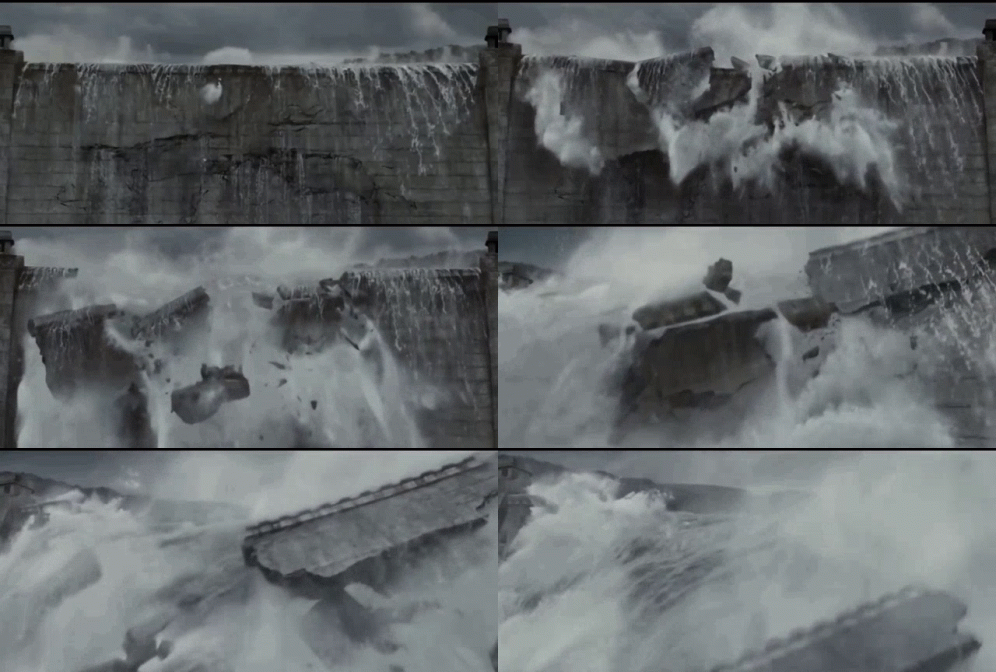
Eventually, the dam broke.

Not in some poetic, graceful collapse.
More like a nervous system mutiny. Everything in my body was operating like an emergency broadcast system.

Everything I had stuffed down flooded upward at once:
bad information, bad coping, bad core beliefs, fear, grief, anger, exhaustion.

It was physically excruciating. I’d been on my last straw for like 300 straws, and finally I ran out of straws.

After the initial effects subsided, I remember lying in bed unable to function. A puddle of a human being. All the fight inside me still existed but now it lived in a body that couldnโ€™t move and a brain that couldnโ€™t think.

I didnโ€™t know it at the time but this would become my new beginning.

You can’t go back and change the beginning, but you can start where you are and change the ending.

-C S Lewis


Echoes of Stillness in the Forest

Nature welcomes us before we are healed.

John Burroughs

One of the greatest gifts forest therapy gave me was this:

Nature does not spend its energy resisting its own seasons.

The forest does not panic because decay exists beside growth.

Yet so many women live as though rest is failure.

We push through pain.
Push through exhaustion.
Push through grief.
Push through our intuition.
Push through limits our bodies are desperately trying to communicate.

We fight every battle. Carry every burden. Solve every crisis.

And then we wonder why we are chronically exhausted, inflamed, anxious, disconnected, and burned out.

I see it everywhere.

Women who are always tired.
Always hurting.
Always โ€œfine.โ€
Always one more obligation away from collapse.

Forest therapy taught me something radical.

Stillness is not laziness.
Stillness is regulation.

Outer stillness creates the conditions for inner calm.

Not because the world becomes peaceful.
But because you stop feeding every storm.


A Forest Therapy Practice: The Sit Spot

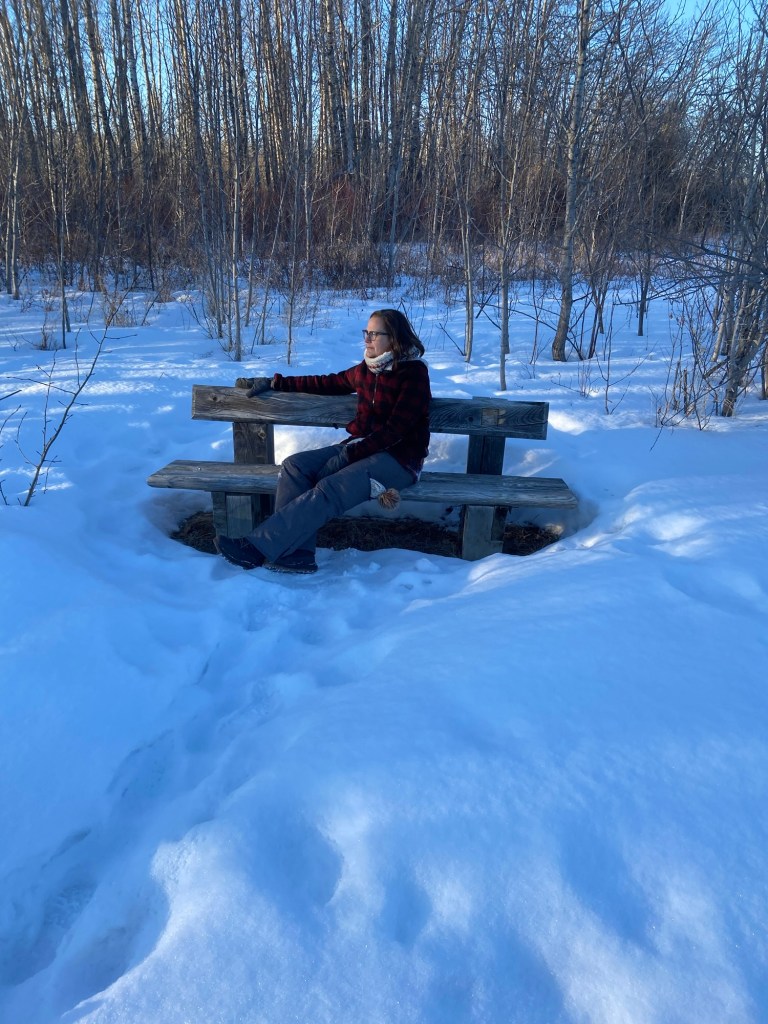
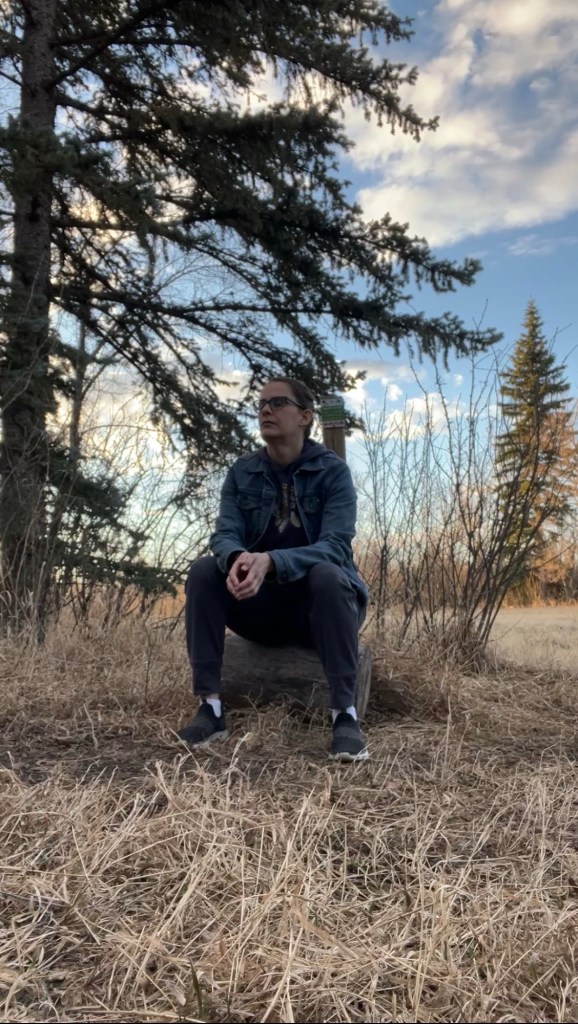
One of the simplest and most powerful forest therapy practices is called a sit spot.

You choose one place outdoors and return to it regularly.

Thatโ€™s it.

No performance.
No hiking goals.
No fitness tracker congratulating you for elevated heart rates.
No optimizing your experience into a competitive sport.

Your only job is to sit and notice.

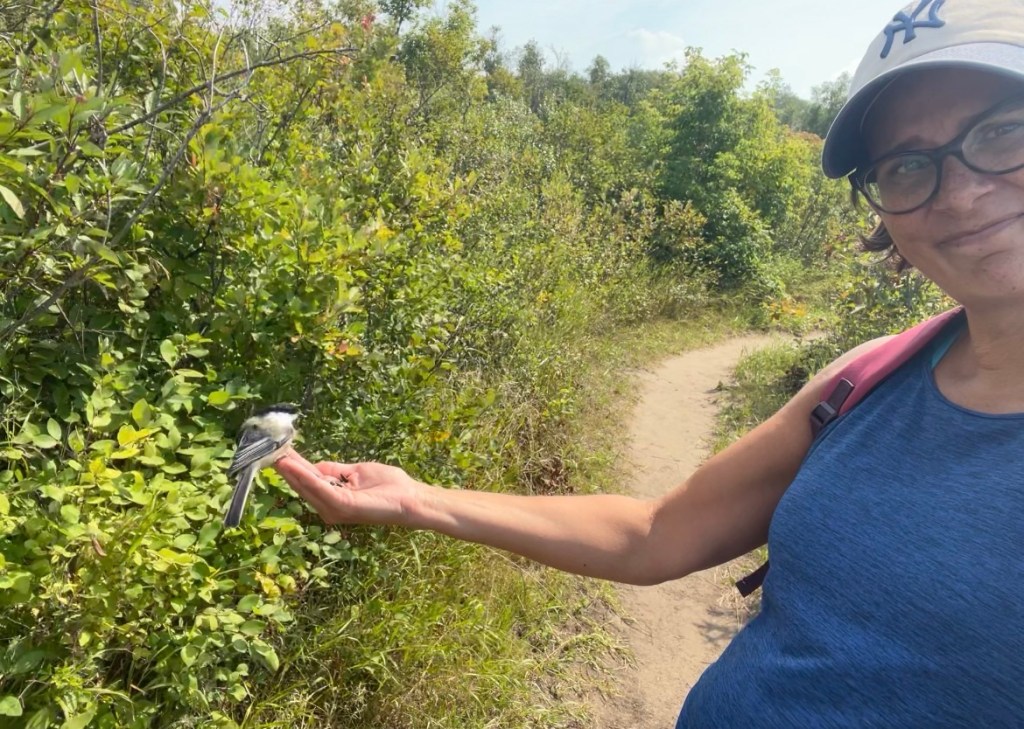
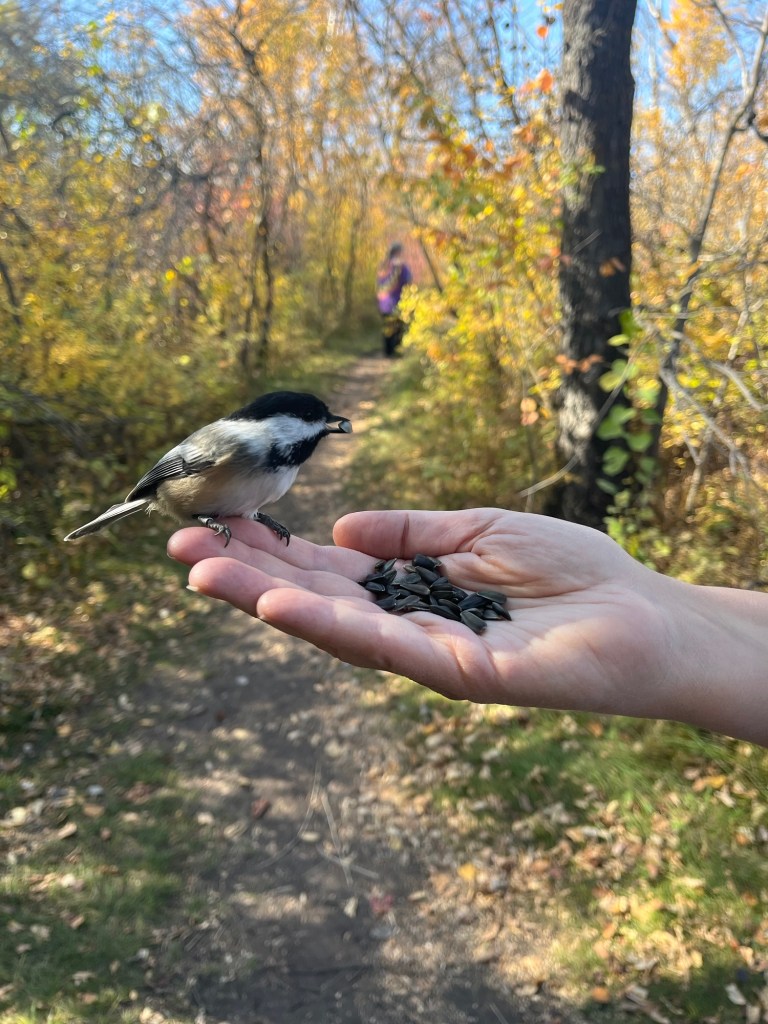
(The chickadees remain unimpressed by productivity culture)

How To Practice

Find a place outdoors where you feel safe and comfortable.

A forest trail.
A park bench.
A tree in your yard.

Then:

  • Sit quietly for 10โ€“20 minutes.
  • Notice what moves and what remains still.
  • Listen farther away than you normally do.
  • Feel where your body touches the earth or chair.
  • Allow your nervous system to settle before asking anything of yourself.

You do not need to โ€œachieveโ€ calm.

The forest does not demand that from you.

It simply offers regulation through rhythm, repetition, sensory softness, and presence.

Over time, your body begins remembering something it forgot. It does not have to remain in survival mode forever.


From Fighting Everything To Tending Something

It has taken me years to pare down my list of fights to zero.

Not because I stopped caring.

But because I realized anger was consuming the very life I was trying to protect.

Now, instead of fighting constantly, I create spaces of calm.

I meditate.
I practice energy work.
I use affirmations.
I spend time in the forest like it is medicine because for me, it is.

Despite the chaos that can still exist around me, I guard my energy carefully.

From this space, I choose where I can genuinely be of service.

I try to listen when my body whispers instead of waiting until it screams through symptoms.
I create rituals that bring me back to myself when I wander too far into fear or overwhelm.
I practice gratitude daily because gratitude softens the nervous systemโ€™s constant scanning for danger.

And when concerns arise, I do my best to voice them clearly and compassionately.

Then I let them go.

Not because they do not matter.

But because I matter too.


There Is Possibility Everywhere

Norman Vincent Peale once said:

Become a possibilitarian. No matter how dark things seem to be or actually are, raise your sights and see possibilities. Always see them, for theyโ€™re always there.

Forest therapy helped me understand this deeply.

Possibility exists everywhere in nature.

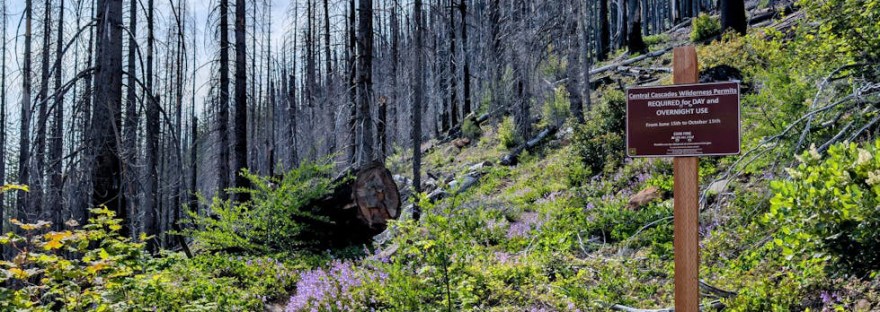
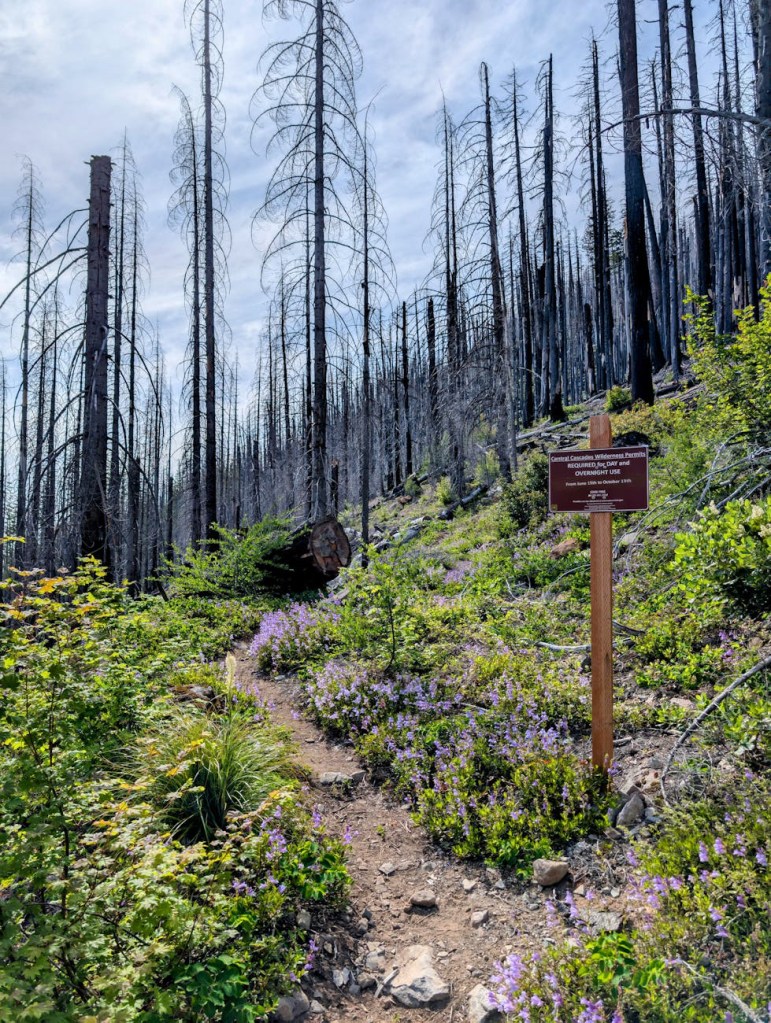
A burned forest regenerates.
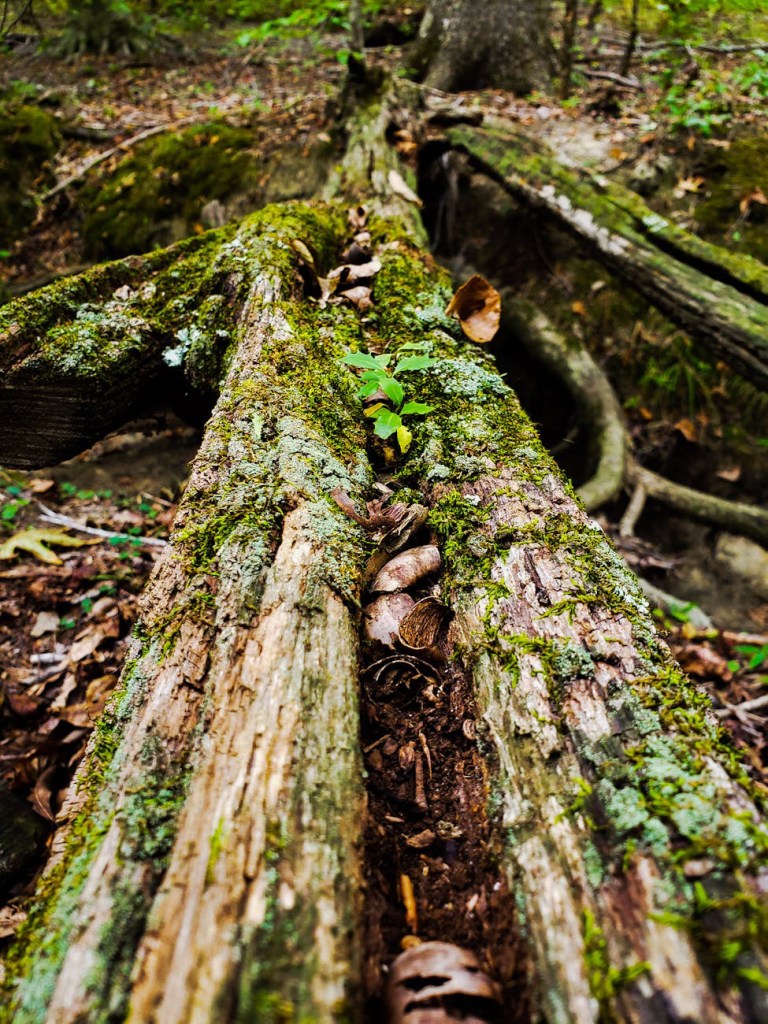
A fallen tree becomes nourishment.
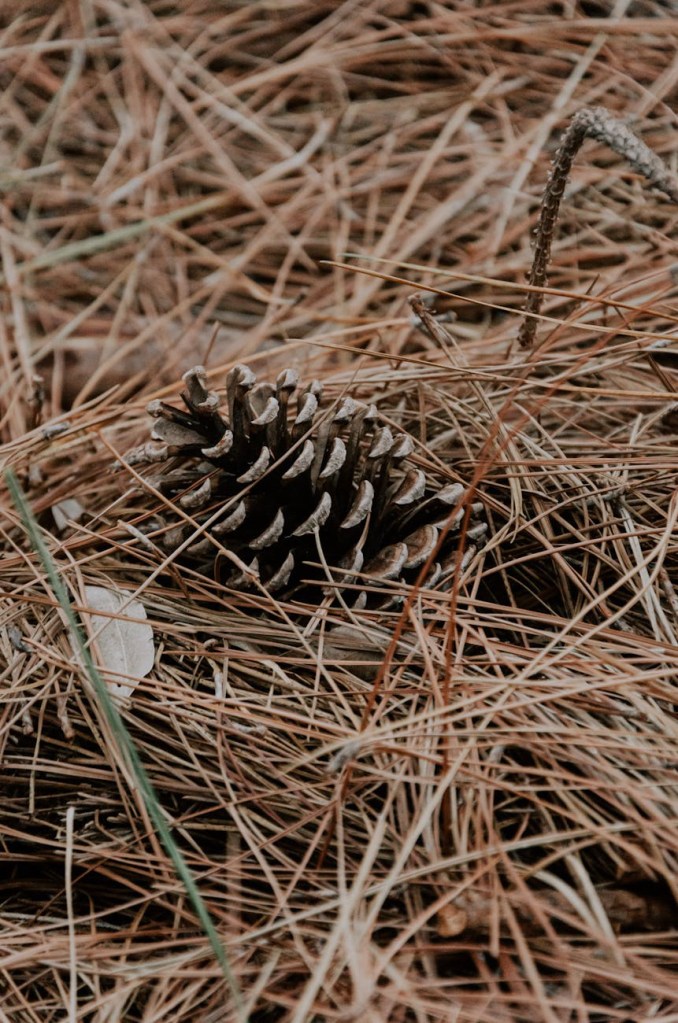
A cracked open pinecone releases seeds.
Life keeps finding ways forward.

And humans can too.

Not always by forcing harder.
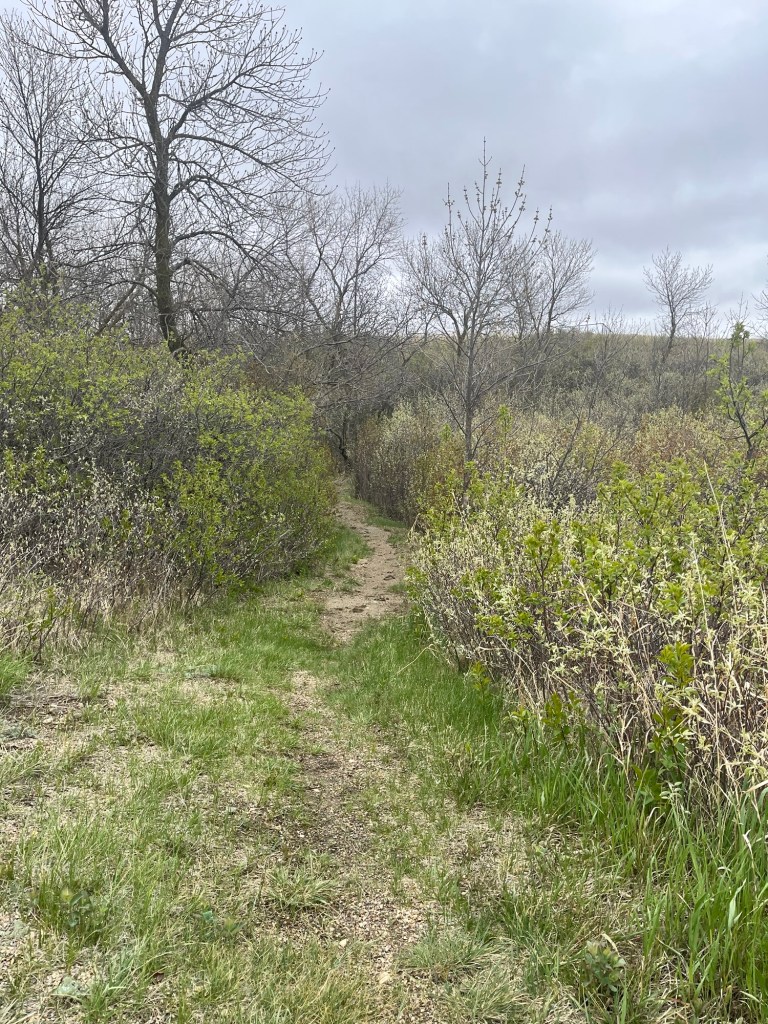
Sometimes by softening enough to notice another path entirely.


What Makes A Good Life

Thereโ€™s a quote from Donald Miller that has stayed with me for years. In it, he imagines sitting with God under a tree outside heaven, remembering the story of his life together.

And what moves me most is this idea:

That God would have favourite parts of our story.

Not just the successful moments.
But the moments we grew.
The moments we softened.
The moments we overcame.
The moments we kept loving despite pain.

The moments we learned how to become fully human.

To me, this is what a good life looks like.

Not a perfectly optimized one.
Not one where we won every fight.
Not one where we proved ourselves endlessly useful.

But one we could sit down and talk about with tenderness.

A life where our soul is no longer thirsty.

A meaningful life is not built through perfection but presence.

John Oโ€™Donohue


Turning Pain Toward Purpose

People tell me itโ€™s wonderful that Iโ€™ve turned my pain into something useful or helpful. And I appreciate the kindness in that.

But honestly, sometimes purpose looks less glamorous than people imagine.

Sometimes itโ€™s simply this:

If you do it wrong, you know how to tell somebody else what to avoid. If I walk into an invisible wall, I’m going to let others know about it. This wall is invisible and solid!

If I can help someone avoid walking into walls or burning themselves to the ground trying to hold up the entire world, then my pain served a purpose.

If I can help another woman understand that rest is not weaknessโ€ฆ
that stillness is healingโ€ฆ
that her nervous system deserves gentlenessโ€ฆ
that she is allowed to stop fighting every battleโ€ฆ

Then maybe this story matters.


An Invitation To The Forest

So if you are exhaustedโ€ฆ

If your body hurts all the timeโ€ฆ
If your mind never stops spinningโ€ฆ
If your nervous system is tight as a fence wire in January…

Come to the forest.

Not to fix yourself.
Not to become more productive.

Just come back to being human.

The forest remembers how.

And slowly, patiently, you may remember too.

Feeling It All: Big Emotions, Chronic Pain, and Finding Your Ground in the Forest

Thereโ€™s a moment. Itโ€™s often quiet, sometimes overwhelming. When emotion first arrives in the body.

It might feel like a tightening in the chest. A wave of heat. A heaviness behind the eyes. A sudden drop in the stomach.

Something Iโ€™m learning? When this happens, nothing has gone wrong. My body is simply giving me information.

Experiencing big emotions is not a failure of regulation, character, or strength. It is part of being human.

Especially for those living with chronic pain, where the body is already speaking loudly, emotions often arrive amplified and harder to ignore, harder to name, harder to hold.

But after that first signal comes something powerful.

Choice.

Not whether you feel the emotion. But how you respond to it.

As Daniel Chidiac teaches, Not every emotion needs a reactionโ€”but every emotion deserves acknowledgment.

โธป

The Story We Tell After the Feeling

On the Better Than Happy podcast, Jody Moore offers a perspective that can feel both freeing and confronting.

Anger is optional. 

Disappointment is optional.

Embarrassment is optional.

Humiliation is optional.

Not because we can simply turn emotions off. But because these emotions are often shaped by the meaning we assign to our experiences. Have you experienced any of the following?

  • You have been dismissed by a medical professional, again. 
  • You didnโ€™t reach the goal.
  • Someone saw you struggle.
  • Something didnโ€™t go as planned.

Those are just events. Although they feel huge in the moment. 

Disappointment enters when the mind adds the story.

โ€œThis means something is wrong with me.โ€

Embarrassment grows when the thoughts spiral into shame.

โ€œThey must be judging me.โ€

โ€œI look foolish.โ€

โ€œI am foolish.โ€

And hereโ€™s the important nuance.

These emotions are optional. But not wrong.

Youโ€™re allowed to feel them. Youโ€™re also allowed to question them.

The feeling is real. The story is optional

John Delony

โธป

A Simple Task: A Heavy Story

Hereโ€™s how that looks in my life. 

I set out to do a little spring cleaning.

Nothing ambitious. Just a smidgen at a time. Slow and steady. The way Iโ€™ve learned my body needs things to be. Experience has taught me that enthusiasm and capacity are not the same thing.

But then life showed up.

The everyday mess. The dishes. The door in my room that was in desperate need of a good wipe down. The quiet realization that I couldnโ€™t do both.

I had to choose. My body, which had just clocked in was now requesting a lunch break.

And then the grandkids came to โ€œhelp.โ€ Which, as you can imagine, added more chaos than progress. At this point the mess was winning. And multiplying.

The vacuum stopped working. My arms started to burn.

And just like that, the thoughts came rushing in.

Iโ€™ll never catch up.

My house will always feel like this.

Why canโ€™t I just keep up like everyone else?

Because, obviously, one unfinished chore means a lifetime of failure. ๐Ÿ˜ฃ

I could see it happening, the spiral. I wasnโ€™t unaware.

But stopping it? That took effort. A surprising amount of effort.

Excuse me while I parent my dramatic inner narrator.

Because even as part of me recognized what was happening, another part was pushing me harder.

Just keep going.

Finish what you started.

If you donโ€™t do it now, it will never get done.

False. What was actually true was much simpler and much harder to accept in the moment.

I was tired. I was in pain. I needed to stop. 

My body wasnโ€™t failing me. It was asking me to listen.

And the real choice in that moment wasnโ€™t about dishes or doors.

But this.

Do I keep pushing to meet an expectation I set for myselfโ€ฆ or do I take care of myself?

Eventually, I chose to stop.

Not because everything was done. But because I was.

And that shift didnโ€™t magically clean my house. But it did something more important. It brought me back to myself and my priorities.

โ€”โ€” 

Chronic Pain and Emotional Amplification

Pain is loud. But it is not the only voice.

Liz Newman 

If you live with chronic pain, this truth lands differently. (You might also find this helpful -> How Forest Therapy Can Transform Your Pain Experience)

Because your nervous system is already working overtime. Because your body has taught you that signals matter and often signal threat. ( If you want to learn how forest therapy supports the nervous system, check this out -> Mending Your Nervous System With Forest Therapy)

Pain doesnโ€™t just exist in isolation. It interacts with emotion, memory, and meaning.

A flare-up can quickly become:

โ€œIโ€™ll never get better.โ€

โ€œMy body is failing me.โ€

โ€œI canโ€™t live the life I want.โ€

This is where emotional dysregulation can take hold, much like how Brenรฉ Brown describes it:

Being overwhelmed by feelings that are hard to name and contain, driving behaviors and thinking that donโ€™t align with who we want to be.

And suddenly, weโ€™re not just in pain.

Weโ€™re in a story about what that pain means.

Your body speaks in sensation. Your mind speaks in meaning. Learn to tell the difference.

Deb Shapiro 

โธป

Disconnection: When the Body Becomes Unfamiliar

Brenรฉ Brown shares a powerful story about recovering from injury and trying to engage muscles that simply wouldnโ€™t respond. Her therapist kept reminding her to โ€œfind your ground.โ€

But she couldnโ€™t feel it. She couldnโ€™t even find her lats. 

She was using her body while being disconnected from it.

That disembodiment, that moving without understanding, existing without connection, is deeply familiar for those with chronic pain.

You expect your body to respond one way. It betrays your expectations. Every time.

And over time, many people stop listening to their bodies with curiosity and start bracing against them with resistance.

Until one simple but profound instruction emerges.

Find your ground.

Not just physically. Energetically. Emotionally. Spiritually.

If youโ€™re trying to find your way back to yourself, back into your body, the answer isnโ€™t usually one big solution.

Itโ€™s small, grounding practices.

Journalling. Meditation. Art. Spiritual connection. Time in nature.

Each one opens a door.

Forest therapy is where those doors meet, creating a space that supports not just awareness, but true reconnection. 

โธป

The Tree as Teacher

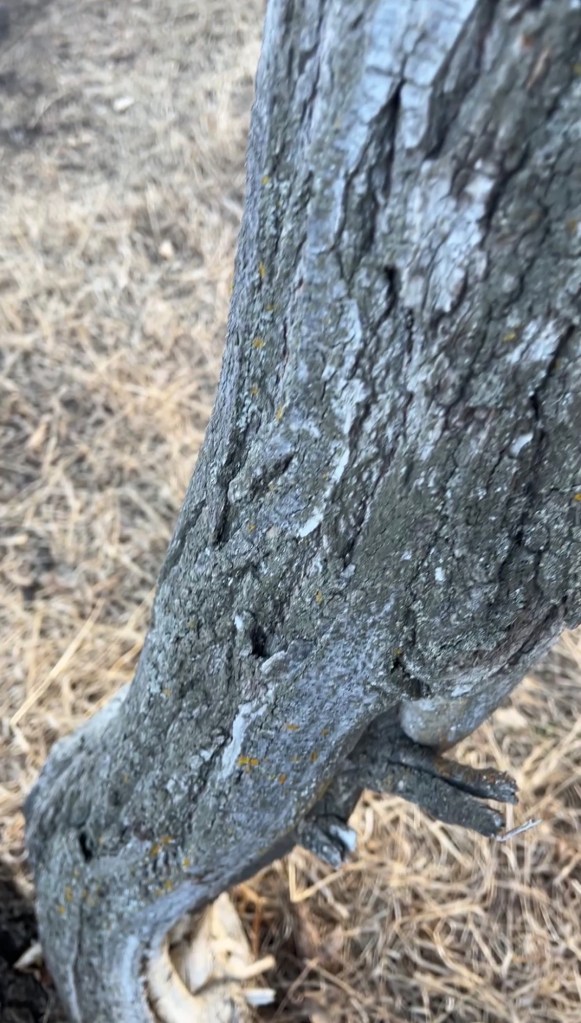
In The Secret Therapy of Trees, Marco Mencagli and Marco Nieri describe the trunk of a tree as something remarkably similar to the human core.

It is a channel of connection. A stabilizing structure. A vital center.

If damaged, the whole system struggles.

Like the human torso, home to breath, circulation, and strength, the treeโ€™s trunk is both anchor and conduit.

And yet, trees do something we often forget to do. They remain rooted while experiencing everything.

Wind. Storm. Drought. Seasonal loss.

They do not avoid conditions. They adapt within them.

โธป

What Actually Matters (Hint: Itโ€™s Not the Dishes)

Another truth worth holding onto.

You cannot overestimate the unimportance of practically everything.

John C Maxwell 

So much of what consumes our emotional energy, what people think, whether we looked polished, whether everything went perfectly, is, in the grand arc of a life, remarkably small.

Jody Moore offers a striking reflection.

Imagine your tombstone reads:

โ€œAt least the dishes and laundry were always done.โ€

โ€œShe really stayed on top of the laundry.โ€

โ€œAt least no one had a reason to judge her.โ€

Thatโ€™s not the legacy most of us want.

What we want is something closer to this.

She lived fully. She went all in. She gave her whole heart.

Not perfection. Participation.

Because the real tragedy isnโ€™t failure. Itโ€™s not trying at all.

โธป

Vulnerability, Courage, and the Nervous System

Brenรฉ Brown reminds us:

There is no courage without vulnerability.

And vulnerability means feeling.

It means stepping into uncertainty.

Risk.

Emotional exposure.

For those with chronic pain, vulnerability can feel even riskier. The body already feels unpredictable. Why add emotional exposure on top of that?

But avoiding emotion doesnโ€™t create safety.

It creates disconnection.

And disconnection pulls us further from our โ€œground.โ€

EMBERLIN: (n) the small unbreakable flame inside you that refuses to go out, even on your darkest days.

โธป

A Forest Therapy Practice: Finding Your Trunk

Hereโ€™s a simple forest therapy invitation you can try.

The Trunk and the Story

1. Arrive

Find a tree that draws your attention. Stand or sit near it.

2. Observe

Notice the trunk. Its thickness. Its texture. Its steadiness.

3. Connect

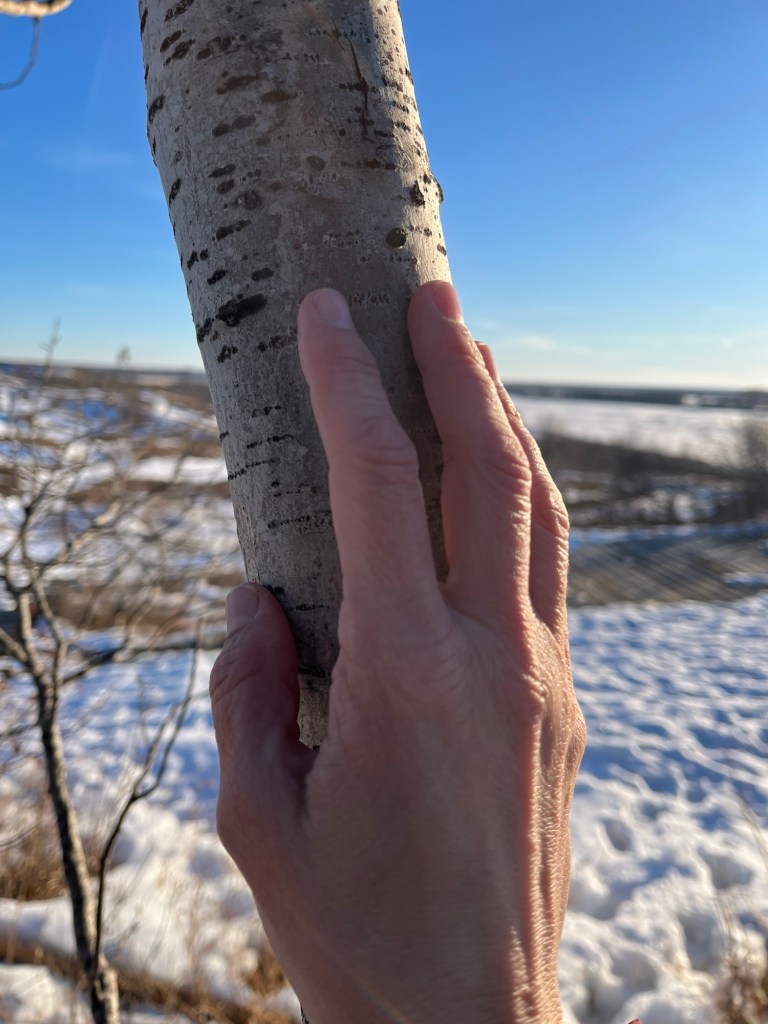
Place a hand gently on the tree (or simply sit close if touch isnโ€™t accessible).

Bring awareness to your own torso.

  • Your breath
  • Your chest
  • Your core

4. Journal

Bring a journal or write in the dirt with your finger or a stick. Answer these questions,ย 

What emotion is present in you right now?

Not the story, just the sensation.

Where is it in your body?

5. Separate Sensation from Story

Gently answer this,

  • What am I feeling?
  • What am I making this mean?

Draw a line between the two answers. Let those be two different things.

6. Root

Imagine your body like the tree. 

  • Grounded below
  • Supported in the center
  • Responsive, but not uprooted

7. Choose

Without forcing anything, ask this,

How do I want to respond to this feeling in this moment?

Write your answer. 

โธป

Final Thought: Feel First, Then Choose

You are not meant to bypass emotion.

You are meant to experience it, fully, honestly, humanly.

And then, from a grounded place, choose your next step.

Not from fear. Not from the story that says you are failing.

But from the deeper truth that you are still here, still rooted, still capable of living a meaningful life.

Even with pain.

Even with uncertainty.

Even with a door that still needs cleaning. ๐Ÿงผ ๐Ÿšช

The Art of Finding Calm: Anchors for Inner Peace

By the time you reach the last spring, your hands are shaking. Youโ€™re sweating. Frustrated. Everything keeps getting more crooked.

You realize too late. You started wrong. ๐Ÿ˜‘

Anyone who has assembled a trampoline knows the rule. You donโ€™t hook the springs in a circle, one after another. If you do, the tension pulls unevenly. By the end, you donโ€™t have the strength to stretch it into place.

You begin with four. Evenly spaced. Then every ten. Then every five. Then every two.

You build balance first. Then you stretch.

Cruising the Chaos of Life’s Pulls

We are pulled by responsibilities๐Ÿ‘ˆ, expectations๐Ÿ‘‰, needs๐Ÿ‘†, roles๐Ÿ‘‡, diagnoses๐Ÿซต, deadlines๐Ÿซก.

Work. Family. Health. Friendships. Faith. Community. The list goes on.

Each one a spring tugging at the mat of our life.

When we hook ourselves fully to one area without anchoring wisely, the whole thing warps. We overextend in one direction and find ourselves weak in another.

Sometimes that is the season we are meant to live.

After giving birth, your whole being stretches toward that tiny life. Other areas thin out. That is not failure. That is devotion. In time, the tension redistributes.

But chronic pain does not redistribute so gently.

Chronic Pain: The Illusion of Perfect Harmony

When you live with chronic pain, you are constantly pulled toward managing symptoms, setting and going to appointments, pacing yourself, rest, prevention. Your energy budget is small. Other areas stretch thin.

Then something hopeful happens. ๐Ÿ˜ฎ

You focus on your health. ๐Ÿ˜ง

You improve. ๐Ÿซข

You feel almost normal. ๐Ÿฅน

Everyone else sees it too. ๐Ÿ™Œ

Schedules begin to fill ๐Ÿ—“๏ธ Invitations multiply ๐Ÿฅณ Expectations quietly rise ๐Ÿซด . The springs of โ€œnormal lifeโ€ begin snapping back into place ๐Ÿซฐ.

You let yourself believe it. ๐Ÿ˜„

Maybe Iโ€™m better. ๐Ÿ˜‚

Then exhaustion crashes in ๐Ÿซฉ You stare at your calendar at night and wonder what youโ€™ve done to yourself ๐Ÿ˜ณ A small slip becomes months of recovery ๐Ÿ˜ต One flare unravels carefully rebuilt stability ๐Ÿ˜ž.

And then come the looks ๐Ÿ˜’๐Ÿ™‚โ€โ†”๏ธ

The subtle confusion ๐Ÿคจ

The well-meaning advice ๐Ÿค“

The unspoken question: Why canโ€™t she just get it together?

Living with chronic illness often means managing other peopleโ€™s perception of your crooked mat.

There is grief in that.

Grief in not being believed. In being misunderstood. In having to explain your limits and have them questioned again and again.

Eventually, you begin to let springs go.

  • Work (sounds great, itโ€™s decidedly not great)
  • Hobbies
  • Certain relationships
  • Many dreams have to shift

Not because you lack discipline. Because you are learning discernment.

Tregi:

“A tender form of sorrow- one that doesn’t overwhelm but lingers softly in the soul, and it’s the ache of remembering something beautiful that’s gone, the silence after a goodbye, the bitter sweet pull of nostalgia. “

The Spring I Learned to Release

Within you there is a stillness and a sanctuary to which you can retreat at any time.

Hermann Hesse

One sunny day I carried my journal and scriptures out to our trampoline. It was warm, the sun pooling across the mat. A strange place to do cold, hard work.

I read.

I prayed.

I journaled.

I napped.

I prayed again.

And then I cried.

And cried some more.

To say I wanted one more baby doesnโ€™t begin to explain the years of ache. The doctors knew what my body could not sustain. I knew it too.

But my heart wasnโ€™t ready. I wanted to leave the doors open for God to do His work.

That day on the trampoline, I realized I was hanging on to a spring that was pulling my whole life crooked. The decision to have a hysterectomy felt like unhooking something sacred. I needed my Saviour in it with me.

It was one of the hardest decisions I have ever made. Letting that spring go felt like loss. But when I finally released it. After some time. I stopped trying to force tension where my body could not hold it. And space opened for healing. Opportunities I never could have seen coming appeared. Energy shifted. My frame steadied.

The mat did not look like I once imagined. But it began to hold me differently.

Calm comes when I choose my springs intentionally.

Cultivating Serenity Amidst the Clutter

Inner calm is not equal distribution. It is intentional tension.

It is knowing which four anchors belong in this season and which ones do not.

There is a calmness to a life lived in gratitude, a quiet joy.

Ralph H Blum

But we cannot hear that wisdom in noise.

We cannot recalibrate while drowning in comparison, expectation, and urgency. The nervous system cannot settle when constantly pulled outward.

This is why I return to nature.

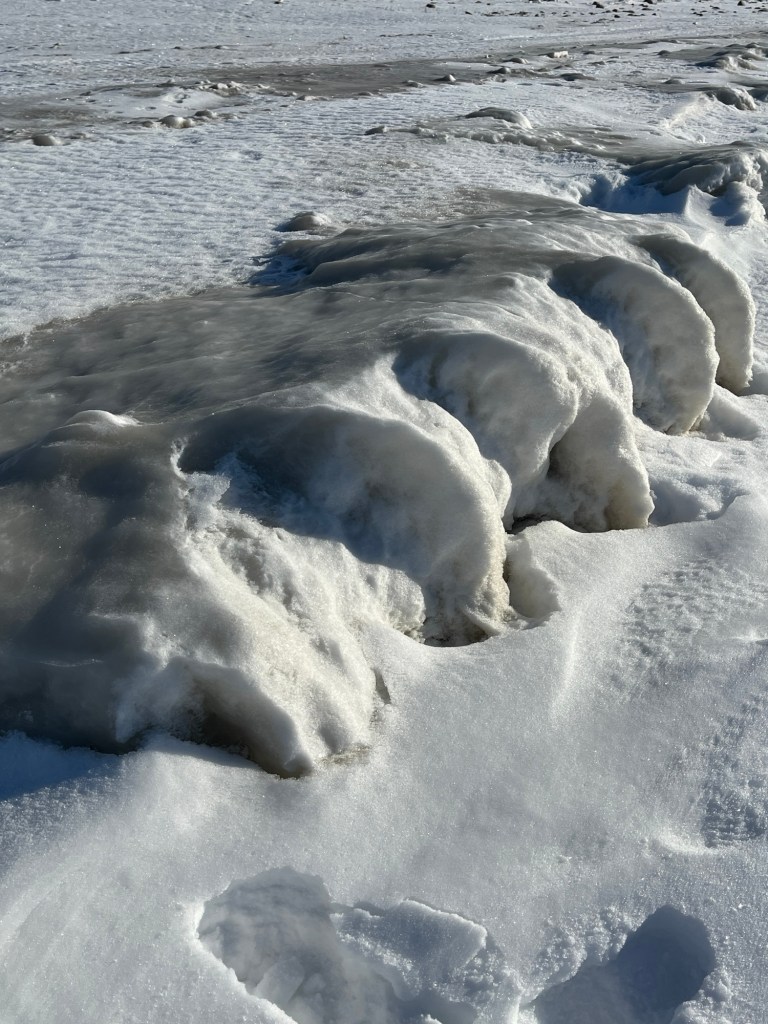
In the forest, no one critiques the tension of a tree branch as it cradles more and more snow and ice.

The bitter prairie wind does not apologize for taking our breath away.

The river does not hurry spring.

Outer stillness teaches inner calm.

When I step into the trees, the sensory world steadies me:

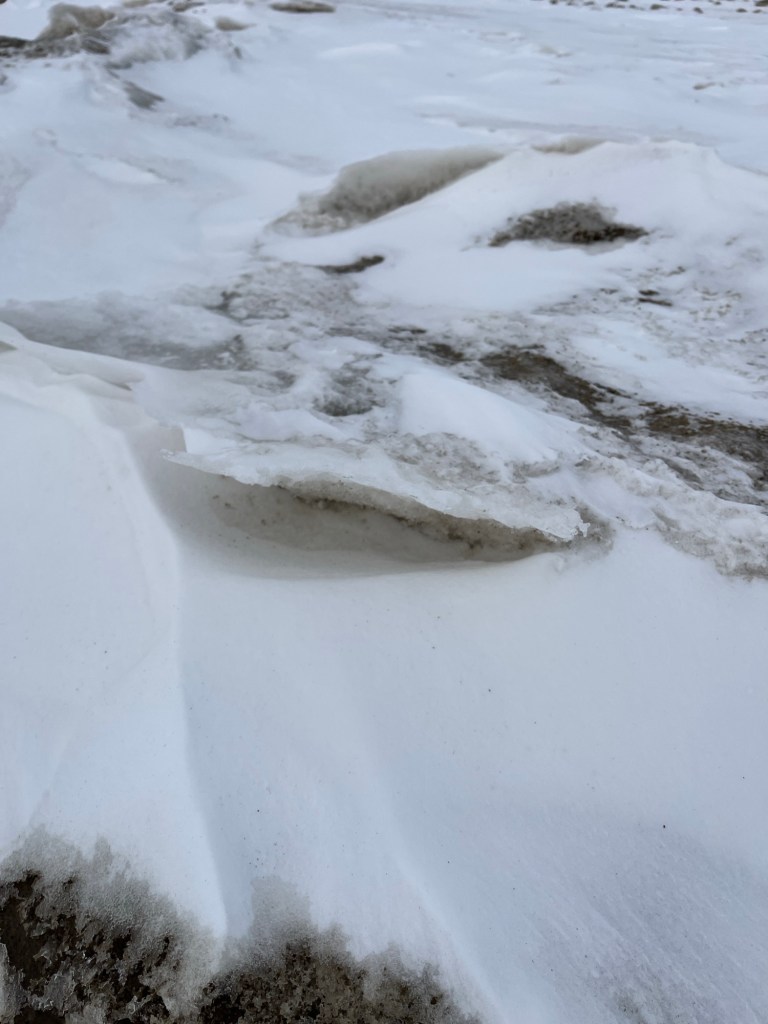
  • The sharp edges of wind swept snow
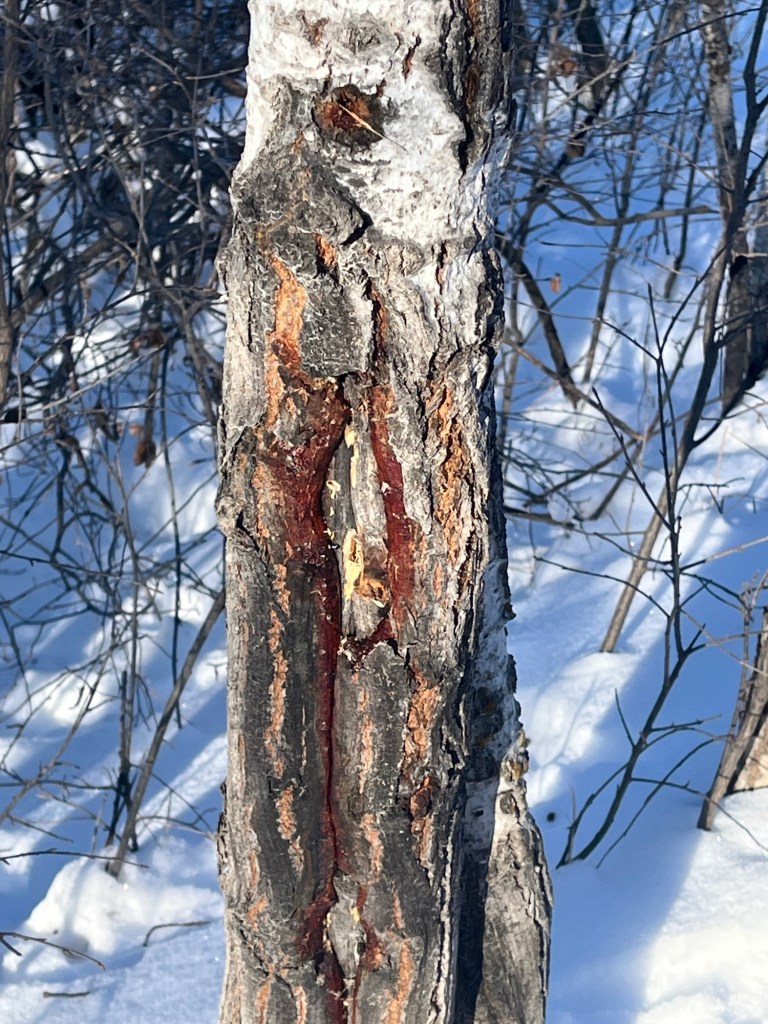
  • The cool texture of bark beneath my palm.
  • The sound of wind moving through leaves like breath.
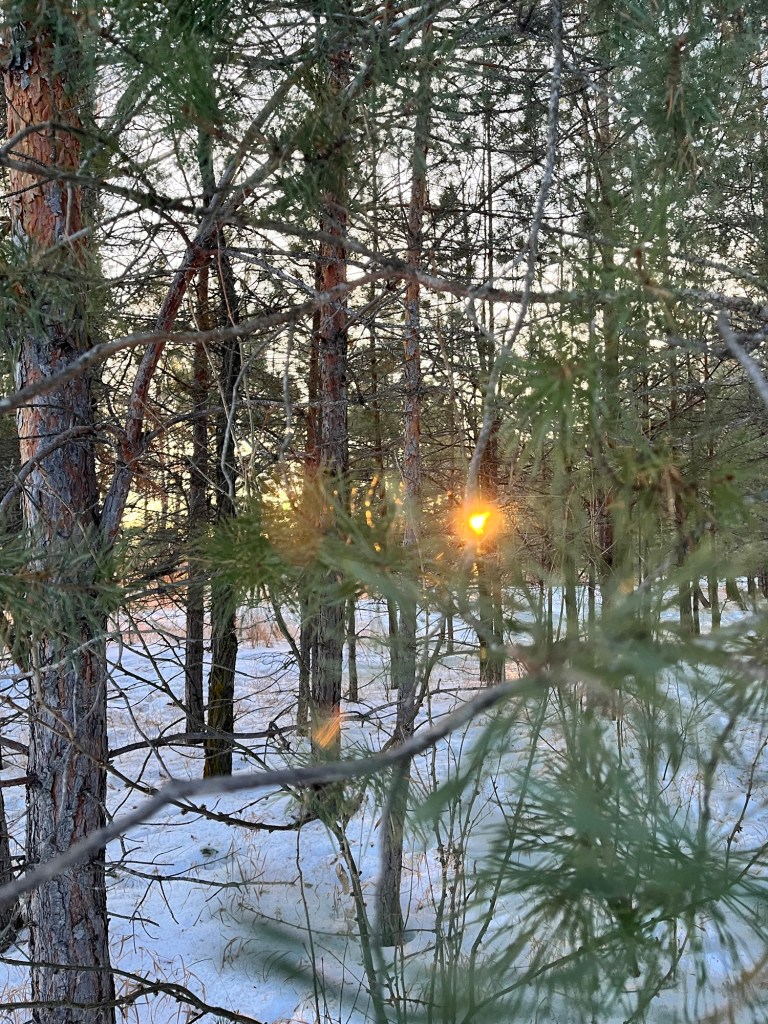
  • Light filtering through branches in patient patterns.
  • Look closely
  • Breathe deeply

The forest is not rushed. It is not impressed or judgemental of us. It simply grows toward light.

And in that space, I can finally ask:

Which springs belong today?

And the incredibly hard question. Where do I need to let go?

The mind, like water, when it is turbulent, becomes difficult to see. When it is calm, everything becomes clear.

Prasad Mahes

๐ŸŒฒ Forest Therapy Practice: Four Anchors for Inner Calm

This practice is especially for seasons when your life feels uneven.

You are not rebuilding your entire life today. Only choosing your four.

Time: 30โ€“45 minutes

Location: A quiet trail, grove, or open field

1. Arrive in Outer Stillness

Stand still. Feel your feet on the earth. Take three slow breaths, extending the exhale. Let your nervous system soften.

Notice where your body feels tight. Jaw. Shoulders. Back. Belly.

2. Choose Your Four Anchors

Whisper four priorities that truly belong in this season. No more.

  1. Health.
  2. Immediate family.
  3. Faith.
  4. One small joy.

Imagine each anchor as a tree spaced evenly around you.

Notice the balance.

3. Walk the Circle

Slowly walk in a gentle circle, pausing at each imagined anchor. Ask:

Is this spring too tight? Is this one neglected? Does this truly belong in this season?

Let answers arise without judgment.

4. Release One Spring

Name one responsibility, expectation, or internal pressure that does not belong right now.

Imagine physically unhooking it.

Notice the shift in your breathing.

5. Sit and Receive

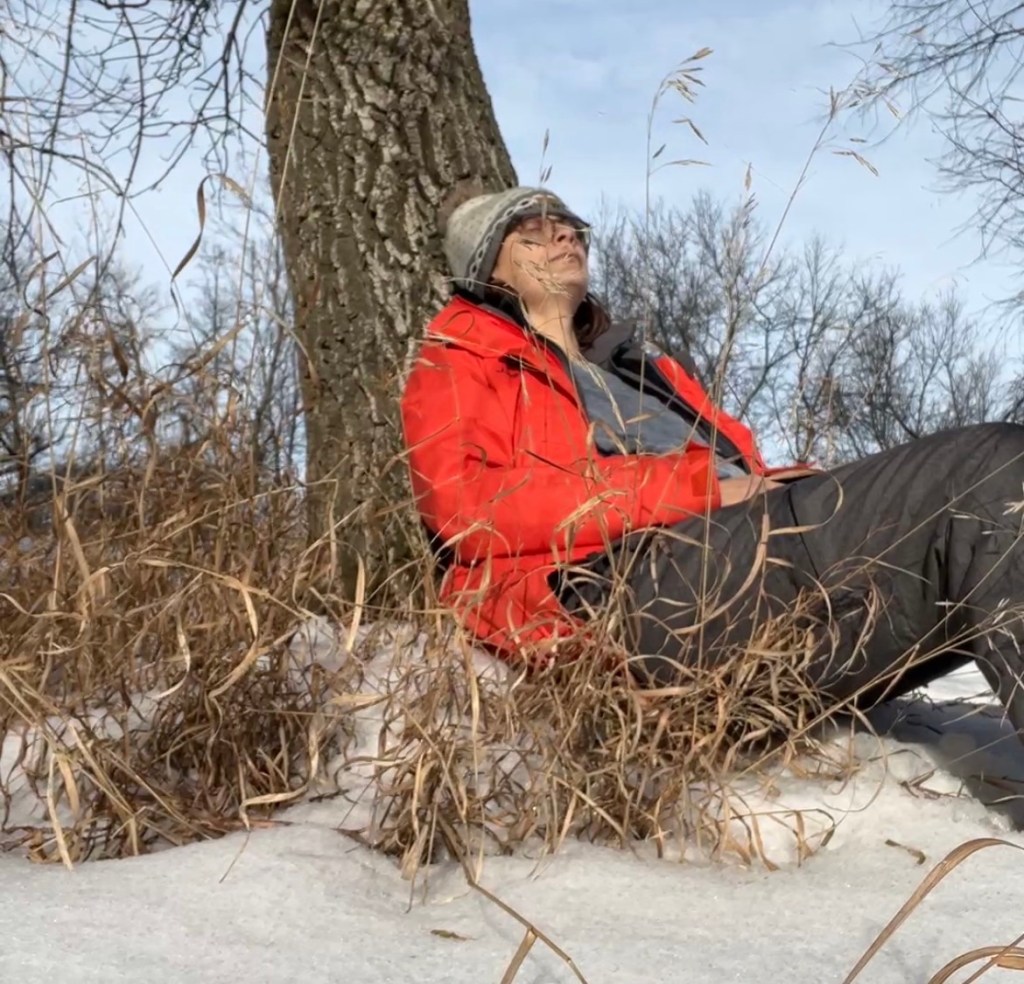
Lean against a tree or sit on the ground. Feel the support beneath you. Let outer stillness hold what you cannot.

Stay in silence.

6. Gentle Reflection

When you are ready, journal:

  • What would happen if I allowed this season to be enough?
  • What does my body need more of?
  • What am I brave enough to release?

True intelligence operates silently. Stillness is where creativity and solutions to problems are found.

Eckhart Tolle

You are not weak for having fewer springs. You are wise for choosing them. Balance may not look symmetrical. Your mat may not look like someone elseโ€™s.

But even a crooked mat can hold us.

And in the quiet of the forest, we learn to stretch for only what we are meant to hold.

What a blessing it is to look around and see pieces of my old prayers scattered everywhere.

Sarah Trent