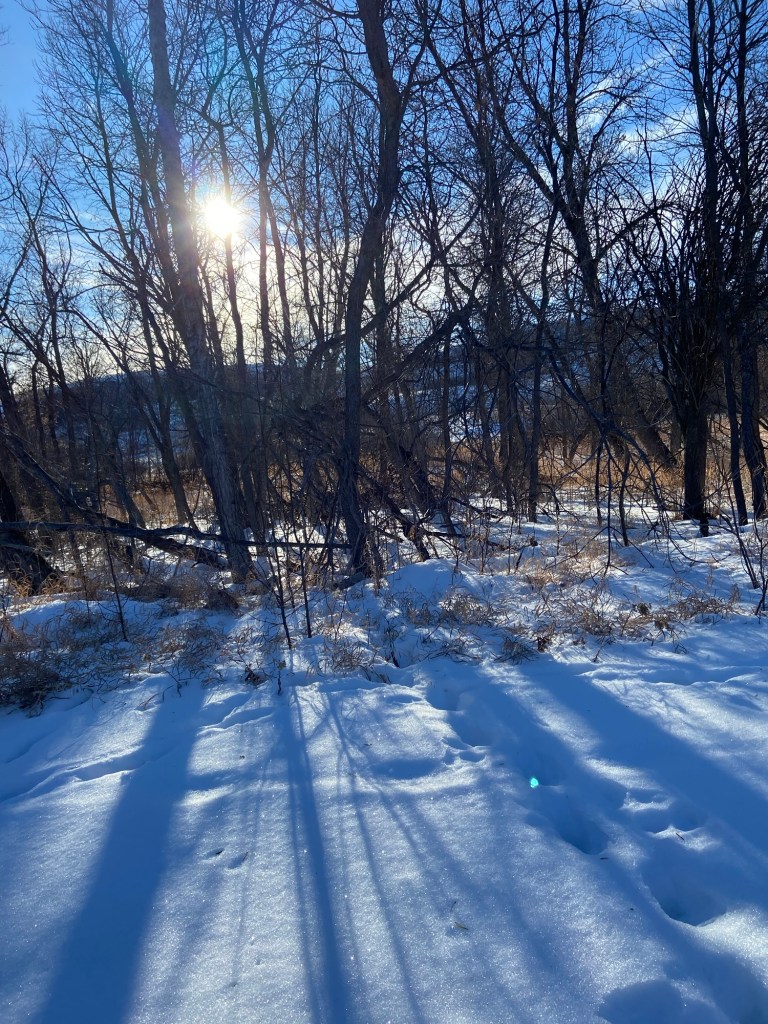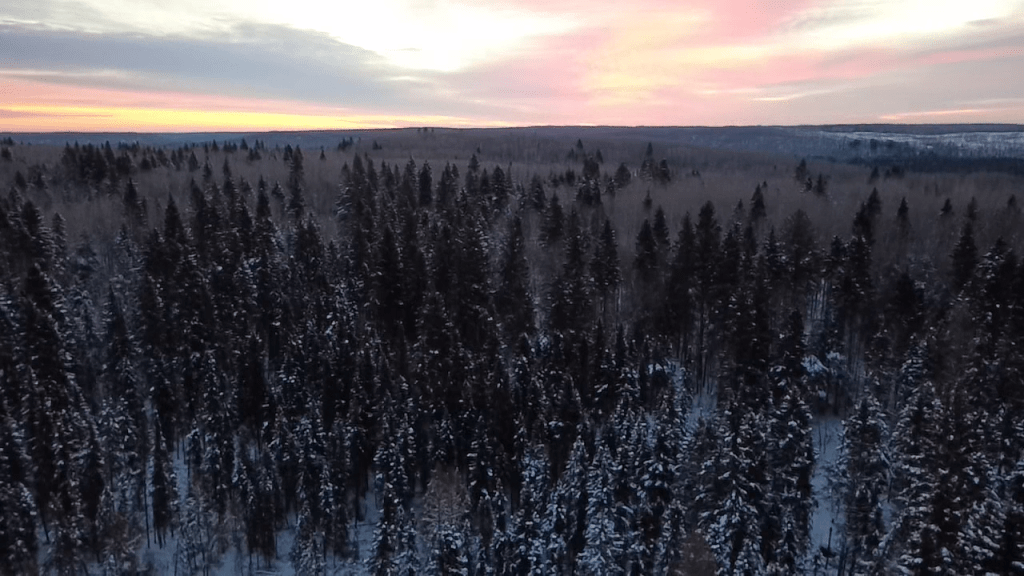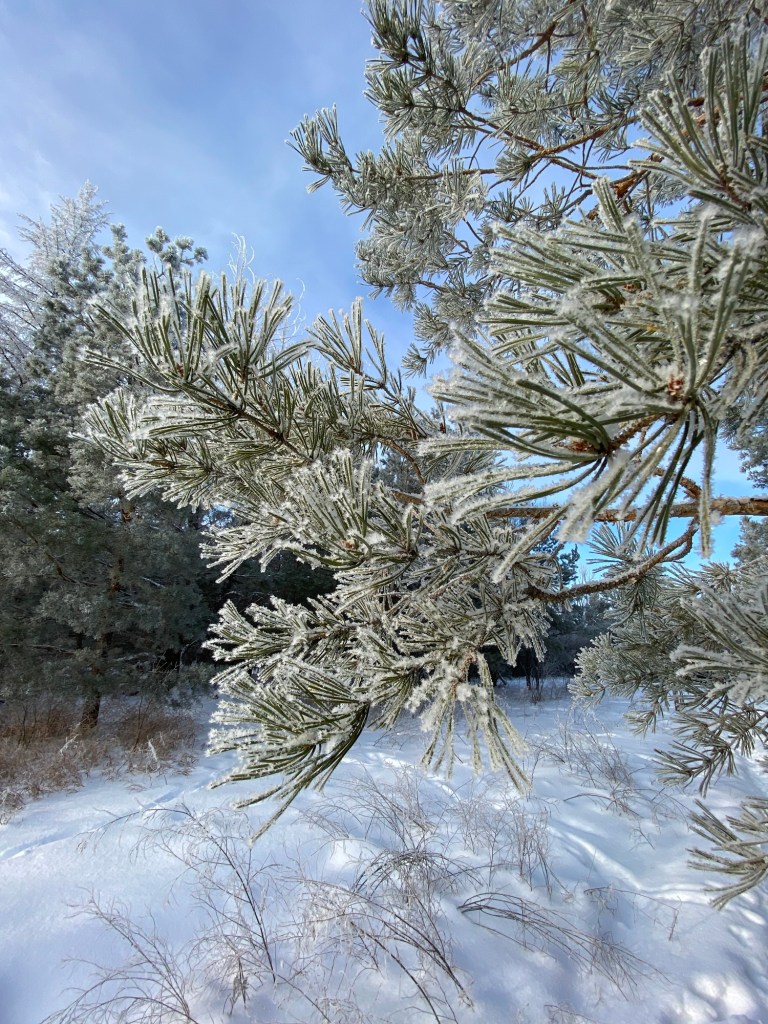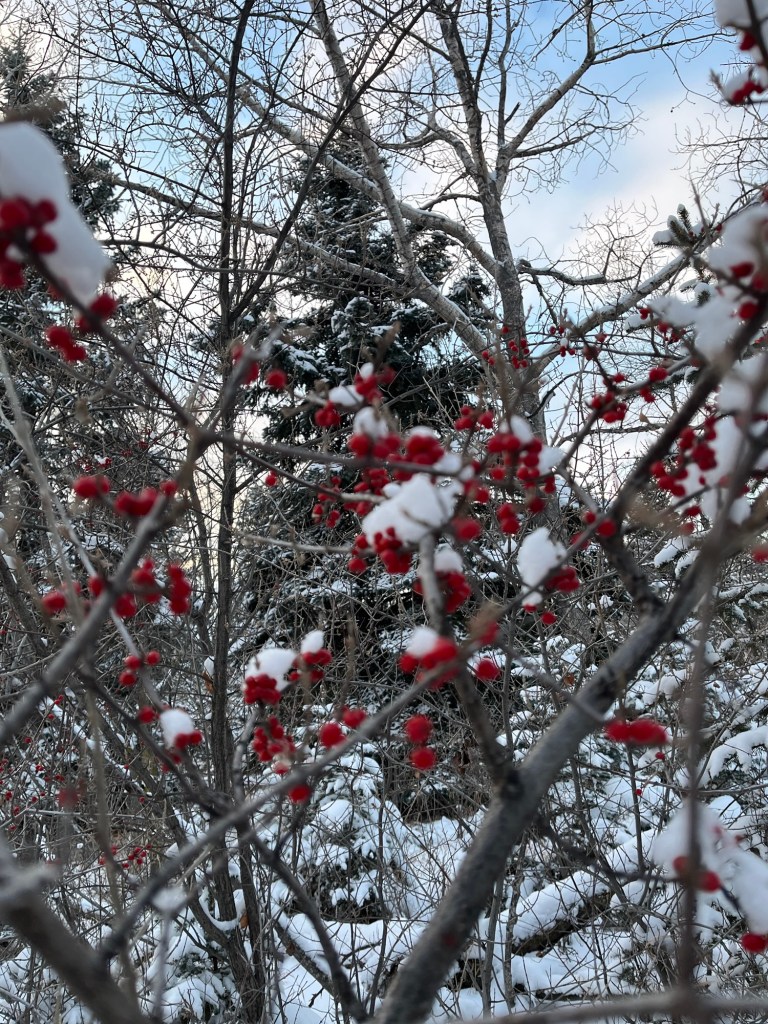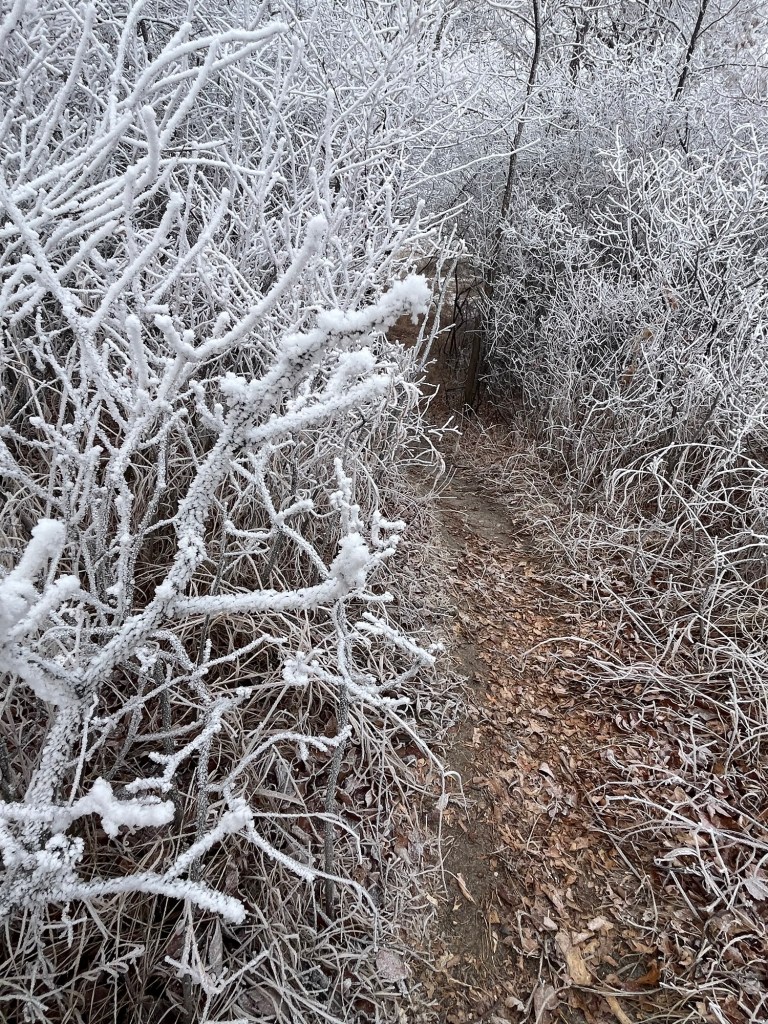
The Influence of Non-Judgmental Awareness: Mending the Nervous System

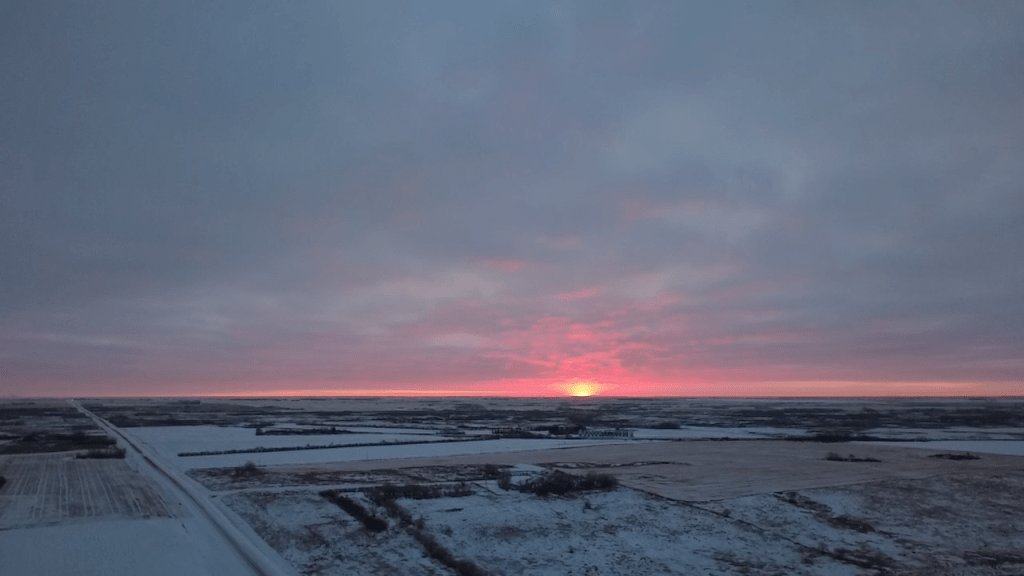
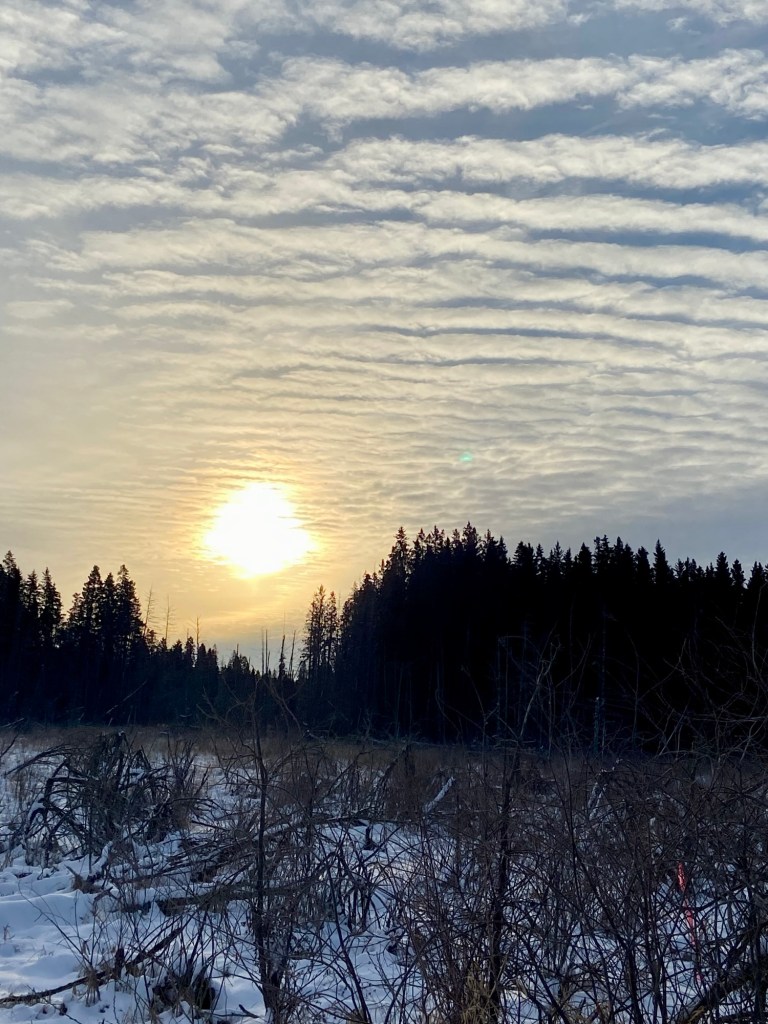
There is always in February some one day, at least, when one smells the distant, but surely coming, summer.

-Gertrude Jekyll

If you’ve ever tried to “think positive” while your body is screaming, you already know who wins.

Pain wins. Exhaustion wins. A nervous system on red alert wins. Any pep talk given to said nervous system is bringing a Post-it note to a tornado.

And then we blame ourselves! Because obviously the problem is a personal moral failure, not a human being a human.

In forest therapy, we take a different approach. We don’t try to out-think the body. We learn to listen to it without judgment. In doing so, the body finally gets what it has been asking for all along. Safety.
Biology’s Rebellion: The Dangers of Overriding Nature

Many people living with chronic pain think they should be able to cope better.

They should be stronger.

They should push through.

They should be more grateful it’s not worse.

But here’s a humdinger of a thought. When your body is sending powerful distress signals, your conscious mind has very little leverage.

The attempt to escape from pain is what creates more pain.

Gabor Maté

Neill Williams, on the Success Genius Podcast, explains it beautifully. When you are hungry, exhausted, or in pain, your biology overrides your attempts to think or feel differently.

The vagus nerve, your internal communication highway, links brain, heart, lungs, digestion, and the stress response. If that system is dysregulated, focus, creativity, decision-making, and connection all suffer.

Your body is a boundary of your soul. Treat it with care.

Jean Shinoda Bolen

As I’ve said before. This isn’t a motivation problem. It’s a nervous system problem.

And until the body feels safer, it will keep turning up the heat.
Rushing: The Trap That Keeps Us in Survival Mode

There is more to life than increasing its speed.

Ghandi

I dare say, we hurry through the day, override our limits, stay stimulated late into the night, fall into bed, wake up feeling four days past our bedtime, and repeat.

Then we wonder why our system is constantly braced for danger. We keep hitting refresh on the same nervous system and expecting a software update.

From a survival perspective, it makes perfect sense. Nothing in that cycle signals “You can stand down now.”

So the body continues to send messages. And they are rarely gentle. Whispers don’t usually create change. Pain often does.

To pay attention, this is our endless and proper work.
Mary Oliver

“I Would, But I Simply Can’t.”

I often hear how wonderful forest therapy sounds.

I wish I could. Maybe someday. When life calms down.

But healing asks for time. Attention. Slowing down. Repetition.

Until then, forest therapy remains a lovely idea instead of lived remedy.

Word to the wise. Your body will keep requesting the appointment. It has an unlimited follow-up policy and will keep calling until someone answers.

If you don’t schedule a break, your body will take one for you, and it probably won’t be at a convenient time.

-Unknown
The Remarkable Power of Non-Judgmental Awareness

Here is where the shift happens.

When we practice noticing sensations without evaluating them, we step out of the inner fight.

Instead of:

  • This is bad.
  • Why am I like this?
  • I should be better.

(There are no gold stars for hating life correctly)

We try:

  • Warmth
  • Tightness.
  • Pulsing.
  • Cool air on my cheek.

No argument. No story.

Judgment activates defense. Awareness invites regulation.

The nervous system reads neutrality as safety.

The organism knows.
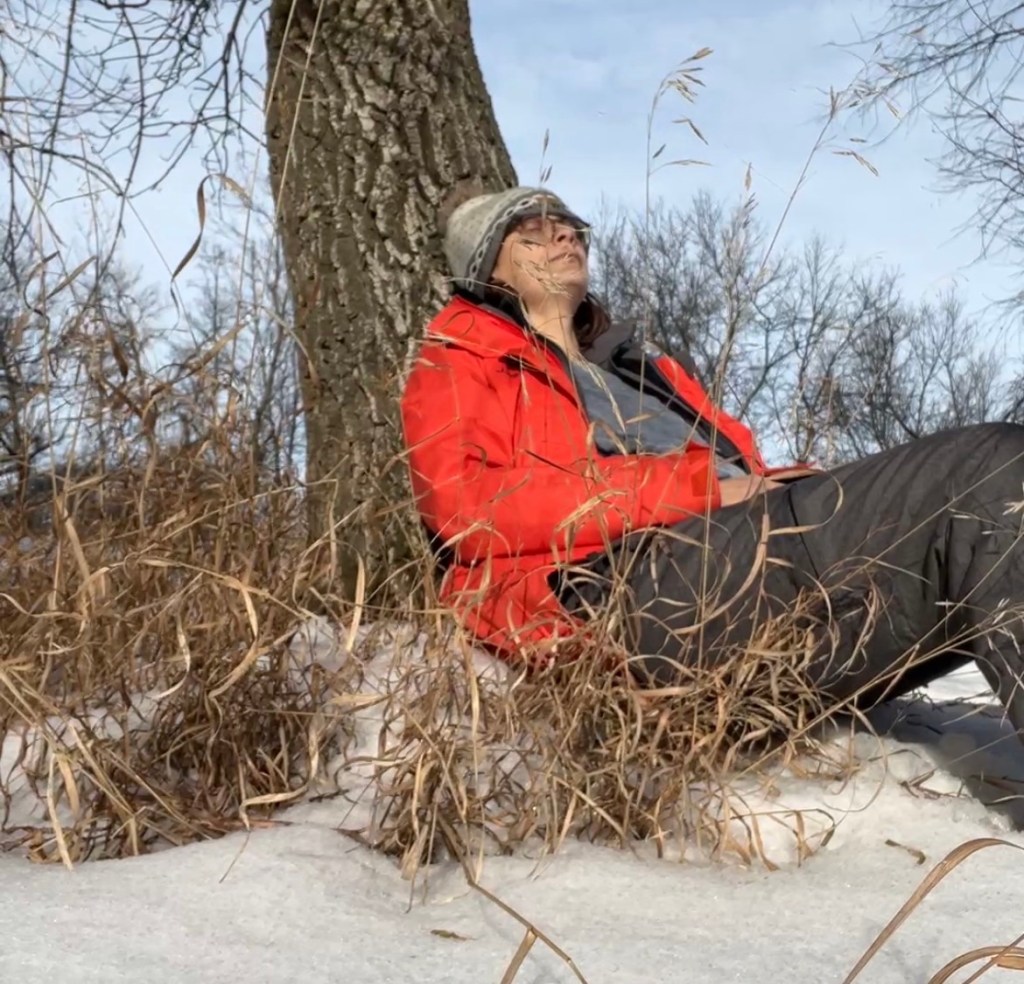
Eugene Gendlin

Nature: The Ultimate Stage for Inspiration

The forest is a masterclass in non-urgency.

Nothing is asking you to be different.

Everything belongs. You. Belong.

Research into nature exposure consistently shows reductions in cortisol, blood pressure, muscle tension, and rumination.

But experientially, I’ve seen something even more important. People soften. Attention and breathing widens.

The body begins to renegotiate its alarm state.

Nature provides gentle sensory anchors. Light, texture, birdsong, air movement. These allow awareness without overwhelm. For someone with chronic pain, this is crucial. We are not adding more intensity; we are expanding capacity.

Astravore: (n) A soul that keeps feeding on hope even after disappointment- light-hungry, resilient, unbreakable. -ViviJan

You are larger than what is happening to you.
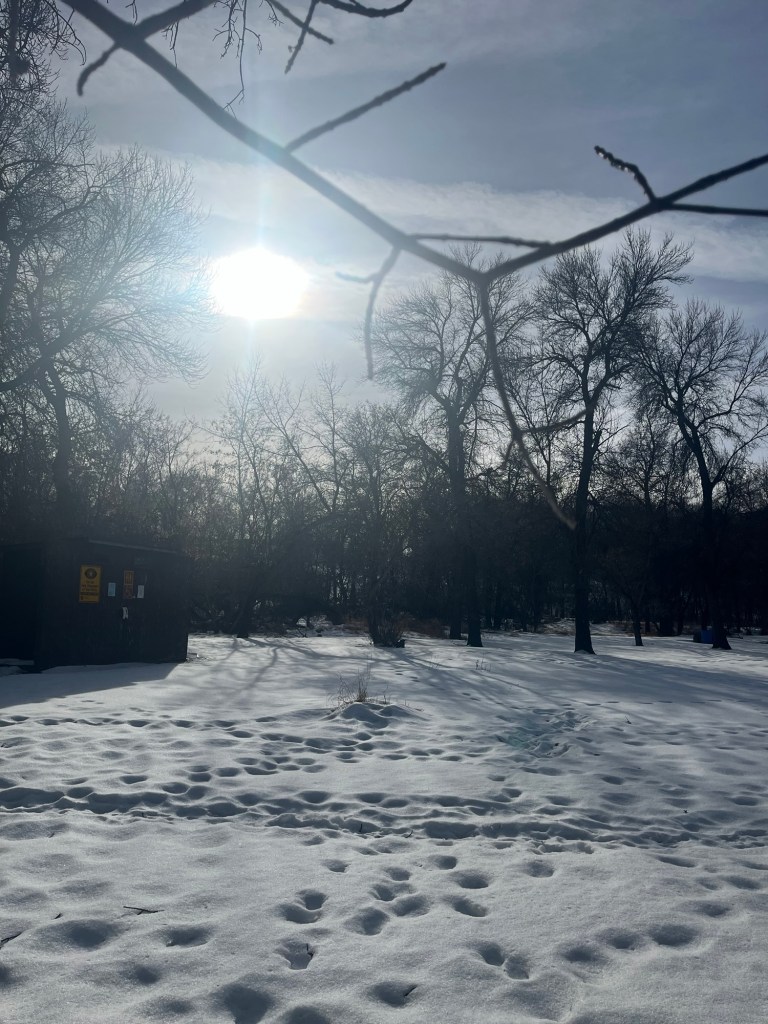
Michael Singer

Silencing the Alarm: A Lesson in Balance

Imagine a car alarm that has been blaring for years.

You wouldn’t yell affirmations at it and tell it to be quiet.

You would look for the threat it thinks it perceives.

Non-judgmental awareness in nature is how we open the hood.
Each calm moment says, “No one is breaking in right now.”

Over time, the alarm system recalibrates.

My Story

I’ve experienced moments in my forest therapy practice when I wanted to do it all perfectly. To follow all the “right steps.”

When I go in with this focus I notice the pain is still there. The frustration is still there. I start thinking about all the years of pain I have ahead of me. Of financial strain. And the weight it adds to every relationship.

Then I remember to just breathe. Focus on today. Right. Now.

I start to feel the breeze on my face and hear it making its way through the trees around me. I sense the solid earth beneath me.

The pain does not vanish. But it’s not the only voice anymore. It has just been hogging the microphone in my head. 🎤 🤫

There is support available here whenever I need it. In the birds and the trees and the solid ground. This may sound odd. But this shift in thinking moves the pain inside a larger field of safety.
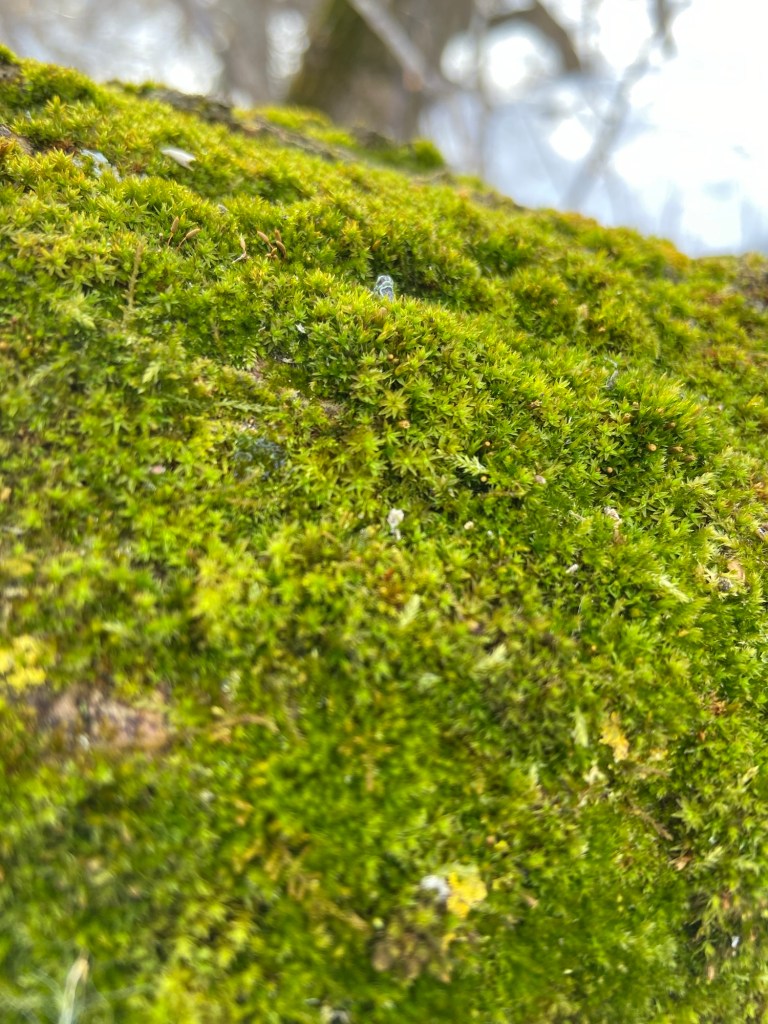
This is regulation. I just keep coming back to it.

The best way out is always through.

– Robert Frost

A Gentle Invitation to Explore
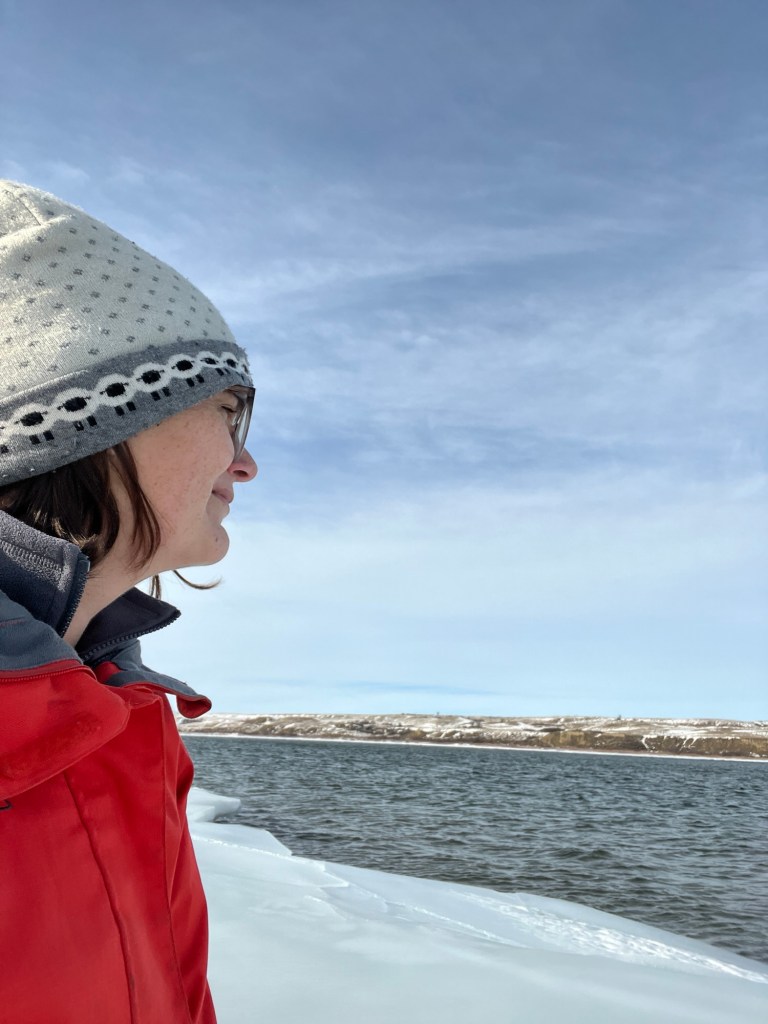
  1. Find something in nature that feels steady. A tree, a rock, the shoreline.
  2. Let your eyes rest there.
  3. Now widen your awareness to include three additional sensations that are neutral or pleasant.
  4. Move back and forth between the discomfort and the wider field

    You are teaching your nervous system that pain can exist without emergency.

    Do this regularly and the vagal pathways that support calm begin to strengthen.

    Don’t just do something, sit there.

    Sylvia Boorstein

    The Real Result: Persistence in Life

    When regulation improves, people often notice clearer thinking, better sleep, and easier connection. Not because they forced positivity, but because their biology finally cooperated.

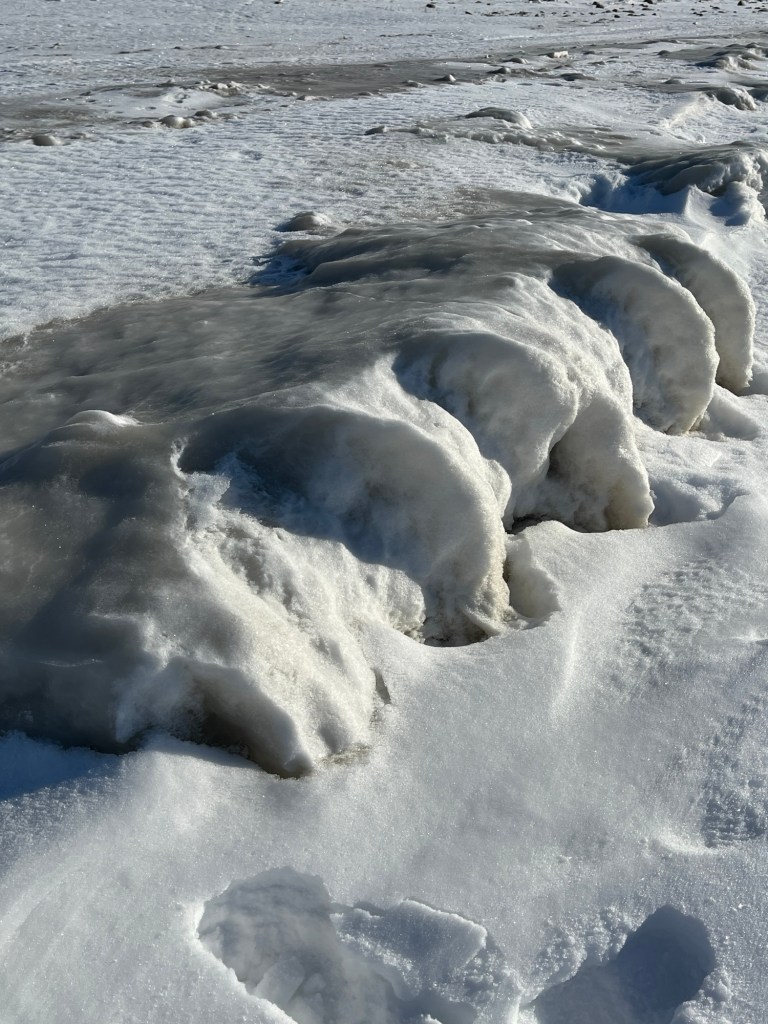
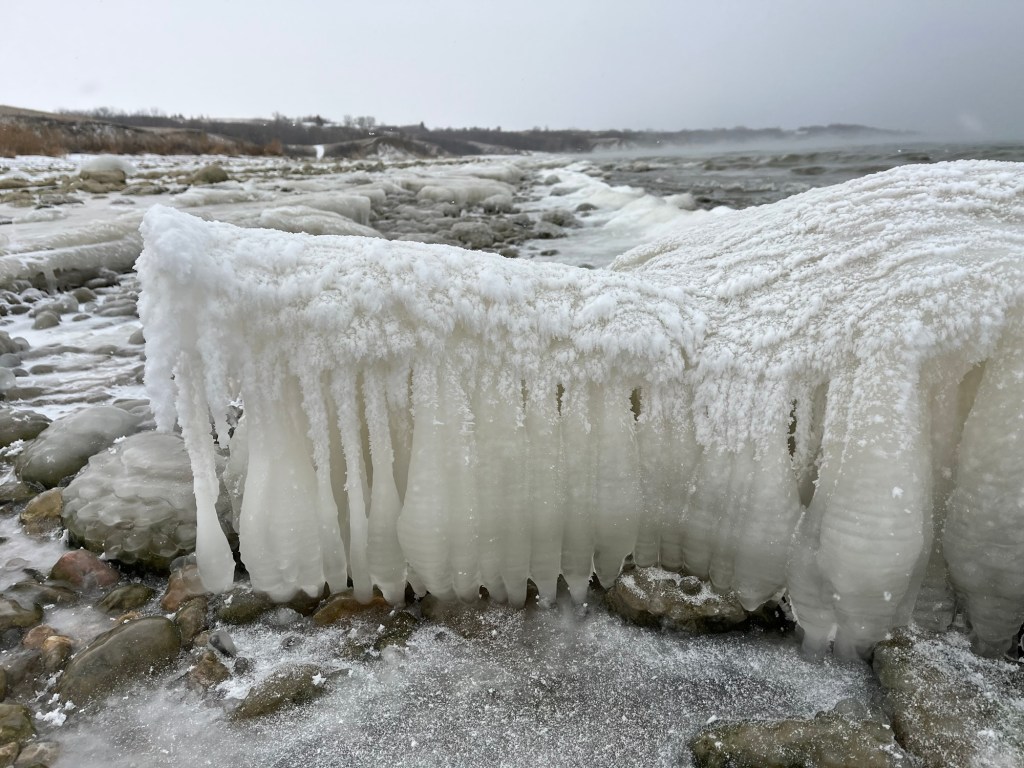
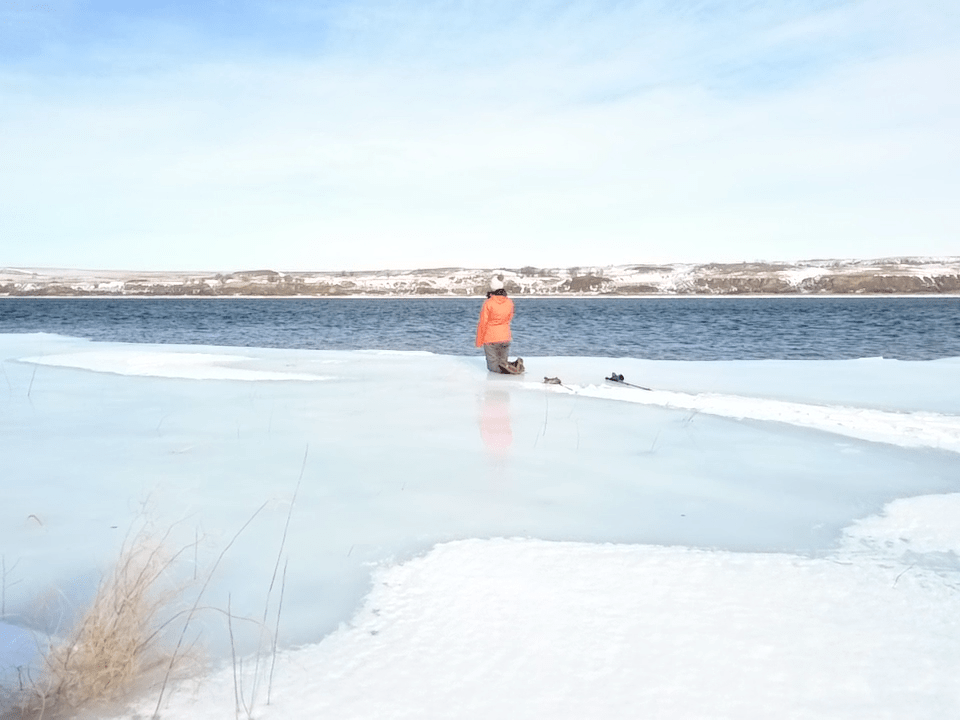
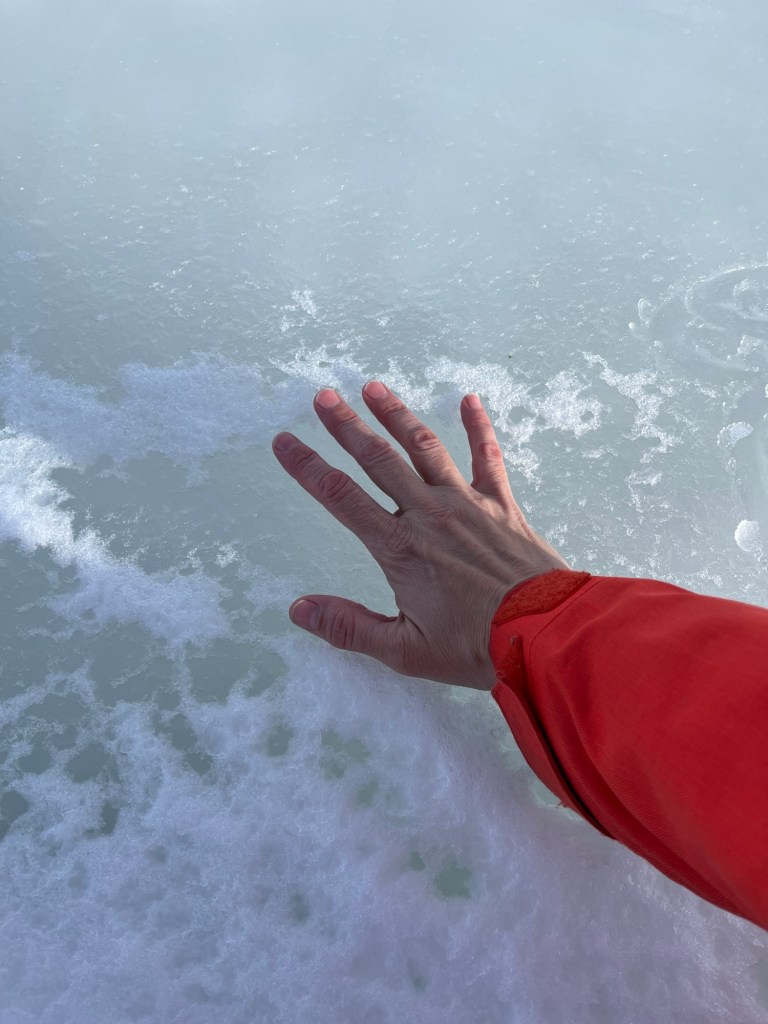
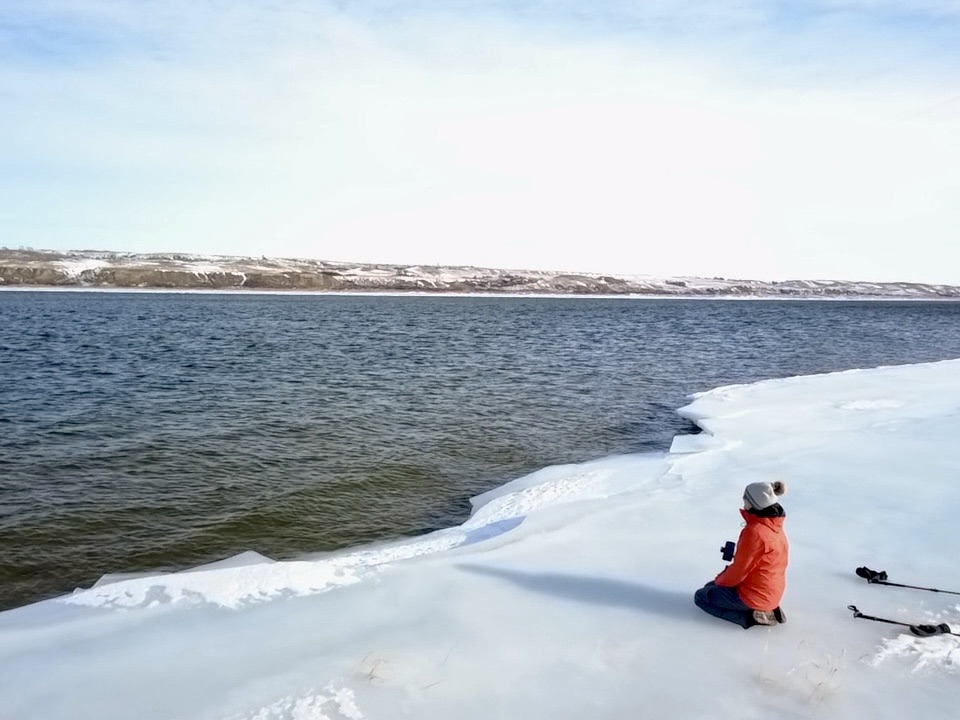
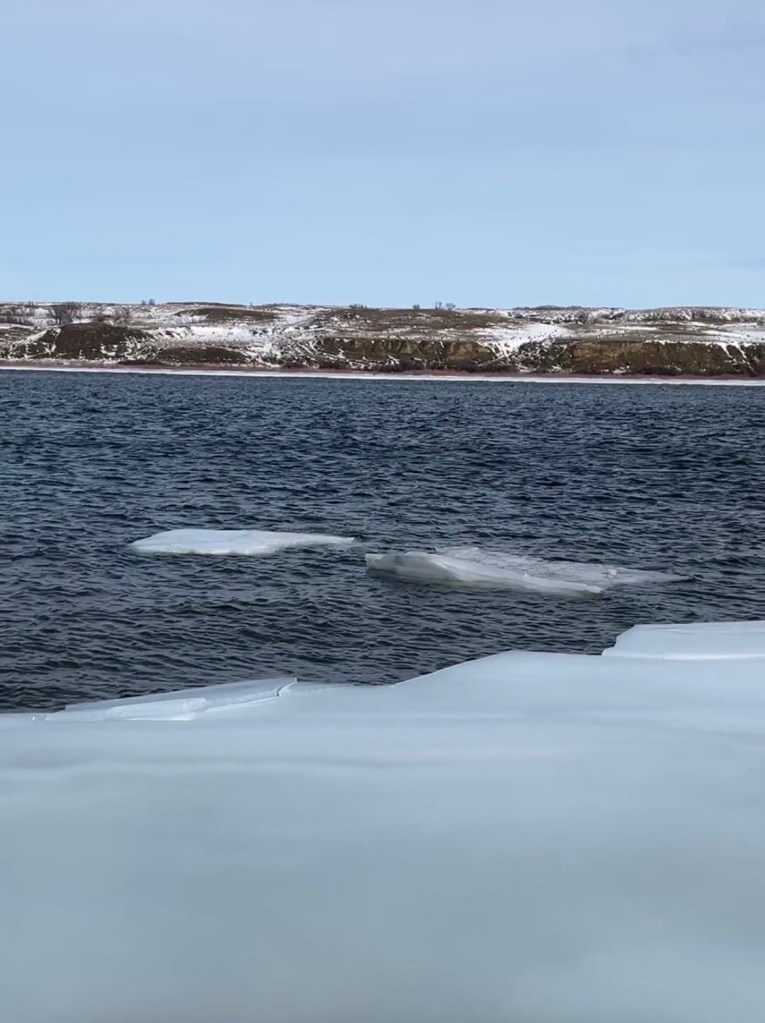
    You are no longer fighting upstream. You are being carried. Like these little bitty icebergs I watch on the river. Floating by. 👇
    The Closing “Peace”

    If we keep living in a way that ensures the alarm stays active, nothing changes.

    But when we make space, even small, consistent space for non-judgmental sensory awareness in the forest, the body hears something new.

    I’m safe. I can soften. I don’t have to shout today.

    And maybe, that is where my healing lingers. I just have to take time away, to meet it there.

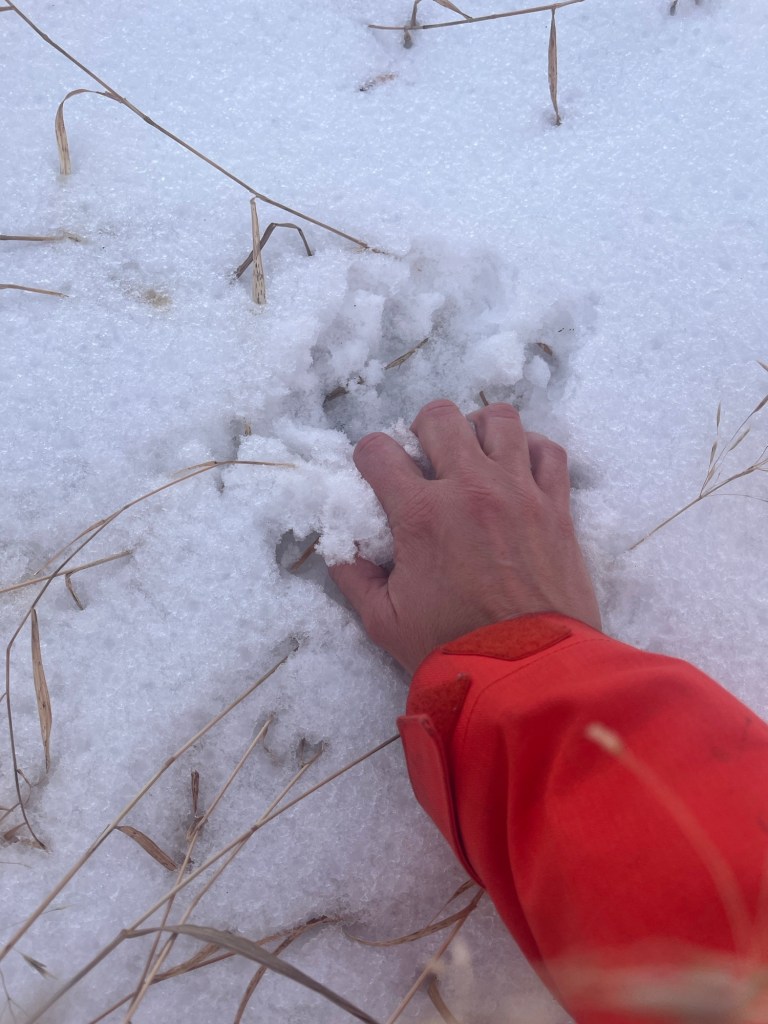
    The body always leads us home… if we can simply learn to trust sensation and stay with it long enough for it to reveal appropriate action.
    -Pat Ogden

    Take care, my friends. I leave you with these February thoughts that gave me a little chuckle:

    My February workout plan is mostly just shivering until my muscles get tired.

    Love is in the air this February, but so is the flu, so please stay back.
    🌲 The Science Behind Forest Therapy’s Immune Benefits

    The human body is not designed to be constantly alert. It is designed to return, again and again, to states of rest.

    Esther Sternberg

    Have you ever noticed that your shoulders drop the moment you step under trees?

    That your breath deepens without effort?

    That your body seems to say, “Ahhh. That’s better.”

    When I was starting out, I knew I’d find something wonderful in forest therapy. But I didn’t expect it to be the answer I desperately needed for my chronic condition.

    Rimesong- English (n) (rhyme song)- the gentle sound the world makes on frozen mornings. Branches cracking softly, frost shifting, ice whispering under light winds.

    -@everglowwords

    That’s not imagination. Or placebo.

    That’s physiology.

    Long before supplements, ice baths, or wearable tech, the human immune system evolved in relationship with forests. And modern science is finally catching up to what our bodies have always known, nature doesn’t just soothe the mind. It actively regulates inflammation and supports immune function. Read about that research here.

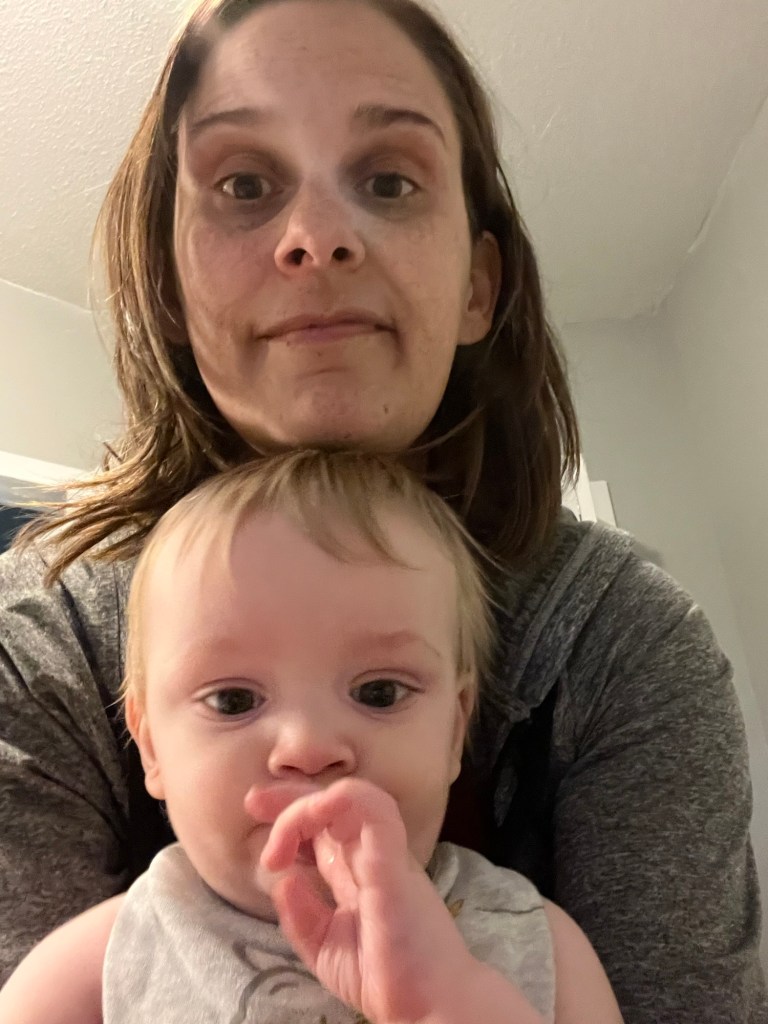
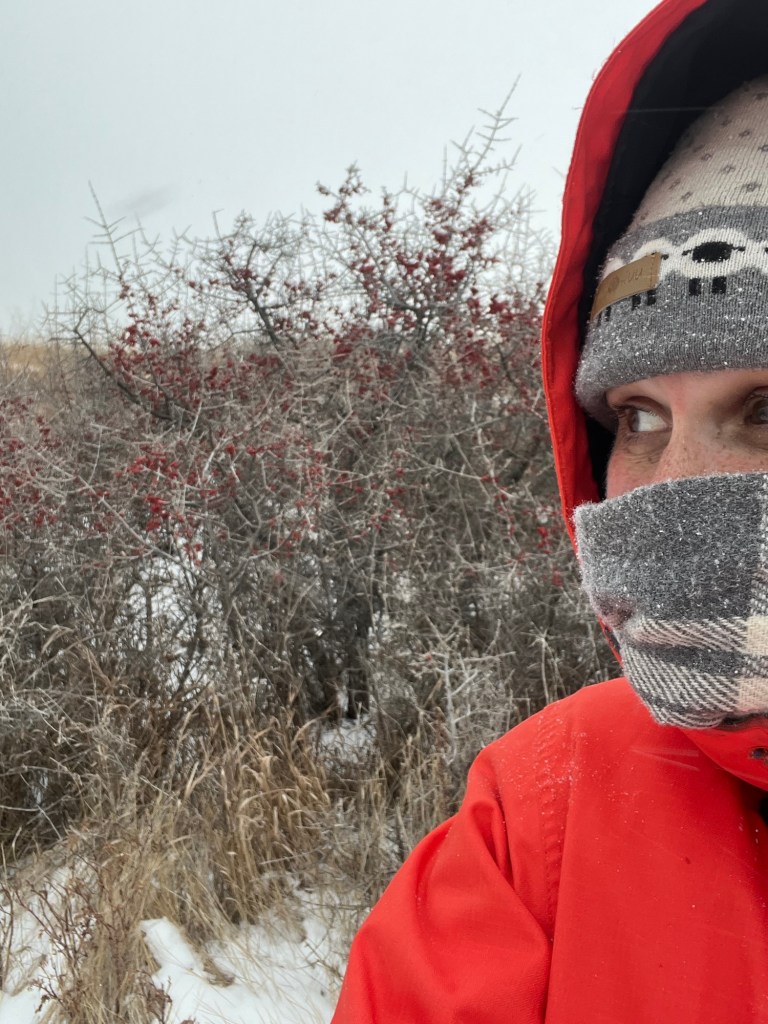
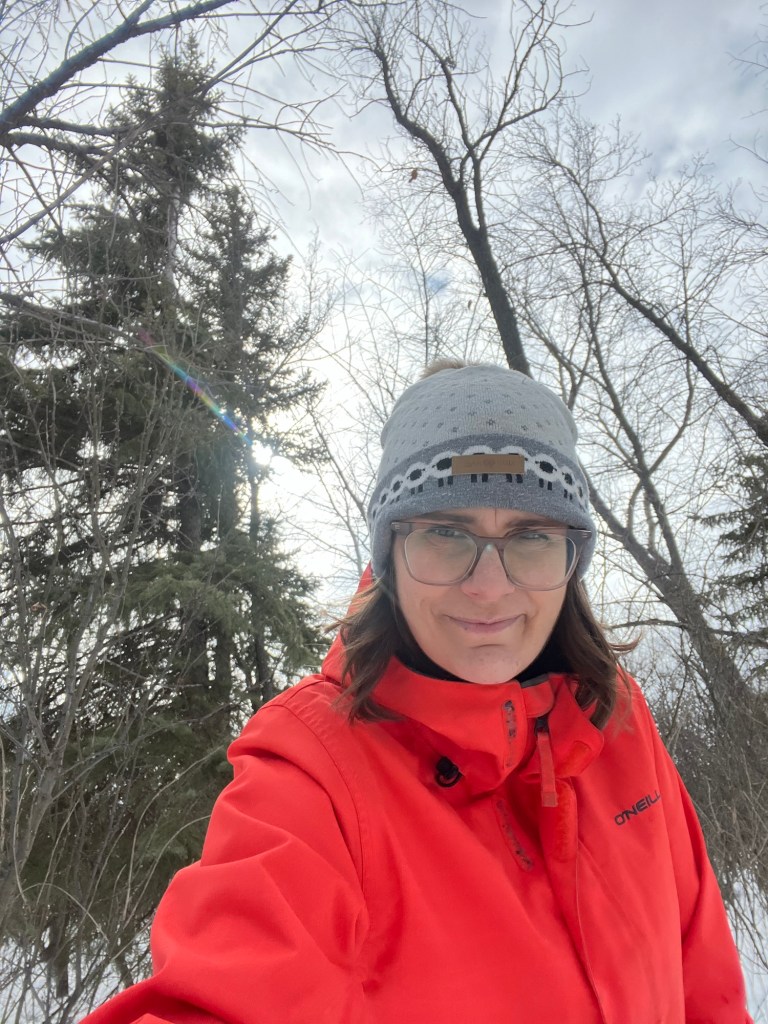
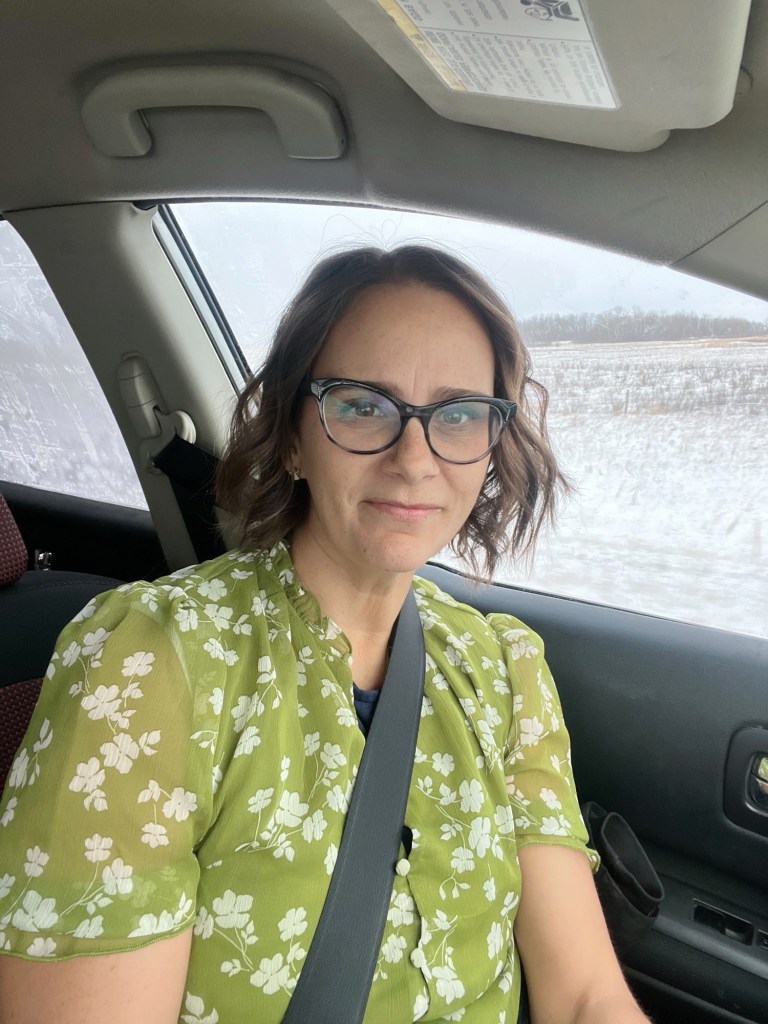
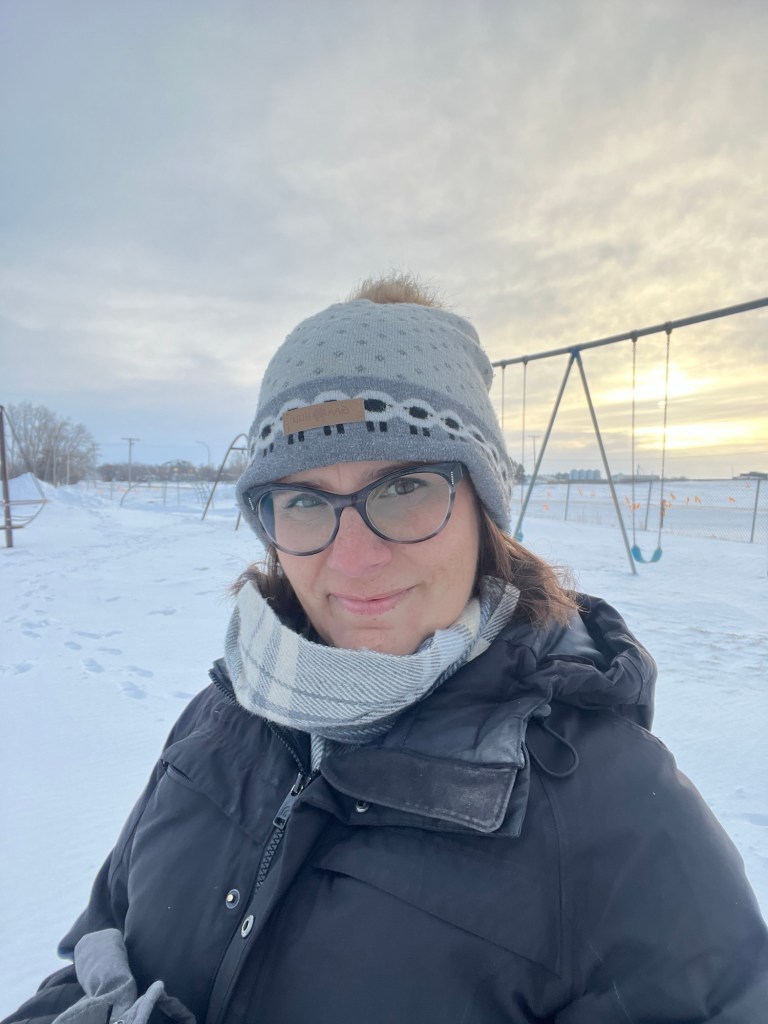
    My face before a forest therapy walk.☝🏼

    As a forest therapy guide, I experience this recalibration often. We arrive tense, inflamed, fatigued. And leave softer, warmer, steadier. Regulated.

    Let’s talk about why.

    (I don’t always share the research but it does exist. Follow the links through the post to learn more if you are interested.)

    🔥 How Nature Cools the Flames of Inflammation

    Inflammation isn’t the enemy. It’s a protective response.

    But when stress, illness, or modern life keeps inflammation switched on for too long, the body pays the price. Joint pain, fatigue, brain fog, autoimmune flares, lowered immunity.

    You can’t see it. But this is a picture of brain fog,
    joint pain, fatigue and flares.
    Grandbabies such as this little booger are wonderful!
    But they are also 🦠 germ factories 🦠

    Nature helps flip that switch back toward balance.

    🍃 Forest Breaths: Nature’s Prescription

    Trees release volatile organic compounds called phytoncides. The aromatic oils that protect the trees from disease and insects. When humans breathe them in, something remarkable happens:

    • Natural Killer (NK) cell activity increases. Read more here.
    • Stress hormones like cortisol decrease
    • Pro-inflammatory cytokines are reduced

    NK cells are a critical part of your immune system. They identify and destroy virus-infected and abnormal cells. Research by Dr. Qing Li shows these immune benefits can last up to 7 days after a forest visit! Read about that research here.

    Nature isn’t passive.

    It’s interacting with you.

    🌬️ Tune Your Nervous System for Optimal Immunity

    Here’s the part most people miss.

    Inflammation is deeply tied to the nervous system.

    When your body is stuck in fight-or-flight, immune responses become exaggerated and inefficient. Forest environments consistently activate the parasympathetic nervous system. Research on that here. The “rest, digest, and repair” state.

    Studies show that time in forests is associated with:

    • Lower C-reactive protein (CRP) Read about that here.
    • Improved heart rate variability
    • Increased salivary immunoglobulin A (sIgA), a key immune defense

    In simple terms:

    Your body repairs better when it feels safe.

    Forests and other natural environments create that safety signal.

    🌲 Embracing the Woods: Nature’s Anti-Inflammatory Escape

    This is not exercise.

    This is not a hike.

    This is an invitation to regulation.

    In wildness is the preservation of the world.

    -Henry David Thoreau

    🌿 The Practice (45–75 minutes)

    1. Arrival — Let the Body Catch Up (5 minutes)

    Stand still. Place one hand on your chest, one on your belly.

    Breathe slowly through your nose.

    Say quietly, “I don’t need to fix anything right now.”

    2. Slow Sensory Walking (15 minutes)

    Walk at half your normal speed.

    Let your eyes soften.

    Notice textures, temperature, sound.

    This sensory input tells your nervous system it’s safe to stand down.

    3. Tree Contact (10 minutes)

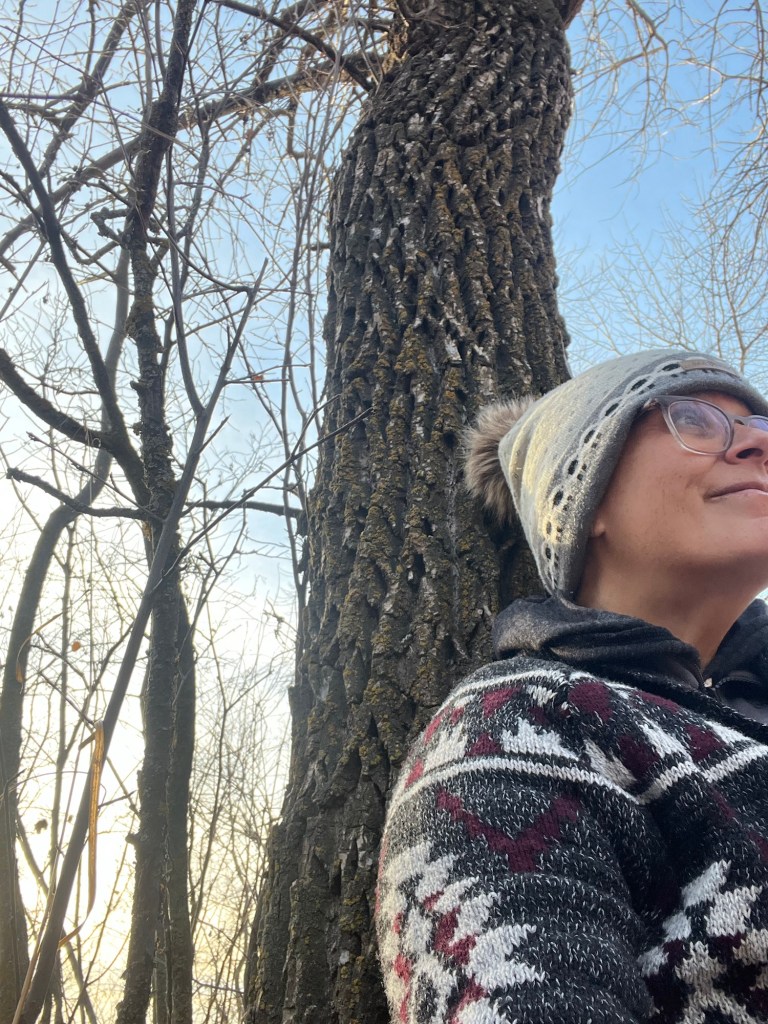
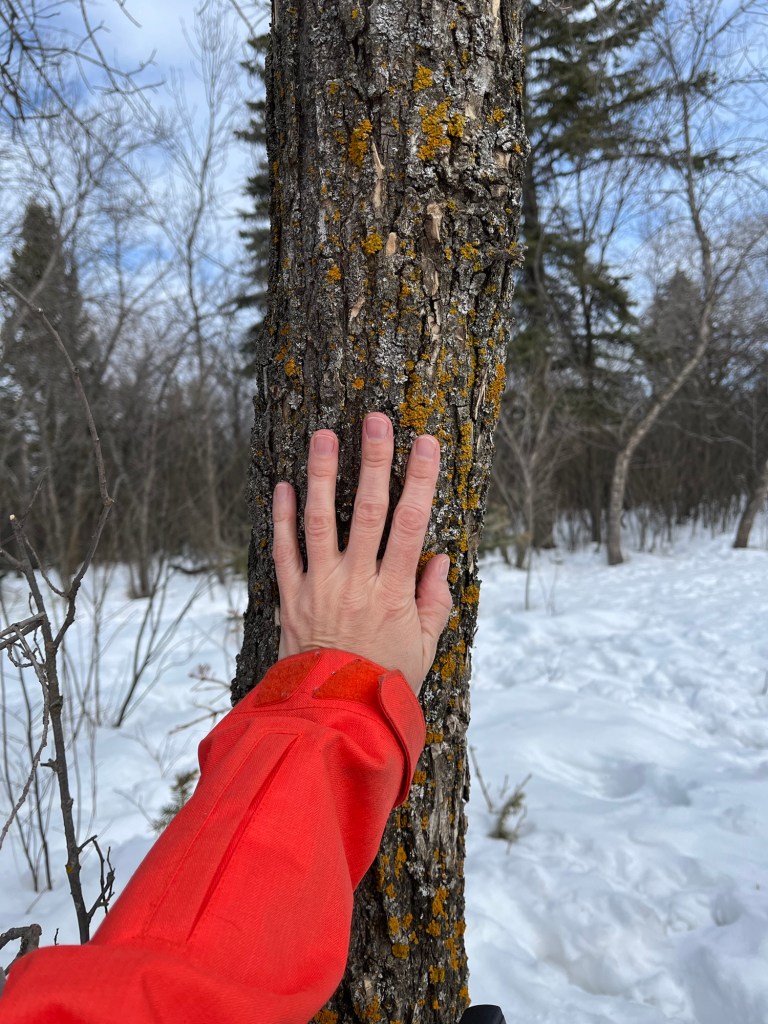
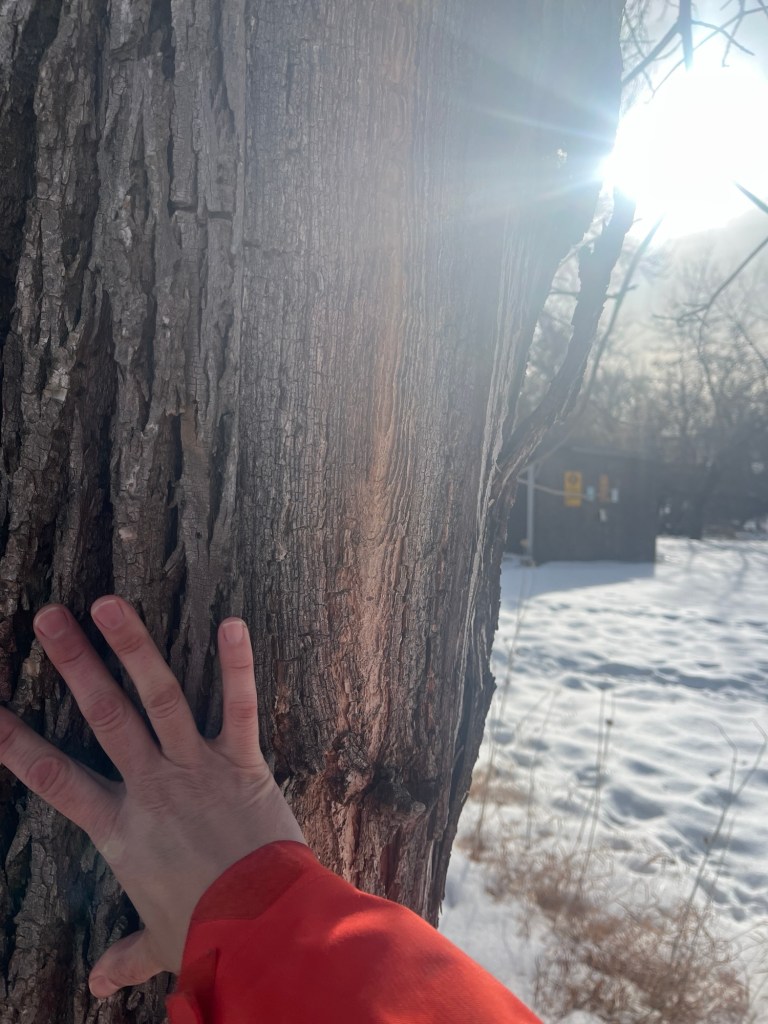
    Rest your back or hands against a tree.

    Notice its steadiness.

    Imagine excess heat or tension draining from your body into the ground.

    4. Immune Breath (10 minutes)

    Inhale forest air slowly.

    Exhale longer than you inhale.

    This extended exhale directly reduces inflammatory stress signals.

    5. Closing Reflection (5 minutes)

    Ask yourself: What feels different in my body right now?

    No analysis. Just noticing.

    💬 Words That Echo the Science

    The immune system is exquisitely sensitive to our environment.

    -Dr Candace Pert, neuroscientist

    And from scripture:

    The leaves of the tree were for the healing of the nations. -Revelation 22:2

    How many are your works, LORD! In wisdom you made them all; the earth is full of your creatures. -Psalm 104: 24-25

    A reminder that nature’s design supports life, health, and resilience.

    Healing in nature has always been part of the human story. Both scientific and sacred.

    💗 A Story of Healing

    There was a season when my body felt constantly inflamed. Sore joints, heavy fatigue, a nervous system that never seemed to settle.

    I was doing all the ‘right’ things. But what helped most wasn’t something I added. It was somewhere I went.

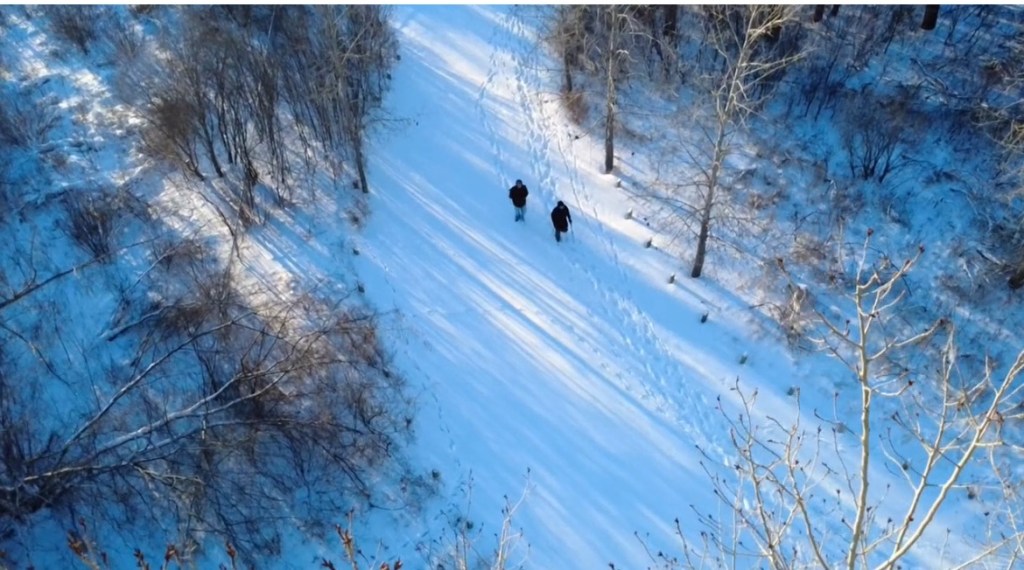
    A slow walk among trees to capture pictures of my first forest therapy walk. Standing still in winter air. Letting my body remember how to downshift.

    The forest didn’t cure me but it gave my immune system room to breathe.

    When I was starting out, I knew I’d find something wonderful in forest therapy. But I didn’t expect it to be the answer I desperately needed for my chronic condition.

    ❄️ Grounding Your Soul: Embracing Earthing in a Saskatchewan Winter

    Frozen ground doesn’t mean disconnection.

    🌲 Outdoor Winter Grounding

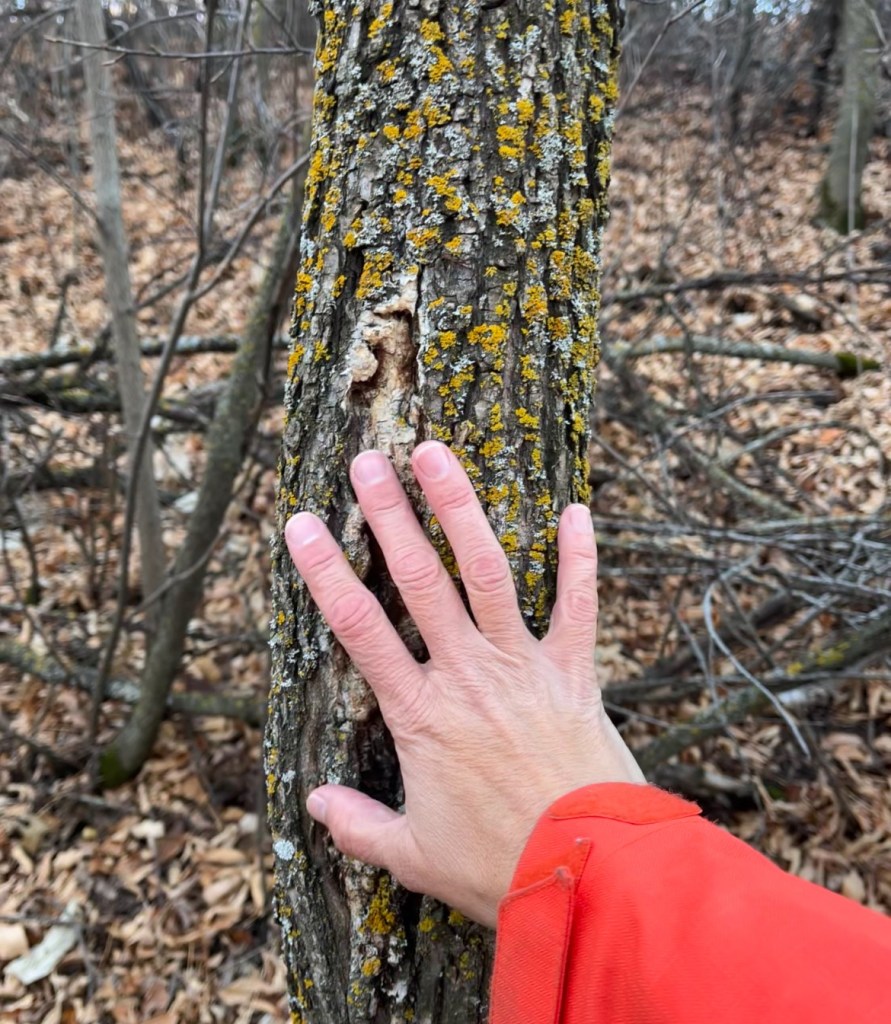
    • Hands on trees or snow. Bark and damp earth still conduct energy. Research here.
    • Lean your back against a tree (a favorite forest therapy posture)
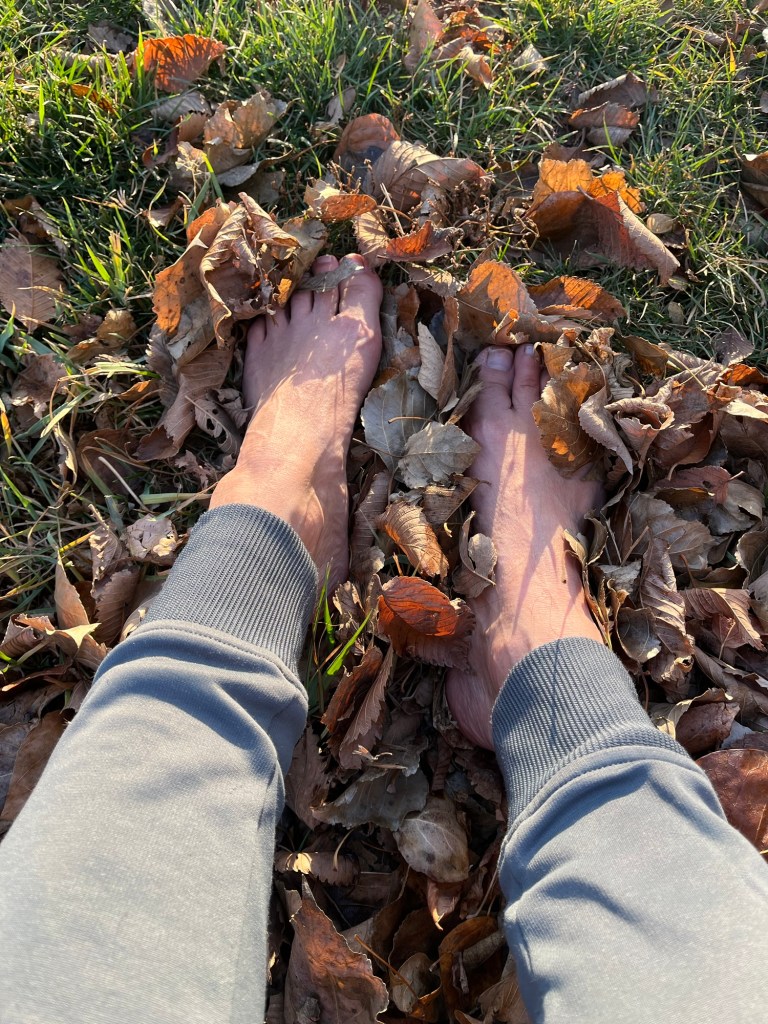
    • Grounding Footwear or Socks. Leather-soled or grounding-compatible footwear can help conduct Earth energy while keeping feet warm. More on that here.
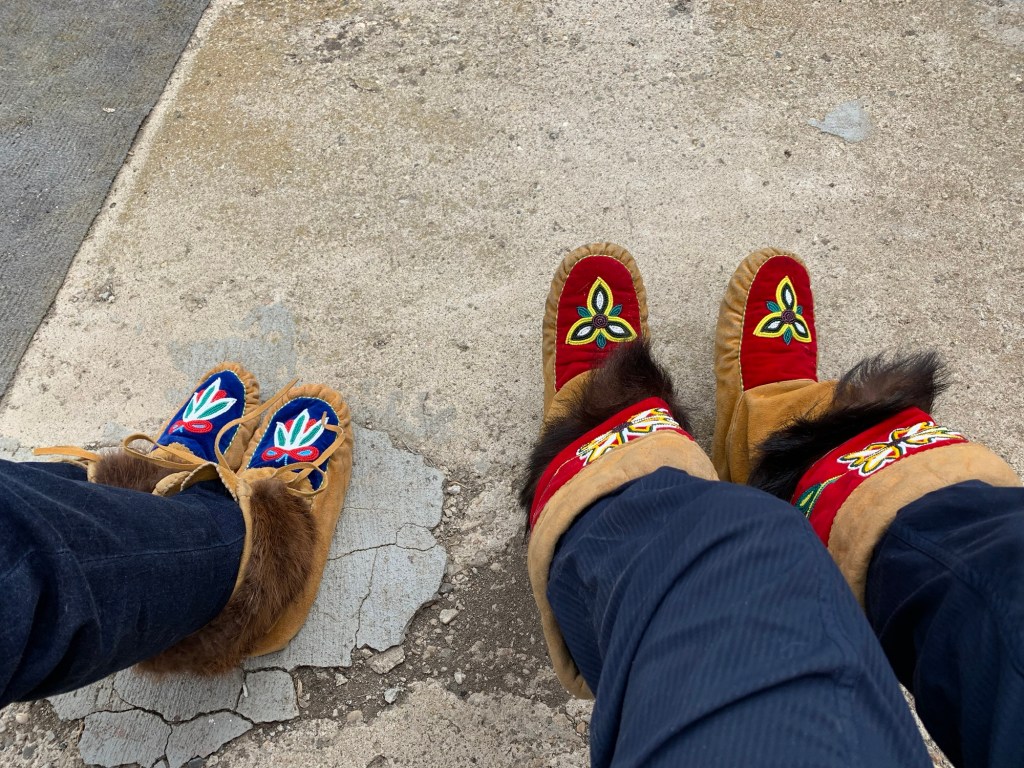
    • If you are lucky enough to have authentic mukluks with a leather sole they are a perfect alternative. (Word to the wise- 🦉 walk to your outdoor earthing spot in your regular boots with a non-slip sole, sit and then put on your super slidey footwear)

    🏡 Indoor & Cold-Weather Options

    • Grounding mats under feet while reading or stretching. Learn more here.
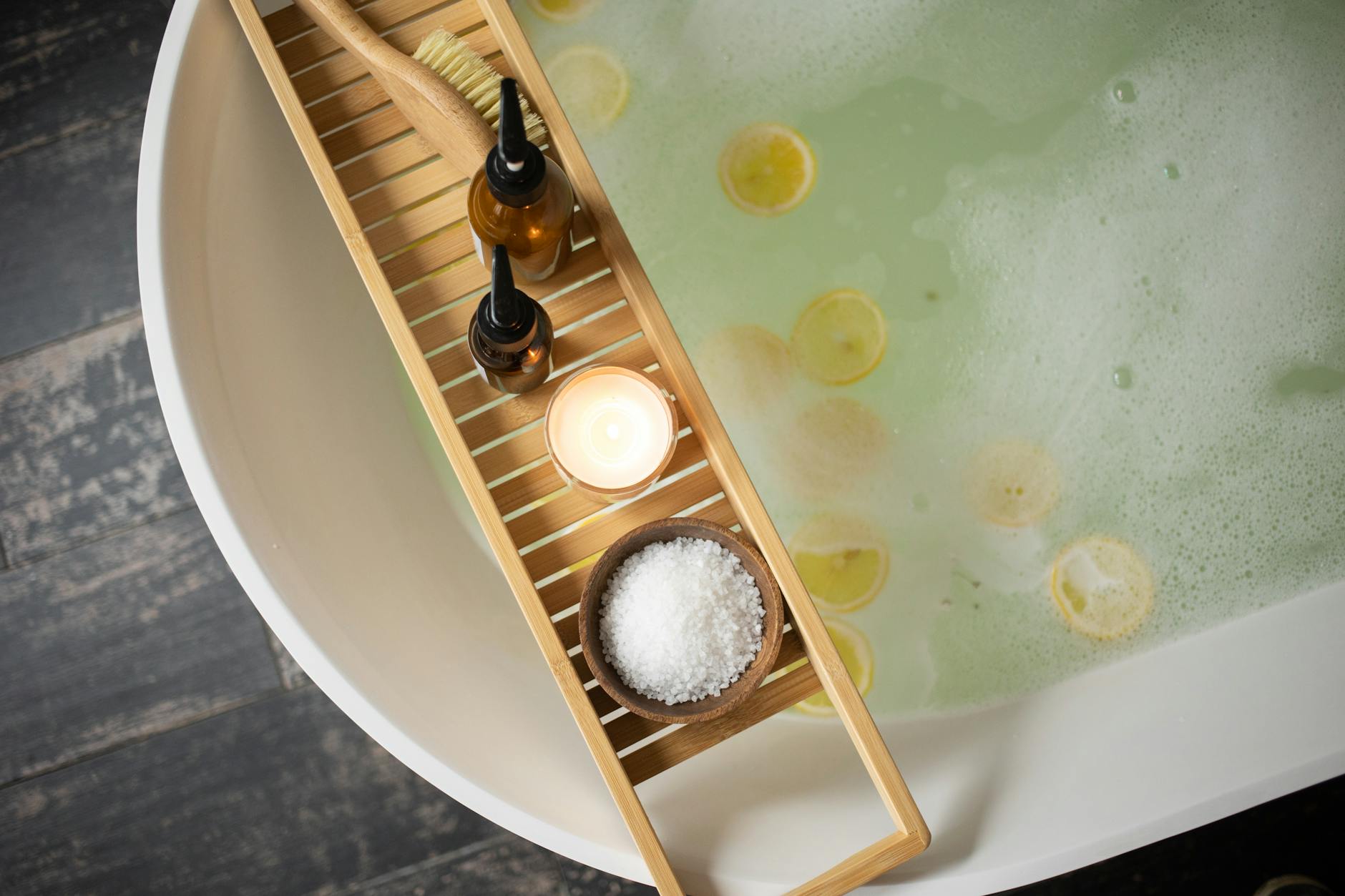
    • Warm baths with sea salt and natural stones. More here.
    • Sitting near open windows to breathe cold, fresh air (powerfully regulating)

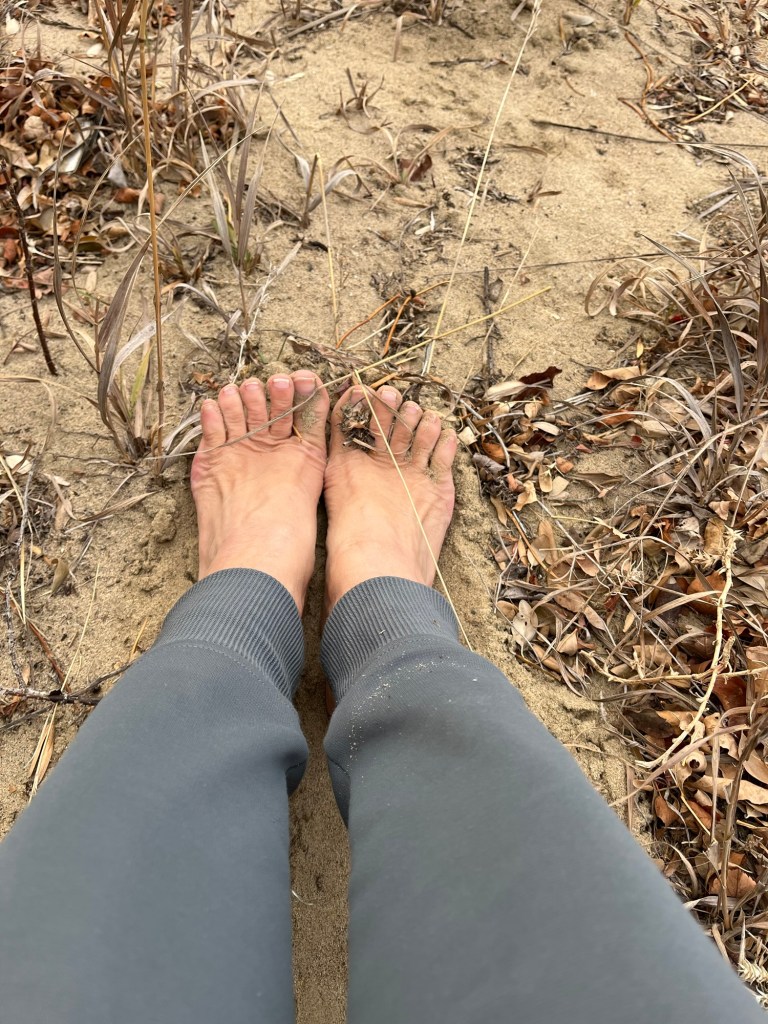
    Grounding is less about bare feet and more about intentional contact with the natural world.

    The earth has music for those who listen.

    -George Santayana

    🌿 Final Thoughts: Nature’s Wisdom Unveiled

    Nature doesn’t override your immune system.

    It reminds it how to work.

    In a world that keeps us inflamed, overstimulated, and disconnected, the forest offers something radical.

    Regulation. Relationship. Repair. Without asking anything from you!

    Your body remembers this language.

    Sometimes it just needs to hear it again.

    Finding Self Compassion Through the Mirror of the Forest

    Resilience is based on compassion for ourselves.

    Sharon Salzberg

    In the beginning of my chronic pain, before I had language for it, I fought it.

    I tried to outrun the agony.

    I tried to out- power the fatigue.

    I believed if I just pushed harder, rested less, proved myself more. I would get ahead of it.

    Instead, the harder I tried, the further behind I seemed to fall.

    What I didn’t yet understand was that I wasn’t battling weakness or lack of willpower. I was battling a body riddled with inflammation. A body asking to be soothed, not ignored. Not overridden. But met with compassion.

    There likely will never be a cure for my condition.

    But there can be healing. For myself and so many others.

    For me, that healing began when I stopped fighting my body and started listening to it.

    Healing in the Woods: A Transformative Quest

    When I found forest therapy, I was still angry. Still confused by my disability. Still grieving the body I thought I should have. Trying to figure out exactly what steps to take to “get better.” Whatever that means.

    Forest therapy didn’t fix me. But it slowed me down enough to meet myself honestly.

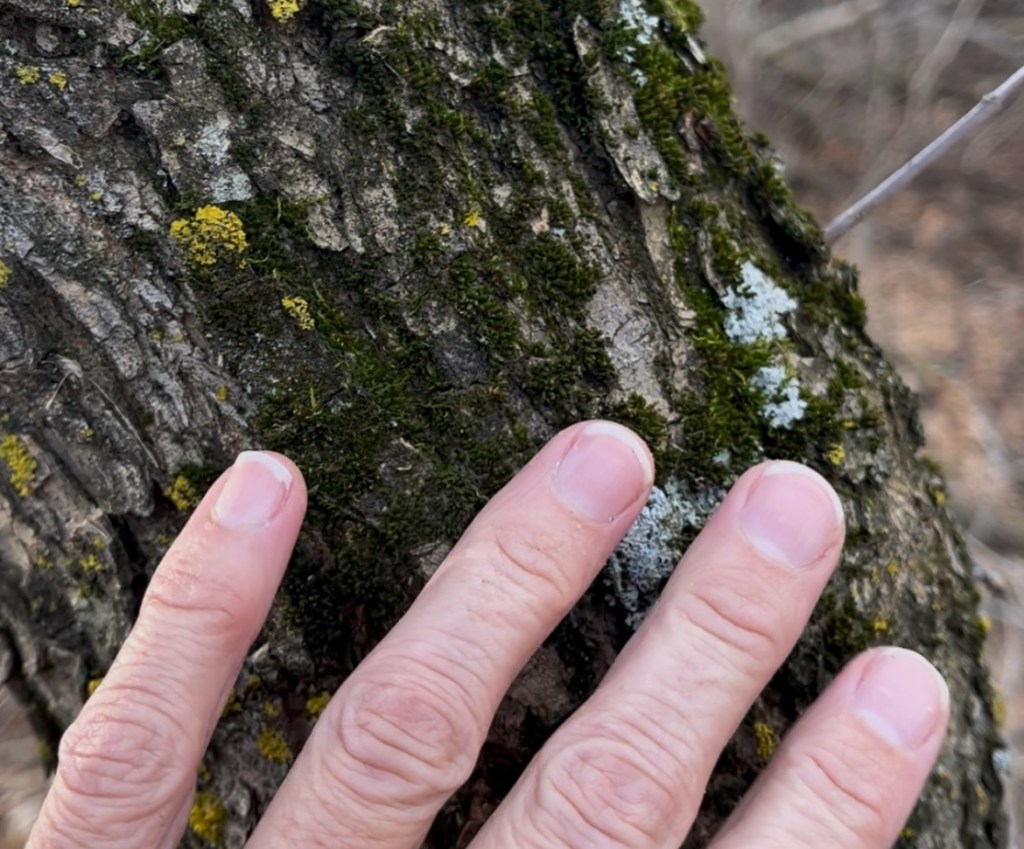
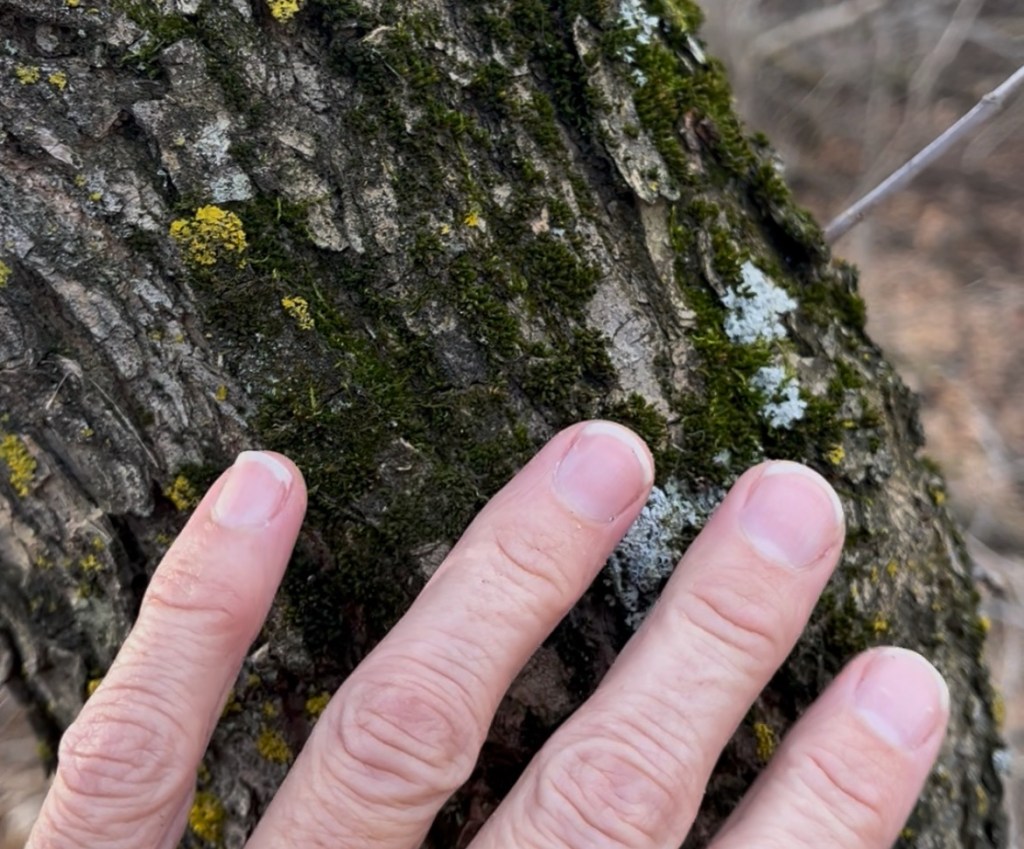
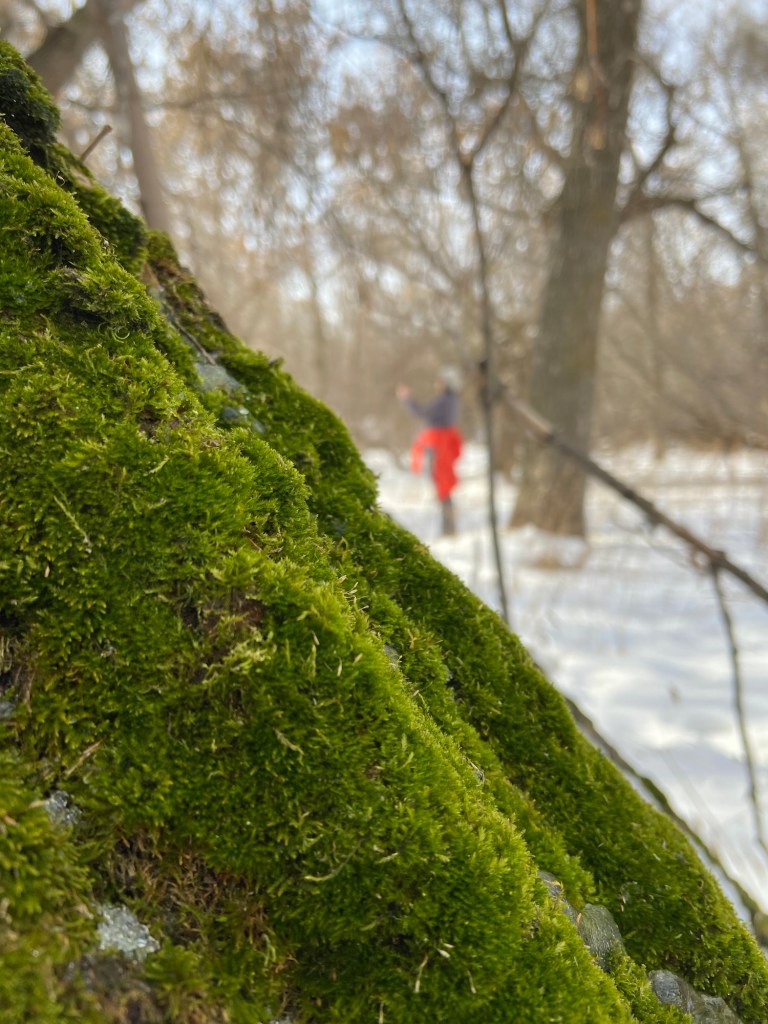
    Walking slowly among trees, I began to notice how nature never rushes itself into wellness. Trees scarred by lightning still reach for the sun. Fallen logs don’t apologize for dormancy. Fallen leaves aren’t failures. Moss thrives not despite dampness but because of it. They are part of the cycle that nourishes what comes next.

    In the forest, I learned to take time and space:

    For my body.

    For my care.

    For myself.

    I learned to soften.

    Nature became a mirror for self-compassion. Showing me that acceptance is not giving up, and rest is not weakness. That change is and always will be constant, and beauty is often found because of it.

    Where do your forest reflections take you?

    Tender and Fierce Self-Compassion: A Pathway to Healing Mastery

    If your compassion does not include yourself, it is incomplete.

    Jack Cornfield

    Psychologist Dr. Kristin Neff, a leading researcher on self-compassion, describes two essential forms. Tender self-compassion and fierce self-compassion. Healing (especially in chronic pain) requires both.

    In the forest, tender self- compassion is offered effortlessly. Shade, stillness, permission to slow down. Tender self-compassion is the gentle response we offer ourselves when suffering arises. It sounds like,

    “This hurts.”

    “I’m allowed to rest.”

    “I don’t need to earn care.”

    Photo by Brent

    Self-compassion is simply giving the same kindness to ourselves that we would give to others.

    Christopher Germer

    Self compassion also says,

    In forest therapy, tender self-compassion shows up as slowing down. Sitting instead of pushing. Letting the forest hold us when our nervous system is overwhelmed.

    But compassion is not only soft.

    Fierce self-compassion is protective. In the forest, fierce compassion looks like a tree growing around an obstacle instead of breaking itself against it. It looks like roots lifting pavement. Life insisting on what it needs. It draws boundaries. It advocates. It says no to harm. Even when that harm comes from expectations we’ve internalized.

    Fierce self-compassion involves taking action in the world to protect, provide, and motivate ourselves to alleviate suffering.

    — Kristin Neff

    For someone living with chronic pain, fierce compassion might look like canceling plans without guilt, choosing gentler paths, or refusing to prove pain through being productive. (Holy moly, have I ever been guilty of that last one!)

    The forest teaches this balance effortlessly. Life adapts rather than destroys itself.

    True healing lives in the balance.

    Softness without surrender.

    Strength without violent self talk.

    I highly recommend looking at Dr. Neff’s research.

    Beyond the Power of Positivity in Chronic Pain

    One of the most harmful ideas placed on people with chronic pain is the demand to “stay positive.” It is a reality many of us are quietly living inside. Through good intentioned humans or when we place this expectation on ourselves. Either way.

    This is not healing.

    This is toxic positivity.

    The forest is not positive all the time. It holds decay and beauty simultaneously. Rot feeds growth. Death makes room for life. Nothing is bypassed.

    Embodied compassion, unlike forced optimism, allows pain and beauty to coexist. Forest therapy has taught me that I don’t need to pretend things are fine in order to find meaning, or hope.

    Acceptance is not resignation.

    It is honesty.

    You don’t know this new me; I put back my pieces, differently.

    Embracing the Wild: A Practice of Compassionate Forest Therapy

    If you are able, try this practice in a forest, park, or any type of natural space.

    • Find a tree that shows signs of damage Look for scars, broken branches, or weathering. Notice how the tree continues to live.
    • Stand or sit nearby Place one hand on your body. Where you feel pain or tension most.
    • Name tenderness. Quietly acknowledge what hurts. No fixing. No reframing. Just noticing.
    • Name fierceness Ask yourself. What does my body need protection from right now? Fatigue? Expectations? Self-criticism?
    • Receive the lesson. Let the tree reflect back to you. Adaptation, not defeat. Presence, not perfection.

    Take your time. Healing doesn’t rush.

    Nature’s Note: A Message from the Forest to Your Body

    Dear Body,

    You are not broken.

    You are responding to what you have endured. And we know you have endured much.

    I have seen storms too. I have lost branches. I have rested longer than expected.

    Still, I grow.

    You do not need to push to belong here.

    You do not need to prove your worth through endurance.

    I hold decay and beauty at the same time.

    You are allowed to do the same.

    Rest when you need to.

    Stand tall when you can.

    Trust that healing is not the absence of pain, but the presence of care.

    You are part of this rhythm.

    You always have been.

    — The Forest

    That’s the thing about December: it goes by in a flash. If you just close your eyes, it’s gone . And it’s like you were never there.

    Donal Ryan, The Thing About December

    Look into the mirror of forest therapy. Reflect where you need more self- compassion. Take time to recognize and lean into both tender and fierce. It will aid in all types of healing.

    Diefenbaker Lake: A Childhood Sanctuary

    Let the waters settle and you will see the moon and stars mirrored in your own being.

    -Rumi

    There are places that shape us before we’re even old enough to understand what’s happening. Places that imprint themselves on the soles of our feet, in the rhythm of our breath, in the part of our memory that feels more like home than any house ever could.

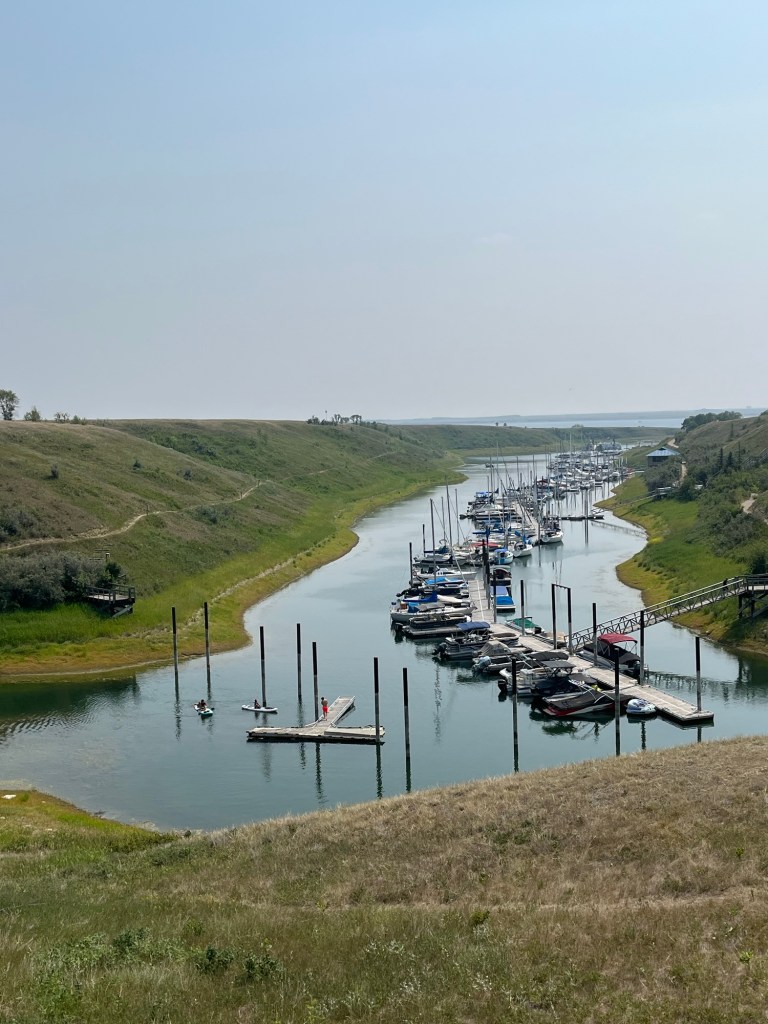
    For me, that place has always been Diefenbaker Lake.

    Some places are so deep inside us that we carry their shoreline in our bones.

    -John O’Donohue

    I’ve been coming here since I was tiny. Even before I had words for belonging, but somehow already knew I belonged here. Grandpa always made sure of that.

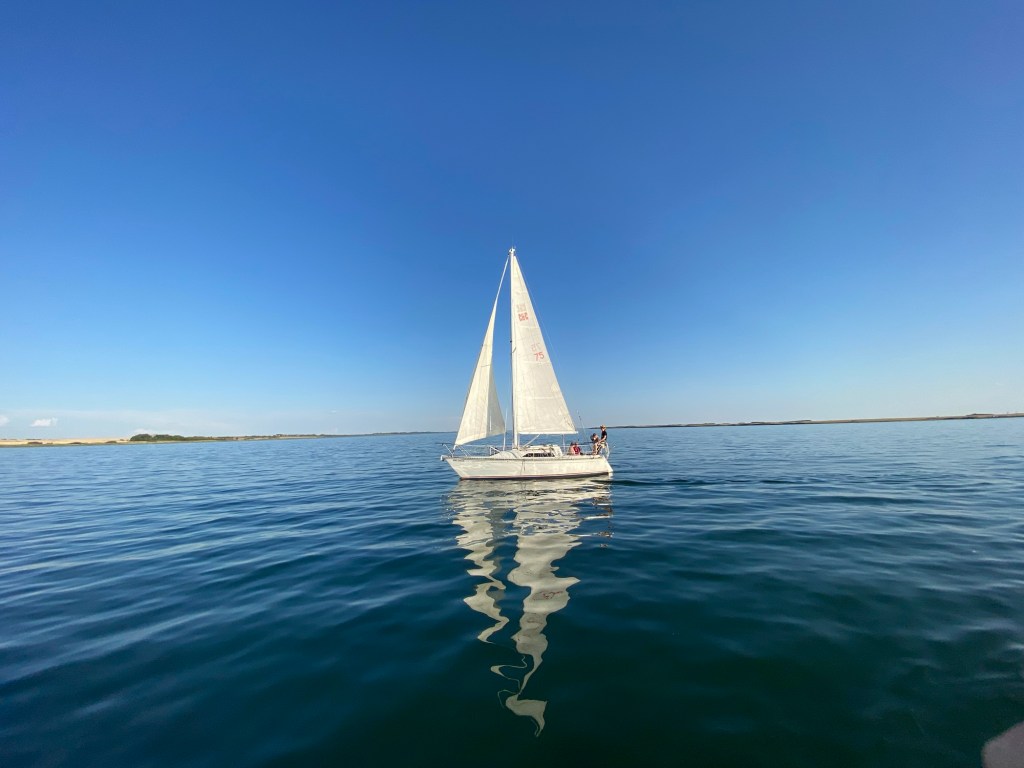
    My grandparents had a cabin and a sailboat tucked along these windswept shores. Some of my earliest memories are stitched together with the smell of woodsmoke from backyard fires, the sweetness of my grandpa’s violin, and the rowdy chorus of siblings and cousins running wild between the cabin and the water. With the constant reminder to “wash the sand off your feet before you come in!”

    And then there were the cozy, indoor moments that stitched themselves into my heart just as tightly as the beach days. Evenings around the table playing Phase 10, some of us a little too competitive for their own good. And we watched Bedknobs and Broomsticks over and over and over again. Never questioning why, just letting the magic and music wash over us like it was brand new every time.

    Mornings were their own kind of ritual. Waking up to Grandma making bacon and something (it didn’t matter what, it’s the bacon that mattered) and the smell of fresh coffee drifting through the cabin. To this day, I associate the scent of coffee with pure happiness, because it always meant family, warmth, and the safe little world we built at the lake.

    Teenage awkwardness made an appearance here too, because of course it did. Blushing, fumbling romances that felt monumental at the time. Even with his hair plastered to his face. Perhaps this was done by those winds that could have knocked over a small cow 🤔.

    Speaking of cows. They are a regular feature of this lake that is surrounded by pasture land. Two rules. Don’t use a cow as a landmark when giving directions. They tend to move eventually. And don’t pick a beach with a cow path into the water. You can guarantee there’s a few cow pies in there.

    Swimming lessons were basically an extreme sport back in my day. With waves bigger than me, wind that felt like knives, and instructors yelling cheerful encouragement while I questioned all of my mom’s life decisions that brought me to this point.

    Still, I kept going back.
    I lived for the days Uncle David would haul out the power boat. Kneeboarding, tubing, laughing so hard my face hurt. Those were the moments that made childhood feel endless. We’d tear down the path to the beach, towels flying behind us, younger siblings and cousins trailing like joyful chaos. We swam, we snacked, we visited, we repeated. Every day was an epic saga of sunshine and soggy towels.

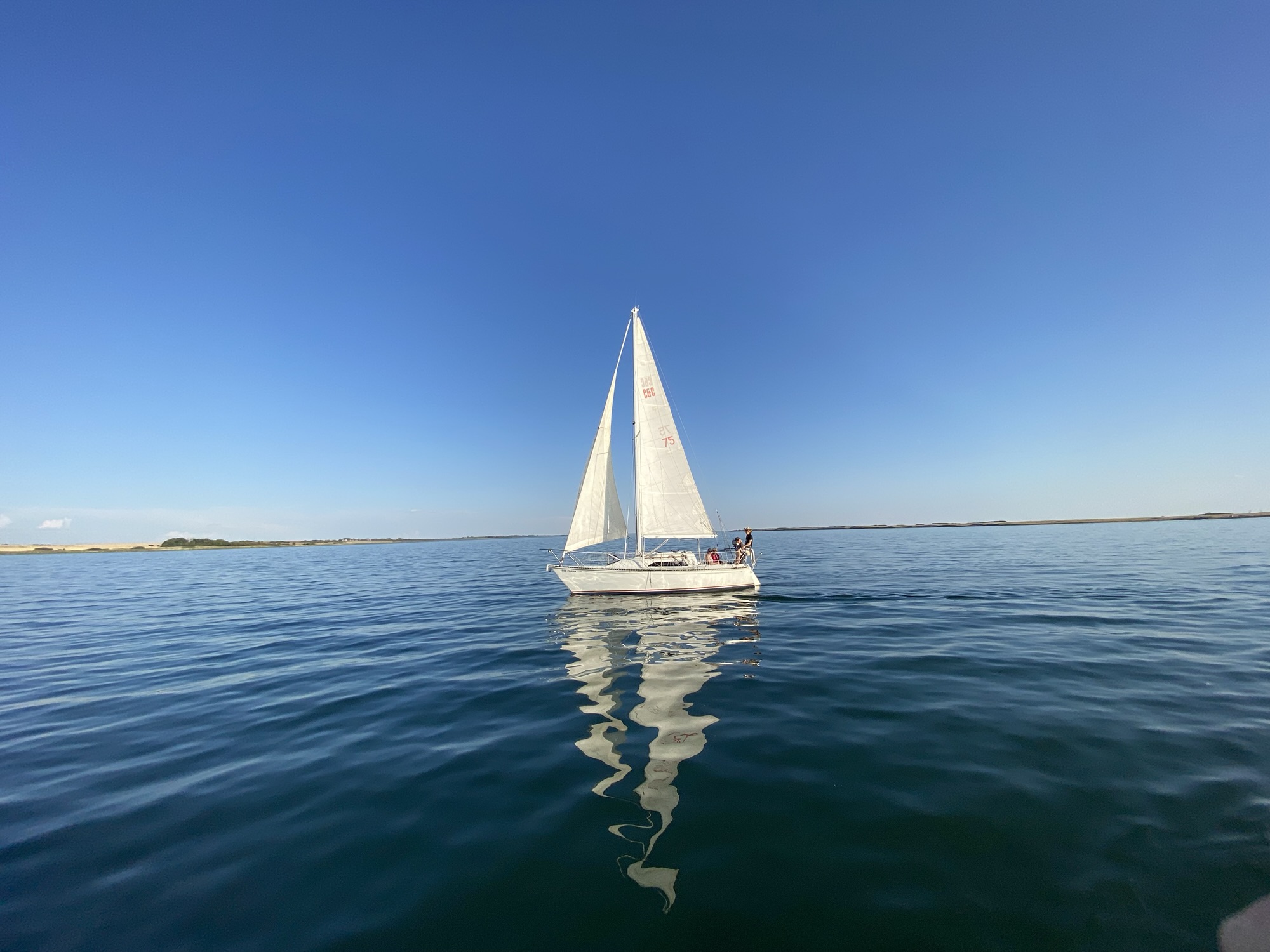
    Sailing days were their own kind of magic. My mom loves to retell the story of my sister and me being so little our feet didn’t touch the floor as we sat at the table down below. Meanwhile grandpa and dad were tacking hard and smiling harder. Every time the sailboat leaned, we’d just… slide helplessly under the table like tiny bewildered penguins. Apparently we were adorable. At the time, I remember thinking, Is this normal? Are we sinking? Should I be able to see the lake out that window?

    Dad and grandpa were always smiling so I took that to mean we were safe.

    As I grew older I loved sitting at the very front of the sailboat, facing forward, wind whipping around me, I felt like I was flying. When the water was calm, the spinnaker would make an appearance billowing out like a living thing. My grandpa worked the ropes and held the tiller with the easy smile that only comes from loving a place so much. Those are memories I hold like treasures.

    And now seems like the appropriate moment to confess something to my parents…

    I did, in fact, steal the keys and “borrow” the cabin for one weekend as a teenager 😬. I had “a few friends” over. I threw exactly one party in my entire life. And I was so sick with worry the entire time that I basically grounded myself for the rest of my adolescent years. Lesson learned. Sorry. Mostly. It’s been a good story over the years.

    I spent my honeymoon at the lake- 26 ½ years ago. We fished, built sandcastles, and solved the great riddle of rural Saskatchewan: there are no gas stations open on Sundays. (At least, not back then.)

    About five years ago, my parents bought their own place by my lake It took a some time but something inside me reconnected. Something long since silent woke back up.

    I listen excitedly to hear about the ice breaking in the spring. The booming, cracking, shifting sound like the earth stretching after a long sleep. Then, in an instant it seems, the ice is gone. Summer brings shimmering waves, familiar laughter, and barefoot days that always feel too short. Fall arrives in gold and red and farewell winds. Winter… winter brings a darker, quieter beauty. A solemn stillness that somehow feels honest. Vulnerable.

    The older I get, the more I find that the quiet places are the ones that speak the loudest.

    -Unknown

    We’ve camped along these beaches. We’ve laid in the sun. And now, when I head out on my power boat with our next generation, I think of Uncle David. I feel him in the hum of the engine, in the ripple of the wake, in the bright splash of joy that comes with speed and water and family.

    The pinnacle of our lake experiences has to be when we helped save our friend’s boat from sinking. When the bladder around the leg came off and they started taking on water, they quickly headed to the boat launch. Seeing they wouldn’t make it, they beached the boat. Then with two other power boats and a cacophony of helpers, they managed to get two boat tubes under the leg and the front of the boat. One of the support boats towed. Two people bailed. People sat on the tubes to balance. And in this ridiculous state we slowly made our way through the marina and up the launch. To the laughter and cheers of watchers nearby.

    I have found beauty in the whimsically ordinary.

    -Elissa Gregoire

    These days I walk the trail by my lake often. I slow down. I breathe.

    And somewhere along the way, I realized,

    This place has become part of my healing.

    Chronic pain forces you to live differently. More slowly, more intentionally, more gently. Forest therapy taught me to seek connection with the natural world, to let my nervous system rest in the presence of trees, water, sky. And here, wrapped in the sounds and rhythms of my lake, something in me softens. Pain quiets. My body remembers safety.

    When the heart is overwhelmed, the earth invites us to rest.

    -Unknown

    My parents host endlessly now, filling their summers with family, friends, neighbours. Anyone who needs a taste of peace.

    They are the sailboat owners. And they love it just as much as my grandpa did.

    The legacy continues, like wind passing from one generation to the next.

    My lake is healing. This home of my parents is healing.

    And after all these years, I am still finding new ways to belong here.

    There are days the lake knows my story better than I do.

    -Unknown

    Fluctuat nec mergitur (latin phrase):

    She is tossed by the waves but does not sink.

    An Ode to My Lake

    O Lake of my childhood, keeper of my summers,

    You who taught me courage in cold waves

    and laughter in the spray of speeding boats

    I return to you again with a heart that remembers.

    You cradle my earliest joys.

    Grandpa’s violin threading through evening air,

    firelight warming our faces,

    cousins tumbling down the path like wild things set free.

    You were witness to awkward teenage hopes,

    to frozen swimming lessons and winds that stole my breath,

    to stolen keys and the single party I regretted

    before it even began.

    You held my honeymoon,

    my young love learning its way,

    and you held me still years later

    as chronic pain reshaped my life.

    Now I walk your trails slowly,

    letting forest therapy guide my weary body

    back into rhythm with the world.

    Your waves teach me presence.

    Your ice teaches me patience.

    Your seasons teach me trust.

    Grandparents gone on, Uncle David gone on,

    Memories gone on,

    yet their echoes remain in your wind.

    In every sail that fills,

    in every motor that roars to life,

    I hear them.

    My lake,

    always changing, always faithful,

    you have become a sanctuary,

    a place where the ache eases

    and beauty remains.

    Thank you for holding my childhood.

    Thank you for holding my healing.

    Thank you for holding me still.

    My lake.

    Some memories are not moments at all, but places.

    Victoria Erickson

    Finding Purpose and Beauty Amid Limitation: Healing Through Forest Therapy

    It was November- the month of crimson sunsets and parting birds, deep, sad hymns of the sea, passionate wind- songs in the pines. Anne roamed through the pineland alleys in the park and, as she said, let that great sweeping wind blow the fogs out of her soul.

    L.M. Montgomery

    When chronic pain changes how you move through the world, finding purpose can feel impossible. Discover how forest therapy helps you reconnect with beauty, peace, and meaning amid limitation.

    When the World Doesn’t Understand

    This week, I’ve run into that old ache of being misunderstood.

    A well-meaning friend said, “If someone is important, you find time to visit them.”

    Another person offered me a job, a kind gesture, but one that didn’t see what my body needs right now. Despite having had this conversation with her. Recently.

    I wanted to explain that my hours in a day are not the same as theirs. That every decision I make comes with the quiet calculation of energy, pain, and recovery. But I get tired of trying to convince people. That I have a nerve condition, that my life requires peace, that my healing depends on rest.

    So instead of explaining, I go where I don’t need to explain.

    To the forest.

    To the lake.

    To the soft company of trees who ask for nothing.

    Sophistication in Life’s Constraints

    There’s a strange grace in limitation. It strips away the noise. It forces you to listen closely to what truly matters.

    Silfira (noun)

    “silent fire” an inner quiet confidence that doesn’t need to be loud to be powerful

    In chronic pain, the world becomes smaller. But sometimes that’s where beauty hides. The simple act of breathing deeply, the sound of wind in pine branches, the reflection of light on water. These moments remind me that purpose doesn’t disappear when your capacity does. It shifts.

    Sometimes you have to let go of the picture of what you thought life would be like & learn to find joy in the story you are actually living.

    Rachel Marie Martin

    Every visit to the woods rewires something inside me. It doesn’t erase pain, but it helps me hold it differently, with more compassion, less resistance.

    Revitalize Your Soul: The Healing Power of Forest Therapy

    In November the trees are standing all sticks and bones. Without their leaves, how lovely they are, spreading their arms like dancers.

    -Cynthia Rylant, In November

    Forest therapy, or shinrin-yoku, the Japanese practice of “forest bathing”, invites us to slow down and let the natural world do what it’s always done: heal.

    When I walk among the trees, I don’t have to perform or explain. I can simply be. The forest doesn’t need me to be productive. It asks only that I show up, open, present, and willing to listen.

    Science continues to affirm what our bodies already know. Time in nature lowers cortisol, reduces pain perception, and restores emotional balance. For those of us living with chronic illness, that’s not a luxury, it’s medicine.

    Unleashing True Intent

    Purpose used to look like productivity, working, helping, showing up for everyone else. Now, it looks like protecting my peace.

    It looks like saying no when my body whispers, rest.

    It looks like walking slowly among through the trees and realizing that healing is still a form of doing.

    Living with chronic pain doesn’t mean my life is smaller. It means my purpose has changed shape, quieter, more deliberate, rooted in stillness.

    But I am still connected with society. The kindergarten rules that apply to everyone else still apply to me. It just looks a little different. How do these rules apply to you?

    1. Share everything
    2. Play fair
    3. Clean up your own mess
    4. Say you’re sorry when you hurt somebody
    5. Don’t take things that aren’t yours
    6. Put things back where you found them
    7. Flush
    8. When you go out in the world, watch out for traffic
    9. Hold hands and stick together
    10. Be aware of wonder

    And it is this final rule that I want focus on now.

    Discovering Hidden Beauty in Your Everyday Surroundings

    This is my life. And I can either accept it and find joy in every day, or I can let it ruin me.

    -Unknown

    Not every day feels beautiful. Some days, it takes effort to see beyond the ache. But the forest teaches patience. It reminds me that seasons change. That even the barest branch carries life within it.

    I learned to know the love of bare November days.

    Robert Frost

    Healing isn’t a straight path; it’s a spiral. And every time I return to the forest, I find another piece of myself waiting there grounded, calm, and whole enough to keep going.

    Dancing with Discomfort

    If you, too, are learning to live inside limitation, may you know this: your life is still rich with purpose.

    You are not falling behind.

    You are not invisible.

    You are simply living at the rhythm your body requires.

    Step outside. Breathe the air that has touched leaves and sky. Let the forest hold what words cannot.

    Because sometimes the most powerful healing happens not when we push harder, but when we finally allow ourselves to be held by something greater.

    Please never forget how brave it is to continue to show up in a story that looks so different than what you thought it’d be.

    Liz Newman

    🌲When Comparison Becomes a Thorn in Your Forest 🌳

    Sometimes my life feels like a forest—dense, shadowed, and uneven.

    Everyone else seems to walk a wide, sunlit path: their maps are clear, their steps steady, their packs light.

    Meanwhile, I carry heavy bundles of pain and medicine, stumbling often, wondering if I’ll ever catch up.

    ~Cue the tiny violins 🎻 🤭~

    Beyond the Familiar: Embracing a Different Forest

    My therapist keeps telling me to stop comparing myself to other people – that life’s not a competition. Which, to be fair, is exactly what I’d say to someone I was trying to beat, too.

    -from 22 Quotes About Chronic Pain

    Comparison is never useful. It’s like measuring trees by how tall they look in someone else’s forest, forgetting that soil, roots, storms, and sunlight differ wildly. 

    Or like judging an oak tree by how quickly the wildflowers around it bloom. Different roots, different seasons, different reasons for being.

    And yet I fall into it—measuring my path against someone else’s trail, forgetting we are not even walking in the same terrain.

    Comparing … is a waste of time and effort; we are all different people, experiencing and feeling things differently.

    San Diego Prepare Yourself: Sisterhood Adventures Await

    Next month, my sisters will gather in San Diego. I am so excited for them. And to hear about their adventures. Sunshine, laughter, time to connect. It’ll be fabulous.

    I would love to be there. But the cost of my monthly medicine is about the same as what that trip would take.

    I live in a different economy—the economy of pain management. So instead of boarding a plane, I stay home.

    ~Poor lil’ me 🥲👉👈 🤣 ~

    It’s hard not to compare. Their togetherness, my absence. Their momentum, my stillness. I remind myself that longing is not failure—but it still stings.

    Screenshots of a Life I Don’t Live: Family Call, Personal Spiral

    On a recent morning: my sister called from her vacation in London. On a family video call. At 9 a.m., I was still coaxing my muscles awake.

    I listened to the bagpipes she was sharing and checked out the sights in the background. I marvelled at what she has been able to accomplish and see in her life. I joy in her success.

    Inevitably another emotion starts to rise. As on the screen, this is what I see:

    • One sister in her home office, thriving in a job that suits her perfectly.
    • Another in her kitchen, caring for her family and home.
    • A sister-in-law outdoors, likely at the park or on a walk with her two littles.
    • My parents smiling in their living room, enjoying retirement and seeing their family.
    • And then there was me—tired, clearly still in bed, clearly accomplishing nothing.

    That’s how I saw it. In truth, no one said that. But comparison painted me useless in bold letters across the screen.

    ~Woe is meee 🐌💤 😜 ~

    A Sermon I Couldn’t Speak

    At church, I tried to answer a question on a bad pain day after a sleepless night. My words came tangled, incomplete.

    I saw my husband’s face and thought, I’m taking too long. I gave up. Without tying my random thoughts together. And I gave him the microphone. He expertly gave a clear, concise answer that was perfectly on point. My effort looked weak next to his polish.

    Comparison whispered: why even try?

    Fredrik Backman once wrote:

    “My brain and I, we are not friends. My brain and I, we are classmates doing a group assignment called Life. And it’s not going great.”

    But here’s the truth: trying counts. Even stumbling words are a kind of courage.

    The Math of Measuring Up Never Works: The Broken Ruler I Keep Using

    Comparison is a thief. It always leaves you with less than you started.

    It’s like weighing a feather against a stone and expecting the scale to balance it out. It demands a sameness life never promised. It blinds us to the worth in our own story.

    As a people, we tend to magnify the strengths and blessings another person receives. But minimize our own gifts, talents and opportunities. Social media is as helpful as a screen on a submarine when it comes to perpetuating this problem.

    There’s no hierarchy of pain. Suffering shouldn’t be ranked, because pain is not a contest.

    No one truly wins the “Pain Olympics”.

    Lori Gottlieb

    Living with chronic pain means my days will never look like someone else’s. But that doesn’t mean they’re lesser—it just means they’re different.

    Brene Brown says:

    Fear and scarcity trigger comparison and we start to rank our own suffering.

    Brown calls this comparative suffering. She goes on to say,

    The opposite of scarcity is not abundance; the opposite of scarcity is simply enough.

    Empathy is not finite, and compassion is not a pizza with eight slices. When you practice empathy and compassion with someone, there is not less of these qualities to go around. There’s more. Love is the last thing we need to ration in this world

    This toxic pattern of comparison blocks emotional processing and prevents genuine empathy, creating isolation rather than connection. 

    My worth is not judged by what I do in comparison to others, but by what I do with what I have—what love, what compassion, what presence I can offer. Even just in showing up.

    Measuring By Love, Not Ladders

    I’ve decided to measure my life by something else: in every conversation, I want the other person to leave feeling better about themselves than when we started.

    If they do, then I’ve accomplished something real. It may not be a promotion, a trip abroad, or a picture-perfect moment. But it’s love, and it’s within my reach.

    In such a headspace there should be no time for shame and comparing. Only felicitations and adulation.

    Broken But Still Moving

    Mandy Harvey is a singer/ songwriter. I saw her on an America’s Got Talent clip. Mandy lost her hearing when she was 18. Interestingly enough she has EDS which is similar to my connective tissue disorder.

    On the show, she spoke about initially going to dark places. And when she decided she wanted more for her life, she wrote this song. And performed it in front of a live audience and judges and cameras.

    She beautifully sings,

    “I don’t feel the way I used to / The sky is grey much more than it is blue / But I know one day I’ll get through/ And I’ll take my place again… So I will try…

    There is no one for me to blame/ Cause I know the only thing in my way/ Is me…

    I don’t live the way I want to/ That whole picture never came into view/ But I’m tired of getting used to/ The day

    So I will try..

    Those words hold me when comparison tries to unravel me.

    Forest Therapy: A Way Forward

    If comparison is a thorn, forest therapy can be a balm.

    The forest floor is messy. Layers of leaf litter, moss, dead wood. It doesn’t pretend to be clean and perfect. It is rich because of its imperfections.

    Your struggles, limitations, pain give richness and texture to your life story—not flaws to hide.

    Walking a path in woods, you may have to step over roots, navigate mud and stray branches. But each step gives you awareness, grounding, breathing space.

    Comparison often makes us spin like leaves in the wind; forest therapy anchors us.

    When comparison grabs tight, I go to the woods.

    The forest does not compare:

    • Trees don’t measure their height against one another.
    • Moss doesn’t resent the ferns.
    • Streams don’t ask why the river runs faster.

    Each element grows where it is, as it is. That is enough.

    Roots, Rituals and Small Resets

    Here are ways the forest has supported me:

    Leaning against a tree and letting its rootedness remind me that I, too, belong.

    Listening to the birds until my thoughts soften.

    Sitting by water and imagining my comparisons floating downstream.

    From Forest Floor to Open Sky

    Yes, I still compare. Yes, it still hurts. But when I remember that comparison steals joy, I find space to choose something else.

    I may not be in San Diego, or London, or even fully awake at 9 a.m. (to those who are, Have as good a time as possible, given that I’m not there. Heehee 😊)

    ~Life said nope 🙃🍋~

    I can still offer kindness, presence, and love.

    And maybe that is enough.

    I want to feel good about my life. Not in the sense of “as good as anyone else,” but as my life, full of the shape I have.

    Chronic pain is part of the soil I grow in. It’s changed what I can do, yes—but also deepened what I can feel, what I can appreciate.

    If everyone else seems to be walking on sunlit paths, I may be walking in dappled shade, or in a different time of day. But my path is still mine, and still worthy. Because even in the shaded parts of the forest, light still filters through.

    Step-by-Step: Healing Through Forest Walking

    I shall take my tea with the birds, the trees and the bumbling bees. – Amelia Dashwood

    If you’d like to sign up for a guided forest walk with me, head over to my contacts page and we can connect. Alternatively, if you would like to know everything you need for your own beginner forest walk, just keep reading.

    A step- by- step guide in how to take charge of damaging inflammation in your body. How to forest walk…

    • Decide where you will go for your forest walk. You do not need to travel to an ancient forest in Japan. Any green space will do. The closer to a forest/ treed area, the better. If you are going alone, make sure someone knows where you will be and when to expect you back. Check the weather but make sure you still go on your forest walk in the rain or the snow. Just be careful not to walk into the path of oncoming tornadoes, etc. Use your best judgement.
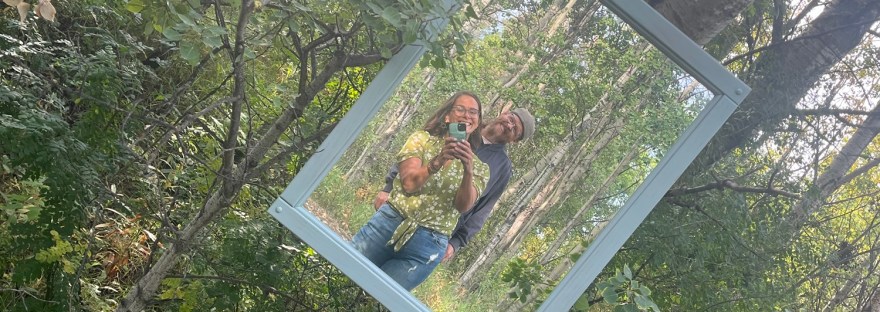
    • Unplug. If you would like to carry a device for emergency purposes you can place your phone on airplane mode for the duration of the walk. Any technical devices will interfere with the feeling you are trying to generate. Some people are sensitive to the energy emitted by such devices and it is nice for the body to have a break. This is the perfect opportunity. Unplugging will help you focus on the task at hand.
    • Before you start your walk take a few deep breaths and picture letting go of all your worries and discomforts.
    • It seems like an odd step to put in any type of instructions but next you should- wander. Just be. See what feels right. Don’t have a definite plan but prepare to be elated as you experience it fully in the moment.
    • Engage your senses. Your five senses are powerful and help you connect and ground yourself to the here and now. Notice what you are seeing. What different textures can you feel? Notice the sounds close by and the ones farther away. You don’t have to put a name to things. Just notice them and let them fade. What scents do you notice? Many forest bathers will prepare a tea made from foraged plants from their walk to incorporate taste and to host a ceremony with the forest as the guest of honor. Be careful to only use safe and edible plants for your tea. If you are unsure, please skip this option.
    • You do not need to wander far into your area. Find a comfortable sit spot. A place where you can more fully engage your five senses and search out more. Our sixth sense, able to sense something outside the scope of the five senses, was made popular with the movie of the same name. Vestibular (balance). Proprioception (sensing your body in space). Bring your mind and body into the here and now with breathing as you sit. Notice clouds, wildlife, patterns, light changes. Enjoy it all!
    • At the end of your walk take time for reflection and gratitude. Reflect on what you took in. Recognize the gift of nature. Show your gratitude and appreciation for what the forest was willing to share with you.

    While we are discussing what to do on a forest walk, let’s also take a moment to talk about what a forest bath is not. Here are some myth busters to clear up some of the misconceptions out there.

    Myth buster #1: Forest bathing is NOT having a bath in the woods!!! It is immersing yourself and all your senses in the atmosphere of the forest. No immersing in water. And we will all remain fully clothed at all times!

    Nope
    That’s more like it

    Myth buster #2: Forest bathing is NOT going for a hike. It does not have to be far or arduous. Leave your hiking shoes at home.

    Myth buster #3: Forest bathing guides are NOT witches. We are not trying to get you to join a cult or do anything nonsensical. We have optimized how to go into the forest for healing. Studies to prove its authenticity exist. My proof is in my own journey. I could not move forward. I was stuck in the same pain- filled cycle for years with no improvement. Now I can see my life changing for the better. While my condition is chronic and will never be healed, the symptoms and side effects are manageable when I use the benefits of forest bathing.

    Myth buster #4: Forest bathing is NOT exclusively for the ‘outdoors’ type. All human beings will benefit from any time spent in nature. The more time, the better (an hour once a month is a good start). The more “green”, the better (any space you can get your feet on the earth counts, work towards finding secret forests in your area). Going with a guide will up- level your experience (but there are benefits to any and all attempts).

    Myth buster #5: Forest bathing is NOT the same as formal therapy. I do not want to misrepresent what I am trained for in any way. Guides are not trained counsellors or therapists. I am not an expert in mental health diagnoses. We will not be working through past issues. We are staying in the present. My expertise as a guide is in dealing with normal, healthy human brains. Guides should view the forest as the therapists and themselves only as facilitators within the framework. Helping you to have your best possible life.

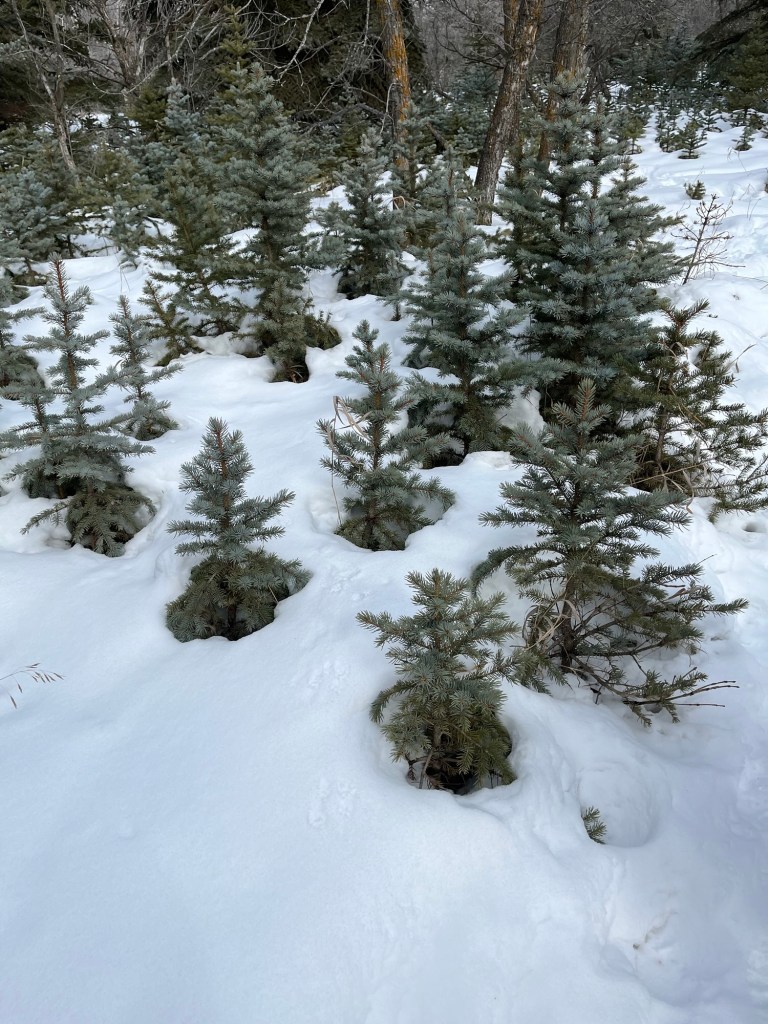
    Here are some photos from my most recent forest walk.

    The summer has been splendid, but it has lasted long enough. This morning, I viewed the falling leaves with cheerfulness. -A. A. Milne

    Take care my friends. Enjoy stepping into fall on your next forest walks.

    Top 10 Inappropriate Things to Say to Someone with Chronic Pain

    I have been doing research and reading on chronic pain as it relates to forest therapy. As I’ve done so I have come to the conclusion that I am not the only one to have struggled in the past with things people say that, while well meaning (in most cases) can come off as offensive to someone struggling to just get through a day.

    So in honour of those who need support, not to be treated as a suggestion box, here is my top ten list of inappropriate things to say to a person with chronic pain.

    #1 Oh ya I have _______ too.

    For me it’s sore muscles. Other people get sore muscles too. I don’t want to take that away from anyone. Pain is pain. But when I’m talking about my muscles not doing what they need to do it is despite all of my effort over years. It is a different story than someone who has a sore back because they slept on it wrong or need to go to the chiropractor. There is an answer for the where and why of their pain. And hopefully a treatment option. If not, you are welcome to join team Don’t Tell Me You Have It Too. For those searching for the right way to converse, think of waking up everyday for the rest of your life in pain. Then enter the conversation with humility and grace instead of comparison and minimizing what we are going through.

    #2 You’re too young to be dealing with ______

    And yet here we are. So do you not believe me, or…? I agree. I am not the age of someone who should be struggling with physical technical difficulties. And yet this is the body I have and I have taken really good care of it. And it’s letting me down. Please support me by recognizing that it is happening despite the odds and help me find ways to endure and enjoy life.

    #3 You don’t look sick.

    While that seems like a good thing it can be really difficult to navigate a day while in pain and nobody knows. Picture going to the grocery store with a broken arm but there’s no cast on it. It looks fine. By all appearances one should be able to handle a trip to the store. And yet the pain you are experiencing is almost unbearable at times. I have had to sit in the middle of a store because my back was telling me it was done by tweaking and spasms. I’ve stood in a line up to get my prescription filled and almost thrown up in pain. A more empathic response to someone sharing their pain with you is to be curious. Ask supportive questions instead of making a statement of fact that is hard to handle on a day to day basis.

    #4 Have you tried _______?

    Yes. The answer is yes. Someone that has struggled with their health for any amount of time has tried that. If there is a reason they are not willing to try ______ it’s time to back off and listen. They know their body. They know their history. They know what a setback from trying a suggestion looks like. For a more enjoyable conversation for us both, let’s keep our suggestions to ourselves unless they are requested. Assume I am doing the very best I can and that I will be guided to what is right for me. The odd suggestion is acceptable as long as there will be no argument over whether I should try it or not. That is my call to make, end of story.

    #5 I know someone who had that and they just had to _______ and now they’re better

    I am super happy for them. Many autoimmune and nerve issues will affect people extraordinarily different. How it manifests in your distant relative that just had to drink a concoction everyday is not the same way it manifests in me. Nor will it be “fixed” in the same way. My condition is chronic. That means it will still be here tomorrow even if I drink Great Aunt Margaret’s concoction. If you think you know someone with the same thing don’t tell me how they got better and so can I. Listen to my struggle and empathize. Don’t try to manage my disease, that’s my job.

    #6 You seemed fine yesterday.

    And for that I am paying dearly today. The way my body works is that it will not give me any signals when I need to stop an activity. It will carry on and the next day I will wish I were dead. I am willing to make a sacrifice of paying dearly for the right things. I choose carefully. Time with my grandson. Time spent with friends. Time in nature. I never know what will push me over my limits but if it is for the right reason I am willing to sacrifice. To put aside my health for tomorrow so I can play today is important to me. Instead of questioning my story thank me for the time I am spending with you and appreciate that it might mean I am in bed for the day tomorrow.

    #7 Must be nice to stay home and not work

    Nope! Big hard nope on that one. Most people with chronic pain have a desire to be out in the world. Working on career or family. I am grateful my family raising is pretty well over. It would be terribly difficult to do this with little kids. I was just starting a career as a piano teacher with enough students to be almost full time when my body started giving out on me. Our lives were going the direction we had been planning and working for all of our married lives. And then it all came to a crashing halt. Plans had to change. Not in the direction we would have chosen. So while I am home and resting I am thinking of all the jobs I would have liked to try. And how much easier it would be to have a two income household instead of one. I feel guilty for the money that goes to my health and wellness. I think most chronic pain sufferers would agree that having the choice to work taken away is not fun in any way. Just avoid this one altogether.

    #8 Why are you on so many medications? They are so bad for you!

    It has been hell trying to find the correct meds and dosage without side effects that make them not worth it. I am also learning how the stress of being in pain takes its toll on a person physically and mentally. One cannot just grit their teeth and bear it without a cost. Medication is a very personal choice. It is a long and hard road to get what you need. It is hard to be on a controlled substance. I have been questioned about over medicating until the pharmacy realized it was a mistake on their end not mine. It is hard to be on the verge of running out and too tired and in too much pain to make the appointment, go to the appointment, and get the meds. Please don’t question my choice because you have not travelled the road I have travelled. I hope to not need medication someday. But today it is saving me. That means they are bad for you! But not for me.

    #9 You’re still dealing with that?

    Yes. I have been dealing with it for over a decade. If I get better I will be shouting it from the rooftops and you will know. Until then assume that my chronic condition is still being chronic-y. I have heard our brains want everything to be resolved. We want there to be an answer for everything. For all problems to conclude. But that is seldom the case. Recognize that when you are uncomfortable with me still being “sick”, it is your brain wanting things to resolve. I would like it to resolve even more than you. So being reminded that things are still wrong isn’t helpful. Instead ask me how things are progressing or if there have been any new developments. There are always changes, sometimes positive.

    (and speaking of being positive) #10 Inappropriate thing to say to someone with chronic pain: Just stay positive

    My life got to a very dark and negative place. If someone had approached me at that time and told me to stay positive I would have slugged them. I know that staying positive has it’s place in healing. Yet there is also healing in the struggle and in feeling all the feelings that come with it. There is a time for feeling hurt at being misunderstood and for feeling too tired to do this anymore. As long as you just visit that neighbourhood and don’t move in. Feel the negative parts. And then return to the light of hope. Hope for good days. Hope for understanding doctors and team members. Hope taking us to joy in this journey.

    It can be really hard to be a support person or friend to someone who is struggling with chronic illness/ pain. You likely have your own list of phrases you don’t like to hear. I don’t expect everyone to walk on eggshells when it comes to talking to me. I fully expect to hear these in the future and I will do my best to recognize where you are coming from. But for those who know someone with chronic pain, maybe this will benefit you in some way. And if you are a chronic pain sufferer, maybe this puts into words why some phrases can be hurtful even when they are presented as showing concern.

    This is anything but a comprehensive list. What would you add?

    While my condition is chronic, the symptoms are suspended and alleviated in the forest. I can search into my body to know what it needs and how to respond to those needs. I can connect to the earth and it’s rich aromas and textures and melodies. I can let go of any of these phrases I may have heard recently because when I am in harmony with nature I feel more in harmony with myself. Head over to my contact page to book a forest therapy walk or if you have any questions for me.

    Take care my friends.

    Nature’s Therapeutic Whispers: Revelations from Diverse Books

    Have you ever heard your books talking to each other? I generally have at least a dozen non-fiction books on the go at any given time. I don’t know if the same rule applies to fiction books.

    When I read my books daily I start to hear them talk to each other. They discuss the same points. The examples and illustrations are vastly different but the message is the same. These are not books on the same subject or genre. But my brain starts to put it together in an intricate web.

    Photo by Pixabay on Pexels.com

    Here is a glimpse into what my books are saying.

    There are those that believe that the highest truth exists in nature. Have you ever struggled to find truth in this world of chaos and contention? If we look around we see that everything is pointing us back to the earth. Our food. Whole food from the earth looks to be our best bet. Our vacations. We fly to exotic destinations to get our feet in the sand. Our need to be still. Which we will not come upon by accident. We will not trip and land in a forest bath. We have to intentionally and incrementally choose nature as a healing tool.

    Nature is an intricate web. Did you know that all the trees in a forest are connected by their roots? And that research is showing there is almost an in and out breath that the trees take collectively. When you are in nature you can feel it. But do you know how to bottle it up and take it home with you?

    Have you heard of Petrichor? It is the smell of earth after rain. We’ve had a lot of that recently. To put it in perspective I recently learned that as humans we are more sensitive to the scent of rain than a shark is to the scent of blood. Perfumers have been after the scent for years. There’s something primitive about the smell. Plant smell is also more obvious.

    Photo by Brent Munkholm

    Like forest bathing, petrichor has a relaxing effect and a feeling of good health. Just being around it is helpful. If you don’t feel like going for a walk in the rain, try standing outside barefoot for a few minutes. Ideally it’s still raining and you can take in all nature has to offer from above and below.

    Researchers suggest that humans had those scent receptors for back in the day when our ancestors needed to know where would be the best place to plant your crop. That smell would have been of great importance to those that lived solely off the land.

    Some days it feels like we are far removed from the days of living of the land. Nowadays it’s about deadlines and fitting it all in. But that takes its toll. When you’re feeling stressed the body releases a hormone called cortisol. But studies show that your body doesn’t release as much cortisol when in the forest. This is good news because too much of it can cause problems. The ones we are seeing so rampant in our society. Anxiety. Depression. Heart disease. Weight gain. Memory and concentration problems.

    So many of us are living in a constant state of fight or flight and cannot continue to function on our current trajectory. When your body is overloaded on cortisol and not getting a chance to recover, the body starts to fight back. Your body needs a chance to rest and digest. During this process the heart rate slows while the gut and glands experience increased activity.

    Forest bathing helps me get out of my default setting of rush and stress and into a state of rest and digest. I have a desire to disconnect from the things that are draining me and to connect to those things that will feed me. It is part mindfulness. Part play. Thoughts slow down. The things that felt so important a moment ago fade in the scent, sounds and feel of the forest.

    Amos Clifford, founder of The Association of Nature and Forest Therapy Guides says of forest bathing, “It’s a fancy way of saying hanging out in the forest can make you super relaxed.” This is one way to use forest therapy. But there are many ways for many different kinds of days.

    Sometimes days are incredibly hard and I can relate to what C.S. Lewis wrote in A Grief Observed, “There is a sort of invisible blanket between the world and me. I find it hard to take in what anyone says. Or perhaps, hard to want to take it in. It is so uninteresting. Yet I want the others to be about me. I dread the moments when the house is empty. If only they would talk to one another and not to me.” I am going through such a time as this. Thankfully, as always, the forest holds the answer. Join me by reaching out to me on my contact page to book an individual or join a group walk.
    img_3941
    Photo by Brent Munkholm

    Author Edward Abbey wrote, May your trails be crooked, winding, lonesome, dangerous, leading to the most amazing view. Healing is available here in this place. I am experiencing it. I can show you the way.
    These seemingly random yet related thoughts are how my books are speaking to me today. In so many of them I am learning, Nature truly is the best medicine. Take it in my friends.

    What is Forest Therapy

    In the 1980s, through the national health program in Japan, was introduced the art of Shinrin- Yoku or forest bathing as it is known in English, to help workers reduce stress. The negative effects of stress were starting to rear their ugly head. Heart conditions, high blood pressure, a rise in auto immune disease. Doctors pointed sufferers to the forest for help. The forest has many healing qualities and Japan was learning how to harness them and how to offer it to others. These sufferers were willing to try anything. Are you there? Do you feel like you’ve tried everything? With a forest therapy guide to get the most benefits, forest bathing is still proving most effective today. 2/3 of Japan is forest. Some of the most beautiful in the world. Doctors even started prescribing it to those with stress related disease. Doctors in Japan recognized how many people had become disconnected from the earth. While our ancestors slept on the ground and ate food grown from it and walked around on it with nothing to stop the negative electrons flowing into their bodies, those in modern day Japan were far from this description. The effects of this disconnection are not isolated to the eastern hemisphere. Our world is highly toxic and the earth offers a way to heal from the negative effects. In an effort to connect the people around me back to the earth, I prescribe it to you today.

    Forest Therapy or Forest Bathing, the literal translation of the Japanese term, Shinrin Yoku is what I want to tell you about. The art of going into the forest for healing. There are various understandings of the term. But in all the research I have done it has nothing to do with bathing as you might be picturing the use of the word. No rubber ducks. No shower caps. And everyone is to be fully clothed!!! At all times!!! The relation to bathing is only in the way that when you have a bath you are fully immersed in the water; forest bathing helps you fully immerse yourself in the forest or absorb the forest atmosphere. That is where healing begins.

    Forest bathing can be defined as making contact with and taking in the atmosphere of the forest. With all the physical, mental and spiritual benefits of forest bathing, you also gain access to other tools here that can be used to generate and accelerate healing. These are the tools I have learned and developed into my own routine. I’ve tried so many suggestions, through decades of pain. This is the first non-medicated thing that has consistently helped me.

    Studies have shown that there are a myriad of health benefits to being in the forest. Some of these benefits include lowered concentration of cortisol, lower pulse rate, lower blood pressure, lower blood sugar levels, greater parasympathetic nerve activity, and lower sympathetic nerve activity when compared to being surrounded by city environments. Being in the forest is great. Bathing yourself in the forest is even better. I can show you how in future posts!

    The forest therapy I offer is a combination of forest bathing, silence, (doesn’t everyone know how to do that? what if someone else is disrupting your silence? what if the silence feels awful?) grounding, and more. I will explain all of these in further detail in later posts but for now I just want to get the overall idea out there.

    As with all programs this one has its side effects. Unfortunately, with these tools in place you can reduce the symptoms for anxiety, depression, anger, increase your concentration and memory, boost your immune system, (an increase to NK cells) improved quality of sleep, reducing fatigue and confusion and an overall improvement to your mood. Increased positive and decreased negative feelings. No weight gain or facial paralysis hiding at the end of the list over here.

    I want to be clear. I would never tell anyone to stop taking any medication without talking to their doctor. Some are necessary and life saving. And I myself have not reached the point with my condition to stop all medications. We all start from where we are and carefully move forward. When it comes to medical areas, talk to your doctor. If you have a mental crisis, talk to a mental health care professional. If you feel you are in spiritual crisis, talk to a religious leader or friend. What we are talking about here, my target audience, is those who are living their lives and functioning- adjacent and I can help take them to an even better life with the tools I offer. Ideally a life with less pain.

    .

    Now. What if you live in the city? This is the beauty of forest therapy. You can create an atmosphere of forest bathing within any natural environment. The more natural, the more you can accomplish. Yet every grounded plant, spot of grass or tree can offer benefits to the most diseased among us.

    Join me by booking your walk over on my contact page.

    That’s it my sweet friends. Allow me to show you the way.