You Are a Success Story

My physiotherapist, “J,” has been with me through it all.

She has seen me on some of my best days over the past 15 years of working with her.

  • The day I told her I was finally pregnant with the baby I had tried nearly a decade to conceive.
  • The day I said, “I’m running again.” After years of pain making even the thought of it feel impossible. My body has approached physical activity like a suspicious cat approaches a cucumber in the past.
  • She heard me process the long, exhausting teenage years of push and pull with my oldest child. And then my second. Followed by my third. The painful years that felt like emotional whiplash and then she celebrated with me when they all graduated. She understood firmly the mentality of, We did it! On each occasion.
  • She walked alongside me through buying and selling homes.
  • When Kenzie got engaged. Jamie transitioned. Riley moved in with his girlfriend.
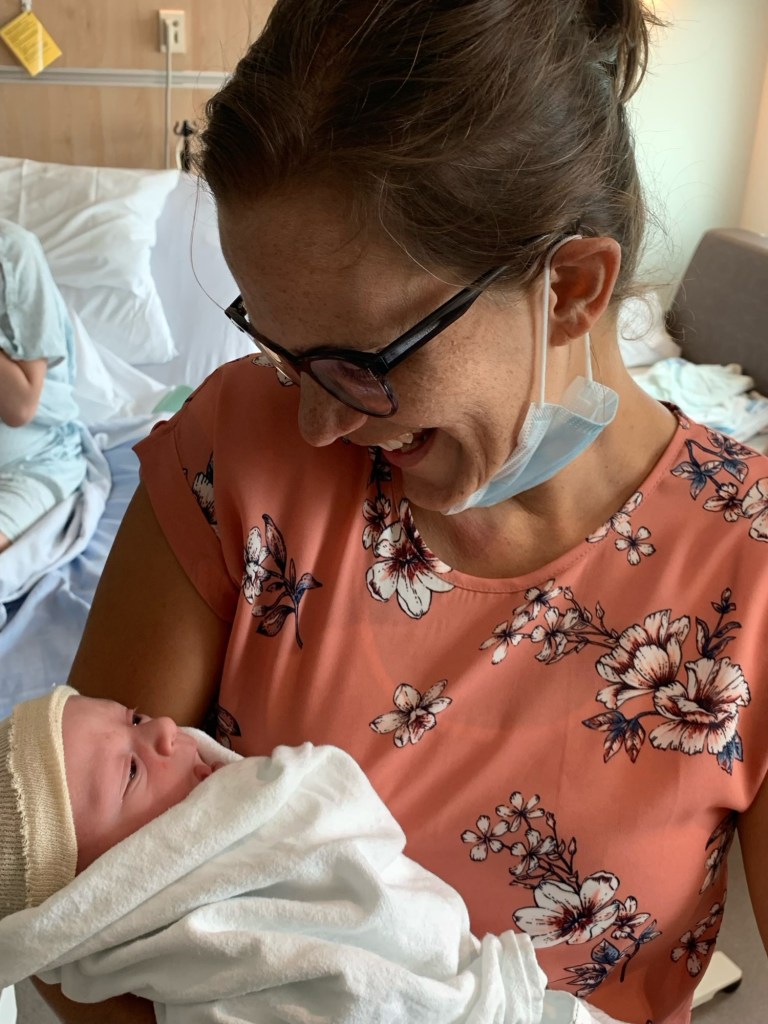
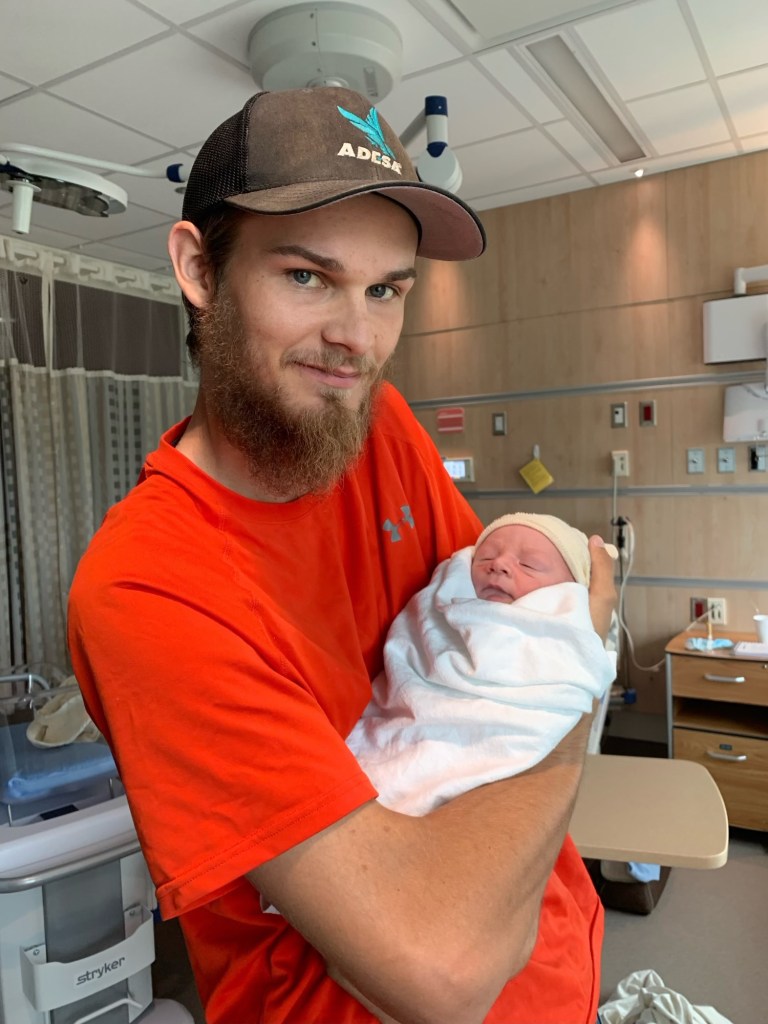
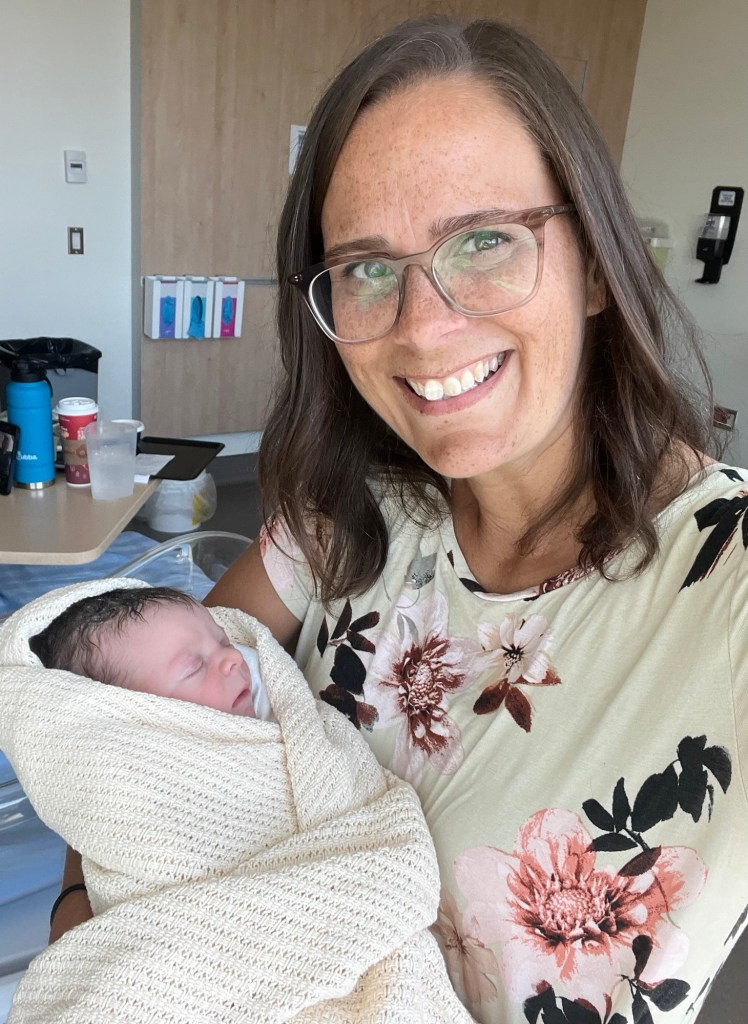
  • When all three times I found out I was going to be a grandma, she was one of the first people to know.
  • When I started a forest therapy business and dared to believe healing could become something I offered others.

She has witnessed joy. Growth. Milestones.
We have laughed together as I walked around in a body that behaved like it’s been assembled from spare parts with vague instructions and one missing screw.

Proof that life can still bloom in hard soil.

And she has also sat with me on some of my worst days.

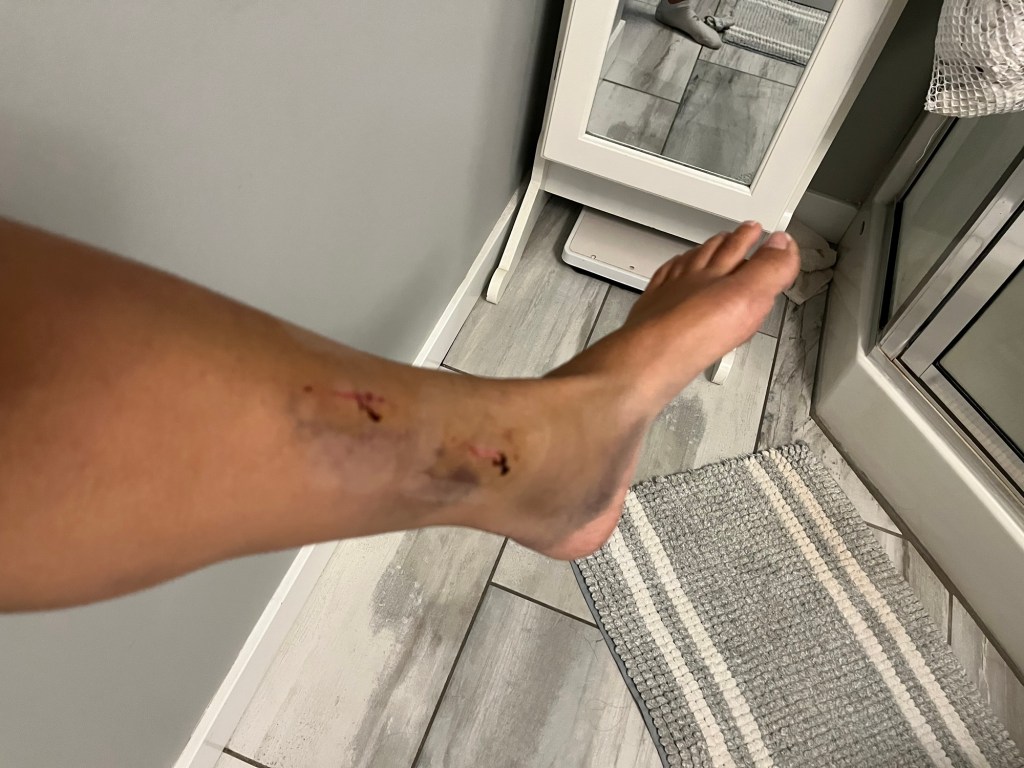
  • The day I fell off a boat and we both knew recovery would not be quick.
  • The years I fought to be taken seriously by medical professionals before finally getting the MRI that revealed my bone spur. Disappointing specialist appointments. Medical gaslighting.
  • Family job losses.
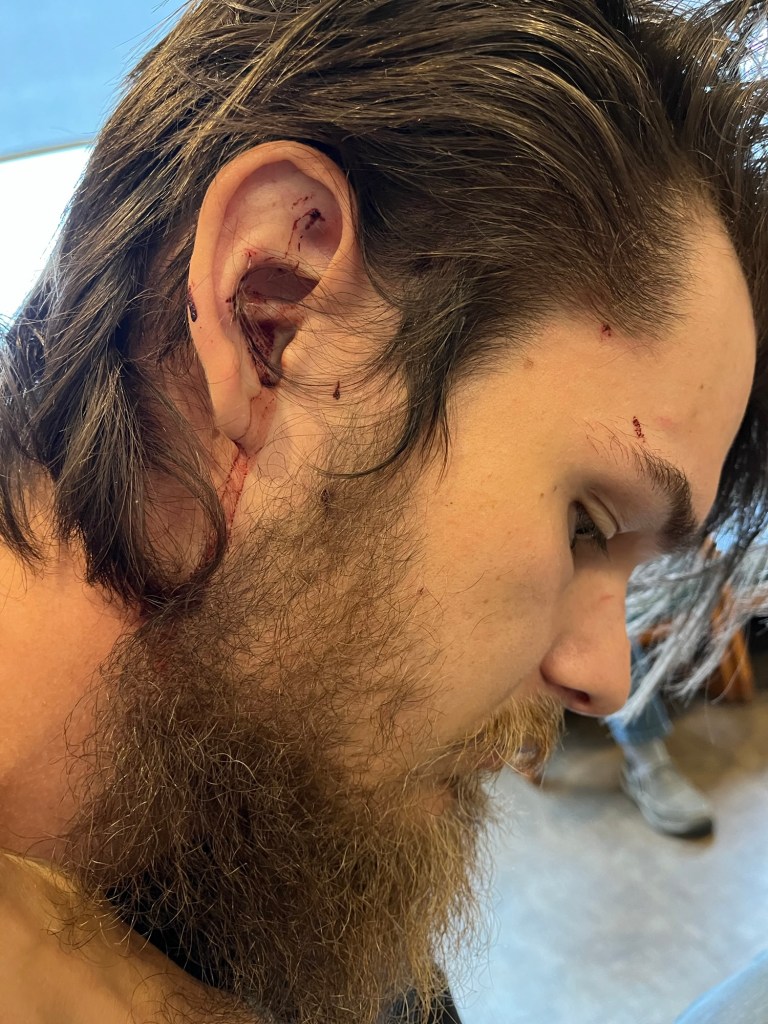
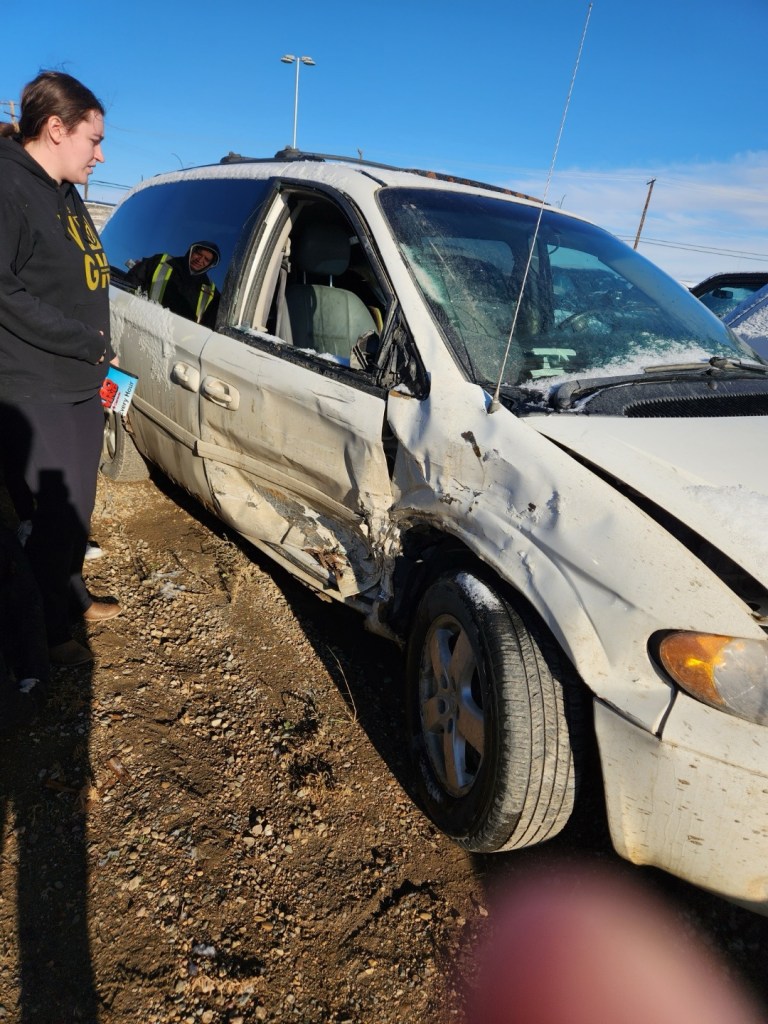
  • Kids in car crashes.
  • The miscarriage of the baby I had fought so hard to conceive. She cried with me that day. And the day I told her I was going ahead with the hysterectomy that closed that door entirely. We were so hopeful that would help my overall health.
  • Surgeries that did not go well.
  • The passing of dear friends.
  • The painful decision to close my business and then Brent’s and eventually to stop working.
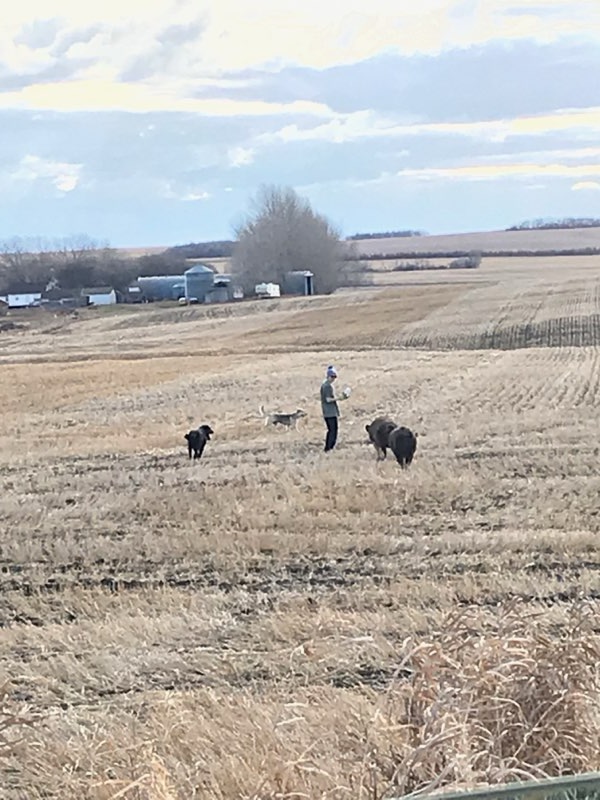
  • Leaving the farm and grieving all that move represented. She understood, she’s a farm girl.
  • And the appointment Christmas Eve where she examined me and realized something was deeply wrong. I had almost no muscle mass. I was so weak and felt so broken, useless, a waste of skin.
I could write pages about what J and I have discussed over the years. At some point, she became more than someone treating my body. She became someone quietly witnessing my life story unfold.
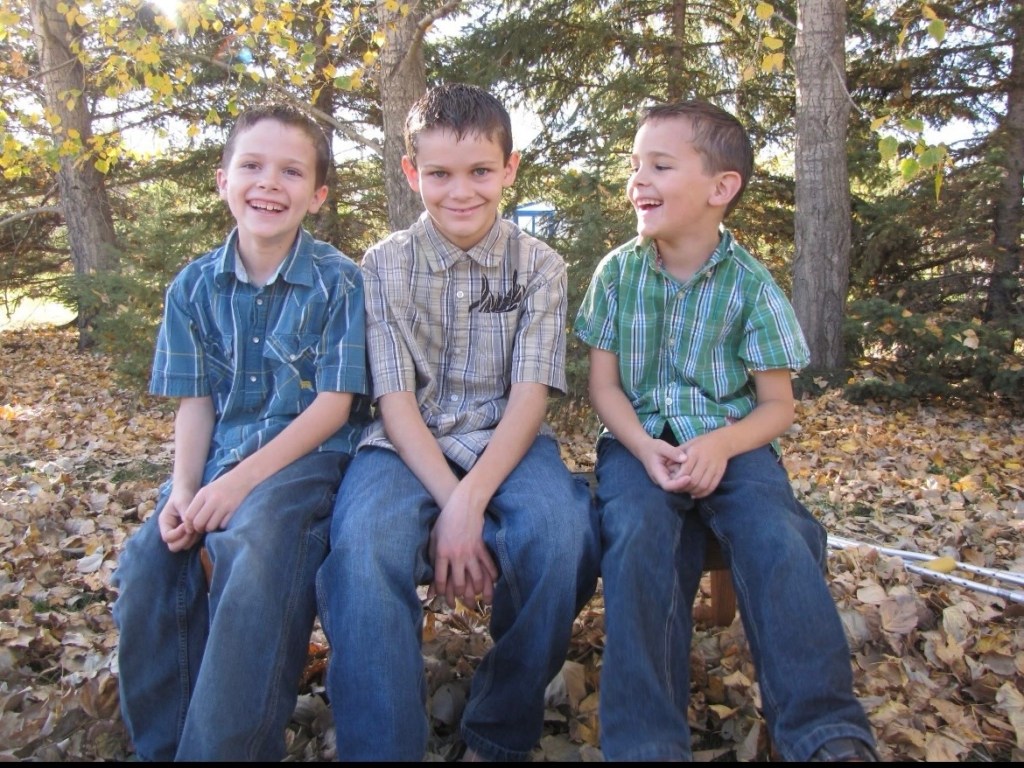
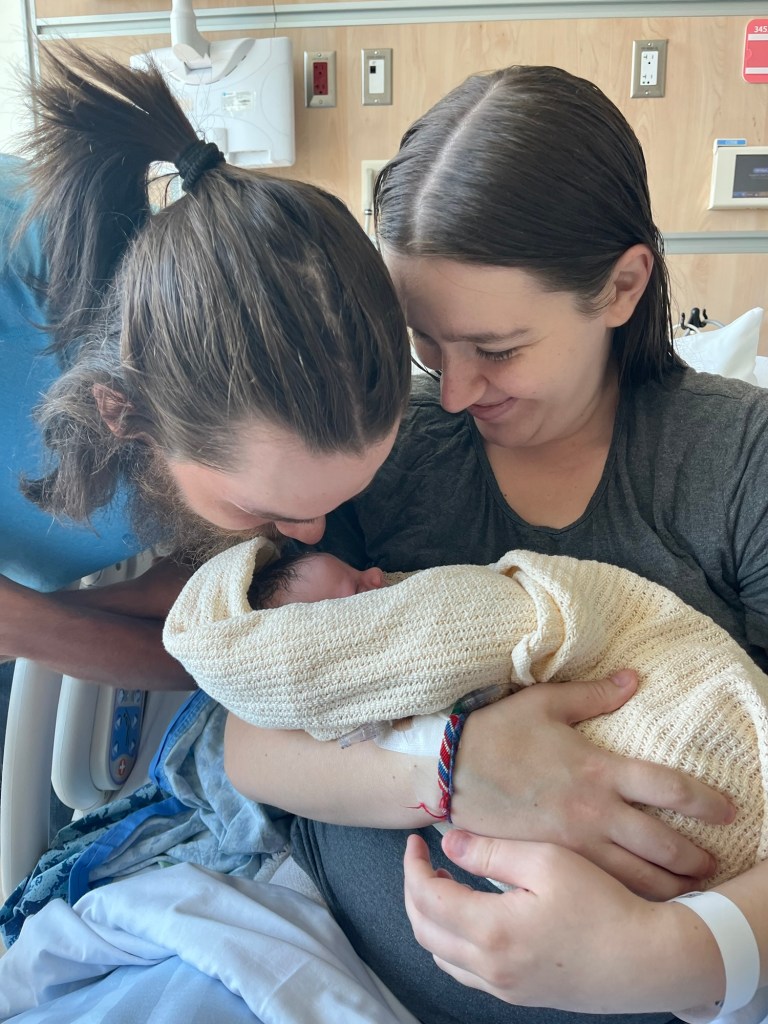
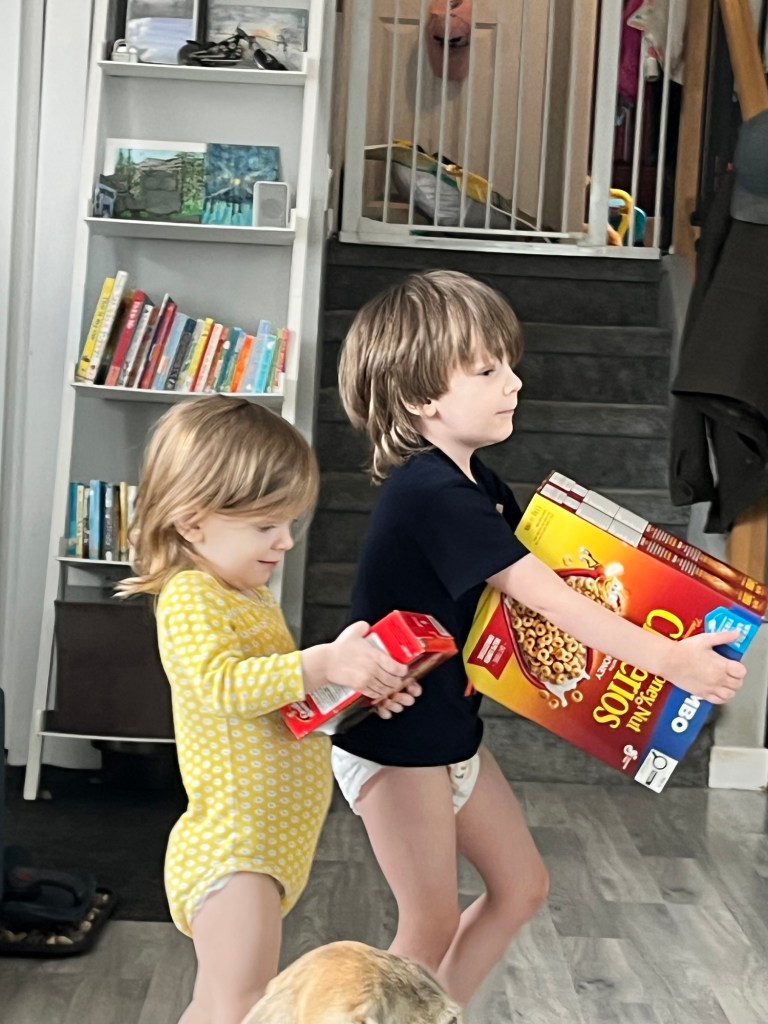
The size of my kids when I started seeing J
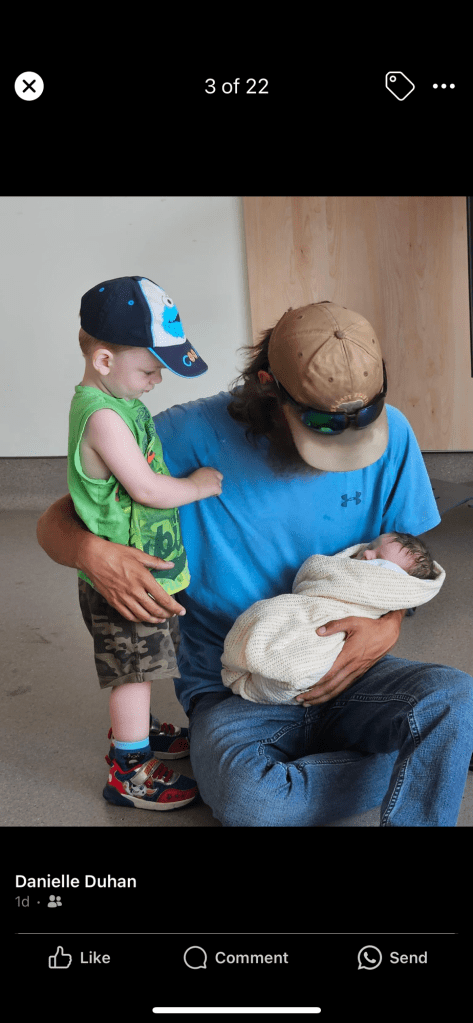
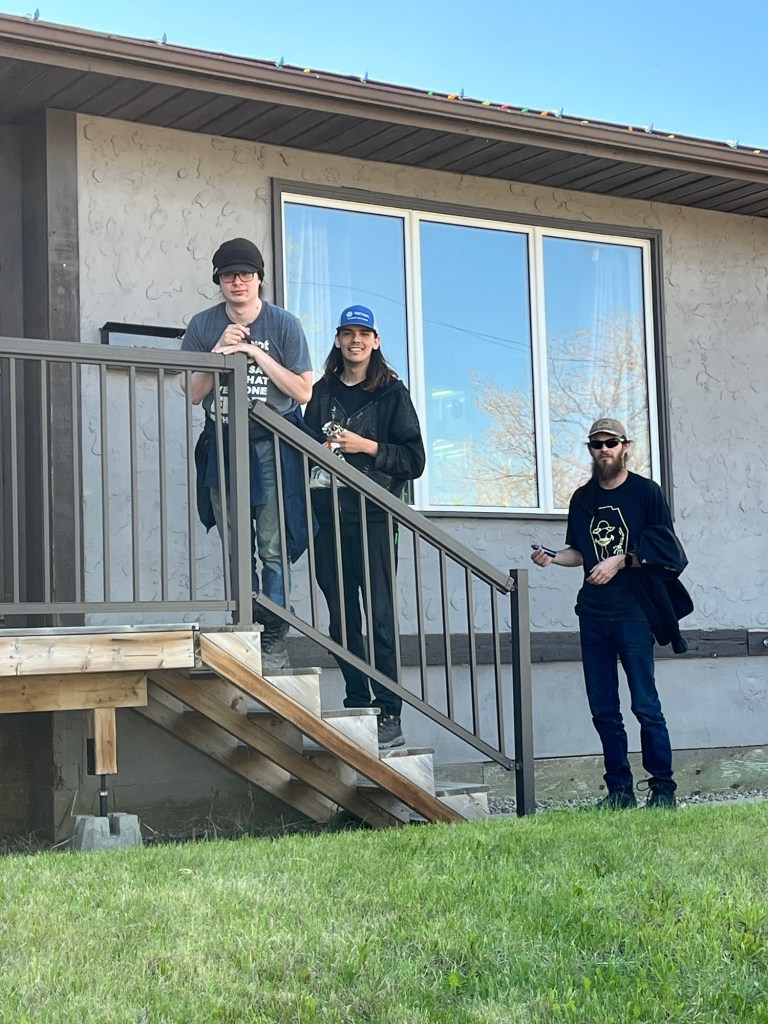
The size of my kids today.

And then one ordinary appointment changed how I saw myself.

It started like any other. I explained where the pain was. What had shifted in my workouts. What stress was doing to my body. What daily life had looked like since we last met.

She examined me, worked through familiar areas of tension, and after a moment of silence she said something I think applies to all my chronic comrades:

“You’re a success story. Do you know that?”

My first instinct is always to deflect a compliment.

I think you have me confused with someone whose joints aren’t held together by determination and prayer alone.

But it felt true. It felt like the most true diagnosis I’d ever been given.

She continued, (and I want you to see yourself in this,)

When you look at where you’ve been on your lowest days and where you are now. This is a success story.

You could have closed the doors on life. Stayed in bed. Turned inward. Leaned into fear of the future. You could choose to live frustrated and depressed. White-knuckling your way through existence.

But instead, you keep rebuilding. You keep getting stronger. No matter what knocks you down, you come back.

Like one of those punching balloons from childhood. The ones you smack into the floor and somehow they pop right back up, mildly annoying and aggressively optimistic.

I have a core memory of my cousin’s party. They had one of those balloons in the backyard. As I played with it I wondered what was inside that made it keep popping up.

If resilience had a mascot, I might nominate a half-inflated punching balloon and a woman with heating pads.

J was right though. That’s me. That’s you.

What is it that’s inside us that keeps us popping up, time after time?
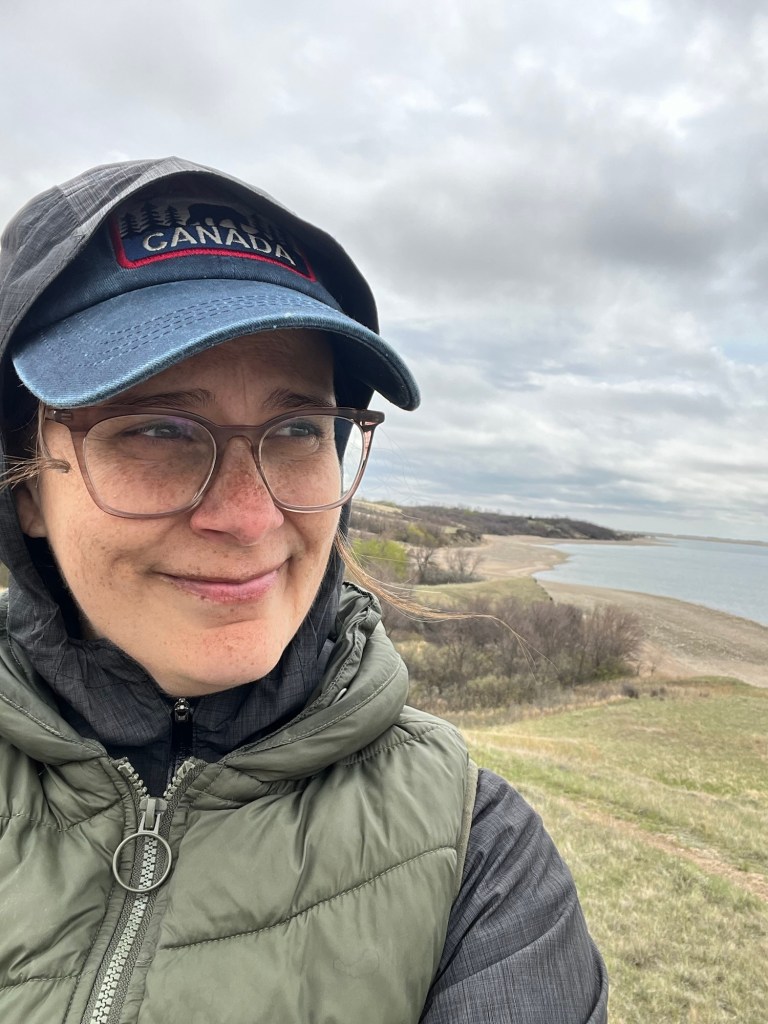
Not graceful. Not elegant. Occasionally leaking air. But still coming back up.

Again. And again. And again.

J encouraged me to start writing it down. My story. To let others read it. And that is where this blog began.

A success story, heavily disguised as a challenging life story.

Chronic Pain Does Not Stay in One Box

If you live with chronic pain, you understand this. Pain does not politely stay in your shoulder. Or your spine. Or your hips. Or your joints.

It leaks. It spreads.

It enters your sleep, your patience, your relationships, your finances, your confidence, your work, your parenting, and your identity.

It is never just physical.

The dis-ease spreads just like disease. Not because we are weak. But because pain is invasive.

Scars are not signs of weakness, they are signs of survival.

Yet many people living with chronic pain quietly continue. They raise children. Show up to work. Try to exercise. Cook supper. Pay bills. Care for aging parents. Smile through appointments (and cry after.) Fold laundry while wondering why their body feels like it was assembled by a distracted Ikea employee.
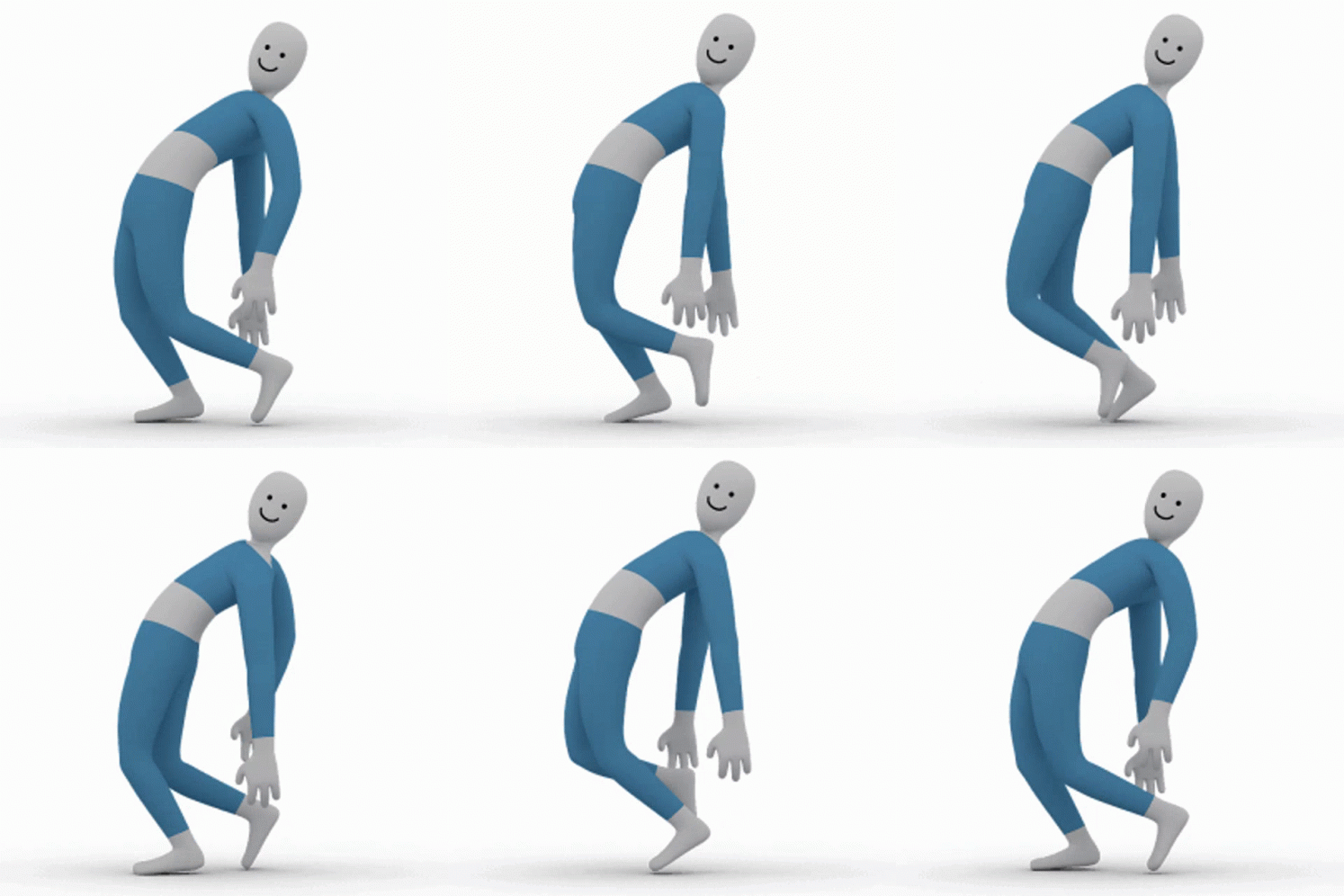
And still… they continue.

That is not failure. That is resilience. That is success.

Rock bottom became the solid foundation on which I rebuilt my life.

JK Rowling

The Exhaustion of Not Being Believed

One of the hardest parts of chronic pain is not always the pain itself. Sometimes it is the disbelief. Unfortunately, this can include close family members. Friends. Employers.

And yes, medical professionals.

When symptoms are invisible, people often assume they are exaggerated. If scans are unclear, they question your tolerance. If you “look fine,” they assume you must be fine.

And so many of us become defenders. Explainers. Evidence gatherers.

Trying desperately to prove that our pain is real. Trying to earn validation. Trying to convince others that suffering exists even when they cannot see it.

But constant defense is exhausting.

As Dallin H. Oaks said:

When attacked by error, truth is better served by silence than by a bad argument.

That quote hit me.

We do not need to defend ourselves from every misunderstanding. Not every person deserves access to our explanations. Not every accusation needs a rebuttal. Not every skeptical glance deserves our emotional energy.

There is a time to inform. And there is a time to walk away.

Never wrestle with pigs. You both get dirty and the pig likes it.

George Bernard Shaw

Silence is not surrender. Sometimes silence is strength. Sometimes it is peace. Sometimes it is refusing to spend precious energy proving your pain to people committed to misunderstanding it.

Do not explain. Your friends do not need it, and your enemies will not believe you.

Elbert Hubbard

You Are a Success Story Too

If you live with chronic pain and still carry on…

You are a success story.

If you’ve had to explain your pain as a weird hip or angry neck. Here is your medal in interpretive medicine 🏅…

And you are a success story.

If, like my friend described it, you have been blindsided at a medical appointment and you keep seeking your answers…

You are a success story.

If you got out of bed today and every day, despite exhaustion…

You are a success story.

If you parent through pain…

You are a success story.

If you grieve what your body once was while still learning to care for the body you have now…

You are a success story.

If you feel misunderstood. Lesser. Frustrated. Invisible. You are still a success story.

Do not let anyone take that from you.

You never know how strong you are until being strong is your only choice.

Bob Marley

A Forest Therapy Practice: Seeing Yourself in the Landscape

One of the most grounding practices I return to comes from forest therapy.

Take a small mirror with you into nature.
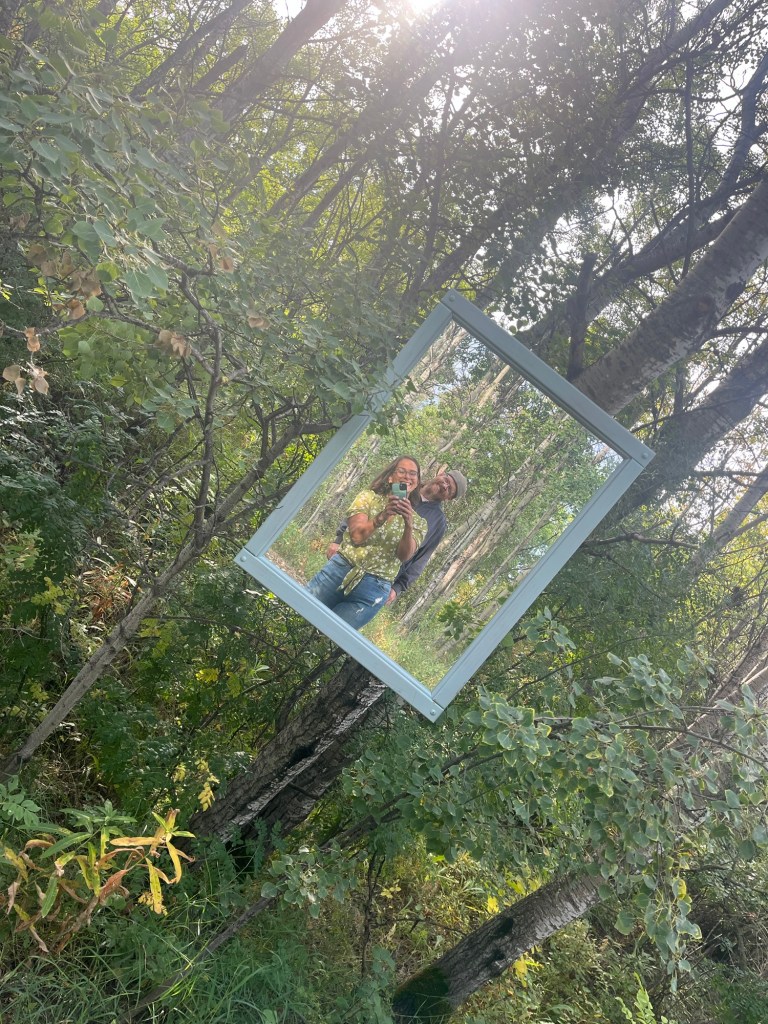
Stand among trees.

Or beneath open sky.

Hold the mirror so your reflection appears framed by branches, clouds, leaves, or light.

Look at yourself. Really look. See your face inside the larger landscape. Notice how you are not separate from nature. You belong here too.

Then ask yourself:

Where was I a year ago?

What have I survived?

How far have I come?

What strength still exists in me?

Appreciate where you are now. Not because healing is complete. But because progress deserves to be witnessed. And because you still have what it takes to continue.

Rivers don’t apologize for moving slowly at some points on their path.
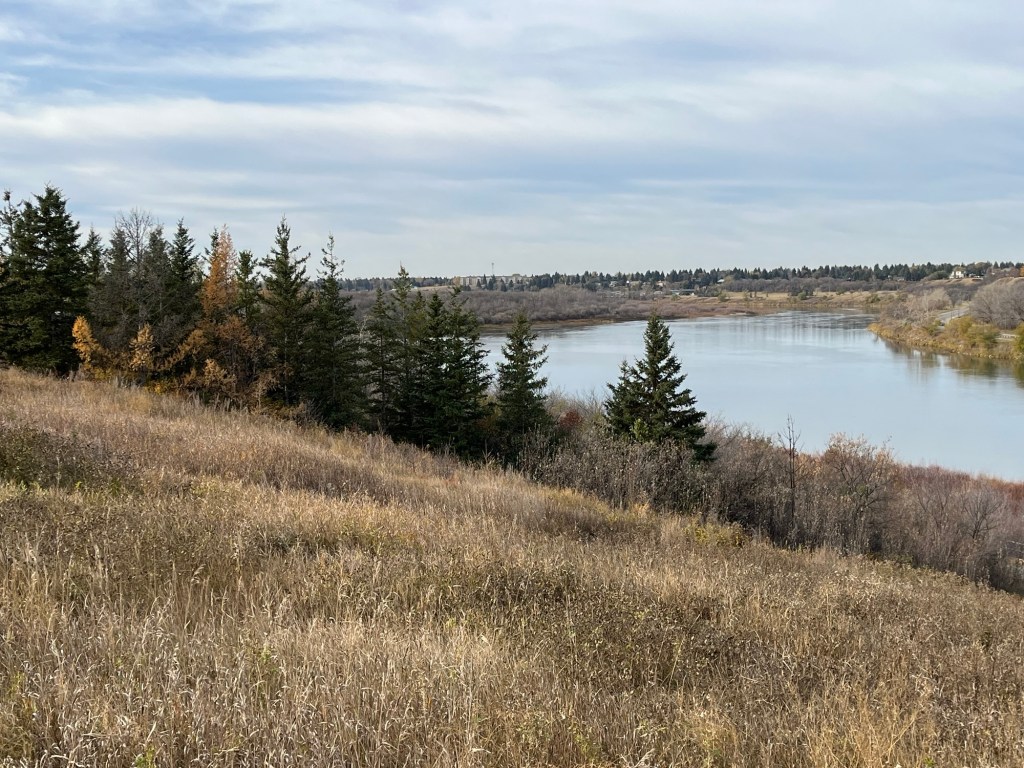
Seasons do not shame themselves for resting.
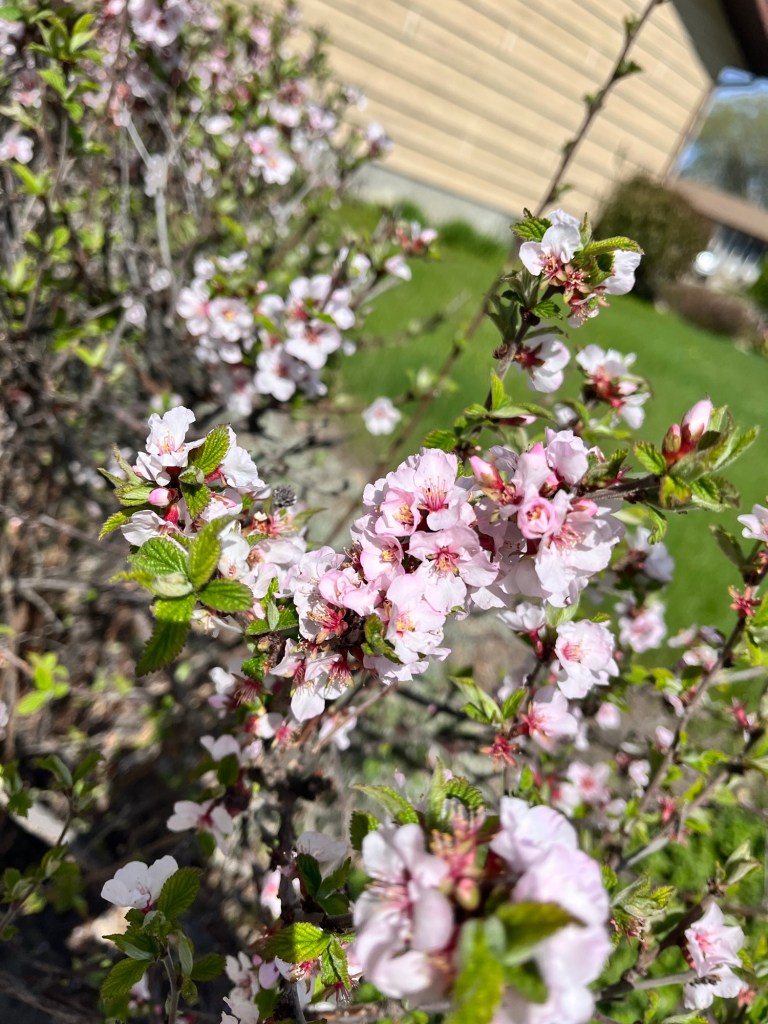
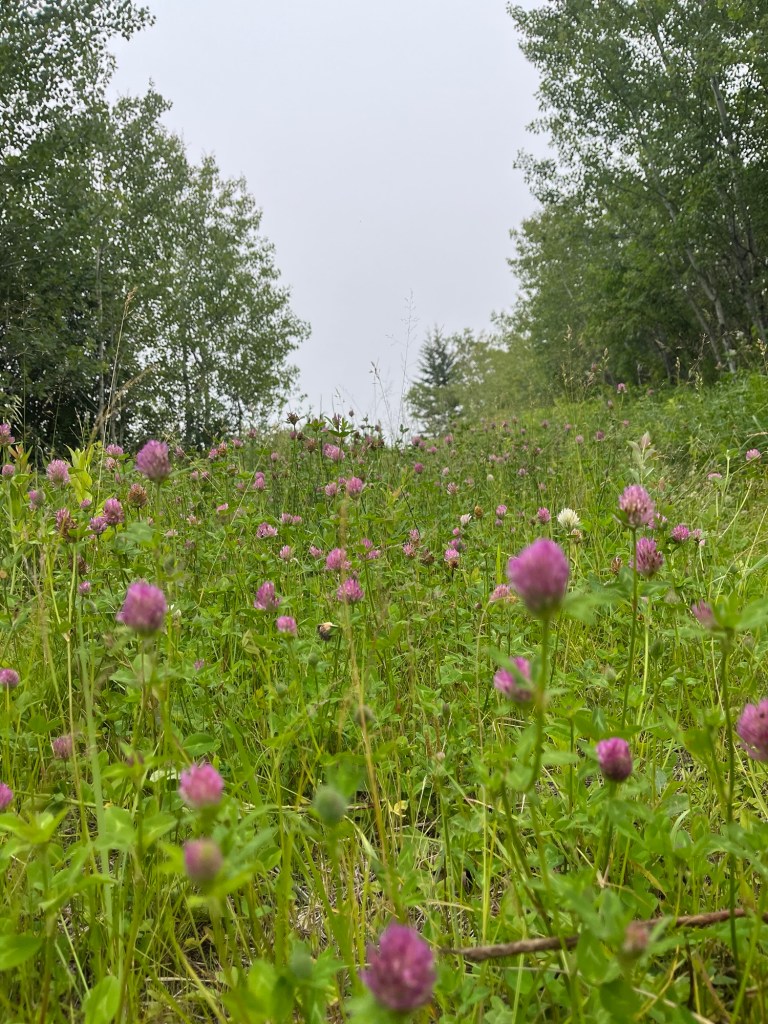
Maybe we shouldn’t either.

My Success Story Is Still Being Written

I used to think success had to look polished. Strong. Linear. Easy to explain. Now I know better.

Sometimes success looks like rebuilding muscle. Sometimes it looks like surviving grief. Sometimes it looks like asking for help. Sometimes it looks like walking instead of running. Sometimes it looks like closing one chapter when life forces your hand. Sometimes it looks like bouncing back up like an emotionally exhausted inflatable clown with stubborn determination.

I have bounced back like a plastic bag caught in a prairie wind.
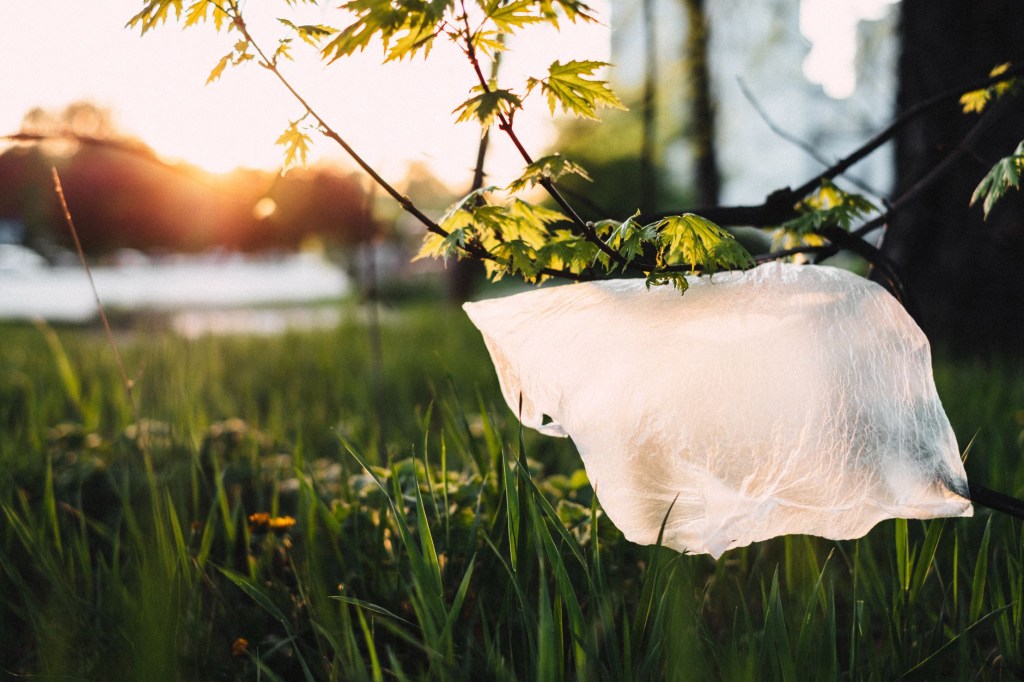
Messy. Crooked. Still rising. Still trying.

And maybe that is enough.

Actually

Maybe that is extraordinary.

You are a success story.

If pain has tried to rewrite your life and you still continue…

🫵 You are a success story.

And don’t you forget it. 😉
Feeling It All: Big Emotions, Chronic Pain, and Finding Your Ground in the Forest

There’s a moment. It’s often quiet, sometimes overwhelming. When emotion first arrives in the body.

It might feel like a tightening in the chest. A wave of heat. A heaviness behind the eyes. A sudden drop in the stomach.

Something I’m learning? When this happens, nothing has gone wrong. My body is simply giving me information.

Experiencing big emotions is not a failure of regulation, character, or strength. It is part of being human.

Especially for those living with chronic pain, where the body is already speaking loudly, emotions often arrive amplified and harder to ignore, harder to name, harder to hold.

But after that first signal comes something powerful.

Choice.

Not whether you feel the emotion. But how you respond to it.

As Daniel Chidiac teaches, Not every emotion needs a reaction—but every emotion deserves acknowledgment.

The Story We Tell After the Feeling

On the Better Than Happy podcast, Jody Moore offers a perspective that can feel both freeing and confronting.

Anger is optional. 

Disappointment is optional.

Embarrassment is optional.

Humiliation is optional.

Not because we can simply turn emotions off. But because these emotions are often shaped by the meaning we assign to our experiences. Have you experienced any of the following?

  • You have been dismissed by a medical professional, again. 
  • You didn’t reach the goal.
  • Someone saw you struggle.
  • Something didn’t go as planned.

Those are just events. Although they feel huge in the moment. 

Disappointment enters when the mind adds the story.

This means something is wrong with me.”

Embarrassment grows when the thoughts spiral into shame.

They must be judging me.”

“I look foolish.”

“I am foolish.”

And here’s the important nuance.

These emotions are optional. But not wrong.

You’re allowed to feel them. You’re also allowed to question them.

The feeling is real. The story is optional

John Delony

A Simple Task: A Heavy Story

Here’s how that looks in my life. 

I set out to do a little spring cleaning.

Nothing ambitious. Just a smidgen at a time. Slow and steady. The way I’ve learned my body needs things to be. Experience has taught me that enthusiasm and capacity are not the same thing.

But then life showed up.

The everyday mess. The dishes. The door in my room that was in desperate need of a good wipe down. The quiet realization that I couldn’t do both.

I had to choose. My body, which had just clocked in was now requesting a lunch break.

And then the grandkids came to “help.” Which, as you can imagine, added more chaos than progress. At this point the mess was winning. And multiplying.

The vacuum stopped working. My arms started to burn.

And just like that, the thoughts came rushing in.

I’ll never catch up.

My house will always feel like this.

Why can’t I just keep up like everyone else?

Because, obviously, one unfinished chore means a lifetime of failure. 😣

I could see it happening, the spiral. I wasn’t unaware.

But stopping it? That took effort. A surprising amount of effort.

Excuse me while I parent my dramatic inner narrator.

Because even as part of me recognized what was happening, another part was pushing me harder.

Just keep going.

Finish what you started.

If you don’t do it now, it will never get done.

False. What was actually true was much simpler and much harder to accept in the moment.

I was tired. I was in pain. I needed to stop. 

My body wasn’t failing me. It was asking me to listen.

And the real choice in that moment wasn’t about dishes or doors.

But this.

Do I keep pushing to meet an expectation I set for myself… or do I take care of myself?

Eventually, I chose to stop.

Not because everything was done. But because I was.

And that shift didn’t magically clean my house. But it did something more important. It brought me back to myself and my priorities.

—— 

Chronic Pain and Emotional Amplification

Pain is loud. But it is not the only voice.

Liz Newman 

If you live with chronic pain, this truth lands differently. (You might also find this helpful -> How Forest Therapy Can Transform Your Pain Experience)

Because your nervous system is already working overtime. Because your body has taught you that signals matter and often signal threat. ( If you want to learn how forest therapy supports the nervous system, check this out -> Mending Your Nervous System With Forest Therapy)

Pain doesn’t just exist in isolation. It interacts with emotion, memory, and meaning.

A flare-up can quickly become:

I’ll never get better.”

My body is failing me.”

I can’t live the life I want.”

This is where emotional dysregulation can take hold, much like how Brené Brown describes it:

Being overwhelmed by feelings that are hard to name and contain, driving behaviors and thinking that don’t align with who we want to be.

And suddenly, we’re not just in pain.

We’re in a story about what that pain means.

Your body speaks in sensation. Your mind speaks in meaning. Learn to tell the difference.

Deb Shapiro 

Disconnection: When the Body Becomes Unfamiliar

Brené Brown shares a powerful story about recovering from injury and trying to engage muscles that simply wouldn’t respond. Her therapist kept reminding her to “find your ground.”

But she couldn’t feel it. She couldn’t even find her lats. 

She was using her body while being disconnected from it.

That disembodiment, that moving without understanding, existing without connection, is deeply familiar for those with chronic pain.

You expect your body to respond one way. It betrays your expectations. Every time.

And over time, many people stop listening to their bodies with curiosity and start bracing against them with resistance.

Until one simple but profound instruction emerges.

Find your ground.

Not just physically. Energetically. Emotionally. Spiritually.

If you’re trying to find your way back to yourself, back into your body, the answer isn’t usually one big solution.

It’s small, grounding practices.

Journalling. Meditation. Art. Spiritual connection. Time in nature.

Each one opens a door.

Forest therapy is where those doors meet, creating a space that supports not just awareness, but true reconnection. 

The Tree as Teacher

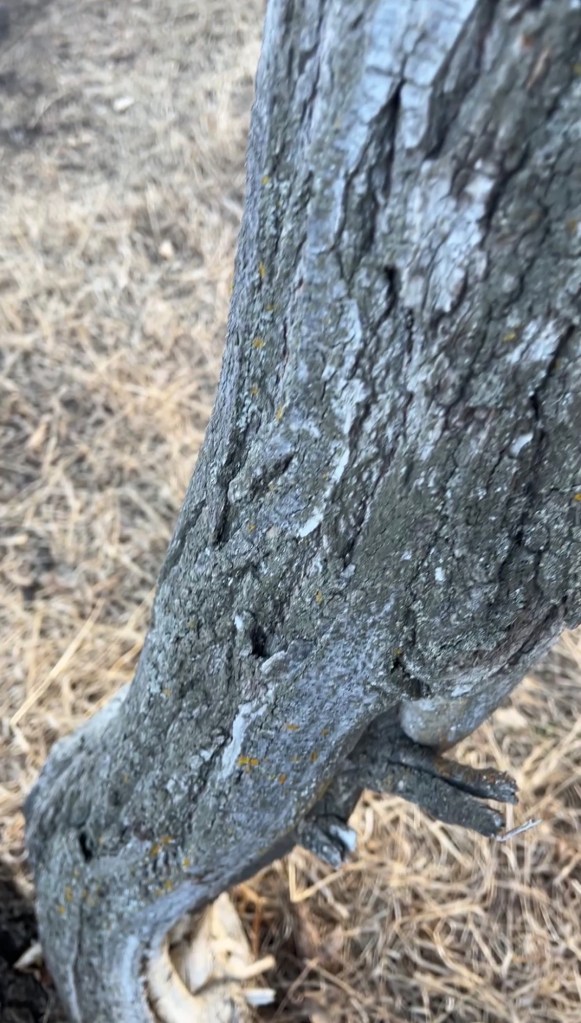
In The Secret Therapy of Trees, Marco Mencagli and Marco Nieri describe the trunk of a tree as something remarkably similar to the human core.

It is a channel of connection. A stabilizing structure. A vital center.

If damaged, the whole system struggles.

Like the human torso, home to breath, circulation, and strength, the tree’s trunk is both anchor and conduit.

And yet, trees do something we often forget to do. They remain rooted while experiencing everything.

Wind. Storm. Drought. Seasonal loss.

They do not avoid conditions. They adapt within them.

What Actually Matters (Hint: It’s Not the Dishes)

Another truth worth holding onto.

You cannot overestimate the unimportance of practically everything.

John C Maxwell 

So much of what consumes our emotional energy, what people think, whether we looked polished, whether everything went perfectly, is, in the grand arc of a life, remarkably small.

Jody Moore offers a striking reflection.

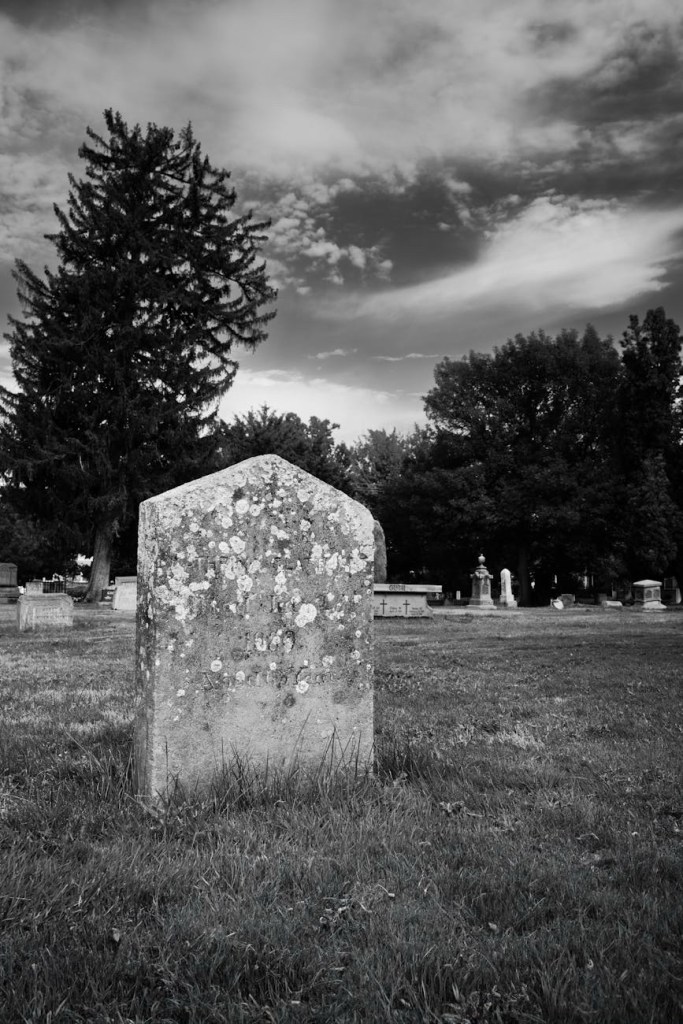
Imagine your tombstone reads:

At least the dishes and laundry were always done.”

She really stayed on top of the laundry.”

“At least no one had a reason to judge her.”

That’s not the legacy most of us want.

What we want is something closer to this.

She lived fully. She went all in. She gave her whole heart.

Not perfection. Participation.

Because the real tragedy isn’t failure. It’s not trying at all.

Vulnerability, Courage, and the Nervous System

Brené Brown reminds us:

There is no courage without vulnerability.

And vulnerability means feeling.

It means stepping into uncertainty.

Risk.

Emotional exposure.

For those with chronic pain, vulnerability can feel even riskier. The body already feels unpredictable. Why add emotional exposure on top of that?

But avoiding emotion doesn’t create safety.

It creates disconnection.

And disconnection pulls us further from our “ground.”

EMBERLIN: (n) the small unbreakable flame inside you that refuses to go out, even on your darkest days.

A Forest Therapy Practice: Finding Your Trunk

Here’s a simple forest therapy invitation you can try.

The Trunk and the Story

1. Arrive

Find a tree that draws your attention. Stand or sit near it.

2. Observe

Notice the trunk. Its thickness. Its texture. Its steadiness.

3. Connect

Place a hand gently on the tree (or simply sit close if touch isn’t accessible).

Bring awareness to your own torso.

  • Your breath
  • Your chest
  • Your core

4. Journal

Bring a journal or write in the dirt with your finger or a stick. Answer these questions, 

What emotion is present in you right now?

Not the story, just the sensation.

Where is it in your body?

5. Separate Sensation from Story

Gently answer this,

  • What am I feeling?
  • What am I making this mean?

Draw a line between the two answers. Let those be two different things.

6. Root

Imagine your body like the tree. 

  • Grounded below
  • Supported in the center
  • Responsive, but not uprooted

7. Choose

Without forcing anything, ask this,

How do I want to respond to this feeling in this moment?

Write your answer. 

Final Thought: Feel First, Then Choose

You are not meant to bypass emotion.

You are meant to experience it, fully, honestly, humanly.

And then, from a grounded place, choose your next step.

Not from fear. Not from the story that says you are failing.

But from the deeper truth that you are still here, still rooted, still capable of living a meaningful life.

Even with pain.

Even with uncertainty.

Even with a door that still needs cleaning. 🧼 🚪