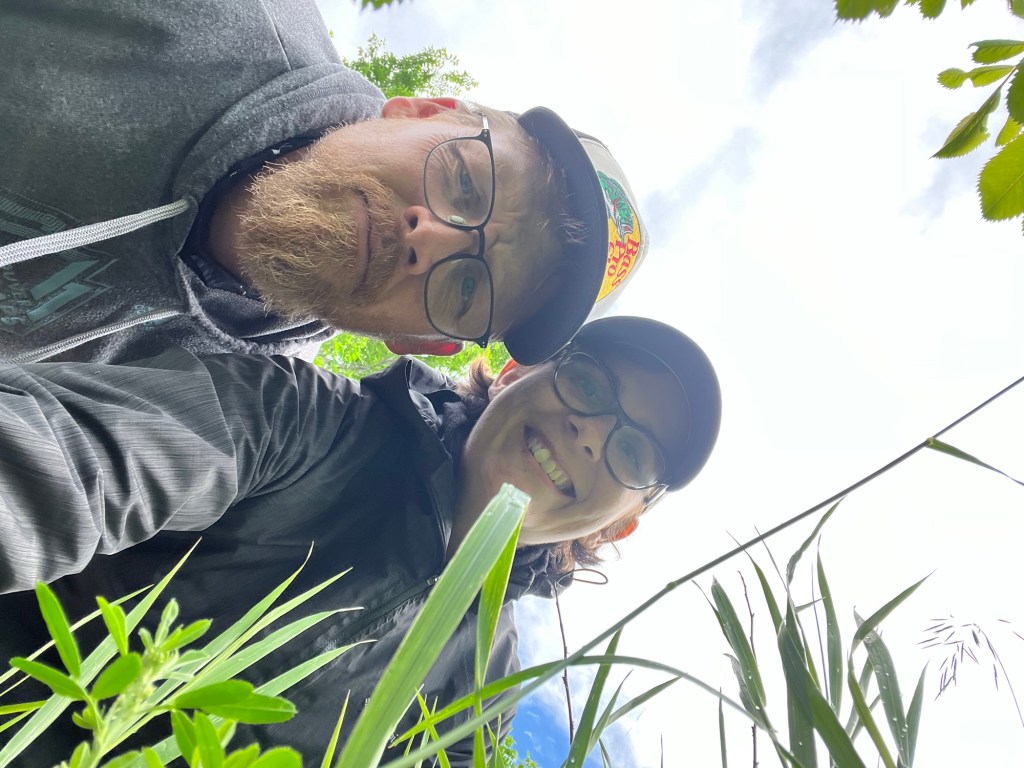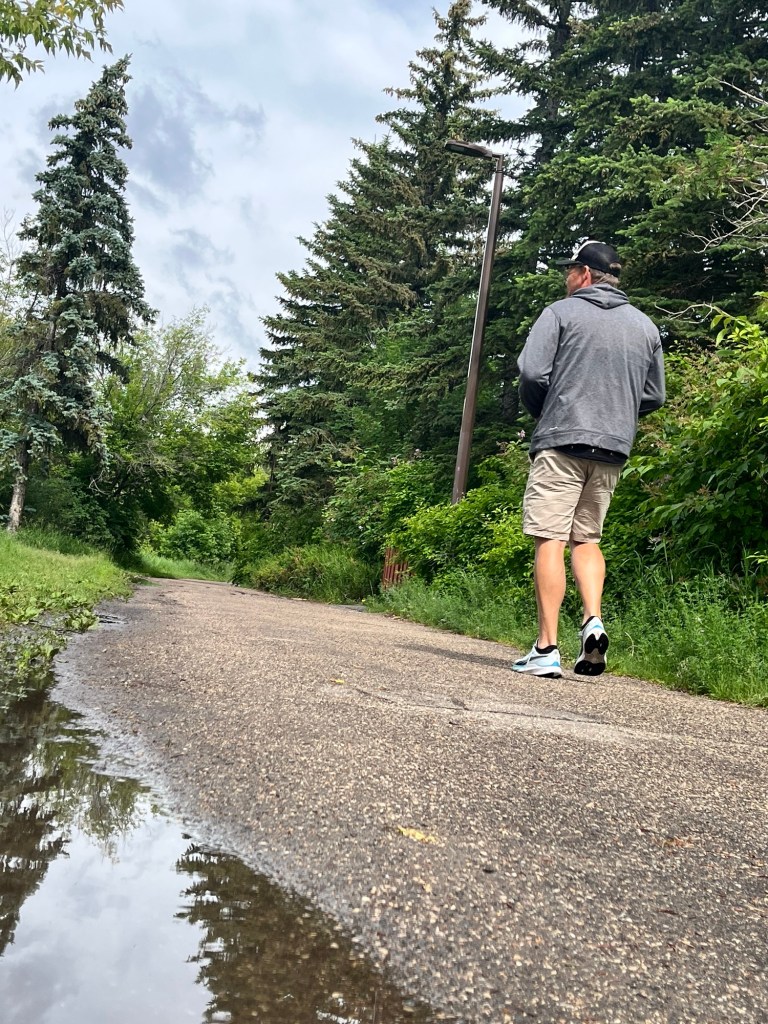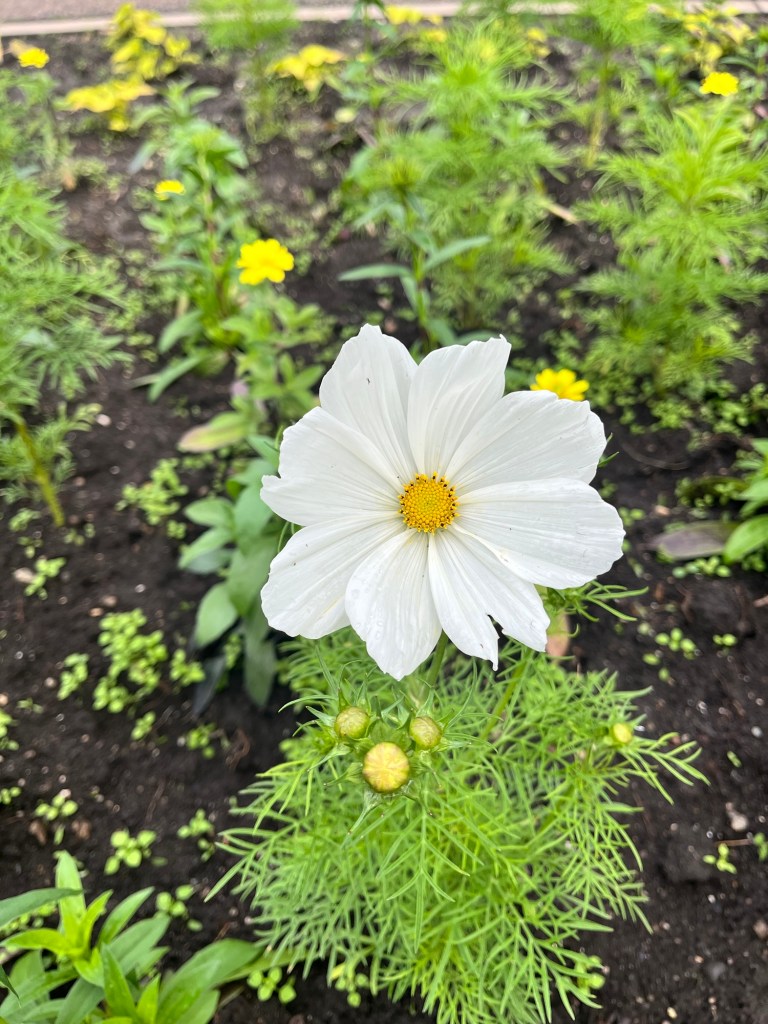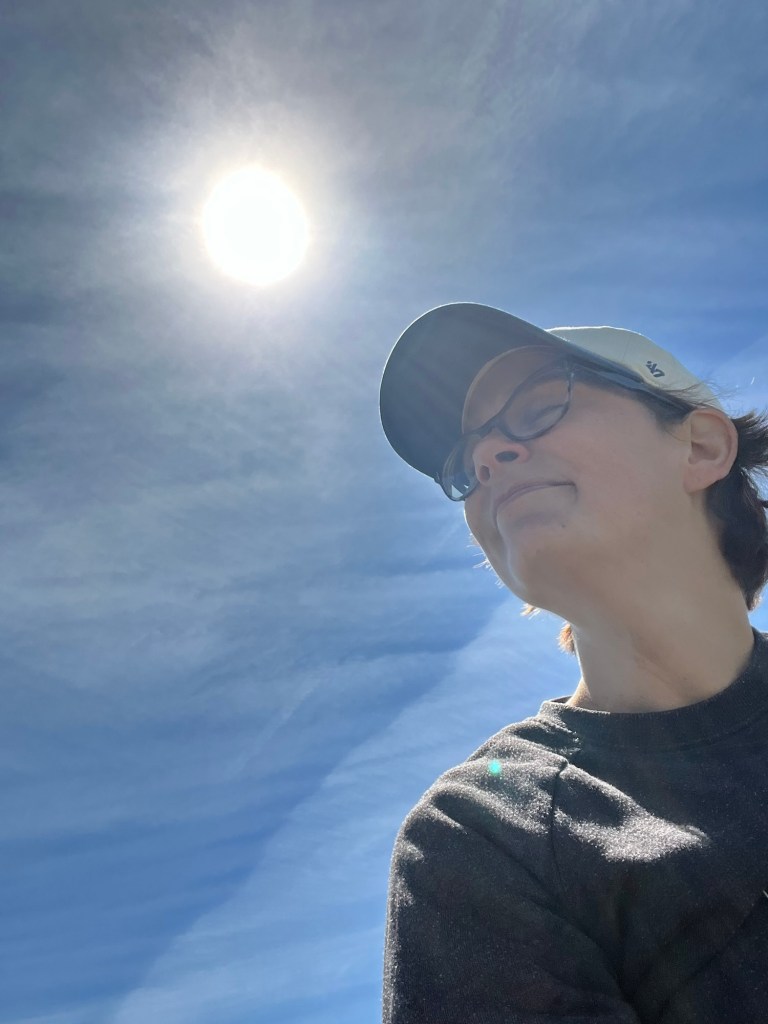
This line 👇🏼 from a song deserves to stand alone.
The world is hard on beautiful things.
-“Beautiful Things” by Megan Moroney
When I hear this line, I think about the people I know who have been hurt by the world. It takes not only our emotions for a nosedive.
But also our peace.
Our patience.
Our nervous systems.
Our hope.
Our ability to assume the best instead of the worst.
You can’t stop the waves, but you can learn to surf.
It feels like we’re all moving through life with our shoulders somewhere around our ears. Chronic illness, fear of aging, financial stress, uncertainty, bad news on an endless loop. Some people are simply trying to get through Tuesday with enough energy to make supper 🙋♀️ .
It doesn’t take much to tip us over.🐄
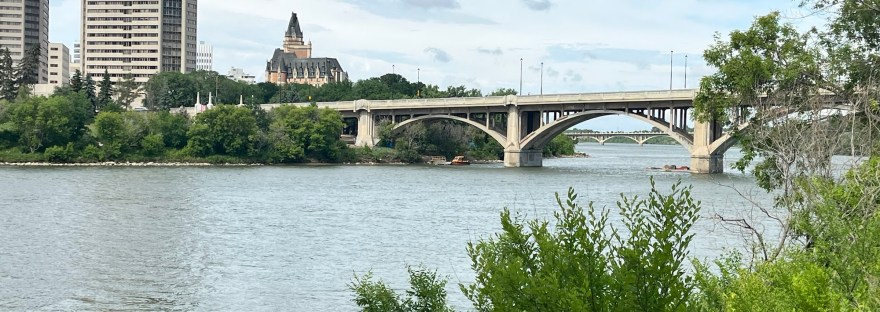
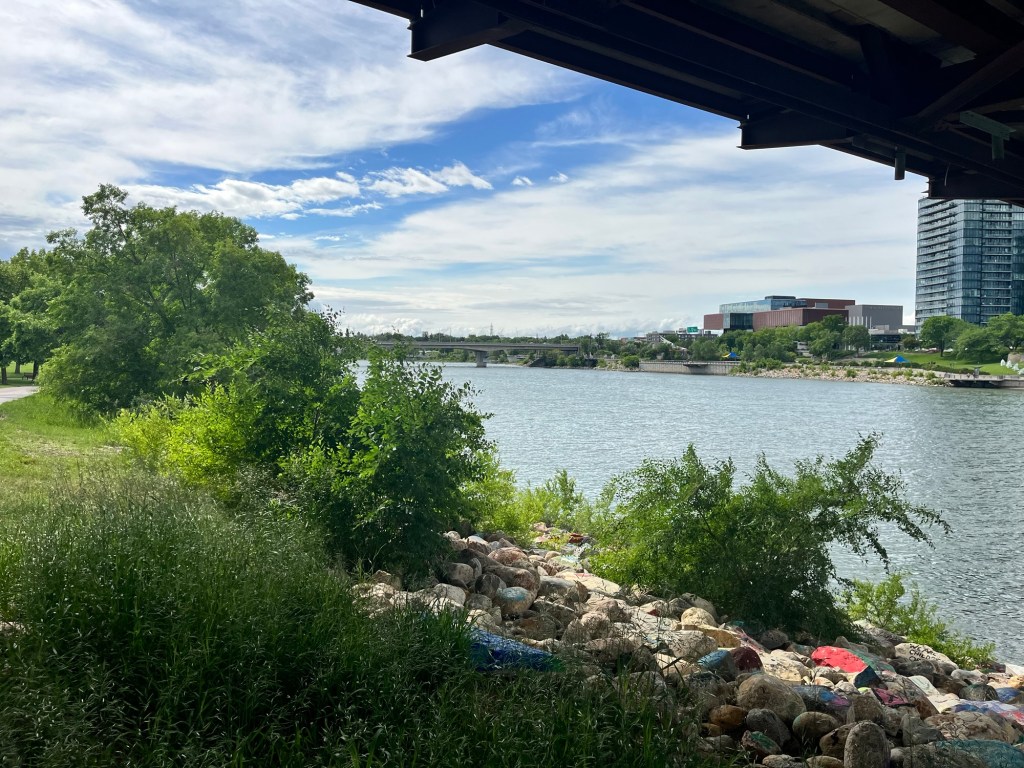
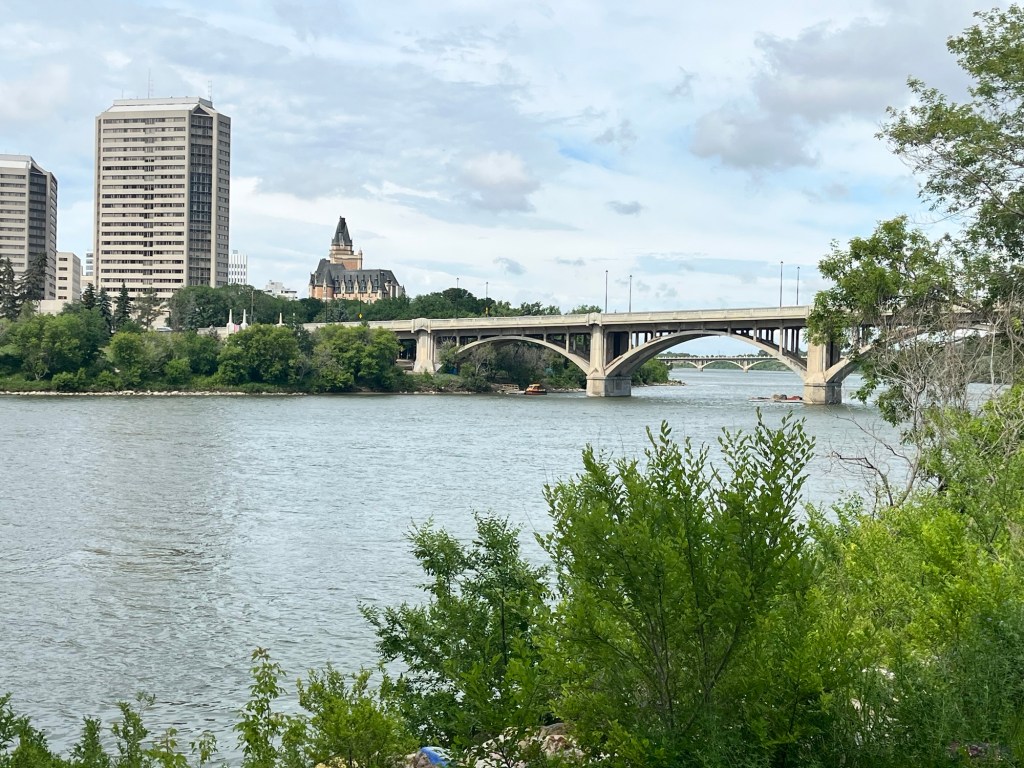
A few days ago, mine came in the form of a boat launch.
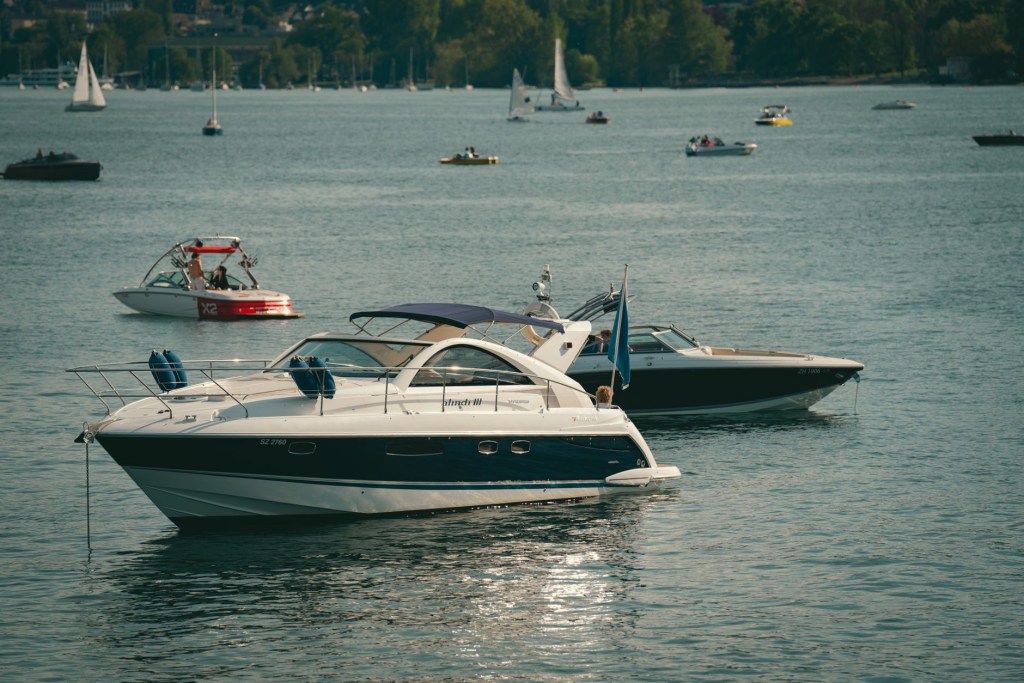
Anyone who’s spent time around a busy boat launch knows it’s a fascinating social experiment.
An overabundance of strong opinions and egos exists.
There are no rules. Written or unwritten.
Just enough ambiguity transpires, that everyone believes they’re right.
I’ve been launching boats for about fifteen years. I know the rhythm. I stay out of people’s way, wait until my truck is actually in the water before moving, and do my best to keep things safe and efficient.
Apparently one gentleman decided I’d “cut the line.”
Boat launches really do produce fascinating specimens of humanity.
I’ve learned that confidence can be surprisingly unsettling to some people. Especially when it arrives in the form of a woman who knows how to load the boat on the trailer without making a production of it.
It’s funny how a little perceived competition can bring out our inner third-grader.
The equipment may have six-figure price tags, but occasionally the conflict resolution skills still come from recess days gone by.
When I calmly explained why I was waiting where I was. And how the process normally works. He didn’t want an explanation.
He began clapping sarcastically.
The world doesn’t just wear us down through tragedy. Sometimes it does it one sarcastic clap at a time.
–Claire played by Molly Gordon in “The Bear“
As he mocked me it became clear he just wanted an audience.
He got one when a couple of other boaters joined in the jeering.
I wish I could tell you I laughed it off.
Instead, my nervous system hit the panic button.
My cortisol rose faster than I can launch my boat. (I’m a pro at both.)
My heart raced. My hands shook.
My cortisol packed a lunch and settled in for two to three business days.
Several days later, I could still feel my body replaying the scene.
I think what bothers me most, at this point, is somewhere out there is a misguided soul telling the story of the woman who “cut the line” at the dock.
How people treat you is their karma, how you react is yours.
Maybe you’ve had moments like that.
Perhaps someone says something. Misunderstands you. Treats you unfairly.
And your body reacts long after the event is over.
For those of us living with chronic illness or chronic stress, these moments don’t simply sting.
They cost us.
That’s why a line from a recent episode of the Untangle podcast kept coming back to me.
In “Quiet Strength and Equanimity: Finding Calm in a Chaotic World,” Margaret Cullen explores how we stay peaceful in a world that often seems determined to take our peace away.
One story she shares has stayed with me.
A man is rowing through thick fog when he notices another boat heading directly toward him.
The other boat is bigger. He should have the right of way.
He shouts. No response.
He waves. Nothing.
The other boat keeps coming.
His frustration turns to anger.
“Move!”
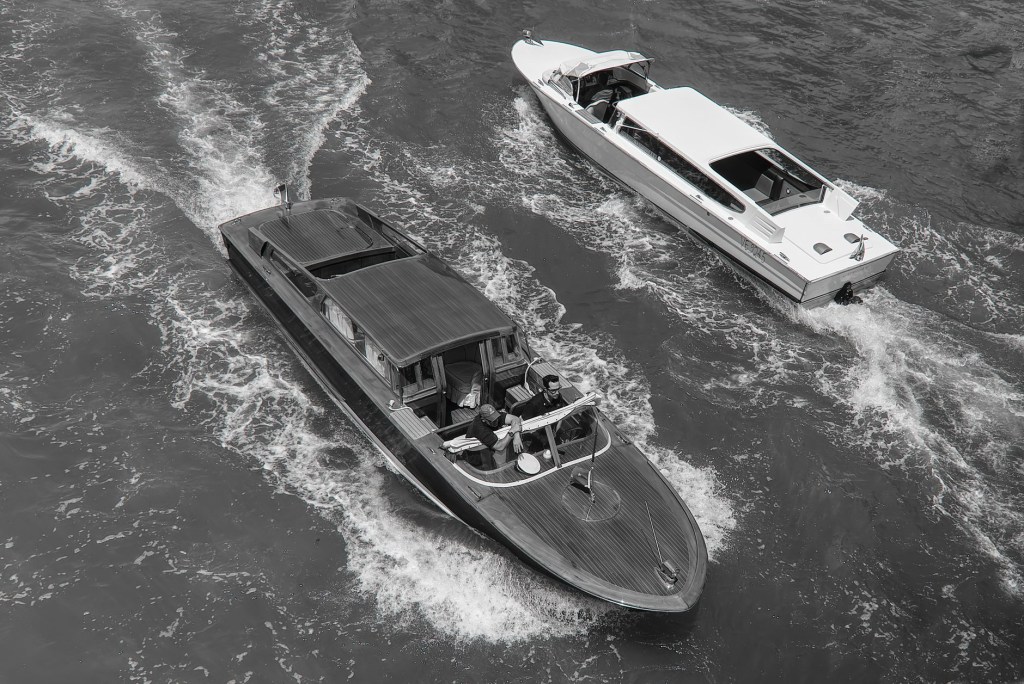
Just before the collision, he swerves.
As the fog clears, he realizes…
The boat is empty. No one was steering.
Instantly, his anger disappears.
Who was he angry with?
No one.
Since first hearing that story, I’ve asked myself this question.
Is the boat empty?
Not literally.
But is this personal?
Or am I assigning intention where there may be none?
Maybe they’re exhausted. Grieving. Terrified.
Maybe they simply don’t know any better.
Or maybe they’re carrying hurts I can’t see.
None of those possibilities excuse poor behaviour.
But they completely change where I direct my emotional energy.
Sometimes, seeing clearly dissolves the anger.
Pronoia
The opposite of paranoia. it is the belief that people or the world are secretly working in your favour. That events, people and circumstaces are somehow conspiring to help you.
That’s different from stuffing feelings down or pretending they don’t exist.
You can’t bypass emotions.
You can’t slap a positive quote over a nervous system that’s sounding the alarm.
But sometimes the alarm quiets on its own because you suddenly realize…
There isn’t actually an enemy here.
Just another imperfect human.
When the boat is empty, compassion often becomes easier than combat.
Margaret Cullen also offers another perspective I love.
Ask yourself:
How will this feel next week? Next month? Next year?
It’s amazing how many mountains quietly shrink into molehills when viewed from a little distance.
Then she takes it even further.
She talks about astronauts experiencing the Overview Effect. Seeing Earth from space and returning with an entirely different understanding of what matters.
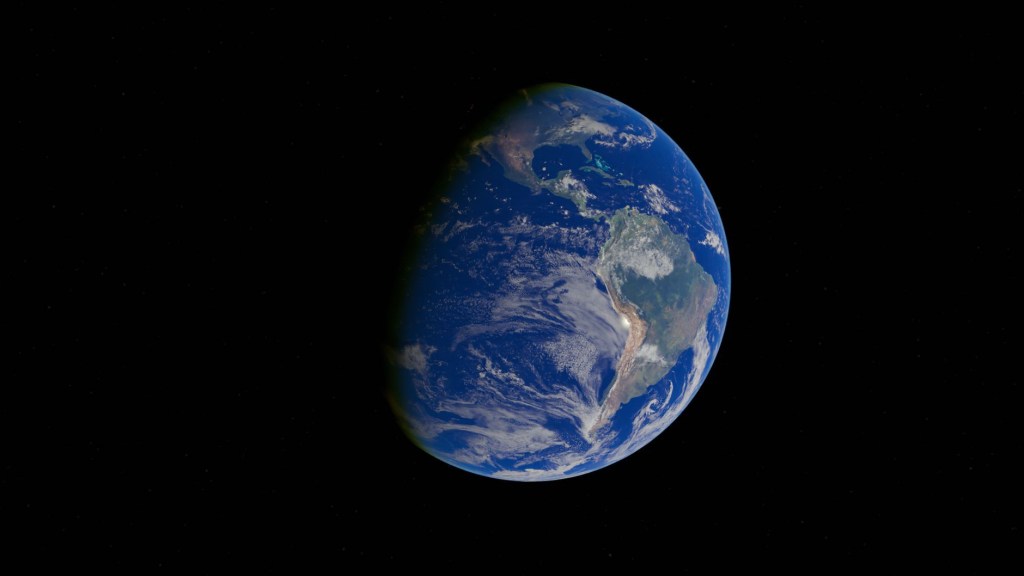
Imagine grandmother’s wisdom. Now multiply it by the view from orbit.
Our arguments. Our bruised egos. Our need to be right.
They suddenly become very small compared with this astonishing little blue planet we’re all sharing.
That doesn’t make our feelings unimportant.
It simply gives them context.
Another surprisingly effective tool?
Humour. Humour interrupts the story we’re telling ourselves.
We’ve all done it.
We become convinced we’ve been wronged in the most spectacular fashion imaginable.
Our spouse is over there admiring a duck while we have mentally drafted the closing argument for a trial that nobody else even knows is happening.
Sometimes all it takes is one ridiculous observation from them to break the spell.
I wish I could say I found “the funny” at the boat launch.
I wasn’t there yet.
Maybe next time.
One tool that has helped me far more consistently is asking:
Am I living this moment according to my values?
Not theirs. Mine.
I can’t control sarcasm.
I can’t control mockery.
I can’t control who decides to clap sarcastically at a stranger.
But I can decide whether I respond with kindness.
Integrity. Respect. Compassion.
Those are mine to keep.
The more our daily lives align with our values, the steadier we become.
Peace stops being something we chase and starts becoming somewhere we live.
The idea of felt safety is something we’ll explore more in the next post.
Felt safety isn’t the absence of fear.
It isn’t the absence of challenge.
It’s your nervous system recognizing that you have enough capacity to face what’s in front of you.
That you are enough.
That you can survive this moment.
Forest therapy has become one of the places where I practice exactly that.
The forest rarely requires me to react in the moment.
It stretches time. It expands perspective.

It reminds me that not everything deserves my nervous system’s full emergency response.
When someone steals my peace…
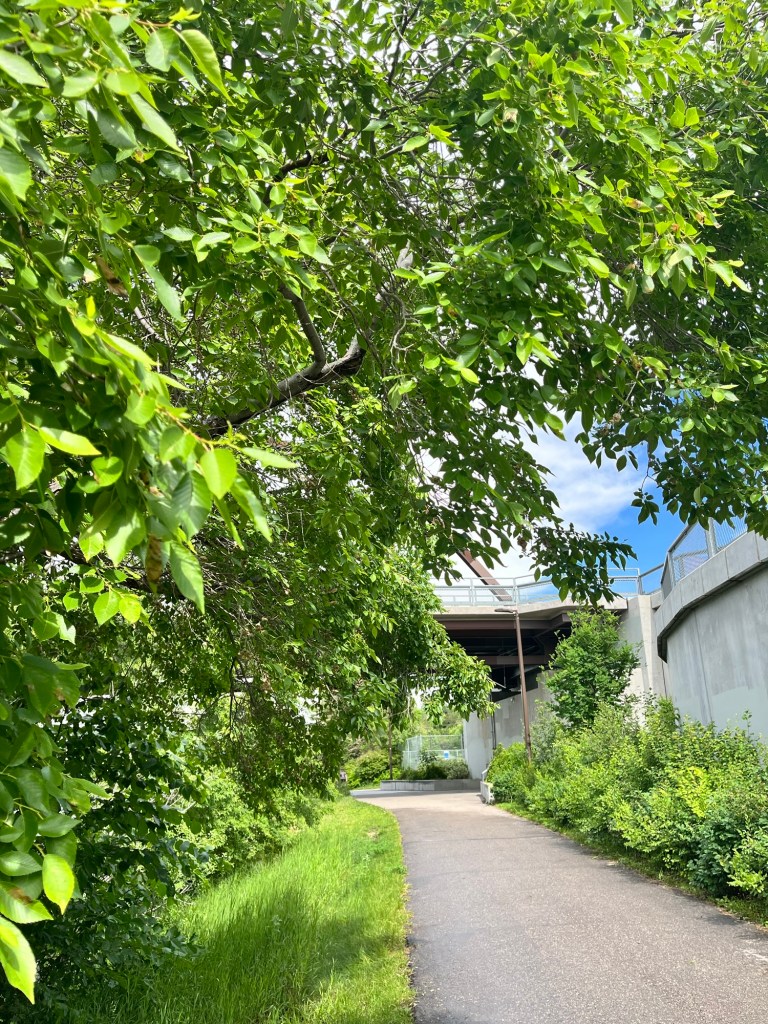
I take it to the woods.
There, I remember that I’m part of something much older than a rude exchange at a boat launch.
Much bigger than today’s frustration.
And much more beautiful than the story my anxious brain was writing five minutes earlier.
Eventually I remember that peace is a terrible thing to hand over to someone you’ve never met.
A Forest Therapy Invitation
If you’re new here and want to learn more about forest therapy and how it works, check out this page. The Gist
The next time something rattles you, resist the urge to replay it over and over.
Instead, head outside.
Find one tree that catches your attention.
Stand with it for five slow breaths.
Now ask yourself:
- Is the boat empty?
- Will this matter next year?
- What would this look like from space?
- What response best reflects my values?
- How can I become the tenderness this moment needs?
Don’t force an answer.
Just notice what changes.
Sometimes the forest doesn’t solve the problem.
It simply reminds us that we are far bigger than it.
Forest therapy doesn’t help me escape the world. It helps me return to it without becoming like it.
Margaret Cullen ends her book Quiet Strength with words I borrow:
May each of us find a way to bring balance and tenderness to this floating world, moment by moment, drop by drop.
I can’t think of a better response to a world that is hard on beautiful things.
Let’s become one of the beautiful things that refuses to grow hard.
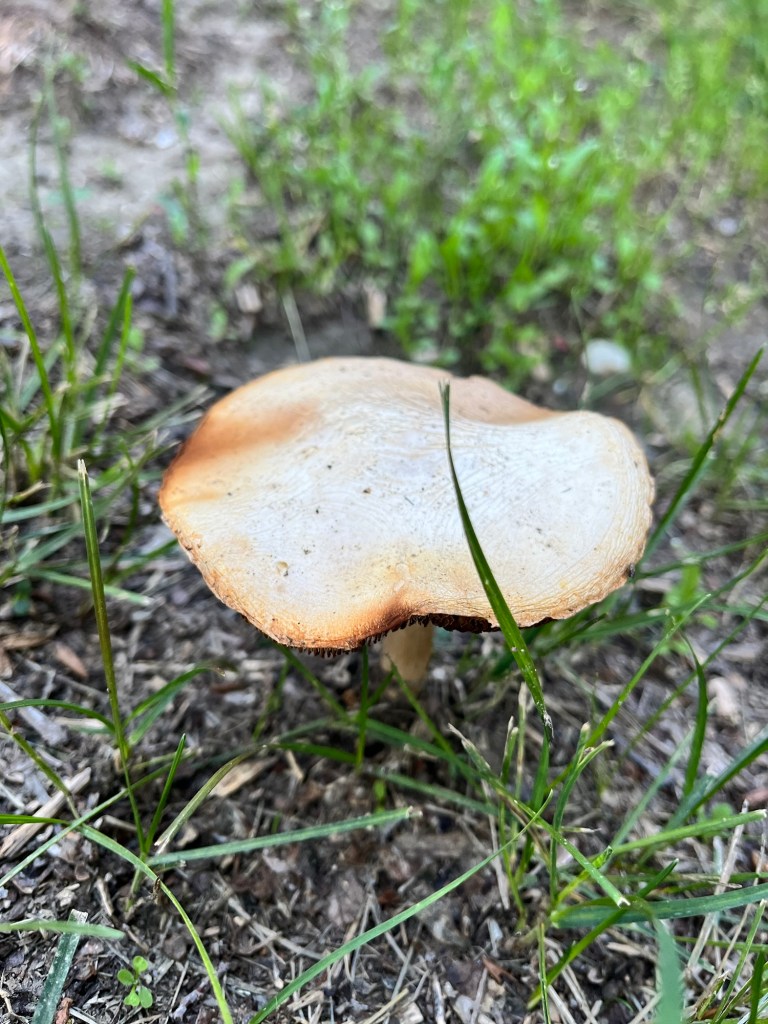
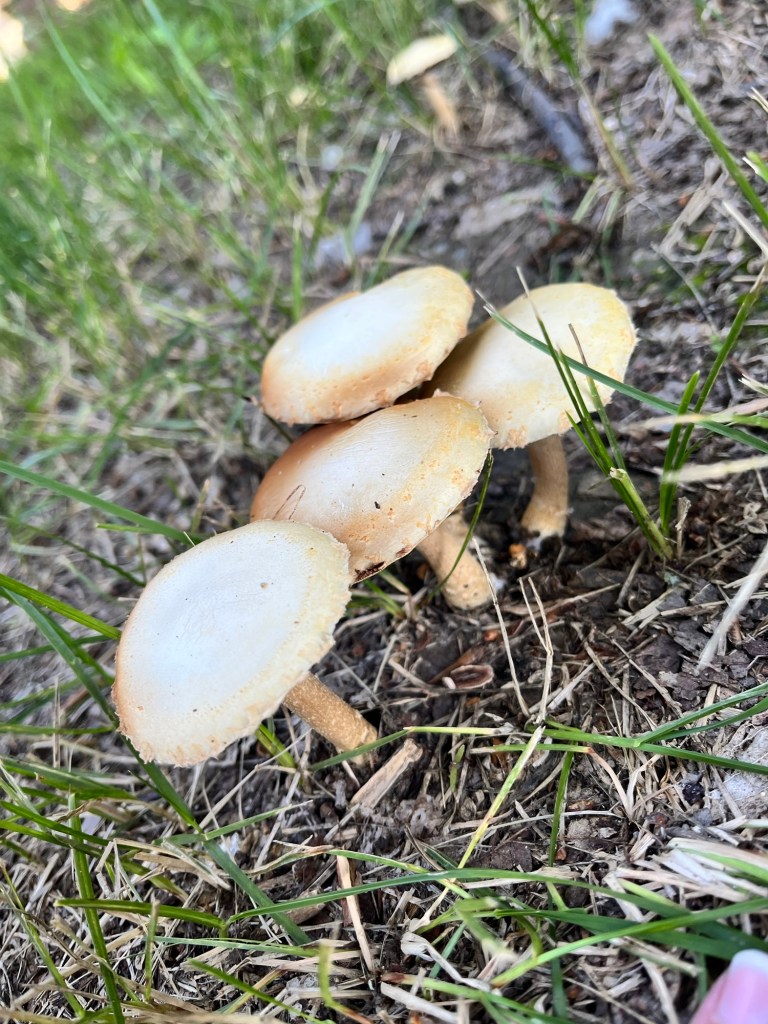
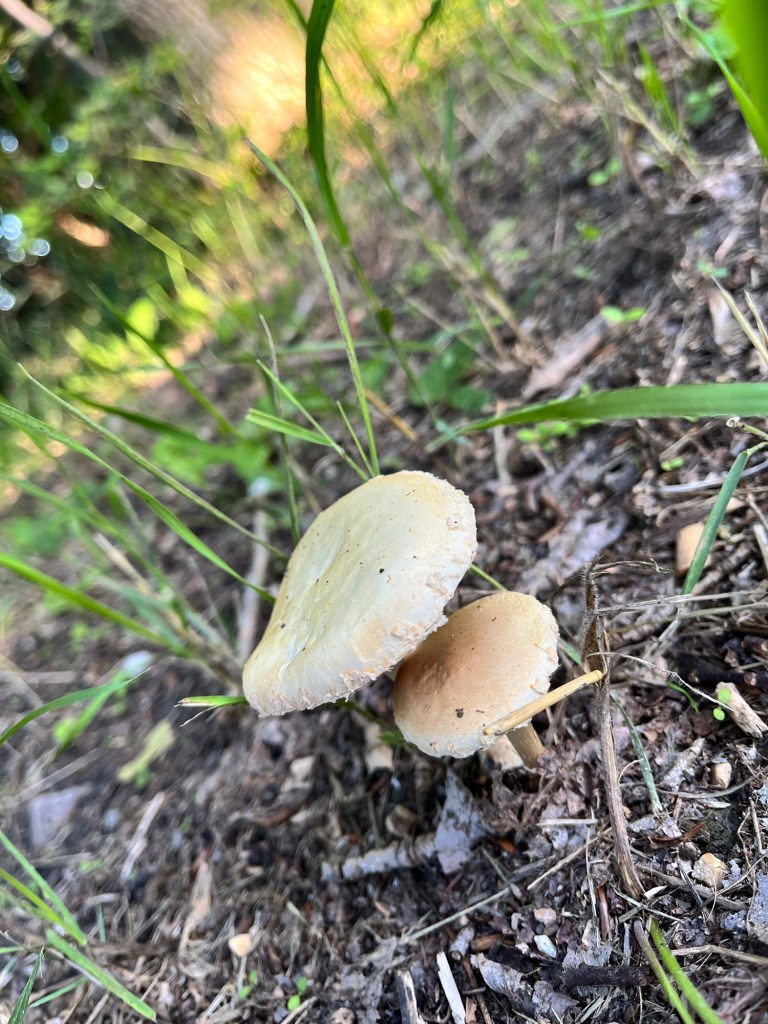
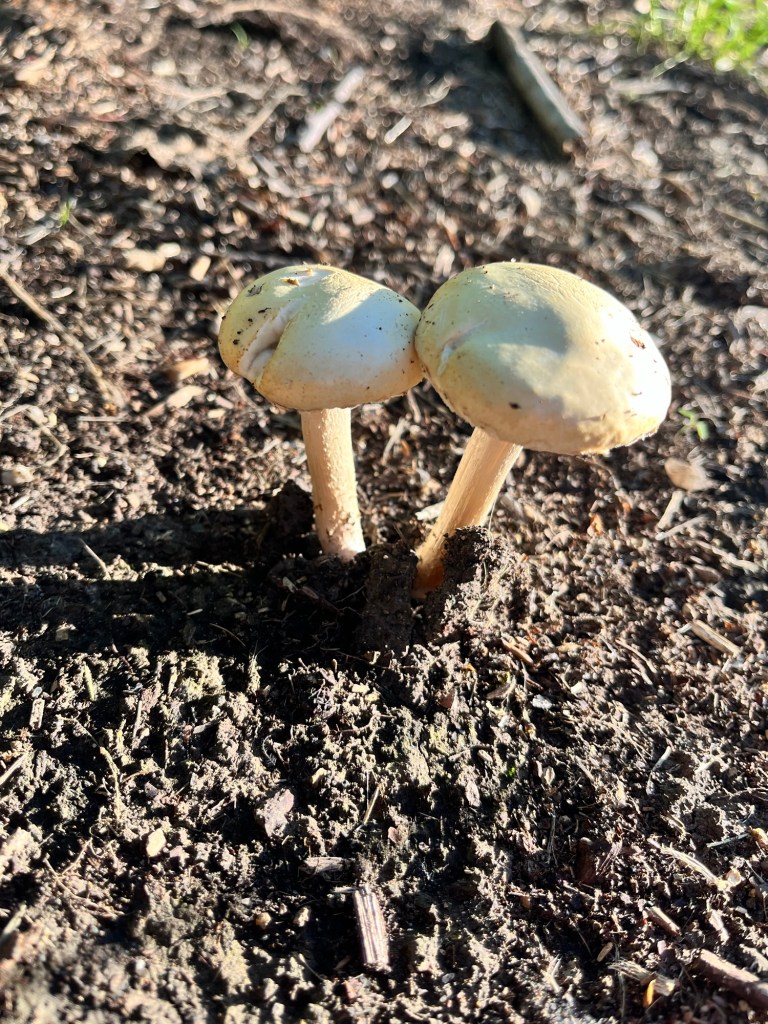
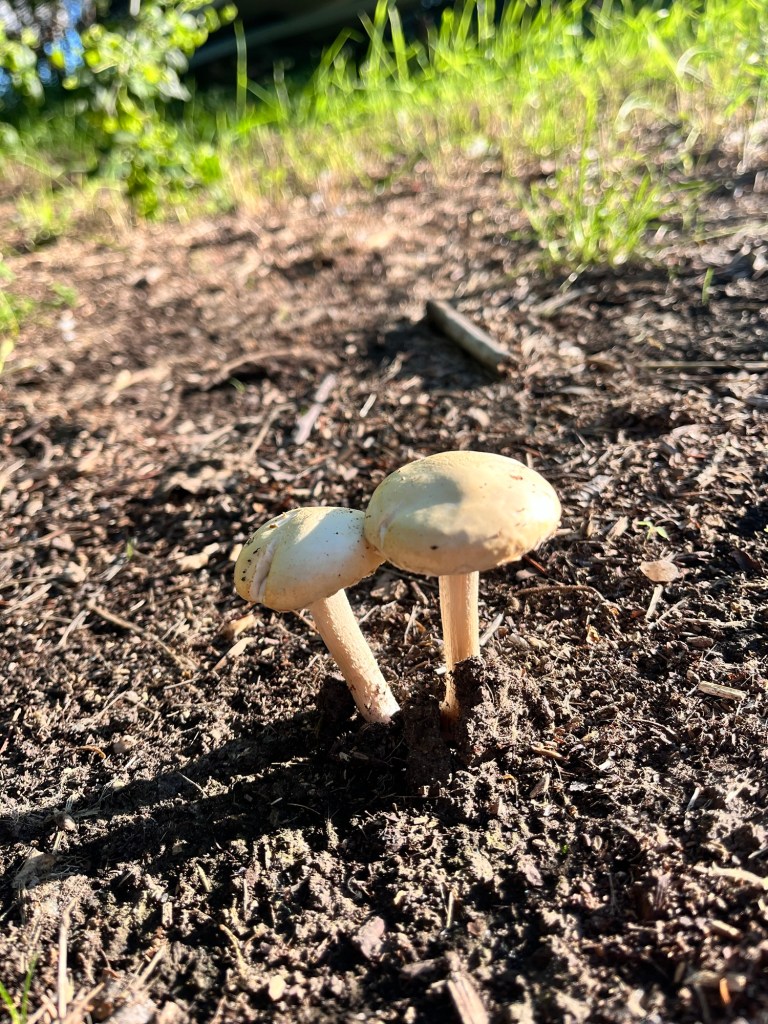
The world may be hard on beautiful things. That doesn’t mean beautiful things have to become hard.
Instead…
Let’s become the tenderness.
In a gentle way you can shake the world.