🤍The Hidden Struggles of Connective Tissue Disorders🤍

Back in my day, some kids brought hockey cards and sticker collections to school. I brought an alarming range of ligament-based entertainment.

Sometimes hypermobility first appears as a child who seems unusually bendy or clumsy, often both at once. 🙋‍♀️

The child who sits in a W position on the floor because it feels natural.
The one who, without pausing to question it, contorts themselves into strange positions during movie night.

What they may not see is the child constantly running into walls because their body struggles to map itself properly in space. Bruises appearing mysteriously across shins. Ankles rolling on flat ground. Sleeves chewed because pain and overstimulation are difficult to explain at seven years old.

And then there are the “growing pains.”

Except many children with connective tissue disorders experience pain far beyond the occasional ache adults remember from childhood.

Deep bone pain at night.
Legs throbbing so intensely sleep becomes impossible.
Crying after gym class.
Exhaustion after seemingly normal activities.

Many hypermobile children become experts at masking early. They laugh while joints slip. They keep playing while hurting because they assume everyone else feels this too.

Some become the “dramatic” child.
Others become the “tough” one.

Honestly, I was the child trying to survive in a body I did not yet have language for.
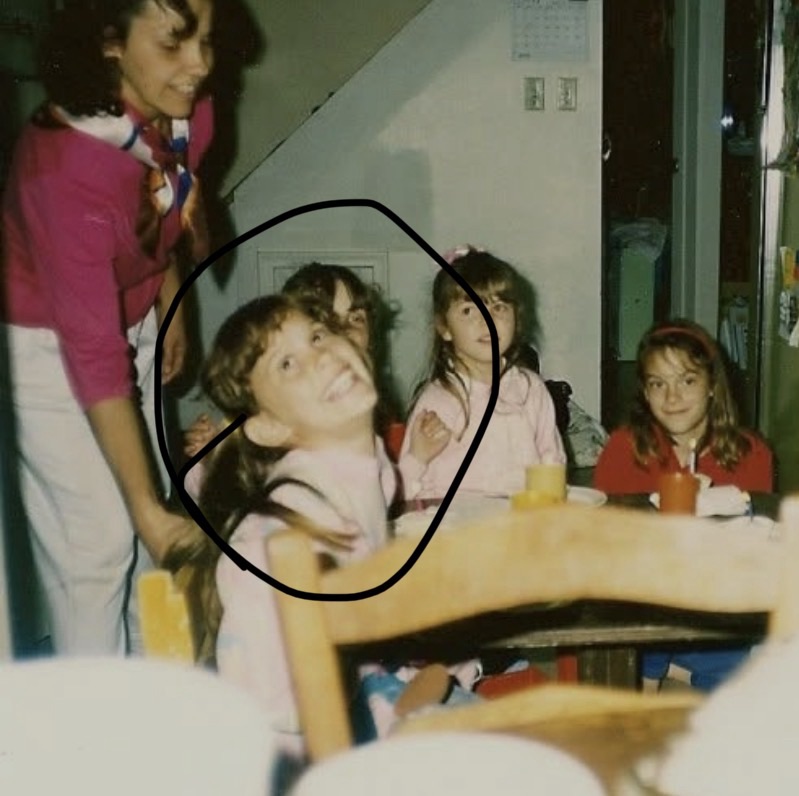
What am I even doing bending my neck like that?

The thumb that bends too far backward.
The knees that point in unusual directions.
The shoulder that clicks when slipping in and out.
Being crazy talented in a yoga class my first day.

What people don’t see is that connective tissue is not merely a few loose ligaments behaving badly.

Connective tissue is infrastructure.

It is the architecture holding the body together. The webbing woven through blood vessels, skin, organs, fascia, tendons, heart valves, lungs, digestive systems, pelvic floor, eyes, nerves, and joints. It is scaffolding. Suspension bridge. Packaging tape. Elastic waistband. Shock absorber.

And when connective tissue is faulty, life can begin to feel like living in a house where every screw has loosened itself by half a turn.

Not enough to collapse all at once.
Enough that everything creaks. And left unchecked, more and more areas become unstable, then require constant repairs. Eventually some rooms just become unusable.

A Sad Commentary: AKA My Brush with Organized Sports

My joints approached organized sports with more enthusiasm than stability. More optimism than skill.

In a small town, everybody played volleyball or there simply wasn’t a volleyball team.

So I played volleyball.

I hated it.

Looking back now, I wonder why I stayed in as long as I did. Every practice left my forearms covered in bruises. Big ones, tiny ones, overlapping ones. I looked part Dalmatian. Nobody else seemed to bruise like that, so naturally the conclusion was that I was doing it wrong.

Turns out my connective tissue was doing it wrong. Not me.

I was terrible at volleyball. Not for lack of trying, either. I could picture exactly what my body was supposed to do, but the execution never matched the image in my head. It always felt like there was a lag between my brain and my limbs, like someone had replaced my coordination with an unreliable Wi-Fi signal.

The only part of volleyball practice I excelled at was stretching.

That should maybe have been a clue.

I could also run forever, but the muscle fatigue before, during, and after was brutal. My legs and ribs constantly felt tight and overworked, like my muscles were trying to compensate for a body that refused to stabilize itself properly.

The solution offered to me was always the same:
“Practice more.”
“You just need to focus, Pam.”
“Try harder.”
“Don’t give up so easily all the time.”

My P.E. teacher, who was also my coach, and I were not exactly compatible personalities. I suspect I ranked fairly high on his “lazy kid” list. My feelings toward him and his teaching style don’t need to be discussed for the purpose of this post. Perhaps he was doing the best he knew how 🤷‍♀️.

What hurt most was that I wasn’t used to being bad at things.

I excelled in music. Dance. Academics. If I tried something, I usually became good at it eventually. But anything involving proprioception. Balance, coordination, spatial awareness, reaction time, exposed a kind of weakness I couldn’t outwork.

No matter how hard I tried, my body never responded the way everyone else’s seemed to. I felt like I was being asked to build a stable life with elastic bands where other people were given rope.

After enough years of that experience, something in me quietly stopped trying.

Not everywhere. Just there.

I realized I could put in enormous effort and still end up with roughly the same P.E. grade as the kid half-heartedly wandering laps around the gym. So eventually, I became that kid instead. The one at the back of the class who didn’t seem invested. The one teachers assumed didn’t care whether they passed.

Stemming from humiliation in trying my hardest while looking like a fool and as though I wasn’t trying at all.

It’s an incredibly discouraging place for a young person to live.

Some kids are exhausted.
Discouraged.
In pain.
Disconnected from bodies that refuse to cooperate. In retrospect, my body had all the stability of a shopping cart with one bad wheel.

The whole point of physical education is supposedly to encourage lifelong movement and confidence in your body.

Ironically, I now walk everywhere, go to the gym regularly, and deeply value movement. I suspect that may not be the case for those classmates that achieved gold stars for gym class back in the day.

Children are often graded on visible performance without anyone asking what invisible barriers may exist underneath it. 🍌 🍌 🍌

And maybe that experience is part of why I later felt drawn toward educational support work. Because I remember exactly what it feels like to be misunderstood in a classroom. To be trying harder than anyone realizes while appearing like you are trying the least.

Some kids are not lazy.

Sometimes what looks like apathy is actually years of silent defeat.

So Much More Than Loose Joints

My body has taught me that fragility and resilience are not opposites. Sometimes they exist in the very same tissue.

People often imagine connective tissue disorders as orthopedic inconveniences.

A sore knee.
An ankle sprain.
Being exceptionally bendy.
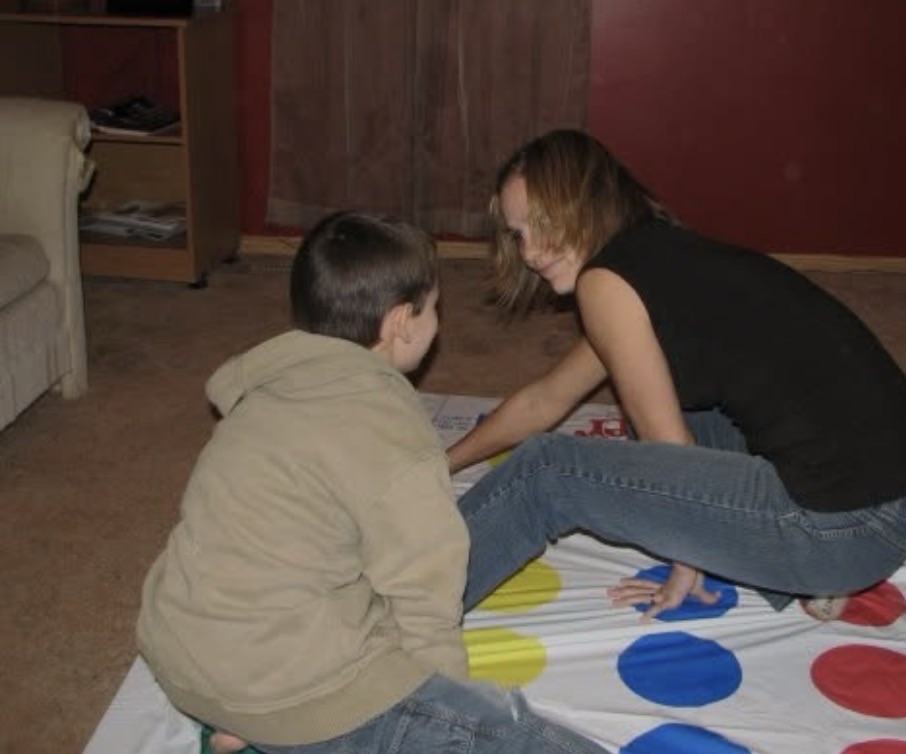
Playing twister with my now-26-year-old. Not to brag, but I was very good.

But connective tissue does not politely stay in one department.

It influences how blood vessels constrict and relax. Why standing up can feel like gravity suddenly doubled. Why heart rates race while brushing teeth. Why exhaustion arrives not after effort, but before and during it.

It influences the skin. Fragile, stretchy, slow to heal, easily bruised.

It influences digestion. Because the digestive tract also depends on connective tissue and smooth coordination. Meals become negotiations instead of nourishment.

It influences breathing. Because the rib cage, diaphragm, and tiny structures supporting the lungs are all part of the same interconnected story.

It influences pain. Not only through injuries, but through a nervous system constantly adapting to instability. Muscles tighten to compensate. Fascia braces. The body learns vigilance.

Even sleep can become difficult when the body spends the entire night trying to hold itself together. Some people wake up refreshed. My body wakes up looking like I’ve been assembled with spare parts in low lighting. Like sleep happened near me but not directly to me.

There is loneliness in illness that hides in plain sight.

You may look healthy while internally calculating:

Can my hips handle this chair?
Will my spine tolerate the drive?
How long before the fatigue crashes in?
Is today the day I sustain an injury that sets me back a year?
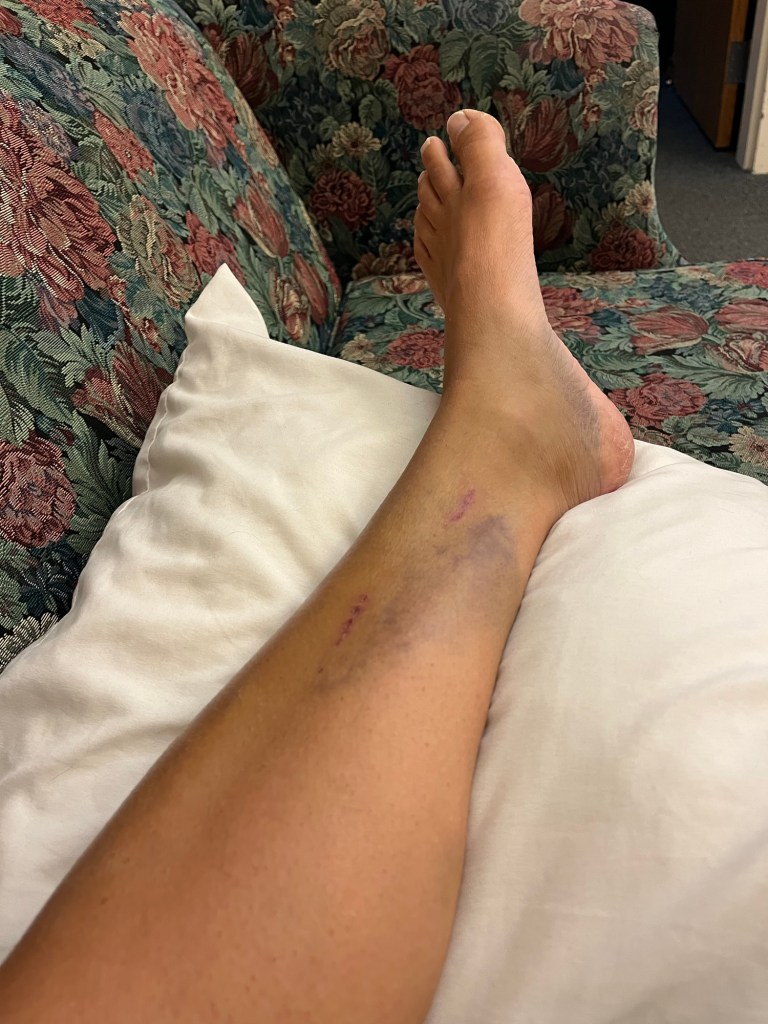
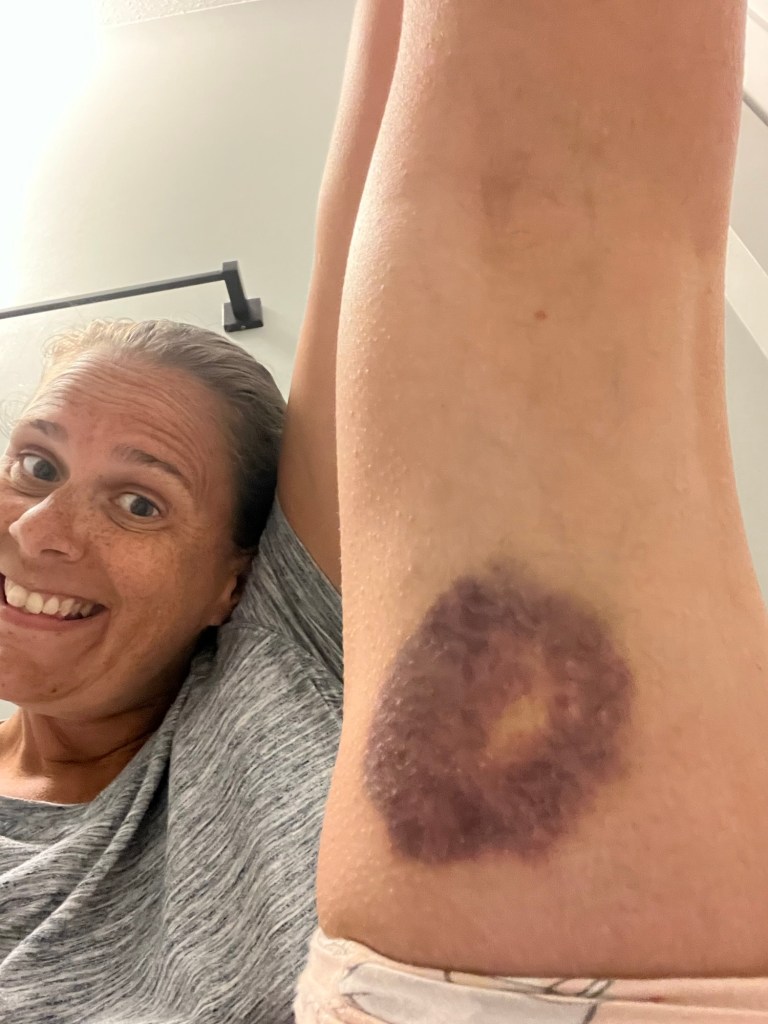
People see the smile at the gatherings.
They do not see the cost afterward.

The Forest Never Demands Symmetry

One of the reasons forest therapy can feel so healing for those with any type of disorders is because the forest does not care about perfection.
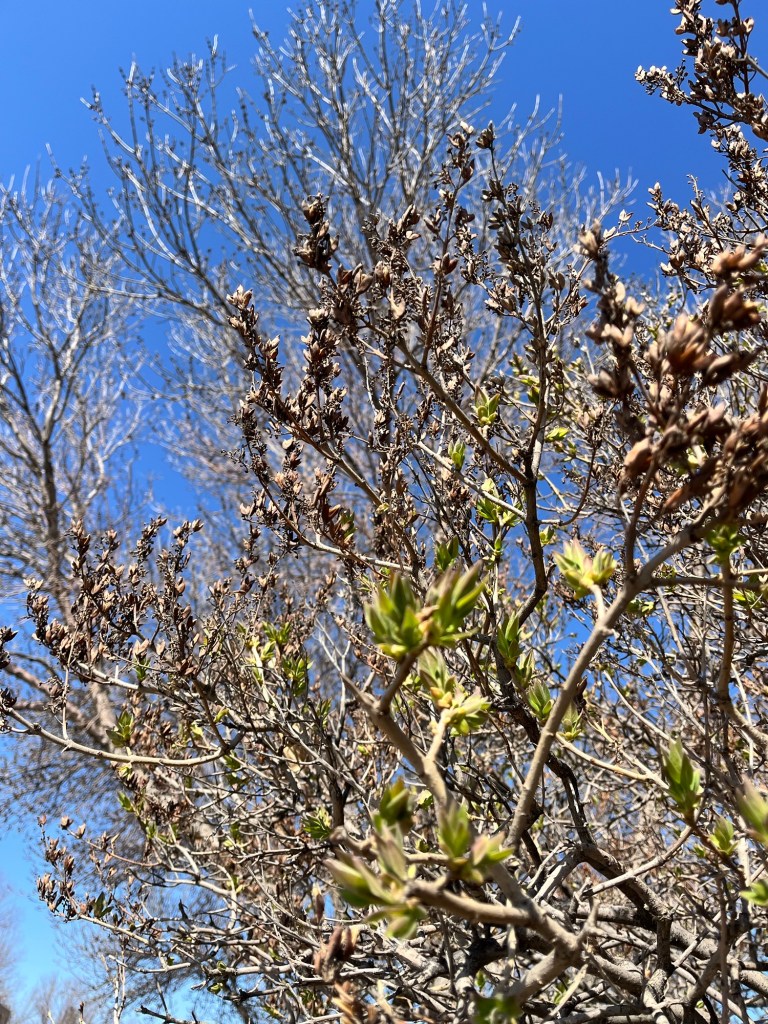
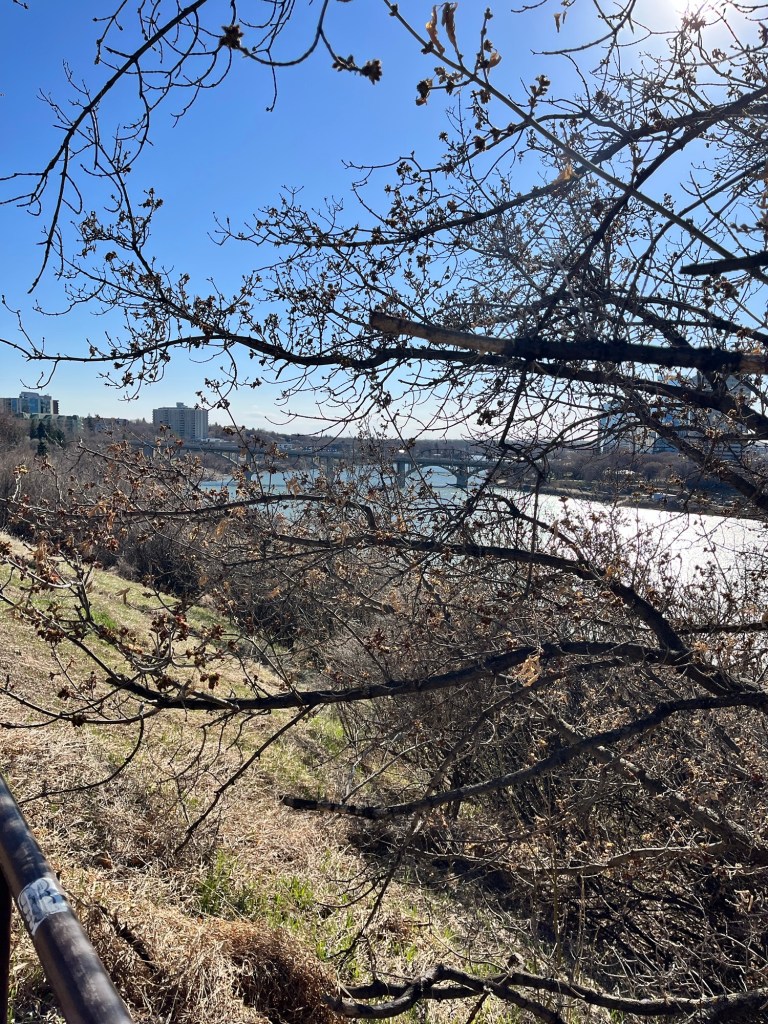
Trees twist toward light.
Branches split and regrow.
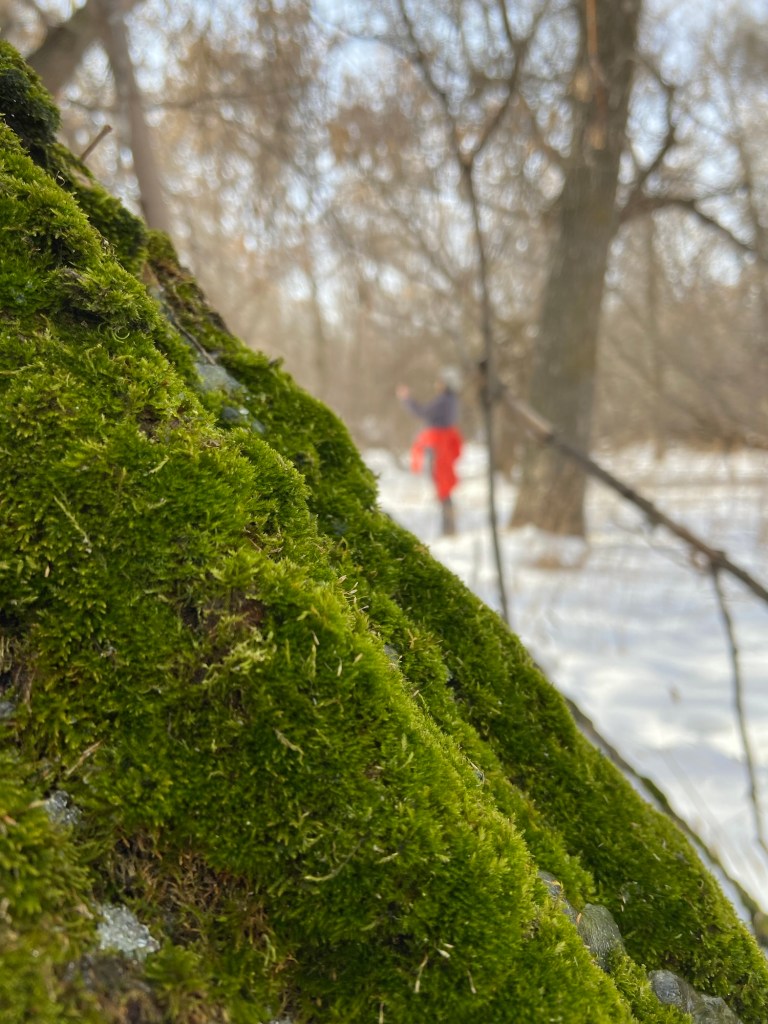
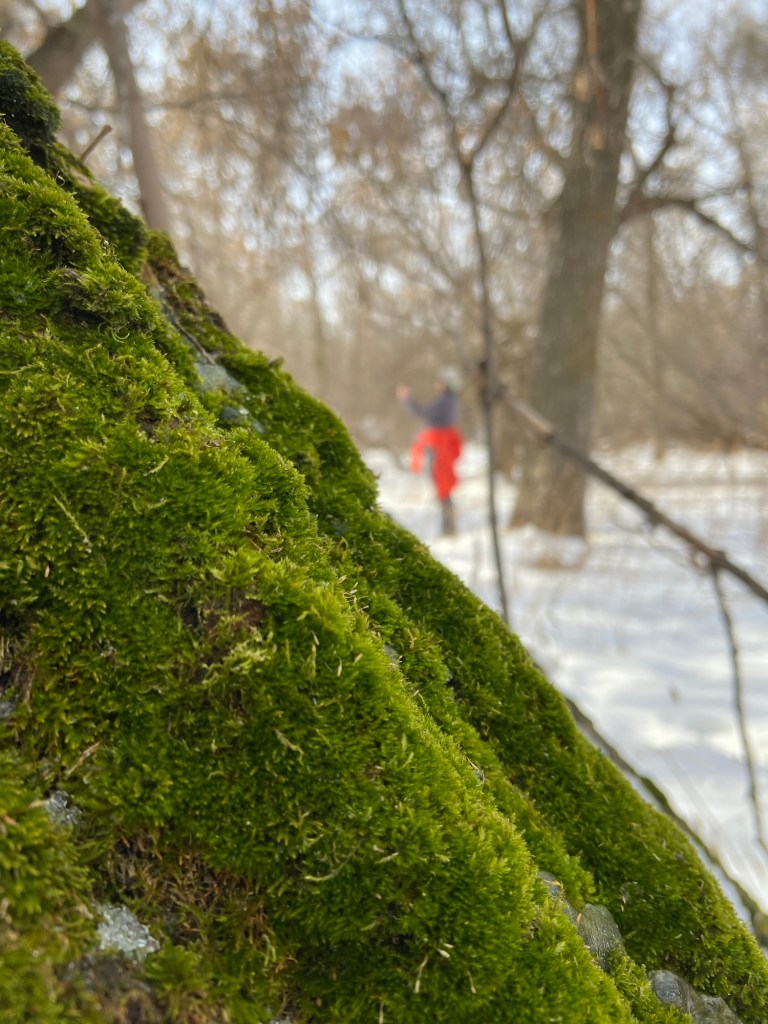
Moss softens fallen things instead of condemning them.

In the forest, support is collaborative.

Roots intertwine underground. Fungi trade nutrients between struggling trees. Fallen logs become nourishment for future life. Nothing survives entirely alone.

For people living in bodies that require adaptation, slowness, pacing, and care, the forest offers a radically compassionate model of existence.
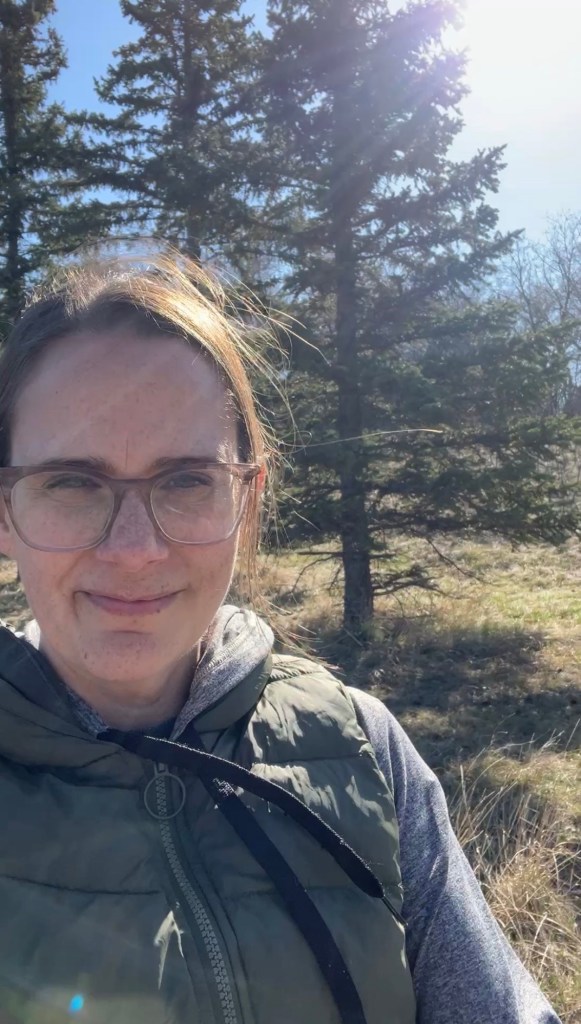
Nature does not measure worth.

Walking Practice: “Borrowing Stability”

This forest therapy practice can be done slowly while walking a trail, sidewalk, park path, or even your backyard.

As you walk, notice what in the landscape appears stable.

Perhaps it is:

  • the rootedness of a tree
  • the reliability of stone
  • the rhythm of wind
  • the resolution of moss growing over rough surfaces

Without forcing positivity, simply observe.

Now begin walking more slowly.

As each foot touches the ground, imagine you are borrowing steadiness from the earth beneath you.

Not fixing yourself.
Not overcoming your body.
Borrowing support.

You may silently repeat:

Supported.
Held.
Connected.

If your body hurts while walking, let the practice include that truth instead of resisting it.

Forest therapy is not about pretending discomfort away. It is about allowing yourself to belong exactly as you are.

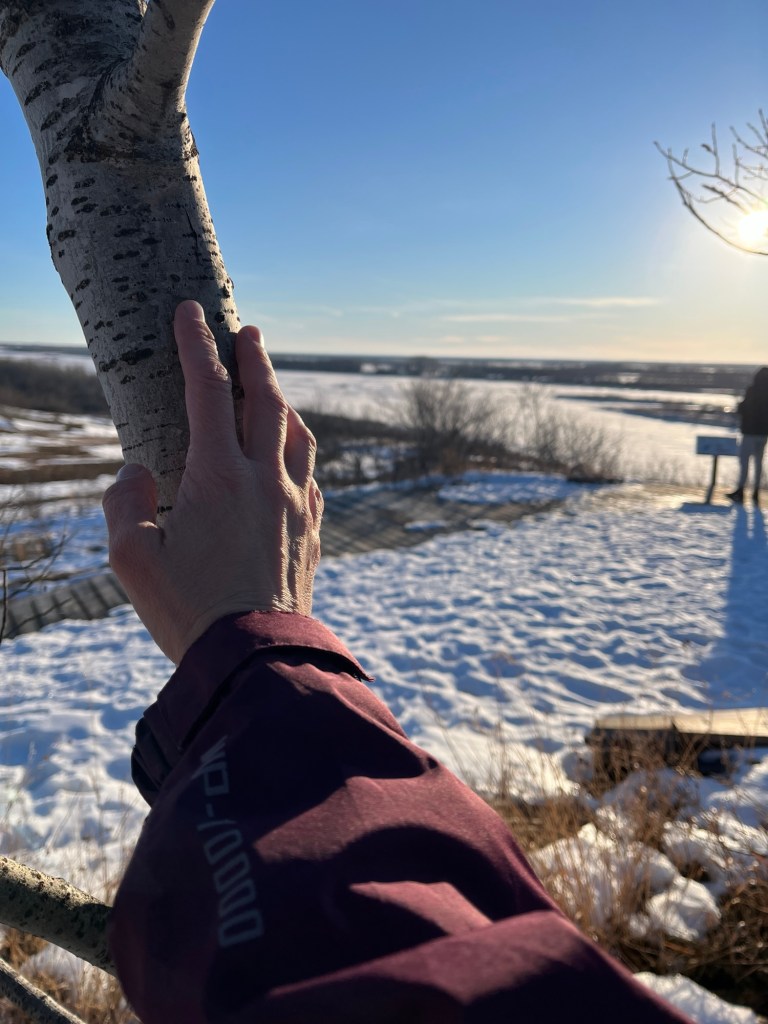
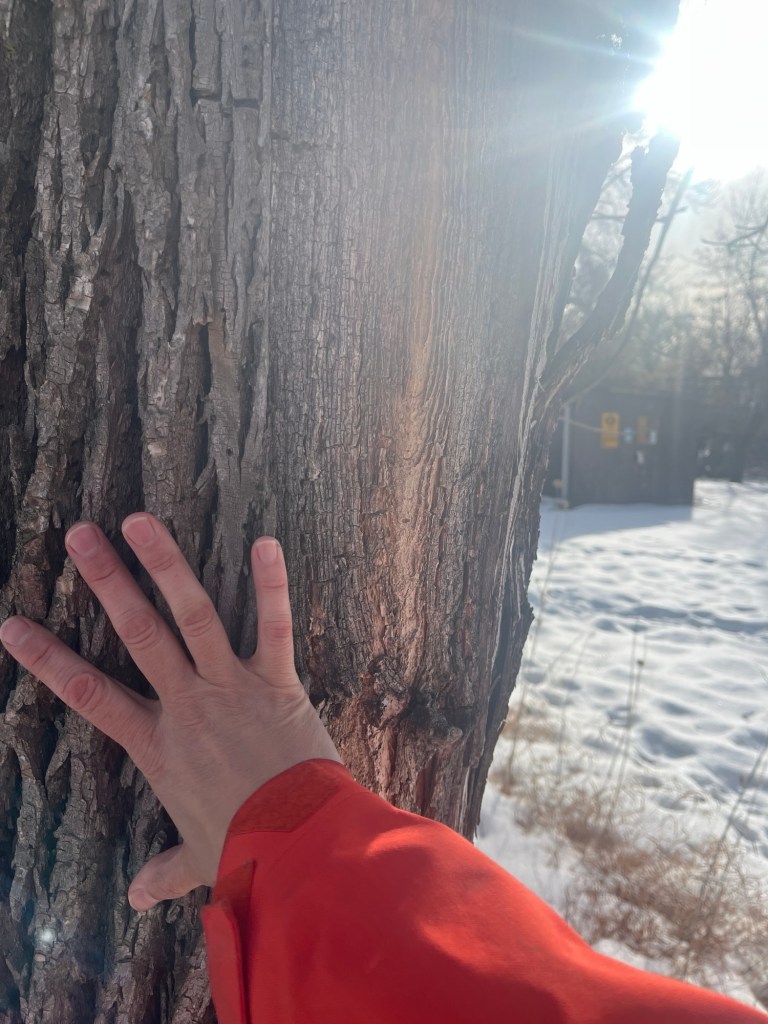
Pause occasionally and place a hand on a tree trunk, railing, stone wall, or your own chest.

Notice:

  • What supports you physically?
  • What supports you emotionally?
  • What support have you been refusing because you are used to surviving alone?

Continue walking without rushing toward insight.

Sometimes healing begins the moment we stop arguing with our pace.

The Grief No One Talks About

There is grief in becoming intimate with limitation.

Grief when your mind has cheques your connective tissue cannot cash.

Grief when symptoms multiply like unwanted groupies:
fatigue, dysautonomia, chronic pain, migraines, digestive problems, instability, inflammation, sensory overwhelm.

Many connective tissue disorders do not travel alone. They tend to arrive in flocks.

Even a wounded world is feeding us.

–Robin Wall Kimmerer

Hold fast. There is still beauty here.

Not the polished beauty of wellness culture that insists healing should look photogenic and triumphant. Complete. Universal.

But a quieter beauty.

The beauty of learning to listen deeply to others.
The beauty of noticing small joys because large ones became inaccessible.
The beauty of becoming tender toward bodies. Your own and others’.
The beauty of discovering that a meaningful life was never dependent on being free from pain.

The forest teaches this continually.

Decay feeds growth.
Broken branches house birds.
Burned landscapes bloom again.
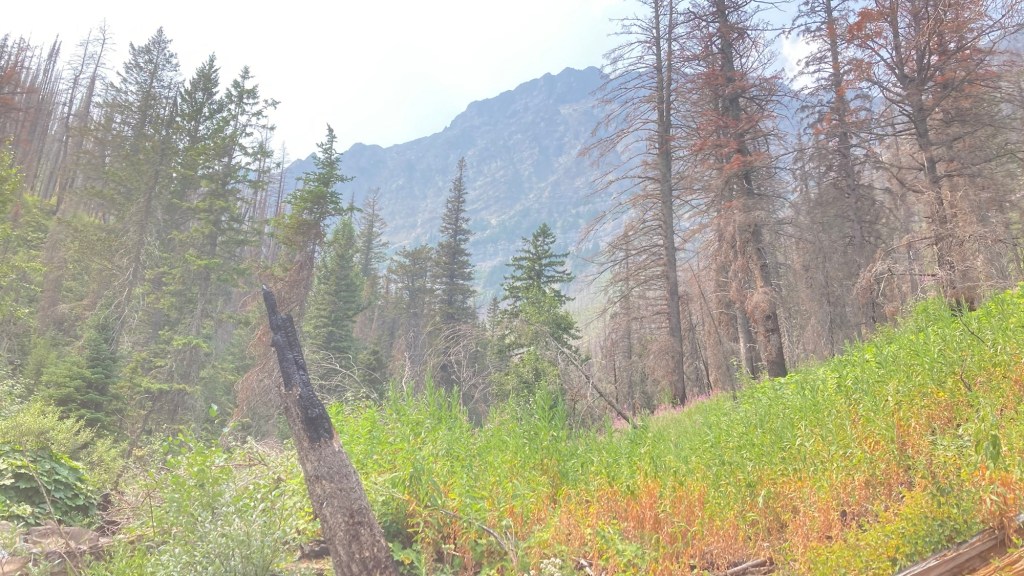
I spent years believing my body’s limitations were character flaws. Turns out that limiting belief was false. Those limitations have helped me become the person I am.

To be rooted is perhaps the most important and least recognized need of the human soul.

–Simone Weil

Why Forest Therapy Helps

Forest therapy is not merely getting outside.

Research continues to show time in forests can help regulate the nervous system, reduce stress hormones, lower heart rate, and support emotional well-being. But for those living with connective tissue disorders, the benefits often go deeper than measurable metrics.

Forest therapy gives permission to:

  • move slowly
  • rest without guilt
  • reconnect with sensory pleasure
  • soften hypervigilance
  • leave productivity behind temporarily
  • remember you are more than symptoms

When the nervous system lives in a constant state of adaptation, gentle sensory experiences matter.

The sound of leaves moving overhead.
The coolness of shade on inflamed skin.
Birdsong interrupting anxious thoughts.
The visual softness of green.

None of these cure a connective tissue disorder.

But they can create moments where the body feels less at war with itself.

And moments matter.

Especially when stitched together over time.

A Beautiful Life Can Still Grow Here

Instructions for living a life: Pay attention. Be astonished. Tell about it.
— Mary Oliver

Living with a connective tissue disorder may mean your life unfolds differently than expected.

More pauses.
More recalculating.
More adaptation.

But different is not lesser.

Some of the most compassionate people are those whose bodies taught them interdependence.

Some of the most observant souls are those forced to slow down enough to notice life carefully.

The forest reminds us that resilience is not hardness.
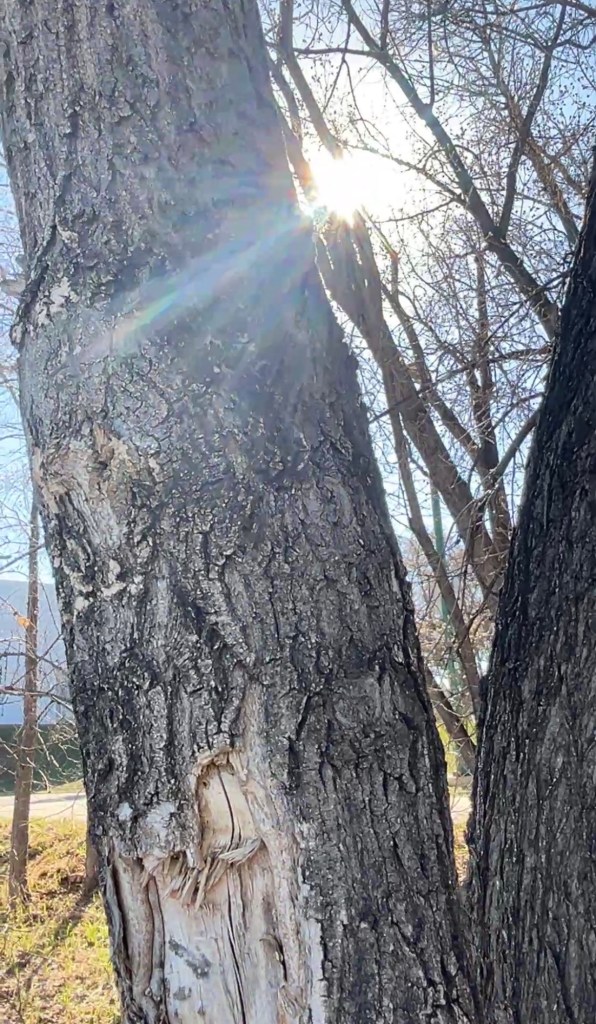
Resilience is flexibility.
Relationship.
Return.

And perhaps that is fitting for people made of connective tissue. Those who understand, more than most, that life is ultimately about connection.

Not perfect strength.
Not endless endurance.

Connection.

To the earth.
To one another.
To moments of beauty that still arrive, even here.

What is to give light must endure burning.

-Viktor Frankl
Gentle Consistency: Secrets to a Hopeful Mindset with Chronic Conditions
There’s a quiet truth many of us miss.

Your ability to hold vision, hope, and belief is not just a mindset. It’s a nervous system state.

When your body is overwhelmed, depleted, or in pain, the part of your brain responsible for vision and forward-thinking struggles to stay online. You can journal, visualize, and set goals all you want but if your body feels unsafe, your mind will keep pulling you back.

And if you live with chronic illness, chronic pain, or burnout, this is not new information.

You’ve probably had moments where:

• You want to feel hopeful, but can’t access it

• You know what mindset would help, but it feels out of reach

• You try to think positively, but your body feels tense, guarded, or braced

That’s not failure. As if our bodies are just waiting for us to say the right affirmation in the right font.

That’s actually physiology.

⸻

The Body Test: A Different Way to Measure Alignment

Here’s something simple but surprisingly powerful to try:

When you imagine the life you want. The healing, the work, the relationships, the version of yourself you’re moving toward,

Does your body soften… or does it brace?

That response is important information. That brace could be your body essentially replying: ‘Respectfully, no.’

Sometimes what we think we should want was actually handed to us by fear, pressure, or comparison. And chasing those things can give us the energy of pursuit but not the peace of arrival.

There’s a quieter, truer kind of vision.

One that comes from a regulated, grounded body.

And your body knows the difference.

⸻

Why Mindset Feels So Hard with Chronic Conditions

Most of us were taught that results come first, and mindset follows.

“When I get healthier, then I’ll feel good.”

“When I have more energy, then I’ll be more positive.”

But if you’ve ever made progress on a health journey, you know the truth.

You had to start treating your body with care before it changed. You had to practice compassion before you believed it.

Mindset doesn’t come after results. It creates the conditions for them.

And when you’re living with chronic symptoms, this becomes even more important. Because your external results often change slowly. And beyond your control. 

Little by little, one travels far.

_JRR Tolkien

So what carries you forward?

Not intensity. Not bursts of motivation.

But steadiness. 

⸻

The Power of Gentle Consistency

There’s a beautiful, often overlooked truth.

In the agriculture of the soul, flash floods are no substitute for regular irrigation.

–Neal A Maxwell

Big, dramatic efforts such as new routines, strict plans, sudden bursts of energy don’t sustain us. Sadly, healing is rarely impressed by one heroic Tuesday.

Especially not when our bodies are already working hard just to function.

What changes us is the steady trickle. Small, repeatable moments of regulation.

Tiny habits that teach the body. We are safe, we are supported, we can keep going.

Because in the end,

You don’t rise to the level of your goals. You fall to the level of your habits.

–James Clear

And when those habits are gentle, grounding, and consistent they reshape not just what you do, but how you feel.

How we spend our days is, of course, how we spend our lives.

–Annie Dillard

⸻

When the Past Blocks the Future

Another quiet truth.

Sometimes it’s not the future we’re afraid of but the past we’re still carrying.

Pain behind us can block the joy ahead. Does this feel true for you?

So what do we do about it?

We move forward anyway. In our best possible way. 

And we build a mindset that asks a different question:

“Why not hope?”

Hope in healing. Hope in your best life. Hope in good things ahead. 

⸻

Where Forest Therapy Comes In

This is where forest therapy becomes more than a walk outside.

It becomes a bridge between body and mindset.

Because nature doesn’t demand that you think differently.

It helps your body feel differently first.

And when your body shifts, your mind can follow.

⸻

A Simple Forest Therapy Practice for Mindset

Try this the next time you’re outside. A forest trail, a quiet park, or even your backyard.

1. Arrive (Nervous System Check)

Pause. Notice your body. Are you tense? Rushed? Numb?

No judgment, just be aware of those sensations.

2. Ground

Stand or sit still.

Feel your feet on the earth. No, you do not have to become a barefoot woodland mystic to participate. 

Let your gaze soften. Take a slow breath in and a longer breath out.

Stay here for a few minutes until your body settles, even slightly.

3. Bring in a Vision (Gently)

Now, invite a small image of something you want. Not the biggest goal, just the next step.

A feeling. A way of being. A gentle hope.

4. Ask the Body

What happens inside you as you hold that image? Do your shoulders drop? Does your breath deepen? Or do you feel tight, braced, resistant?

Don’t force anything. Just listen.

5. Adjust Toward Ease

If your body braces, soften the vision.

Make it smaller, kinder, more yours.

Stay until your body feels even a little more at ease.

I took a walk in the woods and came out taller than the trees.

–Henry David Thoreau

⸻

This Is Where Mindset Begins

Not in forcing better thoughts.

Not in chasing someone else’s version of success.

But in creating a body that feels safe enough to hope again.

In choosing small, steady practices over dramatic change.

In building habits that nourish instead of deplete.

In letting your body have a vote in the life you’re creating.

Because when your body believes it’s possible your mind doesn’t have to work so hard to convince it.

⸻

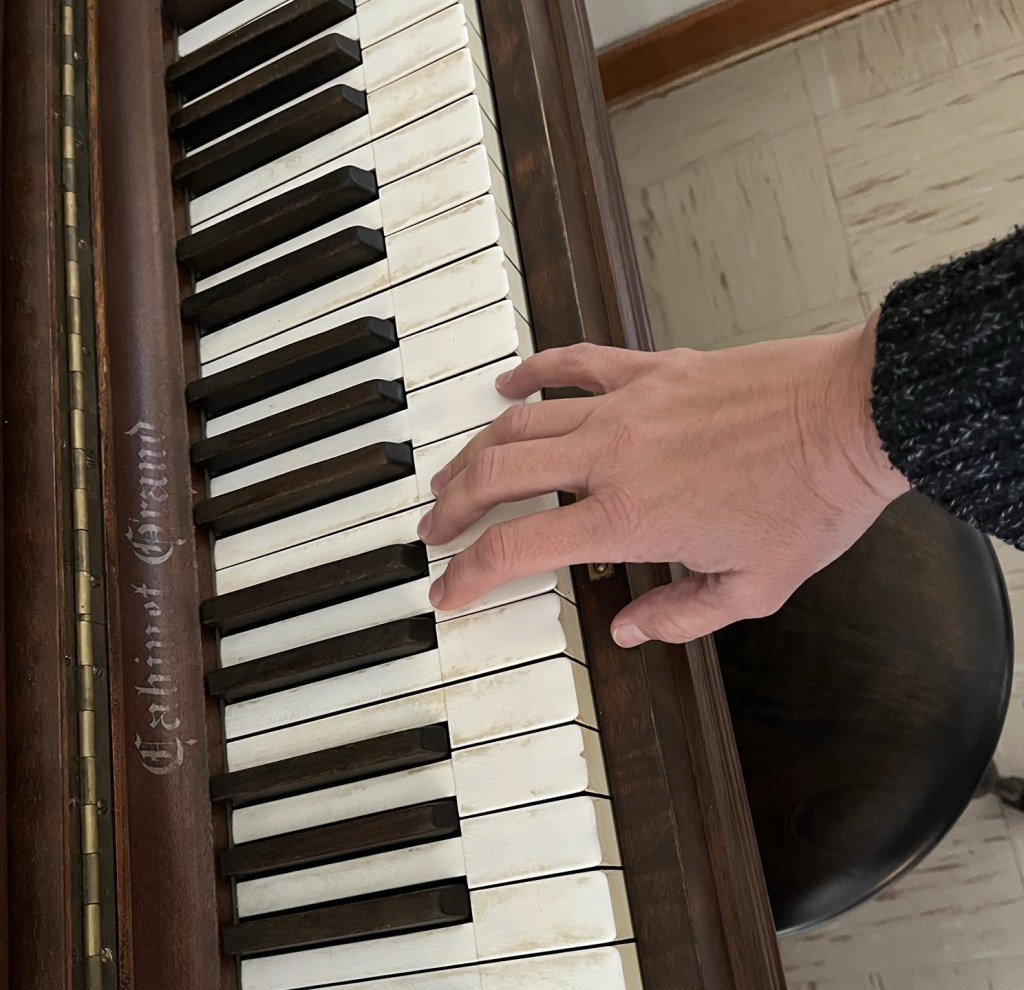
I taught piano lessons for years. I enjoyed working with kids. I enjoyed the lesson prep. I even enjoyed some of the music!

But in 2020 my body said, ‘no more.’ It could no longer do outward smiles and inward screams.

It said no to early mornings. And busy days. And constant focus. And sitting or standing. It said ‘stop!’

Eventually I chose to set aside my business. Then close it. I often consider, after having a couple of good days in a row, about teaching again.

Sometimes I start to think of how much I miss it and think perhaps I could just take a few students. I get excited thinking about it.

When I slow down my thinking enough to see how my body feels about this idea. It braces. It feels drained.

I see myself leaning forward over and over to show the place in the music I am referring to. The repetitive motion getting more and more painful.

I picture my fingers that can’t play more than a few minutes. And only simple songs. No reaching. No pressure. And how frustrating that can be when trying to demonstrate.

I think of the days I didn’t get any sleep and had to go to work anyway. And drag myself through the day. How can one person be so bad at both sleeping AND staying awake?

I have good days. That is true. But only because I’m not forcing my body and mind to work day in and day out in ways that do not support its healing.

I need time for exercise. And rest. And listening to my body. As hard as it is to listen to it at times. It really does know best. 

The body says what words cannot.

–Martha Graham

⸻

A Gentle Invitation

This week, don’t try to overhaul your mindset.

Instead, try this:

• Spend 10 minutes outside

• Let your body settle before asking it to believe anything

• Bring in one small hope

• And ask, quietly:

“Does this feel like peace… or pressure?”

Then adjust from there. Because maybe the question isn’t

“How do I think differently?”

Maybe it’s:

“How do I feel safe enough to hope?”

What makes your body feel safe enough to hope? I’d love to hear in the comments. 

Hope is the thing with feathers that perches in the soul.

–Emily Dickinson

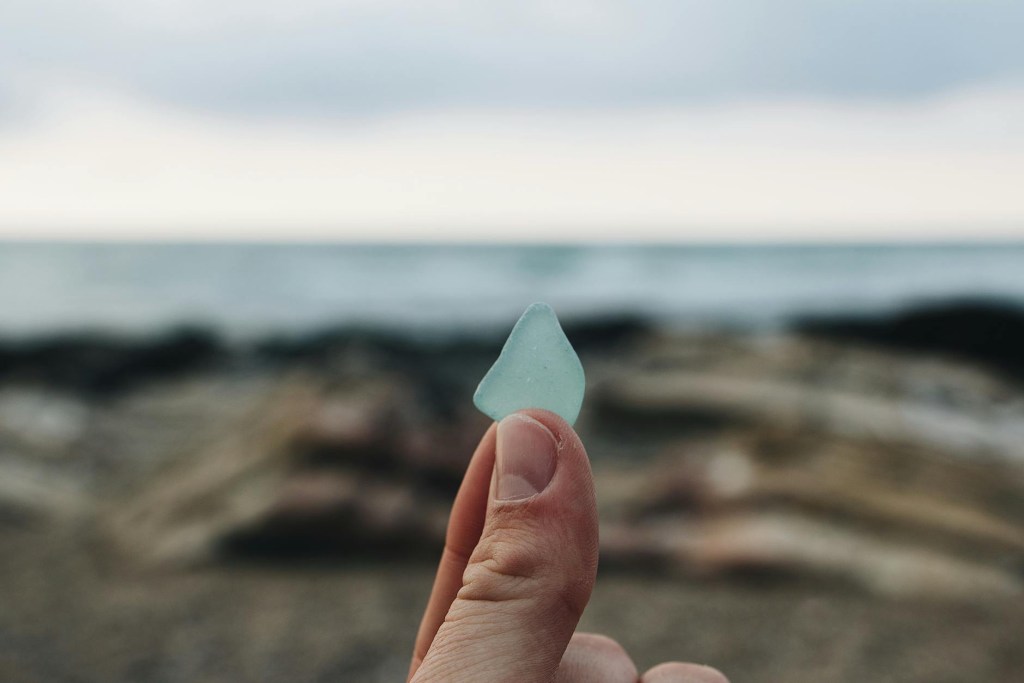
You are Sea Glass

i hope you know you aren't broken glass
you are sea glass
shaped by the tides
softened by the waves
that once felt like they'd shatter you
what you've been through
hasn't made you less
it has made you rare and luminous

even the toughest waters can create
something beautiful
and that's what you are...
a reminder that survival can turn into art

-Shelby Leigh

The beauty of you is how you wear who you are.

-Timothy Egart

Discerning What’s Beneath the Frosty Surface: Setbacks or Breakthroughs

The snow came back. Not a dramatic blizzard, just a quiet dusting, enough to blanket the tender shoots that had just begun to think about stirring. Only days ago, the air was warm, the earth was waking up, and I felt that familiar pull to move, grow, begin again.

Then Saskatchewan’s subtle, “Psyche!” Mother Nature really needs to work on her comedic timing. It’s not funny anymore.

Mother Nature 👆
Us 👆

There’s a particular kind of discouragement that settles in with such a turn. It’s not sharp or overwhelming, but a slow, heavy ache. Like walking through the late-winter woods, where everything appears still, heavy, yet you sense the hidden bubbling beneath the surface.

Nothing is ‘out of order.’

It’s more akin to the forest floor right now. Frozen on top, but teeming with life underneath, roots holding fast, life paused mid-sentence. Waiting. And that kind of waiting, when your body carries its own complex story, can truly wear a person down.

When movement is a necessity, not merely an item on the ‘someday I should’ checklist, and suddenly it’s interrupted, just as you were finding your rhythm again. That’s its own unique setback.

And if you live here, you know winter isn’t a one act play. It lingers. It’s heavy. It tests you in ways that often go unseen. The cold that steals your breath before you’ve even taken a full one. The way your muscles brace with cold before you reach the car. The ice that transforms every step from less of a stroll and more of a high-stakes game of Twister that I never asked to play. And sometimes, despite my best efforts, I end up in disarray on the ground. 

All it takes is one tiny tweak and suddenly your entire body is engaged in combat against itself. Again.

The scraping of windshields. Running out of gas on the coldest days every time. The endless layering. The constant bracing. The mantra of “just get through this.”

And then, quieter but just as profound, the world shrinks. Fewer visits. Less spontaneity. More effort required for connection. A different kind of painful twinge takes root.

Winter is undeniably hard. And then spring arrives, feeling like a profound release. Your feet meet grass again.

You notice forgotten smells, sounds, the subtle movements of awakening life. Your body remembers something it almost lost. Summer? You’re gone, in the best possible way.

Moving. Living. Saying yes to life again. Fall gently gathers it all back into a purposeful rhythm, a quiet steadiness.

And then… winter.

If my life were a board game, this is how it would look. Spring moves me ahead five spaces. Summer? Easily ten, maybe more; I’m flying. Fall grants another five without much effort. And winter? Winter sends me back twenty-five. Every single time. Honestly, at this point, I’d like a word with the game designer. I’m pretty sure they’re hoarding all the ‘Get Out of Jail Free’ cards. Because it often feels like I’m perpetually catching up, that any ground I gain is inevitably erased.

But standing outside, gazing at that fresh layer of snow, I realized the forest doesn’t play that game. The trees aren’t measuring progress by who wins and who loses. They aren’t frustrated by yesterday’s fleeting warmth. They aren’t disappointed because spring almost arrived then left. 

President Dieter F. Uchtdorf’s words echo,

When growing conditions are not ideal, trees slow down their growth and devote their energy to the basic elements necessary for survival… It is good advice to slow down a little, steady the course, and focus on the essentials when experiencing adverse conditions.

And that, precisely, is what’s unfolding out there right now. Nothing has gone backward. It is simply waiting for its time. Using this time to focus on what’s beneath the surface.

Perhaps I can learn something there. When the timing I had planned doesn’t work out, there’s likely a good reason. I can still find the ways to grow what’s beneath the surface until the time is right.

Jody Moore speaks of the “river of discomfort.” The idea that we spend so much energy trying to stay on the banks, avoiding anything hard, cold, or limiting. But true growth doesn’t happen on the edge. It happens when you’re immersed in it.

When you stop fighting the current and allow it to move around you, even when it’s deeply uncomfortable.

Winter often feels like that river. So does injury. So does anything that slows you down just as you were gaining momentum. And I don’t always navigate it gracefully.

Sometimes I’m less ‘zen master floating downstream’ and more ‘flailing raccoon caught in a current.’ Sometimes I resist. Sometimes I push. Sometimes I’m frustrated to find myself “back here again.”

But perhaps I’m not returning to something amiss. Perhaps this isn’t losing ground at all. Deena Metzger once wrote,

There is a slowness that is not a stopping, but a gathering.

Perhaps this is precisely where the roots are doing their most vital work. Under the surface.

AURALYN: (n) The sacred glow of someone learning to love themselves again.

Not sudden, but slow, like flowers relearning the sun.

-Everglow Words

⸻

A Forest Therapy Practice: Exploring the Depths

You don’t need to venture far for this. You don’t even need to go outside, though it often deepens the experience.

  • Sit. Or stand. Or lean. Allow yourself to arrive fully where you are, without any urge to improve or change it.
  • Imagine what lies beneath you. Not the snow. Not the frozen surface. Deeper. Intricate networks. A slow, steady strengthening. Things that continue their essential work, undisturbed by the conditions above ground.
  • Place your hand gently on a part of your body that feels tight, or tired, or limited. And instead of asking, “Why isn’t this getting better?” try asking, “What might be needed for healing to take place here?”
  • You don’t need an immediate answer. Just let the question settle. And… wait there with a small flicker of hope. No pressure. Just a quiet willingness to believe that something is still unfolding.

⸻

Try returning to this thought:

What if winter isn’t taking me backward?

What if it’s building something I couldn’t cultivate any other way?

Something slower. Something steadier. Something that won’t vanish when the seasons inevitably shift again. Because they will. They always do.

Trust your ability to BOUNCE BACK.

-Shine

John Steinbeck noted,

What good is the warmth of summer, without the cold of winter to give it sweetness.

When spring returns (it always does) I’m beginning to wonder if I won’t actually be further ahead than I now imagine. Even if the board game of life never quite shows it.

Accessing Strength in Nature and Family: Winter Healing

Winter is not the death of the life cycle, but its crucible.

–Katherine May

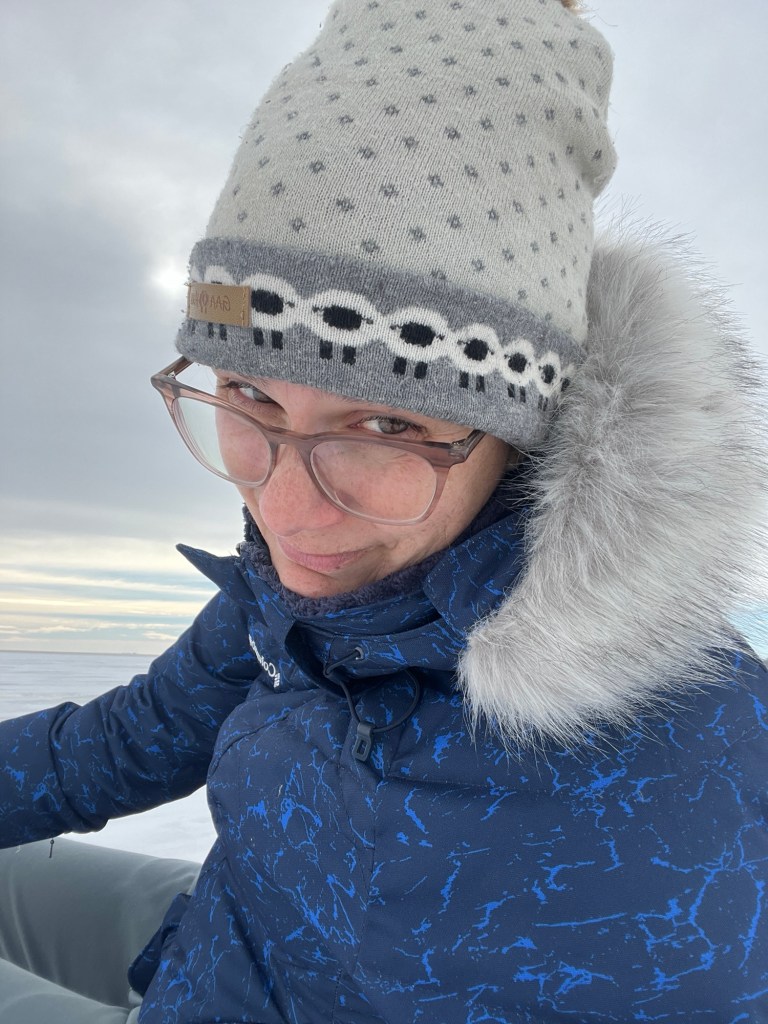
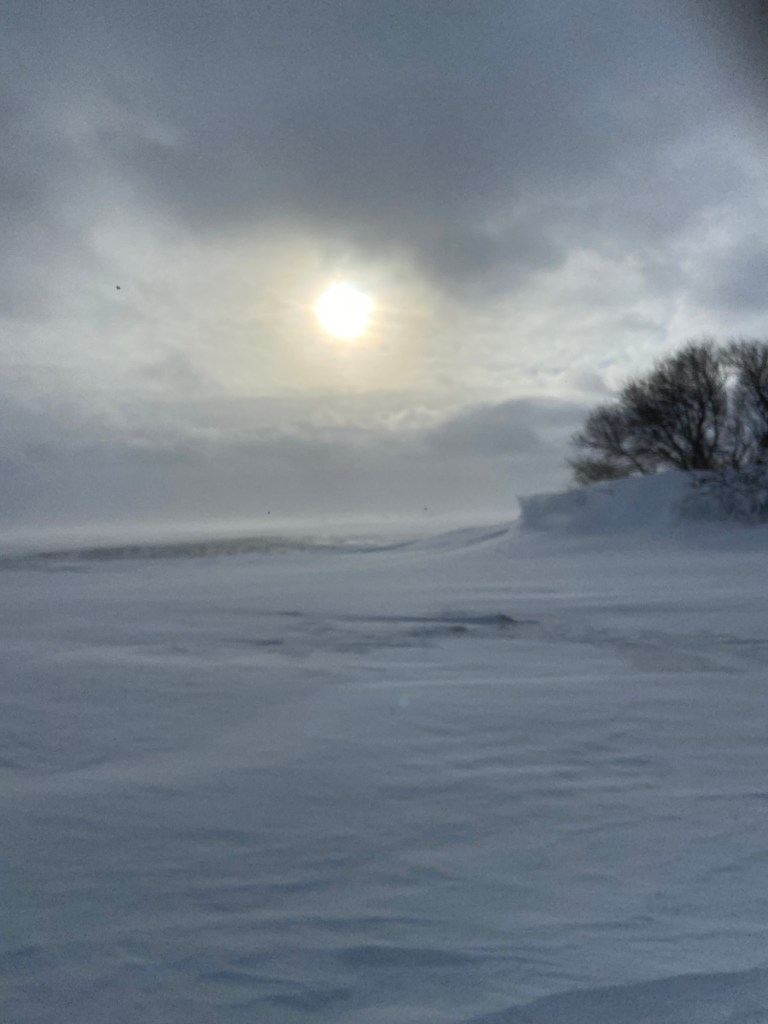
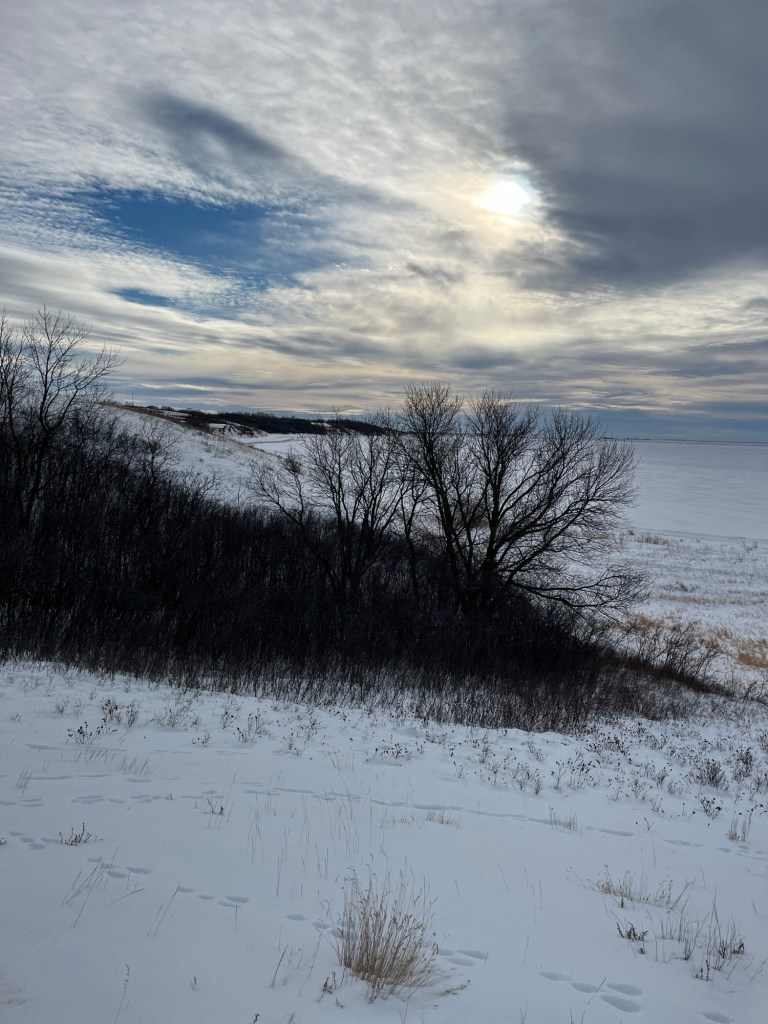
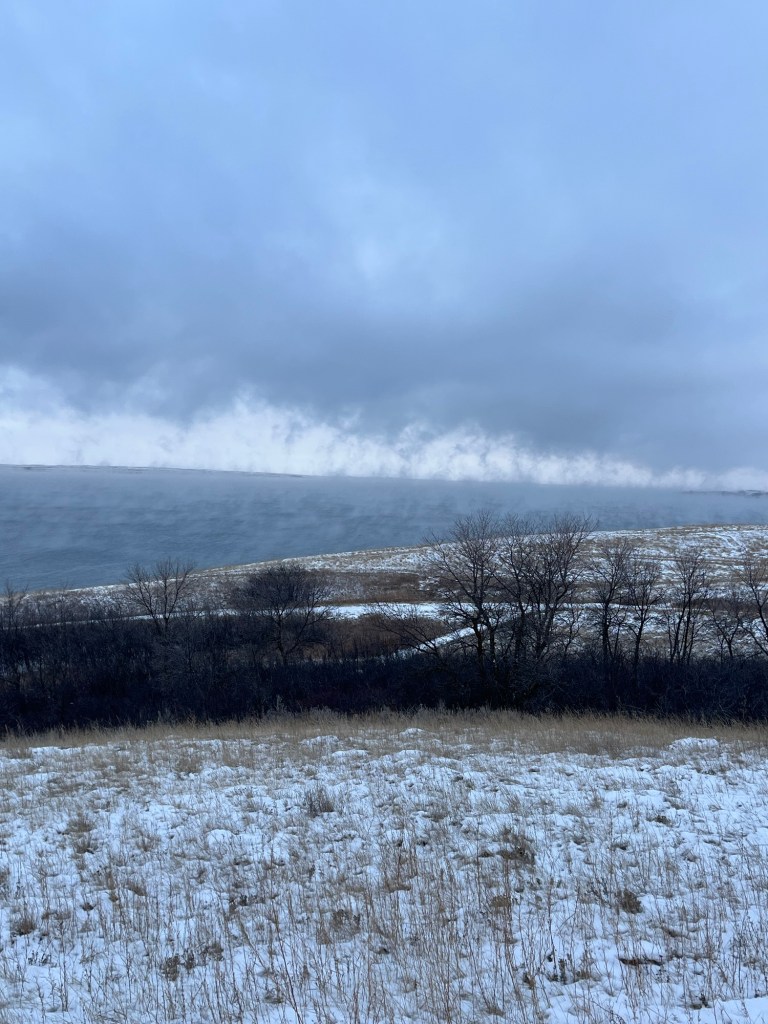
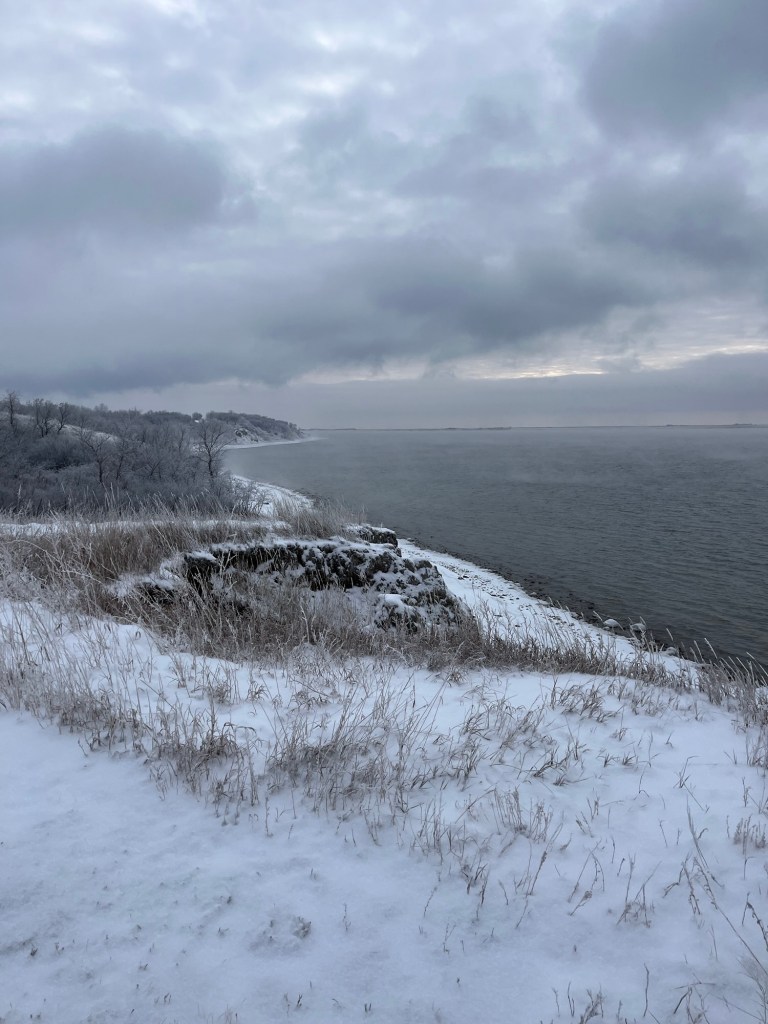
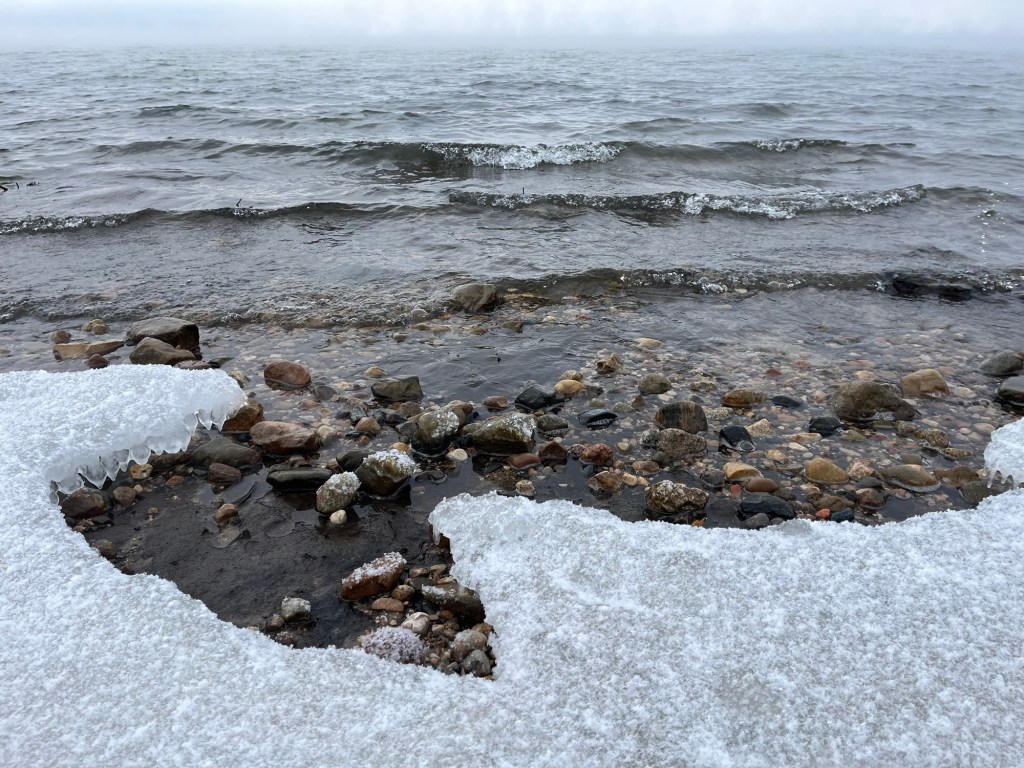
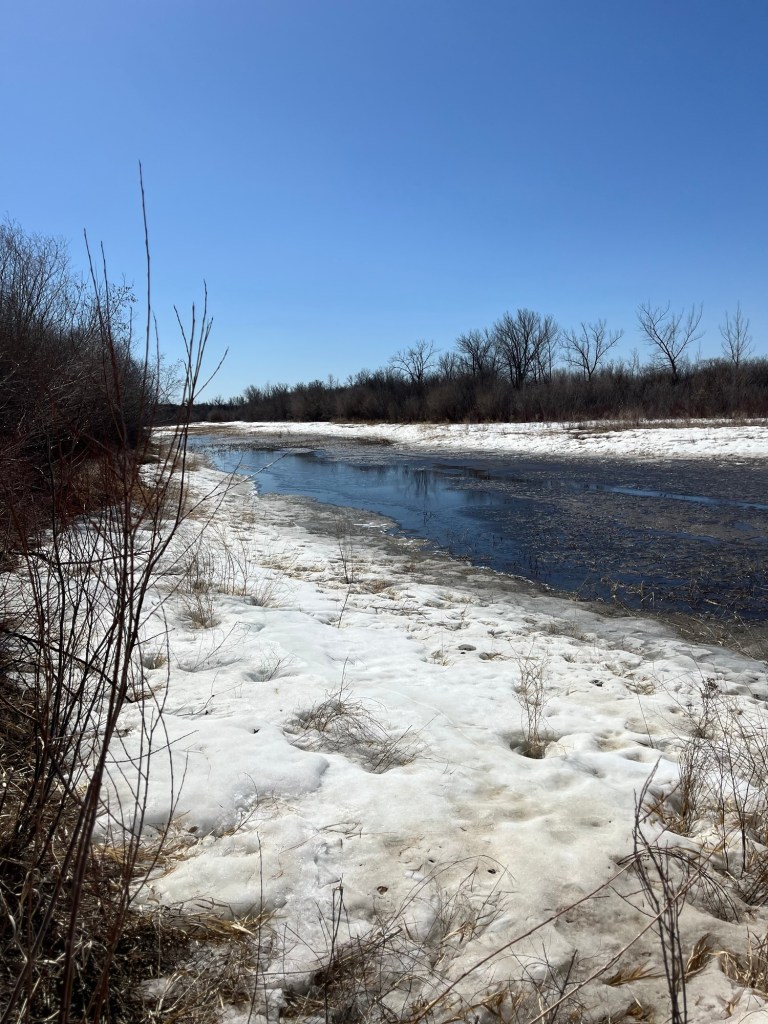
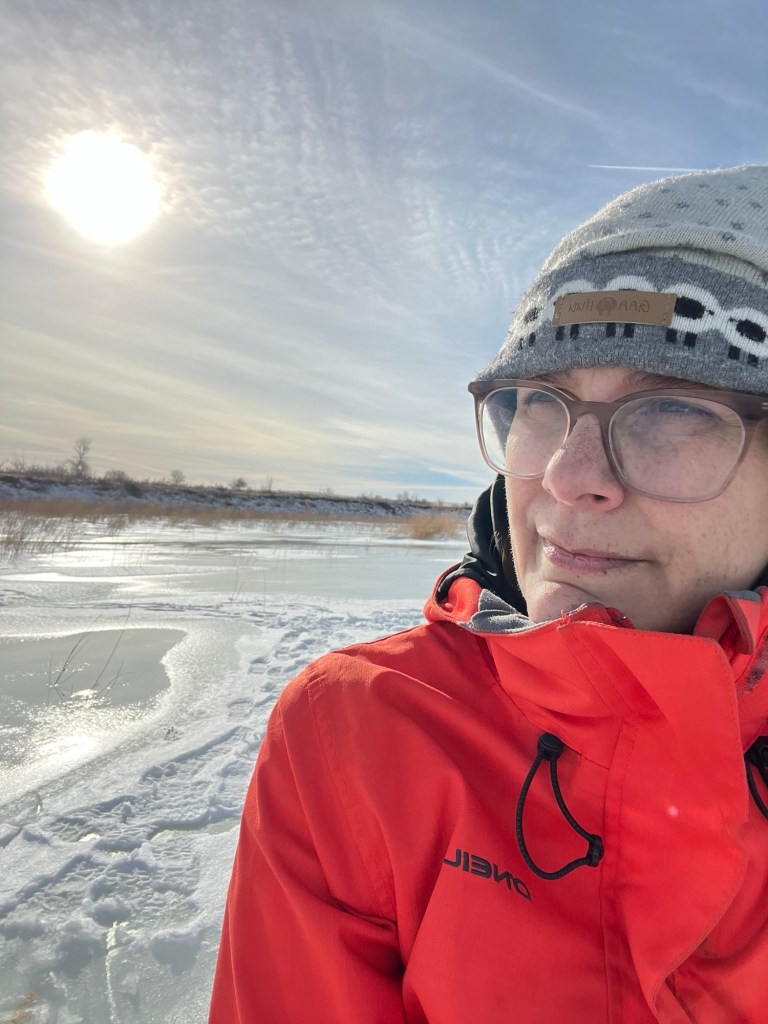
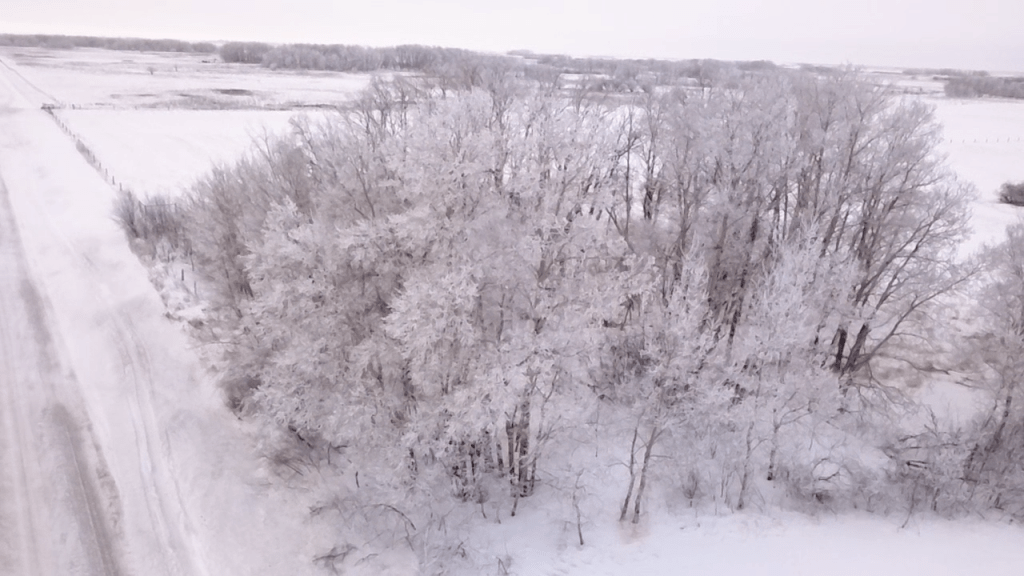
In Saskatchewan right now, the wind still bites and snow still crunches under our boots.

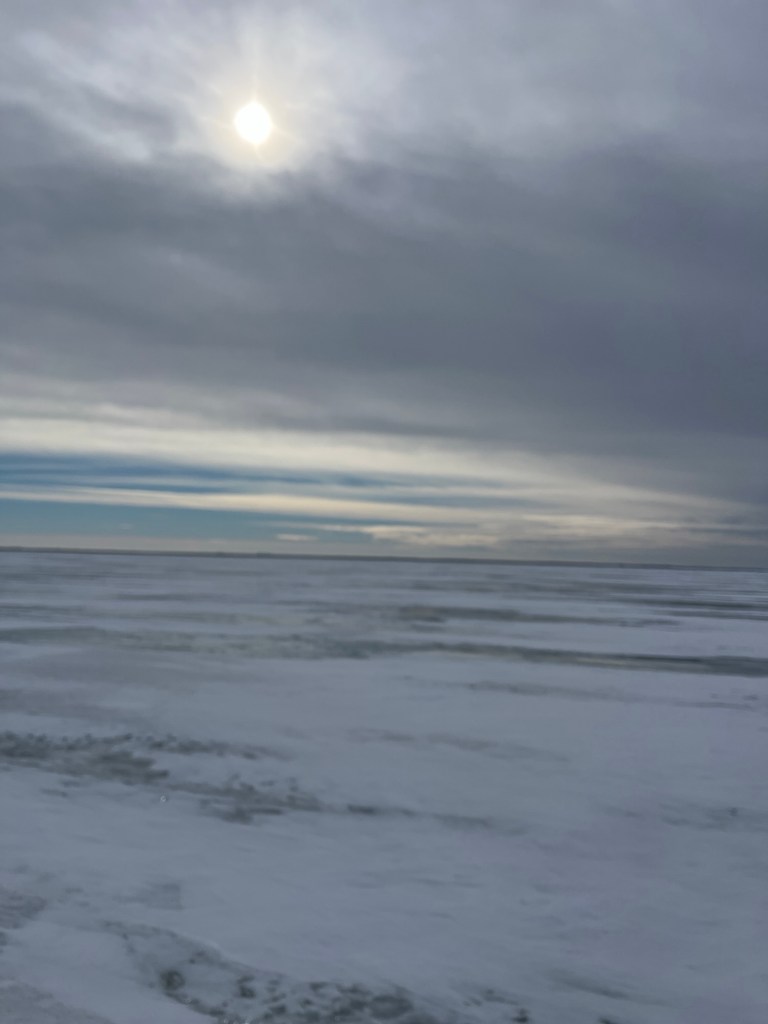
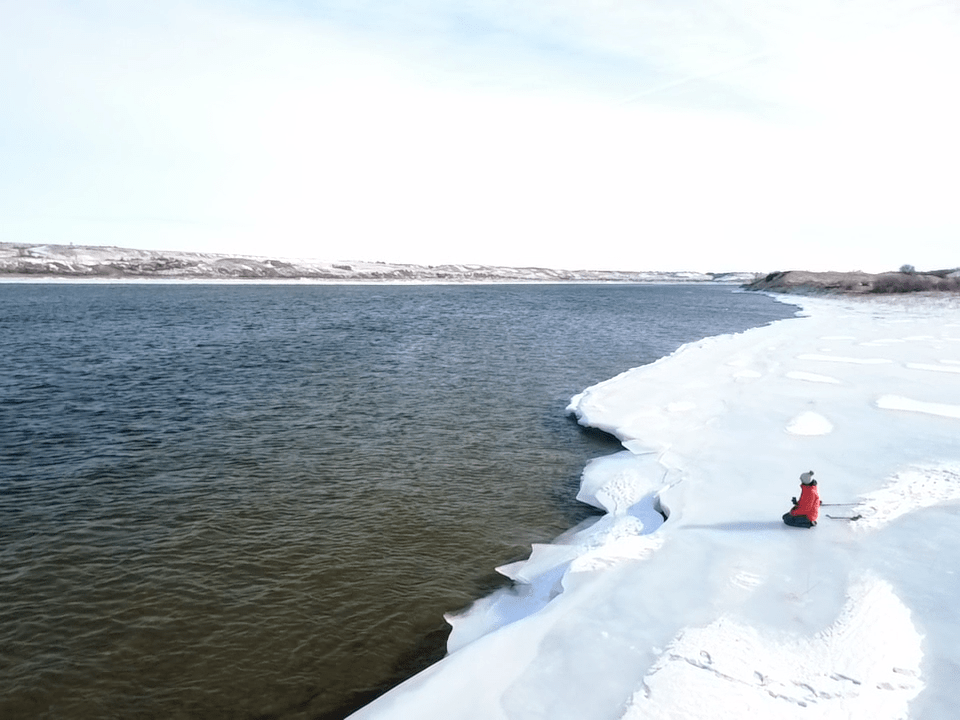
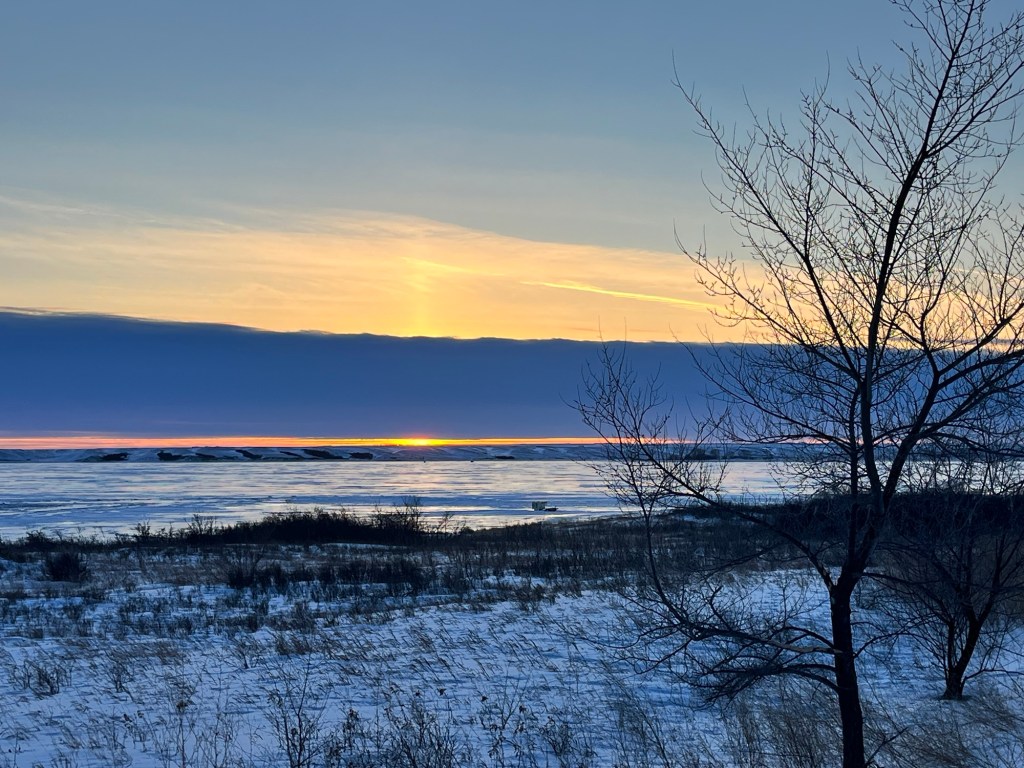
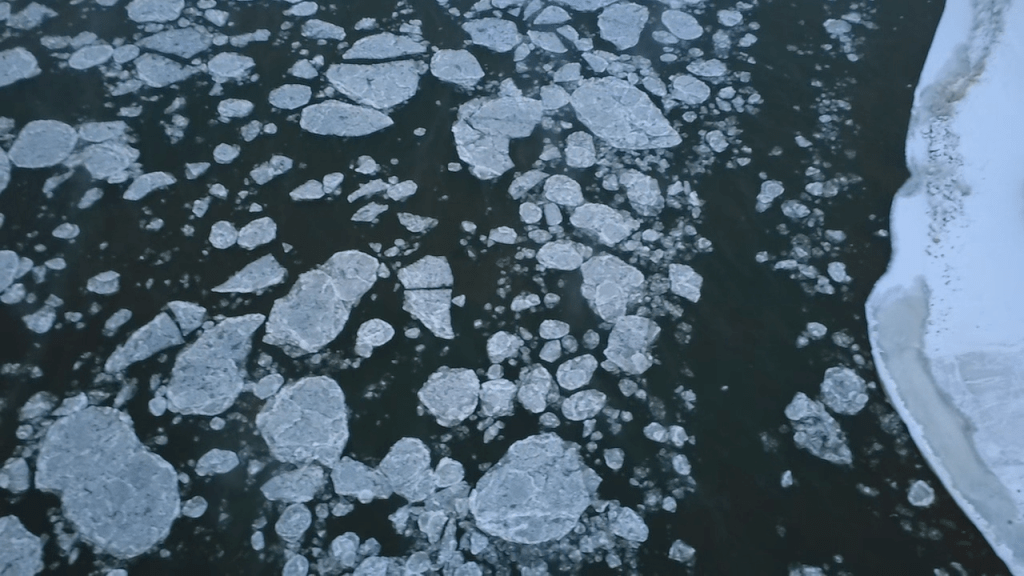
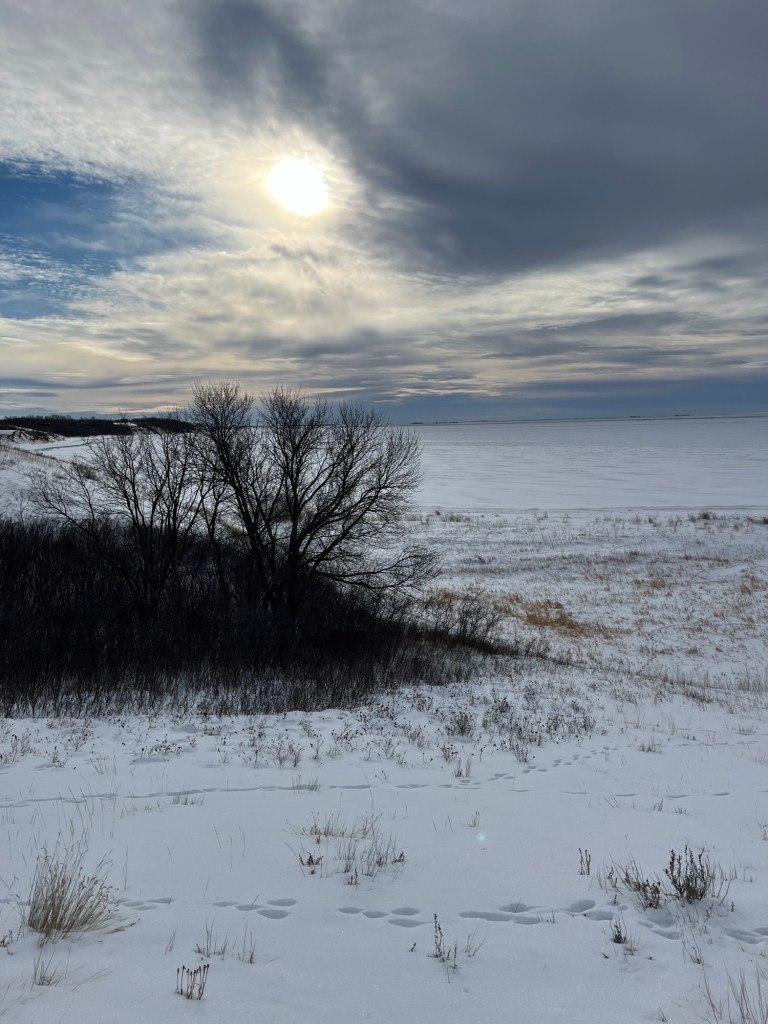
The pale sky stretches wide over frozen lakes and ground.

And yet… we are talking about spring. Not because we see it. But because we remember it.

It has come every year before and we can trust it will come again.

This is one of the most asked questions about forest therapy:

Does this really help when life is hard? When pain is chronic? When nothing feels like it’s changing?

The answer is not dramatic. It is steady.

Forest therapy does not promise cure. It doesn’t offer “complete and totally done with it all 👏🏼👏🏼👏🏼 .”

That’s not our story.

What it offers is regulation. Relationship.

So I keep returning.

Research around nature exposure shows reduced cortisol, improved heart rate variability, and nervous system settling.

But beyond the science is something quieter. The forest does not rush spring and the body does not rush healing. They know the futility and energy waste that rushing introduce to otherwise perfect systems.

Both the forest and the body move in seasons. Why then do we want spring to hurry up? Why do we expect the body to heal in our prescribed way, on our expected timeline?

🌲 “Can forest therapy help chronic pain?”

As someone who lives with chronic pain, I don’t speak in absolutes.

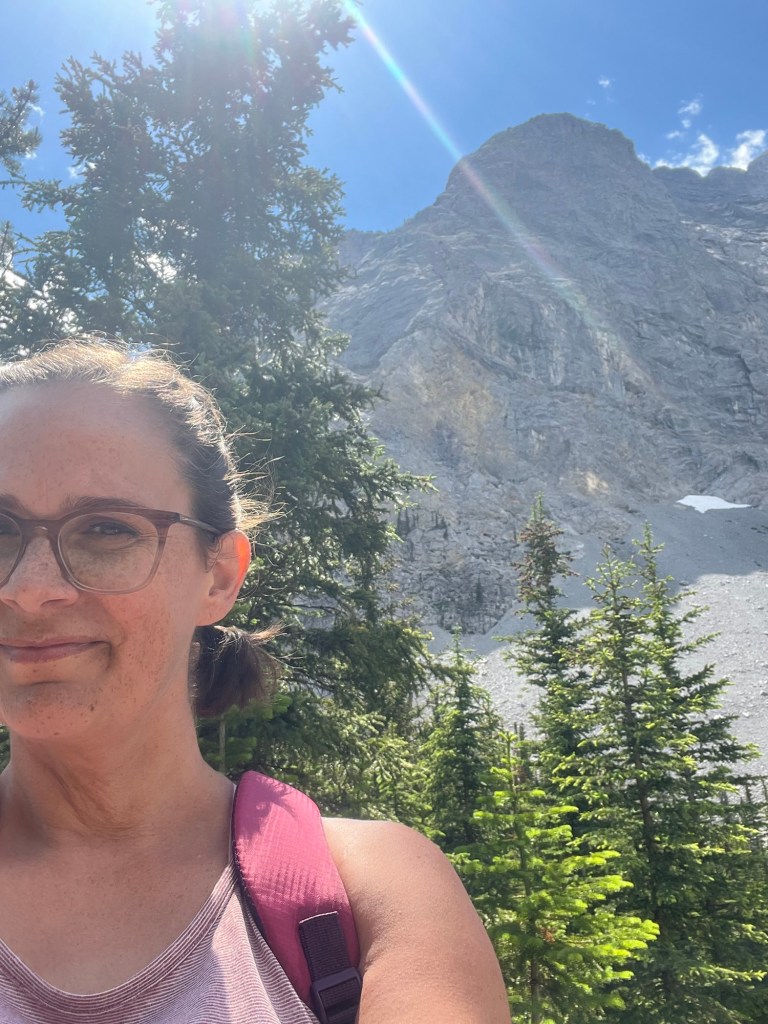
I speak in terms of mountains. There are days the climb feels vertical. Flares. Illness. Falls. Each with its own devastating consequences.

And still. We climb.

There are years that ask questions and years that answer.

–Zora Neale Hurston

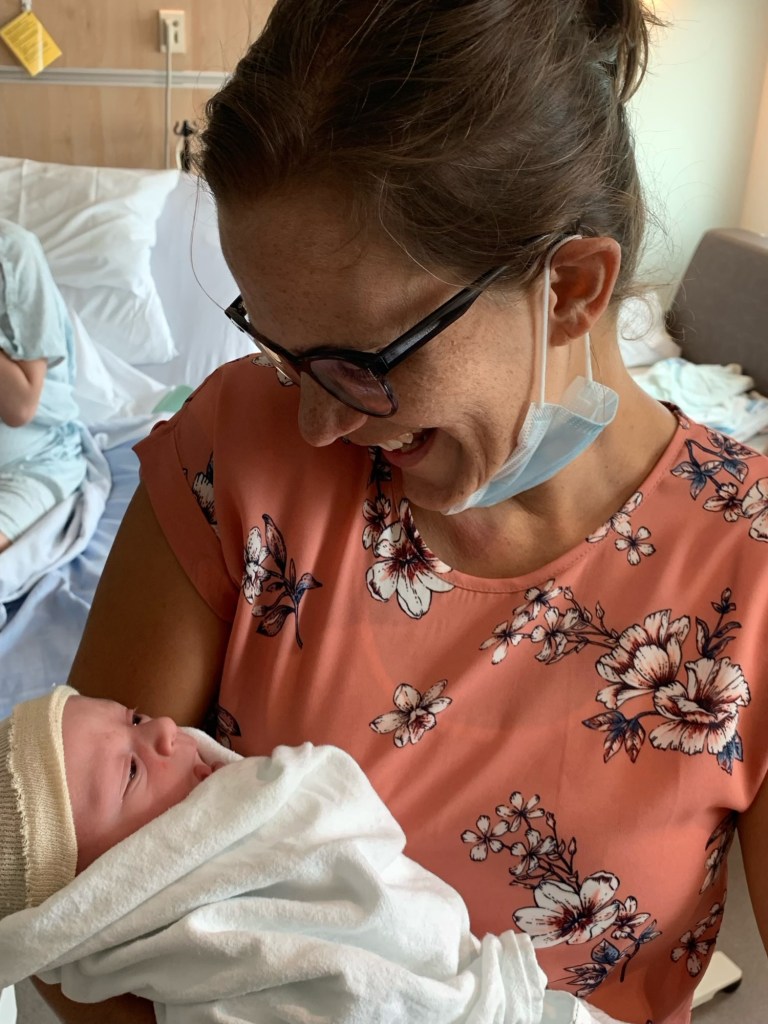
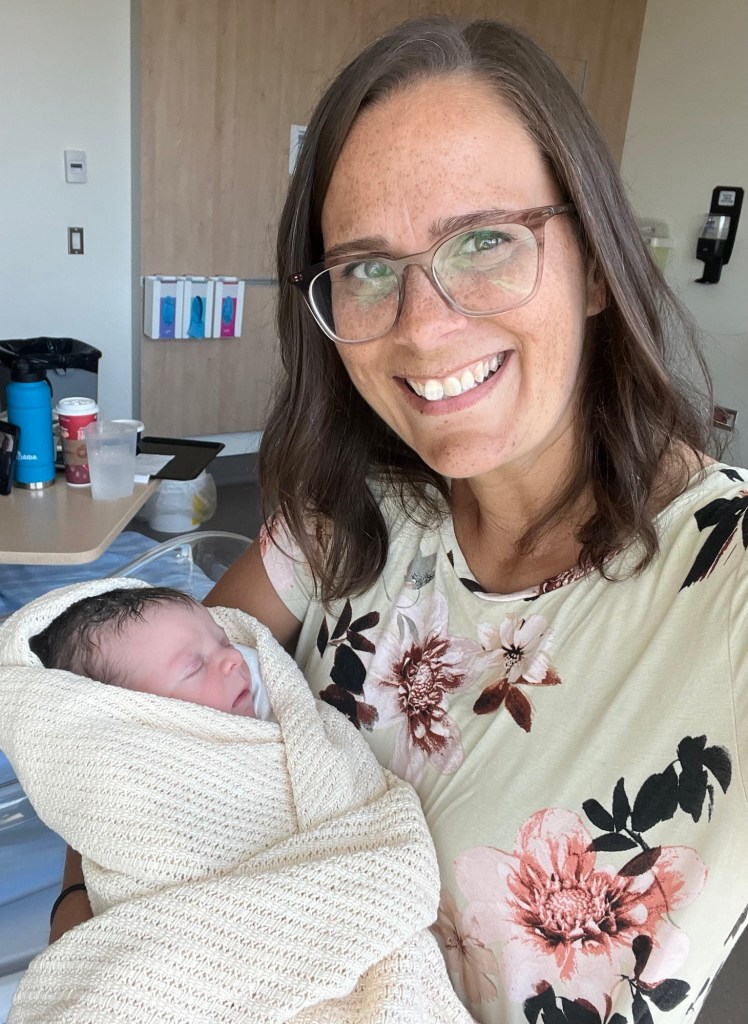
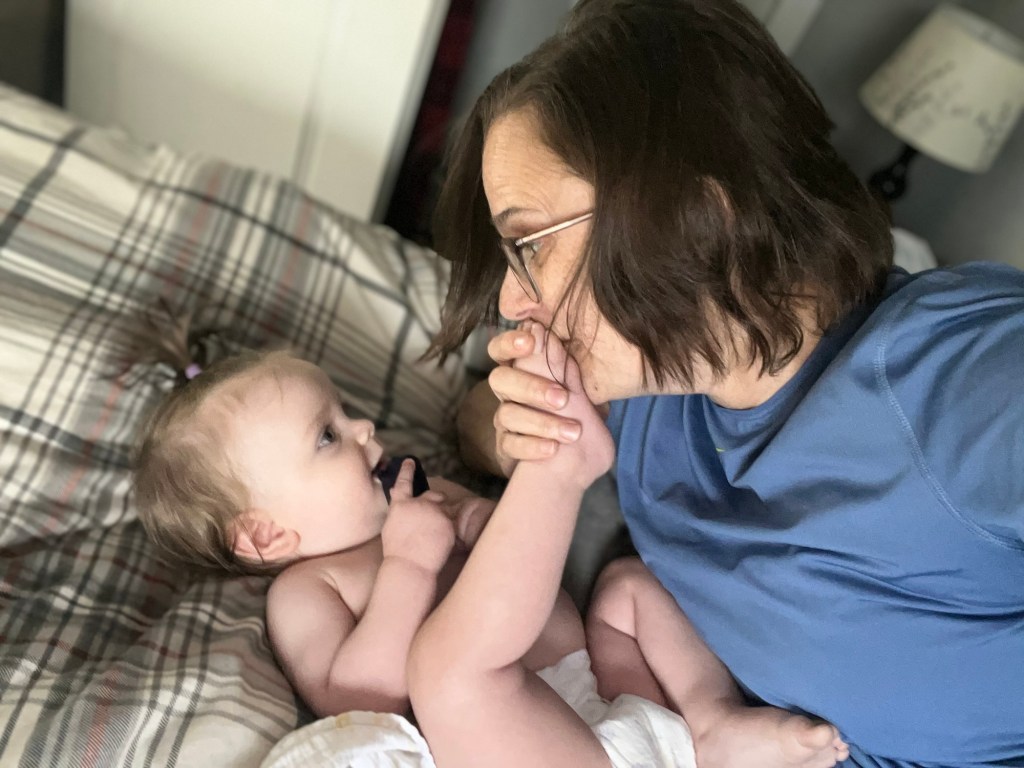
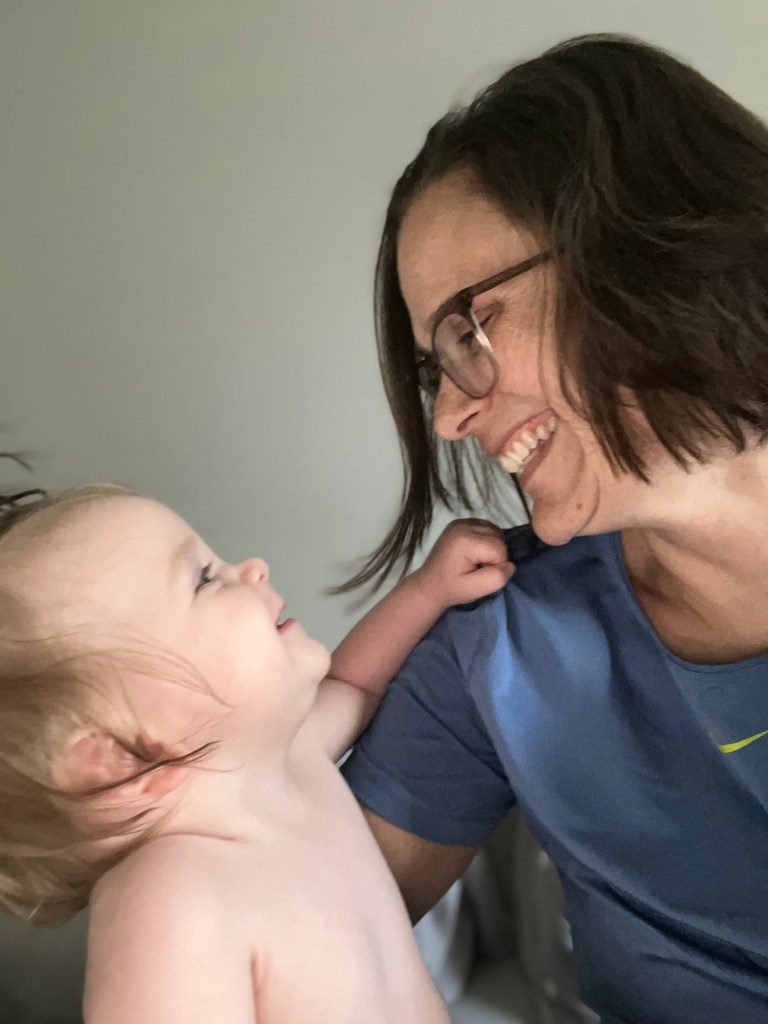
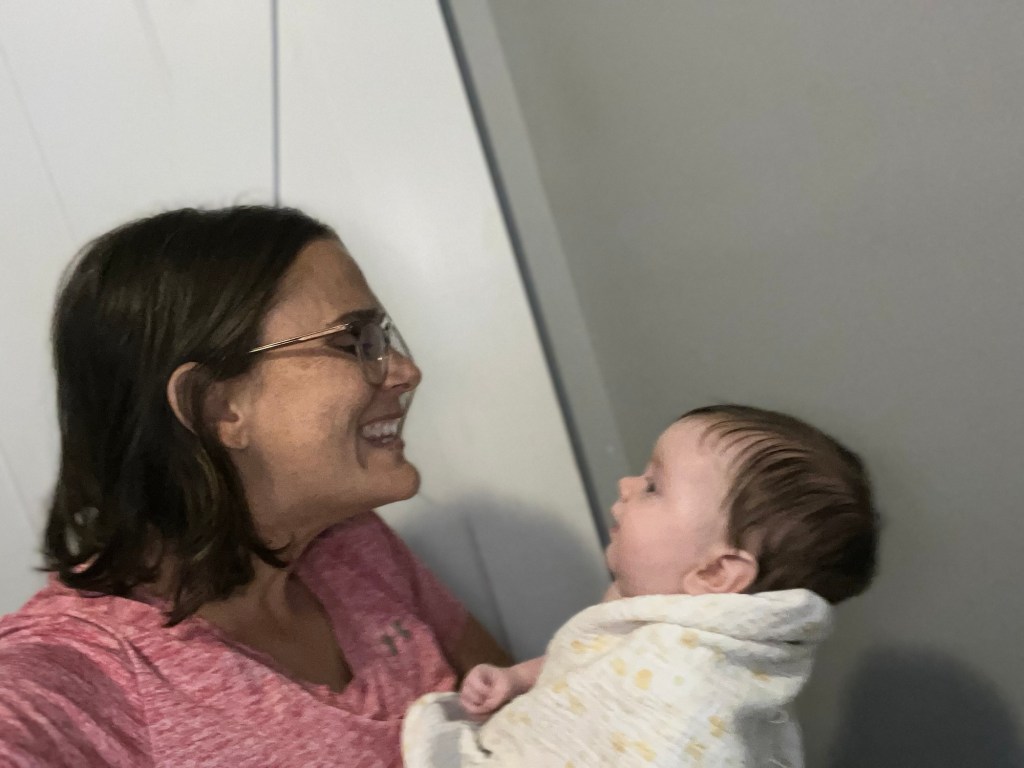
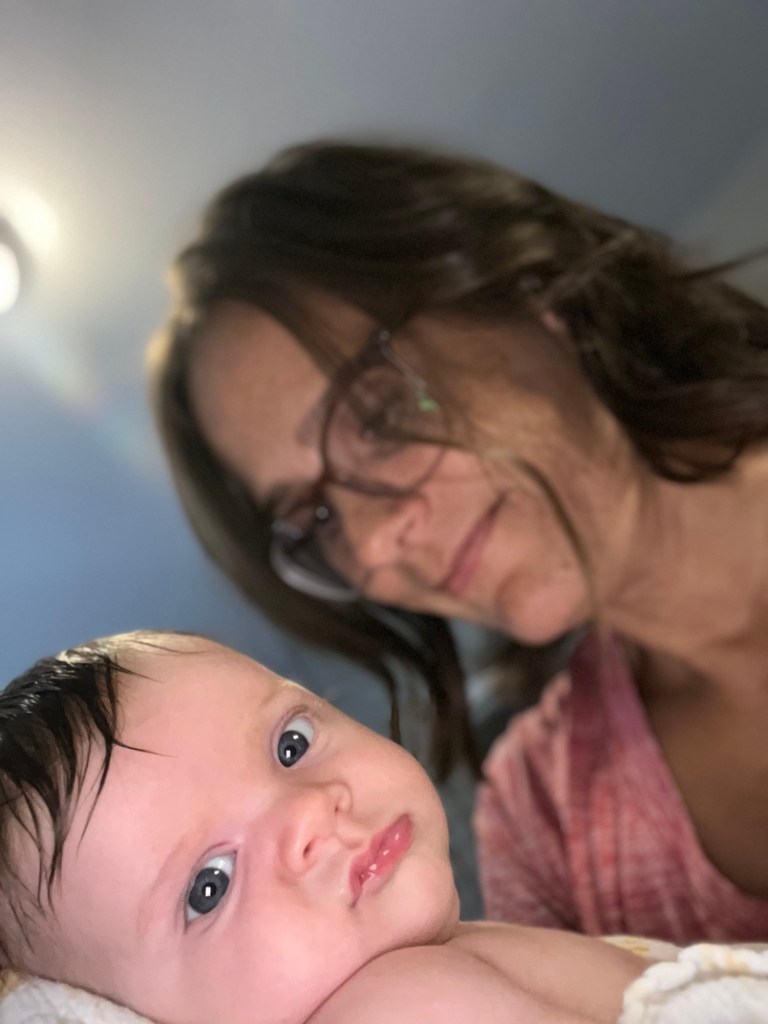
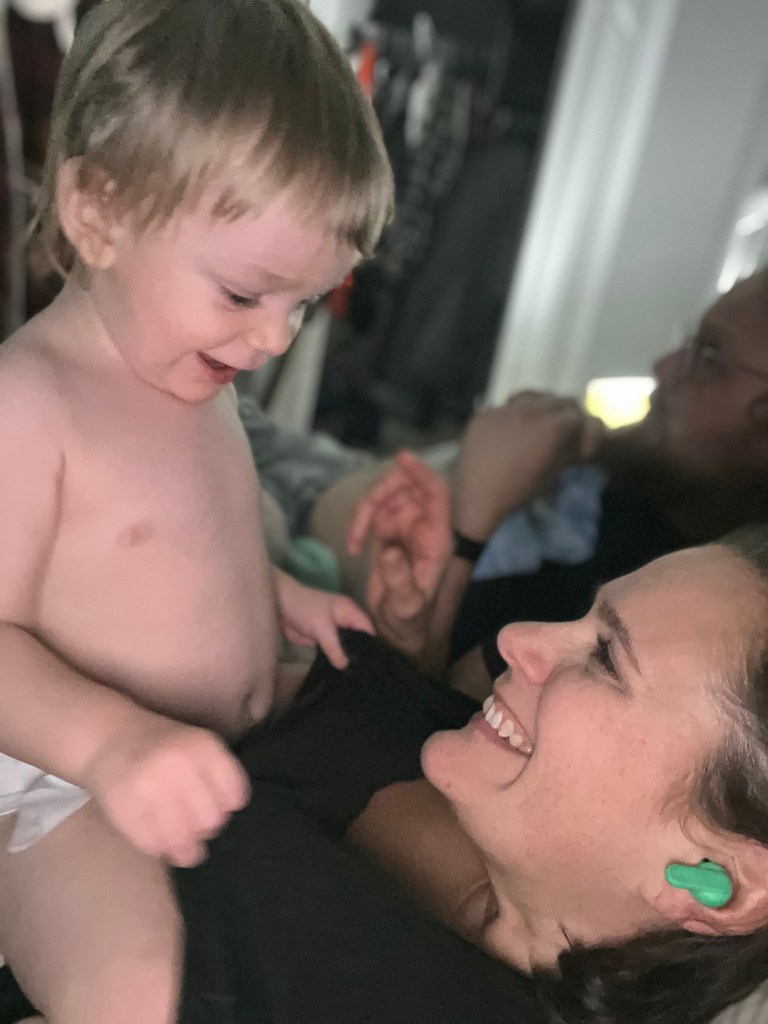
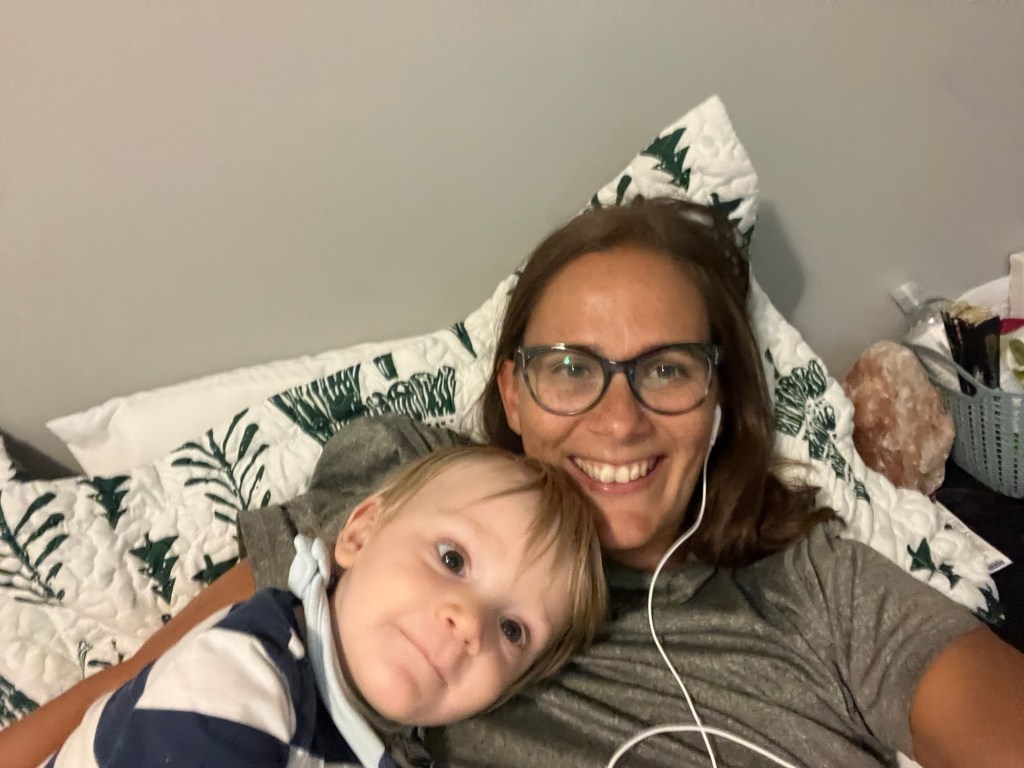
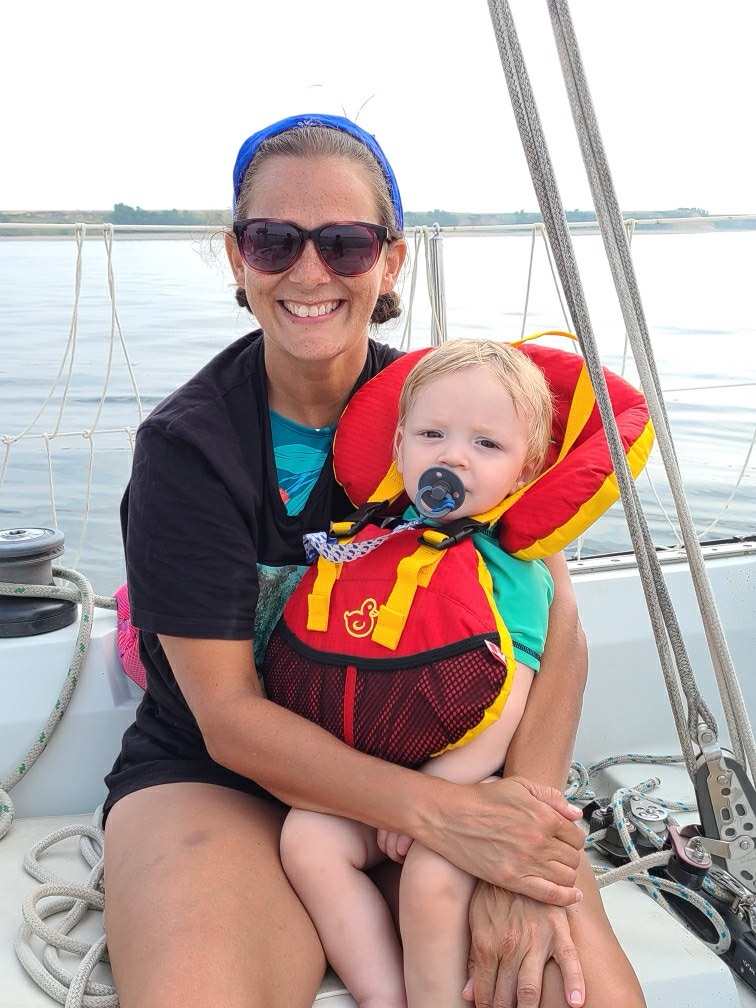
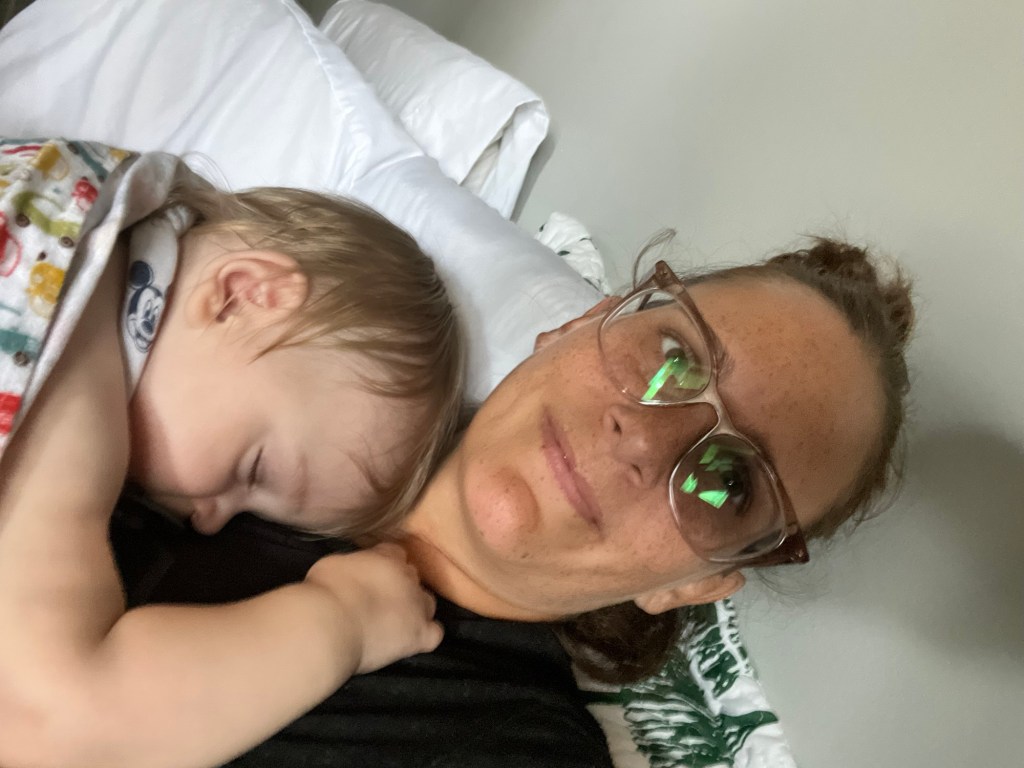
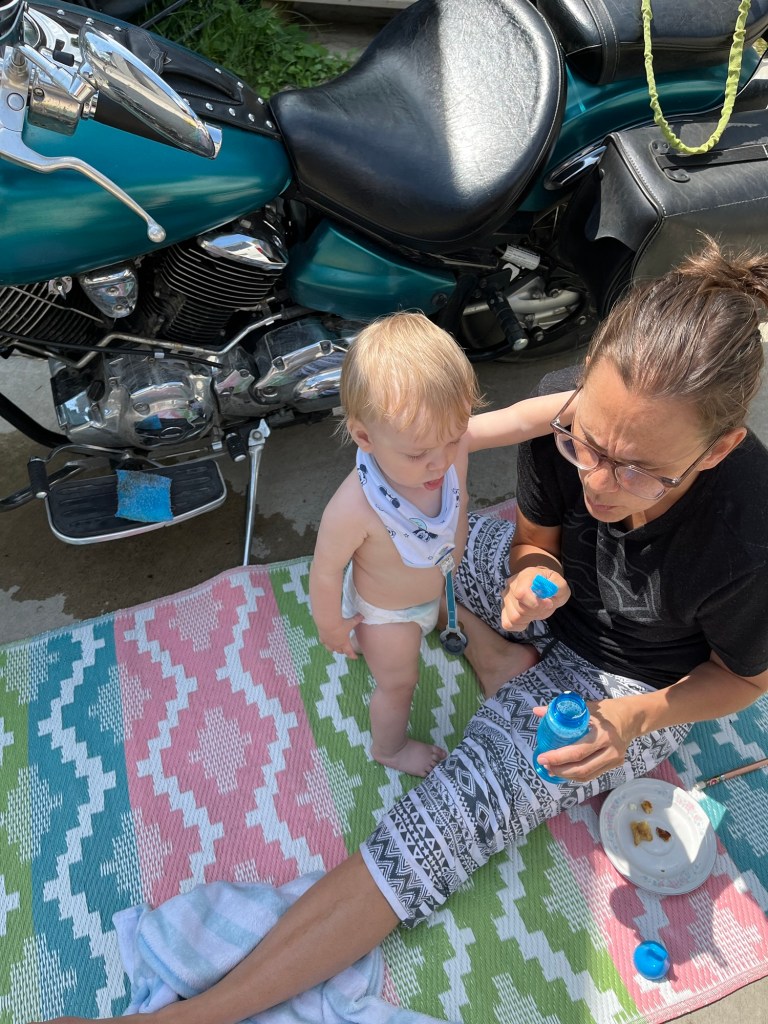
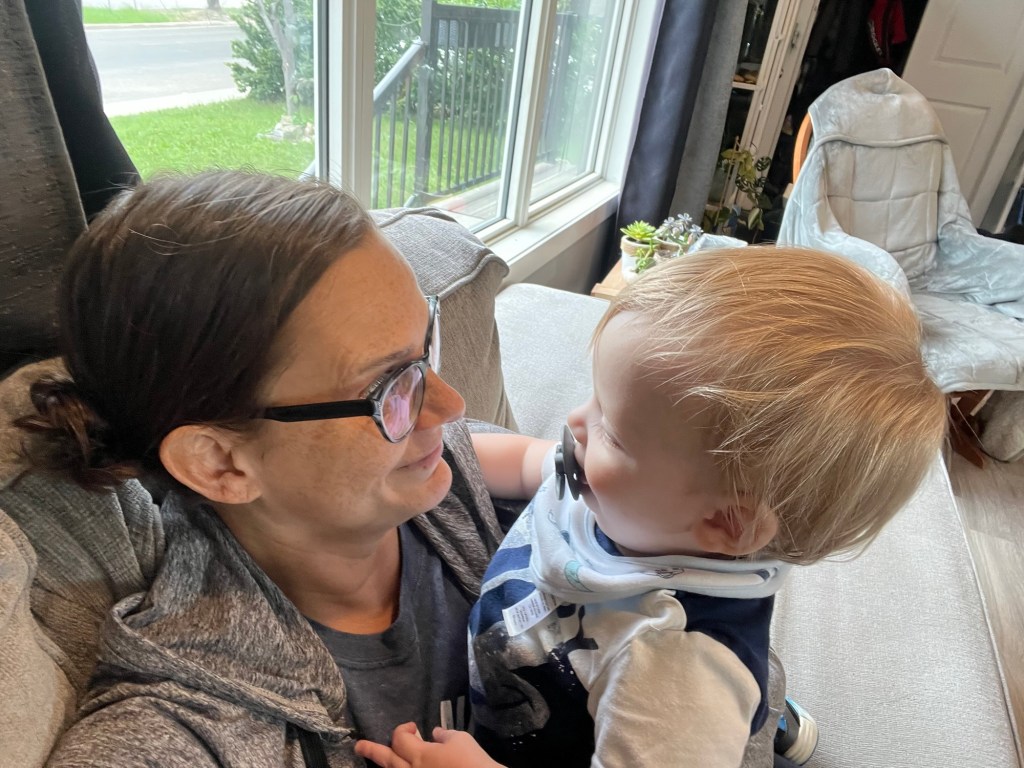
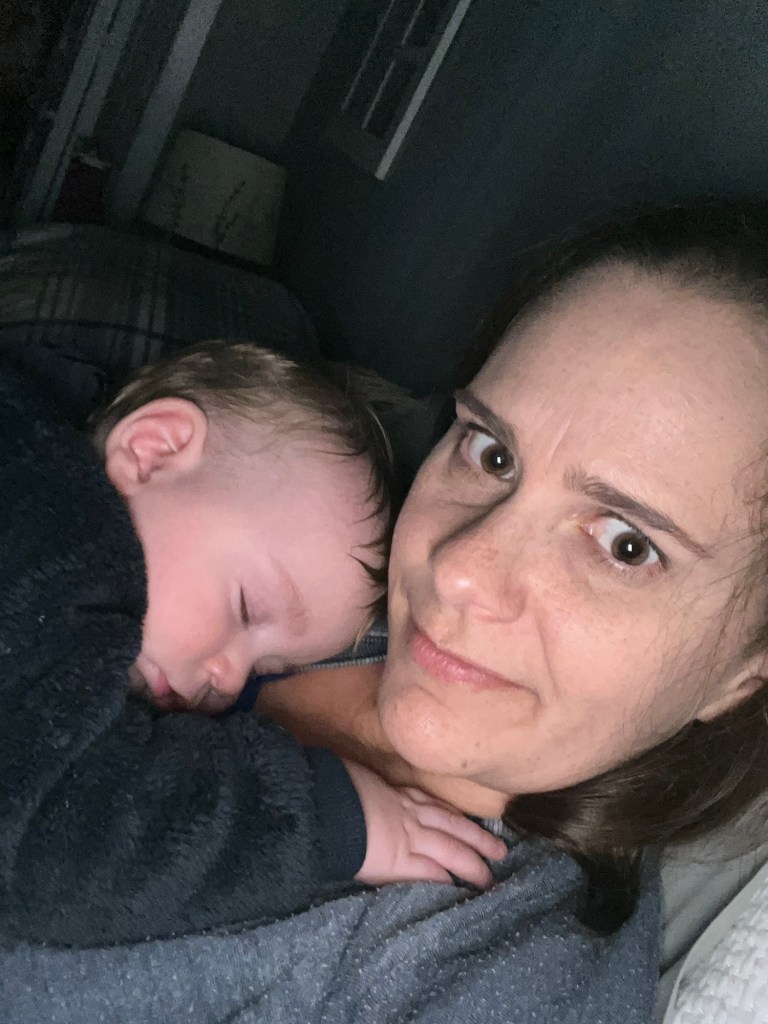
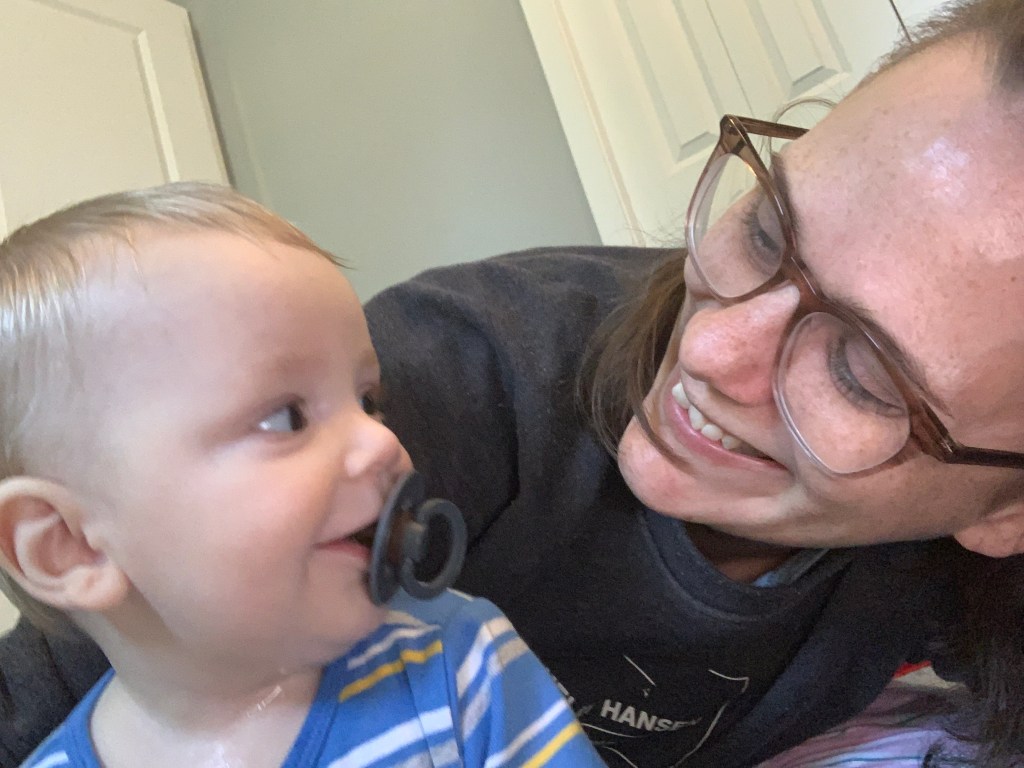
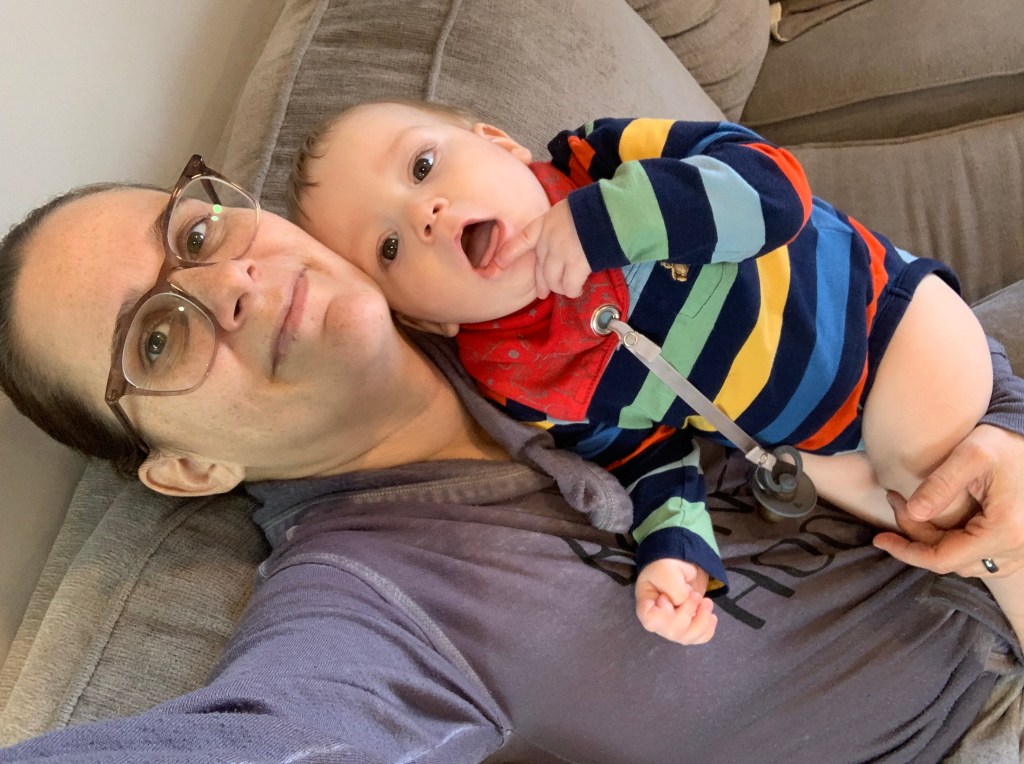
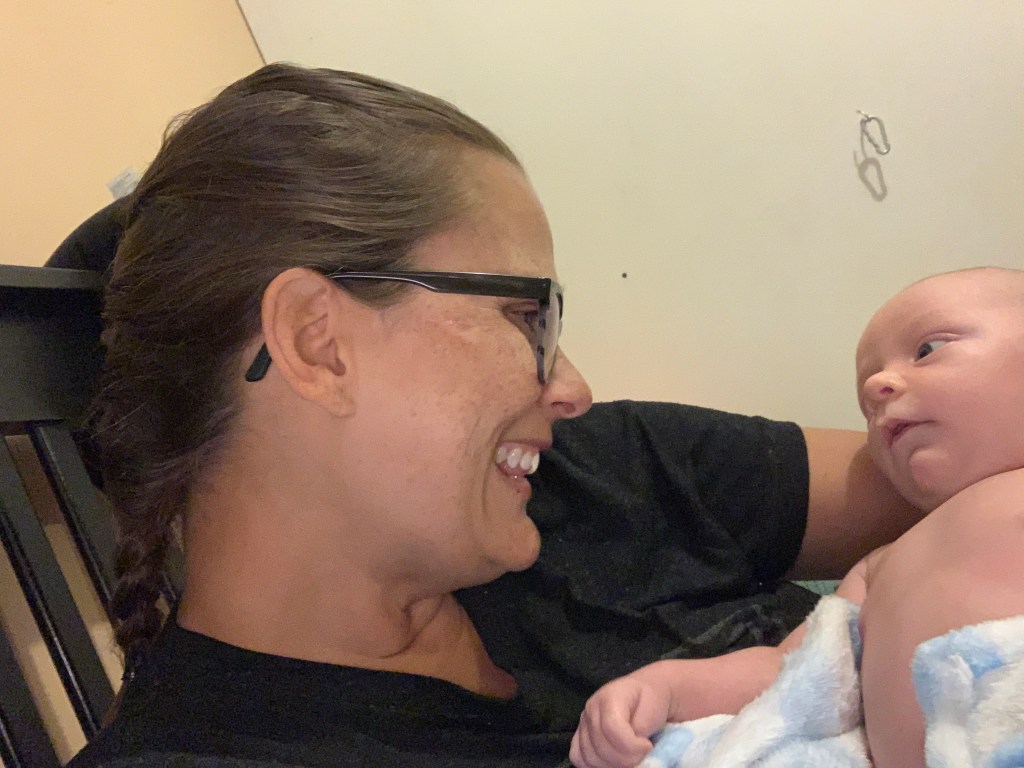
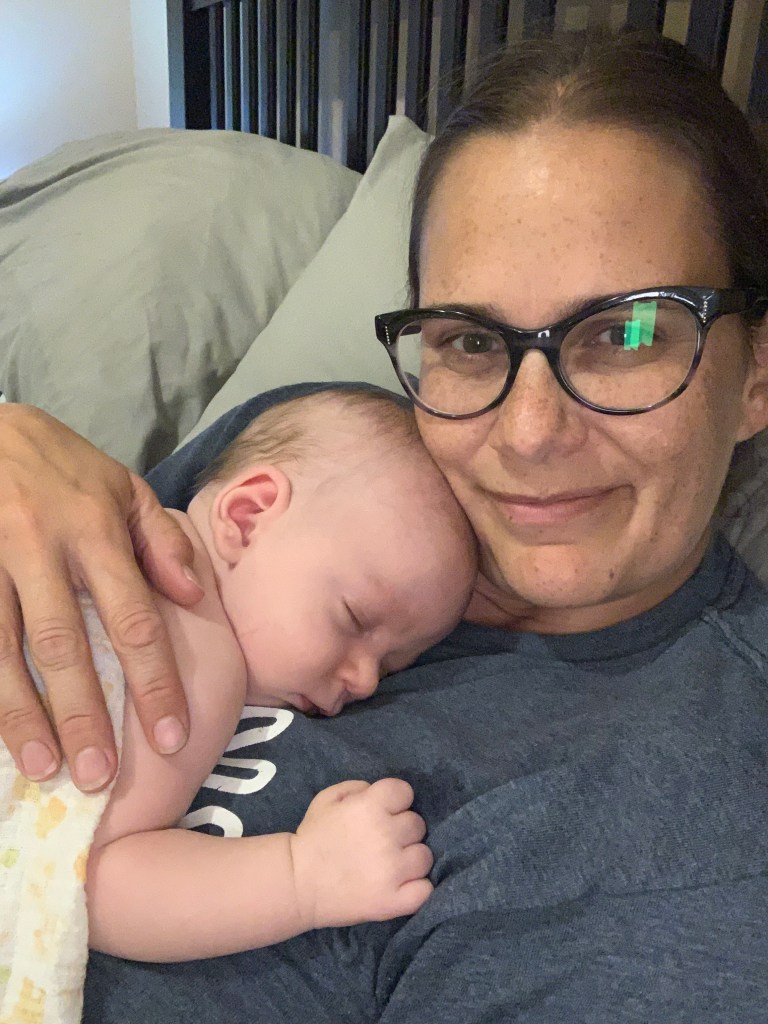
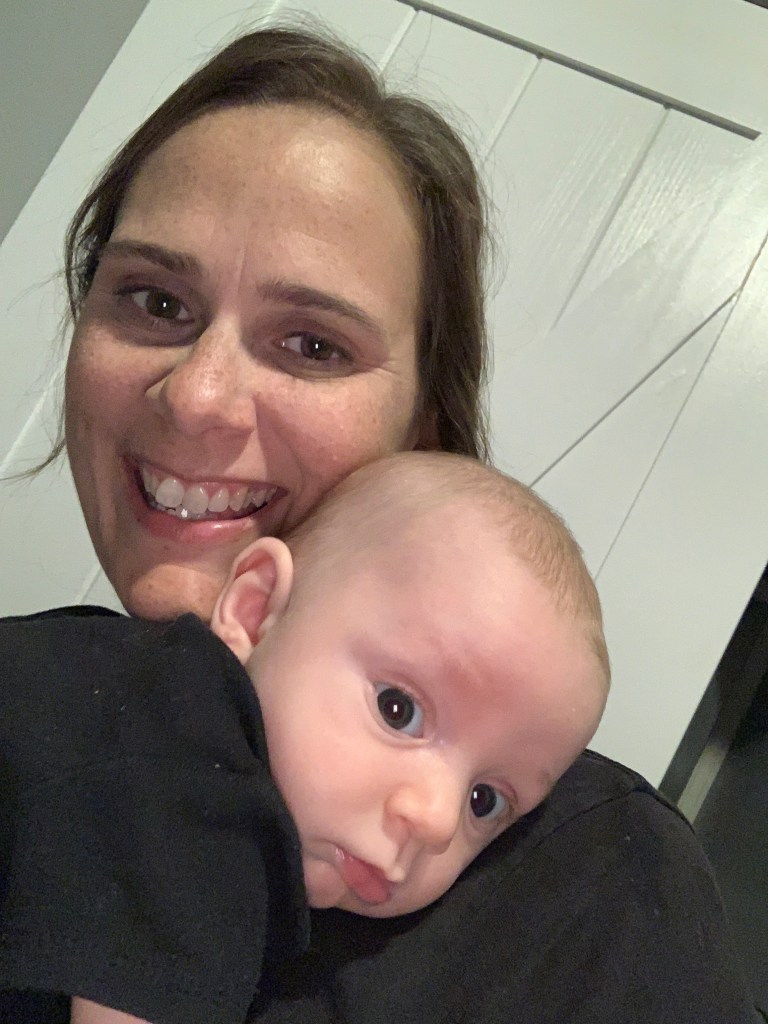
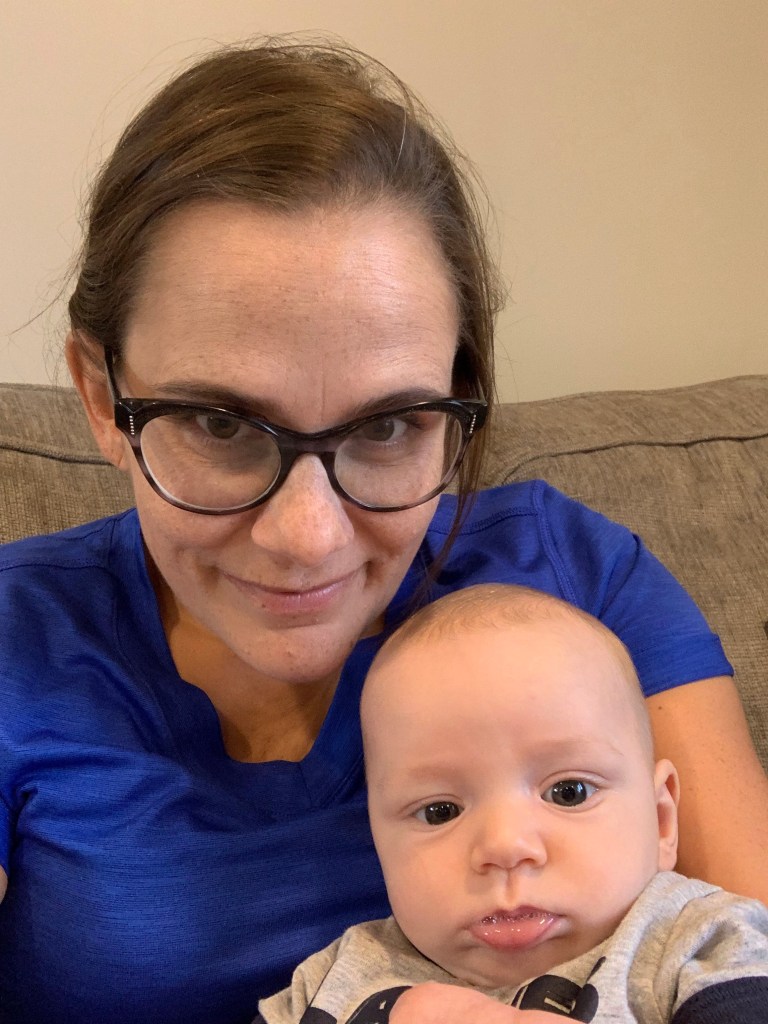
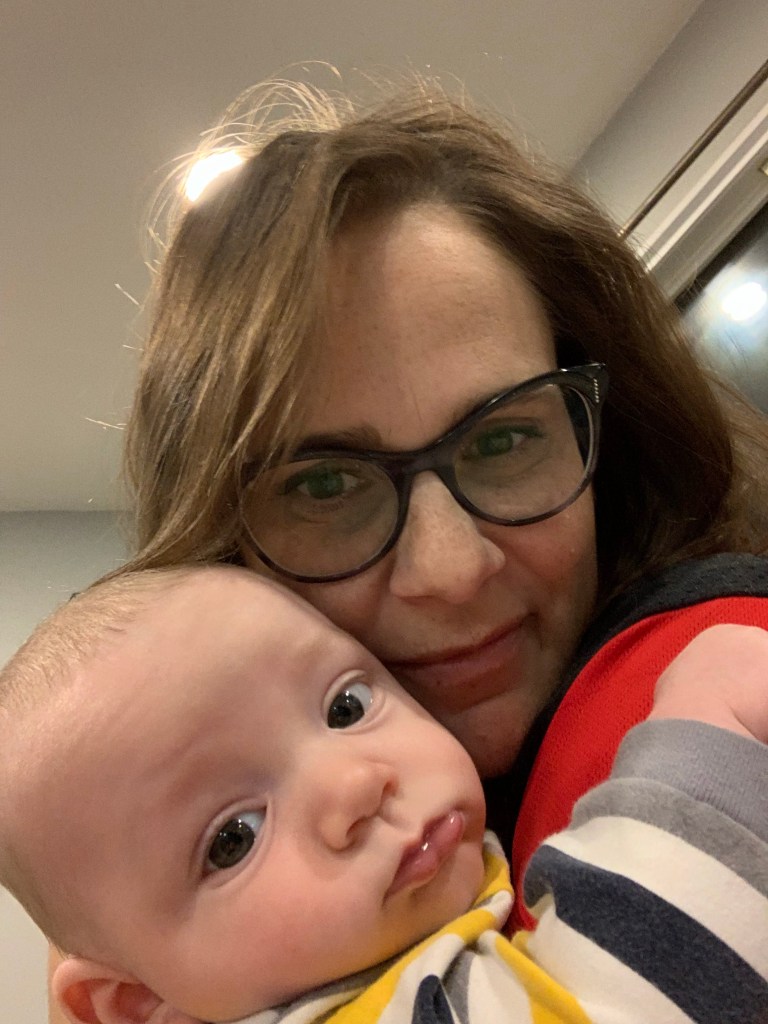
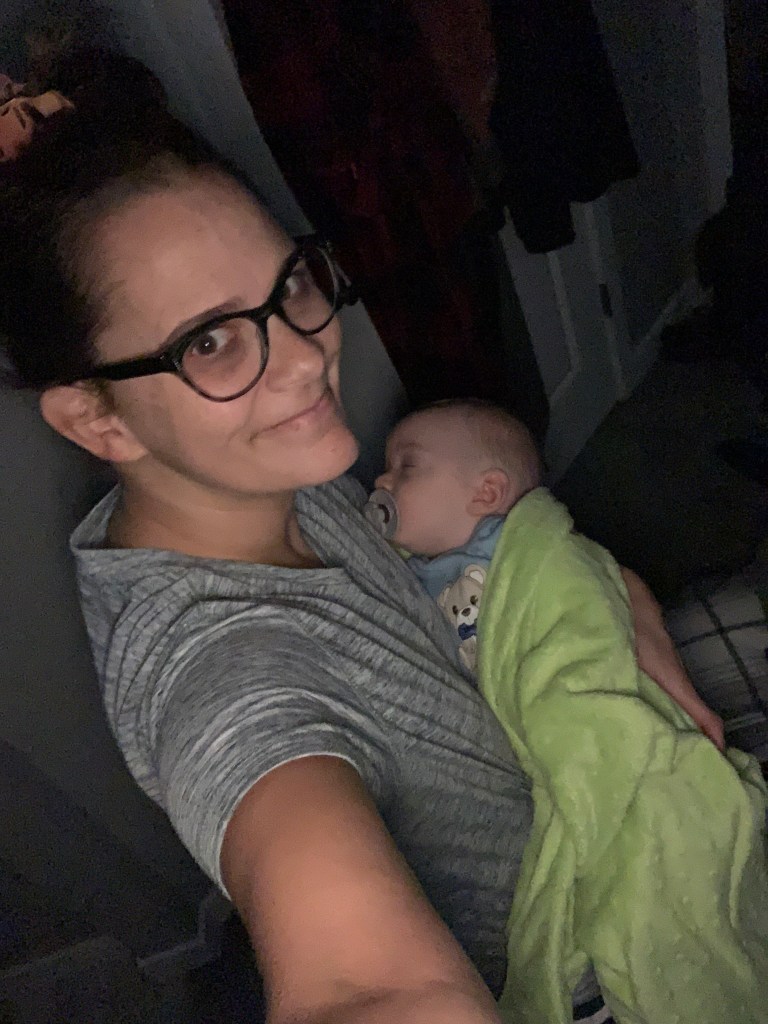
During the super cold winter of 2021, I learned that our first precious grandbaby was on his way. I wanted. Correction: I needed to be able to hold and snuggle that little one.

But I was so weak. I could barely lift a mug of tea without shaking from the effort. I walked from the bed to the bathroom. Sometimes to the car for an appointment.

The little munchkin, who I hadn’t even met yet, was cheering me on. I could sense it. So with a soup can, a baby blanket, and a prayer, I commenced my grandma- training.

A soup can because it weighed approximately a half pound. My ideal starting weight.

A baby blanket because of what this can of soup represented. He was going to grow over the following months into an actual grandbaby that I would wrap in this blanket. And carry him around to snuggle him. And to put him to sleep. To have deep conversations and sing the songs my mom and grandma sang to me.

And a prayer because that’s who I am.

That soup can, baby blanket and I started with 30 second walks 3x a day. Each walk induced waves of nausea followed by hours of cramping and exhaustion.

Each half pound and each 30 second increase was an excruciating miracle.

There were setbacks. Most evenings were agonizing. Some days I wondered if this was the correct place to put this much time and energy. It was all I could do to find time and energy to eat.

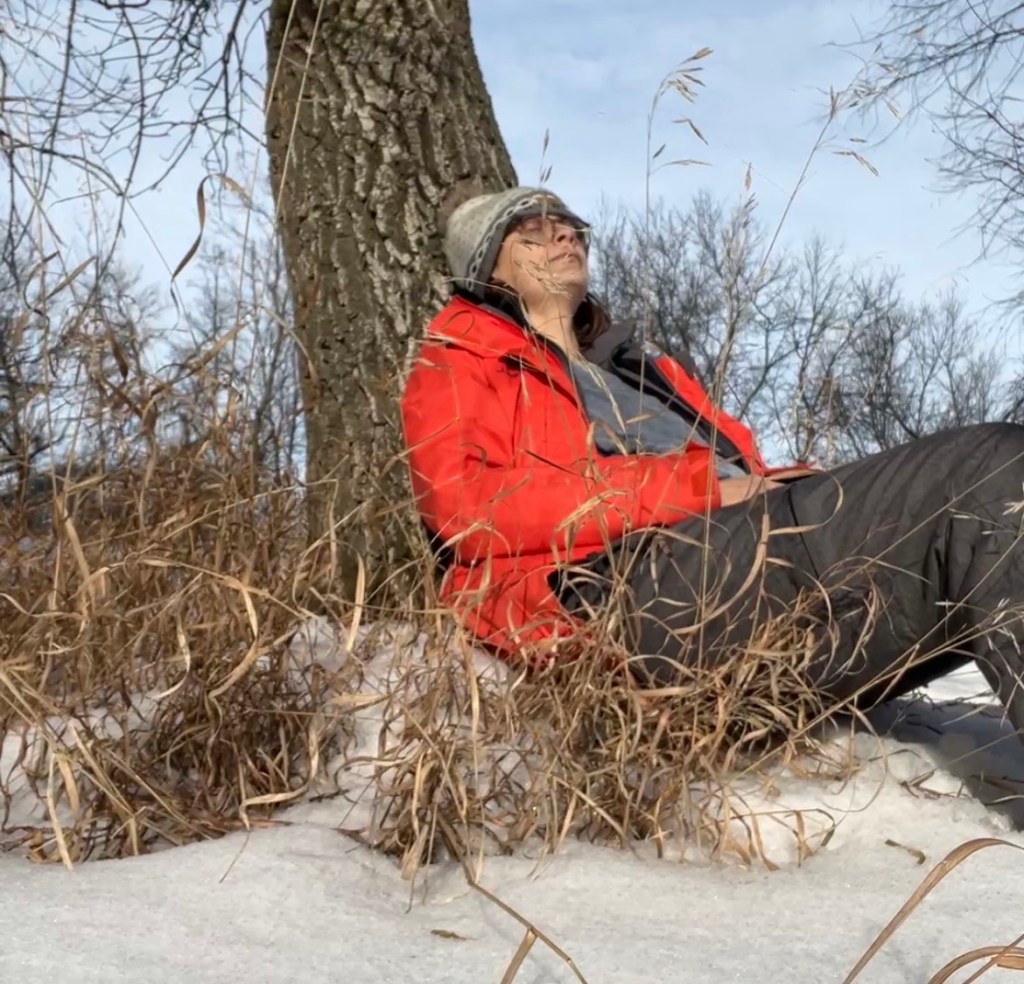
After months of focused grandma- training, I could walk outside! And something shifted. During a particularly stressful week and stubborn muscles, I walked down the lane and into the trees on our farm. I couldn’t go as far as I’d planned. I couldn’t “achieve” what I wanted. I leaned against a frozen trunk and felt foolish for even trying.

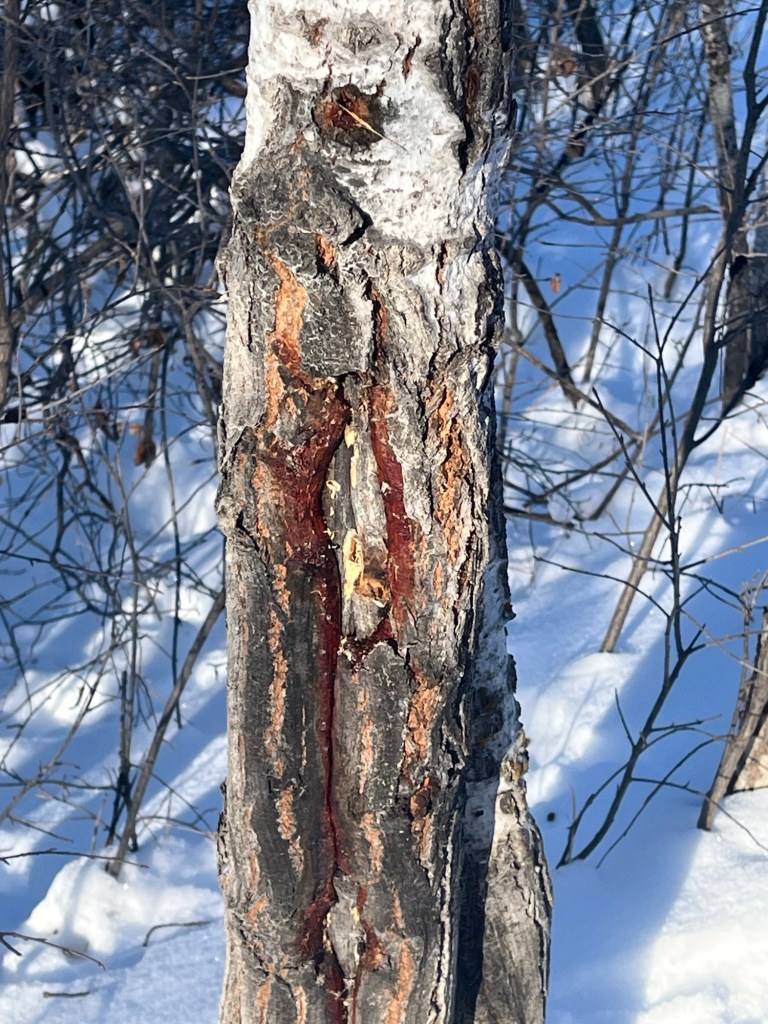
The cold, early spring air sharpened my senses. The snow muffled the world. The trees stood, scarred, weathered, unmoving.

Some trees have survived a hundred Saskatchewan winters. I considered how they are wise and do not apologize for seasons of dormancy.

It was around this time I stopped asking, “When will I be better?” And started asking, “How do I live well from this place?”

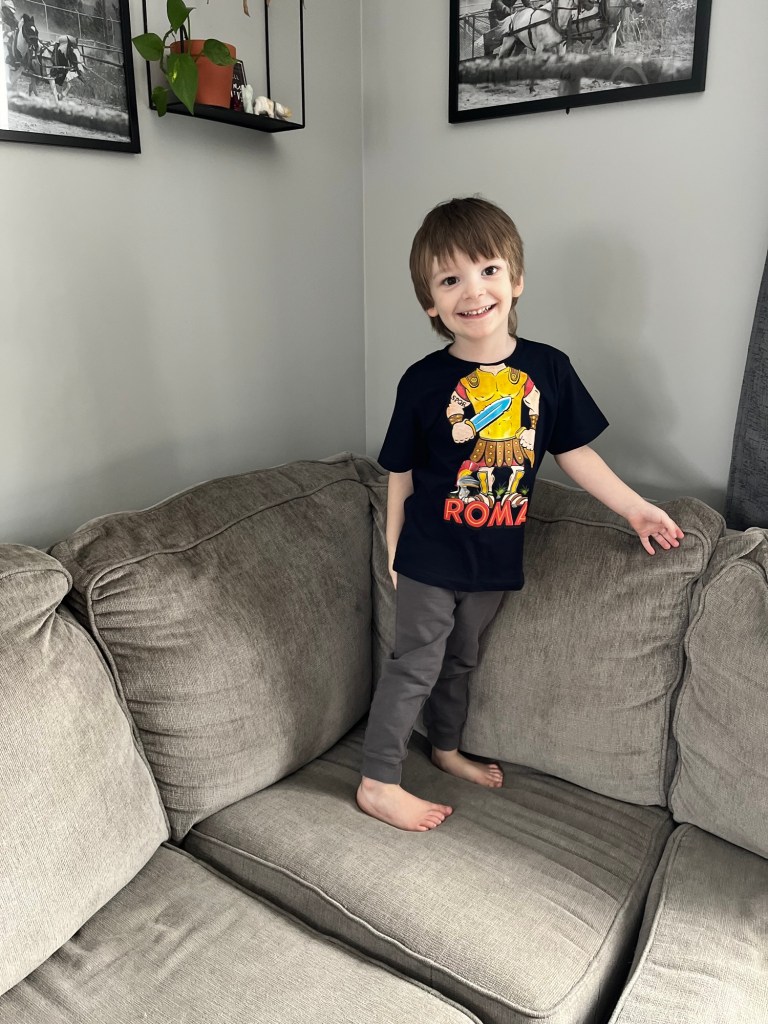
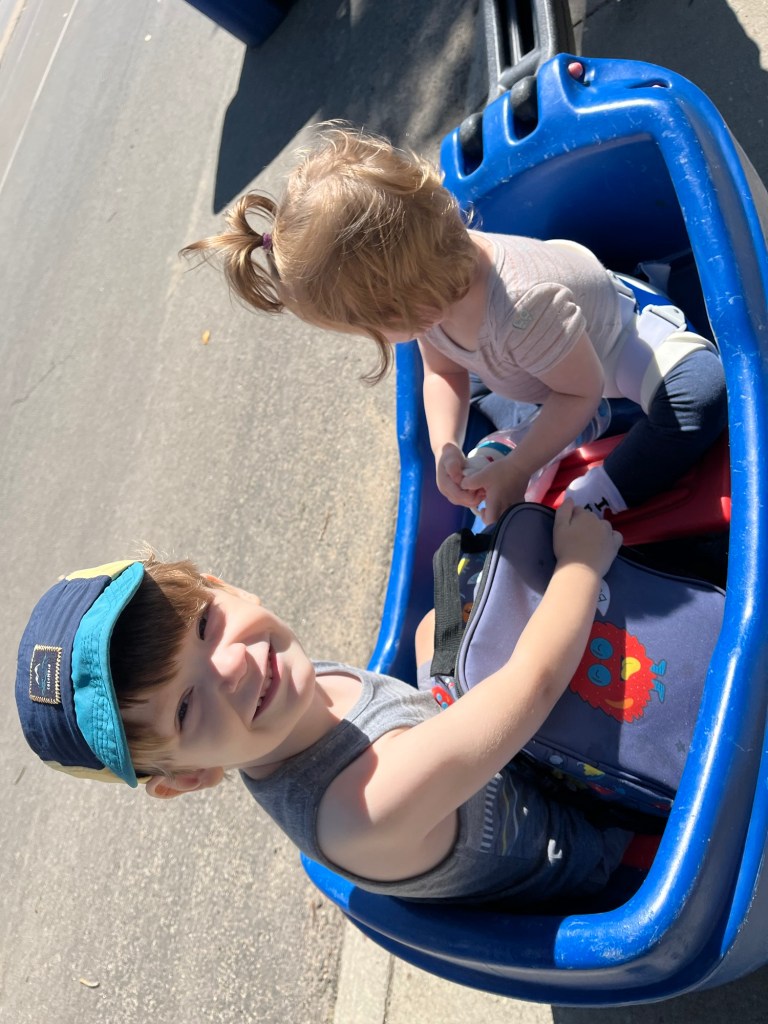
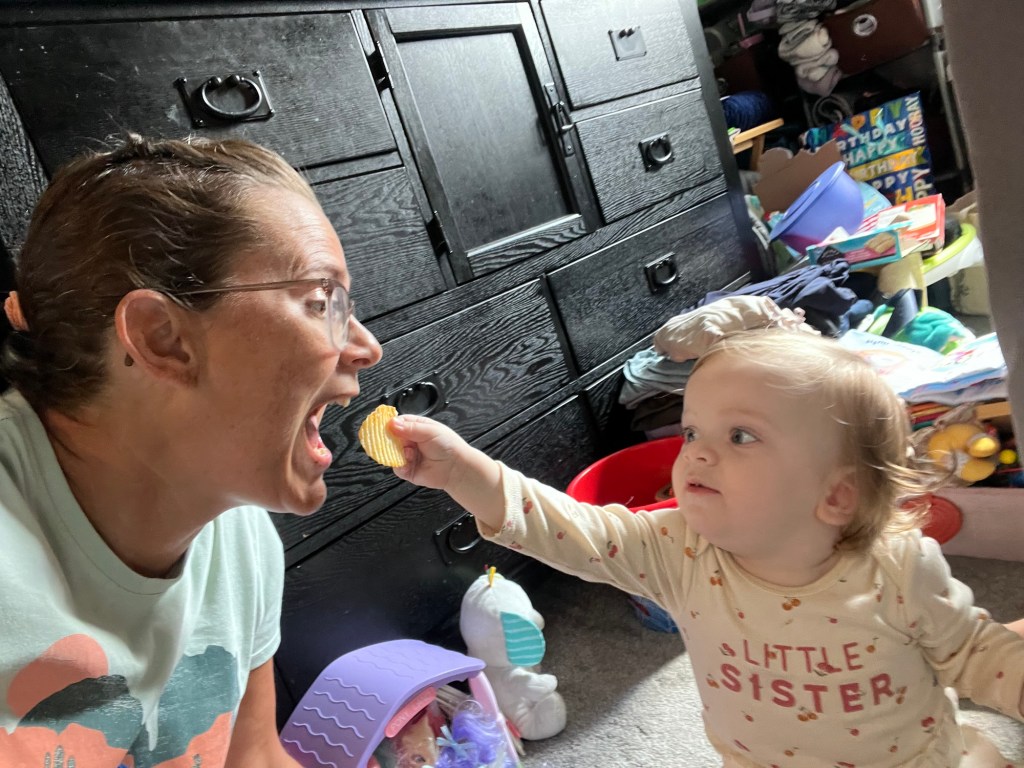
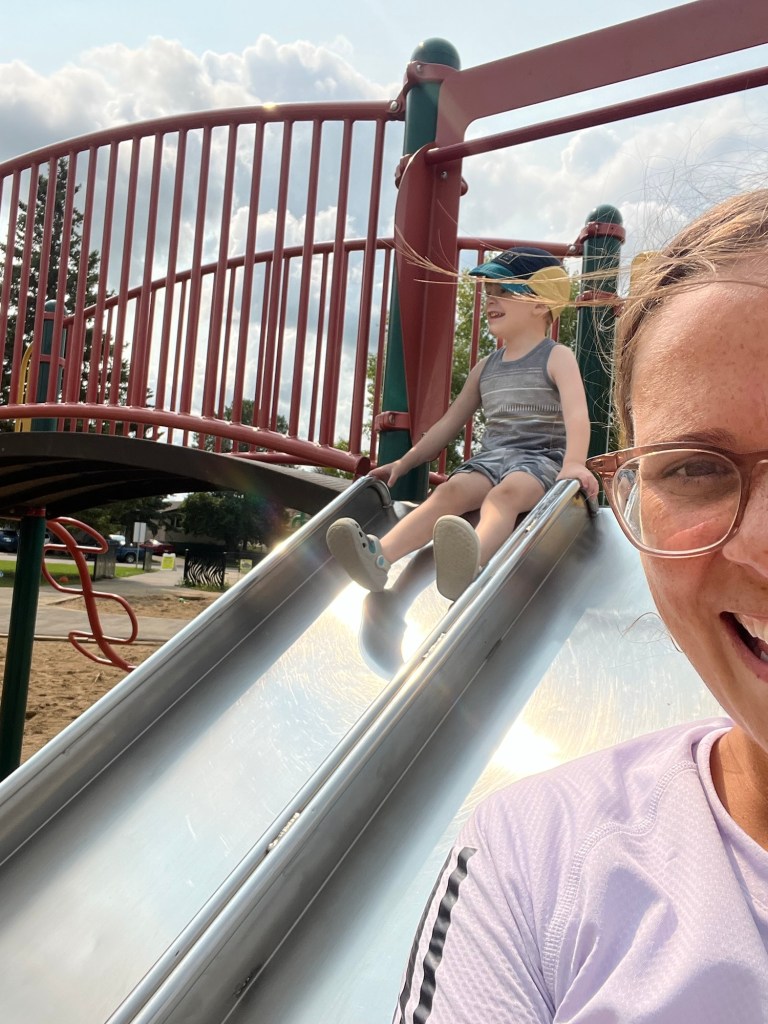
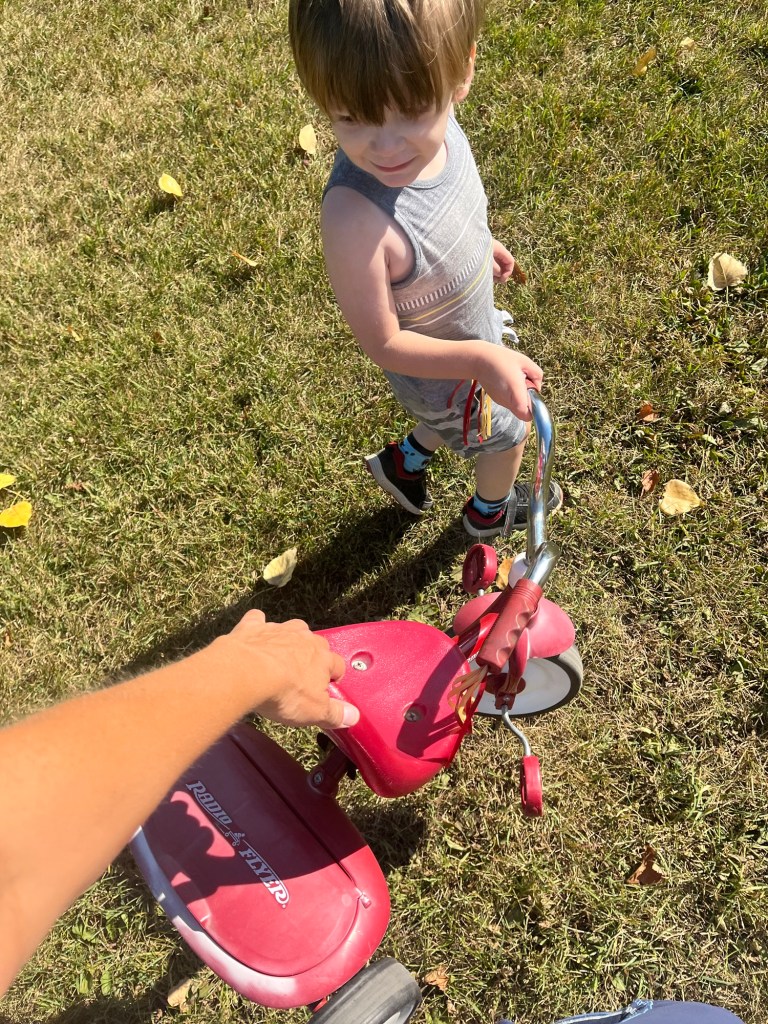
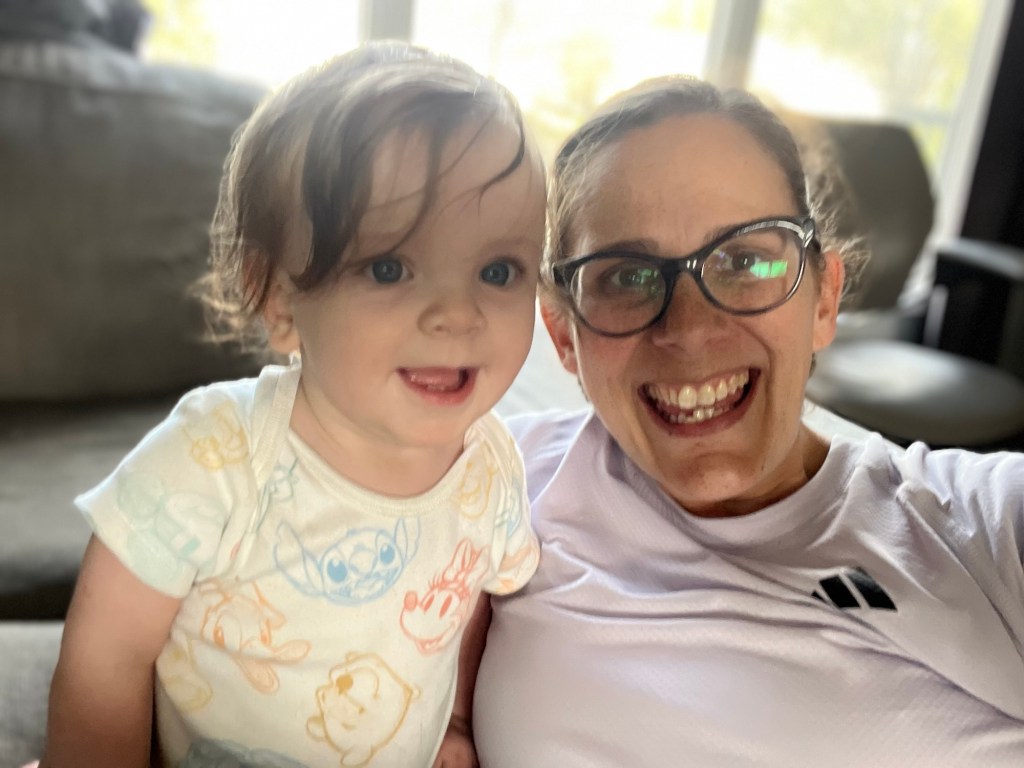
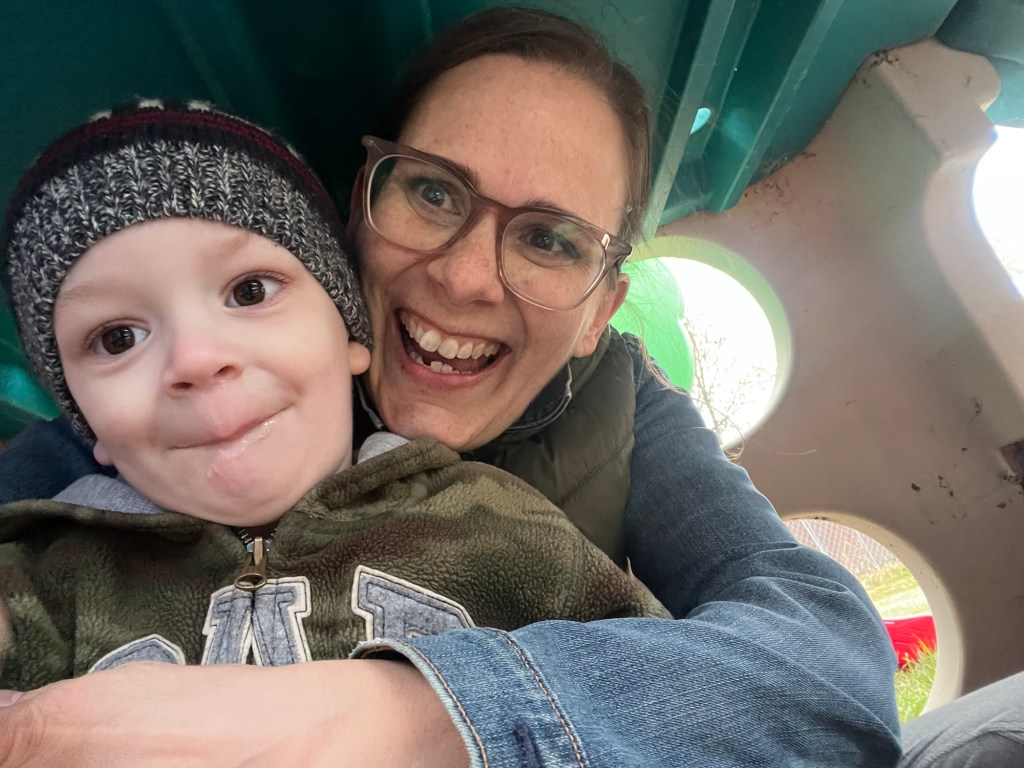
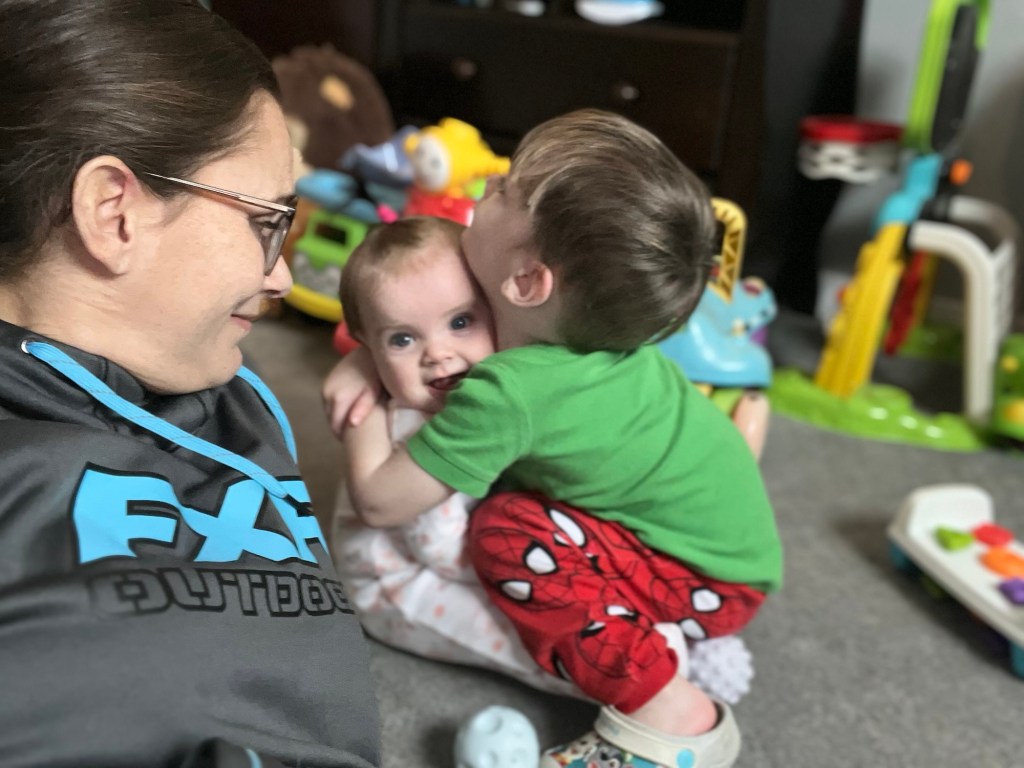
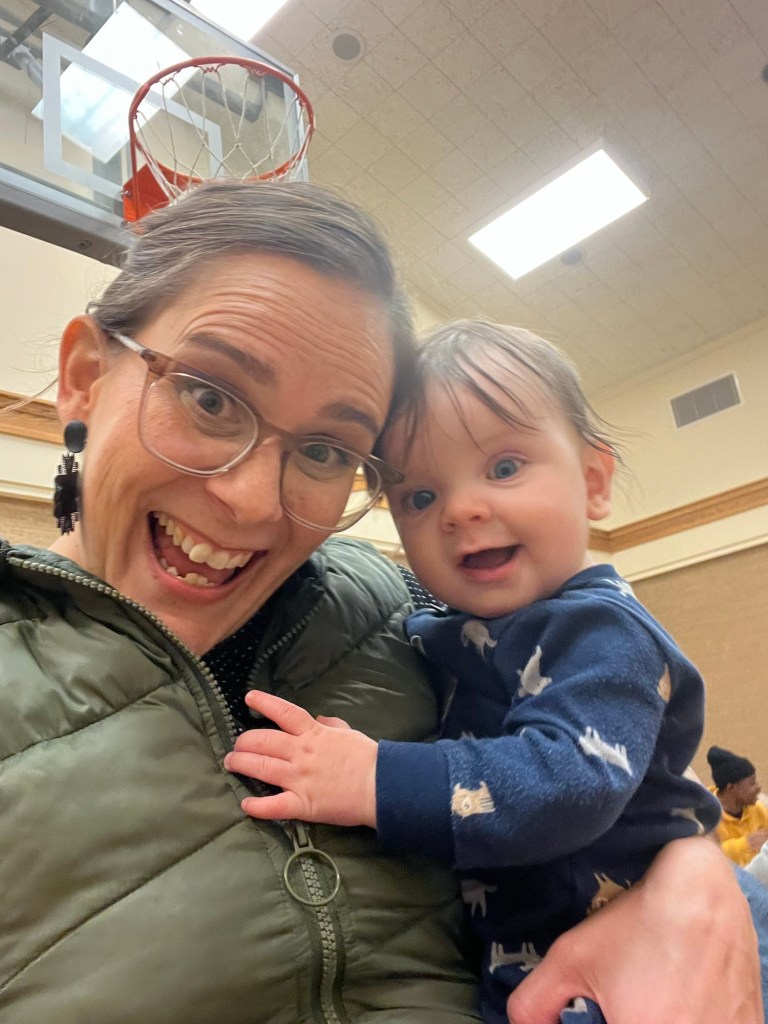
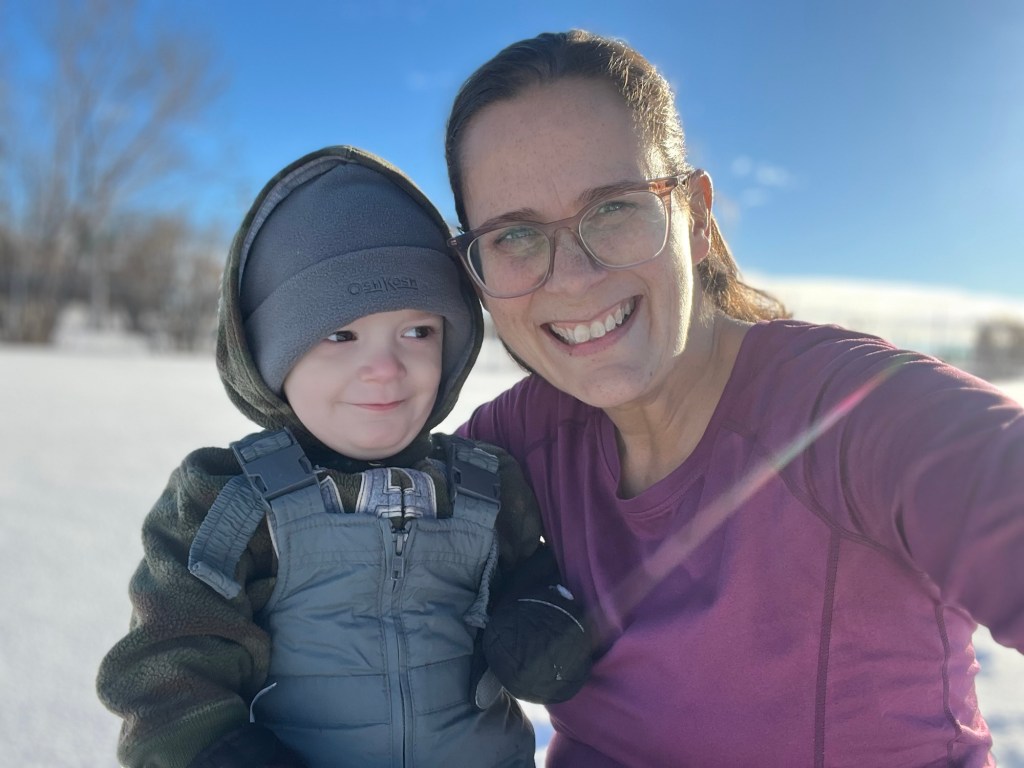
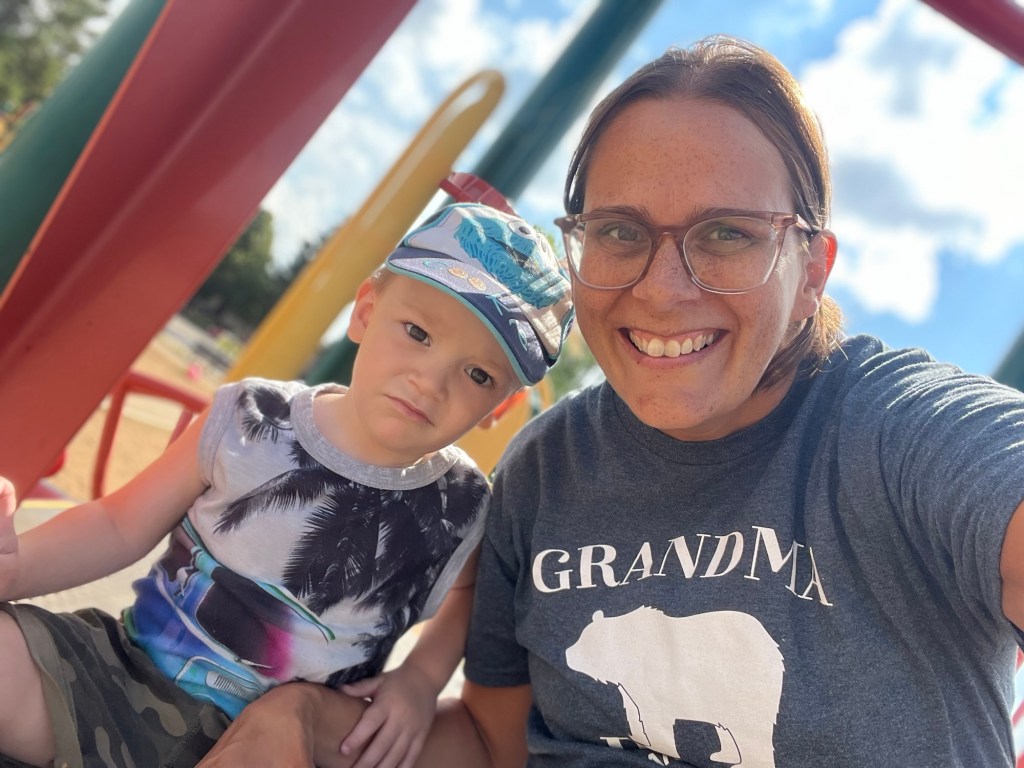
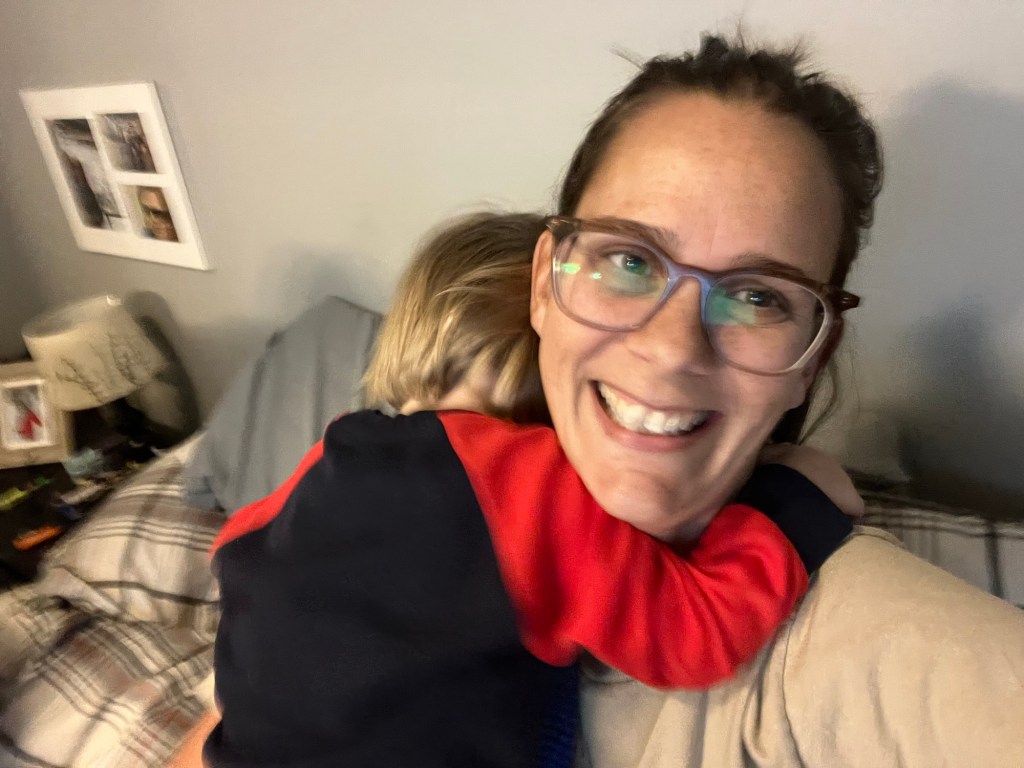
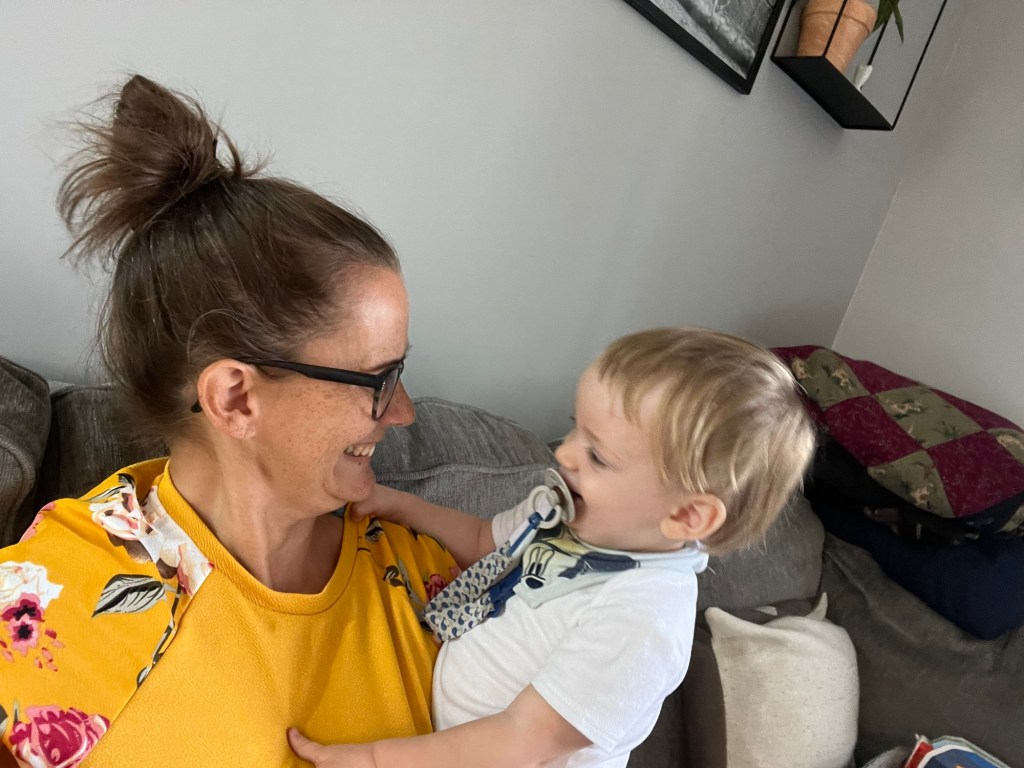
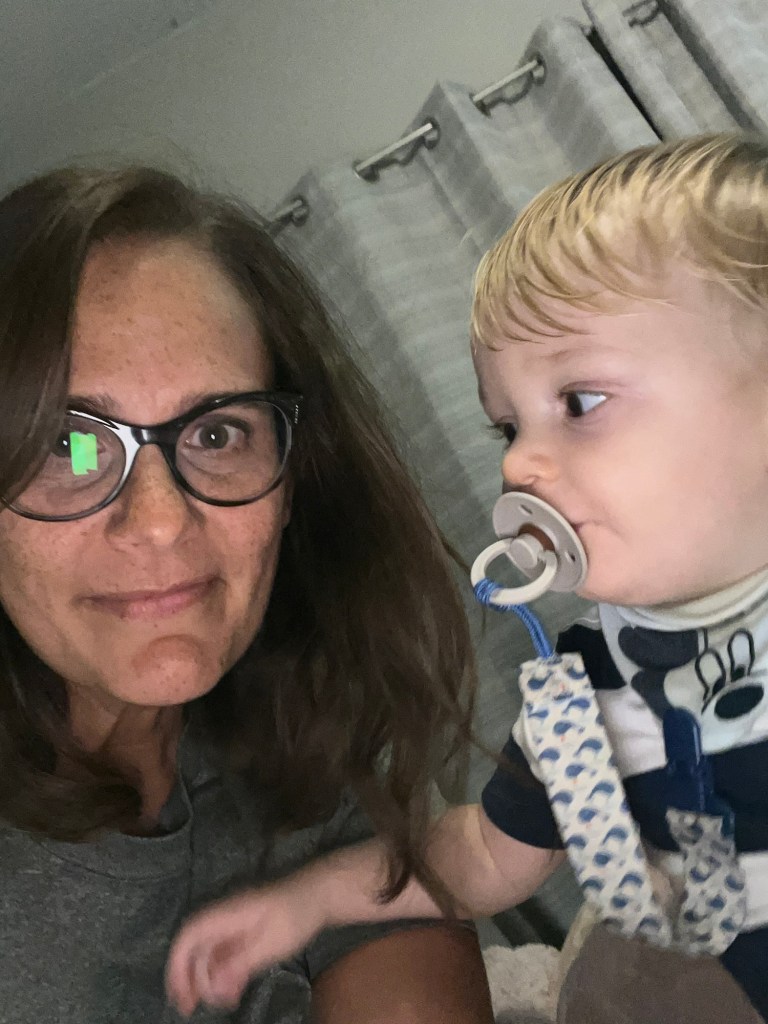
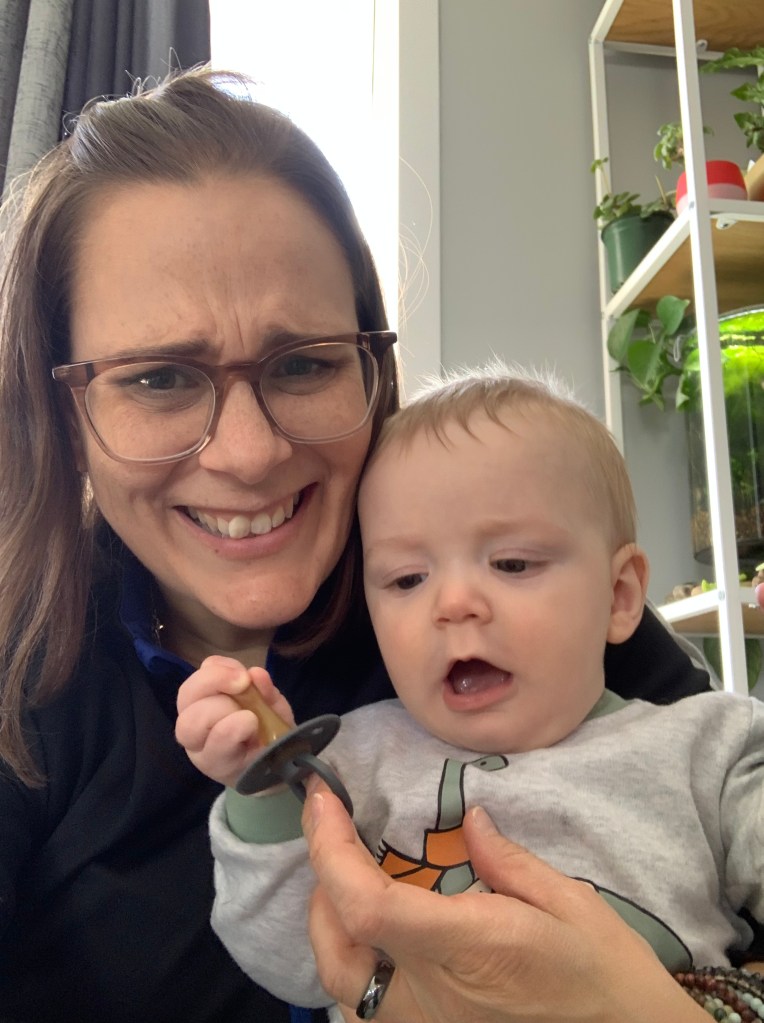
That question changed everything. And part of my answer was to focus on being a grandma. That little man I trained for months to be able to hold is going to be 4 this summer. And his equally enchanting sister will be 2. They have been the means of my greatest confrontations and of my greatest delights.

Almost like trying to enjoy your favourite therapy during a Saskatchewan winter. We take the intense highs with the intense lows.

🌲 “How do you practice forest therapy in winter?”

Winter forest therapy isn’t about long hikes. It’s about being present in the moment.

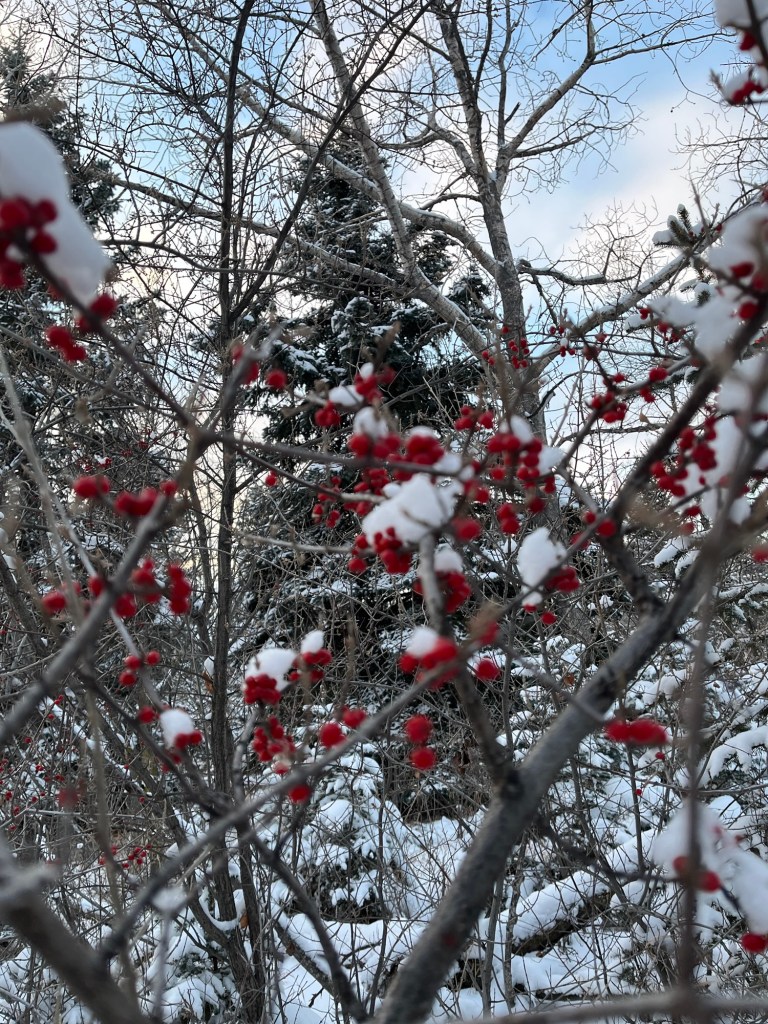
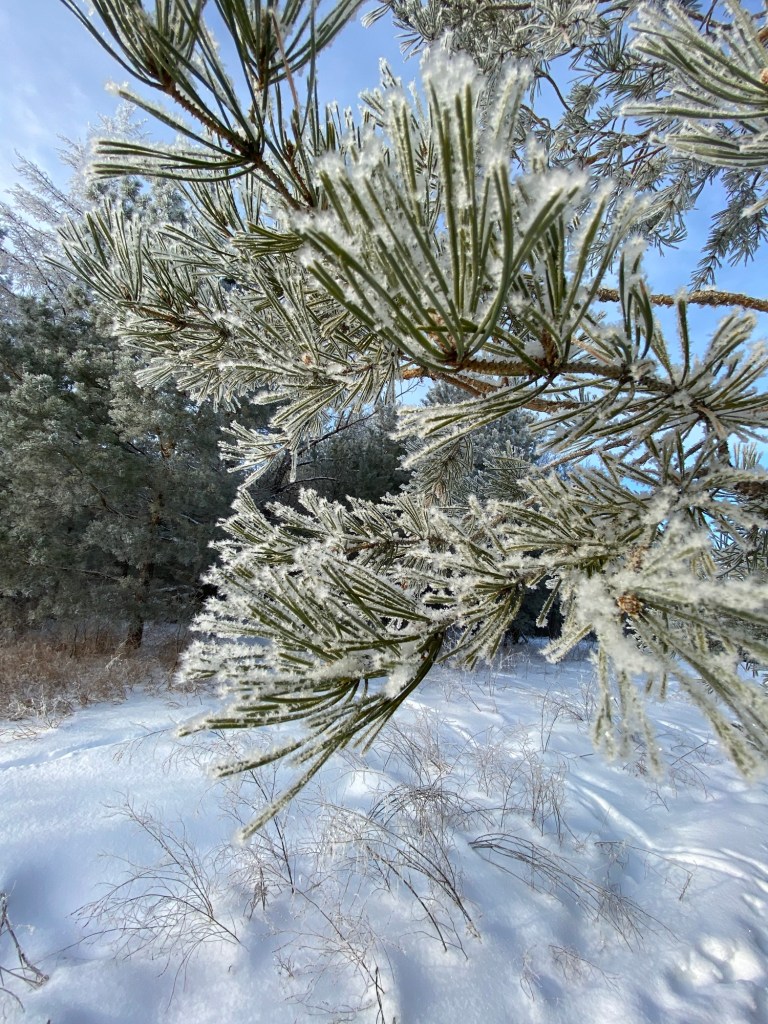
Notice how snow softens sound. Notice how your breath becomes visible. Notice how even in dormancy, life is stored beneath the bark and soil.

I have come to the realization that the forest in winter mirrors chronic pain. Nothing looks alive. Nothing appears to be blooming. But beneath the surface, systems are conserving and recalibrating.

Strength. Resilience. Wisdom.

Spring doesn’t shout when it arrives. It begins as a spark. An idea.

A drop. A thaw.

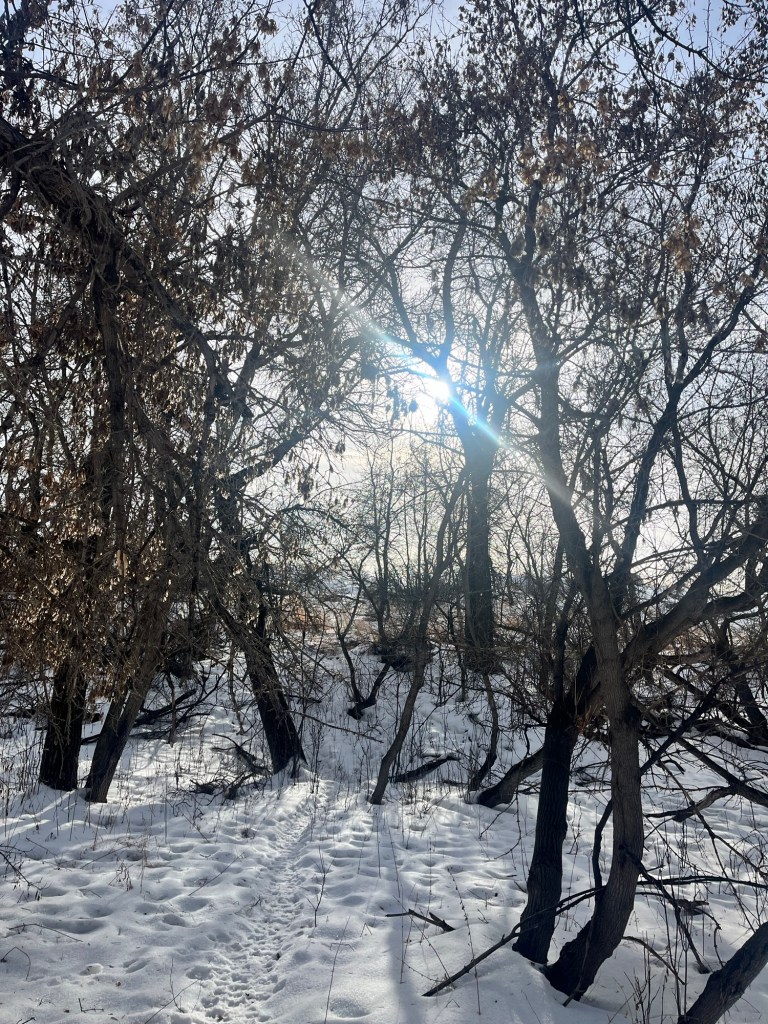
A beam of light catching ice and reflecting its warmth.

The same is true in us. Your good days are coming.

Sometimes we have to trust that promise for a long time before we see it.

Even if all you’ve seen is a spark.

That spark will become a light. That light will become a beam.

That beam becomes you, reflecting what you’ve learned onto someone else.

🌿 A Simple Winter Forest Therapy Practice

Trusting the Season (10–15 Minutes)

  • Step outside, even if just to your yard or a nearby tree line.
  • Stand still. Feel your feet grounded in frozen earth.
  • Place one hand over your heart. One over your belly.
  • Take three slow breaths. Watch the air leave your body.
  • Ask quietly: What season am I in?
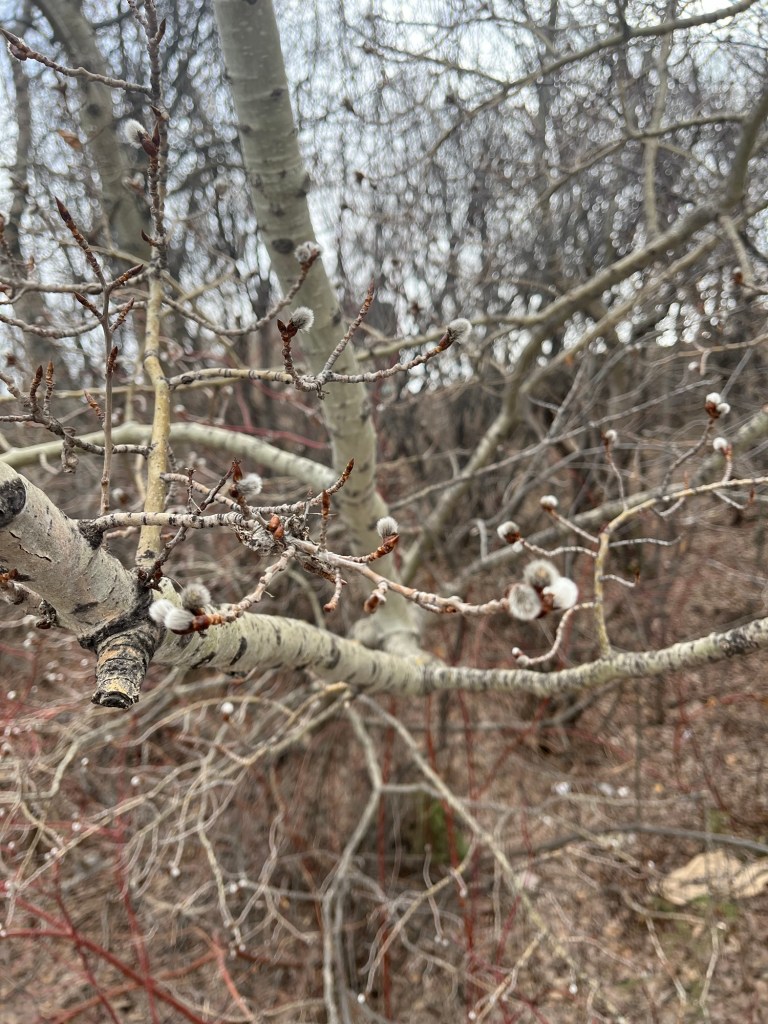
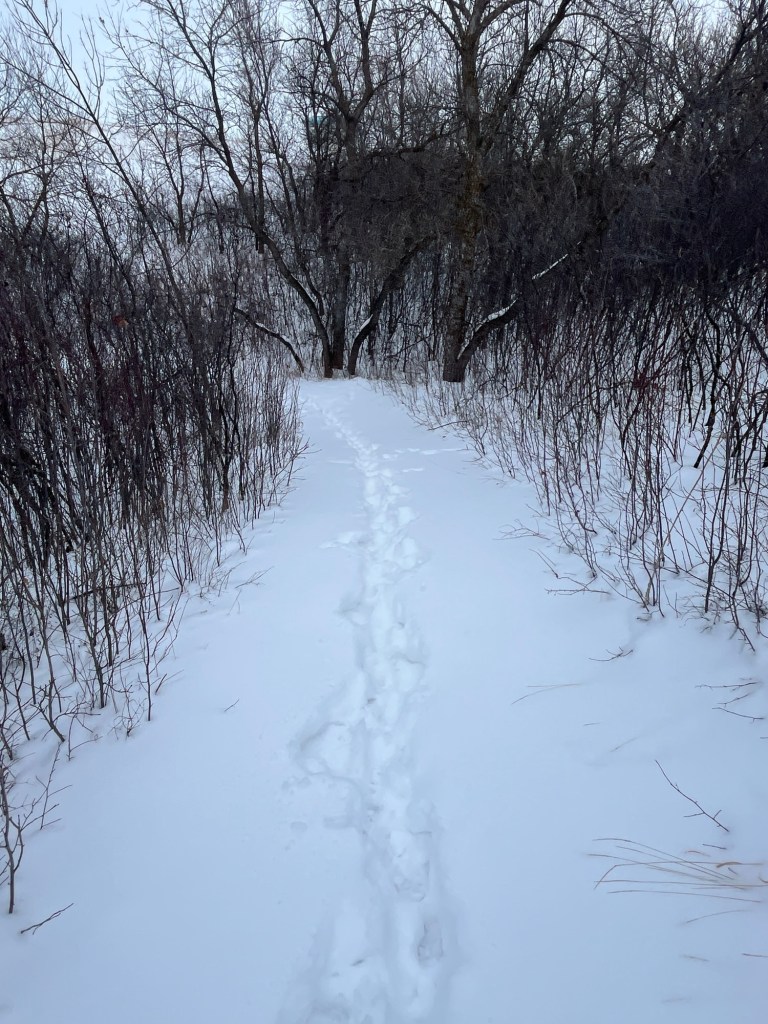
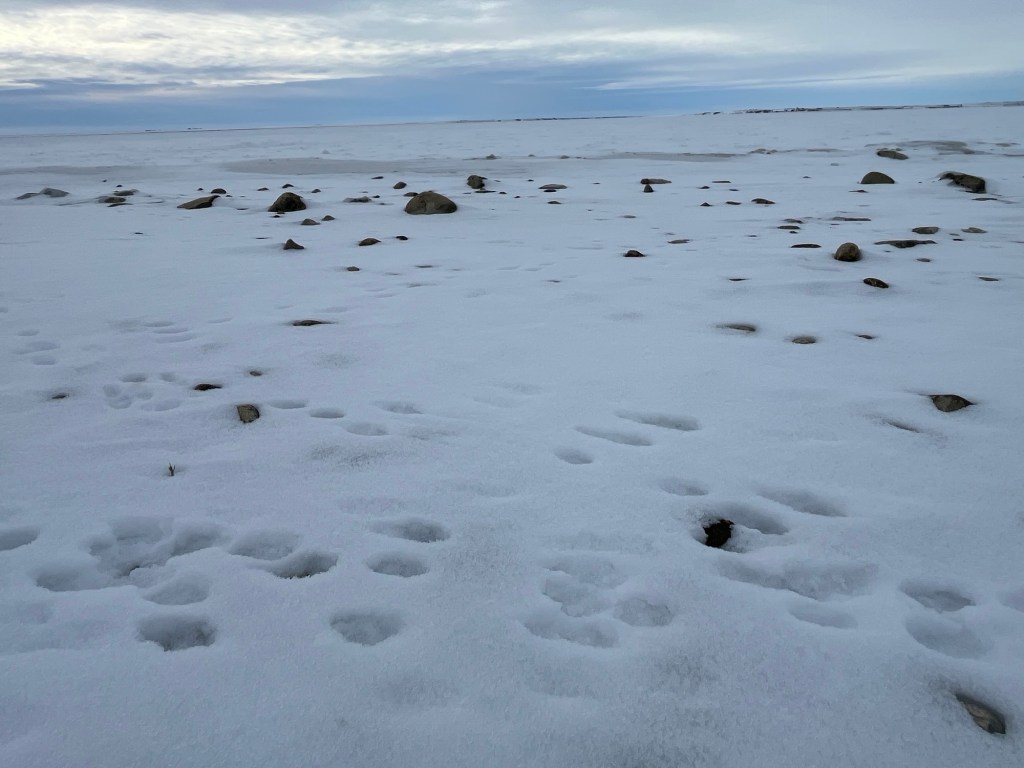
  • Look for one sign of hidden life. Buds beneath bark, tracks in snow, sunlight on ice.
  • Whisper: Spring has come before. It will come again.
  • When ready, take that sentence home with you.

🌲 What Makes Forest Therapy Different From Hiking?

Hiking is about distance. Forest therapy is about experiencing relationships.

You don’t conquer the mountain. You learn from it.

And when you fall (as we all do) you get back up.

Keep climbing. Fall after fall. Flare after flare.

Keep reflecting hope and joy in the middle of the mess. It’s possible.

Anne Lamott defines hope not as naive optimism but as a stubborn choice to believe in goodness and possibilities, especially during dark, uncertain times.

🩶 If you’re reading this from under grey prairie skies, remember:

The trees are not worried about spring. They trust the tilt of the earth. They trust that light and warmth will return.

You can trust too. Your good days are coming. There are bright days ahead.

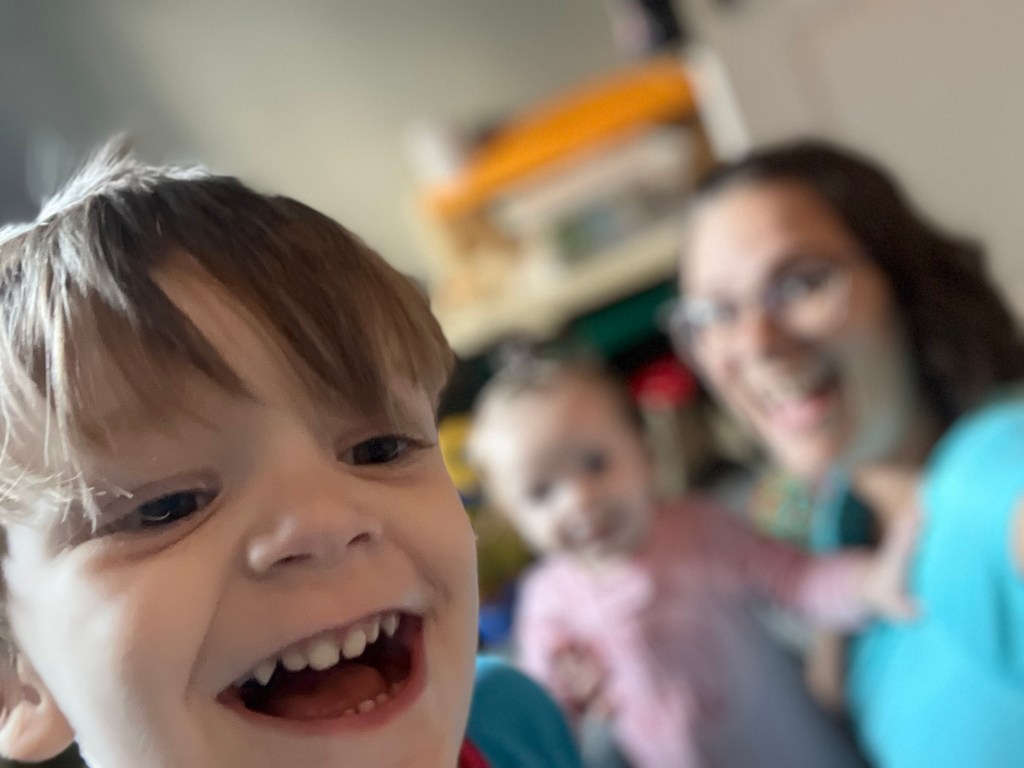
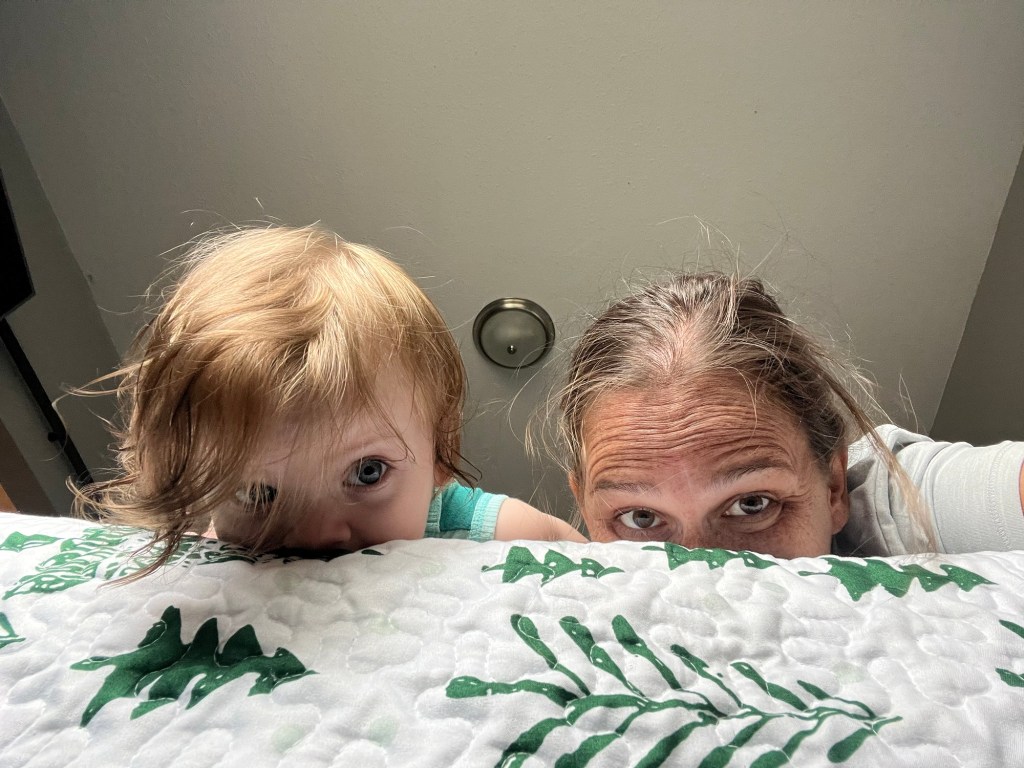
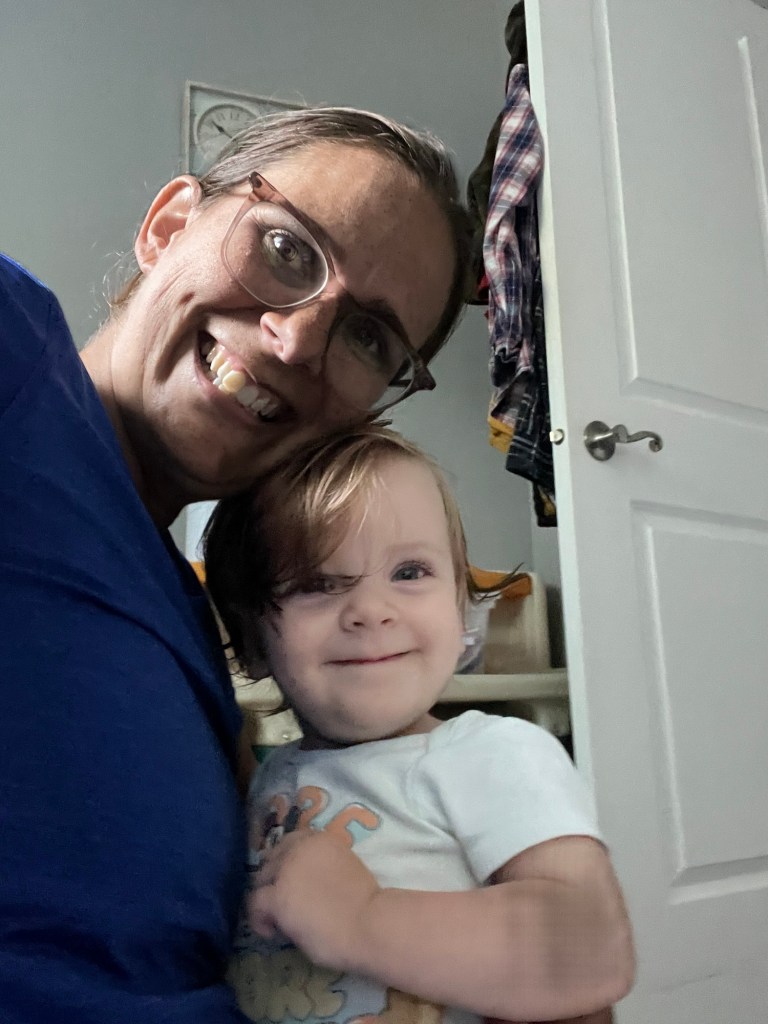
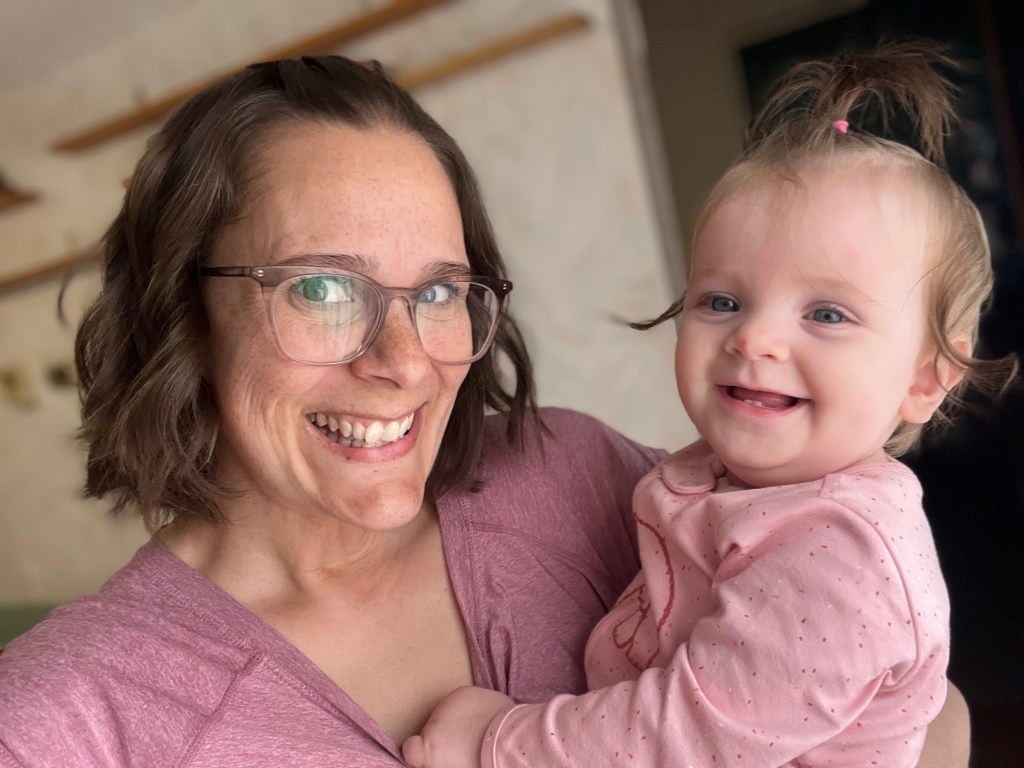
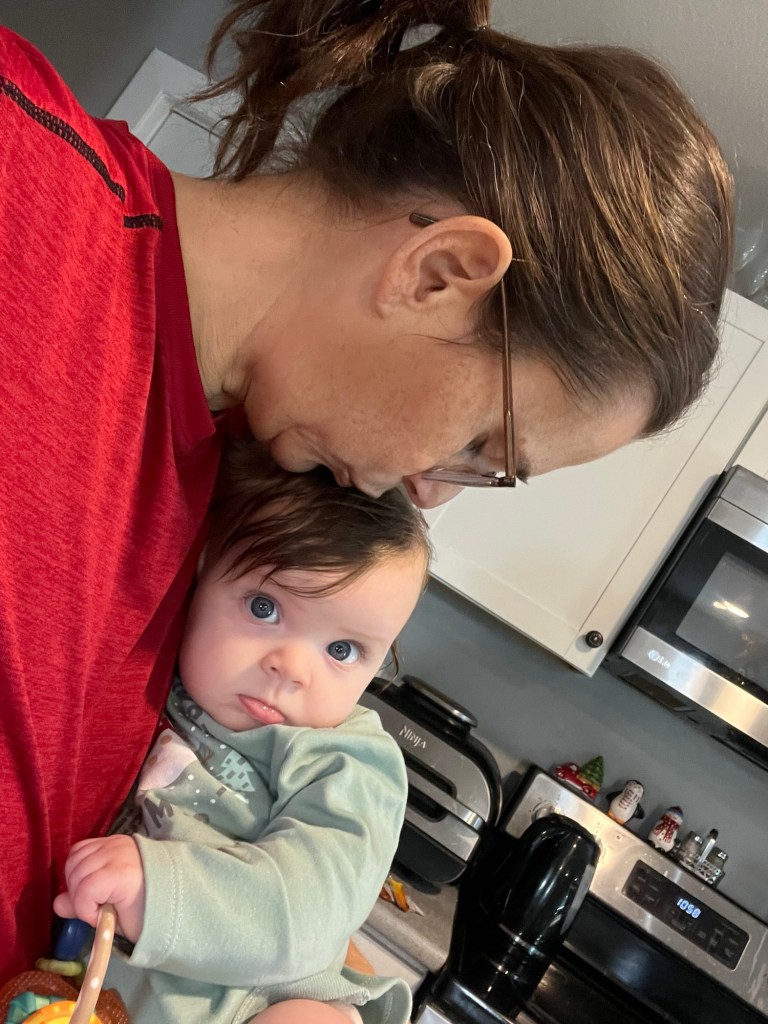
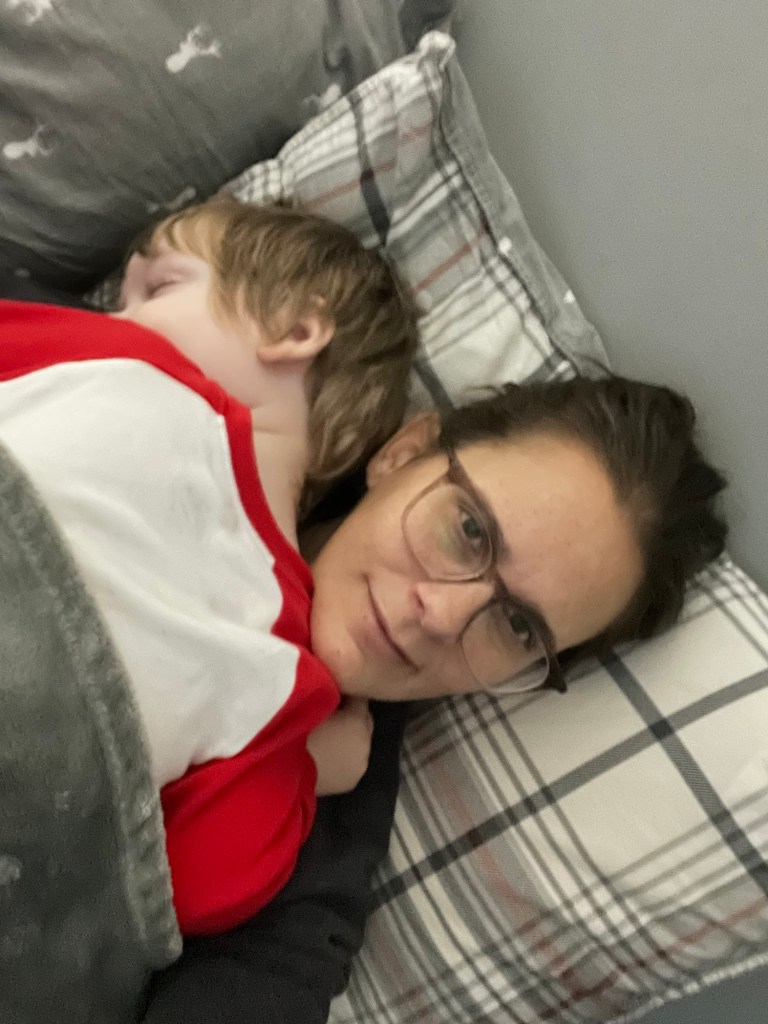
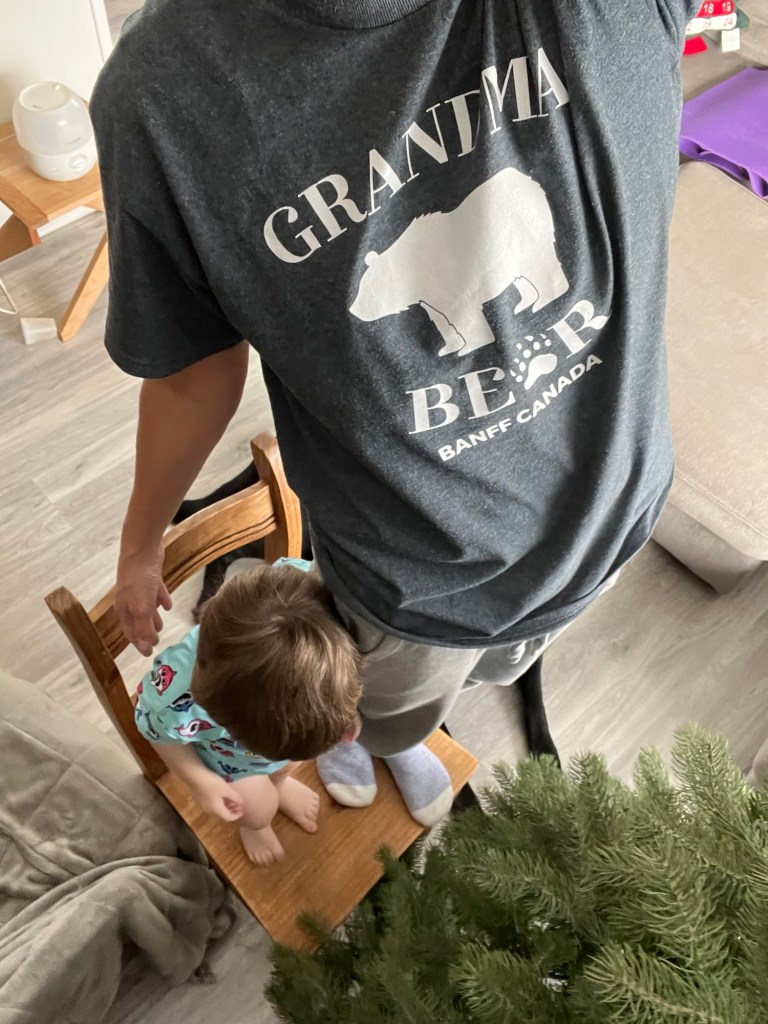
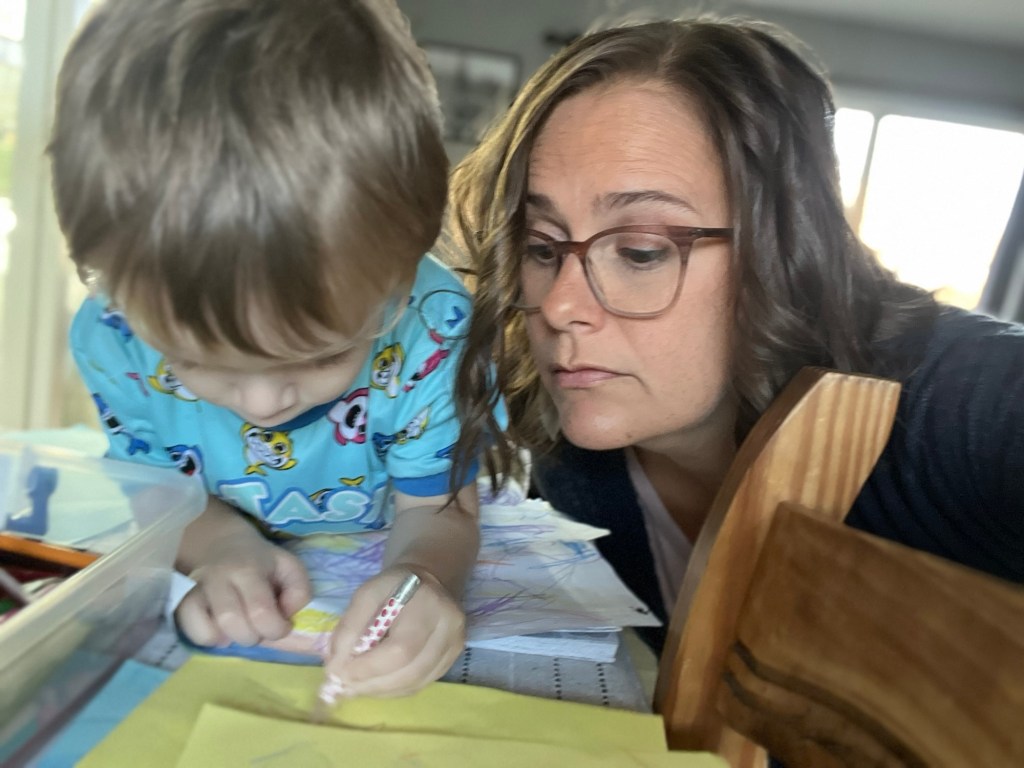
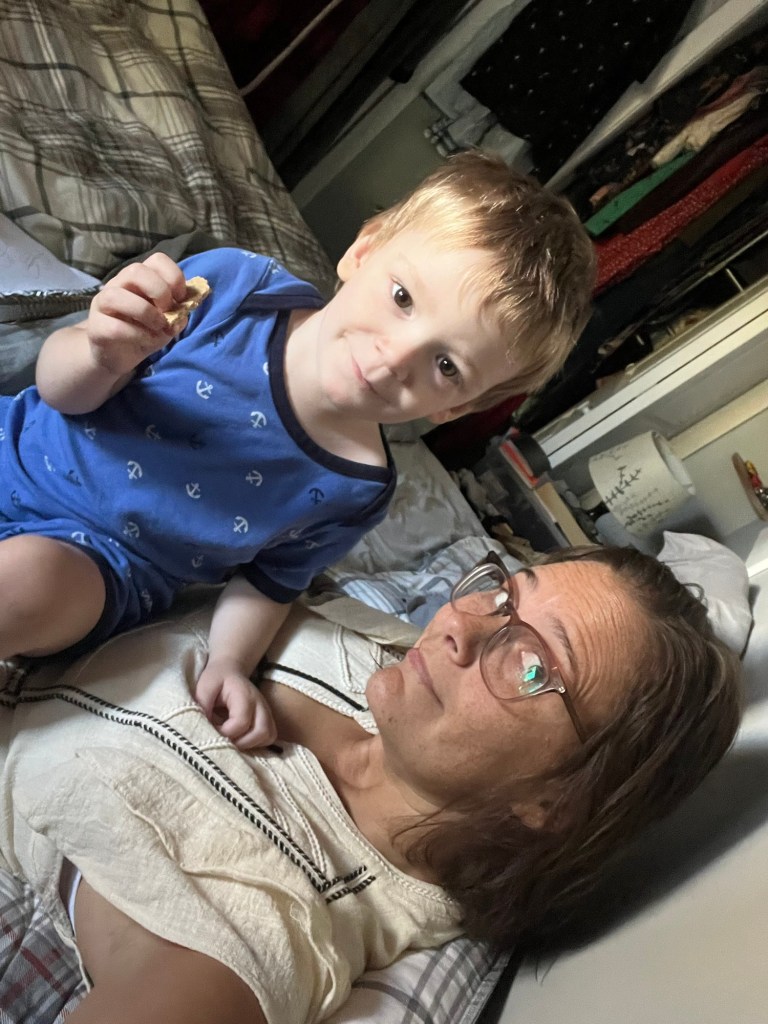
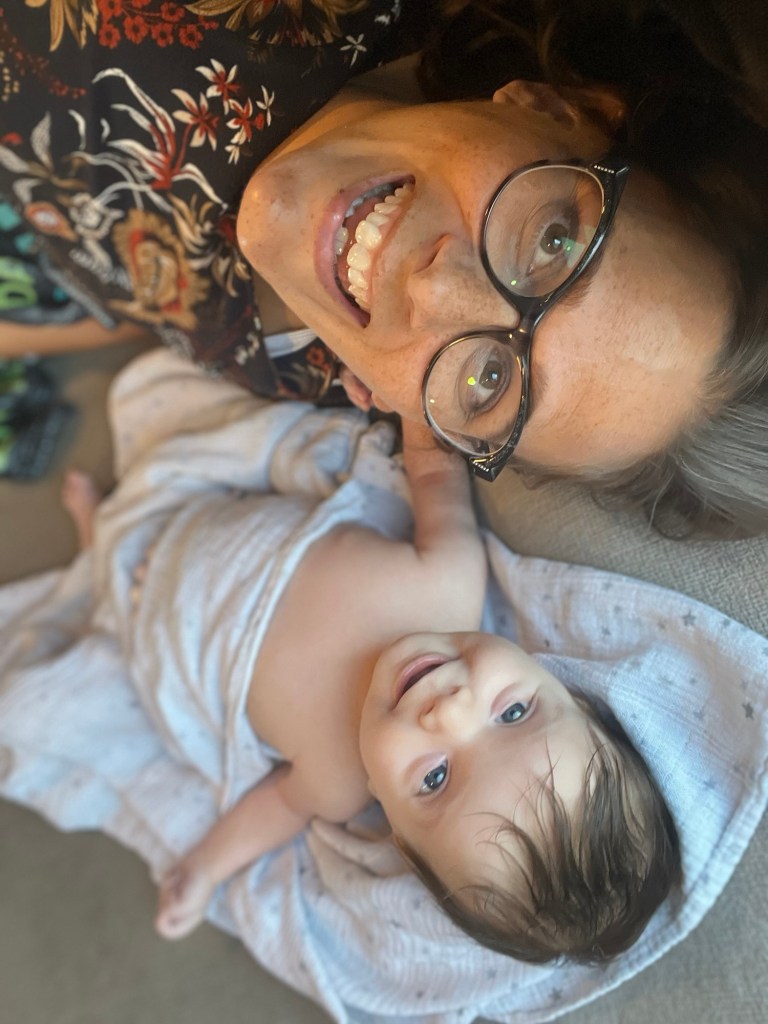
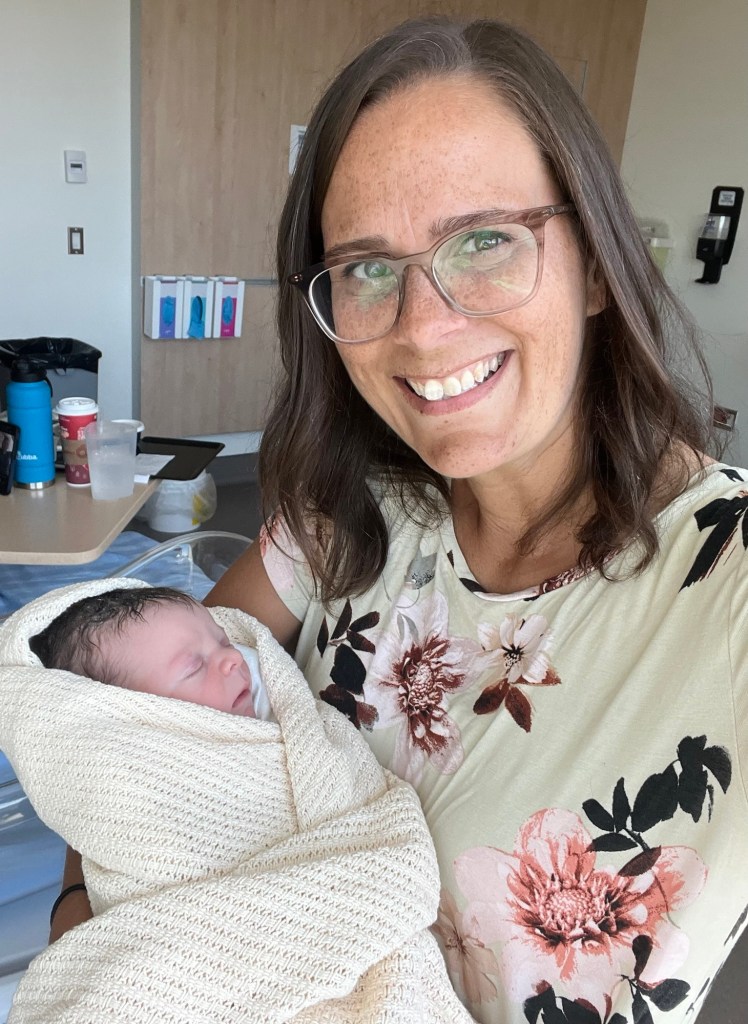
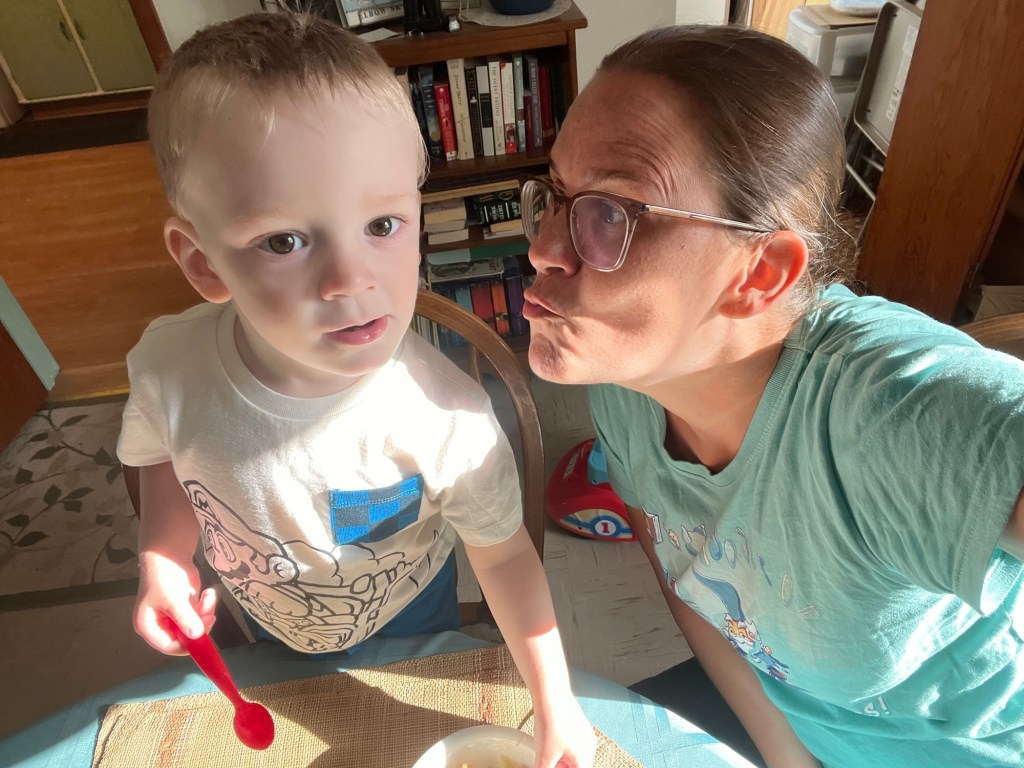
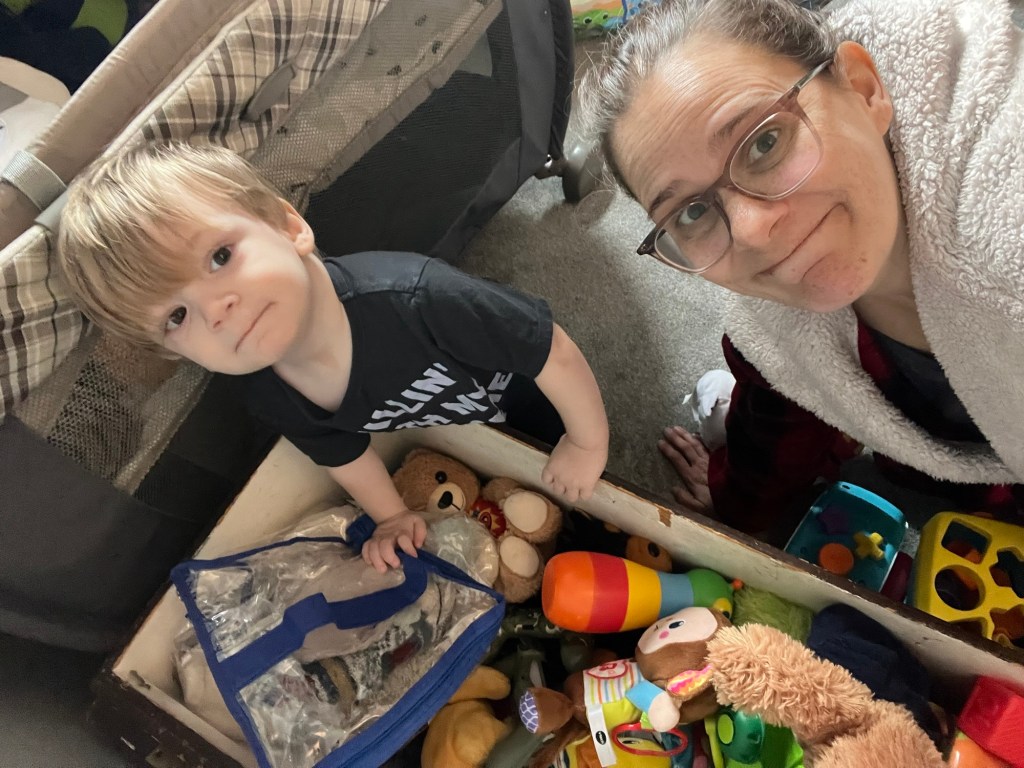
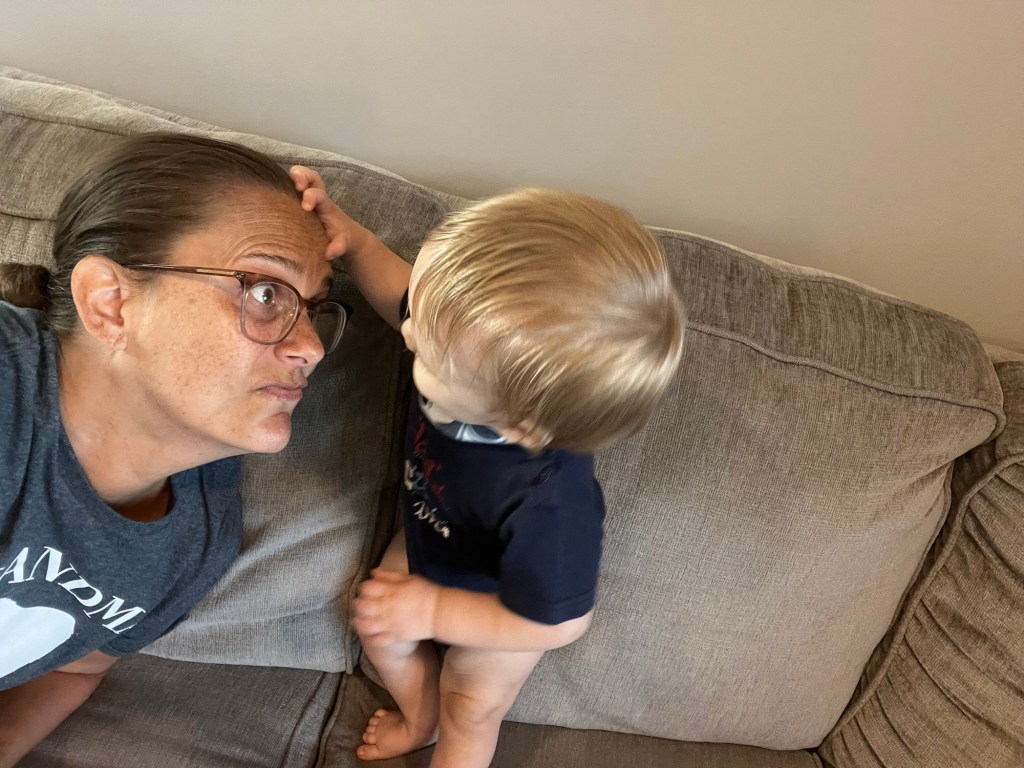
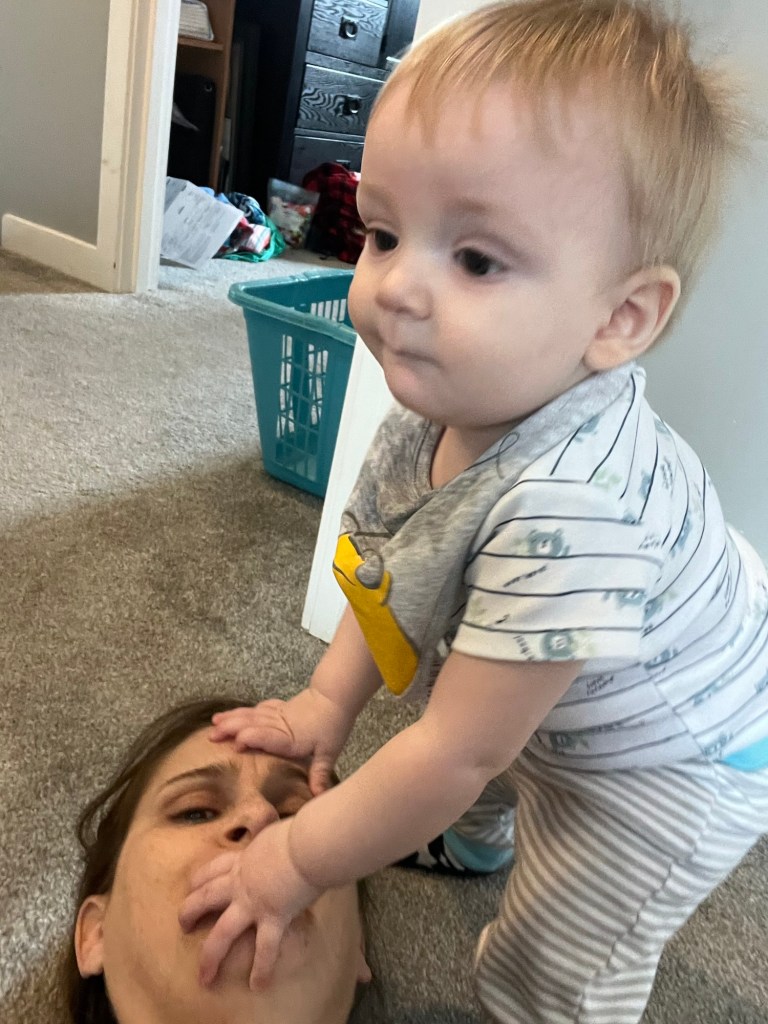
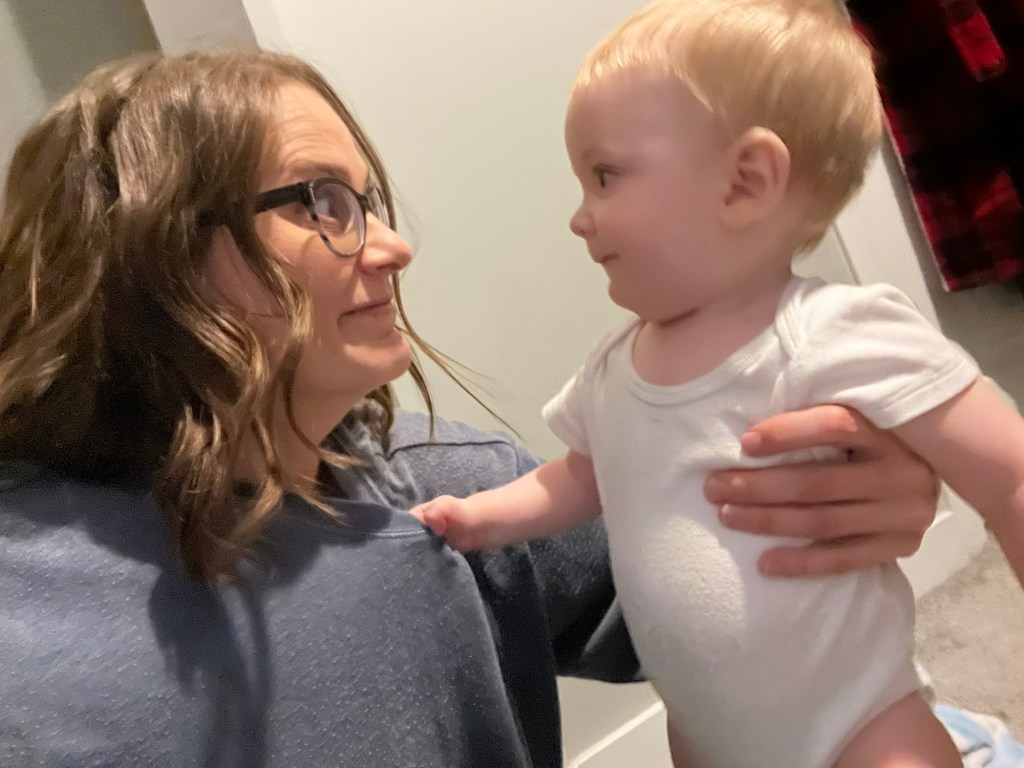
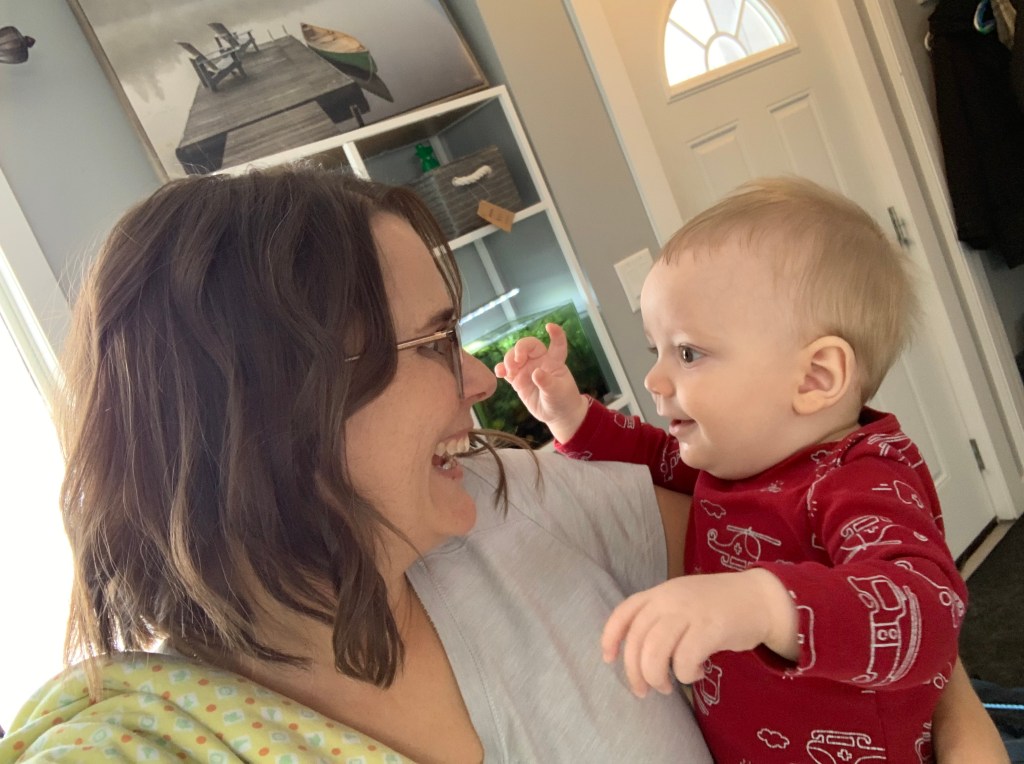
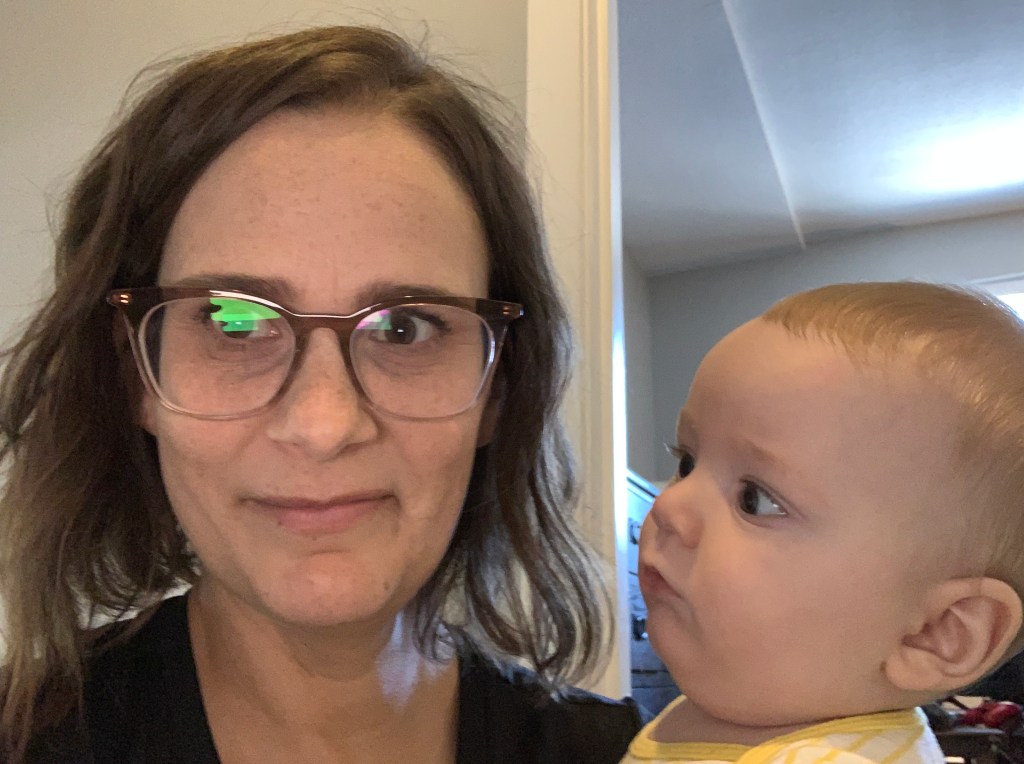
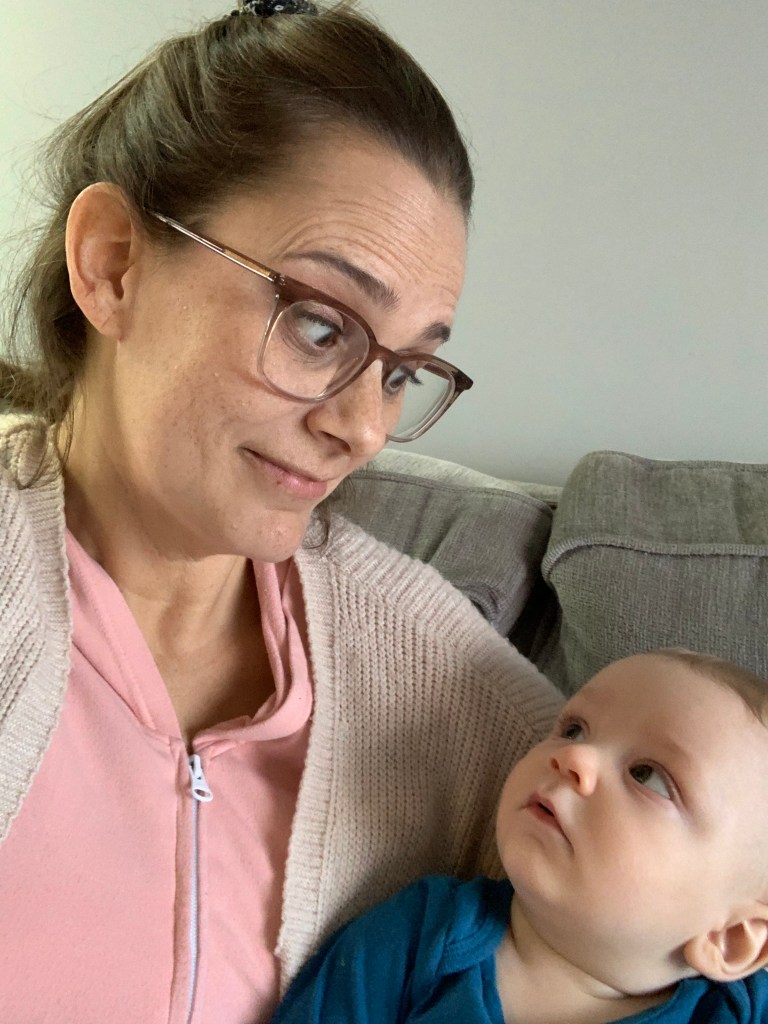
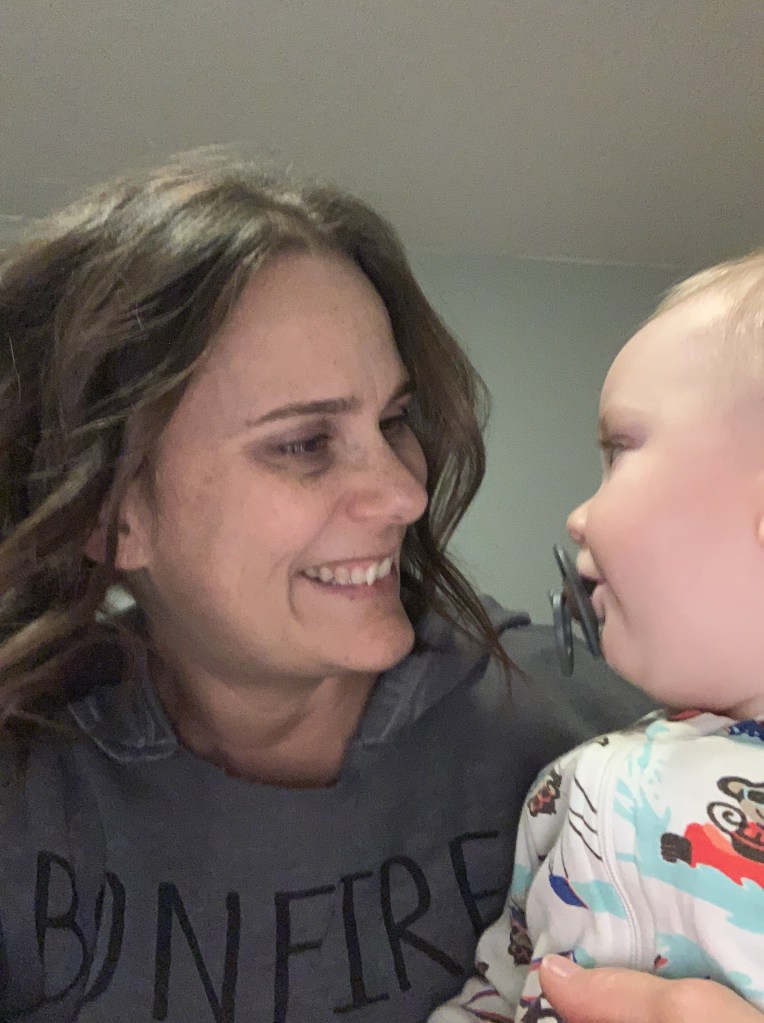
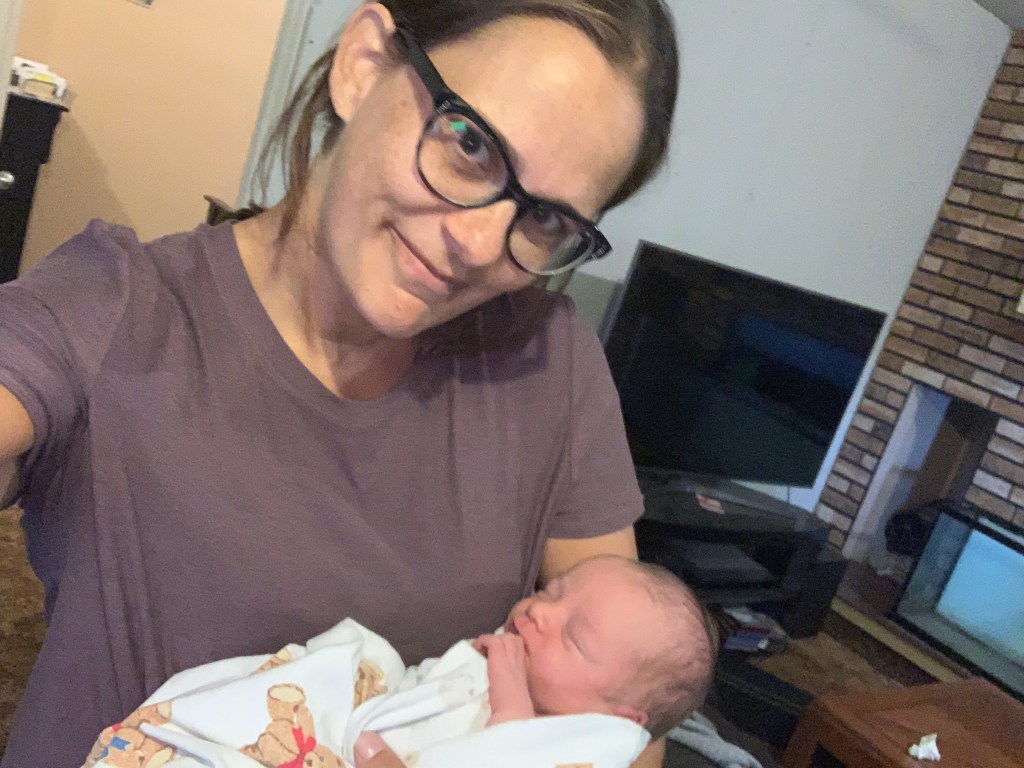
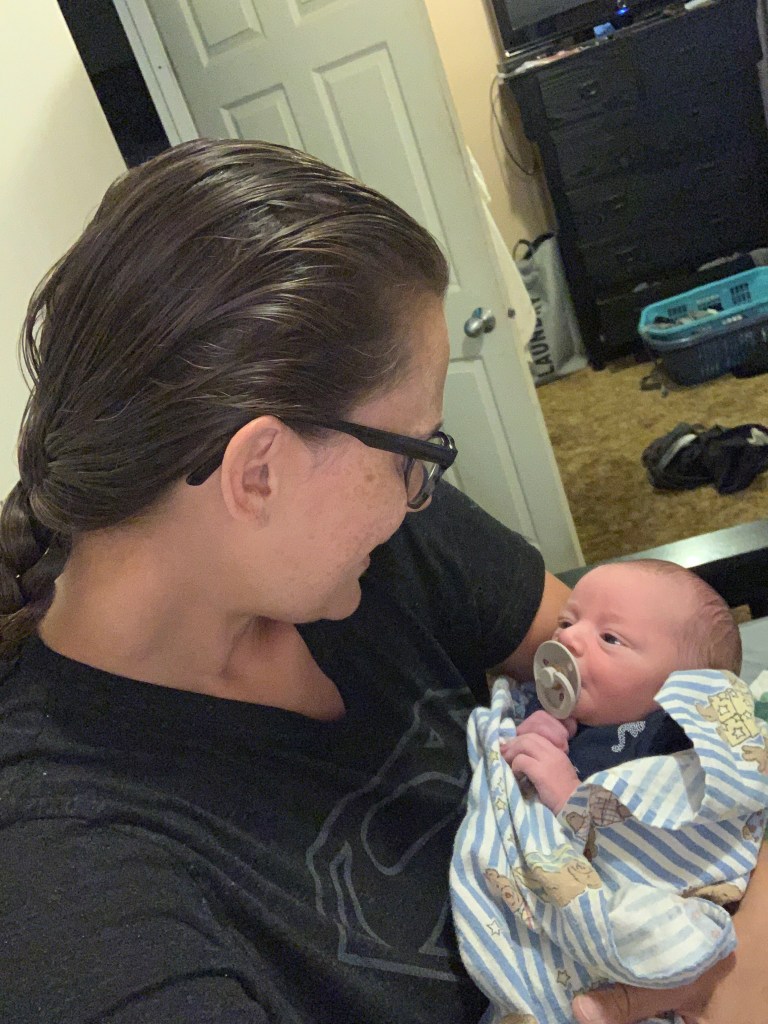
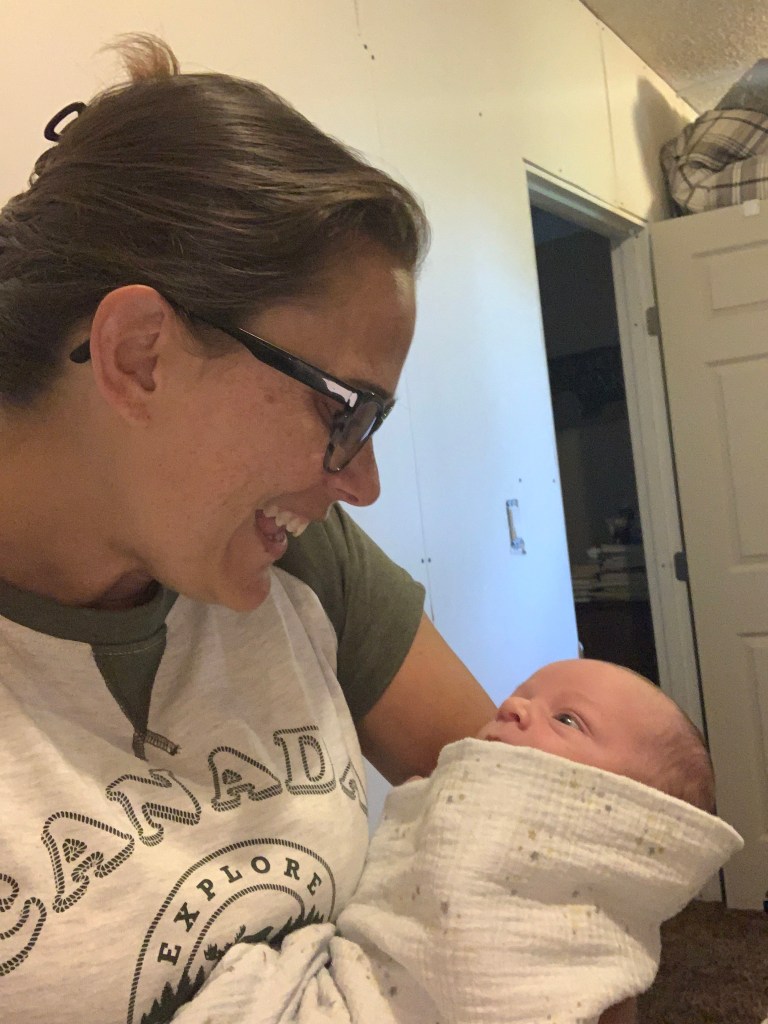
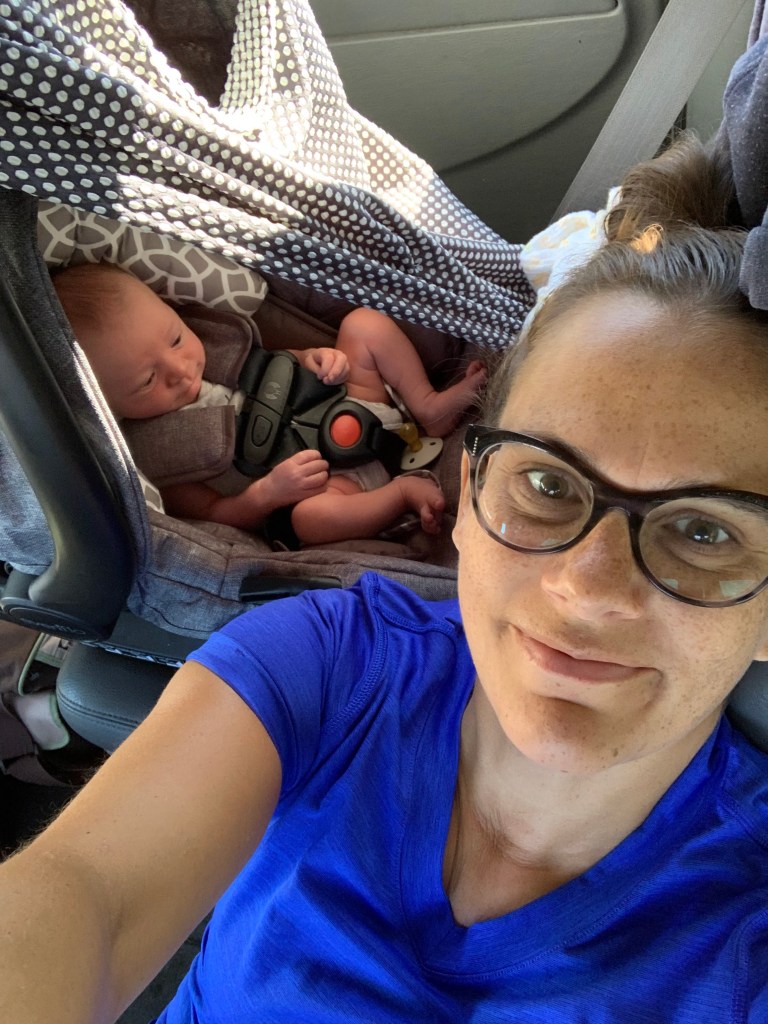
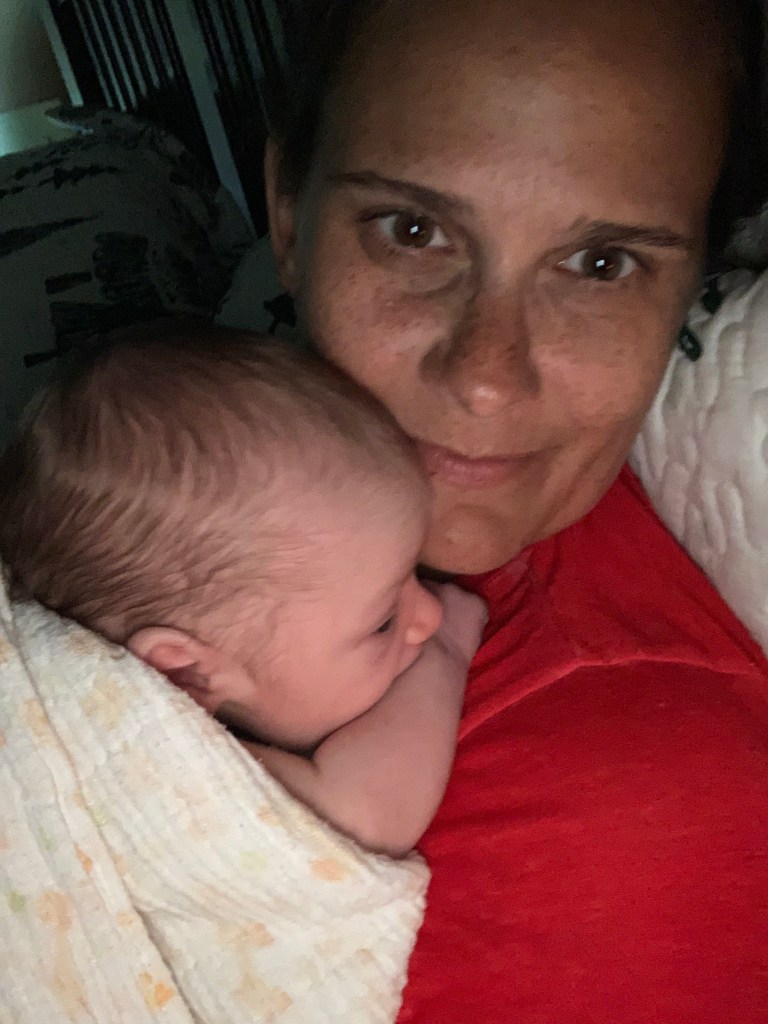
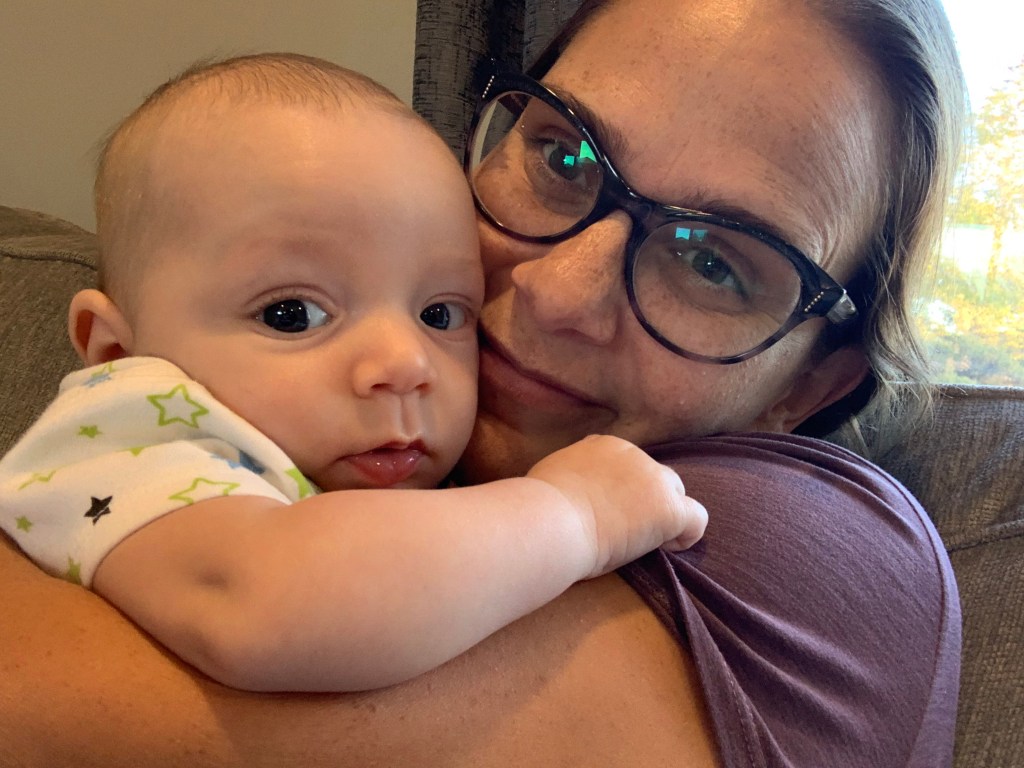
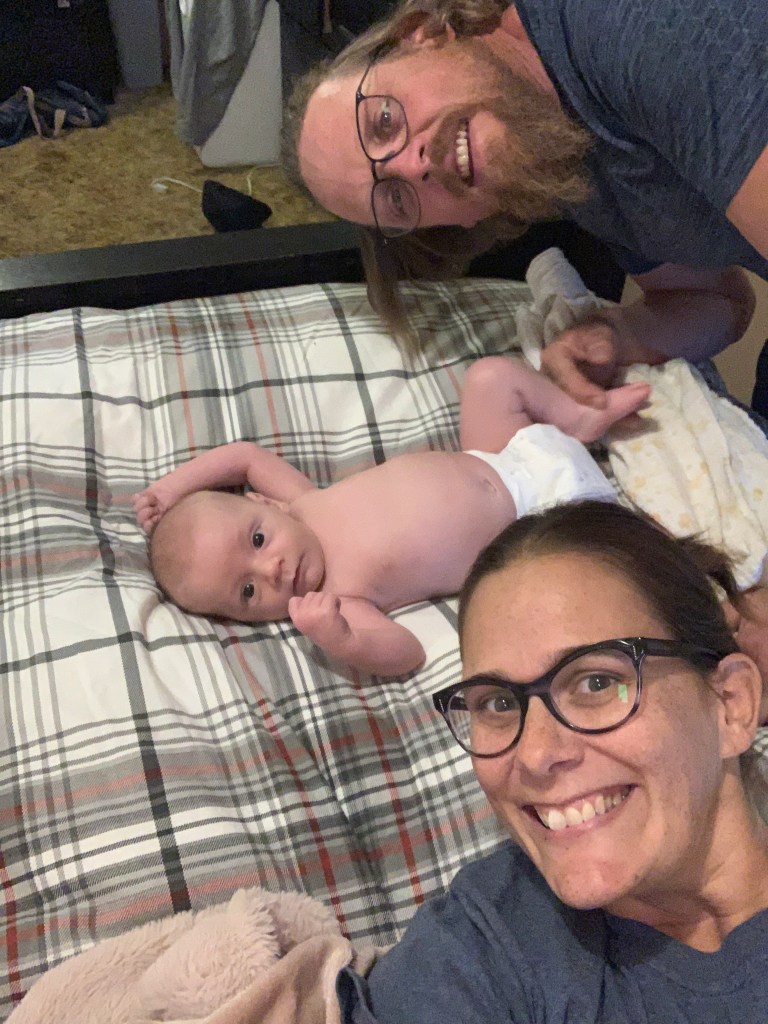
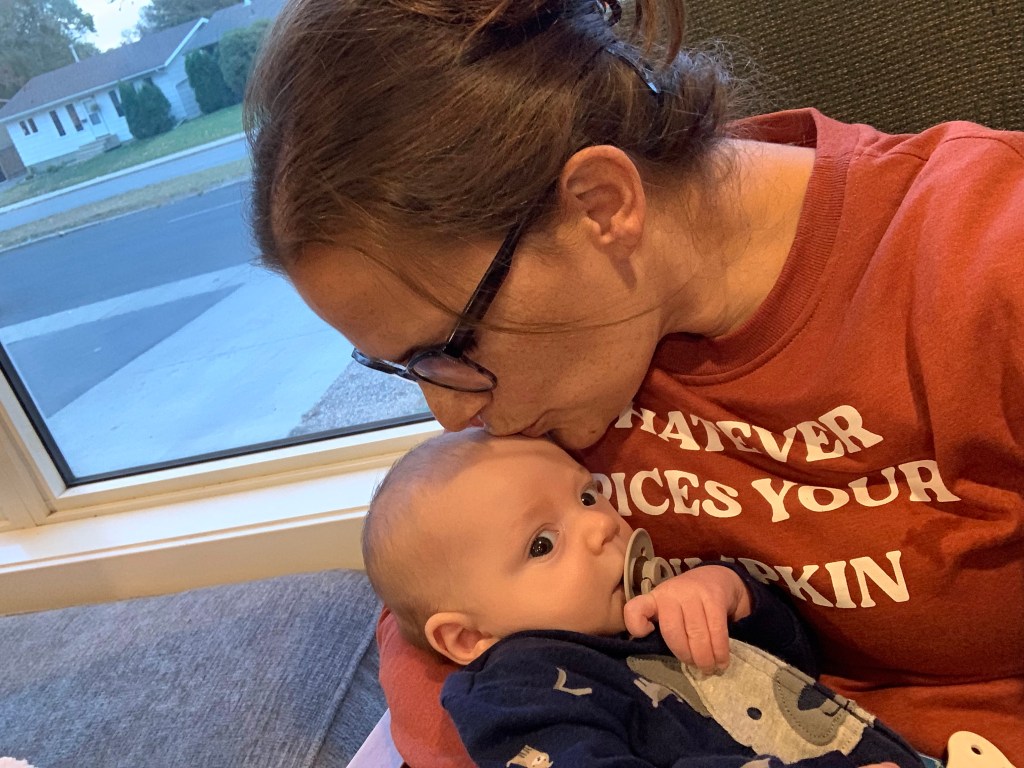
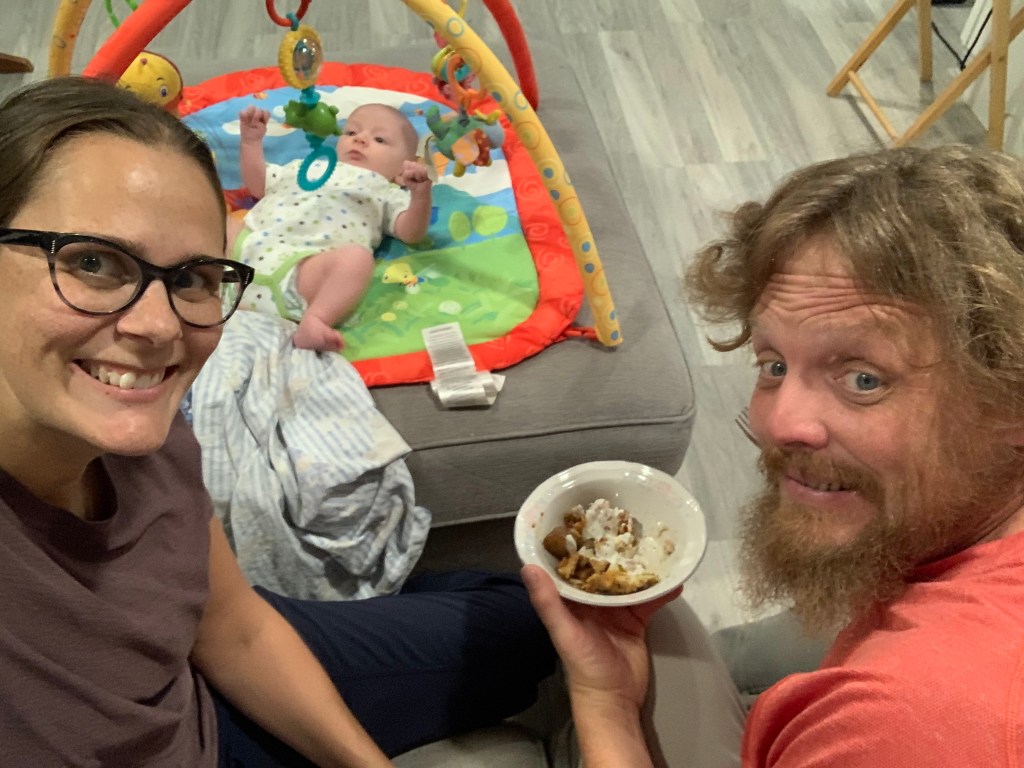
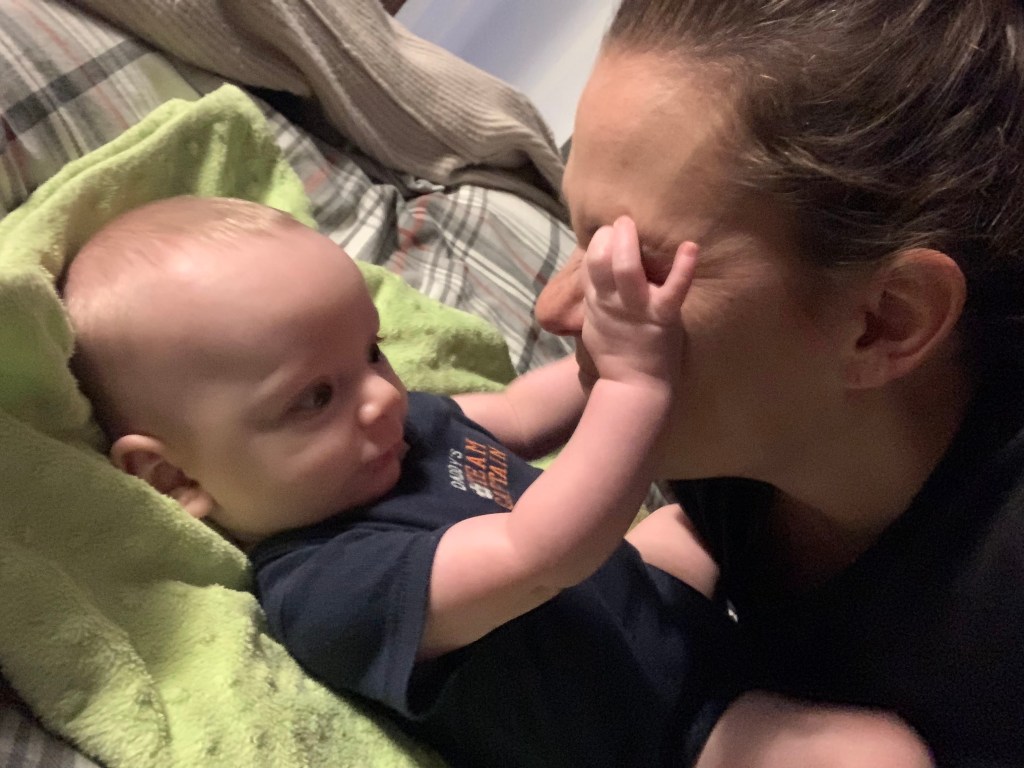
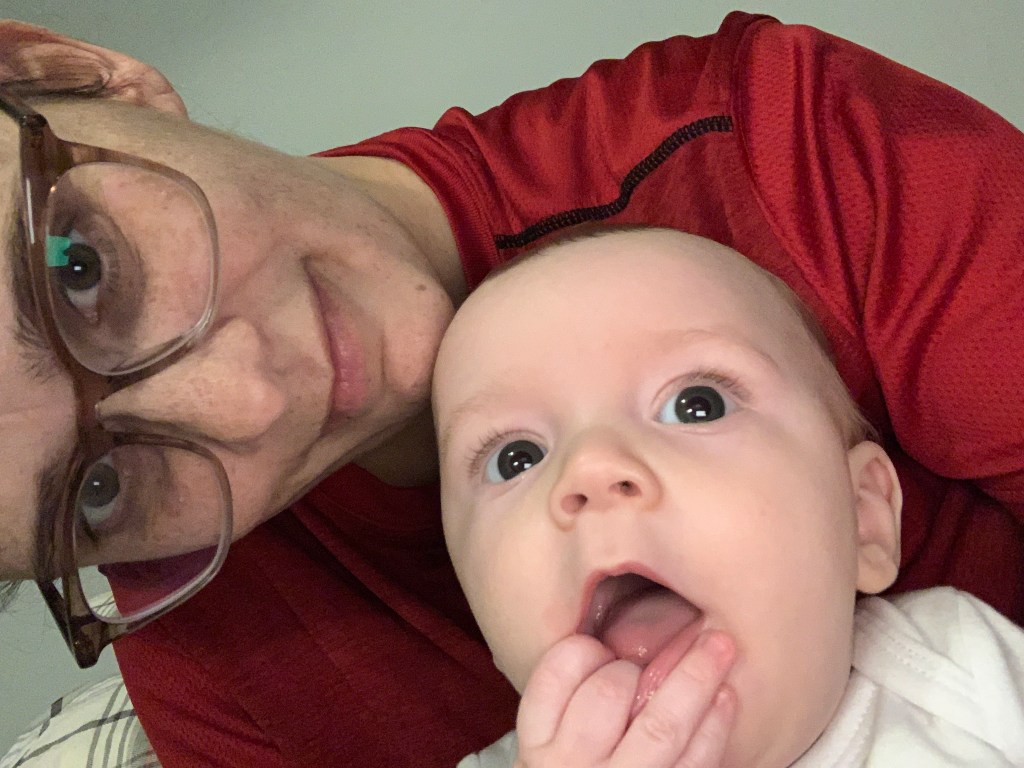
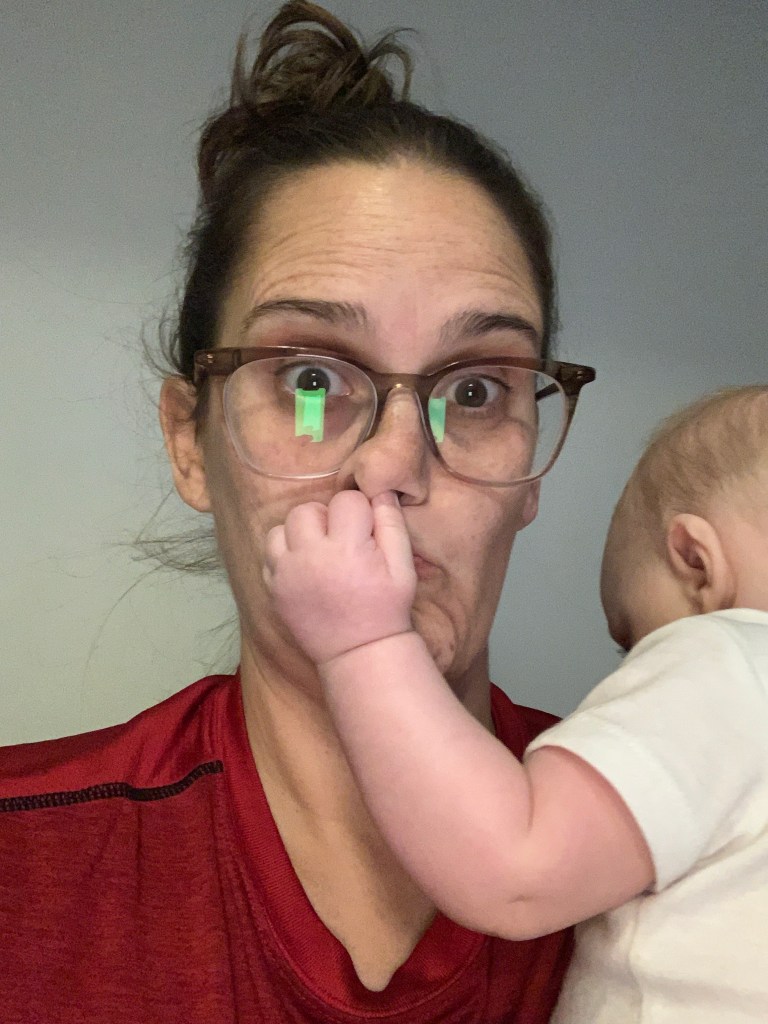
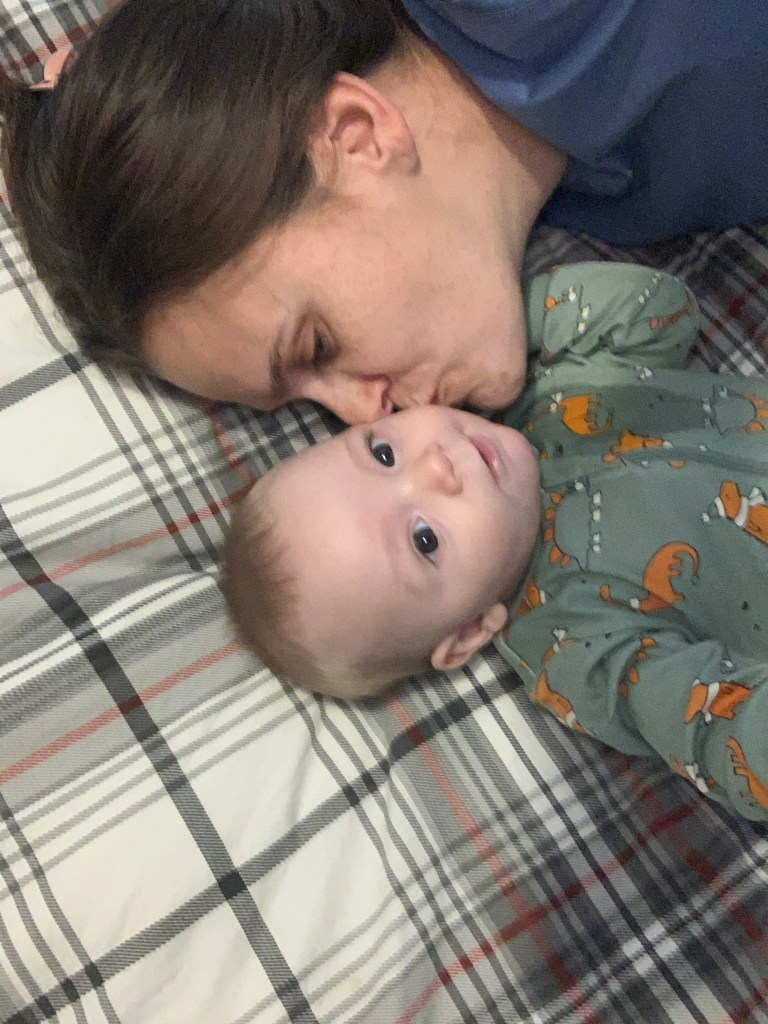
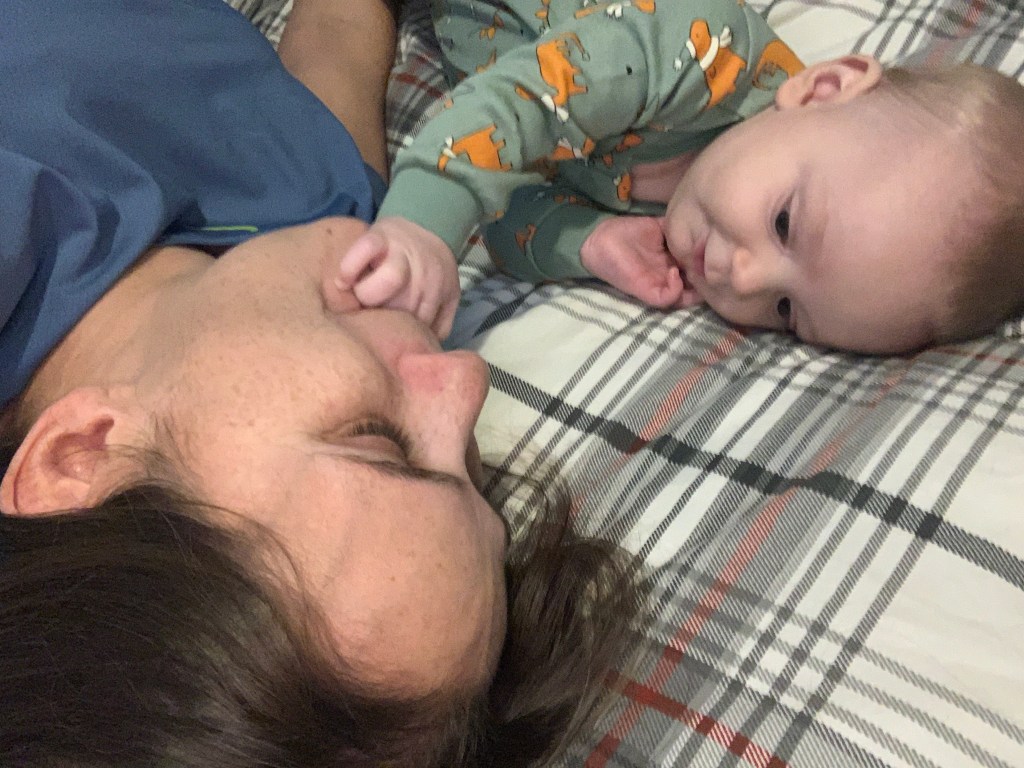
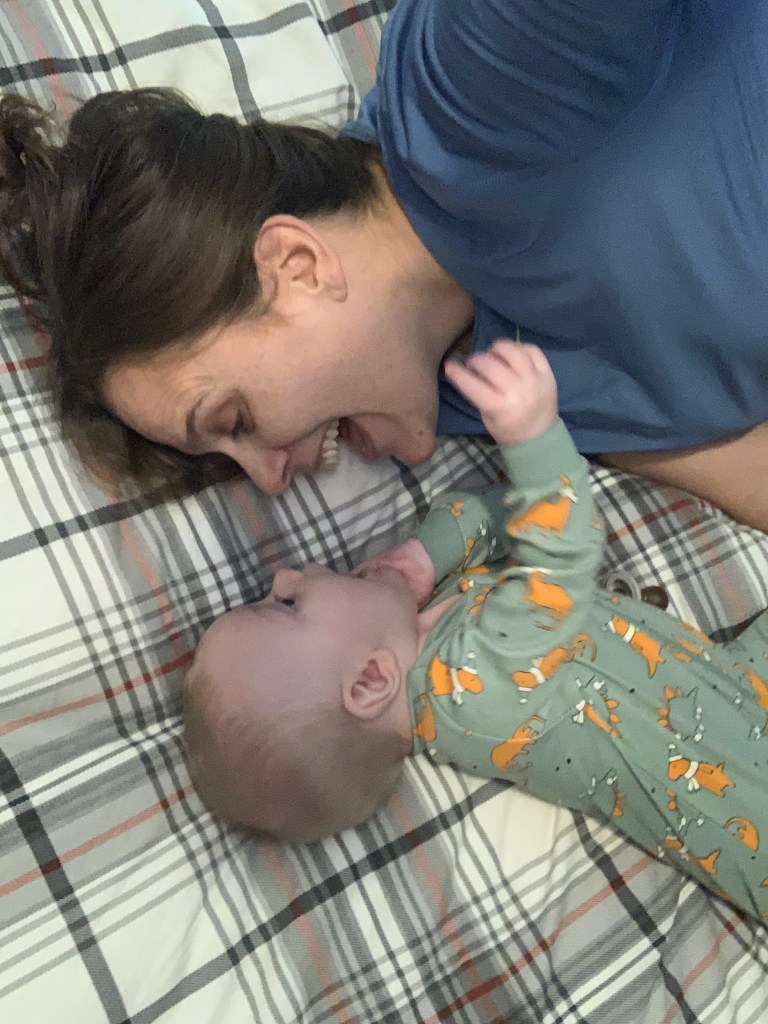
My bright days in this season, are when I get to be a grandma. If you want to see my grandparent life in reverse, view the following. It’s meant to be scrolled through to get the overall feel of the joy that was ahead of me. That I now get to experience.

Even if you have to hold on to that promise longer than you wanted to. Hold it tight. The good days make it all worth it.

At this point in my story I can cart around that 2 year old and 4 year old at the same time. Grandma’s got guns. Just kidding. Training for my grandson got me to the point that I can run on a treadmill and ride a recumbent bike. He is my hero.

Keep getting back up. Show a willingness to bend and slow when your crucible is heavy. But keep climbing. Keep reflecting the beams of light.🌲✨

The oak fought the wind and was broken, the willow bent when it must and survived.

–Robert Jordan

Forest Bathing: Breaking the Pain Cycle

What if the goal isn’t to eliminate pain? But to change your relationship with it.

Not by forcing positivity. Not by chasing the next miracle cure. But by learning how to stand in a forest, breathe, and gently step outside the storm long enough to see it clearly.

That’s where mindfulness in the forest becomes powerful. Not as an escape from pain, but as a way to interrupt the pain cycle itself.

Benefits don’t emerge from merely experiencing mindfulness as a state. Instead they happen when we cultivate mindfulness as a personal trait.

–@brilliantlegalmind

Breaking the Chains of the Pain Cycle

Chronic pain is never only physical. It is neurological, emotional, and deeply shaped by our stress response.

This is not to say that you don’t experience actual, real, physical, deep pain. Only that our pain experience can be altered according to how we choose to interpret it. Which is especially important in chronic pain when so often there are no answers or treatments.

Pain feeds on:

  • Fear of what’s coming next
  • Hyper-vigilance in the body
  • Frustration over what we’ve lost
  • The endless search for a fix

This creates a familiar loop.

Pain → tension → fear → more pain.

Mindfulness, especially when practiced in nature, doesn’t deny this cycle.

It teaches us how to step out of it.

Don’t stress the ‘could haves’, if it should have, it would have.

MINDFULNESS (n):

“The practice of being aware of your body, mind and feelings in your present moment, thought to create a feeling of calm.”

Finding Harmony: In Nature’s Whispering Wisdom

Mindfulness anywhere can help.

Mindfulness in a forest does something more.

Natural environments gently regulate the nervous system without any concentrated effort on our part:

  • Heart rate slows
  • Breathing deepens
  • Muscles soften
  • The brain shifts from threat mode to restoration mode

Research on shinrin-yoku (forest bathing) shows that time in forests lowers cortisol, reduces blood pressure, and increases parasympathetic nervous system activity (the part of us responsible for rest, repair, and emotional balance.)

In other words, the forest doesn’t erase pain.

It loosens pain’s grip.

Captaining the Currents of Our Existence

Mindfulness helps us understand the waters in which we are swimming.

If you live with chronic pain, the pain is not you.

It is the water around you.

Some days you can float on your back.

Some days you need the survival position.

Some days you just enjoy swimming. (But those days are few and far between.)

Some days you simply tread water and keep breathing.

Mindfulness helps us step just far enough back to see,

This is the water. This is not my identity.

That small shift changes everything.

Untangling Hope: Innovative Lessons for a Brighter Tomorrow

In the podcast Untangle: What Does it Mean to Live a Good, Meaningful Life? Despite the (really) Hard Stuff, philosopher Kieran Setiya reflects on living with chronic pain and the trap many of us fall into. Hoping only for a cure. His story resonates with me. Because it is also my story. Is it yours too?

For years, he moved from doctor to doctor thinking, maybe this one will fix it. When he stopped, something unexpected happened. He felt freedom. Less frustrated. More grounded in how he would actually live his life.

At first, he thought he had rejected hope.

Later, he realized he had simply changed what he hoped for.

Not hope for a magic solution.

Hope for a life that would still feel meaningful. Even if pain remained in the background.

He describes the exhausting seesaw many of us live on:

hope → despair → hope → despair.

And suggests something radical. Getting off the seesaw altogether! That doesn’t mean stop seeing doctors or looking for answers. What it does mean is this.

The real question isn’t:

Should I hope or despair?

It’s,

What is realistic to hope for right now?

Mindfulness in the forest supports exactly this shift. Grounding hope in lived possibility instead of fantasy cures.

Choosing Joy in a Body That Hurts

It’s been said that one person’s joy ride is another person’s panic.

I love riding on the back of my husband’s motorcycle. Joy.

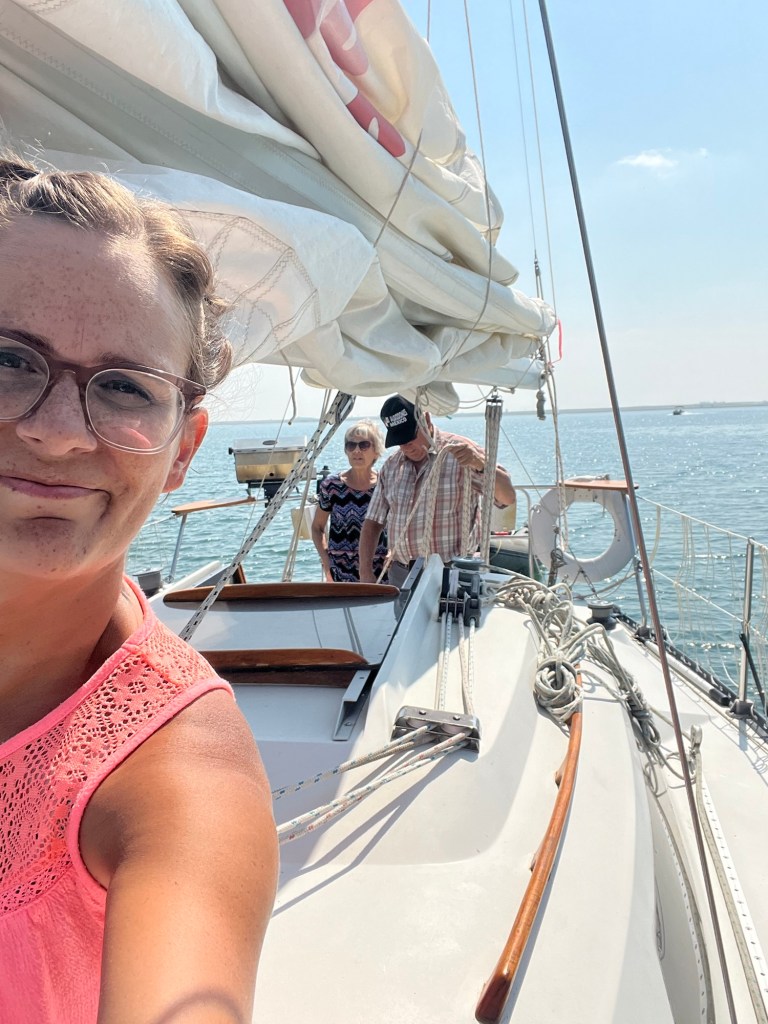
I love sitting at the front of a sailboat as it bounces across the water. Joy.

Someone else might question my sanity.

I don’t like roller coasters that go upside down. Panic.

I have no desire to drive an F1 car. Panic.

I question the sanity of people who enjoy those things. Which made me wonder.

What influences our desires? Our thoughts? Our emotions?

Are we just born joyful or grouchy? And that is how we have to live out our days?

Or do we choose? Can we choose our thoughts, our desires and thereby influence our emotions?

What if, even in a tangled mess of pain, emotions, relationships, and loss, we are allowed to choose joy?

Not reckless joy.

Not denial.

But brave joy.

The kind that says:

I will still step into wonder.

I will still feel exhilaration.

I will still live.

That is what mindfulness in the forest has given me.

I get to decide.

And honestly?

There’s no need for recreational anxiety around here. There’s enough regular anxiety to go around.

Inward Insights: The Wisdom Within

Look within. Within is the fountain of good, and it will ever bubble up, if thou wilt ever dig.

-Marcus Aurelius

The forest helps us dig. Quietly, gently, without force.

Mindfulness reduces activity in brain networks that amplify pain through rumination and emotional reactivity, lowering perceived suffering even when pain remains.

Attention is the rarest and purest form of generosity.

-Simone Weil

When we give attention to our own experience. Without judgment. We change how pain lives in us.

Nature’s Cradle: A Forest Therapy Practice

Interrupting the Pain Cycle (7 minutes)

You can do this in a forest, park, or anywhere you can sense the natural world.

1. Arrive (1 minute)

Stand or sit comfortably. Let your eyes soften. Notice three natural textures. Bark, stone, leaf, snow, or water.

2. External Anchor Practice (2 minutes)

Choose one steady element in the landscape. A tree trunk, rock, horizon line, or patch of ground.

Let your attention rest there. Softly.

When your mind drifts toward pain or worry, gently return your awareness to that anchor.

This shifts the nervous system from internal threat scanning to external safety awareness. Especially helpful if breath-focused practices feel uncomfortable.

3. Name the Water (2 minutes)

Silently say:

This is pain. This is not me.

Notice sensation as experience, not identity.

4. Choose Your Stroke (2 minutes)

Ask yourself:

Do I need to float, swim, or rest today?

Let your body answer.

Mindfully Brave

For a long time, I thought mindfulness meant becoming calmer.

What I didn’t expect was that it would make me braver. Braver about feeling, braver about choosing joy, braver about living fully even when my body hurts.

The forest didn’t take away my pain.

It gave me back my choice.

Key Takeaways

Mindfulness in the forest teaches us:

Pain is real. Suffering is optional. Hope doesn’t have to live on a seesaw.

We can step out of the waters long enough to see them clearly. And then choose how to move within them.

Or as one forest therapy guide once said quietly on a trail,

We don’t come to the woods to escape life. We come to remember how to live it.

Trek Into the Frosty Adventure

If this spoke to you, you may also enjoy my post on finding connection through group forest therapy walks, where I explore how shared presence in nature reduces isolation and builds resilience for people living with pain and fatigue.

Faeloria (n):

The beauty that comes from the wounds you thought would destroy you.

Research at a Glance: Why This Works

Bottom line.

Mindfulness in the forest doesn’t cure pain. But it interrupts the feedback loop that keeps pain amplified by fear, stress, and resistance.

For those interested in the research, check out the following links. Let me know what you think in the comments.

1️⃣ Forest environments reduce stress hormones and activate relaxation responses

The 2010 Shinrin-yoku studies show forests lower cortisol, pulse rate, blood pressure, and increase parasympathetic nervous system activity (relaxation response).

👉 “The Physiological Effects of Shinrin-yoku…” — Environmental Health and Preventive Medicine (Park et al.)

Also see:

👉 Forest bathing reduces cortisol and stress — systematic review on cortisol as a stress biomarker

2️⃣ Forest bathing supports psychological well-being, mood, and anxiety reduction

Systematic reviews and meta-analyses show forest exposure reduces anxiety, depression, and improves emotional well-being.

👉 The effects of forest bathing on psychological well-being 

Additional evidence on emotional and stress benefits of forest settings:

👉 Forest bathing: effects on mood and stress recovery

3️⃣ Forest immersion reduces negative affect and enhances mindfulness & introspection

A recent systematic review shows forest bathing decreases negative effects and enhances mindfulness and introspection. Key components of emotional regulation and pain resilience.

👉 Effects on self-criticism, self-compassion & mindfulness 

4️⃣ Mindfulness and Pain Research : Neuroscience & Catastrophizing

✔ Mindfulness meditation alters how the brain processes pain

Studies show mindfulness meditation changes pain-related brain activity. Indicating real nervous system engagement, not just placebo.

👉 Mindfulness meditation helps reduce pain through distinct neural mechanisms 

✔ Mindfulness is associated with lower pain catastrophizing

Research suggests higher mindfulness traits correlate with lower pain catastrophizing and greater ability to cope with pain.

👉 Trait mindfulness linked to higher pain thresholds & reduced catastrophizing

5️⃣ Mindfulness meditation itself has measurable effects on pain perception

Comprehensive reviews of mindfulness meditation include clinical and experimental insights into how it reduces pain intensity and unpleasantness across conditions:

👉 Mindfulness meditation–based pain relief review

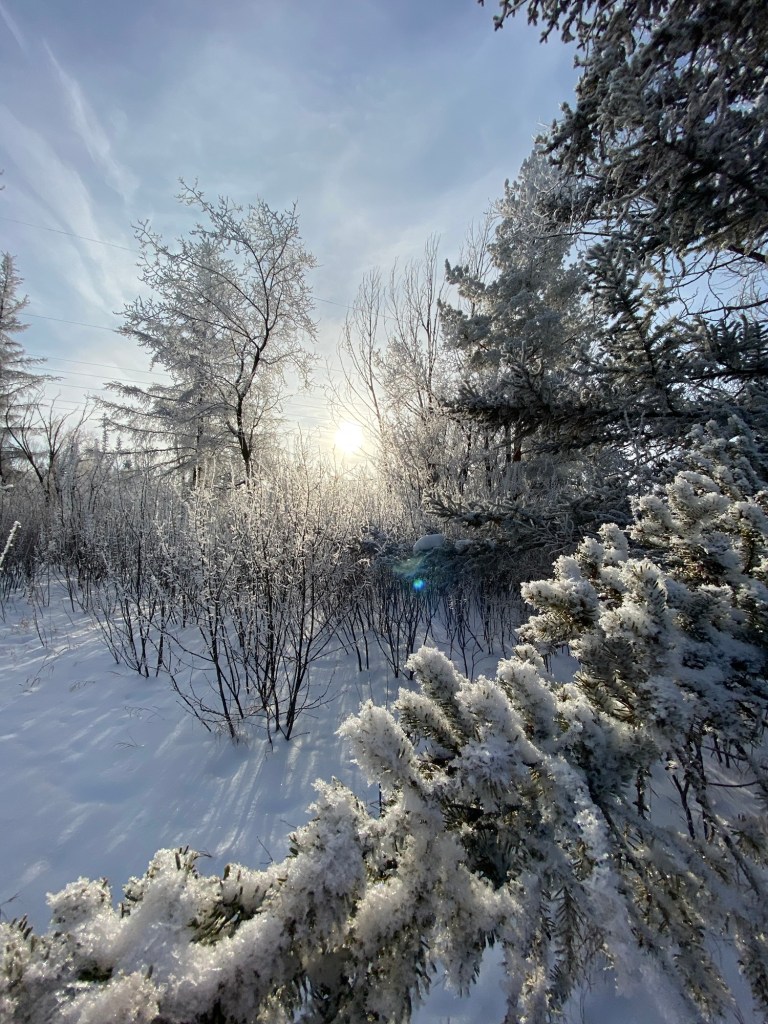
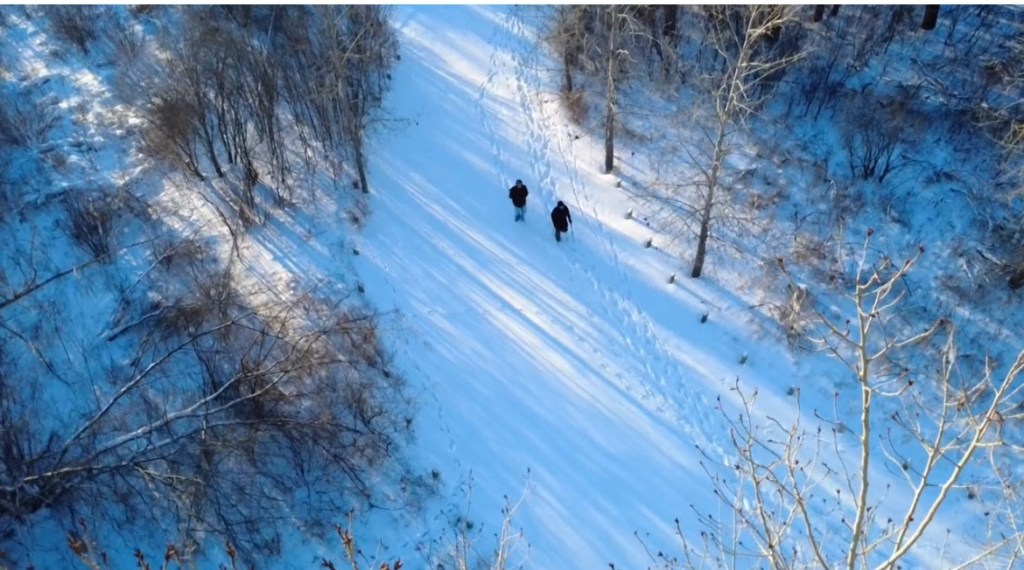
January for the 5 senses:

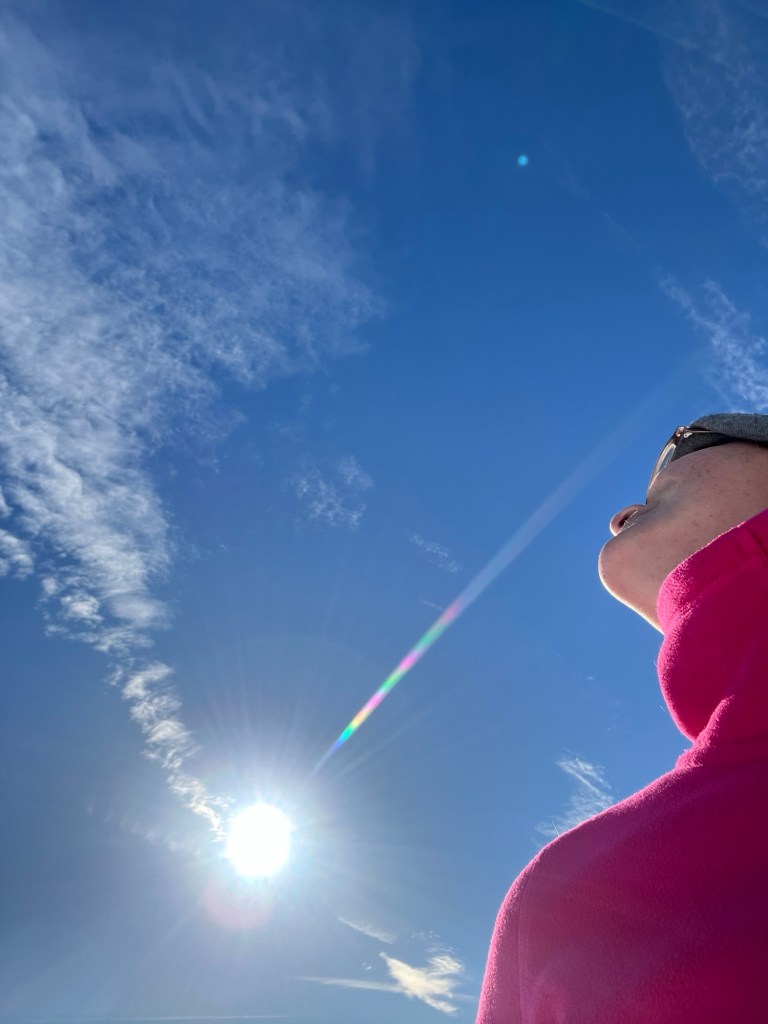
Sight: late morning and early evening light on bright, blue clear days
Sound: shushing of steps in the snow
Taste: hot teas with honey
Smell: evergreen trees
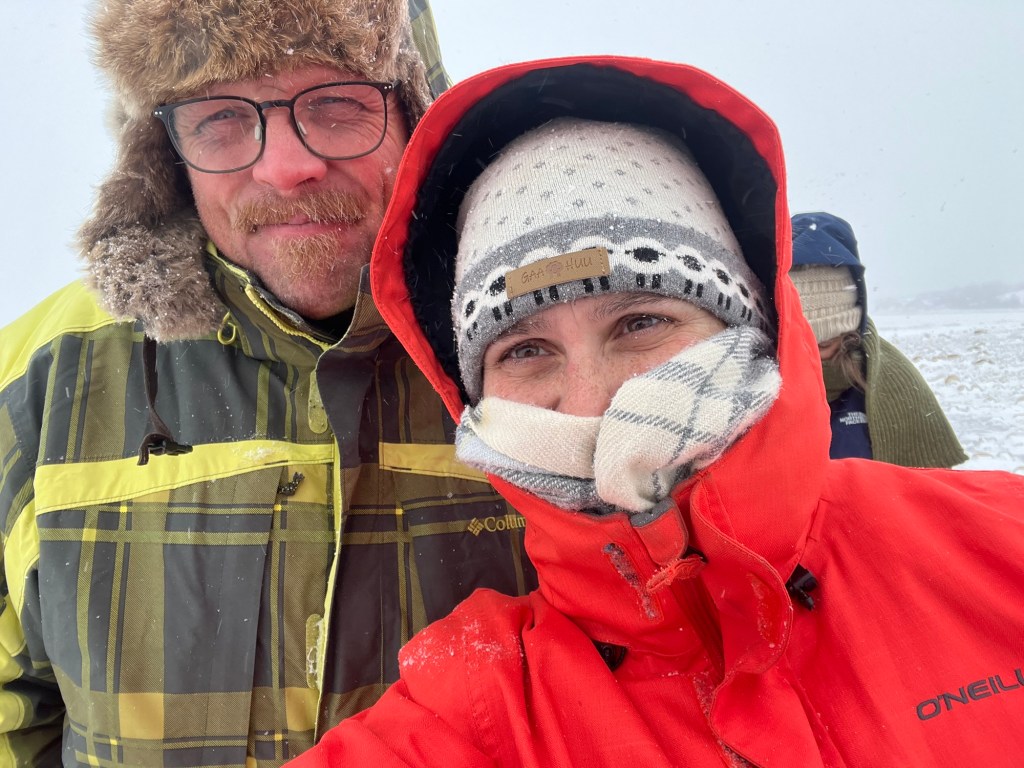
Feel: the touch of cold noses and toes