Accessing Strength in Nature and Family: Winter Healing

Winter is not the death of the life cycle, but its crucible.

Katherine May

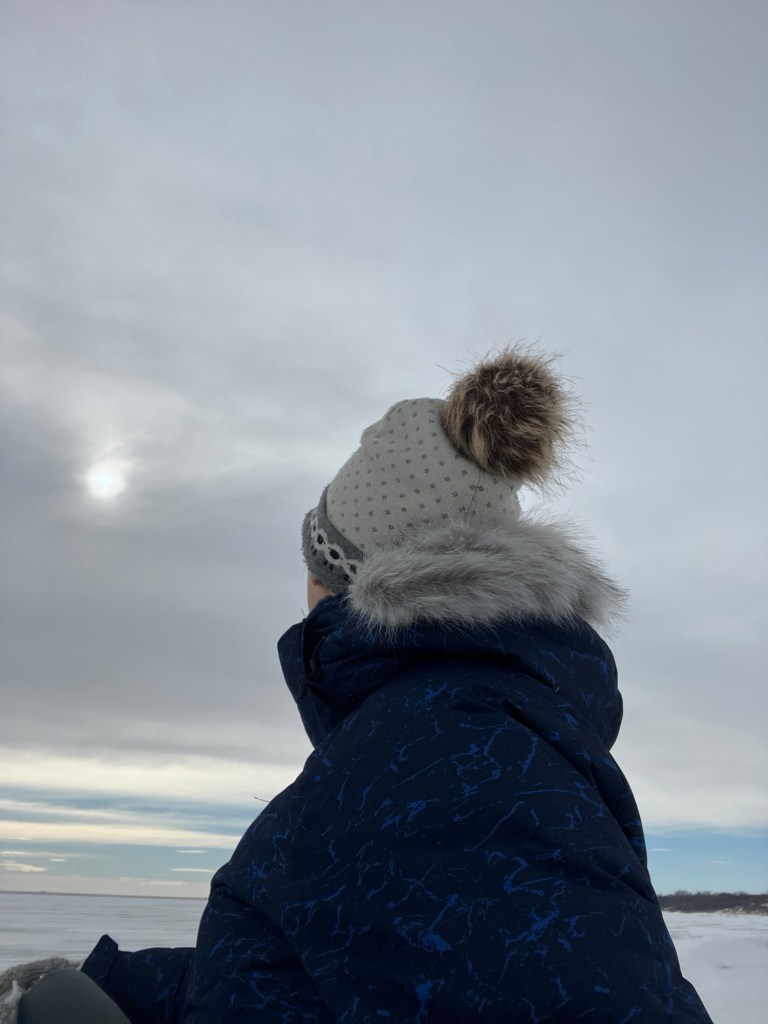
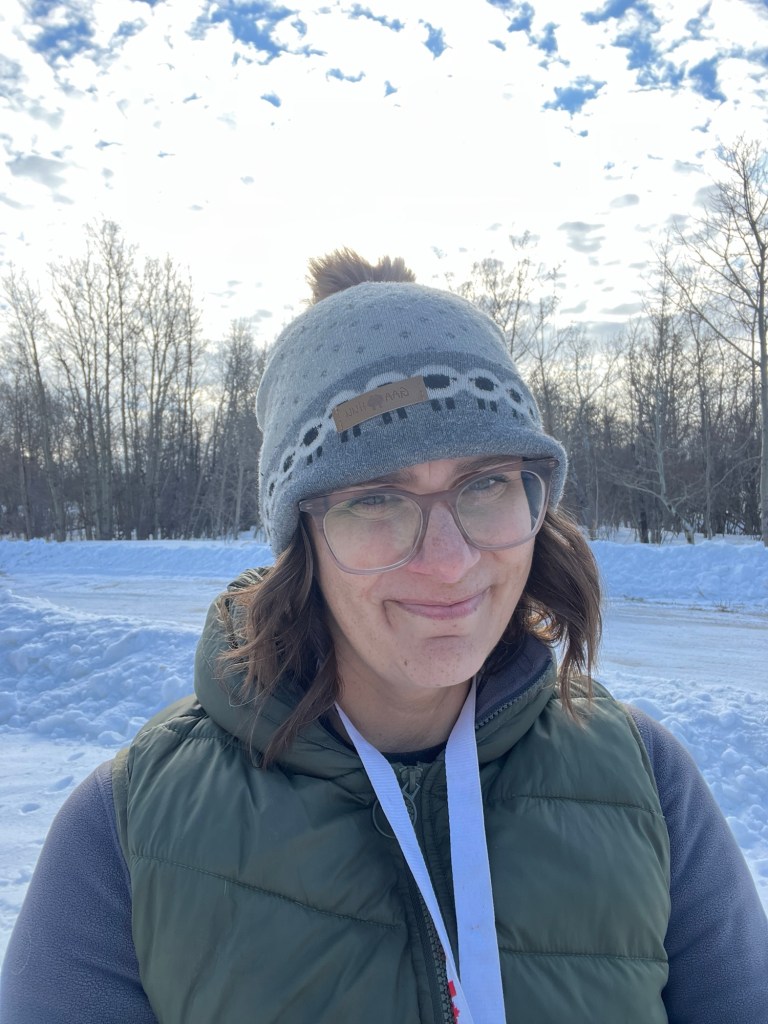
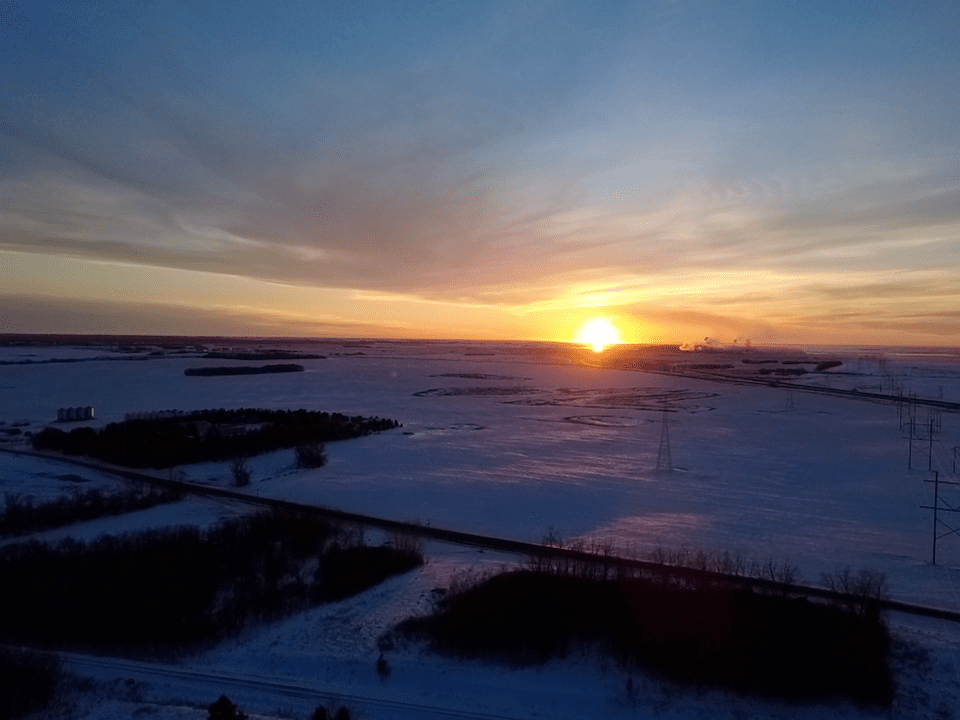
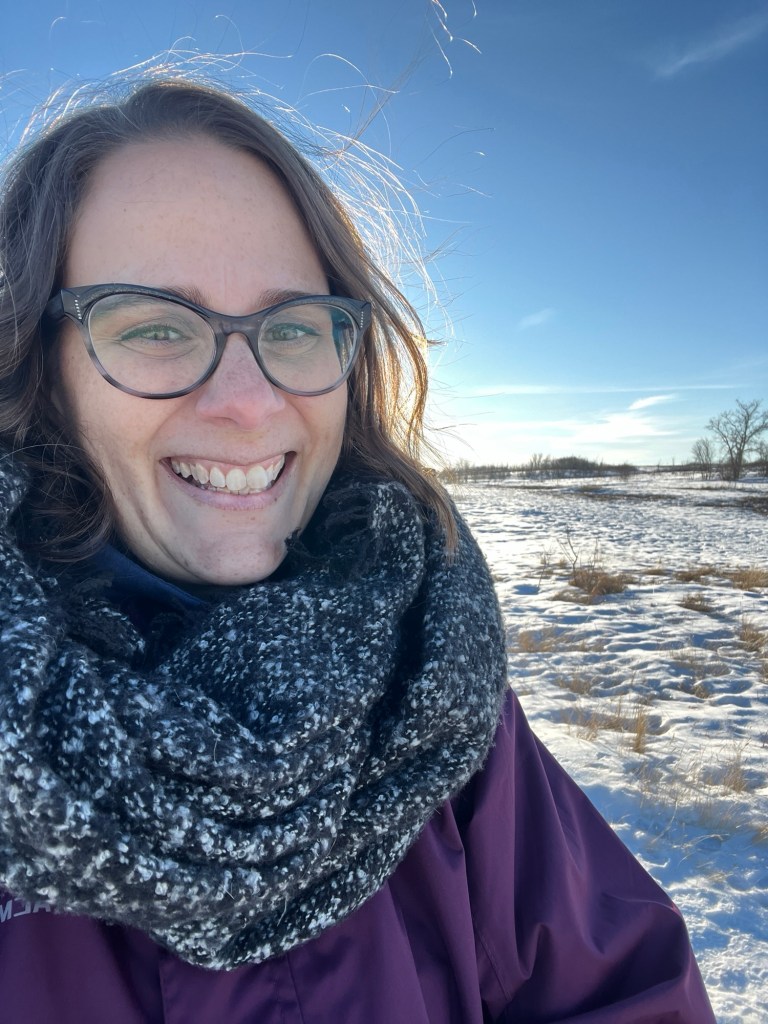
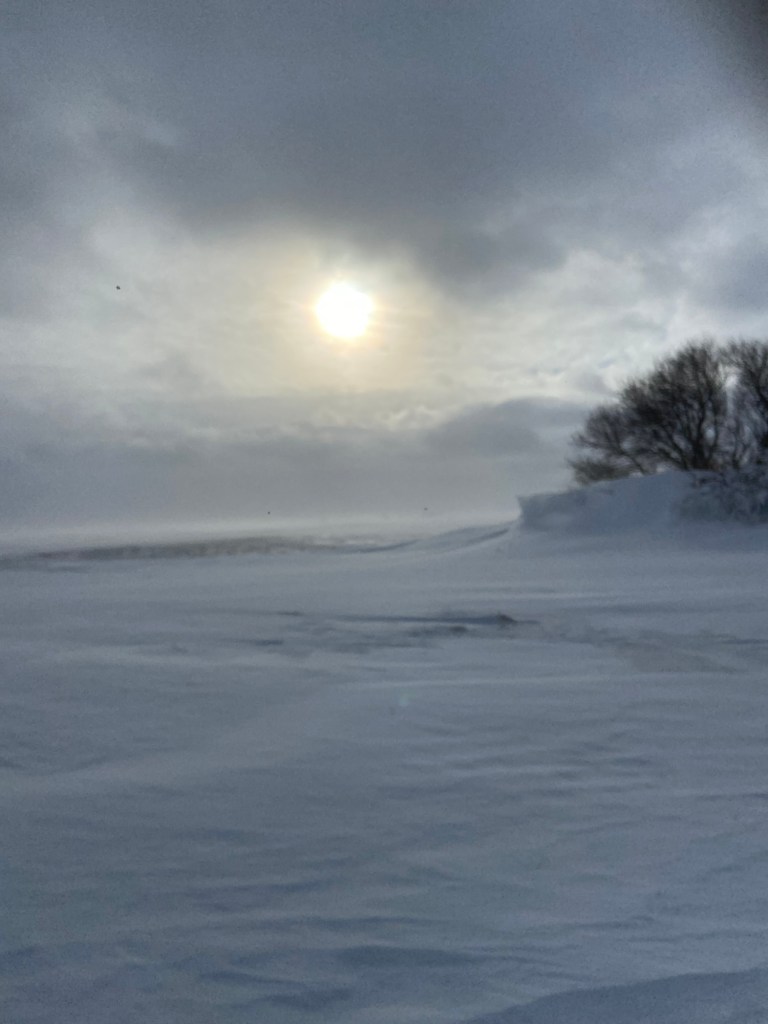
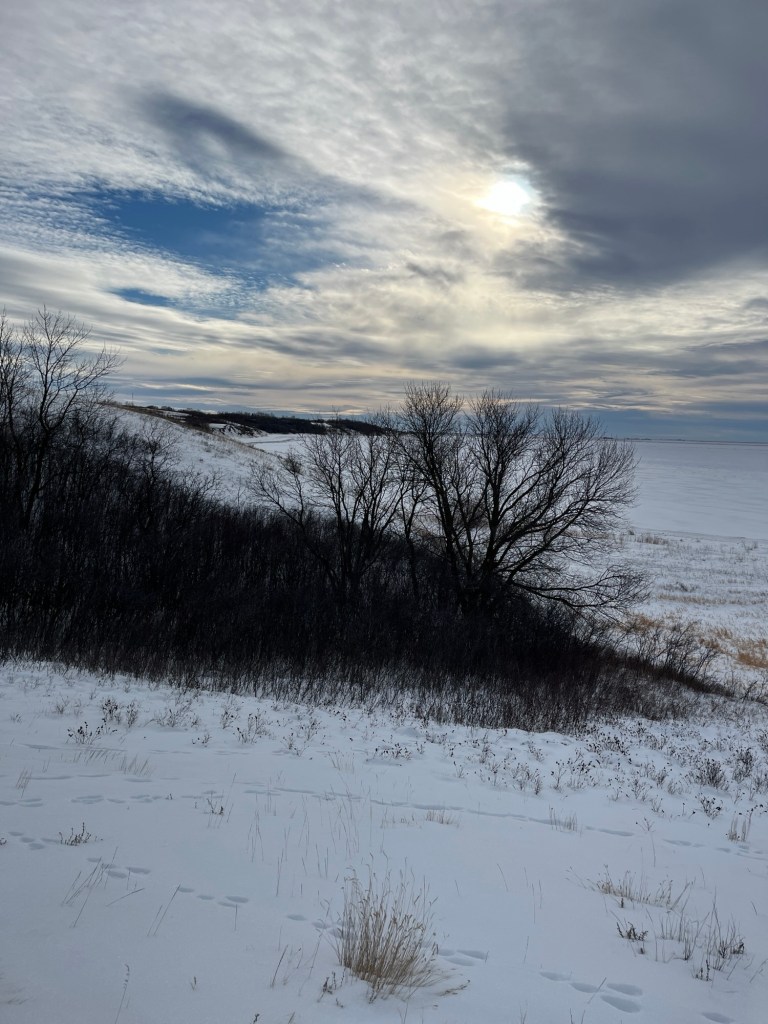
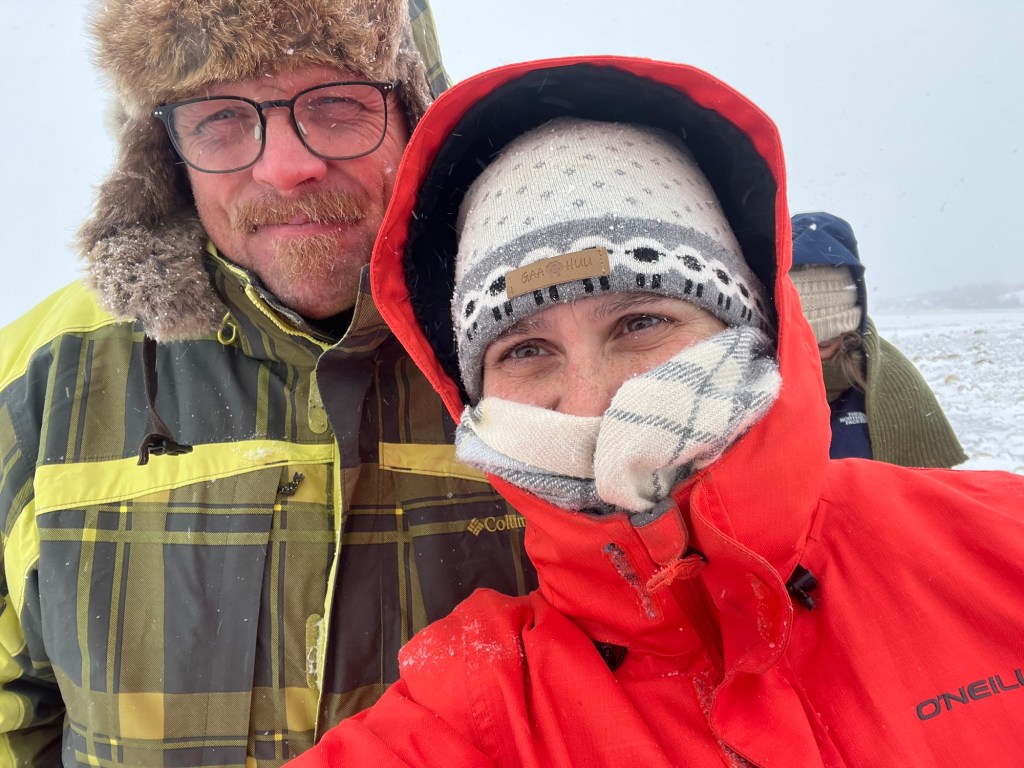
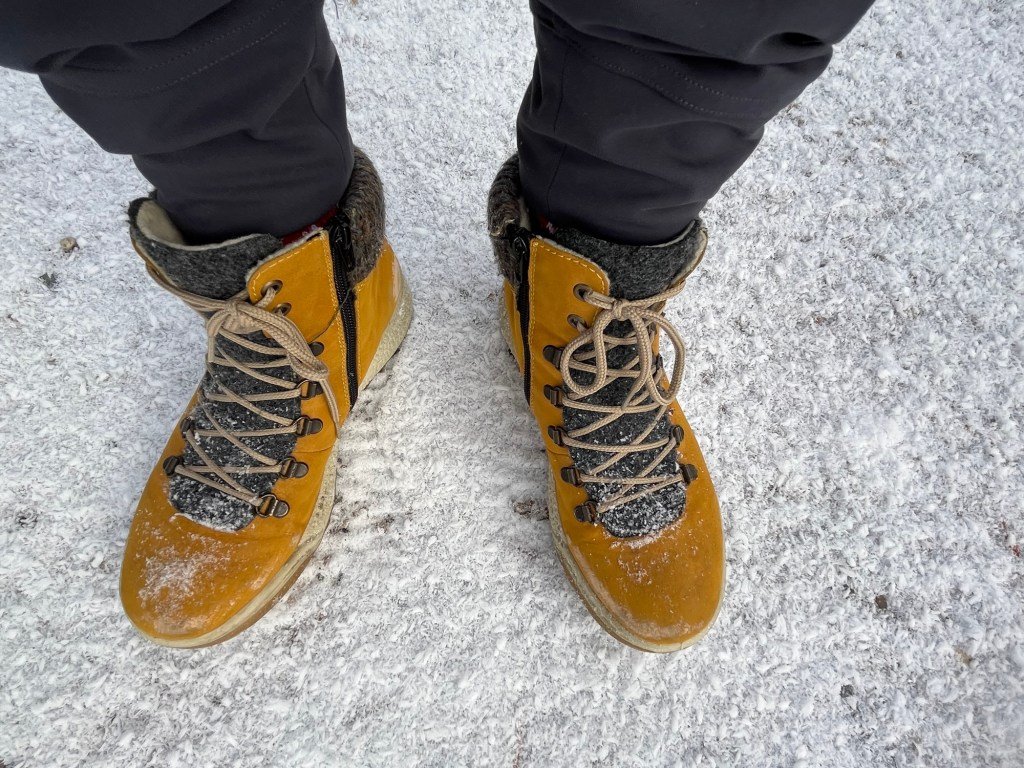
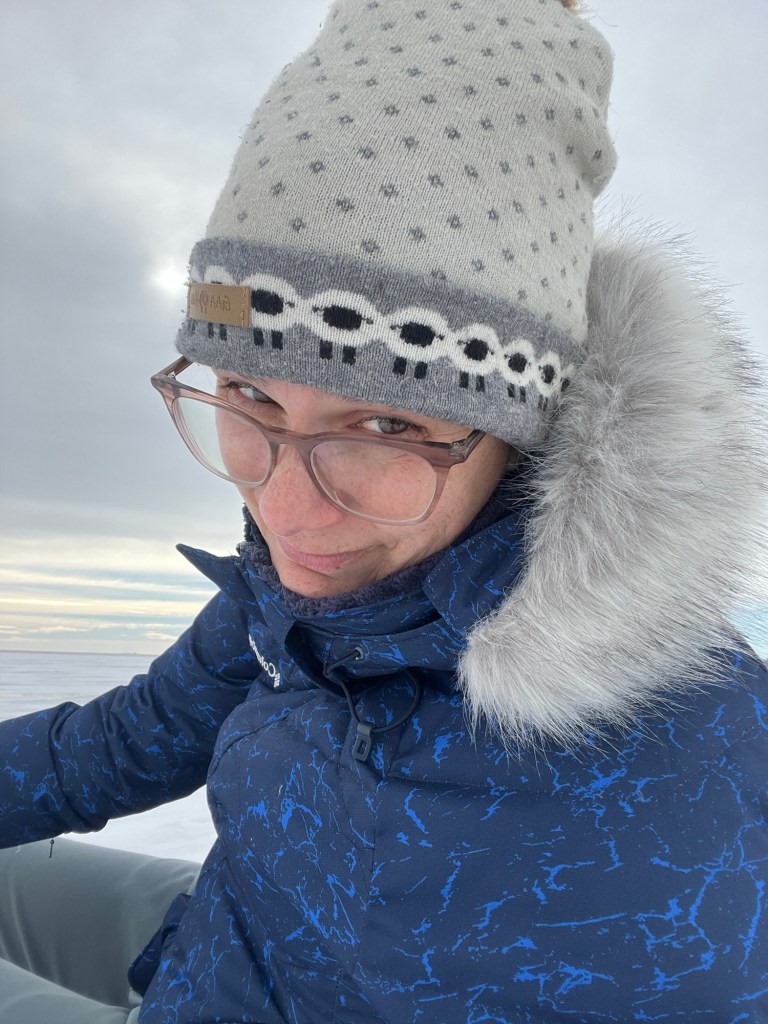
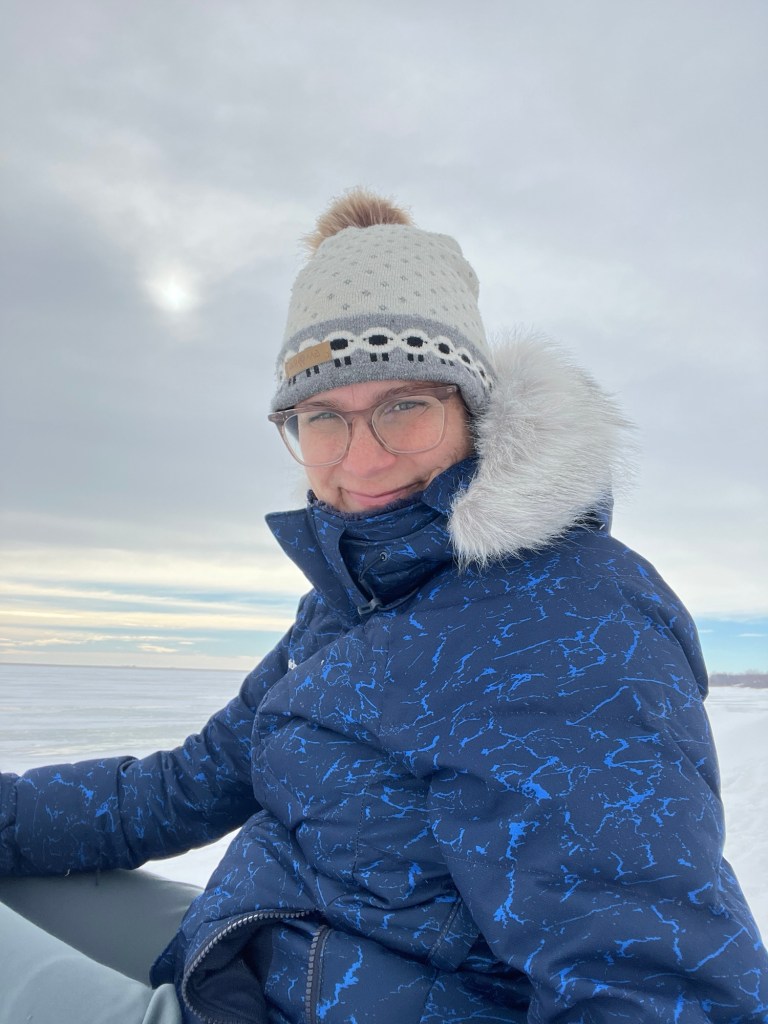
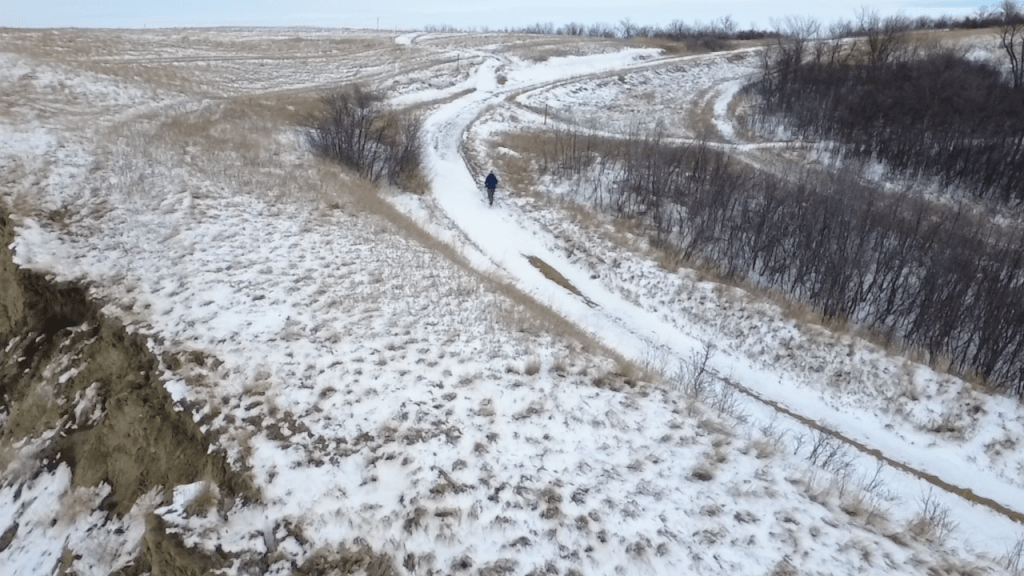
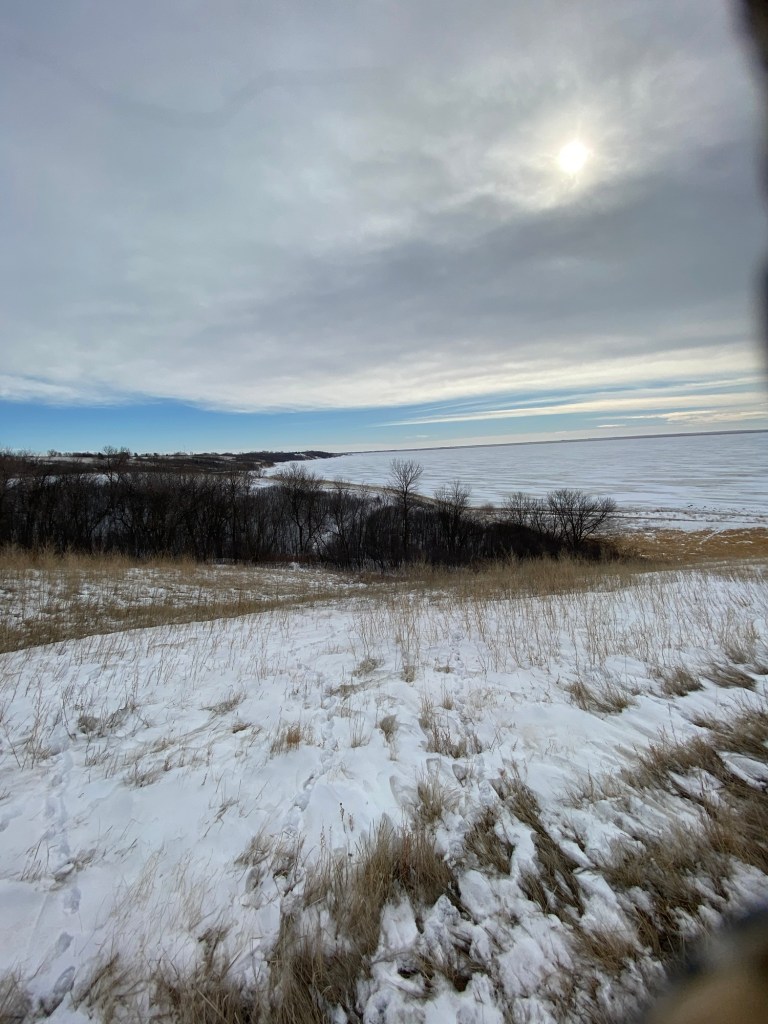
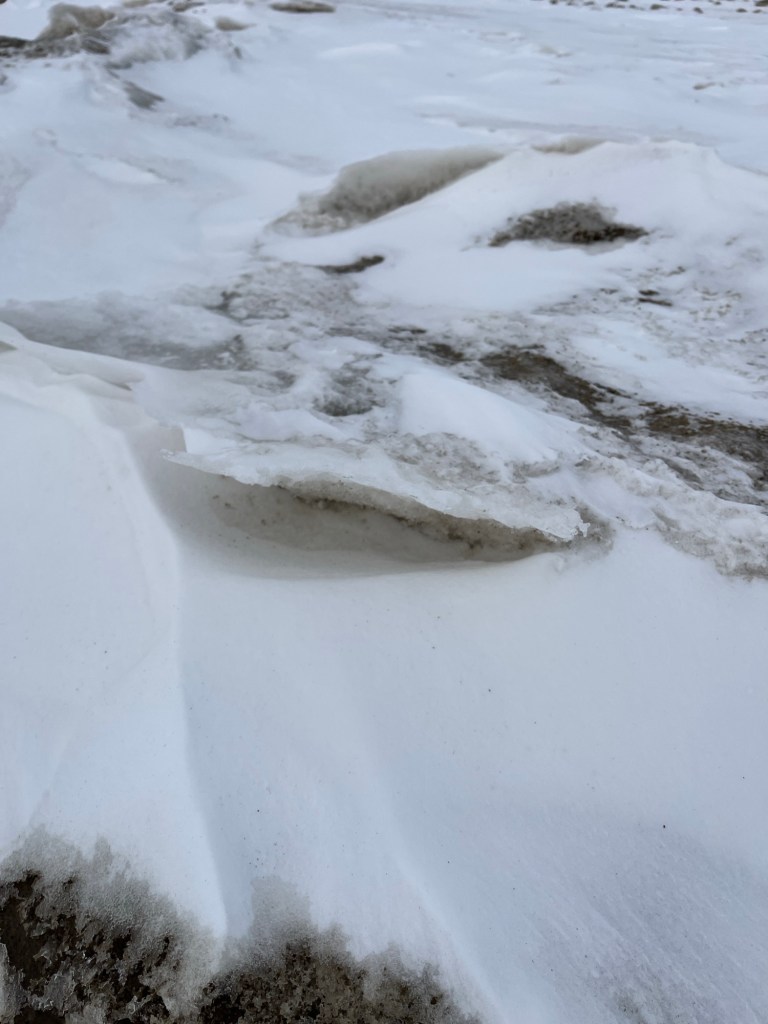
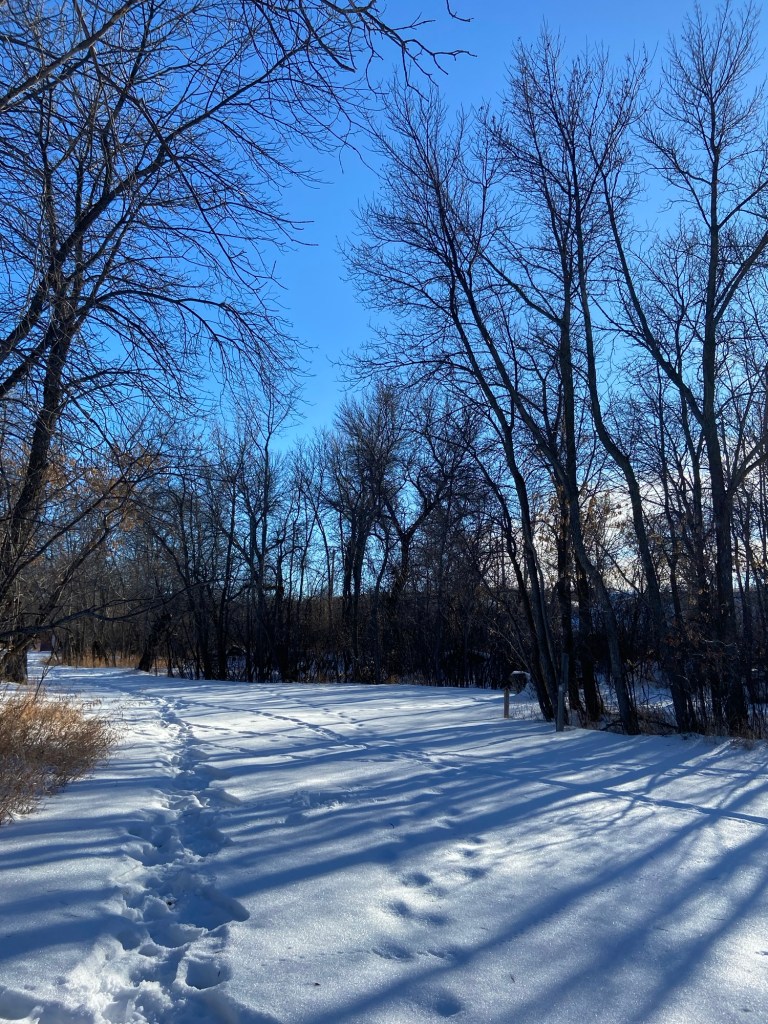
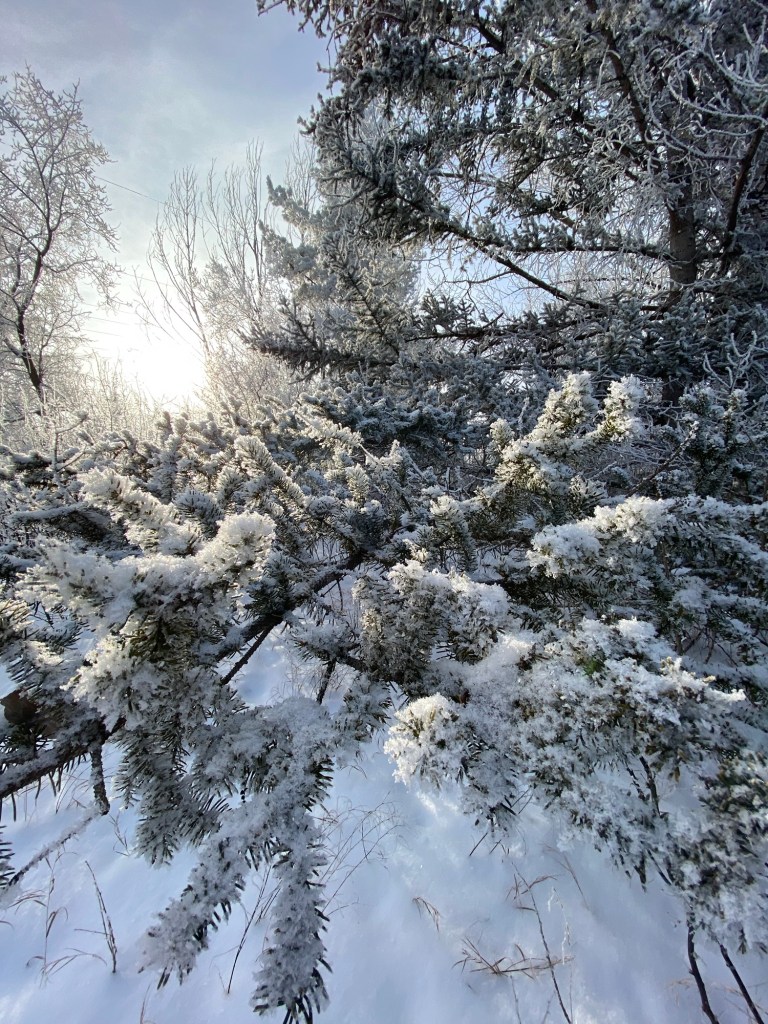
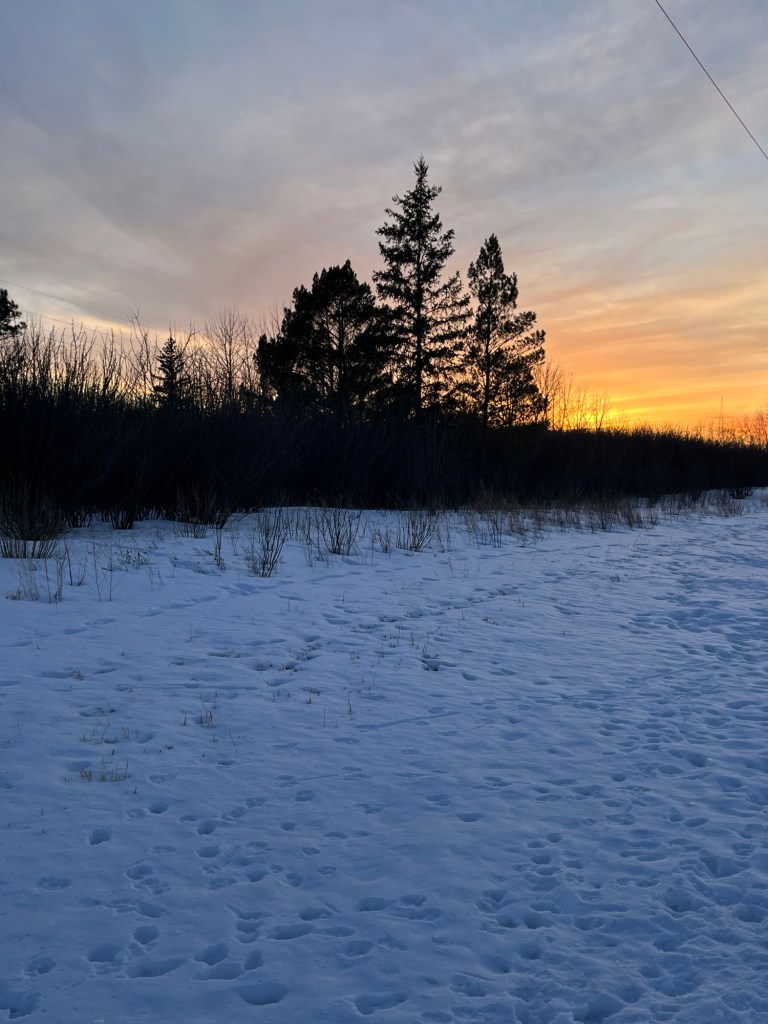
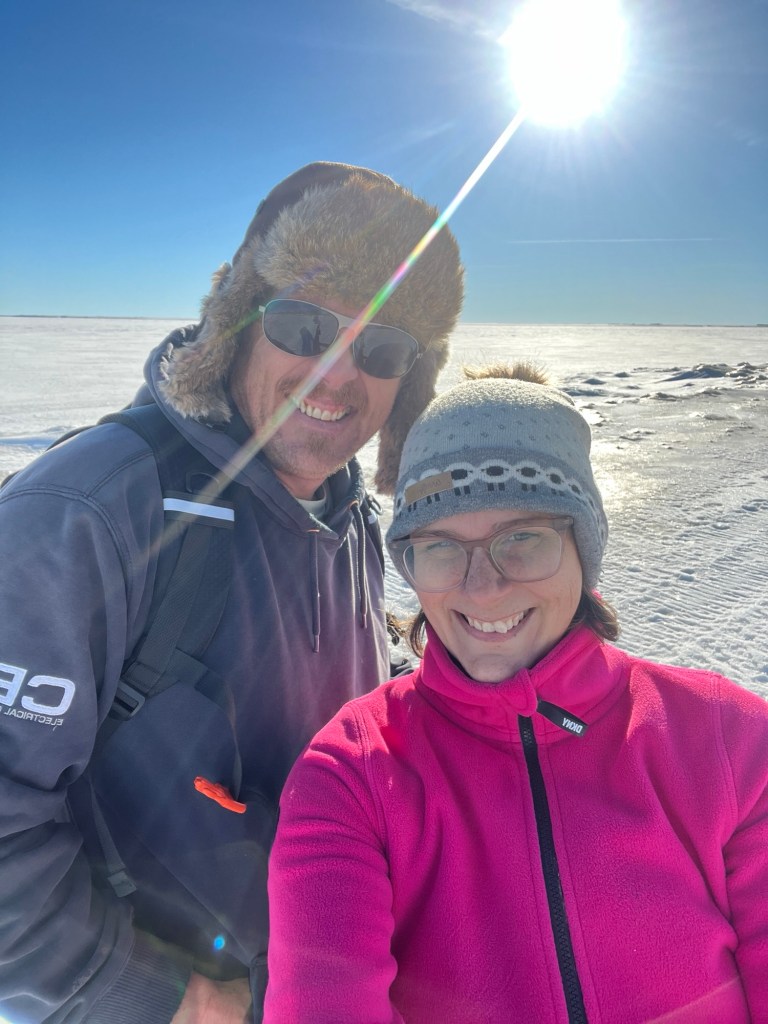
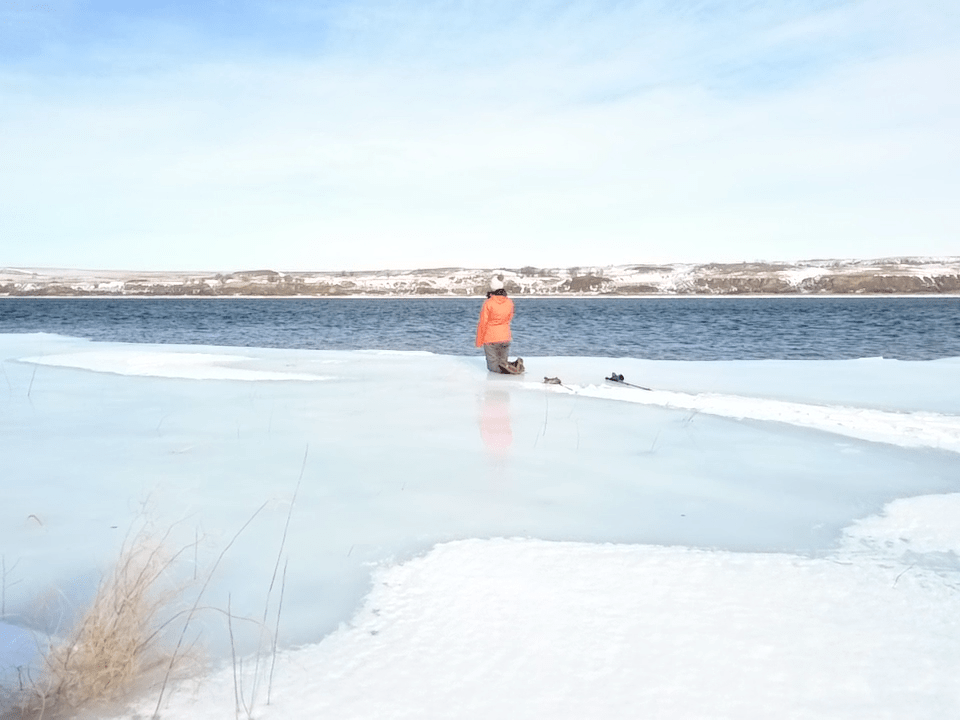
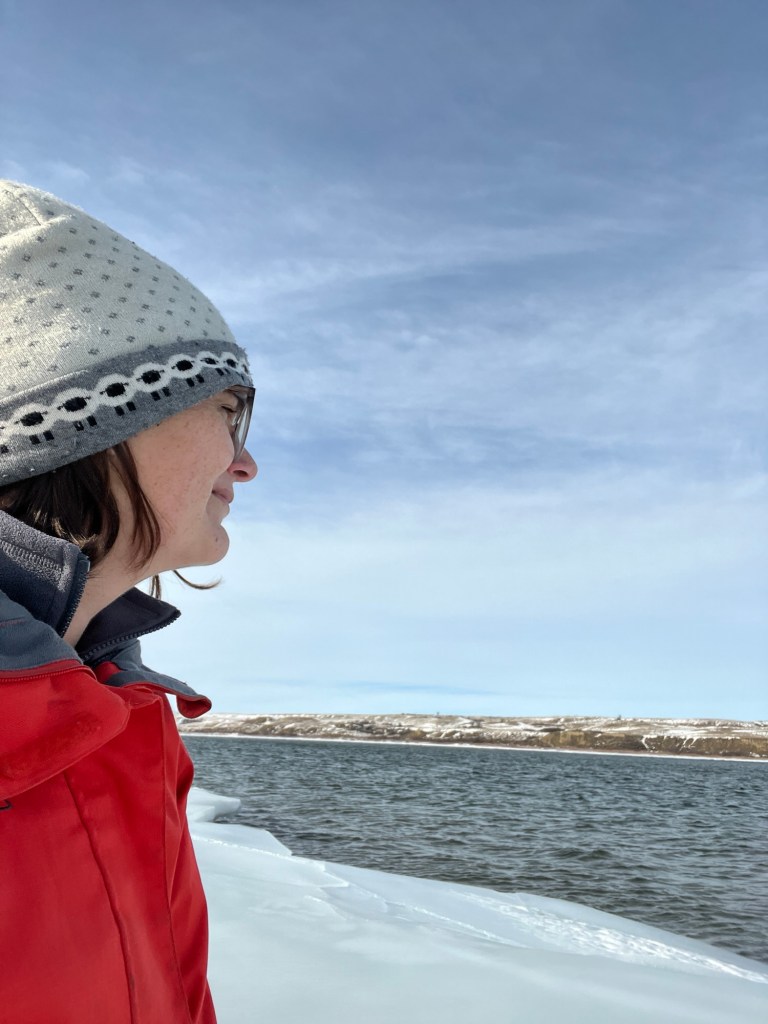
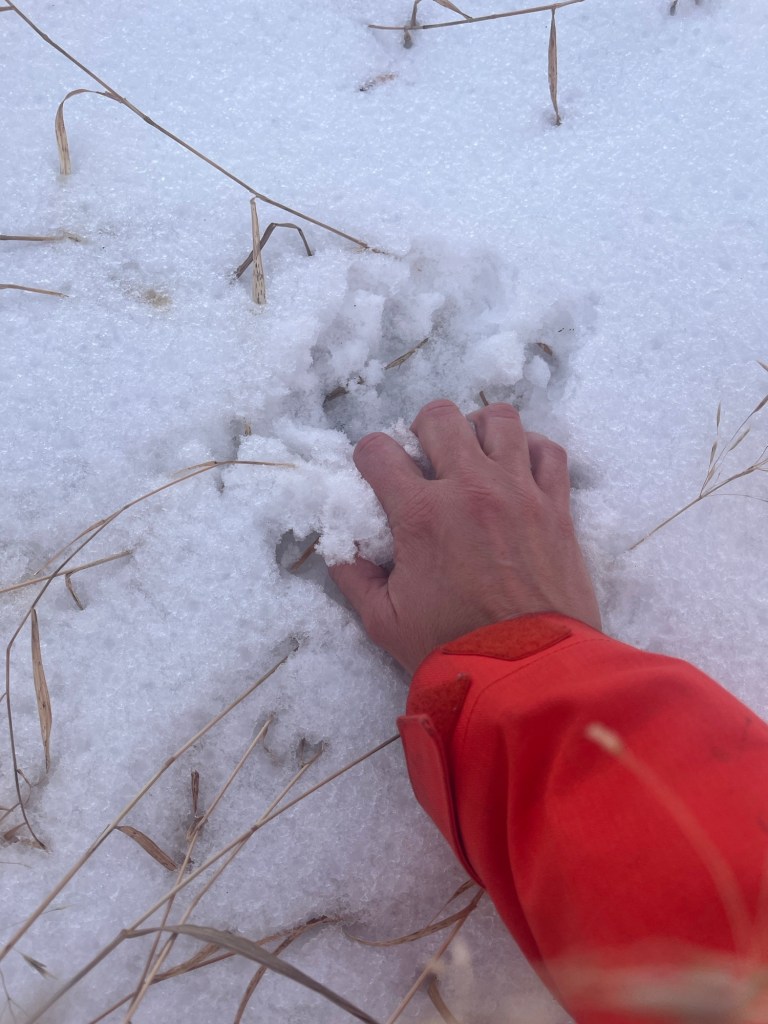
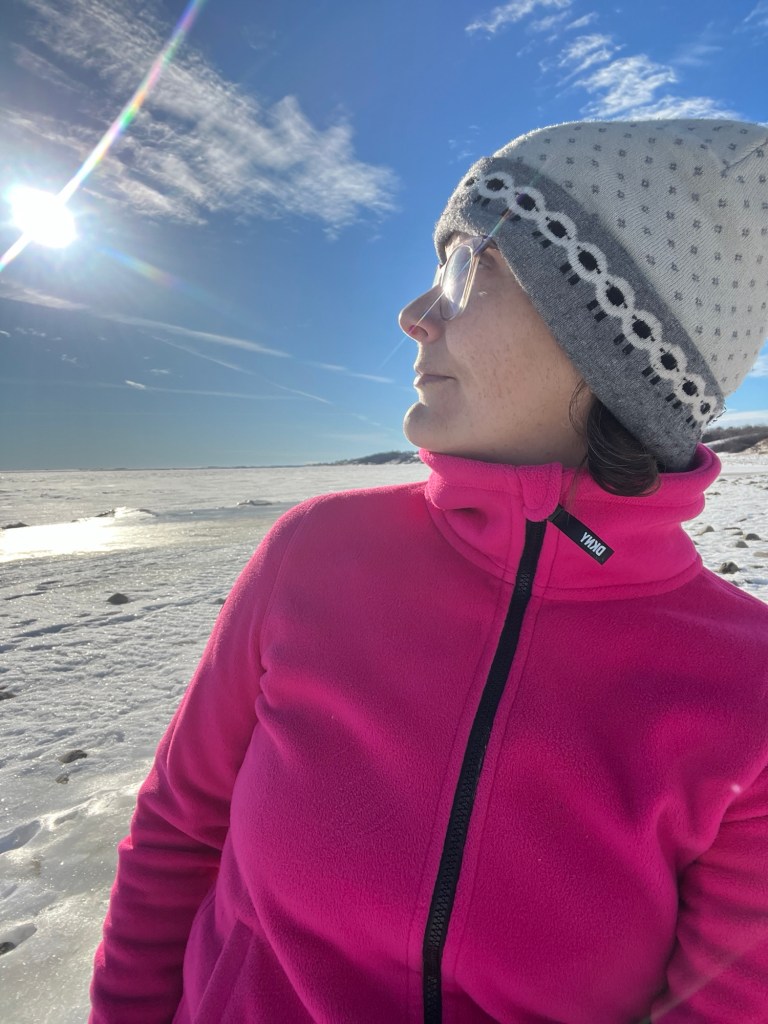
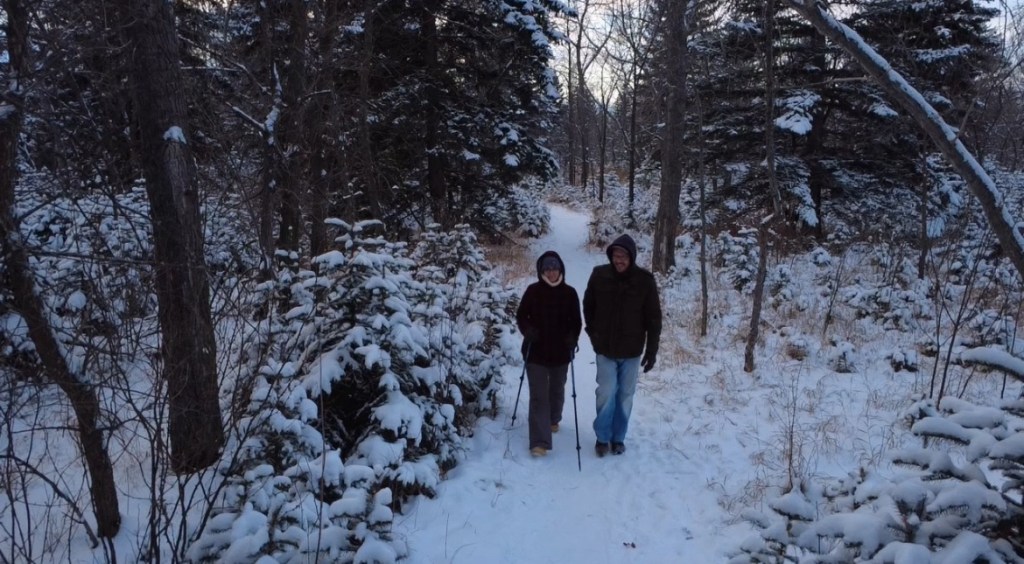
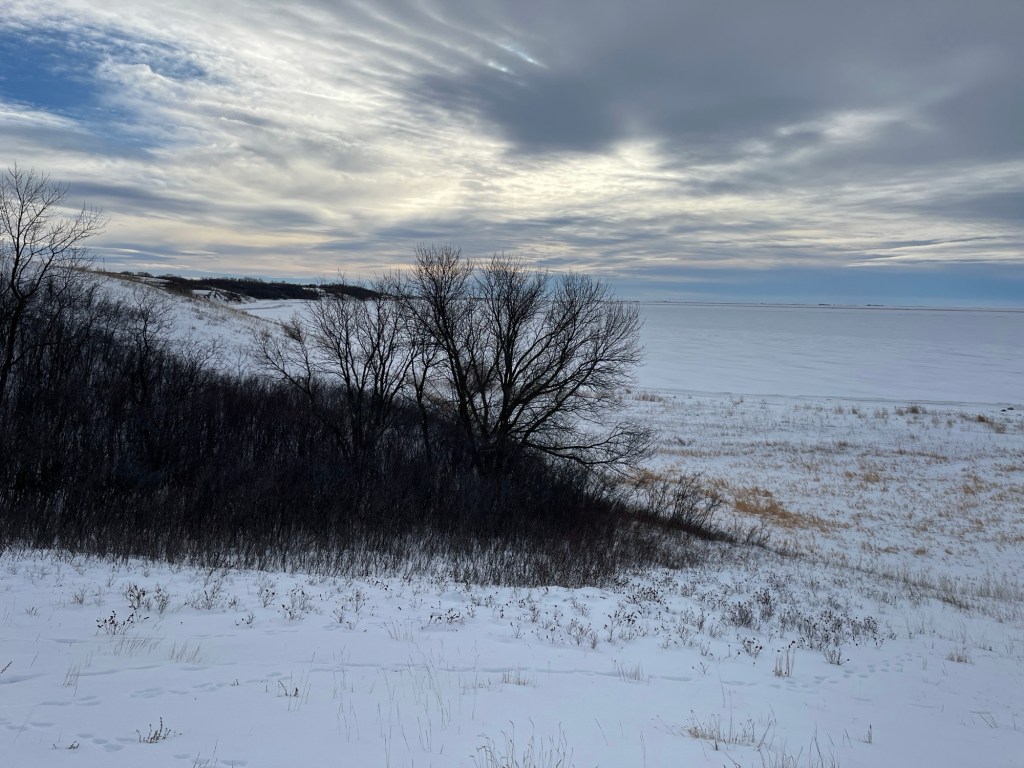
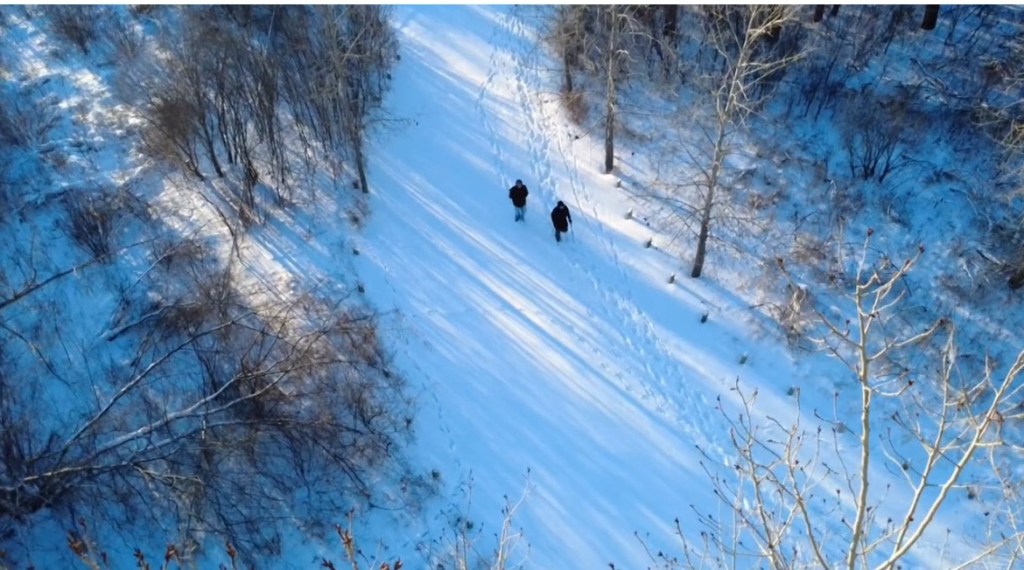
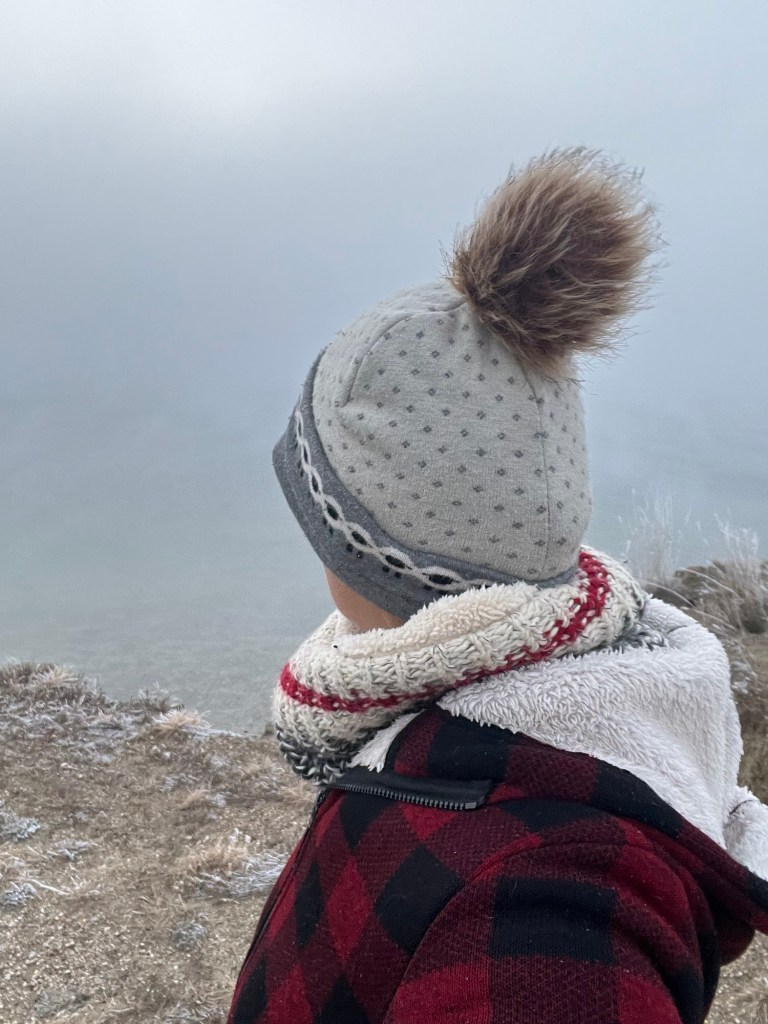
In Saskatchewan right now, the wind still bites and snow still crunches under our boots.

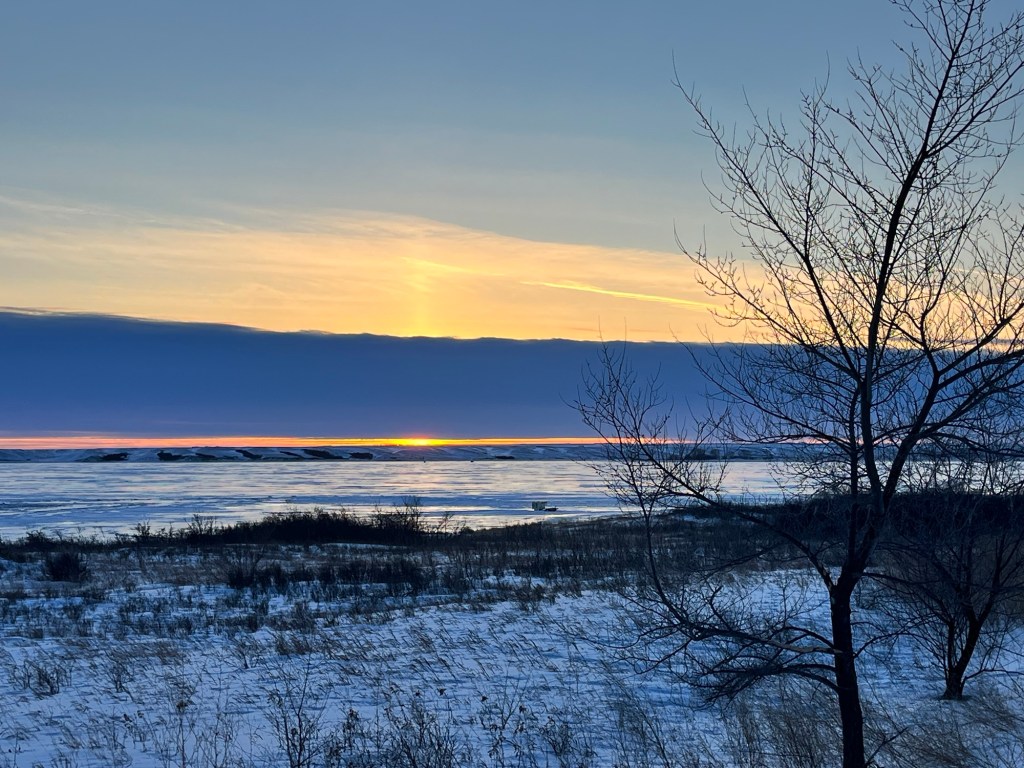
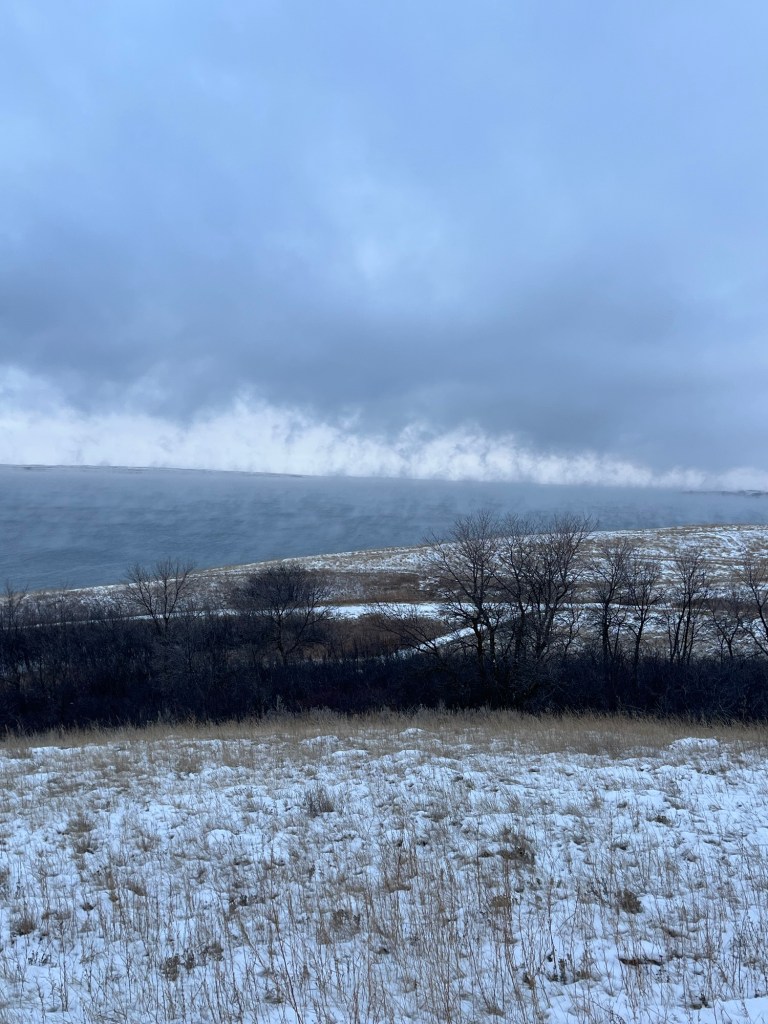
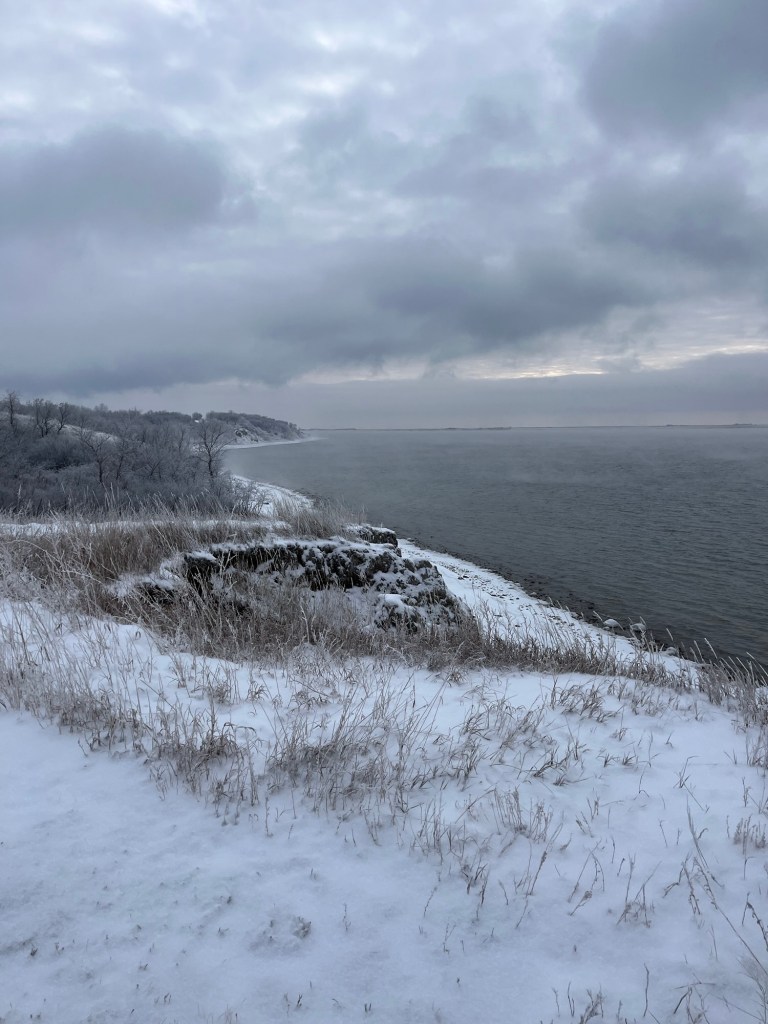
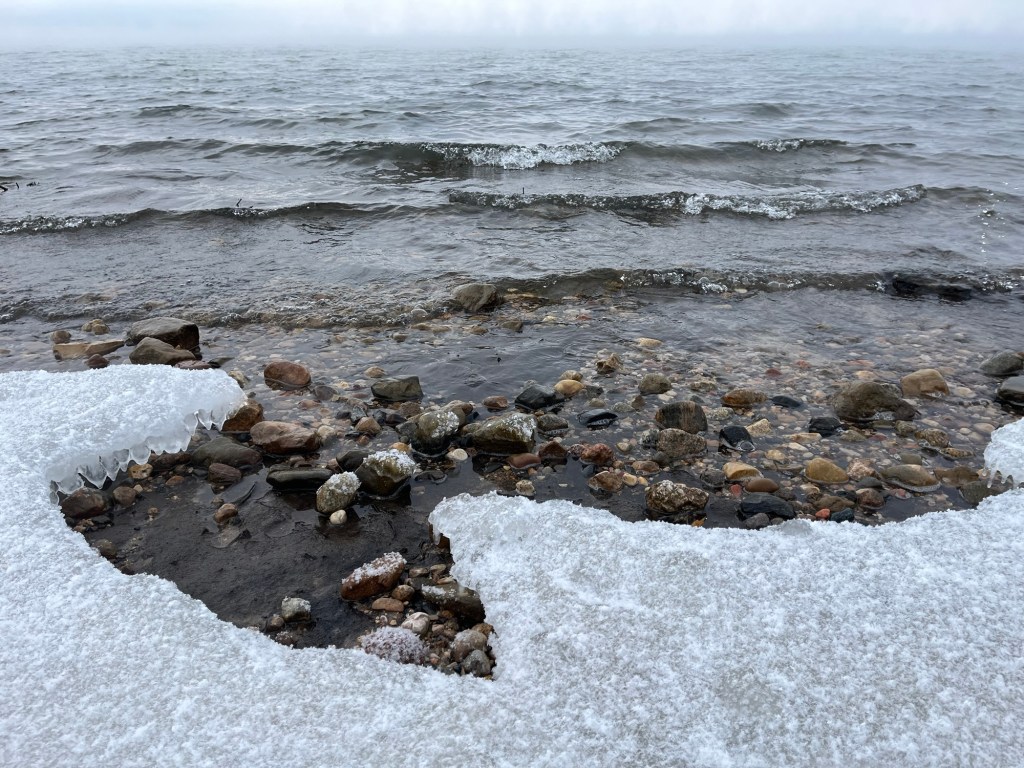
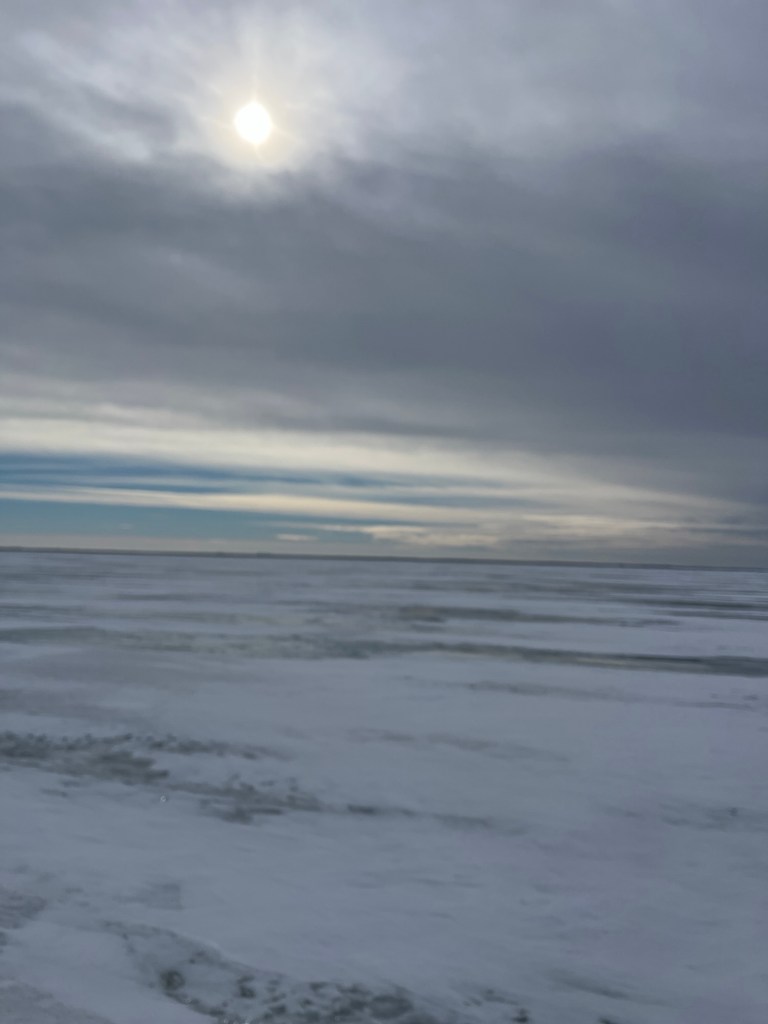
The pale sky stretches wide over frozen lakes and ground.
And yet… we are talking about spring. Not because we see it. But because we remember it.

It has come every year before and we can trust it will come again.
This is one of the most asked questions about forest therapy:

Does this really help when life is hard? When pain is chronic? When nothing feels like it’s changing?

The answer is not dramatic. It is steady.

Forest therapy does not promise cure. It doesn’t offer “complete and totally done with it all 👏🏼👏🏼👏🏼 .”

That’s not our story.

What it offers is regulation. Relationship.

So I keep returning.
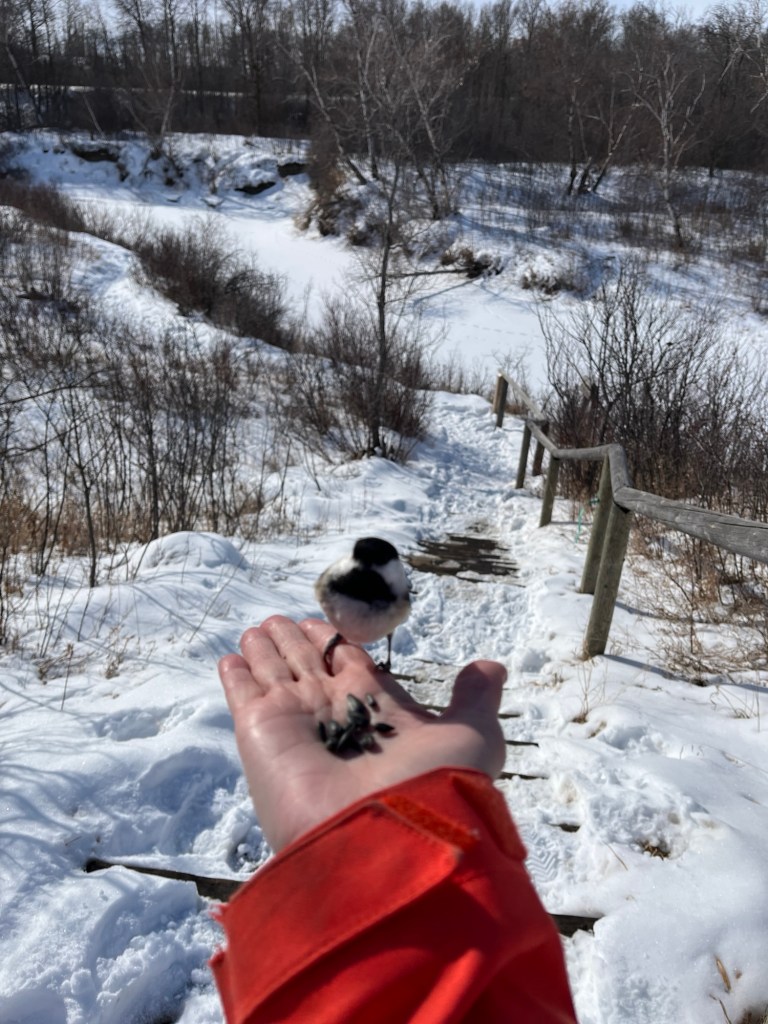
Research around nature exposure shows reduced cortisol, improved heart rate variability, and nervous system settling.

But beyond the science is something quieter. The forest does not rush spring and the body does not rush healing. They know the futility and energy waste that rushing introduce to otherwise perfect systems.

Both the forest and the body move in seasons. Why then do we want spring to hurry up? Why do we expect the body to heal in our prescribed way, on our expected timeline?

🌲 “Can forest therapy help chronic pain?”

As someone who lives with chronic pain, I don’t speak in absolutes.

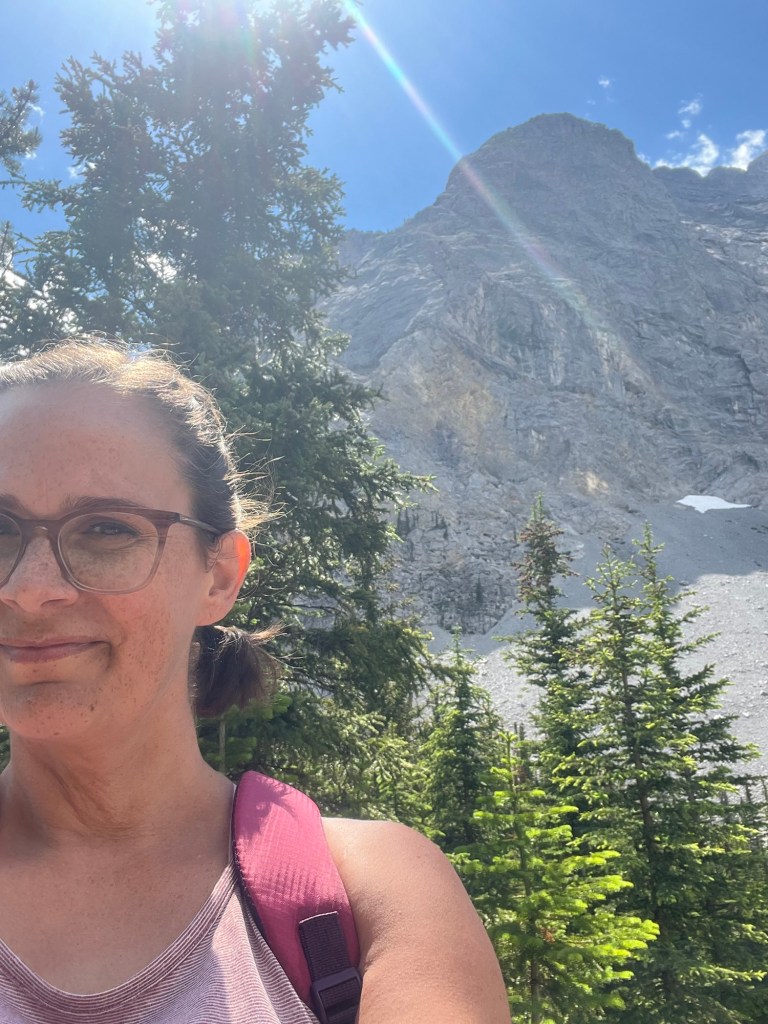
I speak in terms of mountains. There are days the climb feels vertical. Flares. Illness. Falls. Each with its own devastating consequences.

And still. We climb.
There are years that ask questions and years that answer.

Zora Neale Hurston

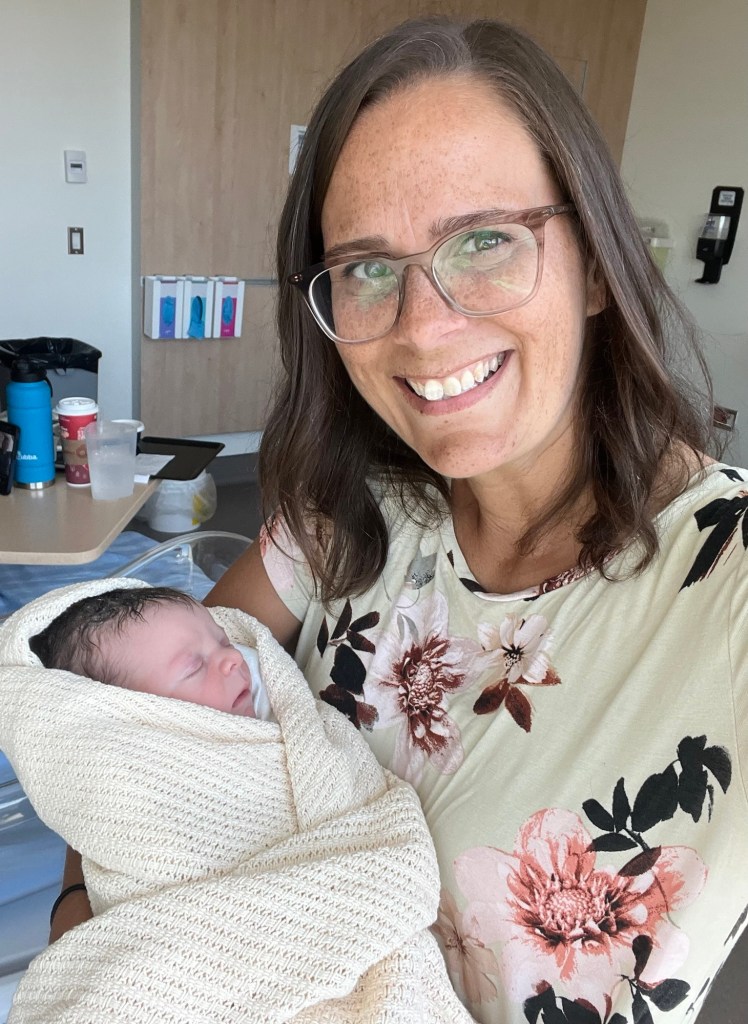
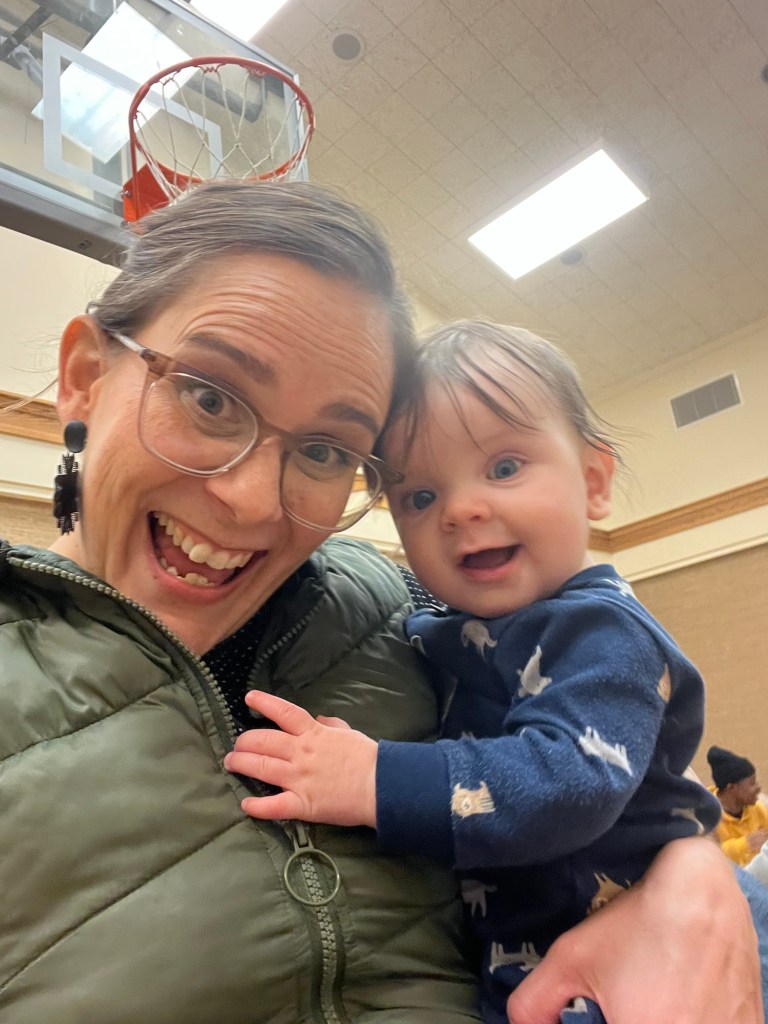
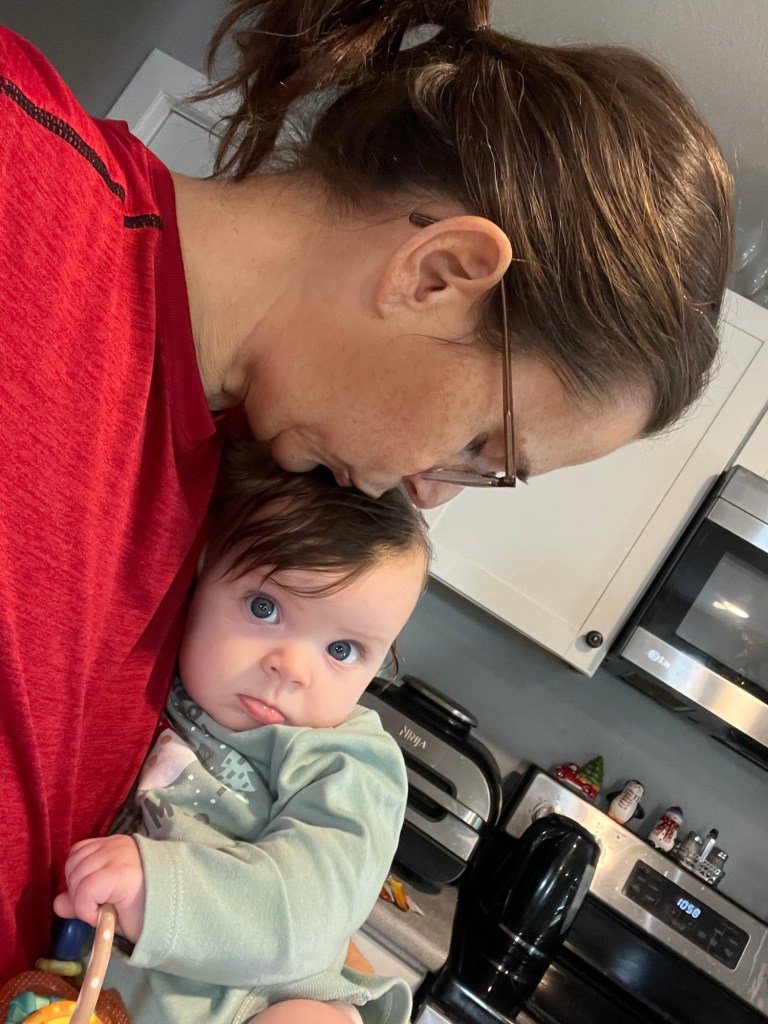
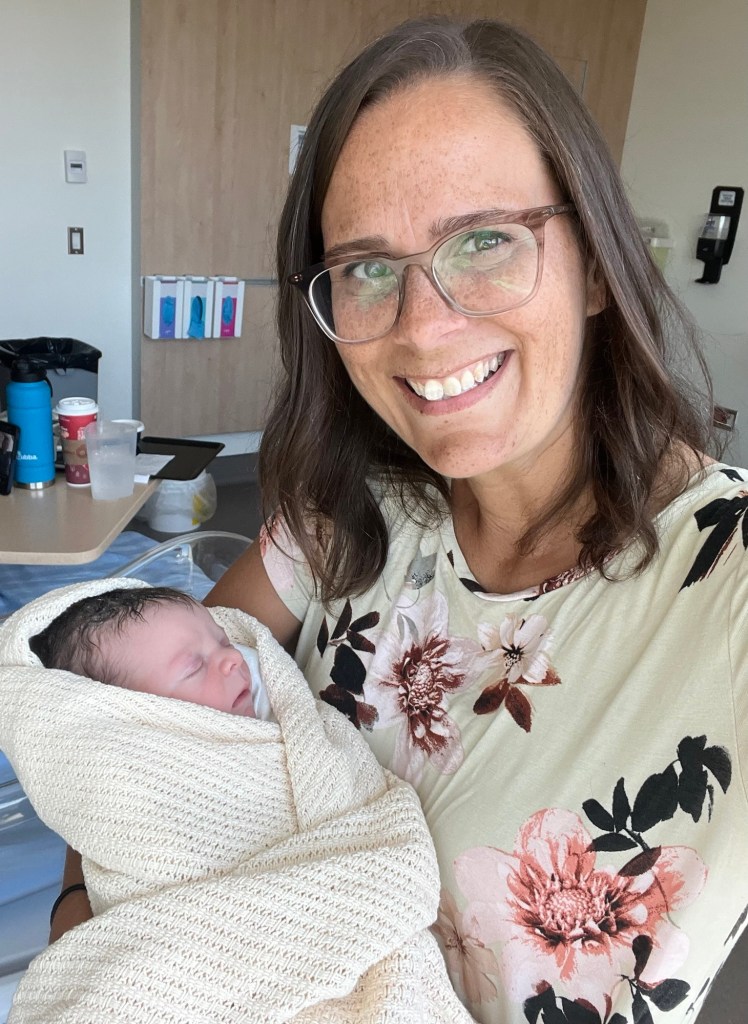
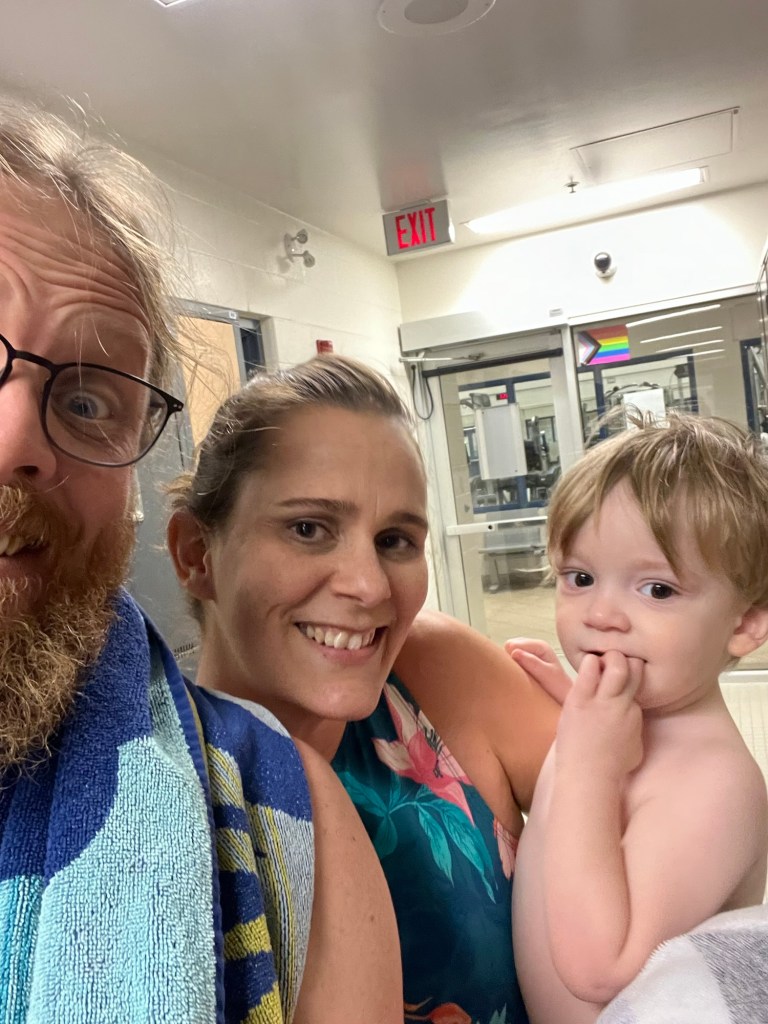
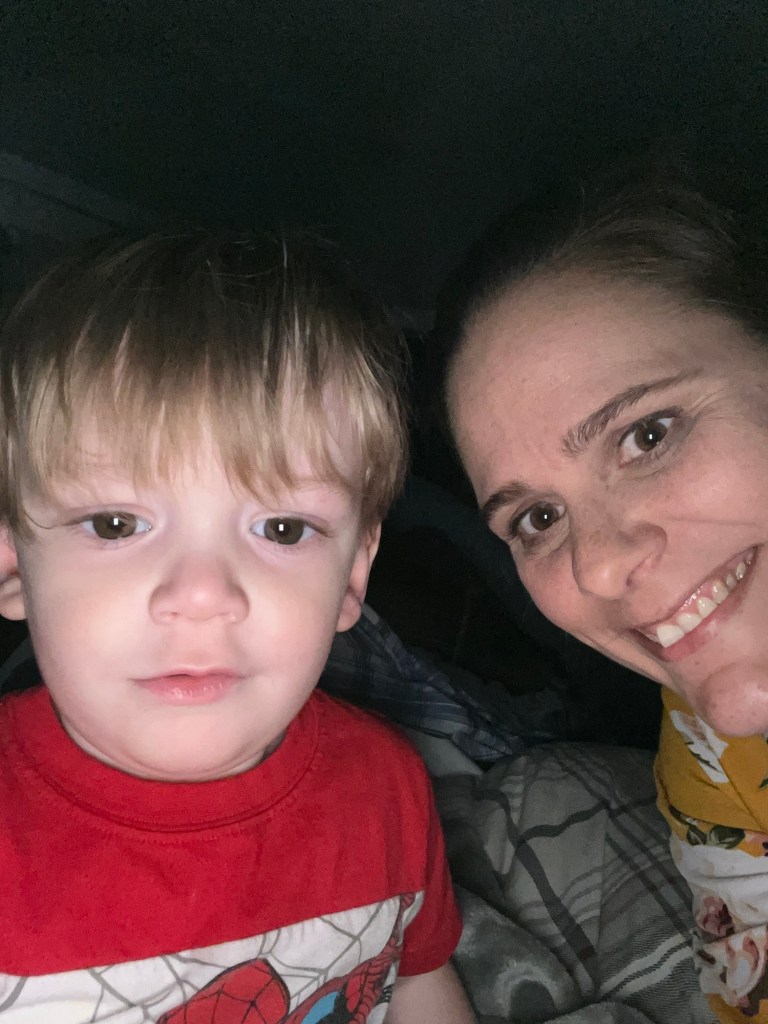
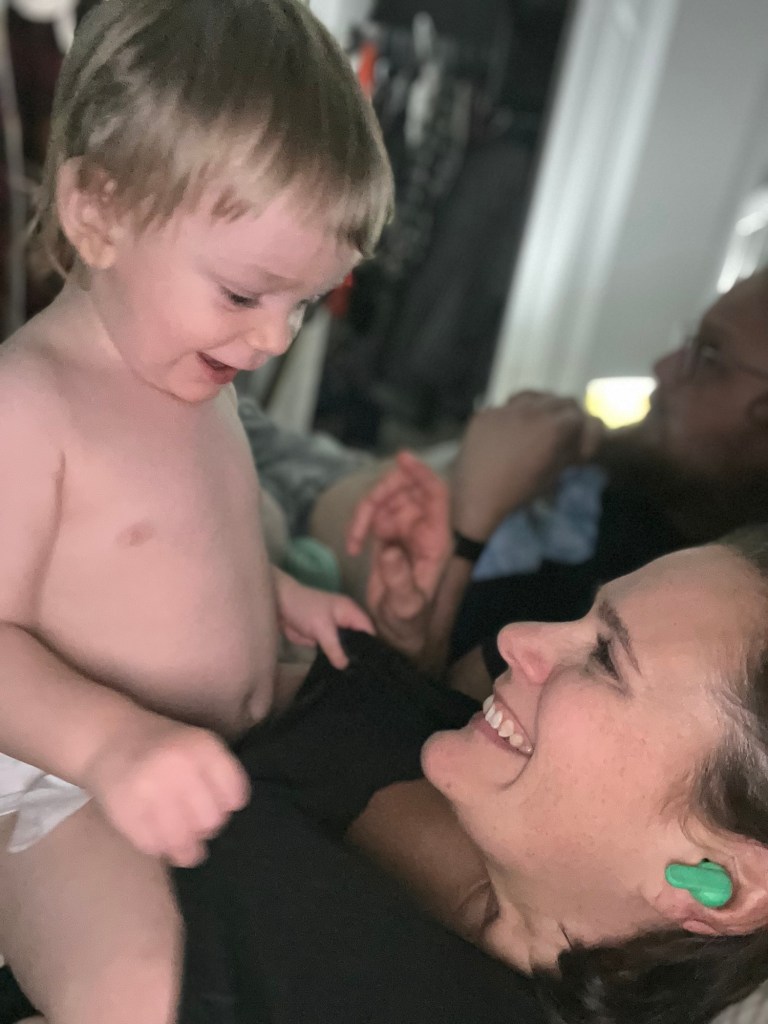
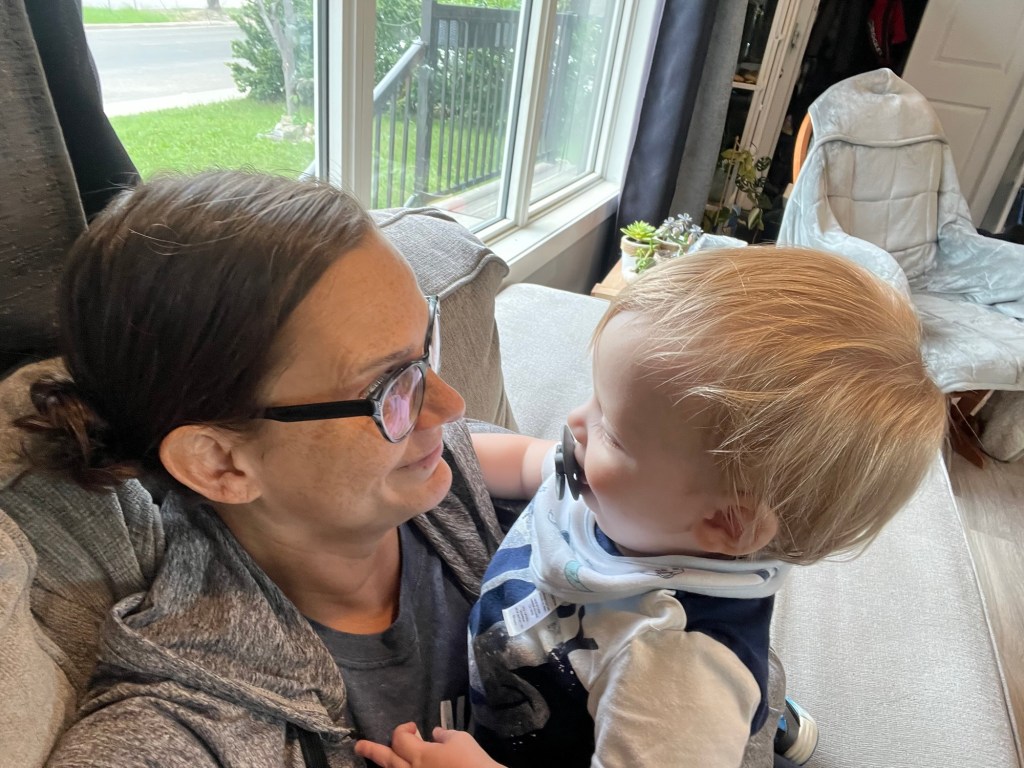
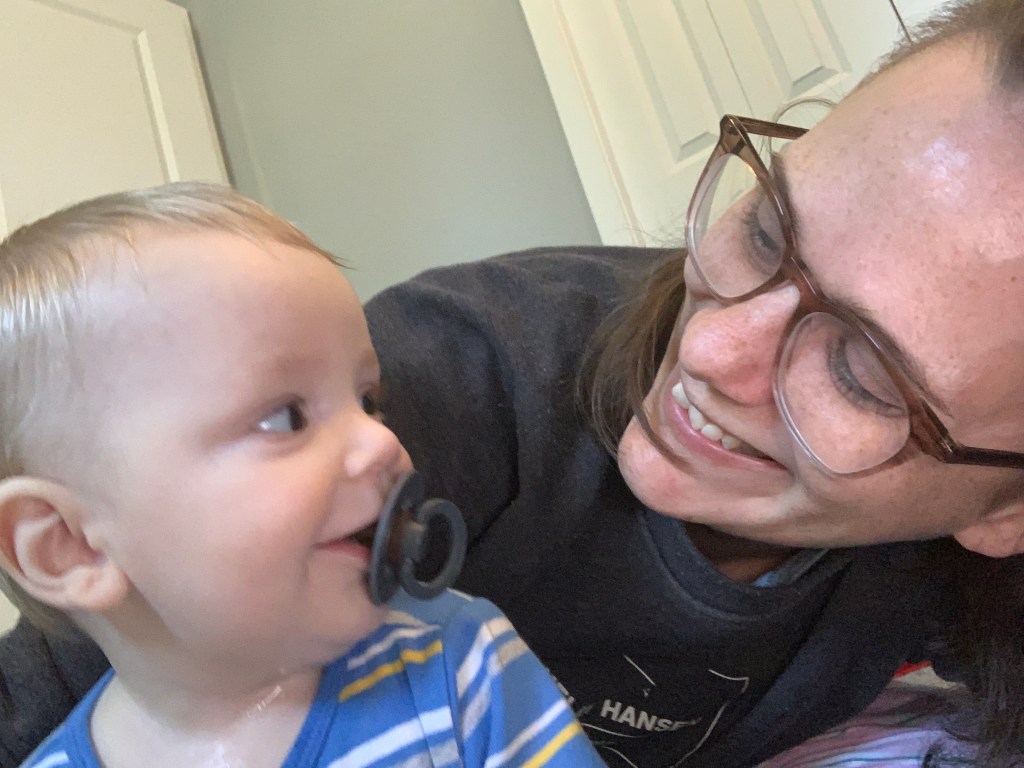
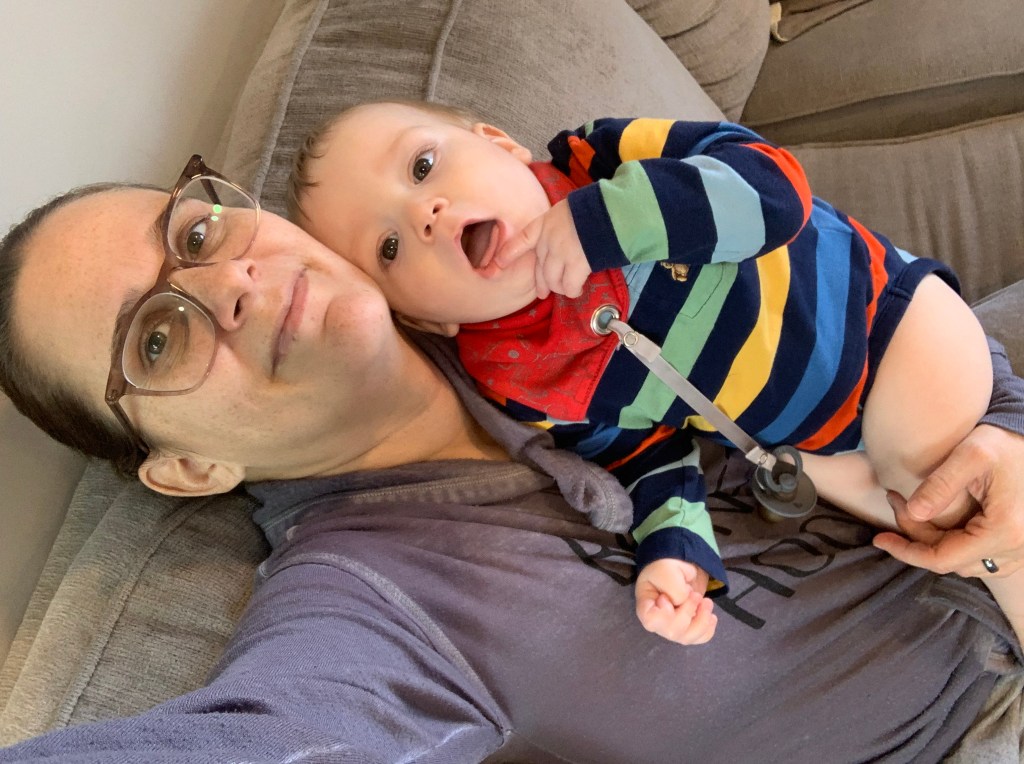
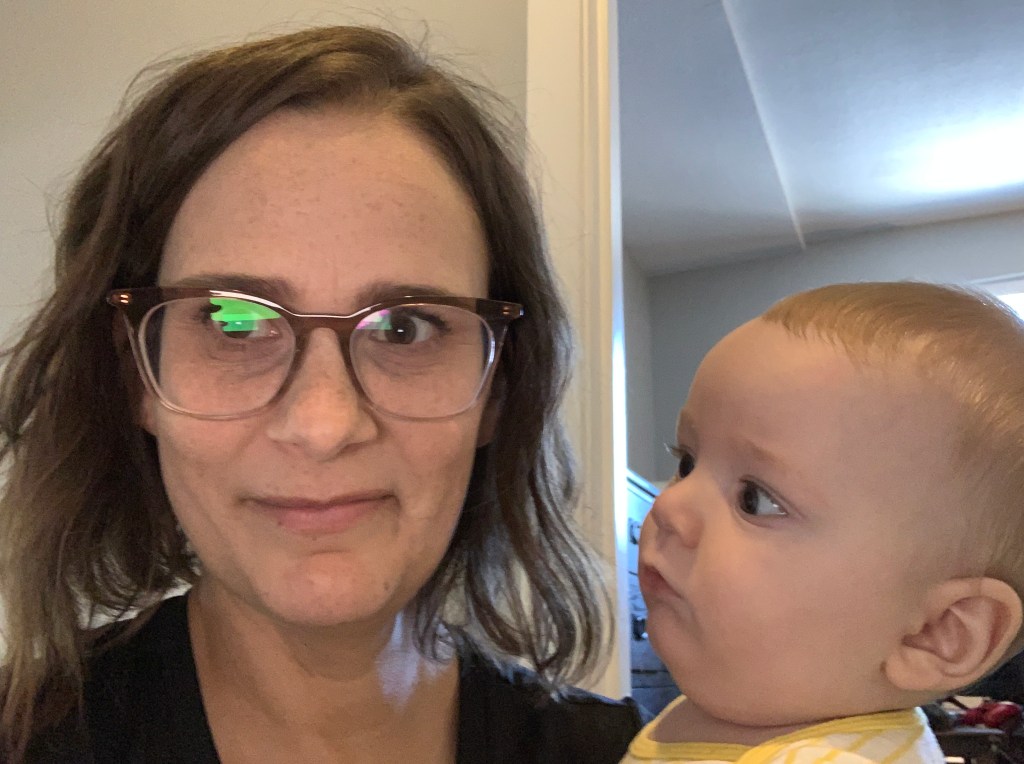
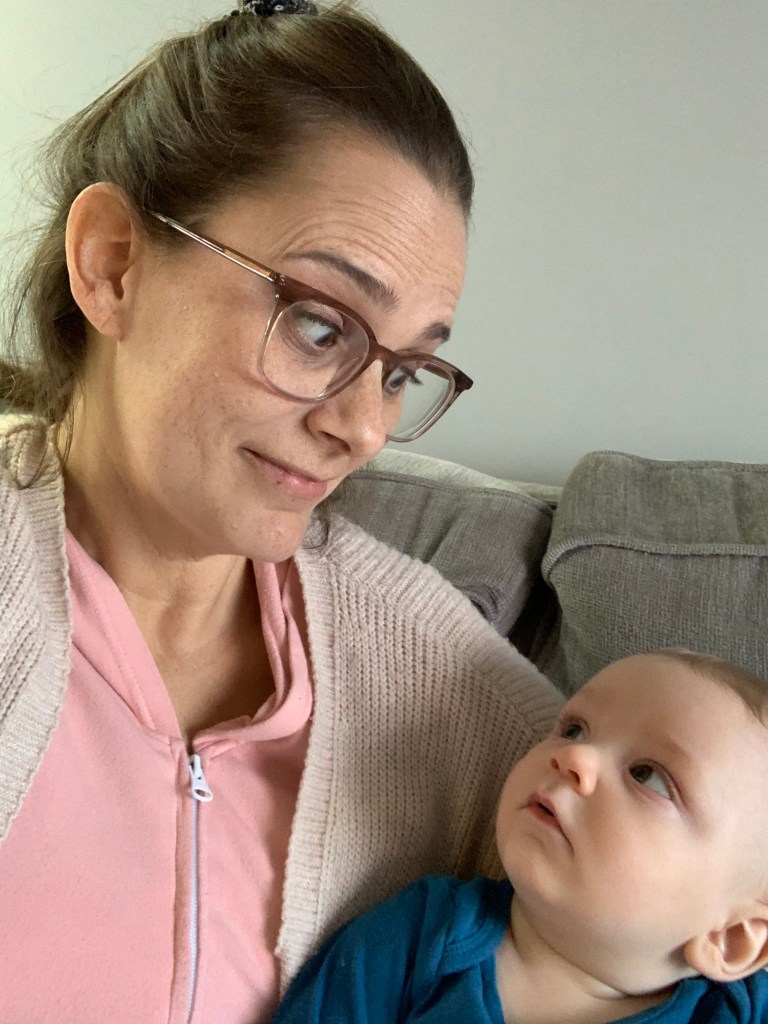
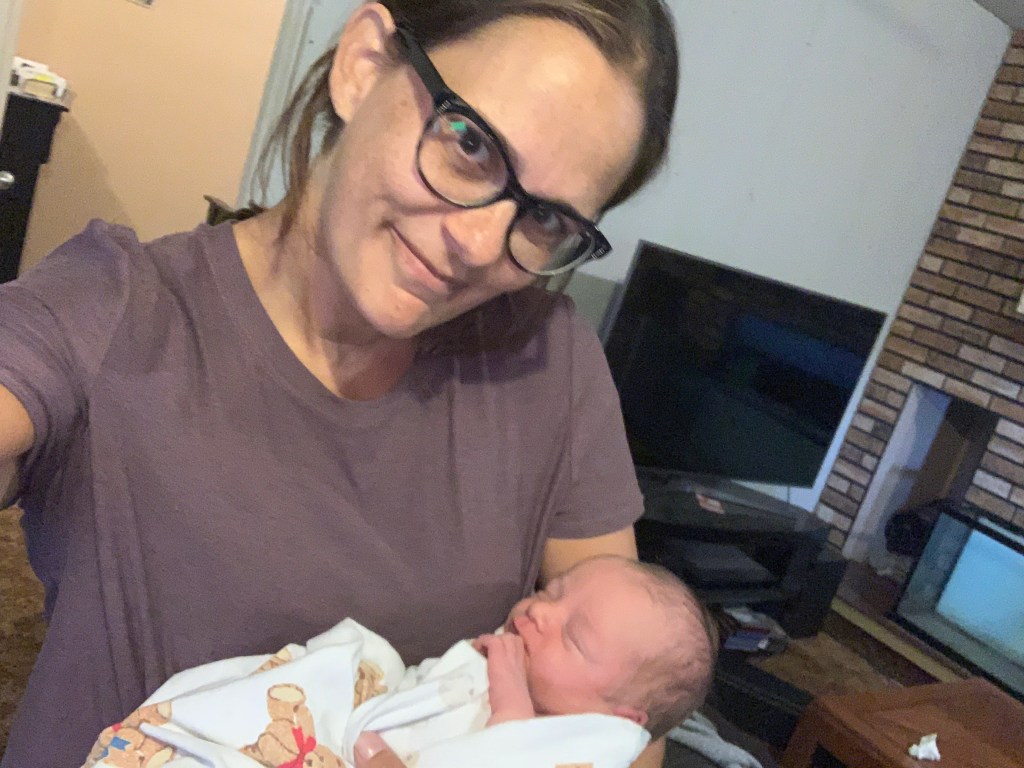
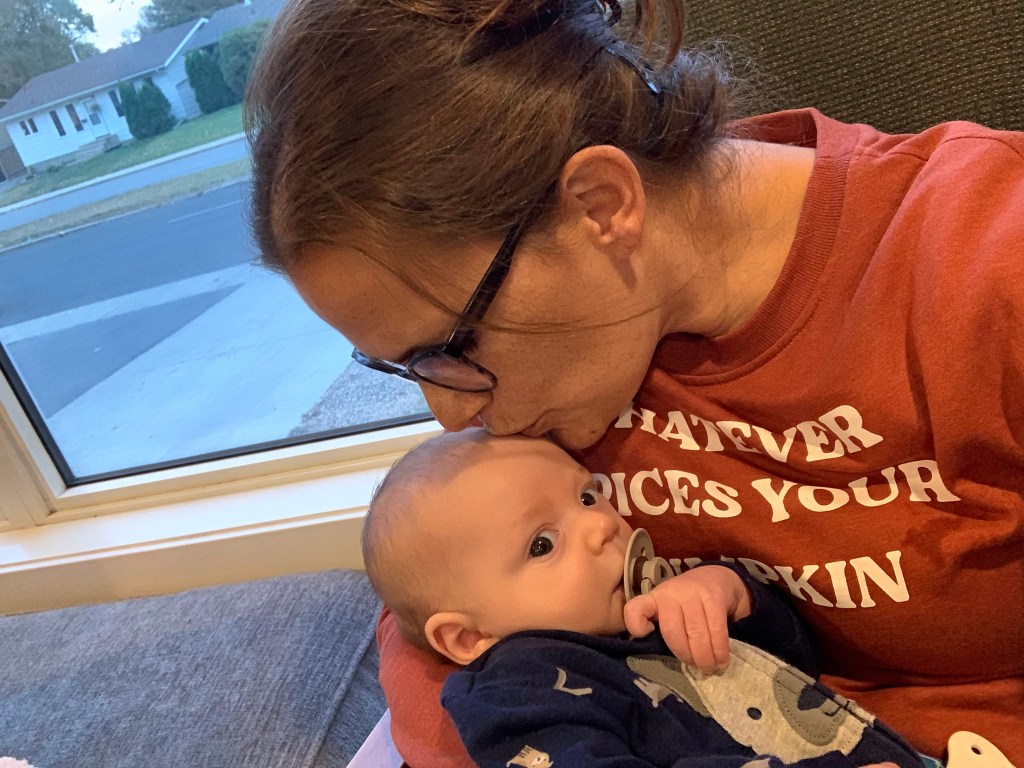
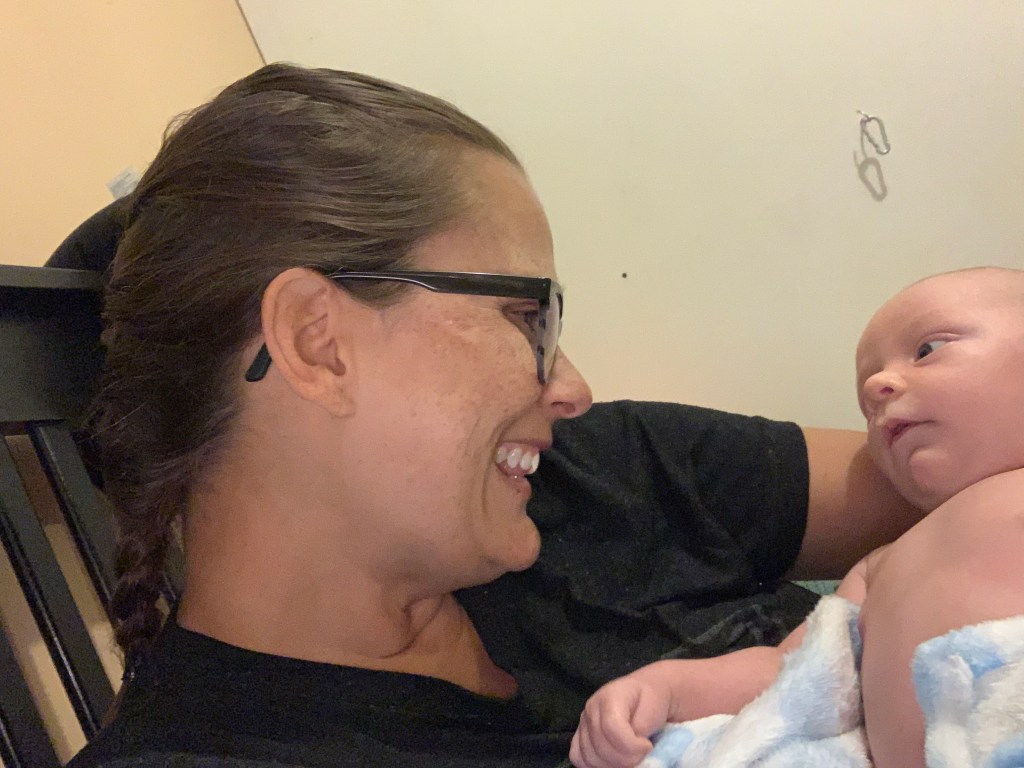
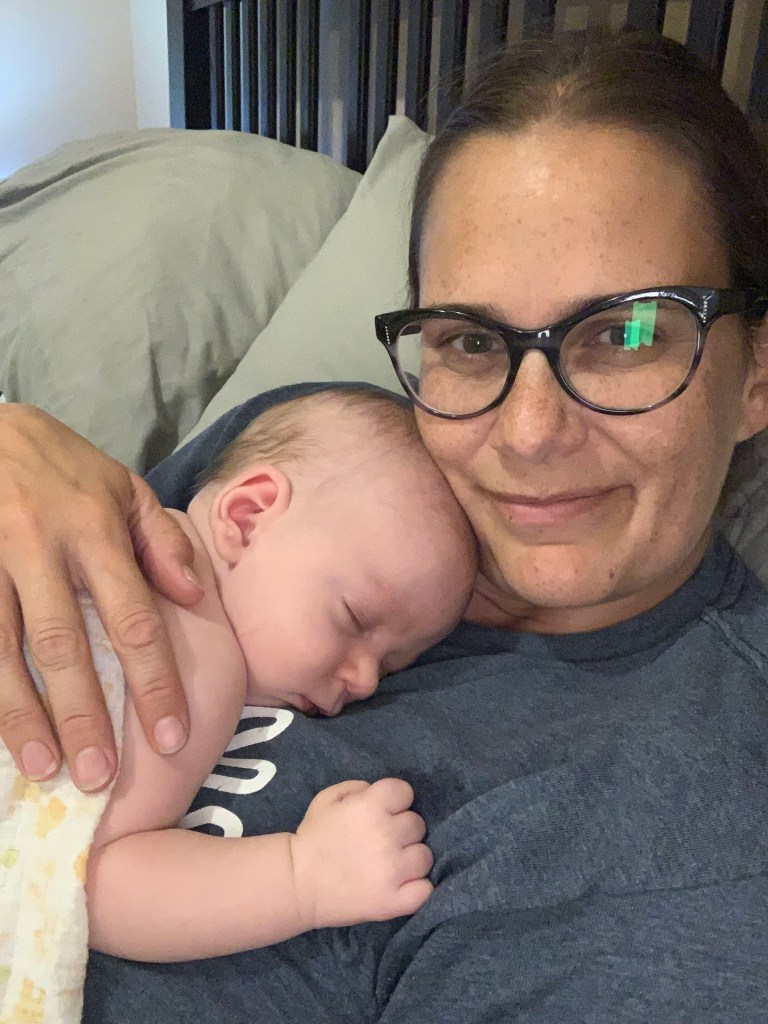
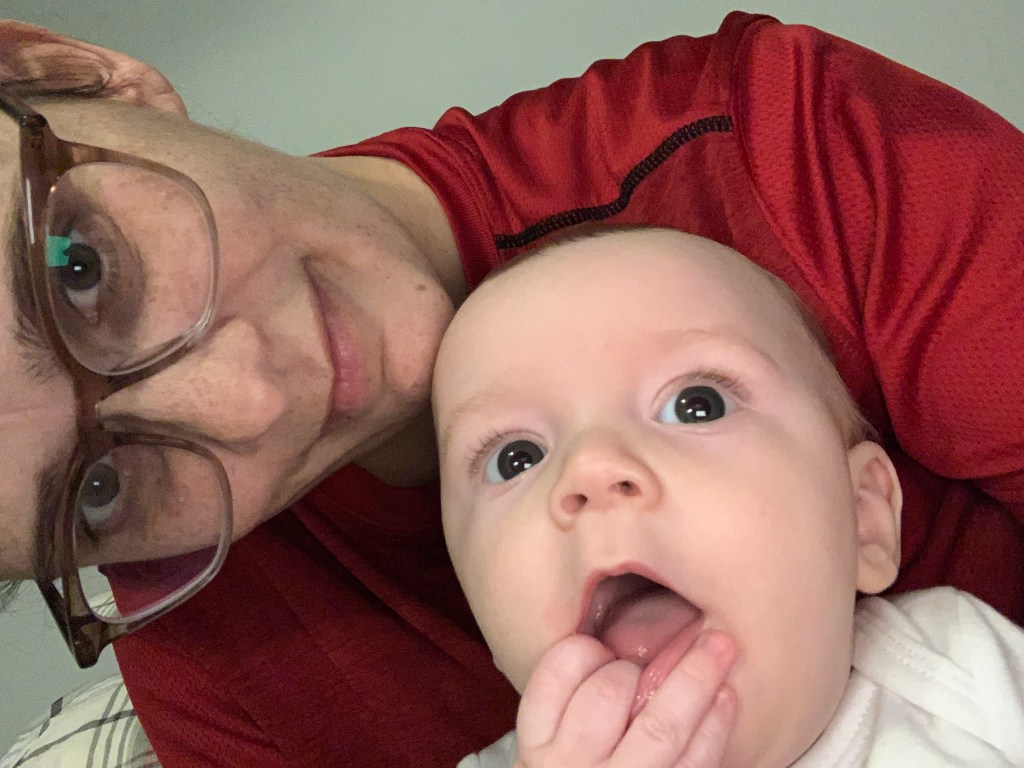
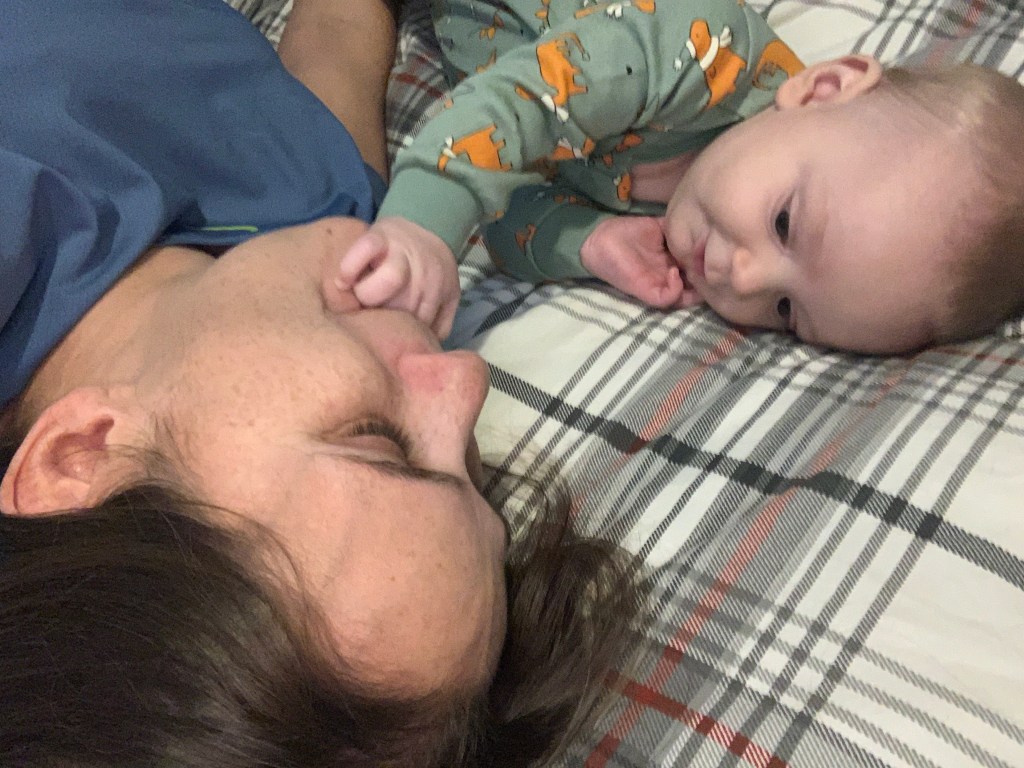
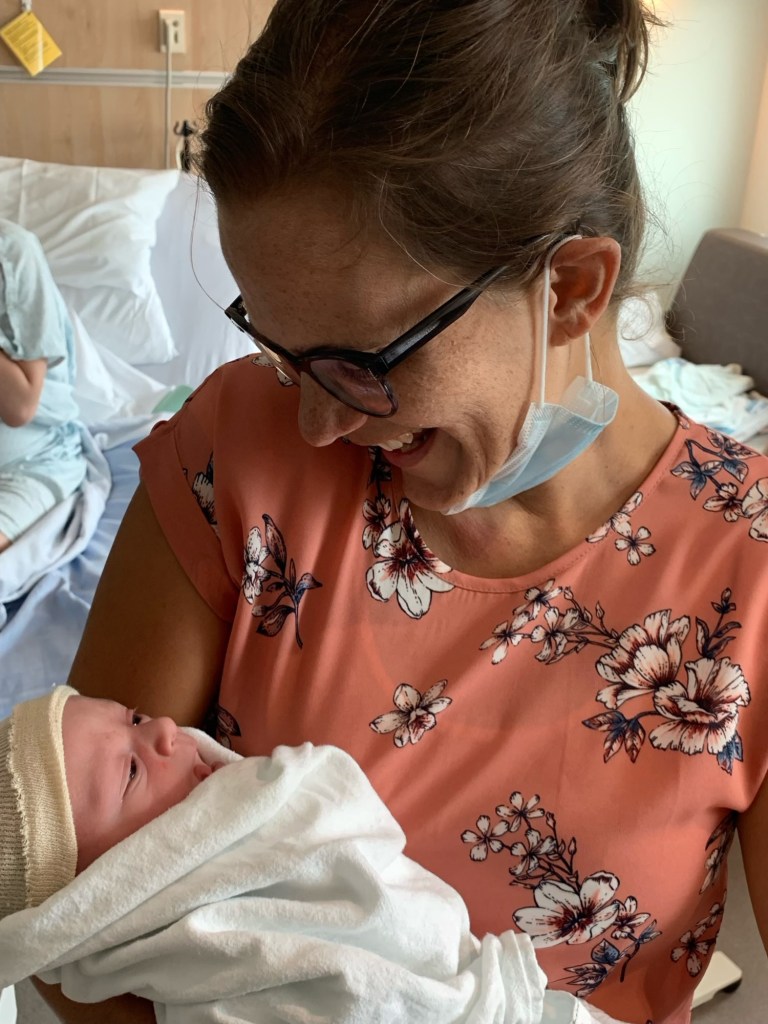
During the super cold winter of 2021, I learned that our first precious grandbaby was on his way. I wanted. Correction: I needed to be able to hold and snuggle that little one.

But I was so weak. I could barely lift a mug of tea without shaking from the effort. I walked from the bed to the bathroom. Sometimes to the car for an appointment.

The little munchkin, who I hadn’t even met yet, was cheering me on. I could sense it. So with a soup can, a baby blanket, and a prayer, I commenced my grandma- training.

A soup can because it weighed approximately a half pound. My ideal starting weight.

A baby blanket because of what this can of soup represented. He was going to grow over the following months into an actual grandbaby that I would wrap in this blanket. And carry him around to snuggle him. And to put him to sleep. To have deep conversations and sing the songs my mom and grandma sang to me.

And a prayer because that’s who I am.

That soup can, baby blanket and I started with 30 second walks 3x a day. Each walk induced waves of nausea followed by hours of cramping and exhaustion.

Each half pound and each 30 second increase was an excruciating miracle.

There were setbacks. Most evenings were agonizing. Some days I wondered if this was the correct place to put this much time and energy. It was all I could do to find time and energy to eat.

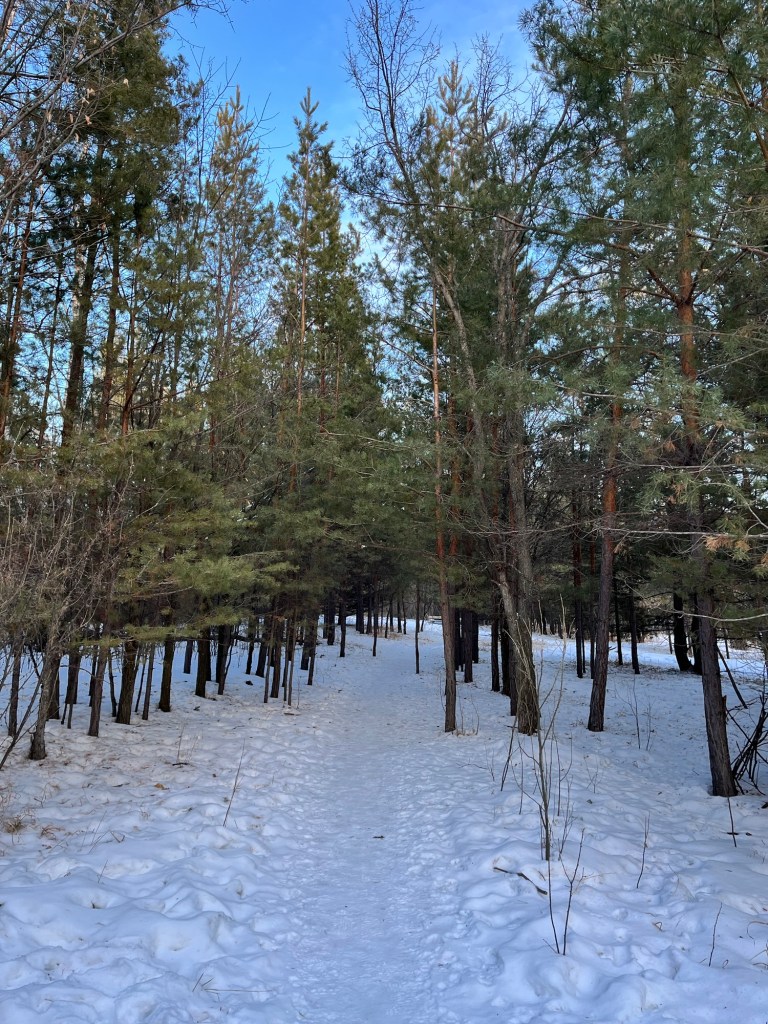
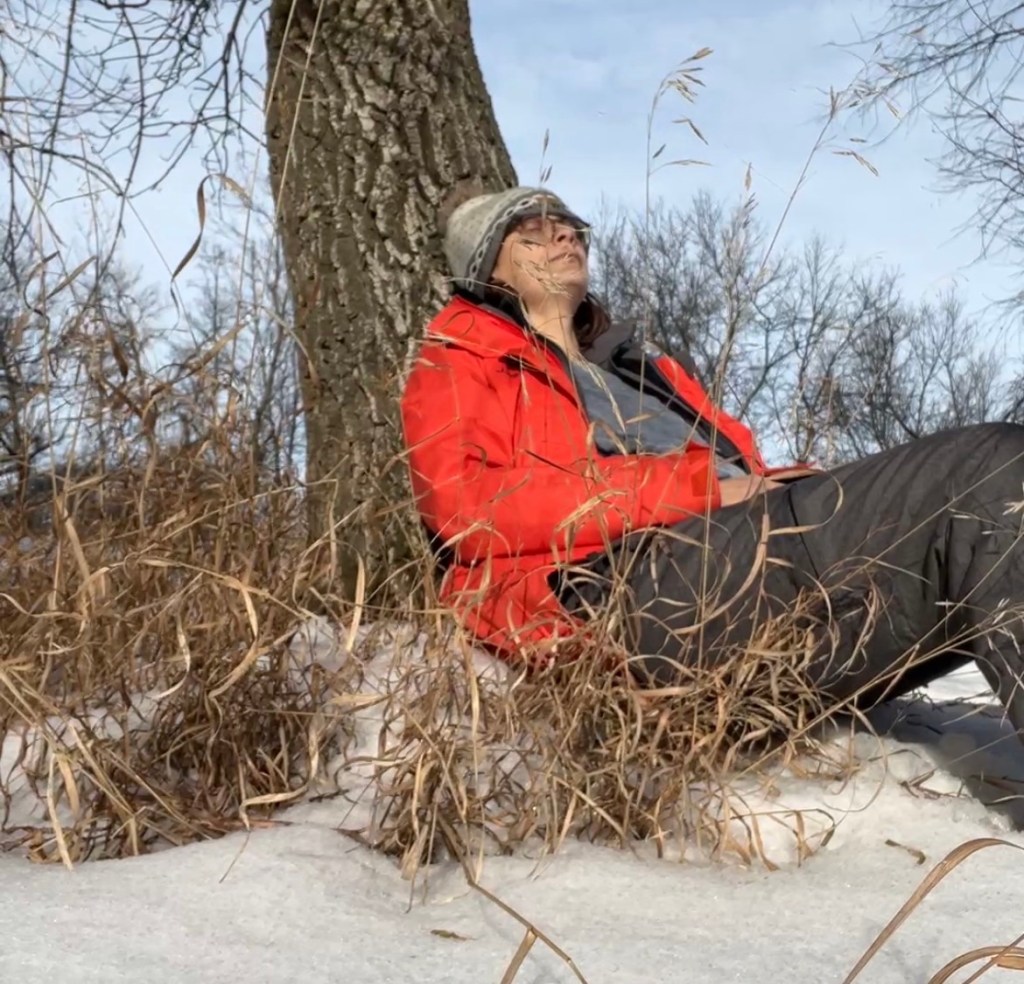
After months of focused grandma- training, I could walk outside! And something shifted. During a particularly stressful week and stubborn muscles, I walked down the lane and into the trees on our farm. I couldn’t go as far as I’d planned. I couldn’t “achieve” what I wanted. I leaned against a frozen trunk and felt foolish for even trying.

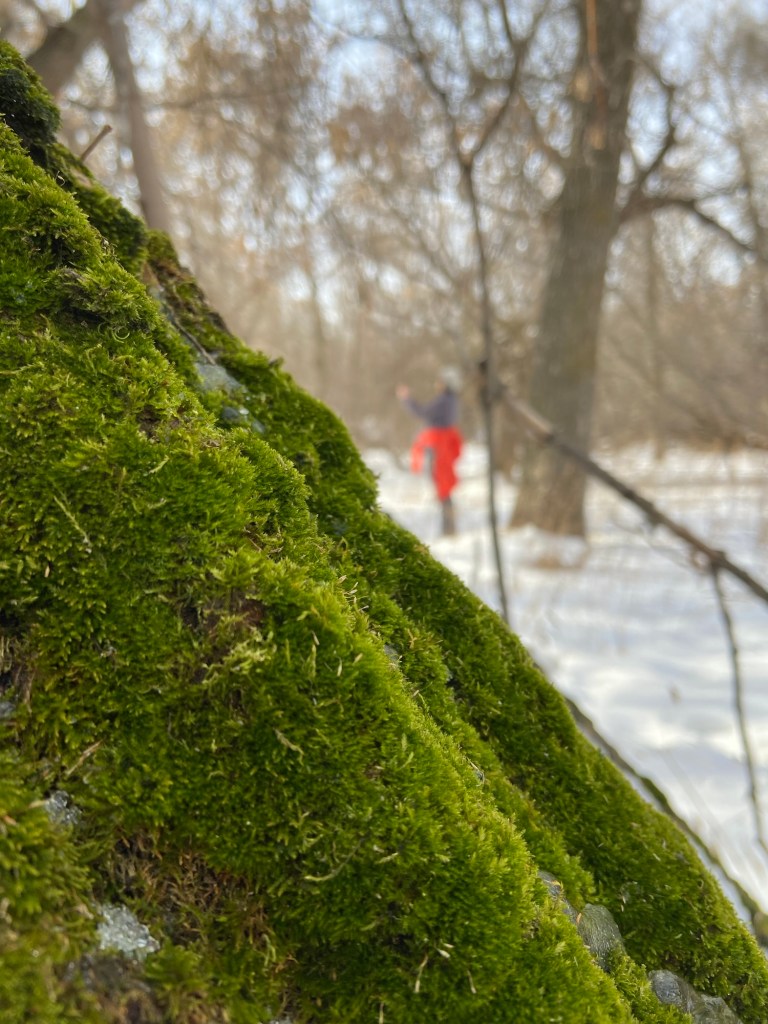
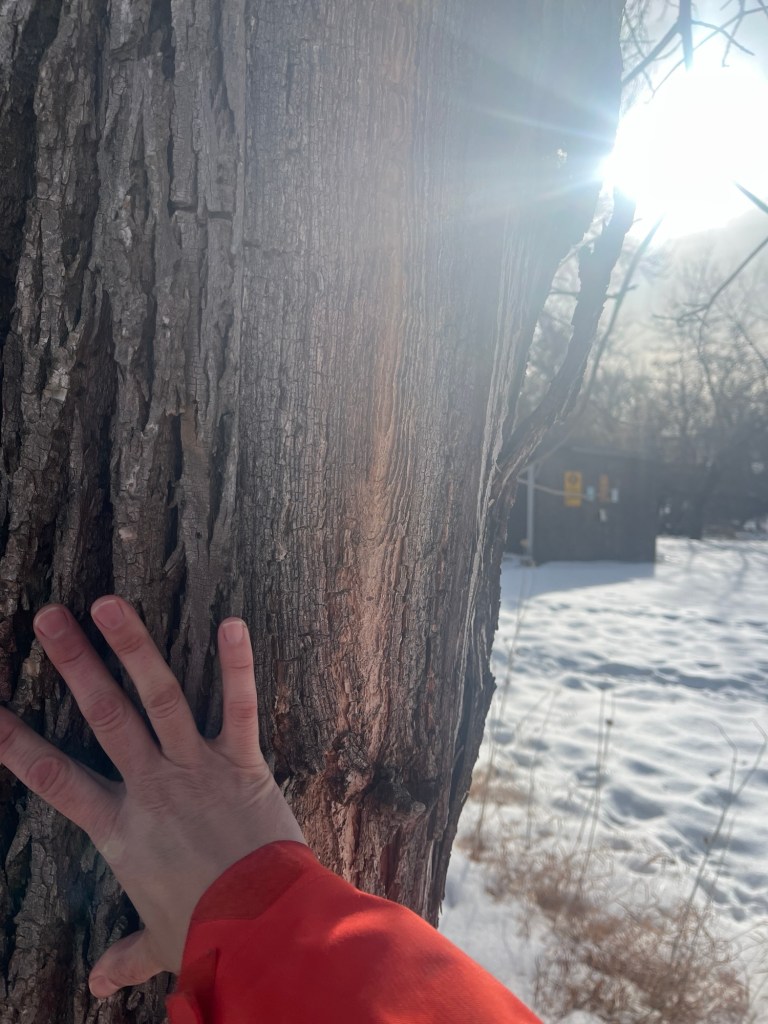
The cold, early spring air sharpened my senses. The snow muffled the world. The trees stood, scarred, weathered, unmoving.

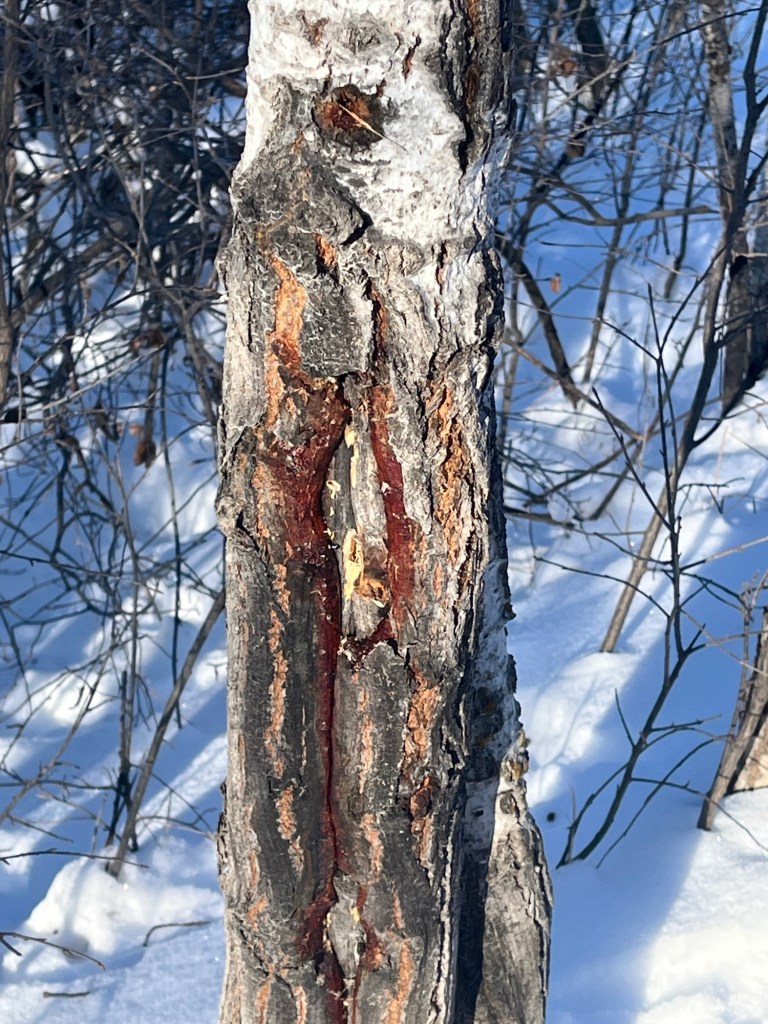
Some trees have survived a hundred Saskatchewan winters. I considered how they are wise and do not apologize for seasons of dormancy.

It was around this time I stopped asking, “When will I be better?” And started asking, “How do I live well from this place?”

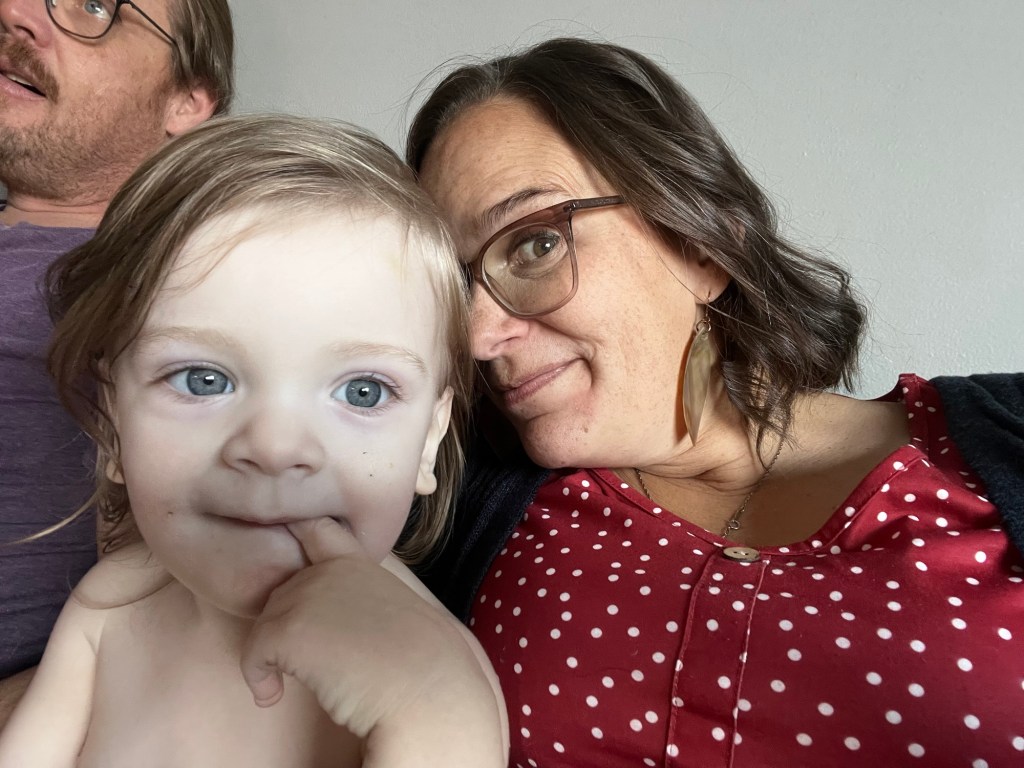
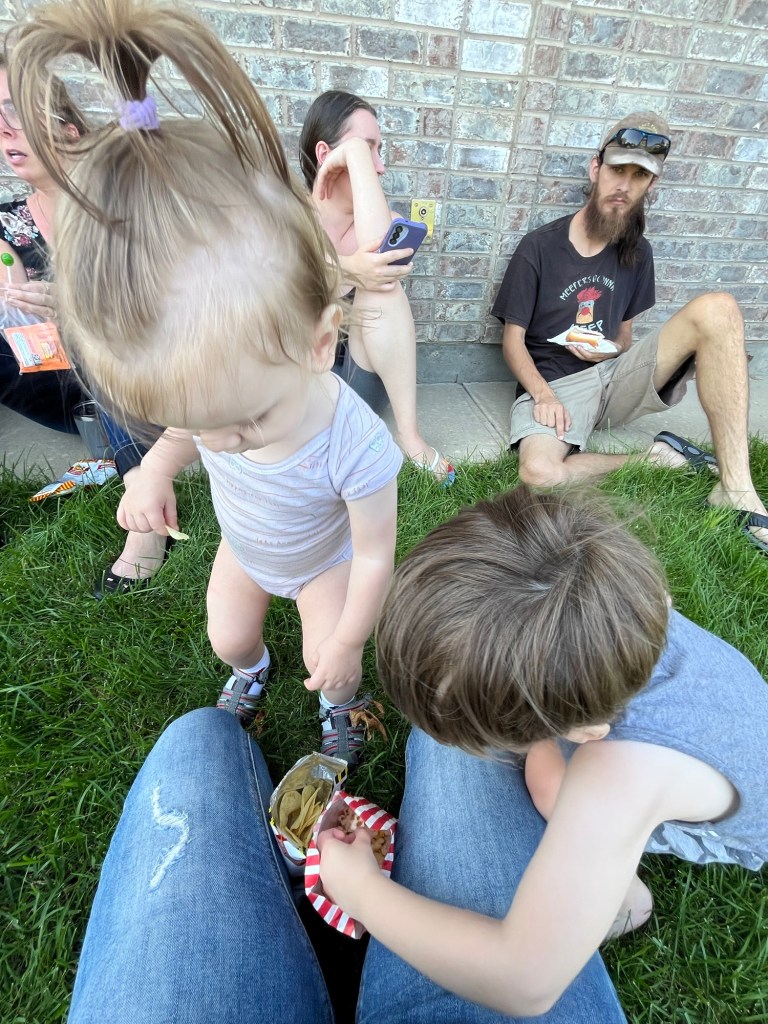
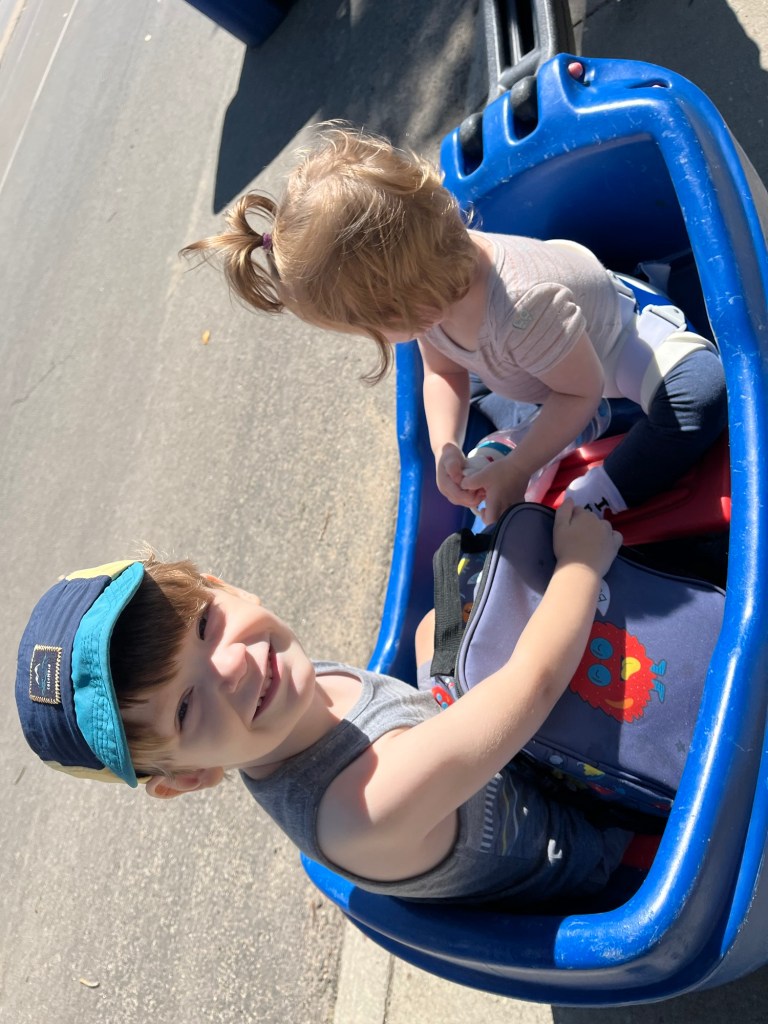
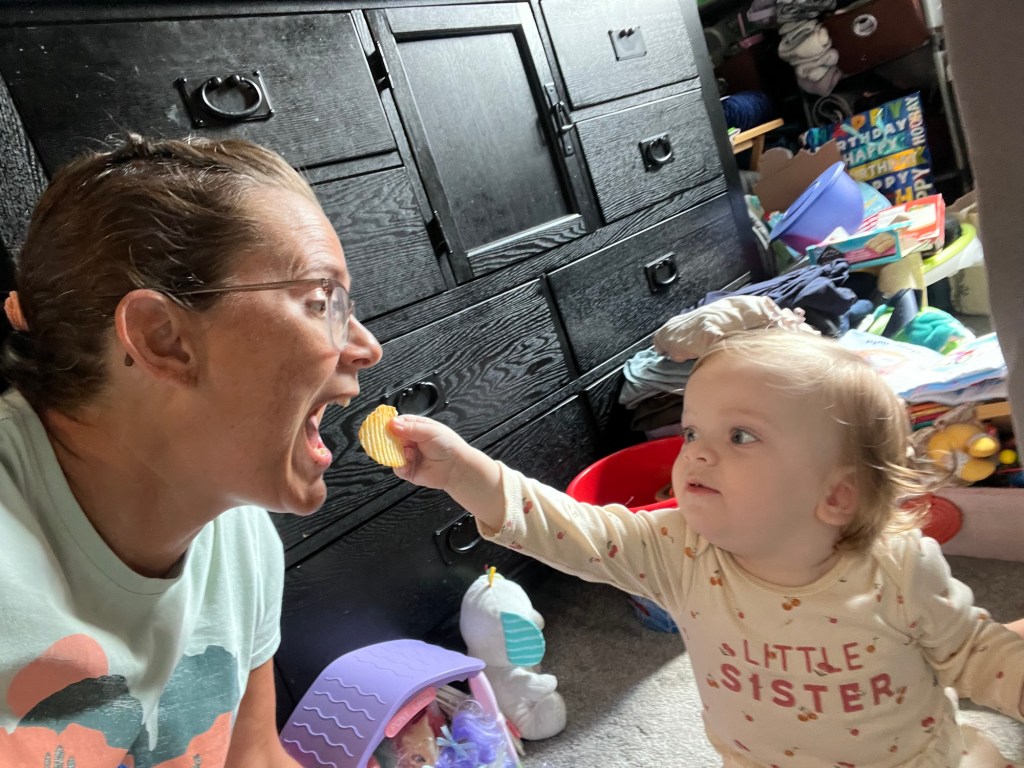
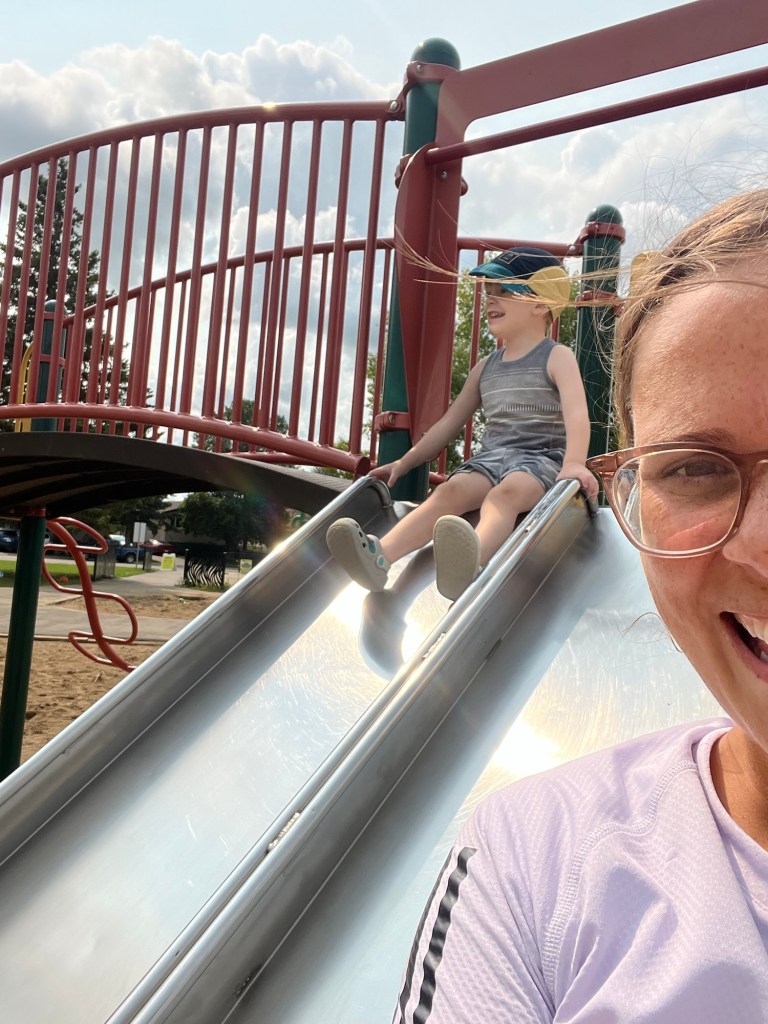
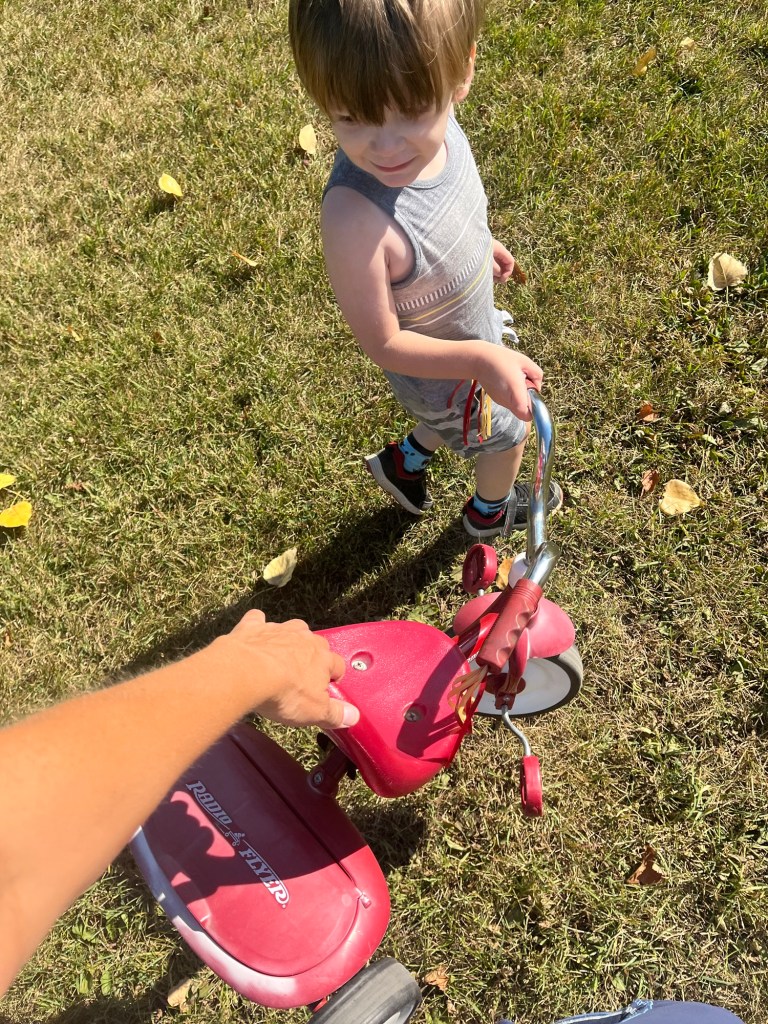
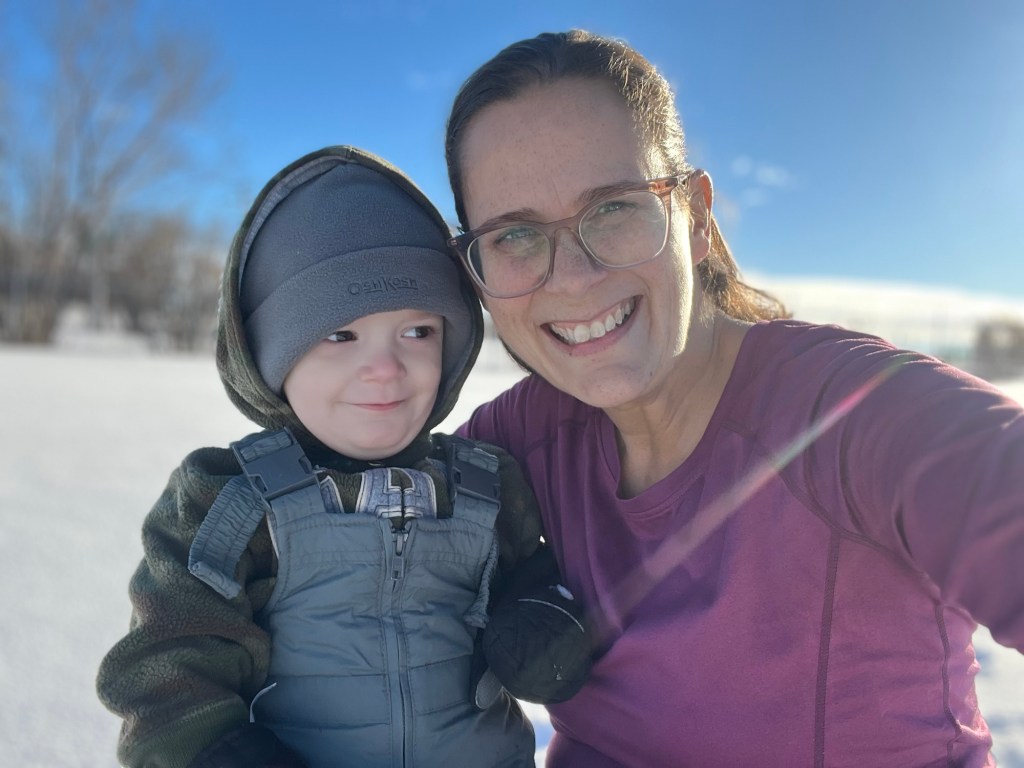
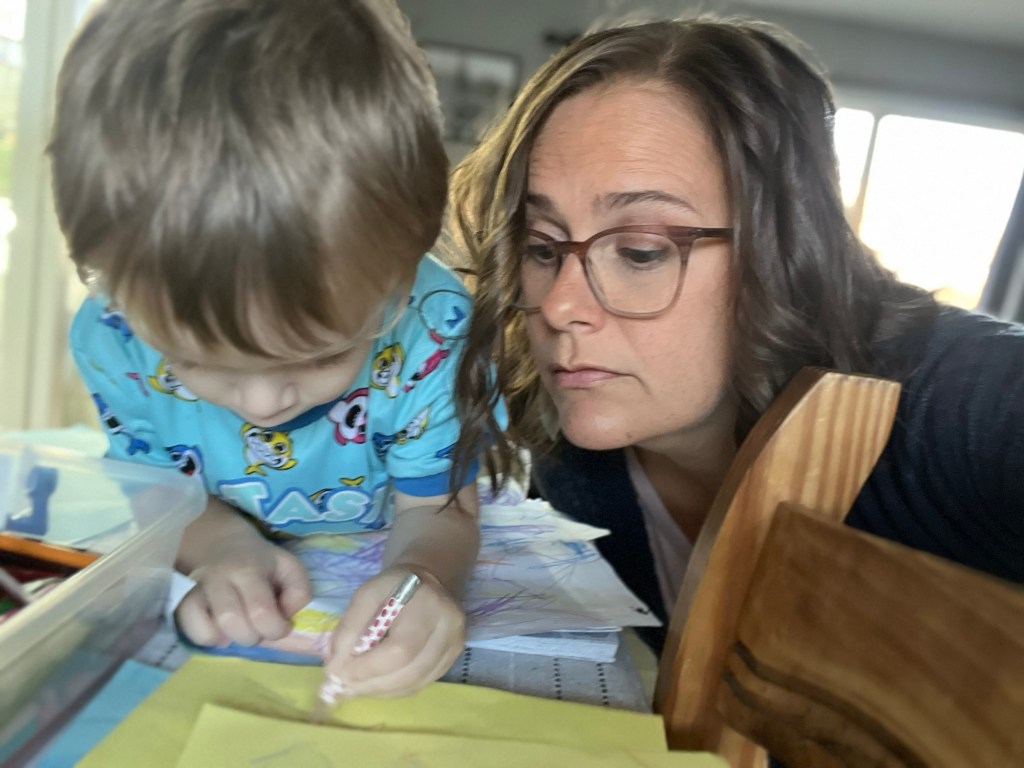
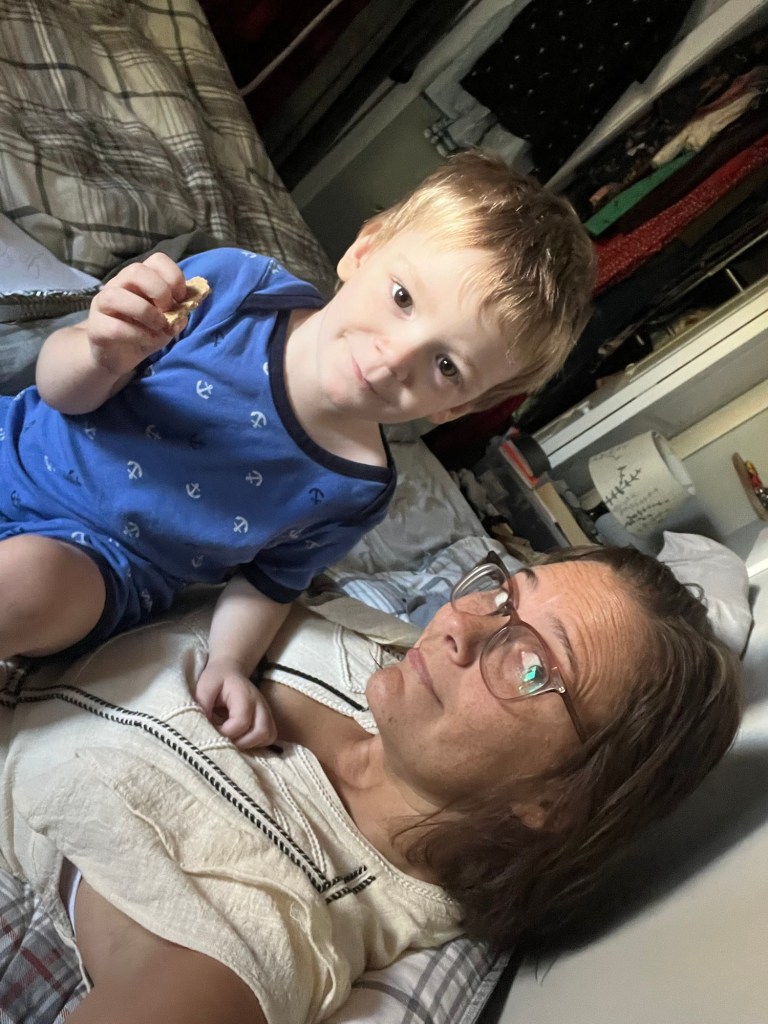
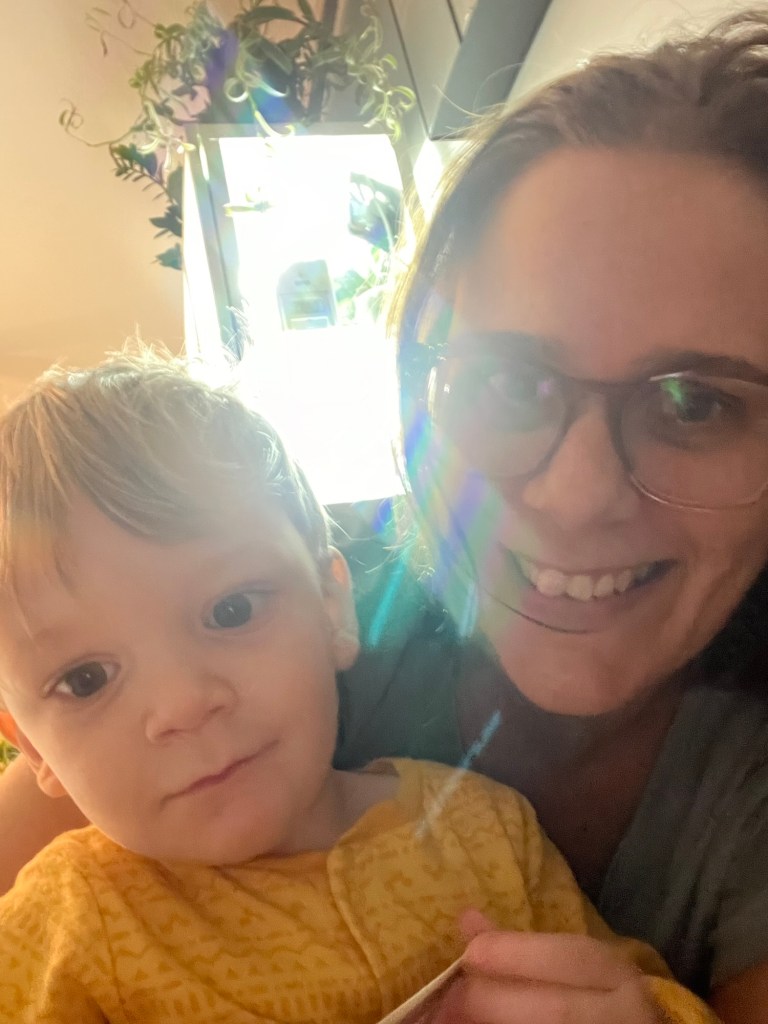
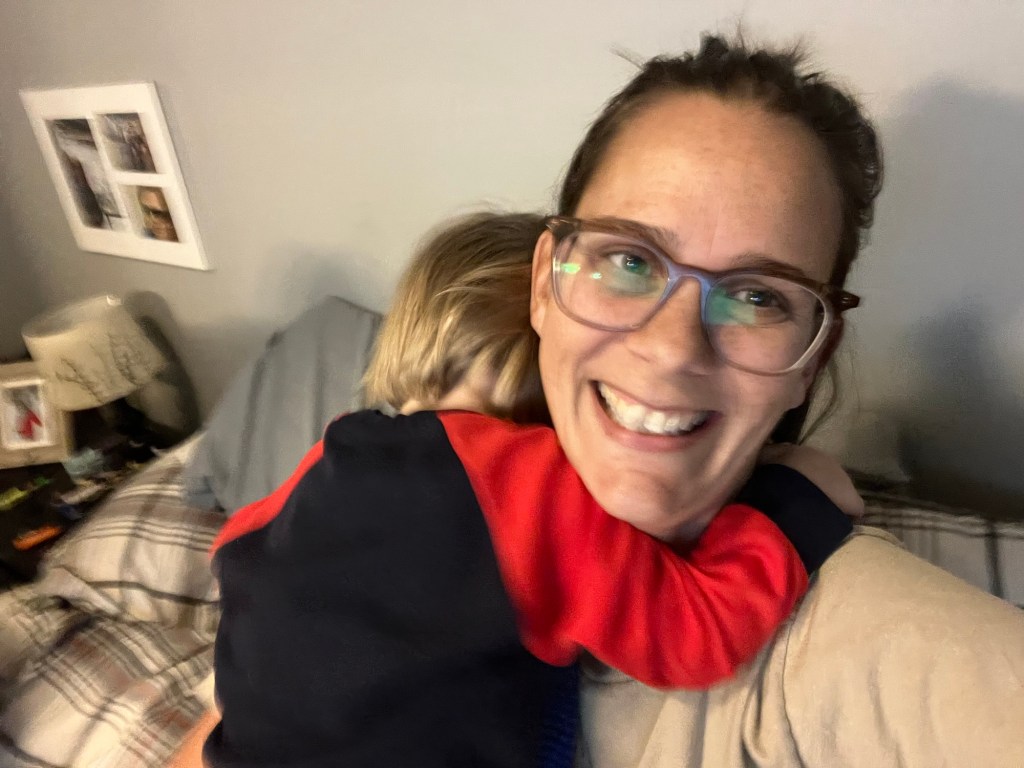
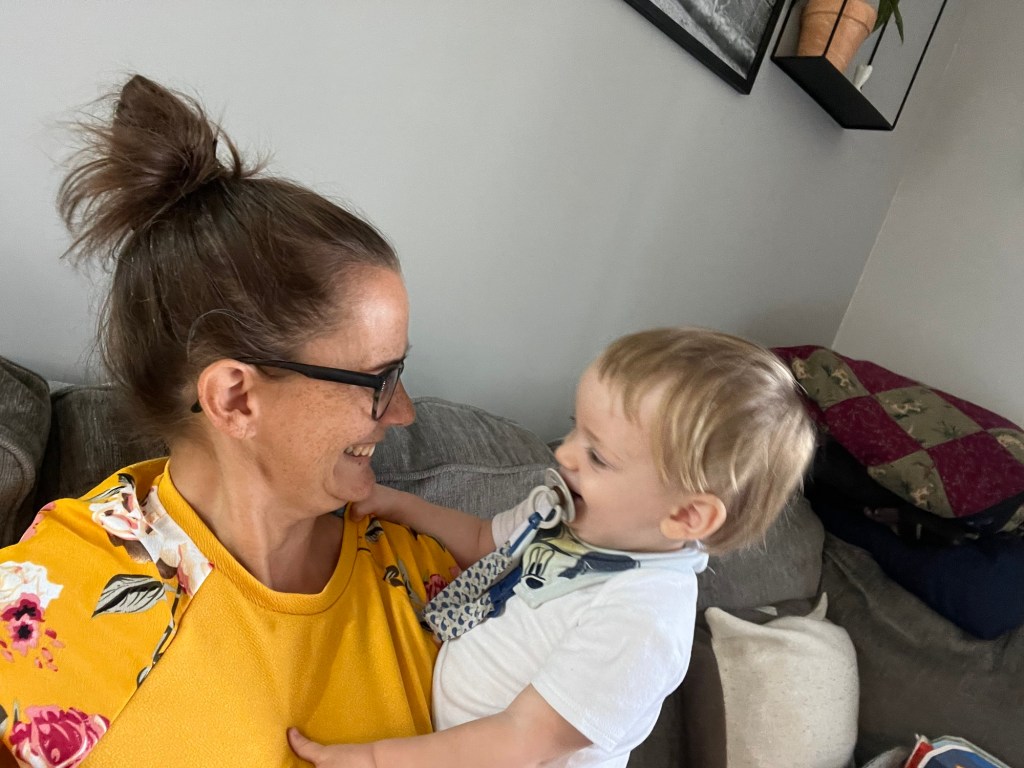
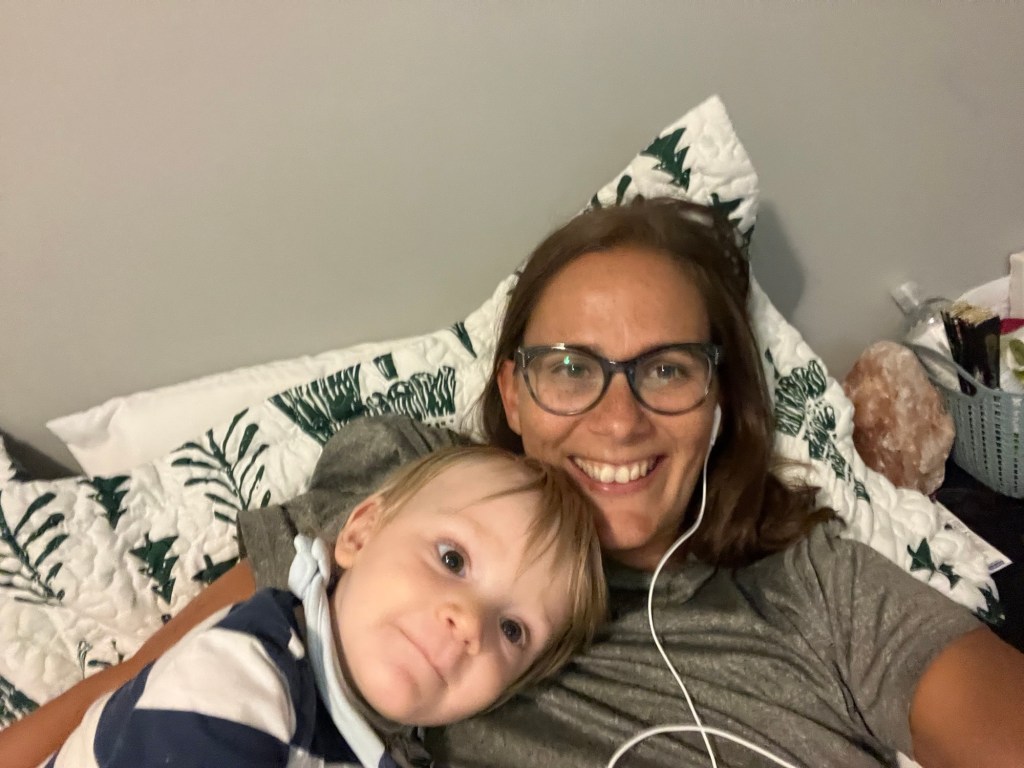
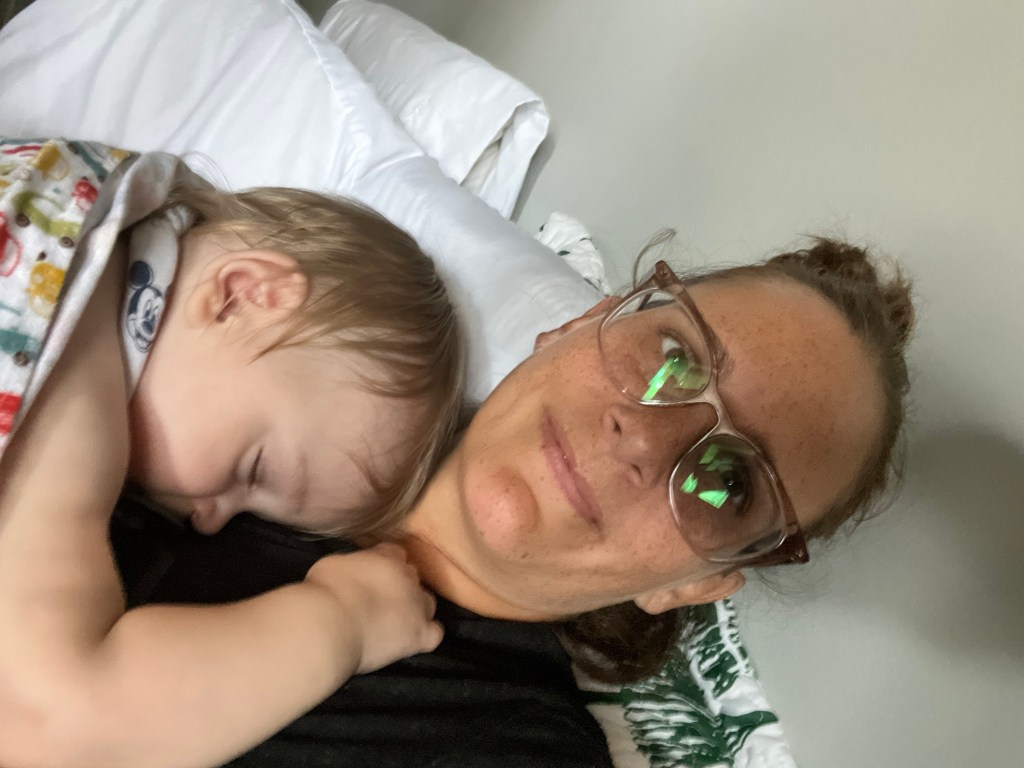
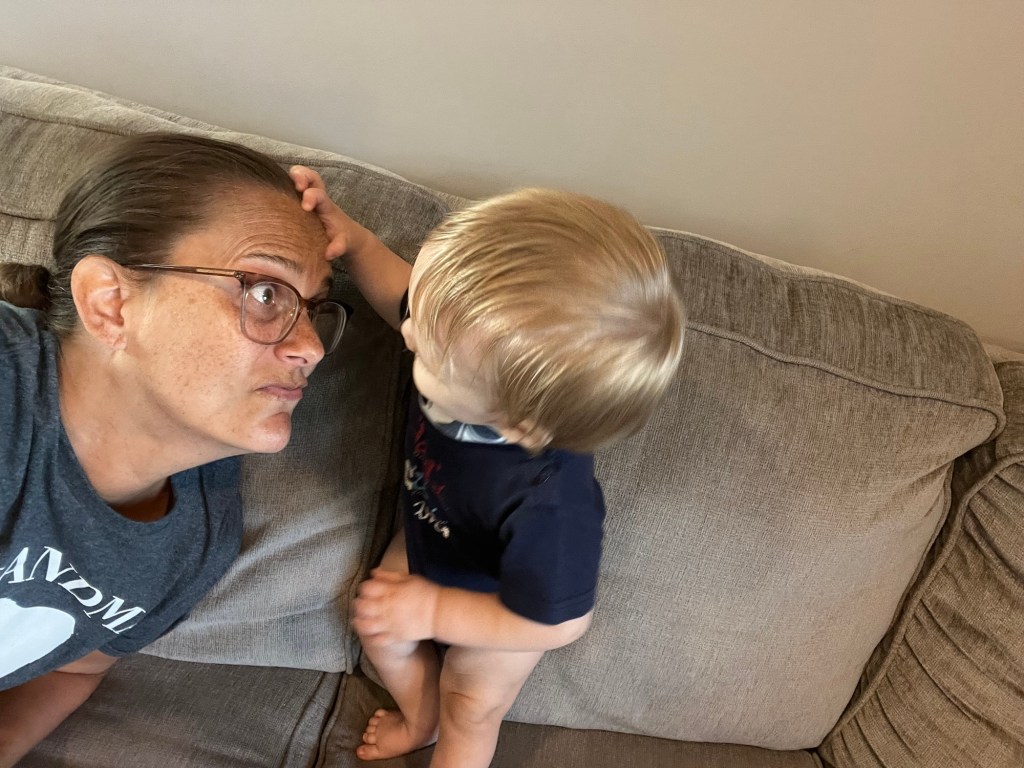
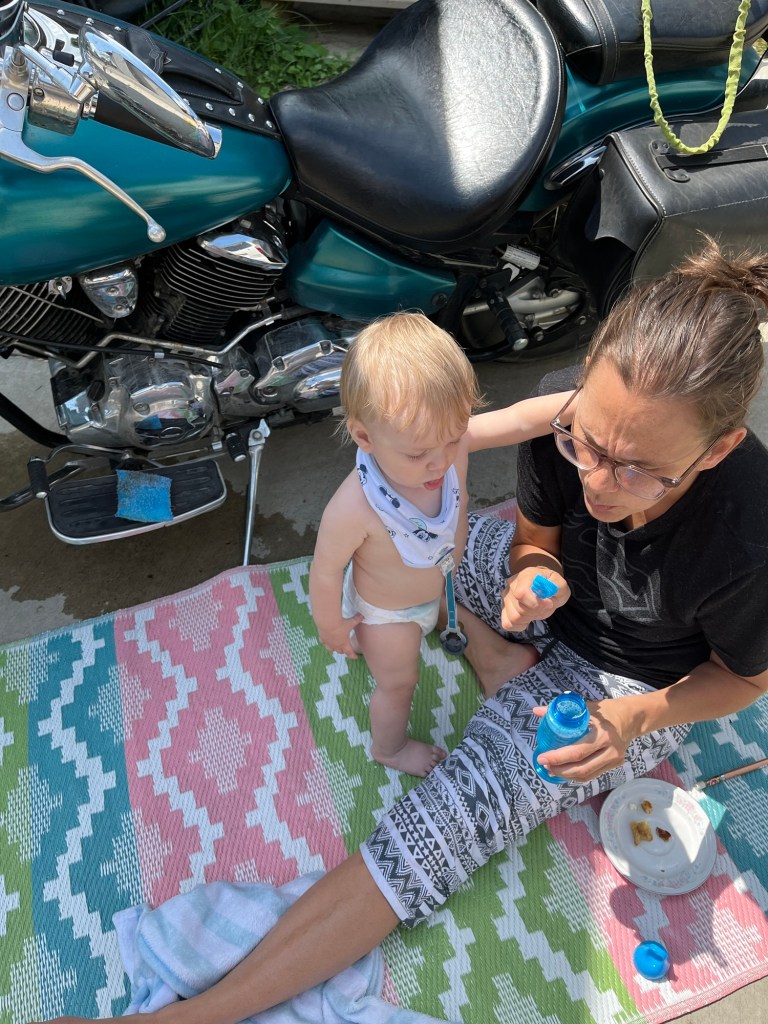
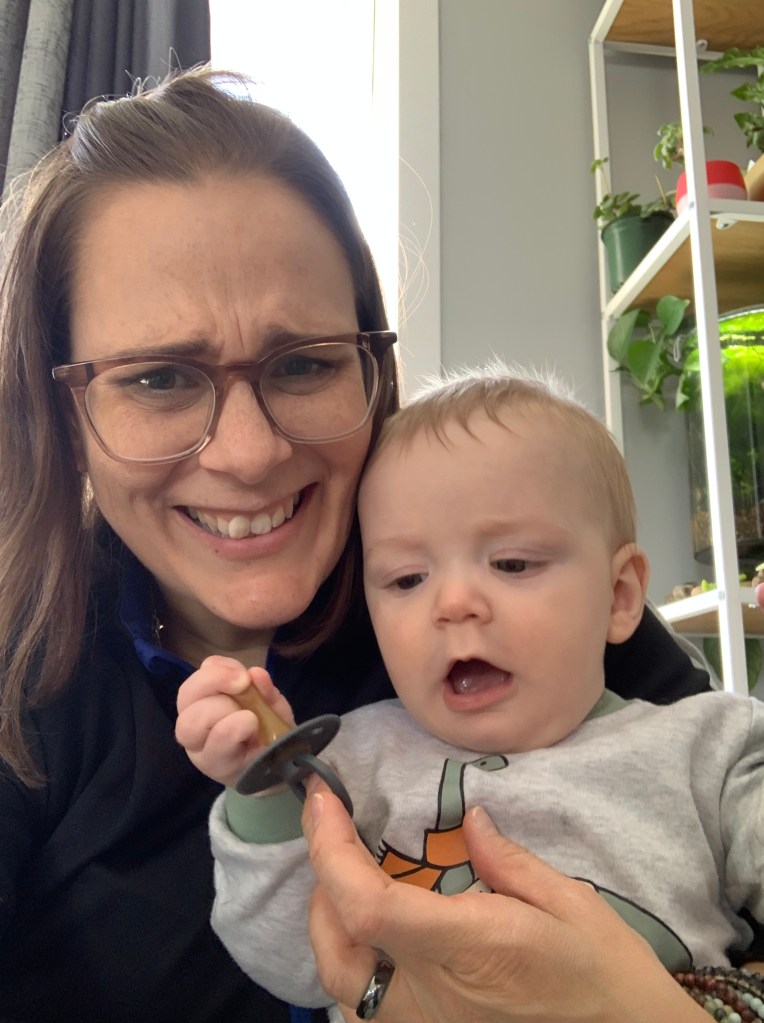
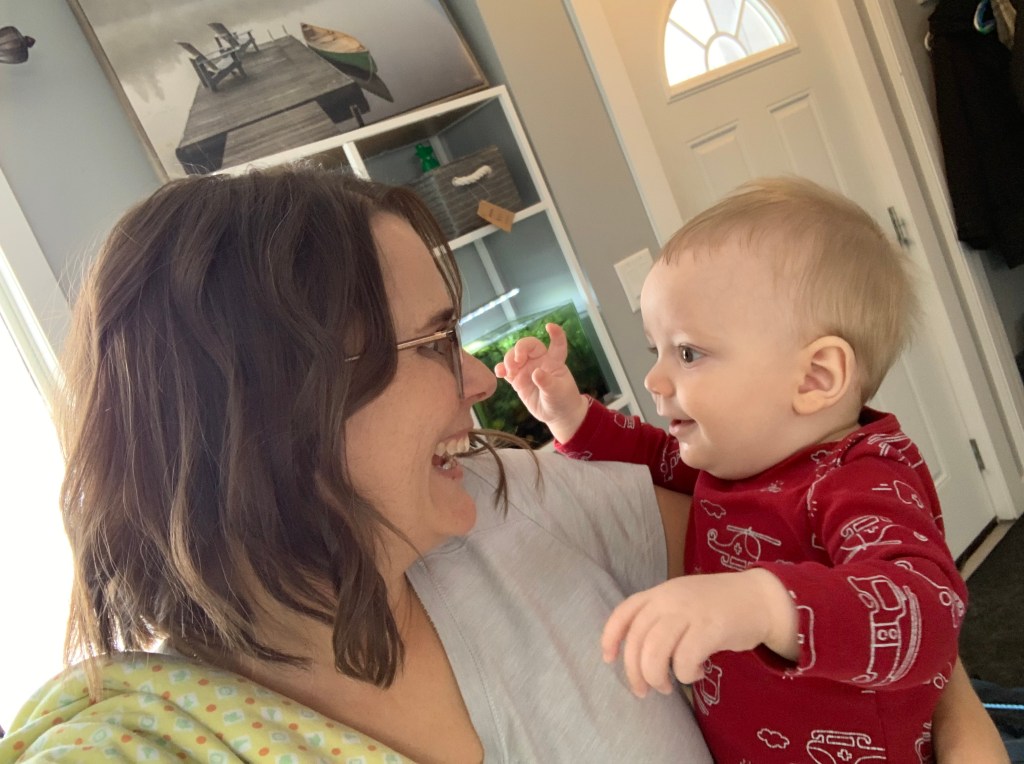
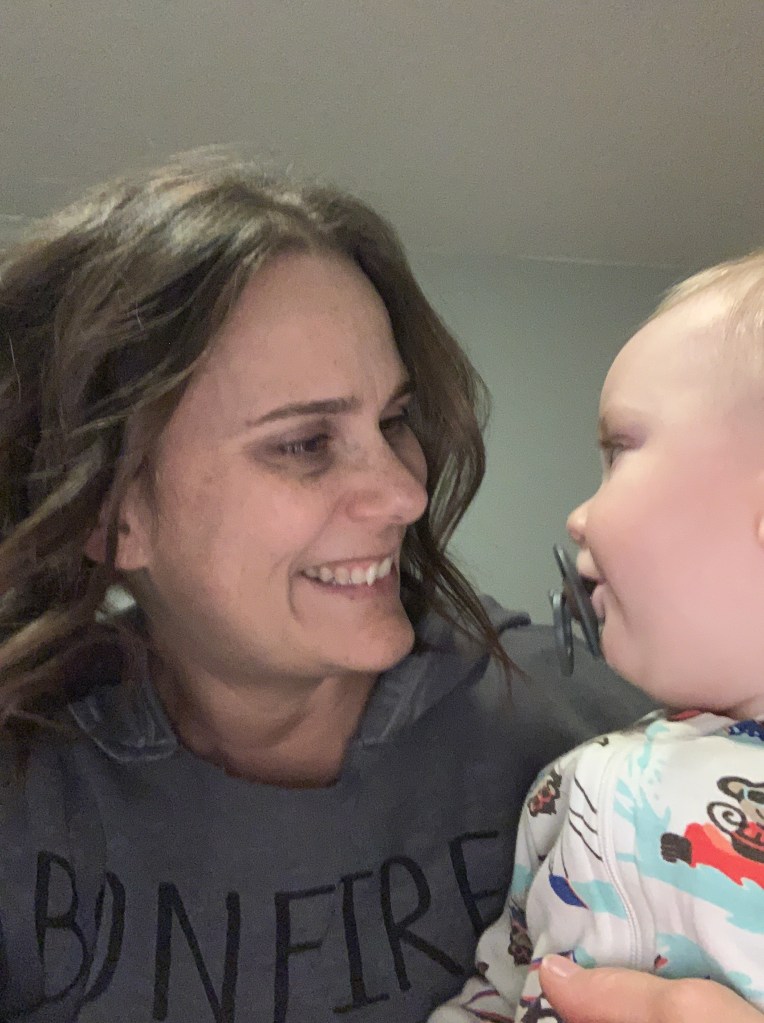
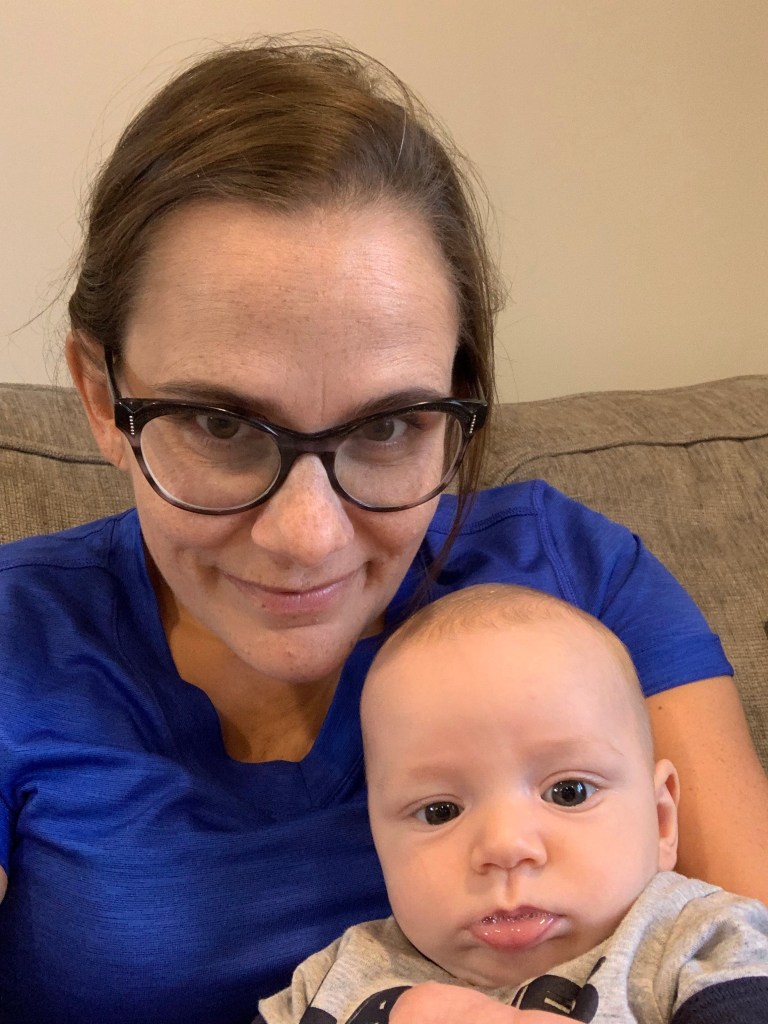
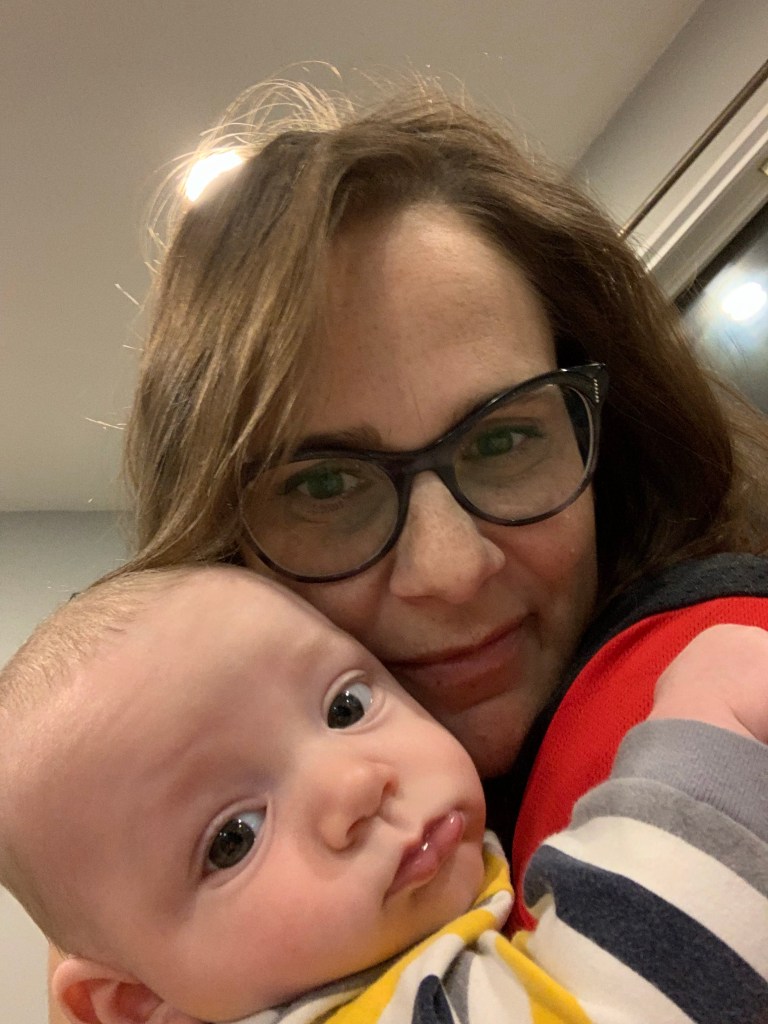
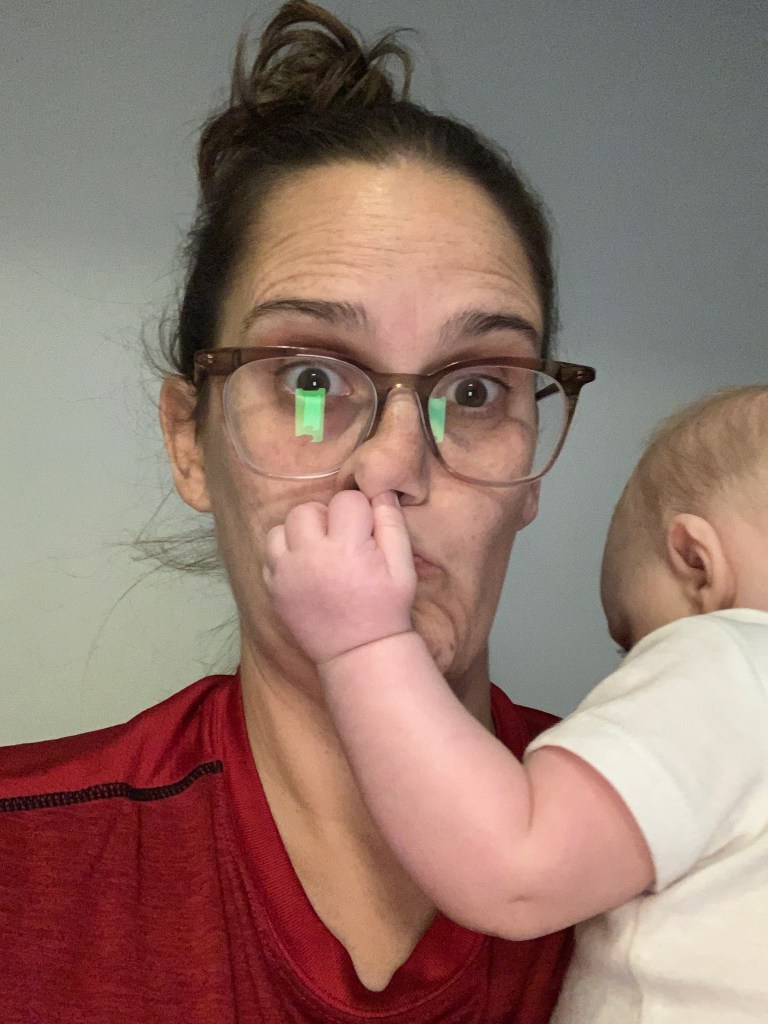
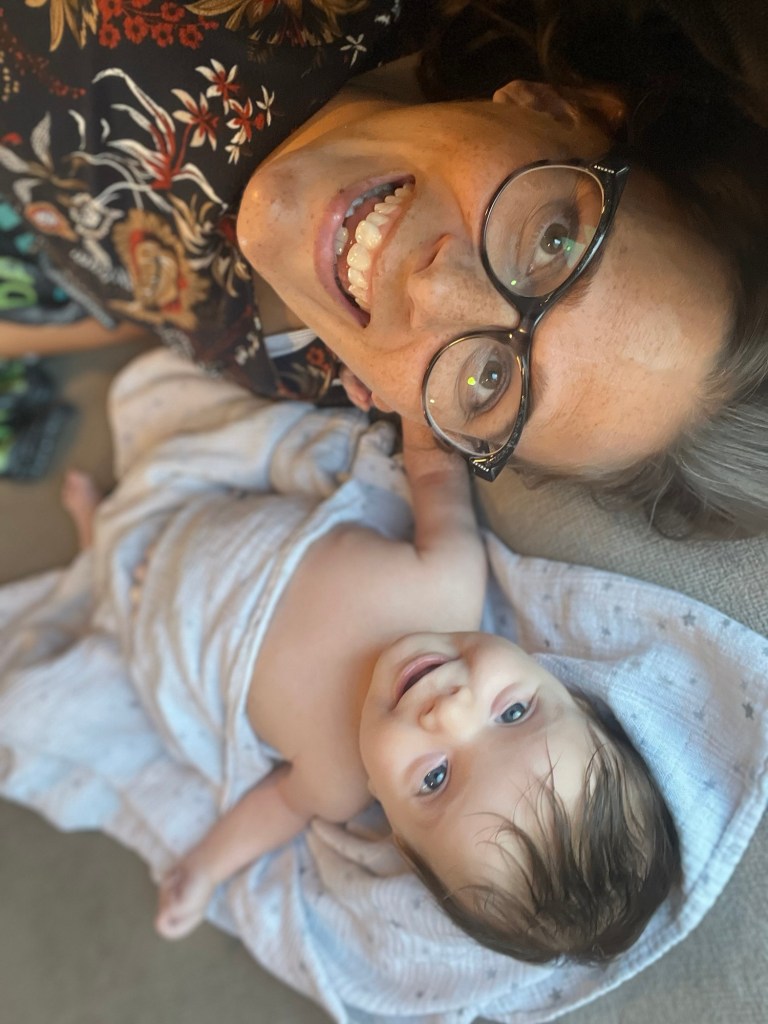
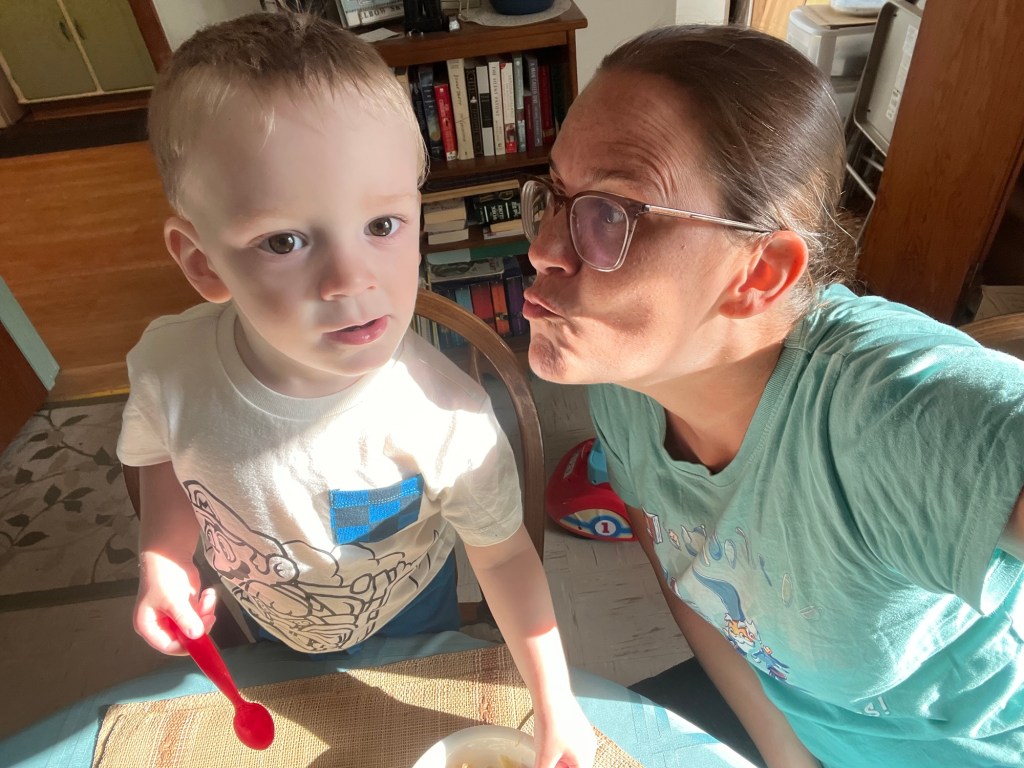
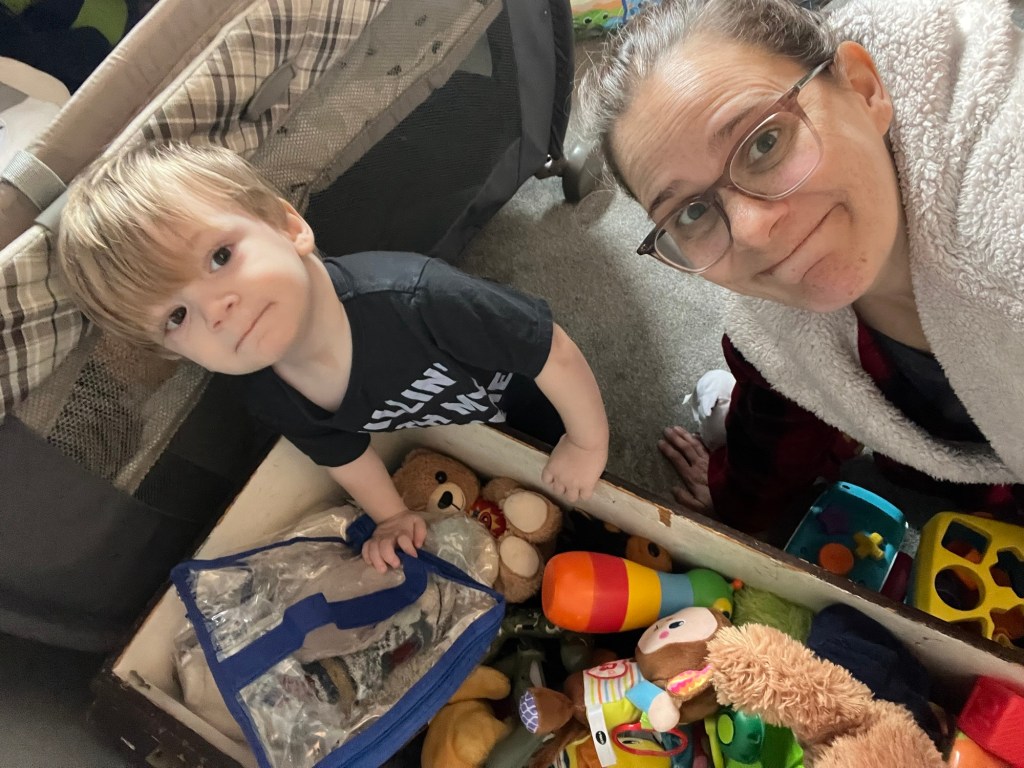
That question changed everything. And part of my answer was to focus on being a grandma. That little man I trained for months to be able to hold is going to be 4 this summer. And his equally enchanting sister will be 2. They have been the means of my greatest confrontations and of my greatest delights.

Almost like trying to enjoy your favourite therapy during a Saskatchewan winter. We take the intense highs with the intense lows.

🌲 “How do you practice forest therapy in winter?”

Winter forest therapy isn’t about long hikes. It’s about being present in the moment.

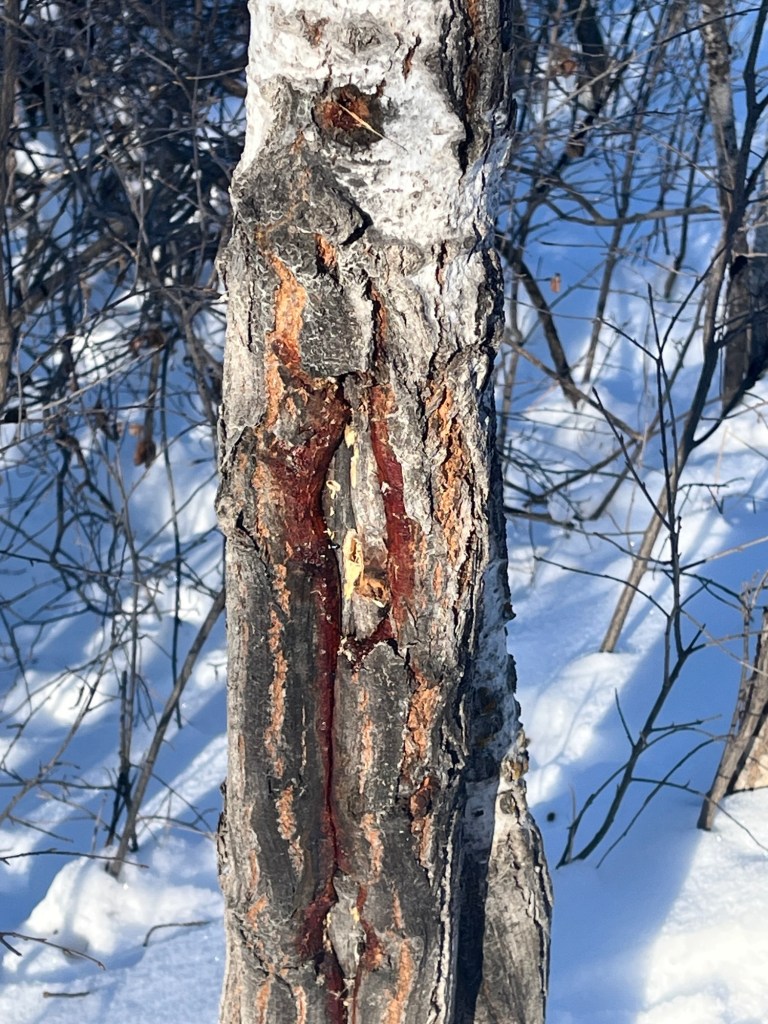
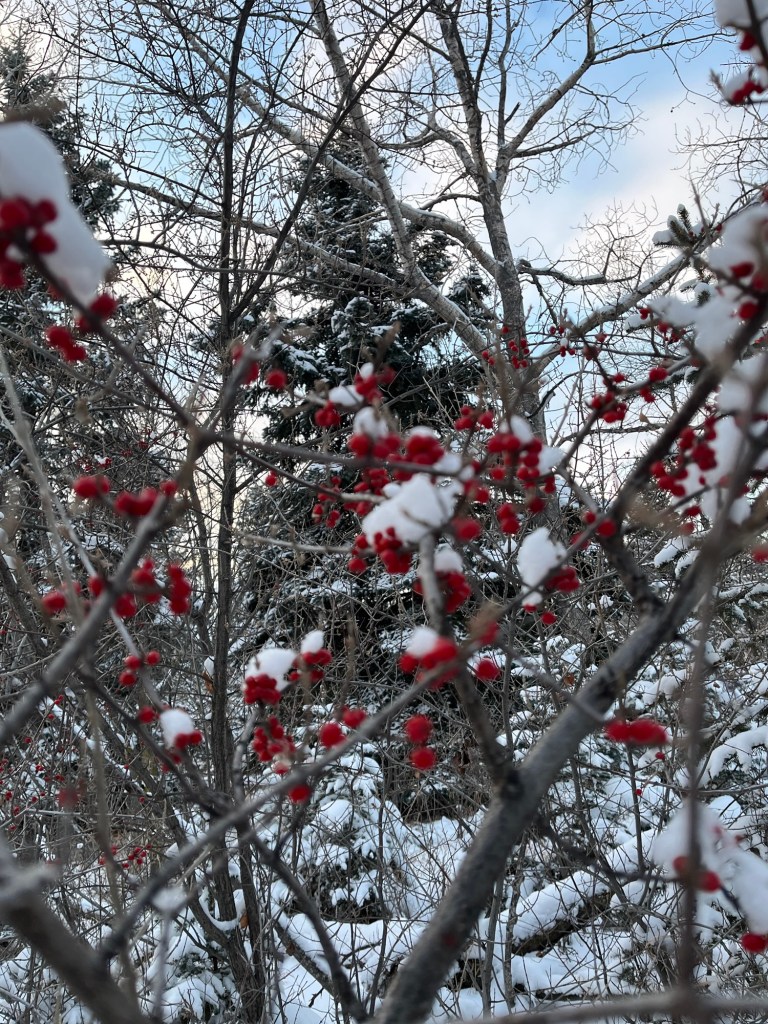
Notice how snow softens sound. Notice how your breath becomes visible. Notice how even in dormancy, life is stored beneath the bark and soil.

I have come to the realization that the forest in winter mirrors chronic pain. Nothing looks alive. Nothing appears to be blooming. But beneath the surface, systems are conserving and recalibrating.

Strength. Resilience. Wisdom.

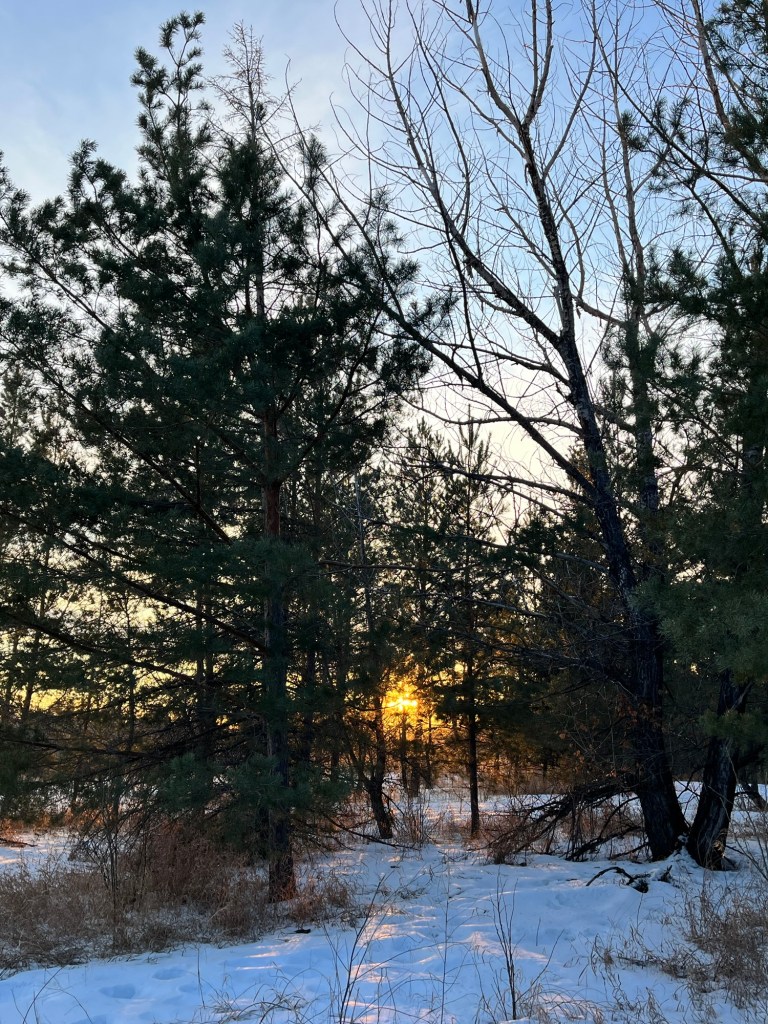
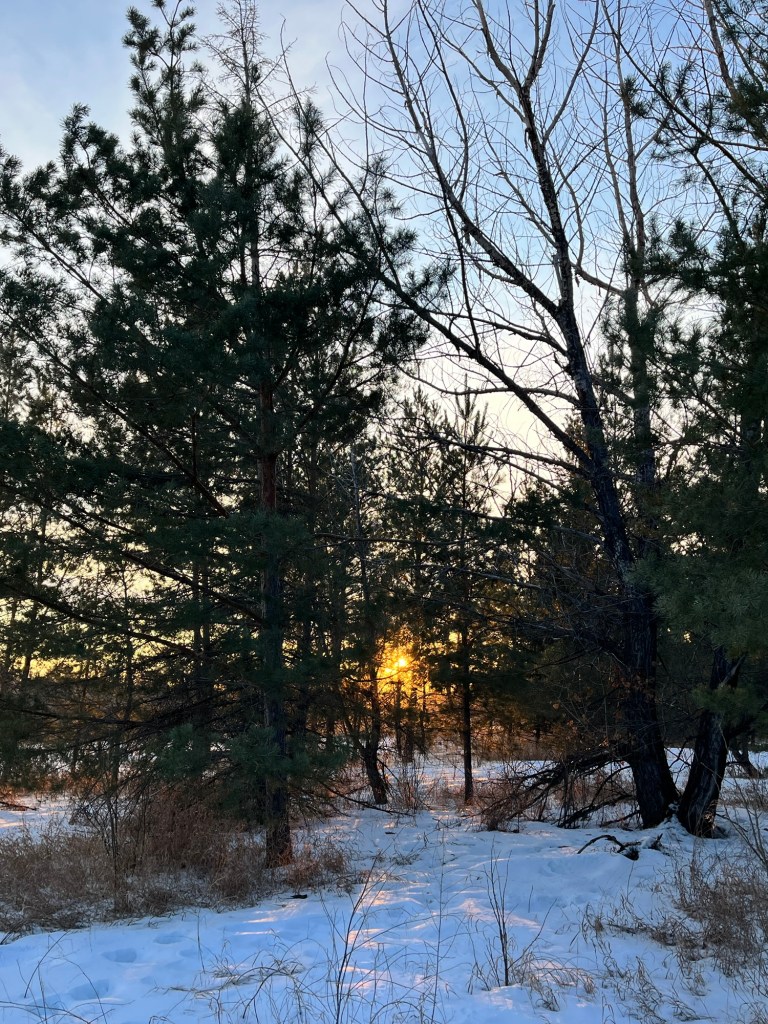
Spring doesn’t shout when it arrives. It begins as a spark. An idea.
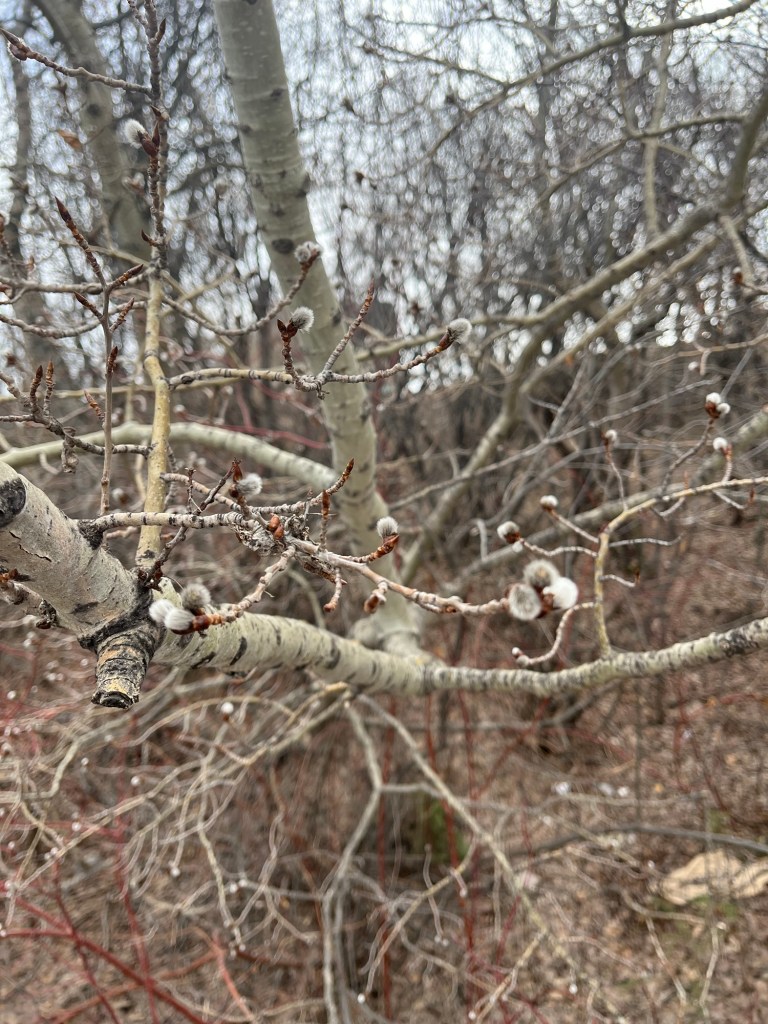
A drop. A thaw.
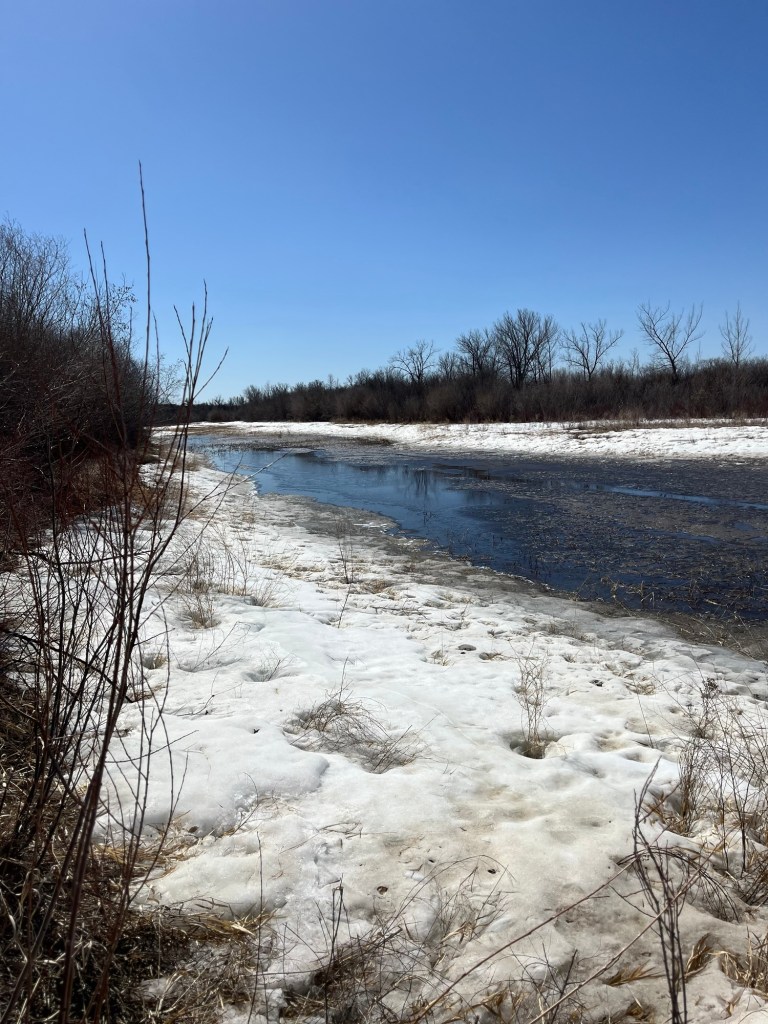
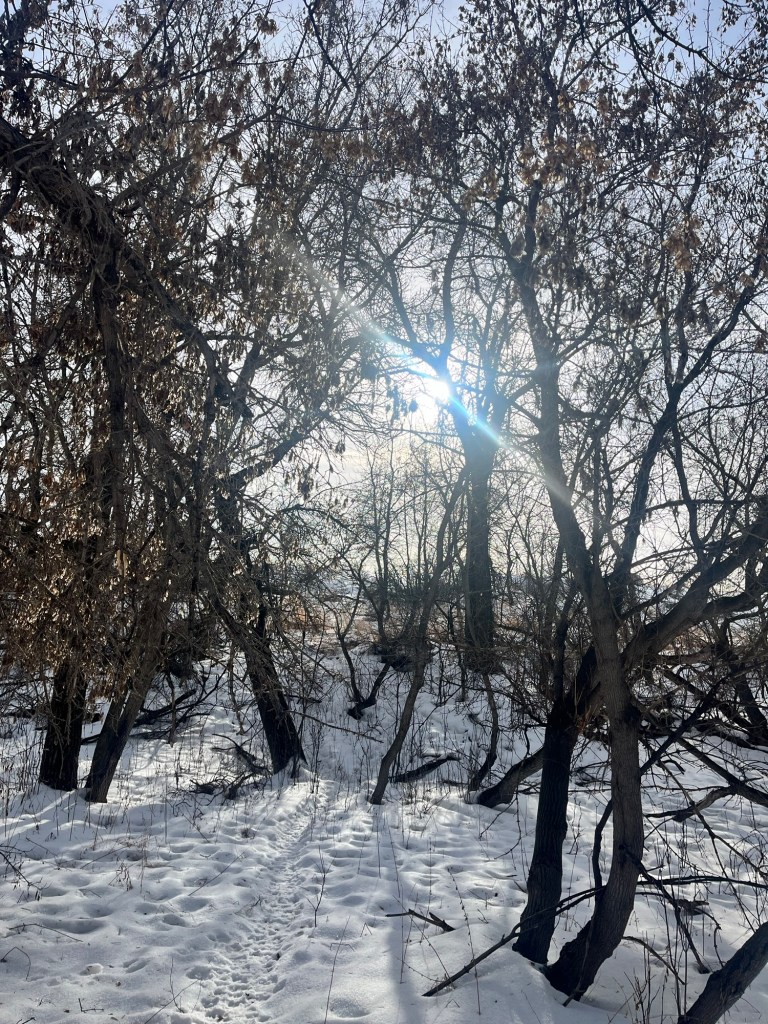
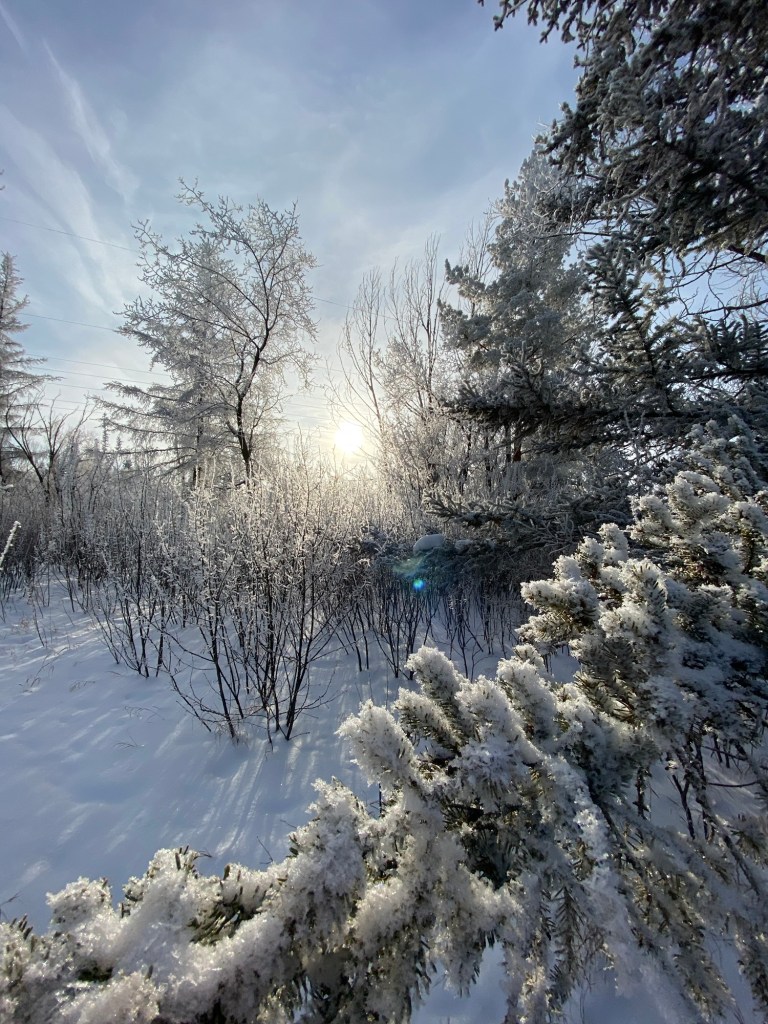
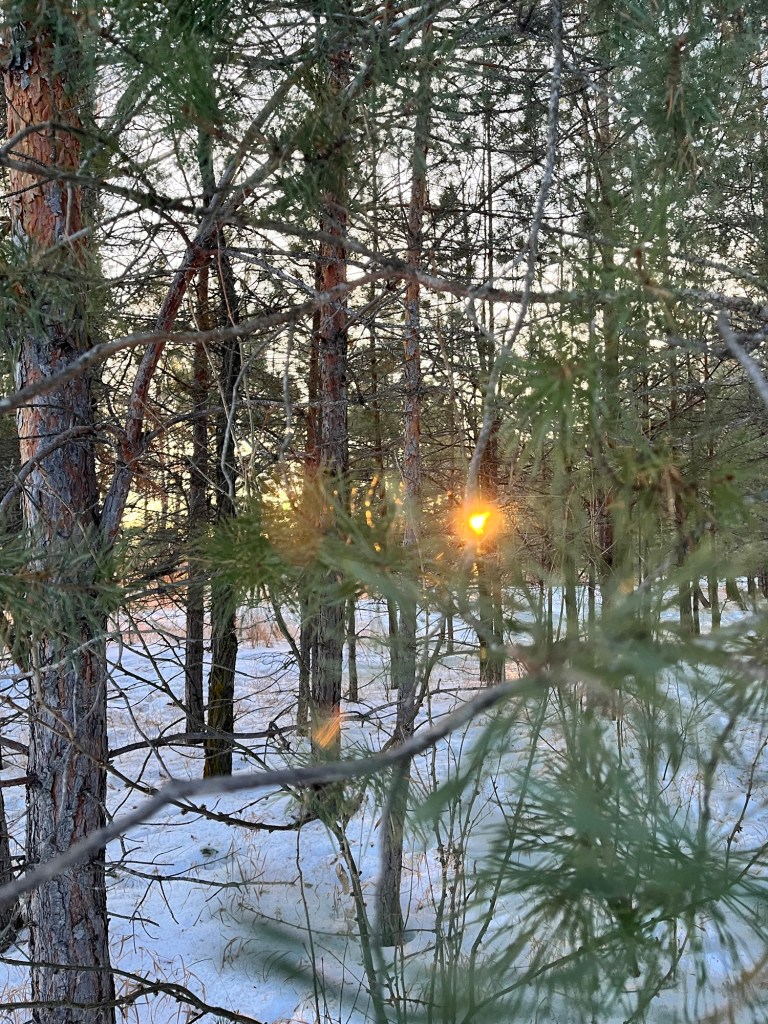
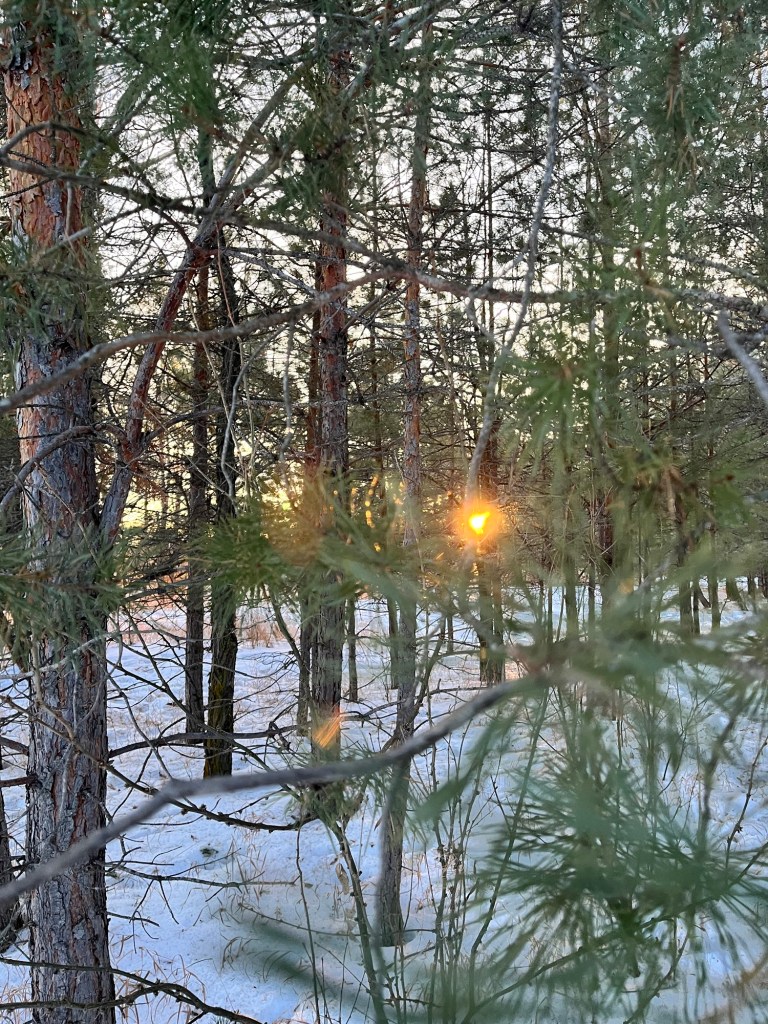
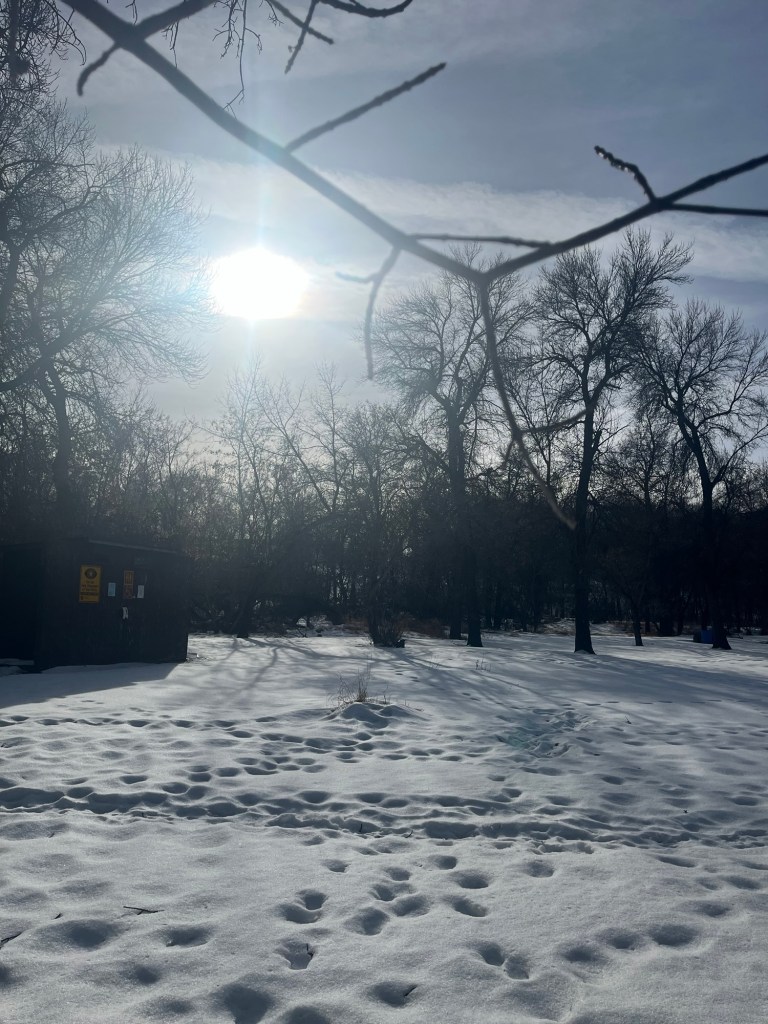
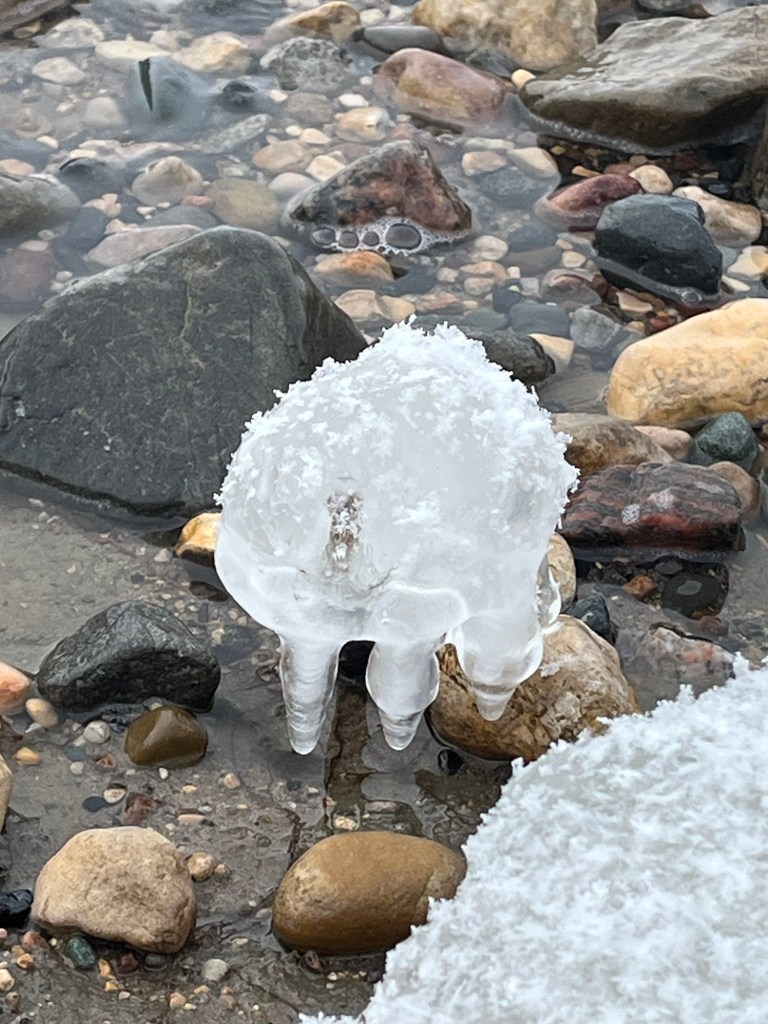
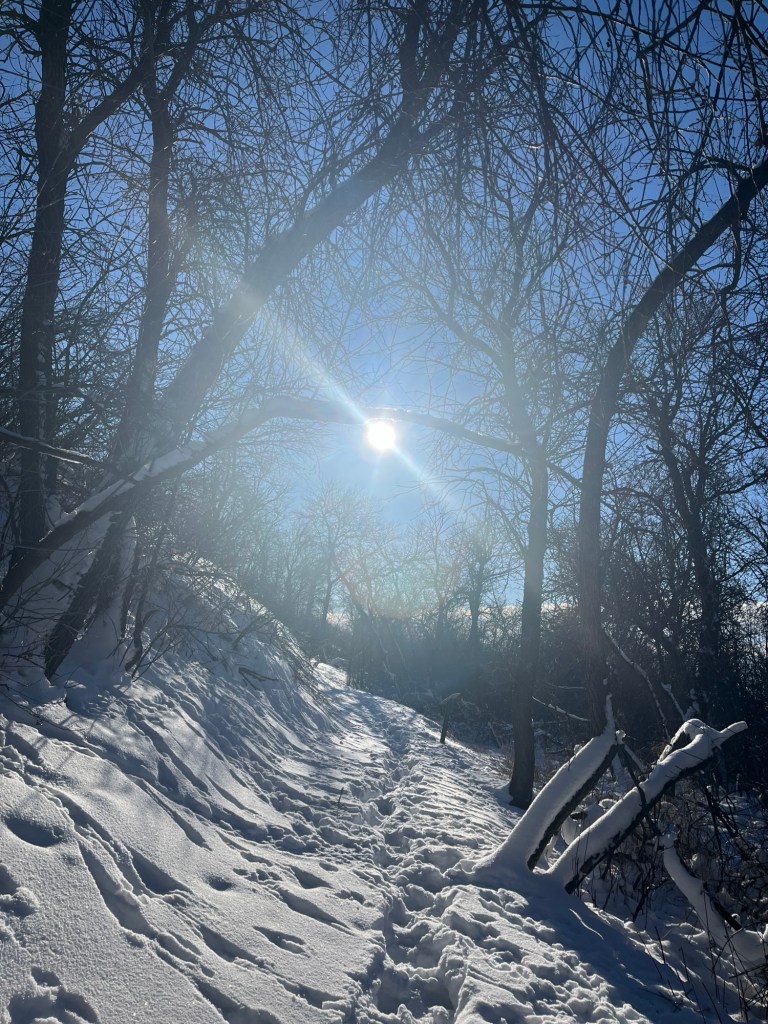
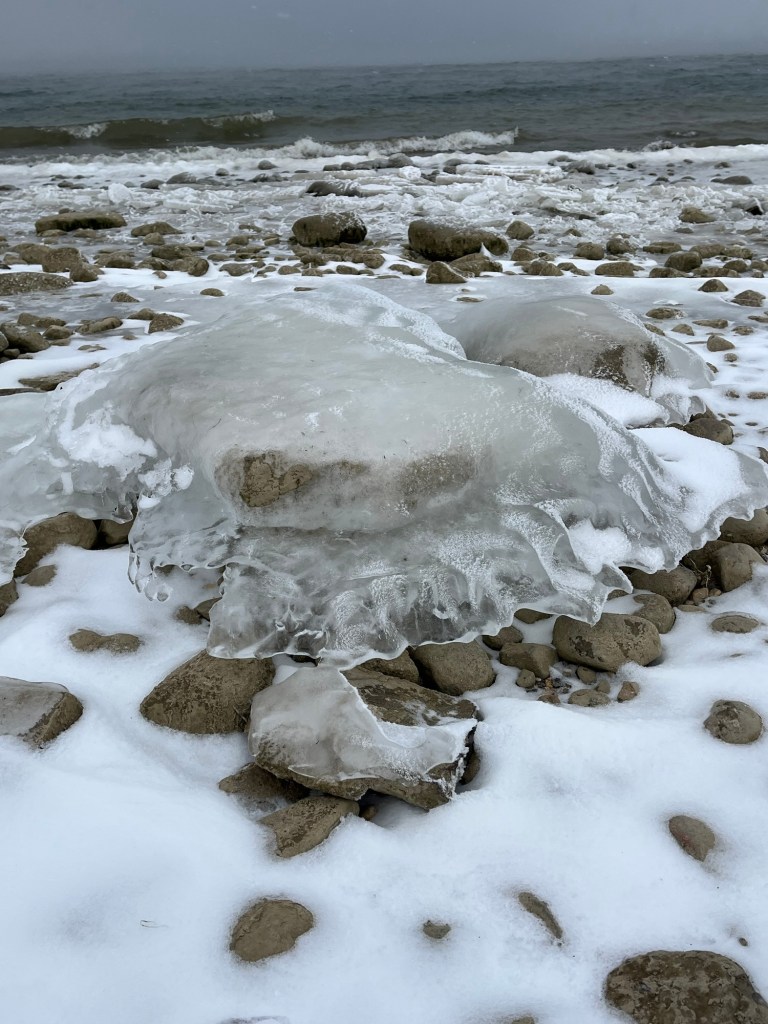
A beam of light catching ice and reflecting its warmth.
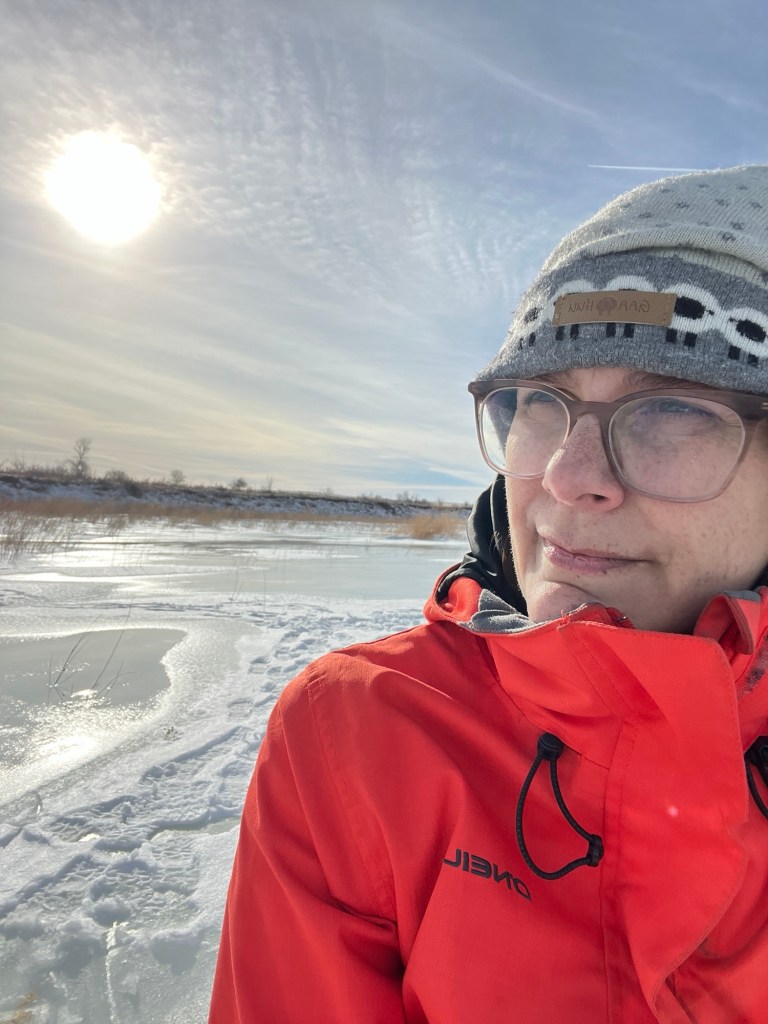
The same is true in us. Your good days are coming.

Sometimes we have to trust that promise for a long time before we see it.

Even if all you’ve seen is a spark.

That spark will become a light. That light will become a beam.

That beam becomes you, reflecting what you’ve learned onto someone else.
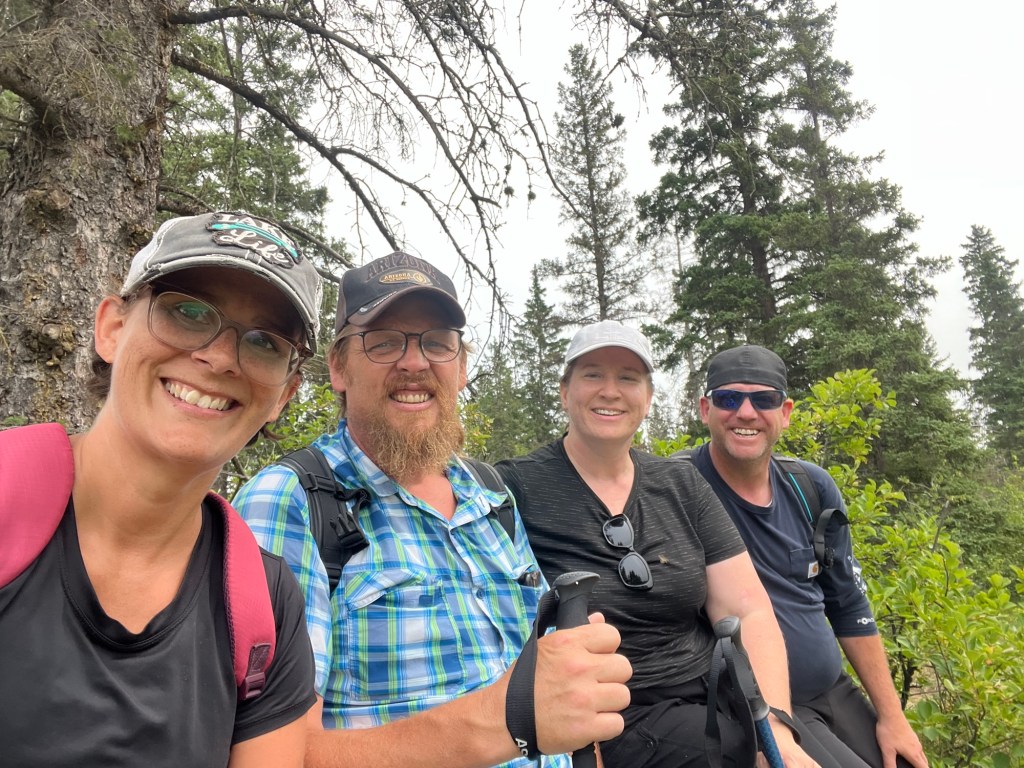
🌿 A Simple Winter Forest Therapy Practice

Trusting the Season (10–15 Minutes)

  • Step outside, even if just to your yard or a nearby tree line.
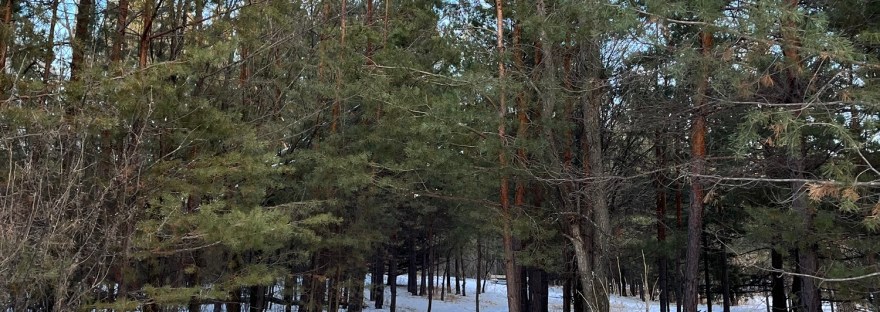
  • Stand still. Feel your feet grounded in frozen earth.
  • Place one hand over your heart. One over your belly.
  • Take three slow breaths. Watch the air leave your body.
  • Ask quietly: What season am I in?
  • Look for one sign of hidden life. Buds beneath bark, tracks in snow, sunlight on ice.
  • Whisper: Spring has come before. It will come again.
  • When ready, take that sentence home with you.
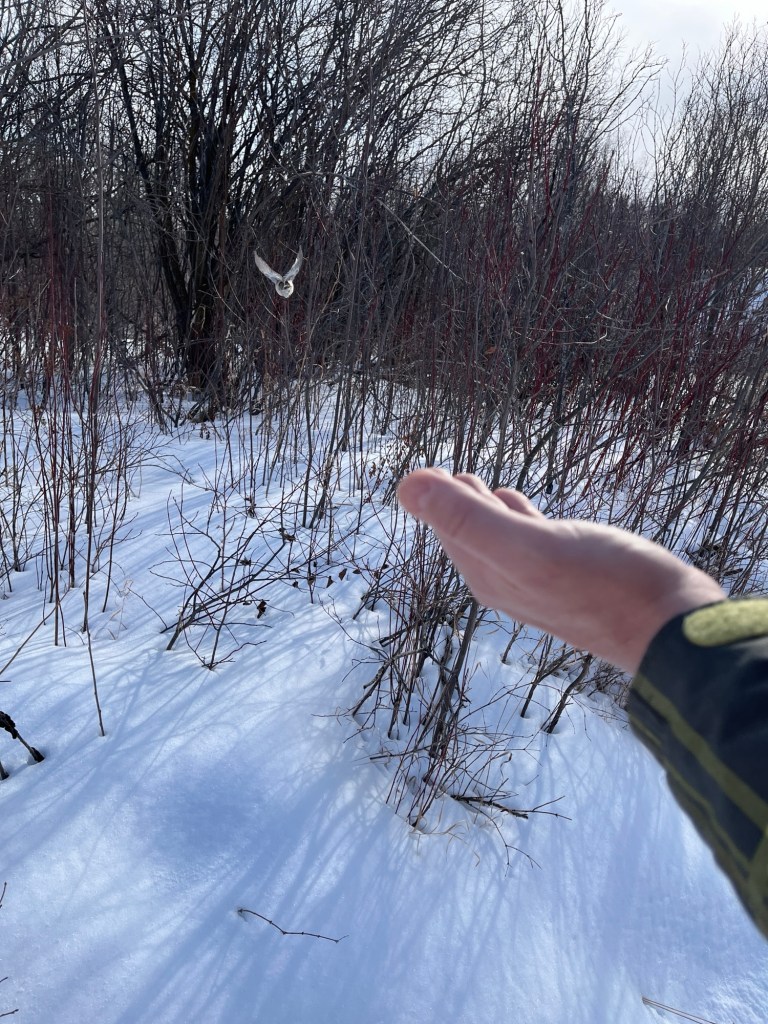
🌲 What Makes Forest Therapy Different From Hiking?

Hiking is about distance. Forest therapy is about experiencing relationships.

You don’t conquer the mountain. You learn from it.

And when you fall (as we all do) you get back up.

Keep climbing. Fall after fall. Flare after flare.

Keep reflecting hope and joy in the middle of the mess. It’s possible.

Anne Lamott defines hope not as naive optimism but as a stubborn choice to believe in goodness and possibilities, especially during dark, uncertain times.

🩶 If you’re reading this from under grey prairie skies, remember:

The trees are not worried about spring. They trust the tilt of the earth. They trust that light and warmth will return.

You can trust too. Your good days are coming. There are bright days ahead.

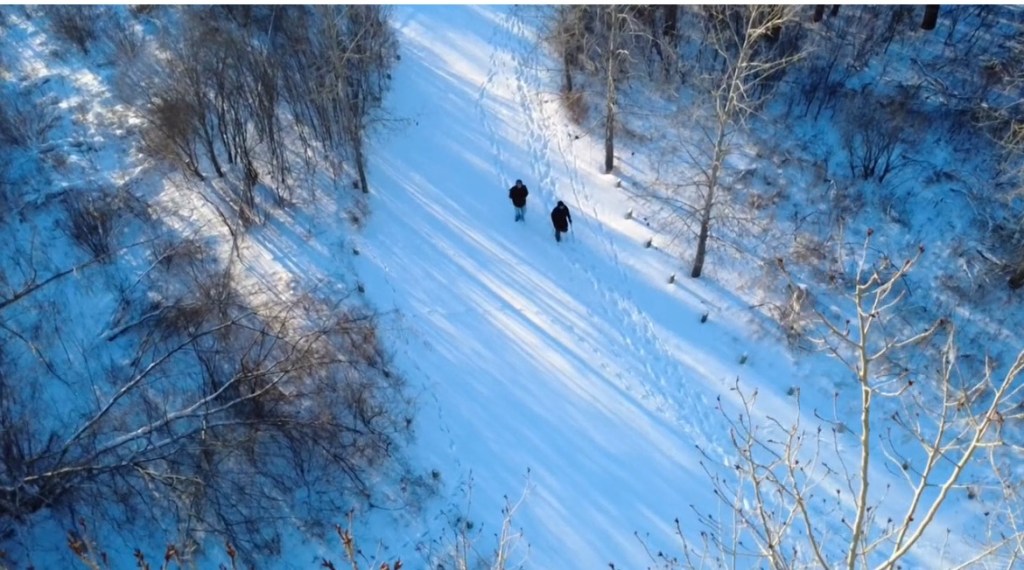
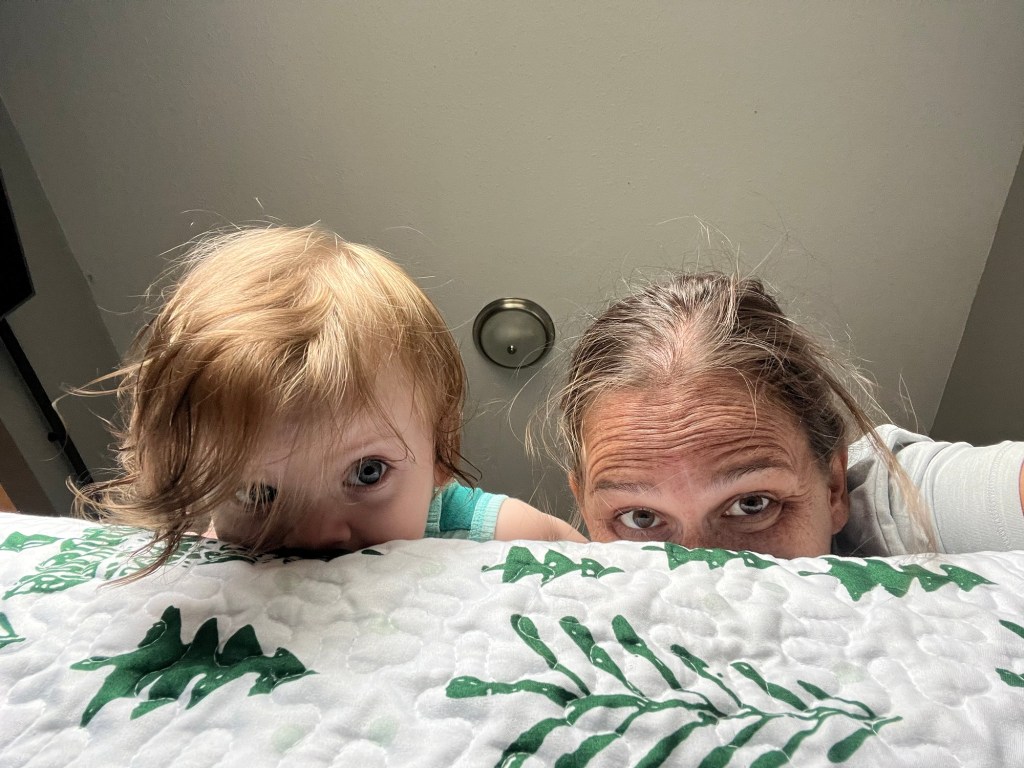
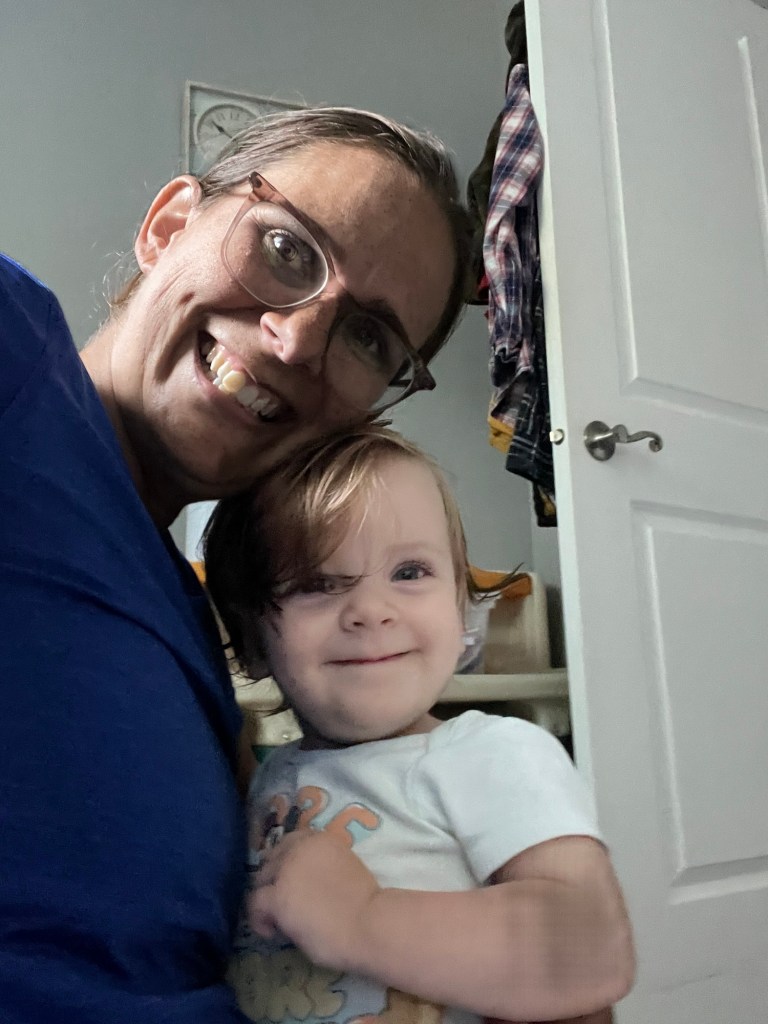
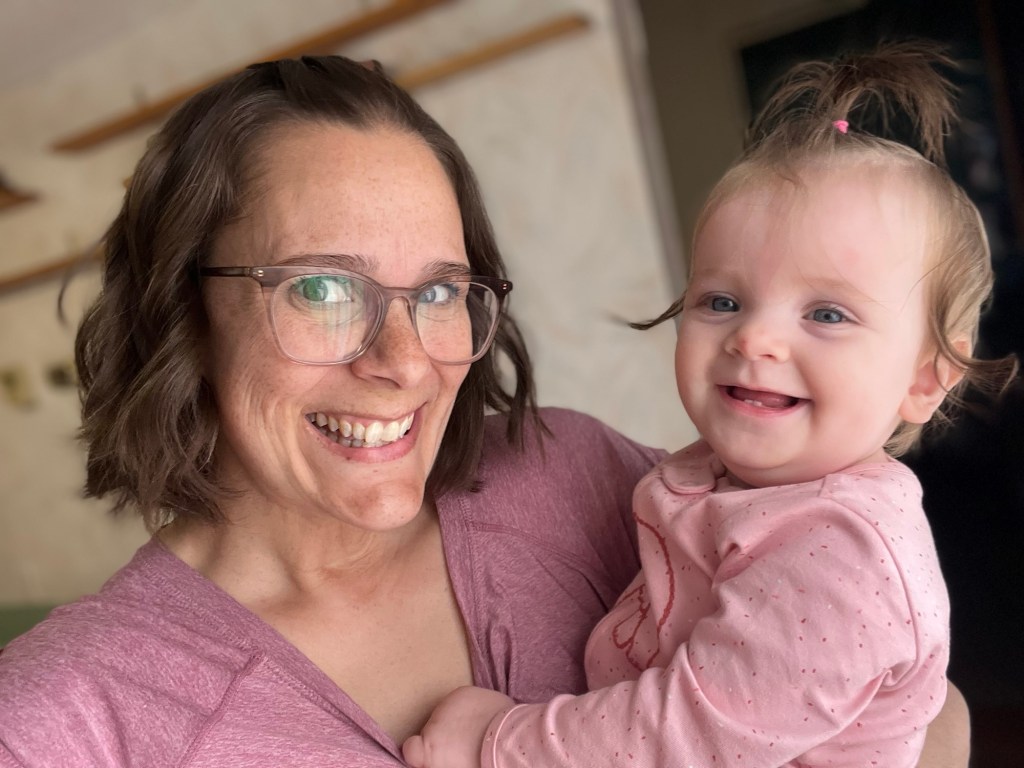
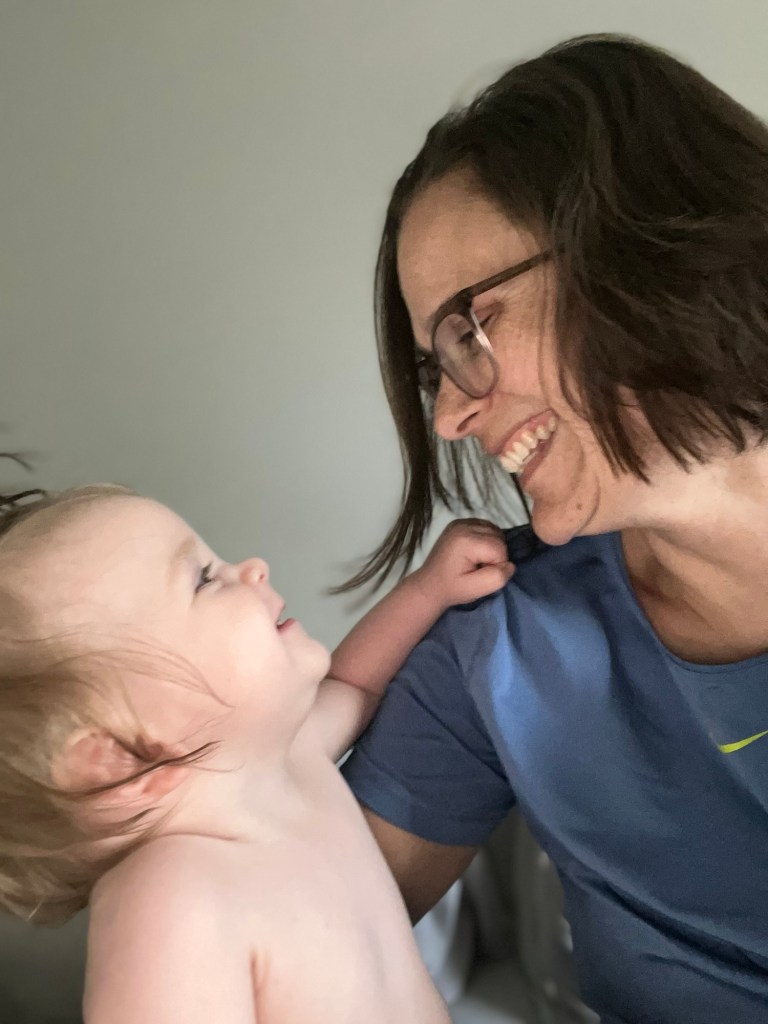
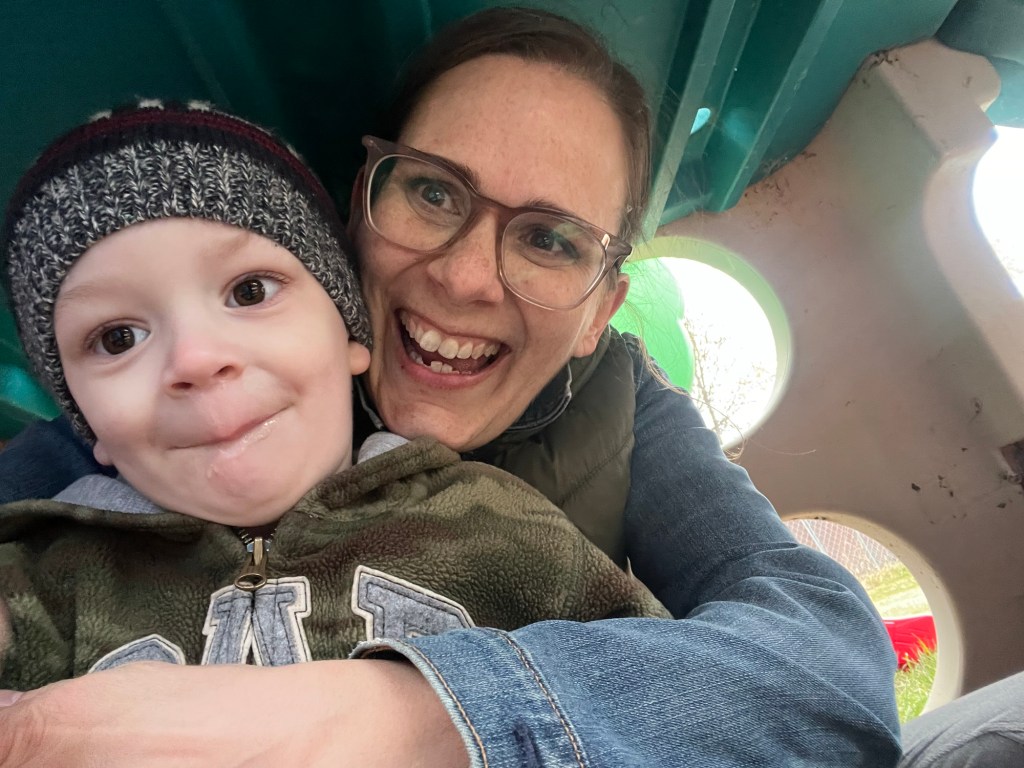
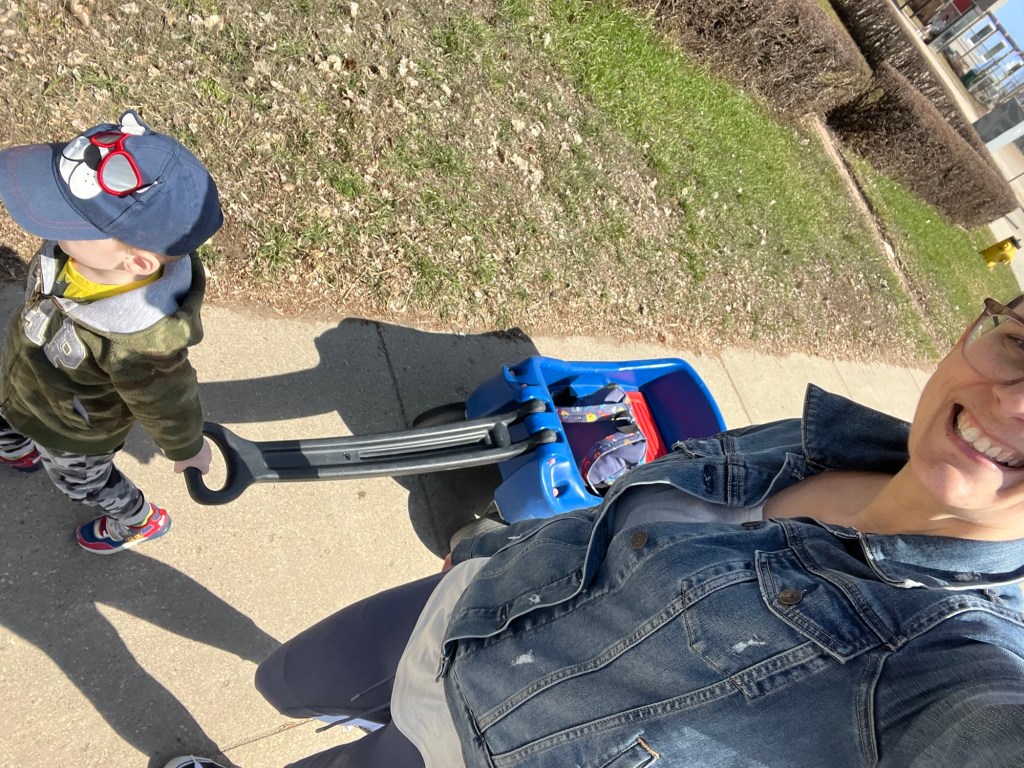
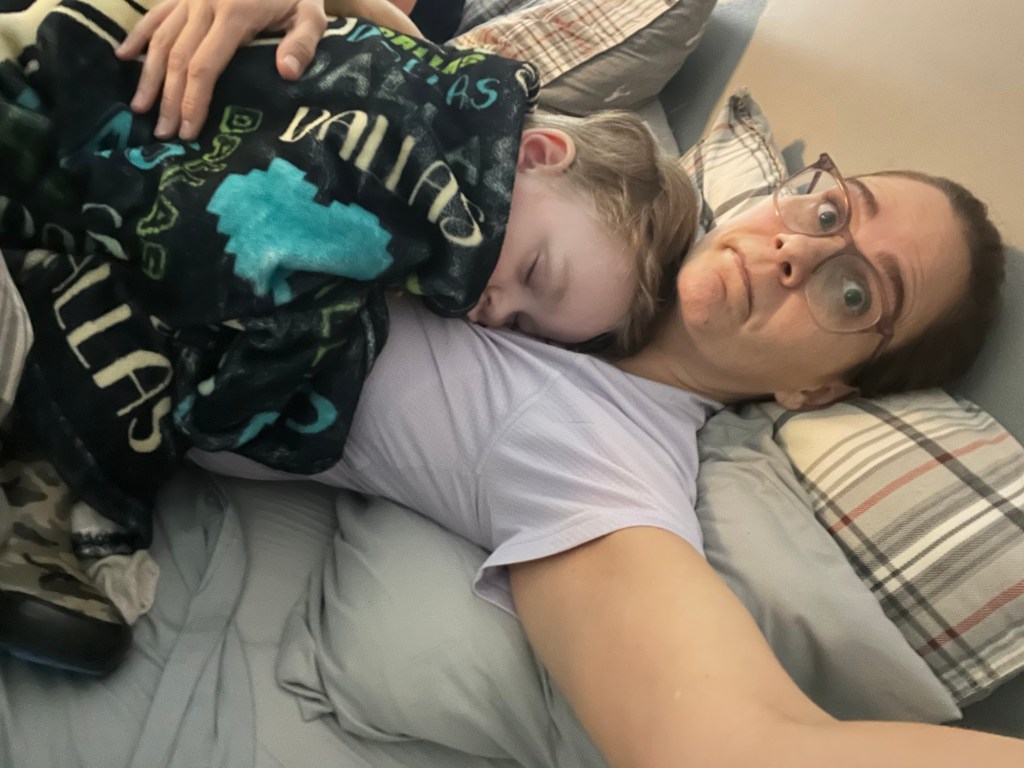
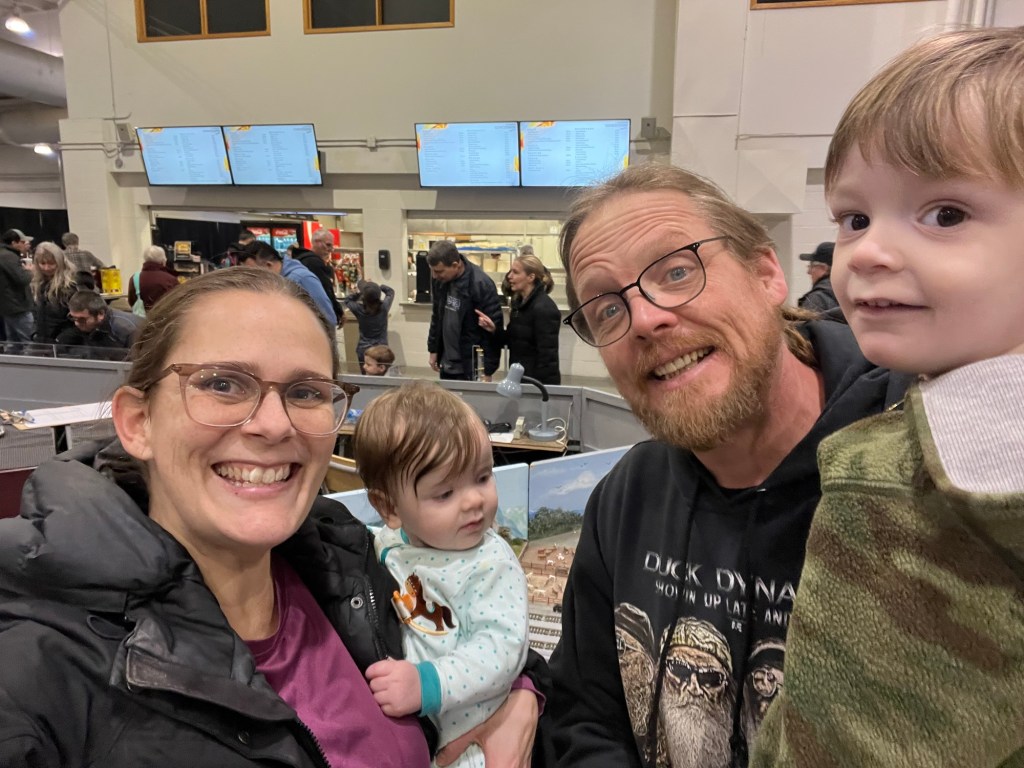
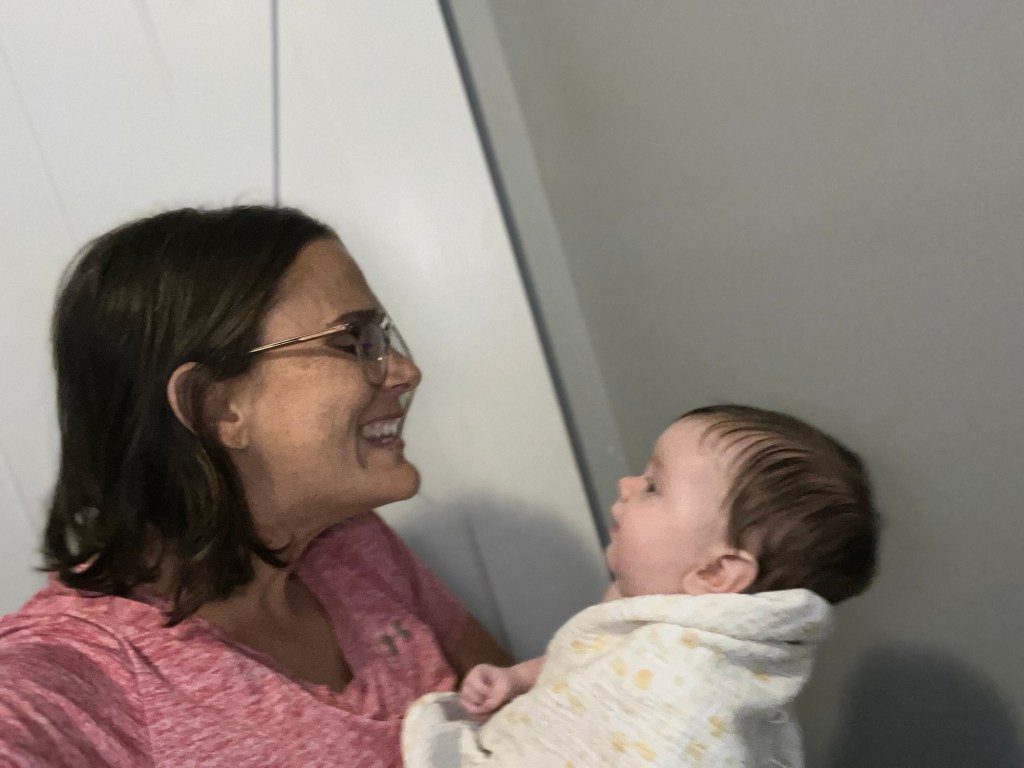
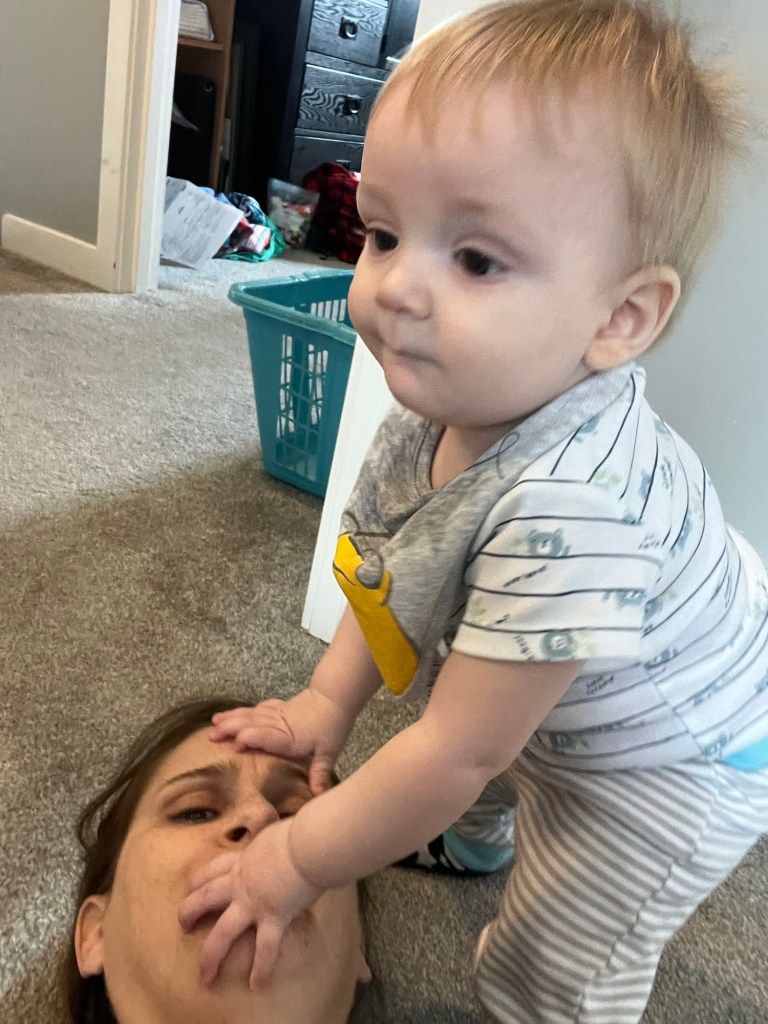
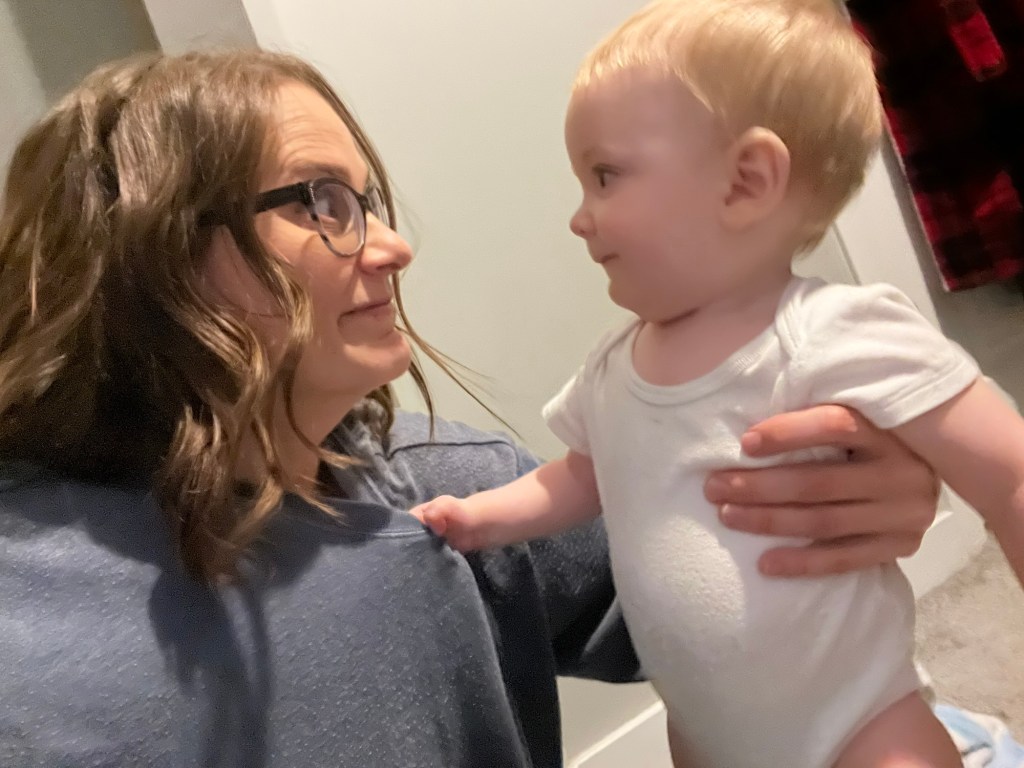
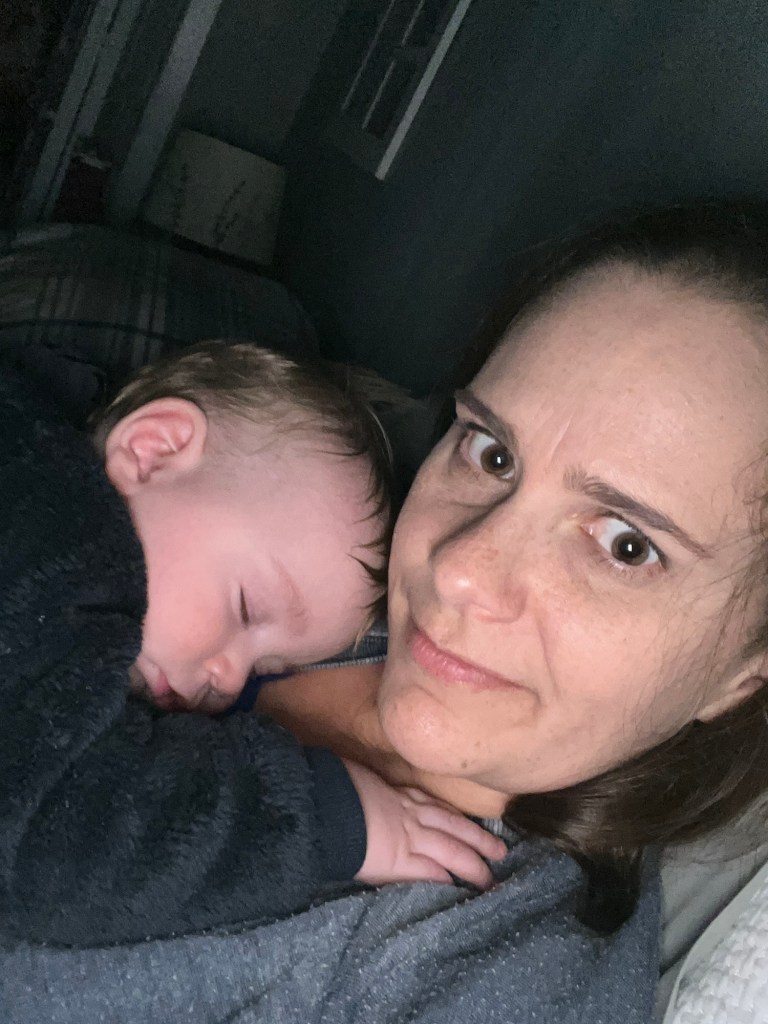
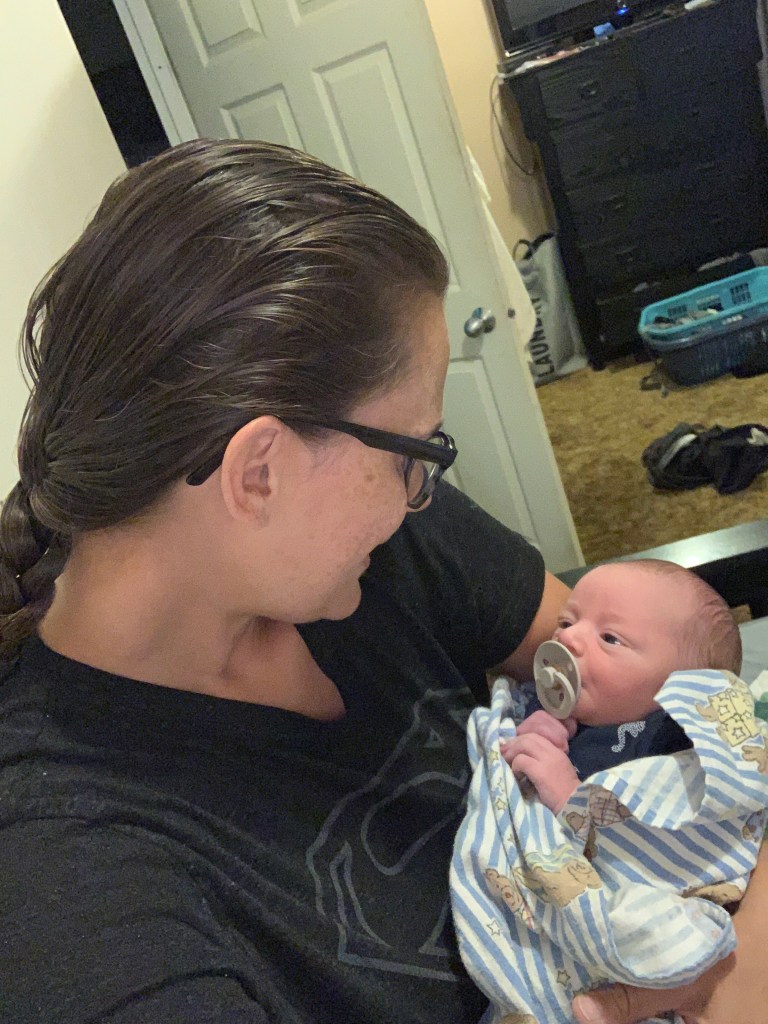
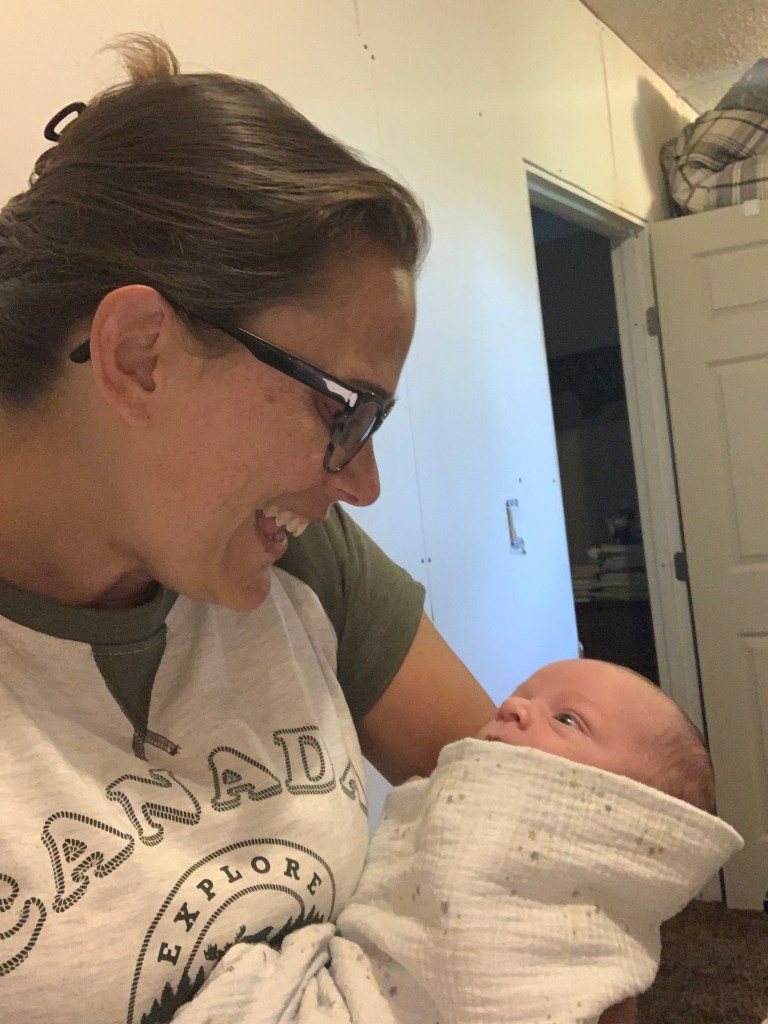
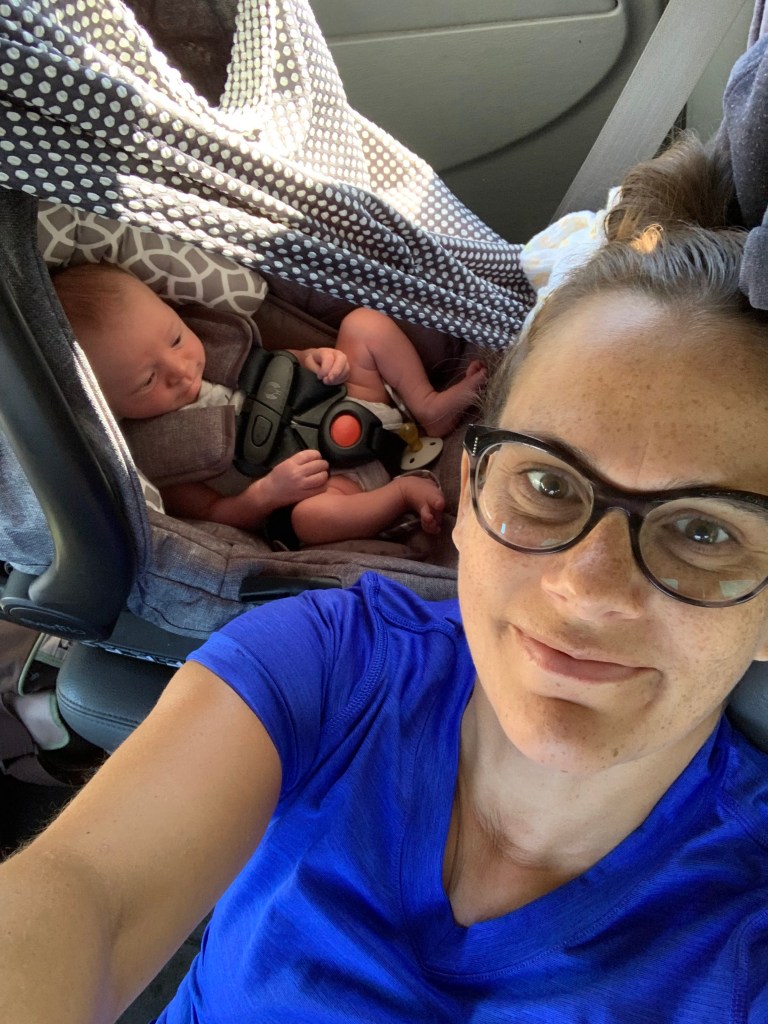
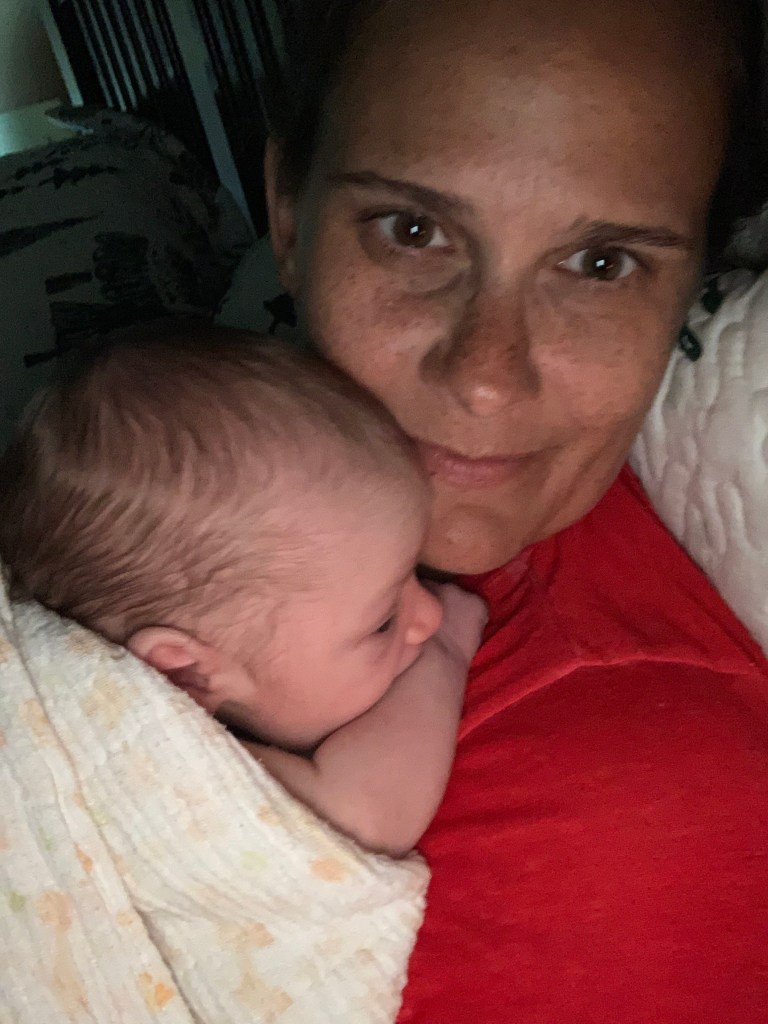
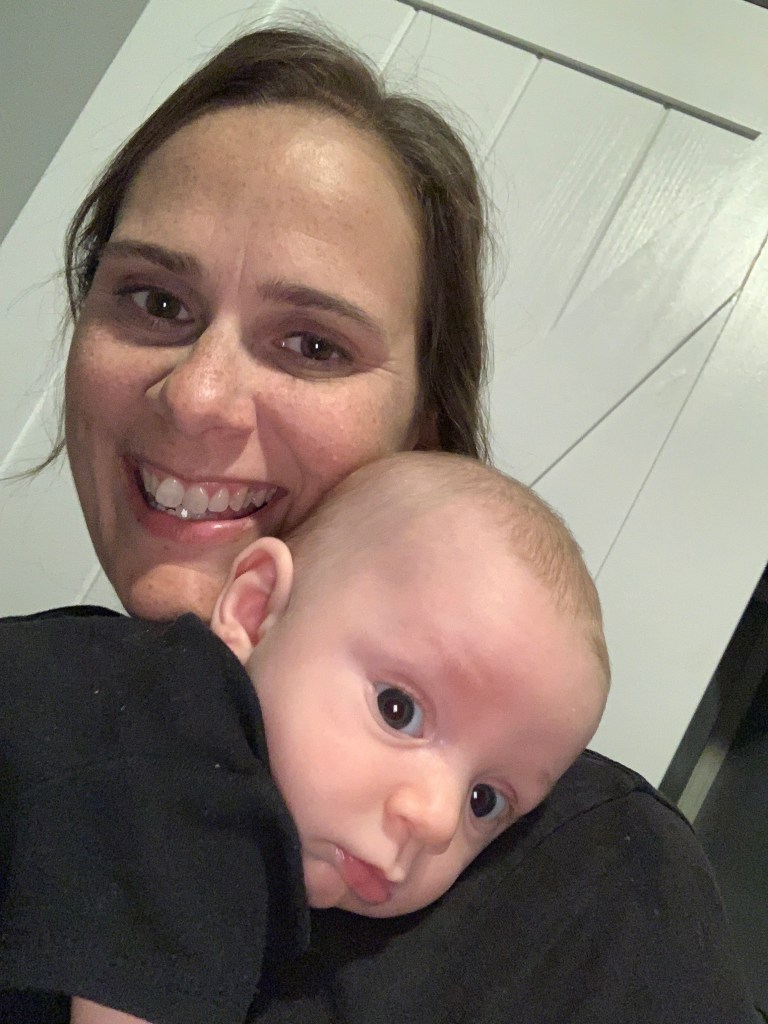
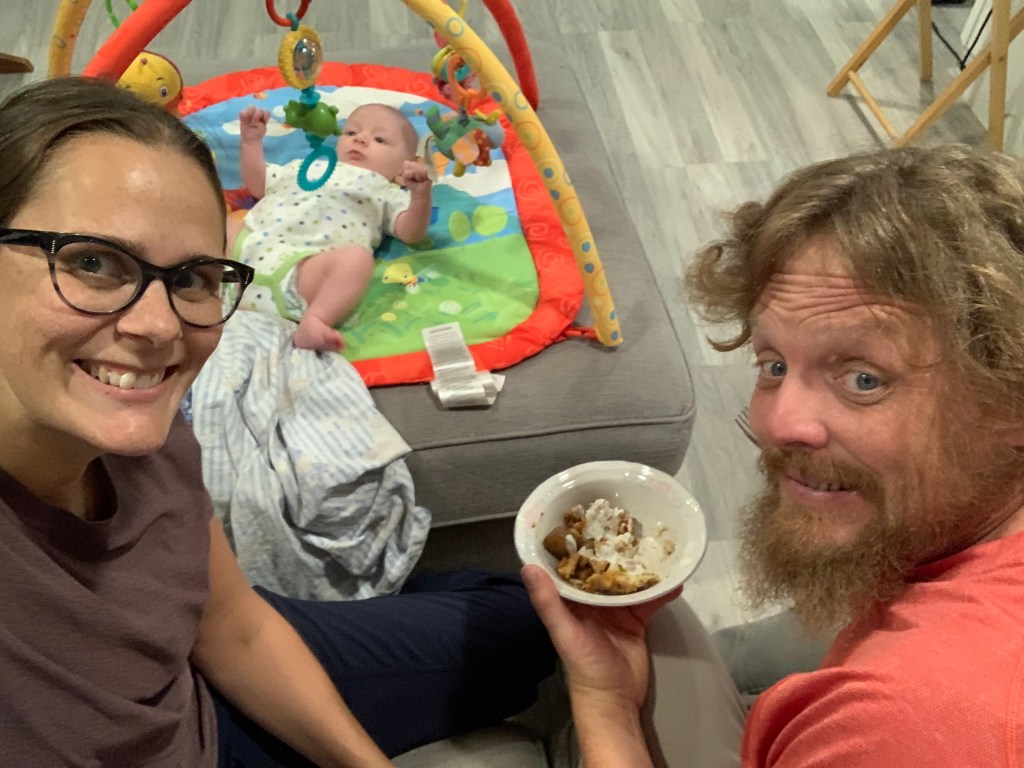
My bright days in this season, are when I get to be a grandma. If you want to see my grandparent life in reverse, view the following. It’s meant to be scrolled through to get the overall feel of the joy that was ahead of me. That I now get to experience.
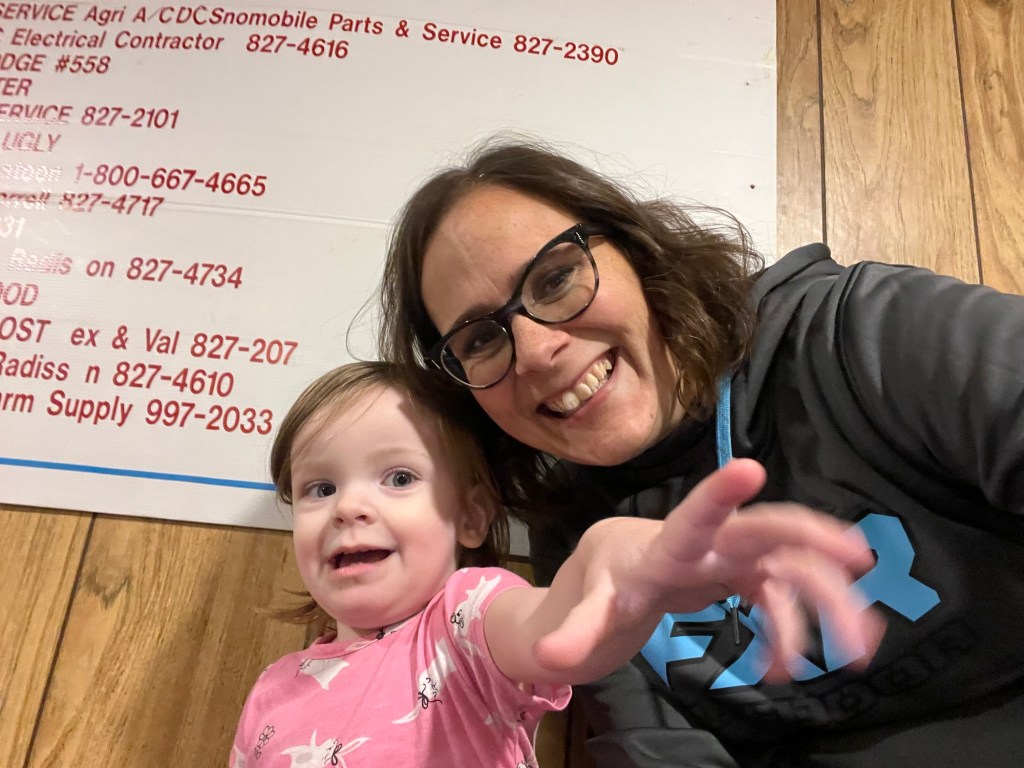
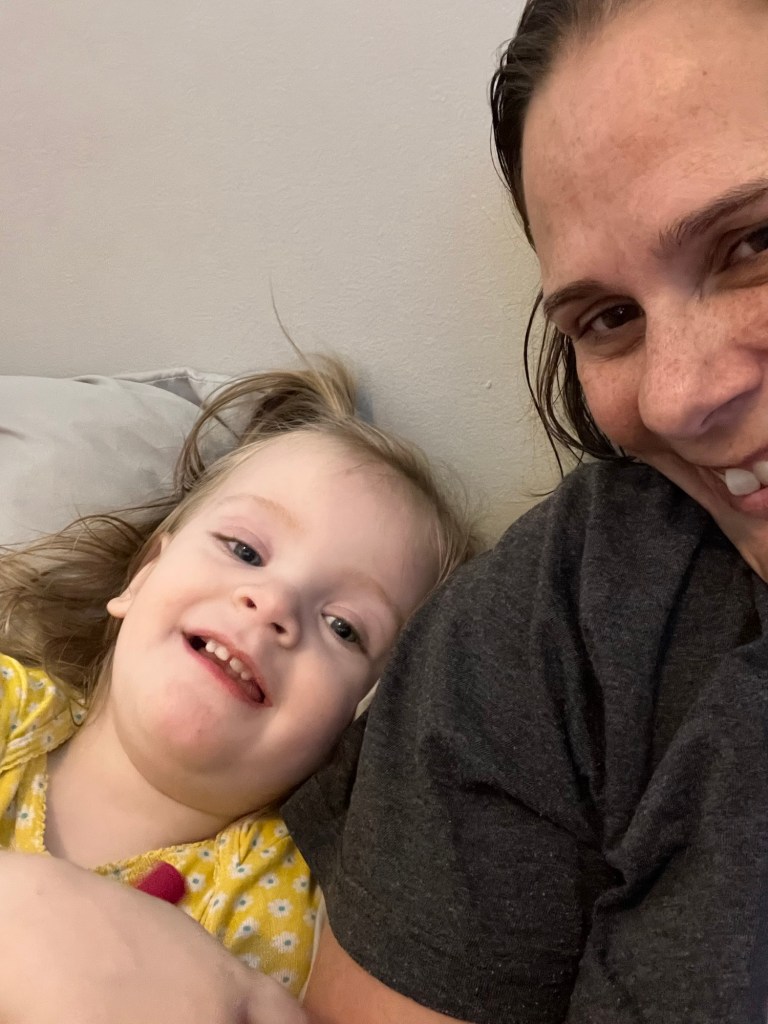
Even if you have to hold on to that promise longer than you wanted to. Hold it tight. The good days make it all worth it.

At this point in my story I can cart around that 2 year old and 4 year old at the same time. Grandma’s got guns. Just kidding. Training for my grandson got me to the point that I can run on a treadmill and ride a recumbent bike. He is my hero.

Keep getting back up. Show a willingness to bend and slow when your crucible is heavy. But keep climbing. Keep reflecting the beams of light.🌲✨

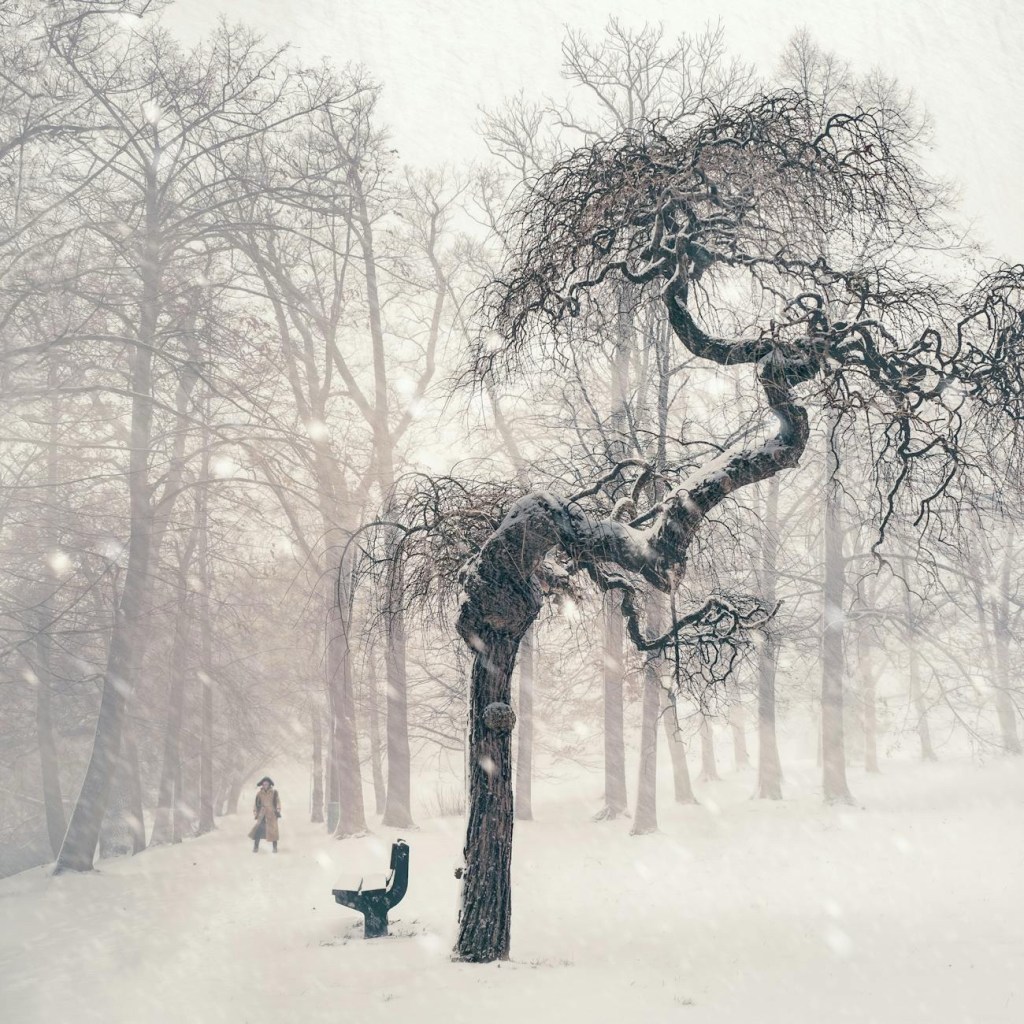
The oak fought the wind and was broken, the willow bent when it must and survived.

Robert Jordan

The Art of Finding Calm: Anchors for Inner Peace

By the time you reach the last spring, your hands are shaking. You’re sweating. Frustrated. Everything keeps getting more crooked.

You realize too late. You started wrong. 😑

Anyone who has assembled a trampoline knows the rule. You don’t hook the springs in a circle, one after another. If you do, the tension pulls unevenly. By the end, you don’t have the strength to stretch it into place.

You begin with four. Evenly spaced. Then every ten. Then every five. Then every two.

You build balance first. Then you stretch.

Cruising the Chaos of Life’s Pulls

We are pulled by responsibilities👈, expectations👉, needs👆, roles👇, diagnoses🫵, deadlines🫡.

Work. Family. Health. Friendships. Faith. Community. The list goes on.

Each one a spring tugging at the mat of our life.

When we hook ourselves fully to one area without anchoring wisely, the whole thing warps. We overextend in one direction and find ourselves weak in another.

Sometimes that is the season we are meant to live.

After giving birth, your whole being stretches toward that tiny life. Other areas thin out. That is not failure. That is devotion. In time, the tension redistributes.

But chronic pain does not redistribute so gently.

Chronic Pain: The Illusion of Perfect Harmony

When you live with chronic pain, you are constantly pulled toward managing symptoms, setting and going to appointments, pacing yourself, rest, prevention. Your energy budget is small. Other areas stretch thin.

Then something hopeful happens. 😮

You focus on your health. 😧

You improve. 🫢

You feel almost normal. 🥹

Everyone else sees it too. 🙌

Schedules begin to fill 🗓️ Invitations multiply 🥳 Expectations quietly rise 🫴 . The springs of “normal life” begin snapping back into place 🫰.

You let yourself believe it. 😄

Maybe I’m better. 😂

Then exhaustion crashes in 🫩 You stare at your calendar at night and wonder what you’ve done to yourself 😳 A small slip becomes months of recovery 😵 One flare unravels carefully rebuilt stability 😞.

And then come the looks 😒🙂‍↔️

The subtle confusion 🤨

The well-meaning advice 🤓

The unspoken question: Why can’t she just get it together?

Living with chronic illness often means managing other people’s perception of your crooked mat.

There is grief in that.

Grief in not being believed. In being misunderstood. In having to explain your limits and have them questioned again and again.

Eventually, you begin to let springs go.

  • Work (sounds great, it’s decidedly not great)
  • Hobbies
  • Certain relationships
  • Many dreams have to shift

Not because you lack discipline. Because you are learning discernment.

Tregi:

“A tender form of sorrow- one that doesn’t overwhelm but lingers softly in the soul, and it’s the ache of remembering something beautiful that’s gone, the silence after a goodbye, the bitter sweet pull of nostalgia. “

The Spring I Learned to Release

Within you there is a stillness and a sanctuary to which you can retreat at any time.

Hermann Hesse

One sunny day I carried my journal and scriptures out to our trampoline. It was warm, the sun pooling across the mat. A strange place to do cold, hard work.

I read.

I prayed.

I journaled.

I napped.

I prayed again.

And then I cried.

And cried some more.

To say I wanted one more baby doesn’t begin to explain the years of ache. The doctors knew what my body could not sustain. I knew it too.

But my heart wasn’t ready. I wanted to leave the doors open for God to do His work.

That day on the trampoline, I realized I was hanging on to a spring that was pulling my whole life crooked. The decision to have a hysterectomy felt like unhooking something sacred. I needed my Saviour in it with me.

It was one of the hardest decisions I have ever made. Letting that spring go felt like loss. But when I finally released it. After some time. I stopped trying to force tension where my body could not hold it. And space opened for healing. Opportunities I never could have seen coming appeared. Energy shifted. My frame steadied.

The mat did not look like I once imagined. But it began to hold me differently.

Calm comes when I choose my springs intentionally.

Cultivating Serenity Amidst the Clutter

Inner calm is not equal distribution. It is intentional tension.

It is knowing which four anchors belong in this season and which ones do not.

There is a calmness to a life lived in gratitude, a quiet joy.

Ralph H Blum

But we cannot hear that wisdom in noise.

We cannot recalibrate while drowning in comparison, expectation, and urgency. The nervous system cannot settle when constantly pulled outward.

This is why I return to nature.

In the forest, no one critiques the tension of a tree branch as it cradles more and more snow and ice.

The bitter prairie wind does not apologize for taking our breath away.

The river does not hurry spring.

Outer stillness teaches inner calm.

When I step into the trees, the sensory world steadies me:

  • The sharp edges of wind swept snow
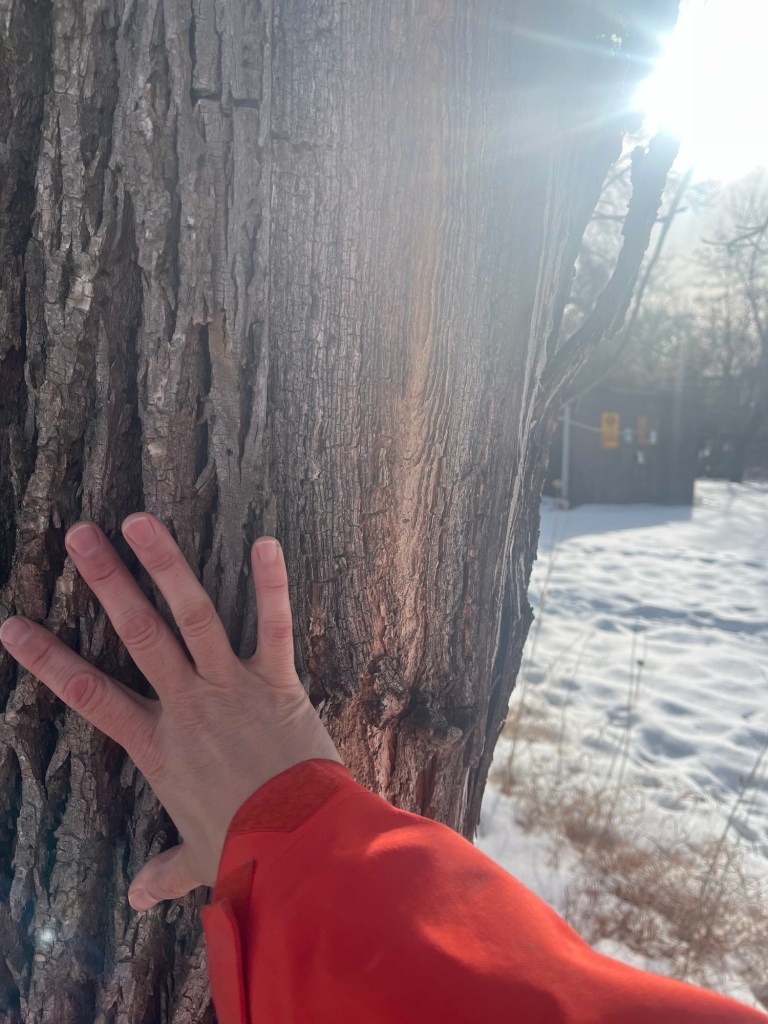
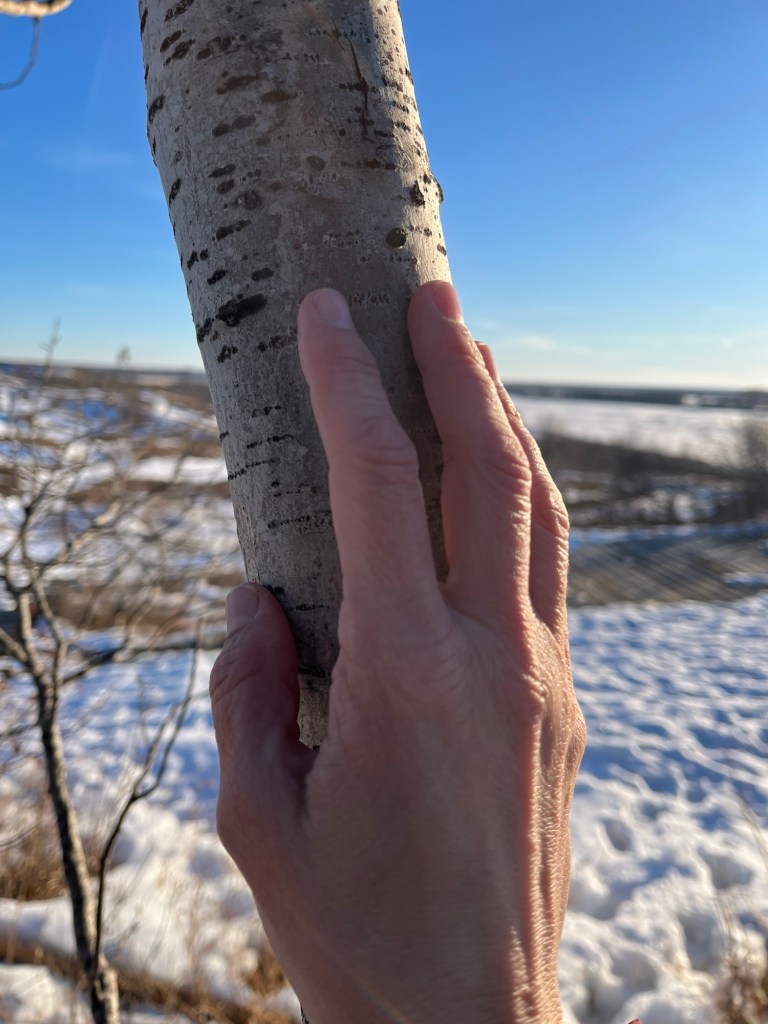
  • The cool texture of bark beneath my palm.
  • The sound of wind moving through leaves like breath.
  • Light filtering through branches in patient patterns.
  • Look closely
  • Breathe deeply

The forest is not rushed. It is not impressed or judgemental of us. It simply grows toward light.

And in that space, I can finally ask:

Which springs belong today?

And the incredibly hard question. Where do I need to let go?

The mind, like water, when it is turbulent, becomes difficult to see. When it is calm, everything becomes clear.

Prasad Mahes

🌲 Forest Therapy Practice: Four Anchors for Inner Calm

This practice is especially for seasons when your life feels uneven.

You are not rebuilding your entire life today. Only choosing your four.

Time: 30–45 minutes

Location: A quiet trail, grove, or open field

1. Arrive in Outer Stillness

Stand still. Feel your feet on the earth. Take three slow breaths, extending the exhale. Let your nervous system soften.

Notice where your body feels tight. Jaw. Shoulders. Back. Belly.

2. Choose Your Four Anchors

Whisper four priorities that truly belong in this season. No more.

  1. Health.
  2. Immediate family.
  3. Faith.
  4. One small joy.

Imagine each anchor as a tree spaced evenly around you.

Notice the balance.

3. Walk the Circle

Slowly walk in a gentle circle, pausing at each imagined anchor. Ask:

Is this spring too tight? Is this one neglected? Does this truly belong in this season?

Let answers arise without judgment.

4. Release One Spring

Name one responsibility, expectation, or internal pressure that does not belong right now.

Imagine physically unhooking it.

Notice the shift in your breathing.

5. Sit and Receive

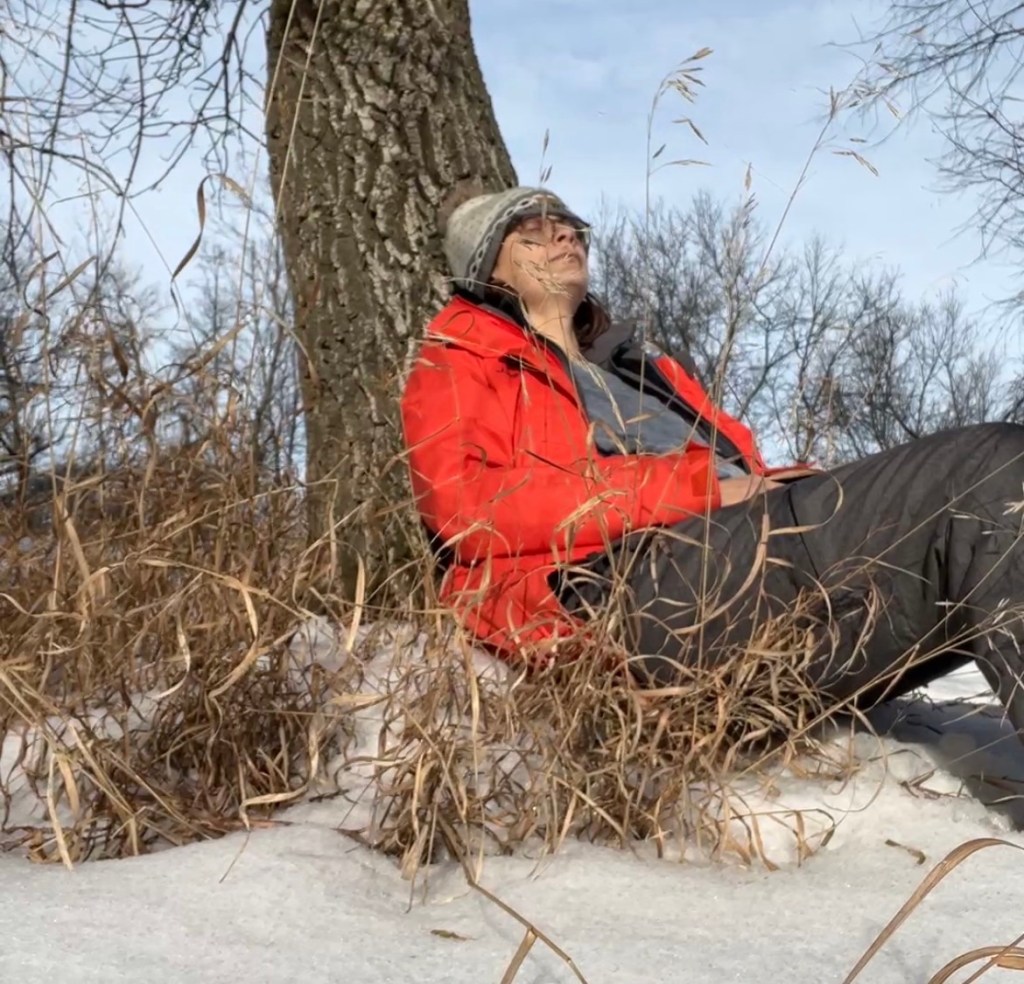
Lean against a tree or sit on the ground. Feel the support beneath you. Let outer stillness hold what you cannot.

Stay in silence.

6. Gentle Reflection

When you are ready, journal:

  • What would happen if I allowed this season to be enough?
  • What does my body need more of?
  • What am I brave enough to release?

True intelligence operates silently. Stillness is where creativity and solutions to problems are found.

Eckhart Tolle

You are not weak for having fewer springs. You are wise for choosing them. Balance may not look symmetrical. Your mat may not look like someone else’s.

But even a crooked mat can hold us.

And in the quiet of the forest, we learn to stretch for only what we are meant to hold.

What a blessing it is to look around and see pieces of my old prayers scattered everywhere.

Sarah Trent

How to Grow Rich When Chronic Pain is Your Reality

Ever notice how the word rich instantly makes people picture a yacht, a corner office, or at least a pantry where I have everything I need from chocolate to chia seeds?

Meanwhile, some of us are over here feeling wealthy because we found a position that doesn’t make our back yell at us.

Welcome to redefining abundance.

When you live with chronic issues, the cultural picture of “the good life” can feel like a club you don’t get invited to. My body has very strong opinions. And she will not yield. And yet, many people walking this road discover a strange, stubborn truth.

Richness is not a circumstance.

It’s a way of seeing.

Better Than Happy host Jody Moore distinguishes between two kinds of discomfort. One is fueled by resistance and the belief that life should be different. The other is accompanied by gratitude and a desire to create meaning from what is here.

In the latter, action becomes possible. In the former, people often remain stuck.

For those with chronic pain, discomfort is not optional. The choice lies in how we relate to it.

Turn your wounds into wisdom.

Oprah Winfrey

Gratitude does not deny suffering. It widens the field of attention so that suffering is not the only occupant.

There is the ache that says,

Why me? This ruined everything.

And there is the ache that whispers,

Given that this is here, what life can I still grow?”

The first freezes us in place.

The second opens a path.

A rich life might include money. It might include health. It might include work you love or a family that grows together. Or it might be something far less Instagrammable and far more sustaining. Presence, meaning, connection, small mercies, deep seeing.

Gratitude has a way of turning what is here into enough, and from that soil, more becomes possible.

Not because your nerves suddenly behave.

But because your mind has room again.

As Meister Eckhart wrote,

If the only prayer you ever say in your entire life is thank you, it will be enough.

Gratitude is not pretending pain is lovely.

It is noticing pain is not the only thing present.

Nature’s Secret Calculus

In the woods, a tree with a twist in its trunk is not considered a failure.

It is considered interesting. Strong. Adapted.

No straight lines required.

Chronic pain can feel like the bend you never asked for. But bends create habitats. They slow us down enough to notice moss, breath, companionship, the sacred ordinariness of being alive.

What if the detour is also the destination?

Chronicles of My Journey

Some days my life feels like a series of unfortunate events. Many of those events are inconsequential to the general population. But to my loose joints they are devastating.

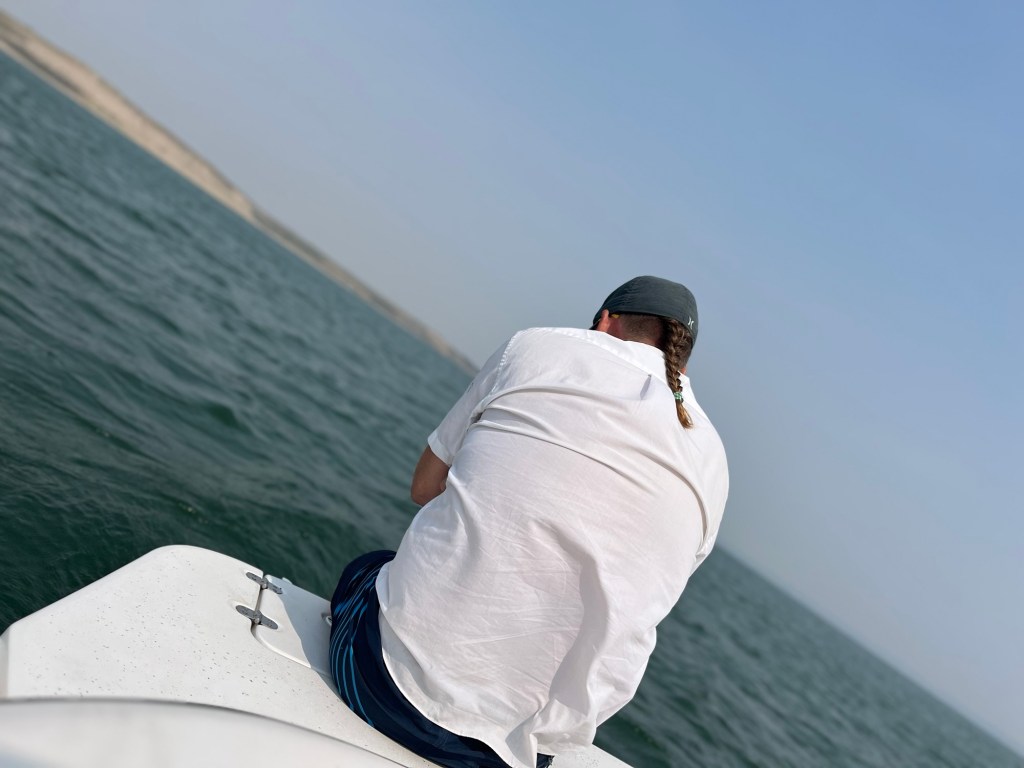
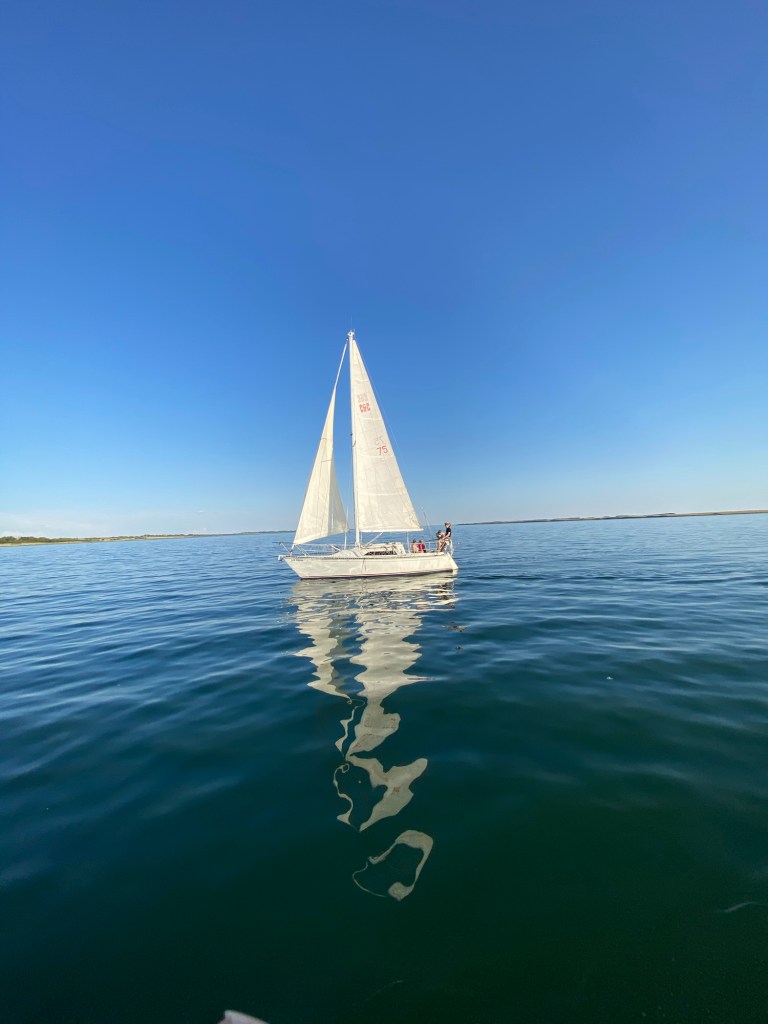
Last August I was enjoying a beach day with friends. Enjoying isn’t a strong enough word. These are the days I live for.

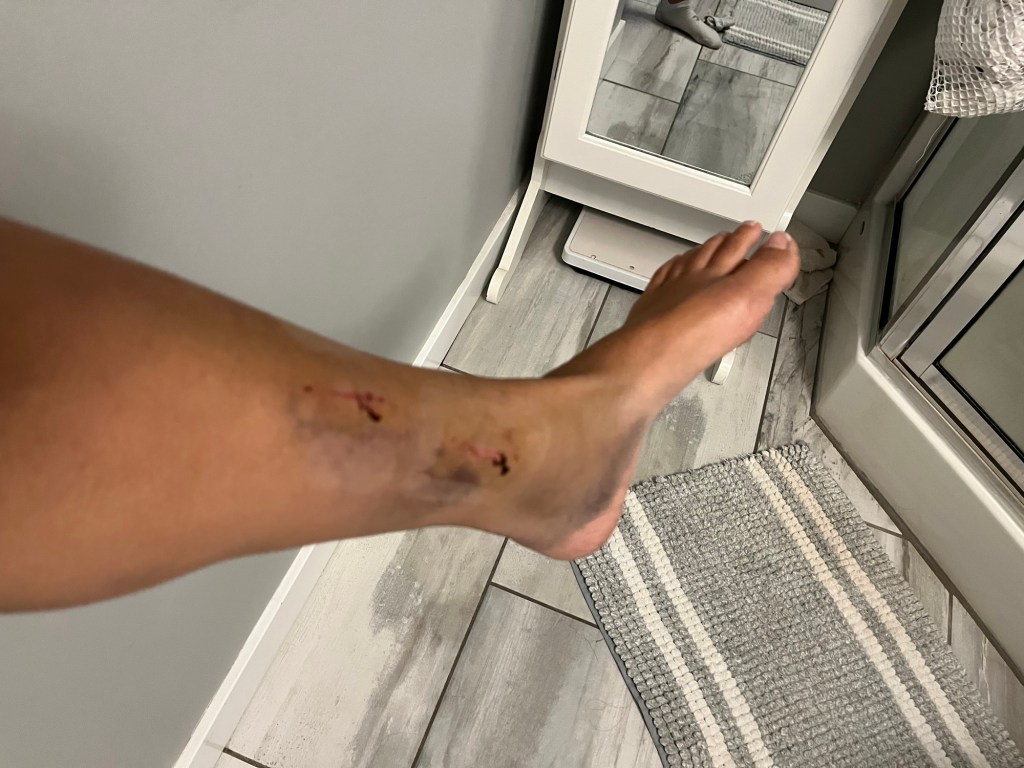
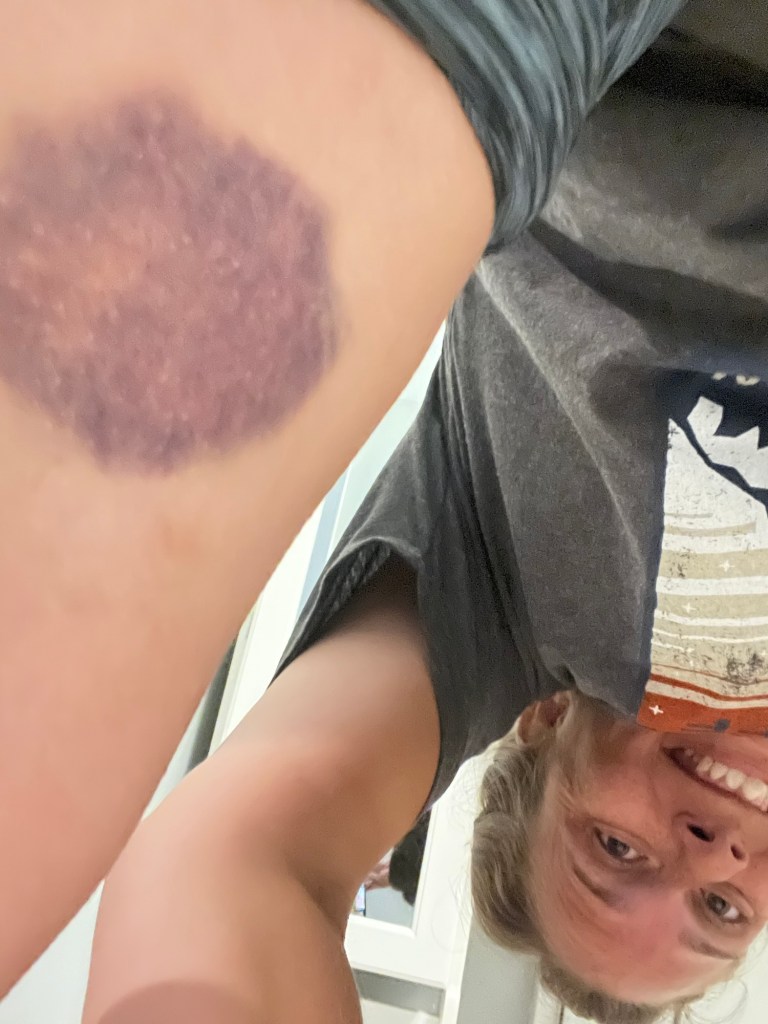
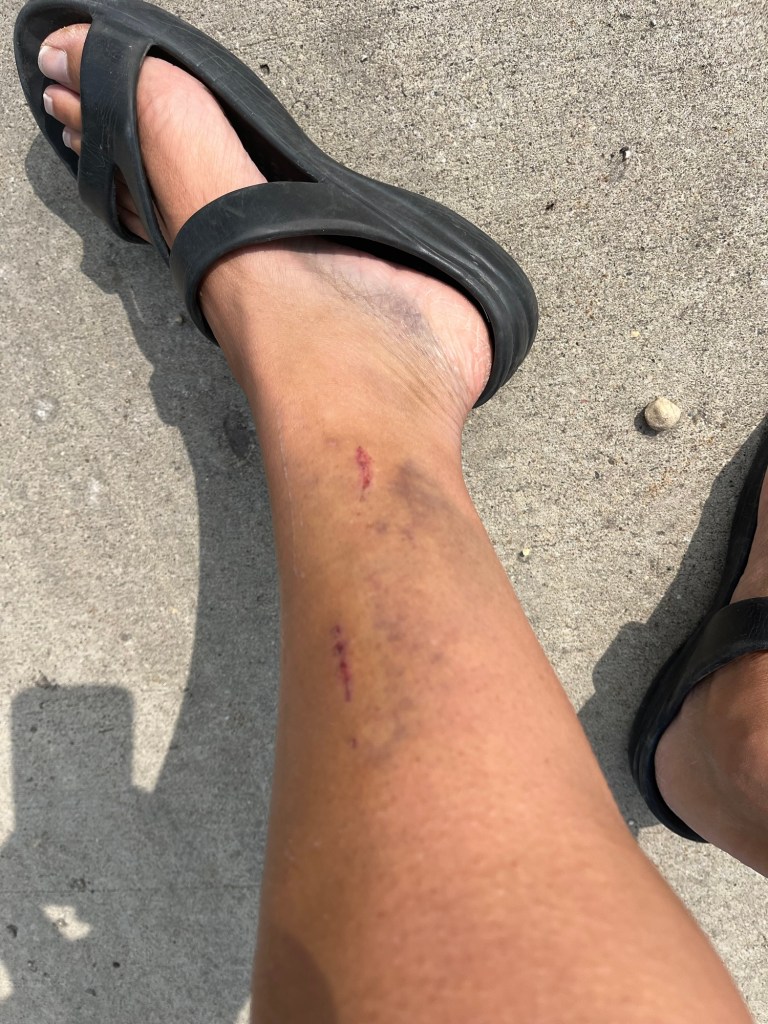
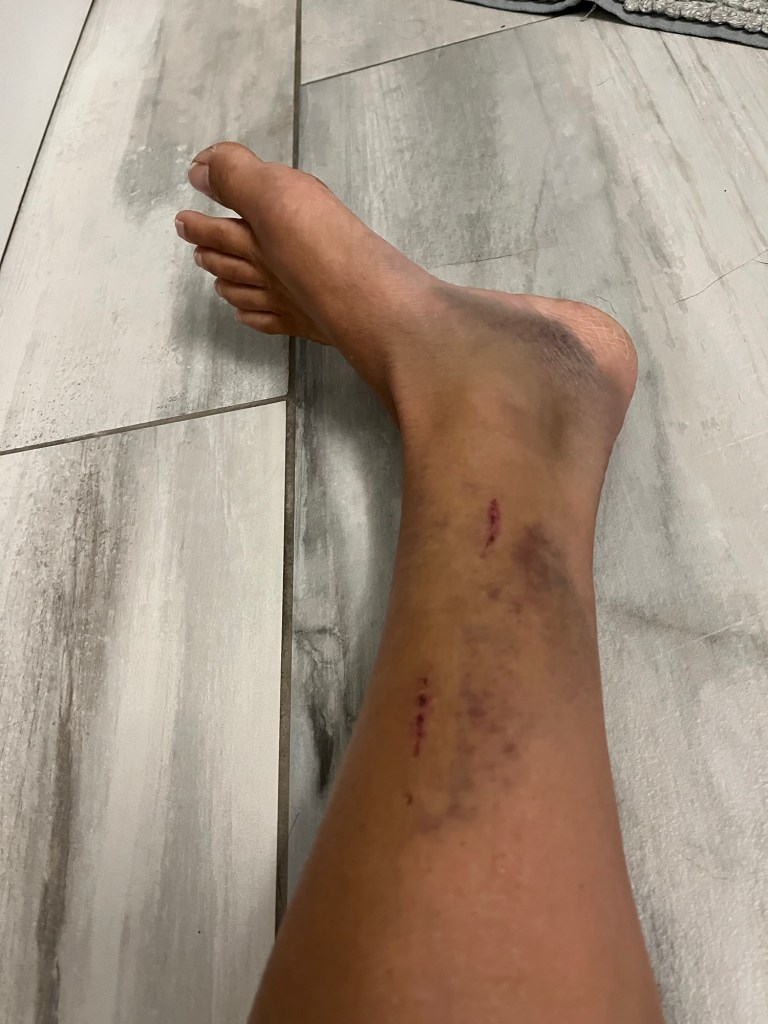
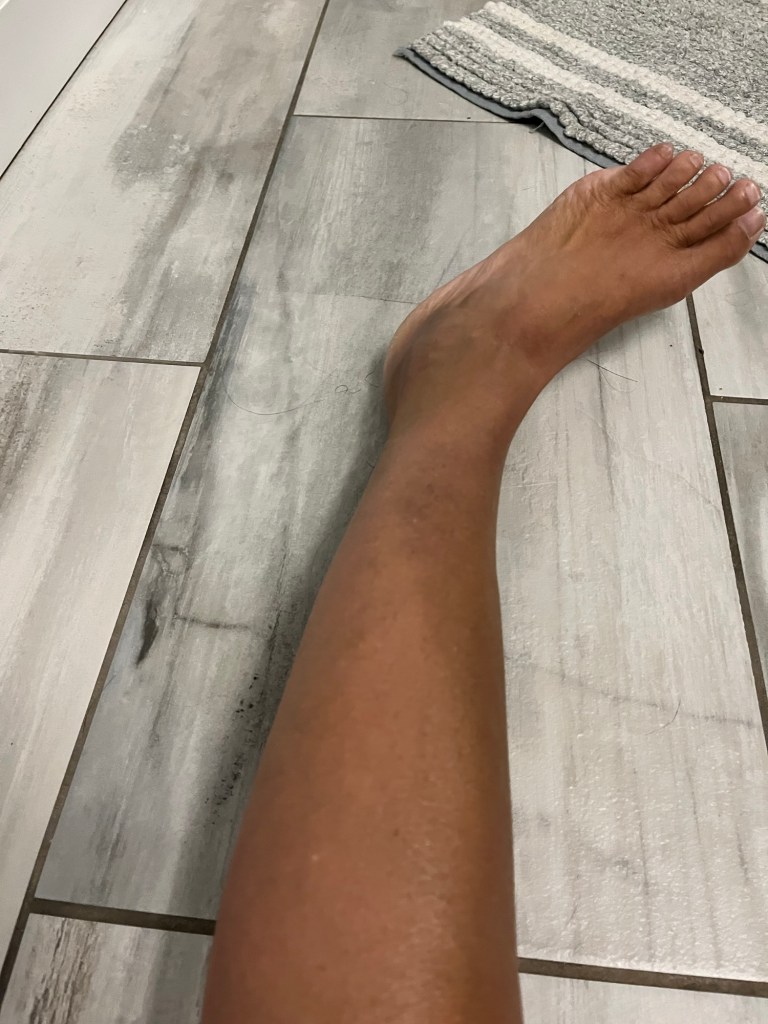
In my rush to support my mom getting off the boat, I slipped. My leg hit twice. On the back of the boat. Then scraped down the ladder.

The pain sent me into waves of nausea. Darkness of passing out kept threatening. I refused to surrender because that seemed embarrassing in the moment.

I was rushed off the beach as my leg swelled into two big lumps. Once I got it raised, it started to stabilize and my senses returned. In the end we decided to wrap it and I got to stay at the beach. But my summer was over.

More devastating was what it did to my gym workouts. I try to get to the gym a few days a week to keep my muscles strong enough to hold me together.

I was finally to a place where I could hold most major joints in for a week or more. This incident set me back months.

I am pleased to say I am finally back to a place where I can run almost the distance and pace I had before the damage to my leg. But it took all of those 6 months. The rest of my body has yet to catch up.

These setbacks are frequent and challenging. But I am learning there is peace and hope available on all days. No matter what is happening or not happening. And the sunshine will return.

Finding Wealth in the Woods: A Forest Therapy Practice

  • Go somewhere with trees or sky.
  • Let your pace match what your body can honestly do today.
  • Arrive. Feel your feet. Or your walker. Or the place you are sitting. Let the earth hold some of your weight.
  • Notice three forms of wealth already present. Warmth on your face. Air entering lungs. A sound that is gentle.
  • Place a hand on your heart or thigh and ask, “Given my limits, what is still possible for me?” Don’t demand a big answer. Let something small come. A phone call. A rest. A moment of beauty.
  • Say, quietly, thank you.

That’s it. Tiny riches count. And this practice opens doors for more riches to enter your presence.

Navigating the Path Ahead: A Thoughtful Analogy

Imagine inheriting land you didn’t choose. Some of it is rocky. Some days it floods. You can spend years arguing with the map… or you can learn what grows there.

Blueberries love poor soil.

Certain pines only open after fire.

Some of the most resilient beauty requires harsh beginnings.

As Rainer Maria Rilke advised:

Let everything happen to you: beauty and terror. Just keep going. No feeling is final.

Where Forest Therapy Carries Us

At the outset, when life no longer looks like it did, when identity is disrupted, the forest helps us find where we fit now. Not who we were. Not who others are. Who we are today.

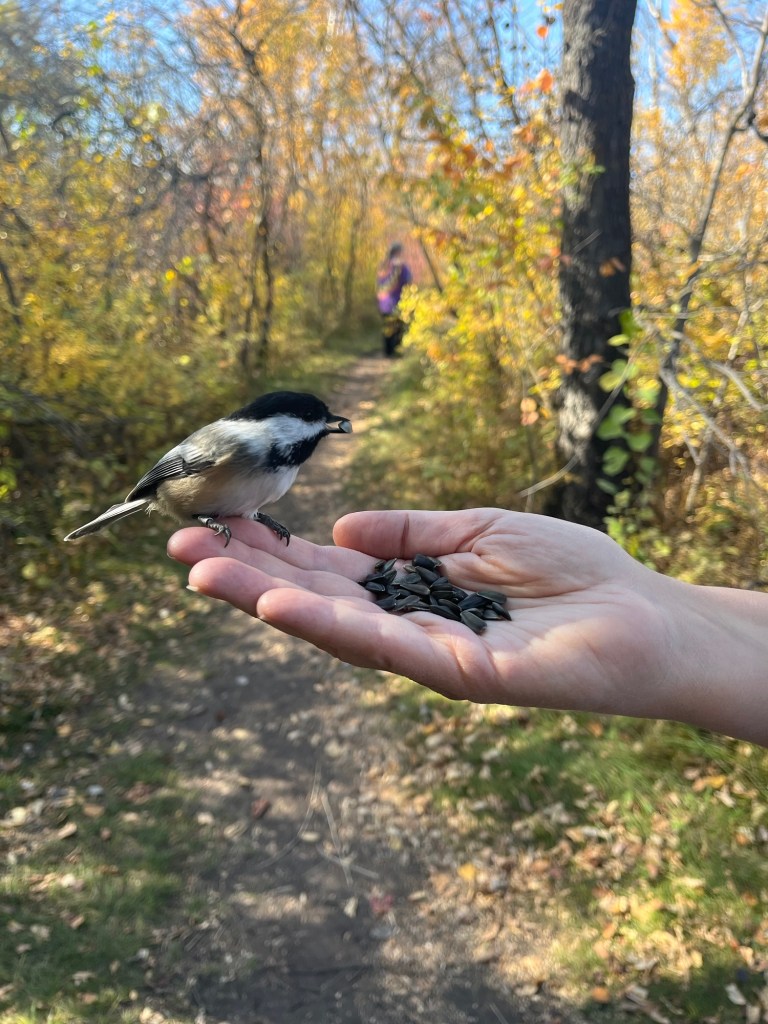
In the middle, when the physical and mental anguish feels loud, nature gives our nervous system something steady to lean on. Wind continues. Chickadees continue. Light continues. We borrow their rhythm.

And at the end, or at least with distance, we often see that pain brought unexpected inheritances. Tenderness, clarity, reprioritized love, a fierce ability to notice what matters.

A different kind of fortune.

You may never get the yacht.

But you might receive awe. Intimacy. Meaning.

Moments of real rest inside the storm.

That is wealth no market can crash.

And forest therapy walks with you through the whole thing 🌲

The wound is the place where the Light enters you.

-Rumi

The Influence of Non-Judgmental Awareness: Mending the Nervous System

There is always in February some one day, at least, when one smells the distant, but surely coming, summer.

-Gertrude Jekyll

If you’ve ever tried to “think positive” while your body is screaming, you already know who wins.

Pain wins. Exhaustion wins. A nervous system on red alert wins. Any pep talk given to said nervous system is bringing a Post-it note to a tornado.

And then we blame ourselves! Because obviously the problem is a personal moral failure, not a human being a human.

In forest therapy, we take a different approach. We don’t try to out-think the body. We learn to listen to it without judgment. In doing so, the body finally gets what it has been asking for all along. Safety.

Biology’s Rebellion: The Dangers of Overriding Nature

Many people living with chronic pain think they should be able to cope better.

They should be stronger.

They should push through.

They should be more grateful it’s not worse.

But here’s a humdinger of a thought. When your body is sending powerful distress signals, your conscious mind has very little leverage.

The attempt to escape from pain is what creates more pain.

Gabor Maté

Neill Williams, on the Success Genius Podcast, explains it beautifully. When you are hungry, exhausted, or in pain, your biology overrides your attempts to think or feel differently.

The vagus nerve, your internal communication highway, links brain, heart, lungs, digestion, and the stress response. If that system is dysregulated, focus, creativity, decision-making, and connection all suffer.

Your body is a boundary of your soul. Treat it with care.

Jean Shinoda Bolen

As I’ve said before. This isn’t a motivation problem. It’s a nervous system problem.

And until the body feels safer, it will keep turning up the heat.

Rushing: The Trap That Keeps Us in Survival Mode

There is more to life than increasing its speed.

Ghandi

I dare say, we hurry through the day, override our limits, stay stimulated late into the night, fall into bed, wake up feeling four days past our bedtime, and repeat.

Then we wonder why our system is constantly braced for danger. We keep hitting refresh on the same nervous system and expecting a software update.

From a survival perspective, it makes perfect sense. Nothing in that cycle signals “You can stand down now.”

So the body continues to send messages. And they are rarely gentle. Whispers don’t usually create change. Pain often does.

To pay attention, this is our endless and proper work.

Mary Oliver

“I Would, But I Simply Can’t.”

I often hear how wonderful forest therapy sounds.

I wish I could. Maybe someday. When life calms down.

But healing asks for time. Attention. Slowing down. Repetition.

Until then, forest therapy remains a lovely idea instead of lived remedy.

Word to the wise. Your body will keep requesting the appointment. It has an unlimited follow-up policy and will keep calling until someone answers.

If you don’t schedule a break, your body will take one for you, and it probably won’t be at a convenient time.

-Unknown

The Remarkable Power of Non-Judgmental Awareness

Here is where the shift happens.

When we practice noticing sensations without evaluating them, we step out of the inner fight.

Instead of:

  • This is bad.
  • Why am I like this?
  • I should be better.

(There are no gold stars for hating life correctly)

We try:

  • Warmth
  • Tightness.
  • Pulsing.
  • Cool air on my cheek.

No argument. No story.

Judgment activates defense. Awareness invites regulation.

The nervous system reads neutrality as safety.

The organism knows.

Eugene Gendlin

Nature: The Ultimate Stage for Inspiration

The forest is a masterclass in non-urgency.

Nothing is asking you to be different.

Everything belongs. You. Belong.

Research into nature exposure consistently shows reductions in cortisol, blood pressure, muscle tension, and rumination.

But experientially, I’ve seen something even more important. People soften. Attention and breathing widens.

The body begins to renegotiate its alarm state.

Nature provides gentle sensory anchors. Light, texture, birdsong, air movement. These allow awareness without overwhelm. For someone with chronic pain, this is crucial. We are not adding more intensity; we are expanding capacity.

Astravore: (n) A soul that keeps feeding on hope even after disappointment- light-hungry, resilient, unbreakable. -ViviJan

You are larger than what is happening to you.

Michael Singer

Silencing the Alarm: A Lesson in Balance

Imagine a car alarm that has been blaring for years.

You wouldn’t yell affirmations at it and tell it to be quiet.

You would look for the threat it thinks it perceives.

Non-judgmental awareness in nature is how we open the hood.

Each calm moment says, “No one is breaking in right now.”

Over time, the alarm system recalibrates.

My Story

I’ve experienced moments in my forest therapy practice when I wanted to do it all perfectly. To follow all the “right steps.”

When I go in with this focus I notice the pain is still there. The frustration is still there. I start thinking about all the years of pain I have ahead of me. Of financial strain. And the weight it adds to every relationship.

Then I remember to just breathe. Focus on today. Right. Now.

I start to feel the breeze on my face and hear it making its way through the trees around me. I sense the solid earth beneath me.

The pain does not vanish. But it’s not the only voice anymore. It has just been hogging the microphone in my head. 🎤 🤫

There is support available here whenever I need it. In the birds and the trees and the solid ground. This may sound odd. But this shift in thinking moves the pain inside a larger field of safety.

This is regulation. I just keep coming back to it.

The best way out is always through.

– Robert Frost

A Gentle Invitation to Explore

  1. Find something in nature that feels steady. A tree, a rock, the shoreline.
  2. Let your eyes rest there.
  3. Now widen your awareness to include three additional sensations that are neutral or pleasant.
  4. Move back and forth between the discomfort and the wider field

    You are teaching your nervous system that pain can exist without emergency.

    Do this regularly and the vagal pathways that support calm begin to strengthen.

    Don’t just do something, sit there.

    Sylvia Boorstein

    The Real Result: Persistence in Life

    When regulation improves, people often notice clearer thinking, better sleep, and easier connection. Not because they forced positivity, but because their biology finally cooperated.

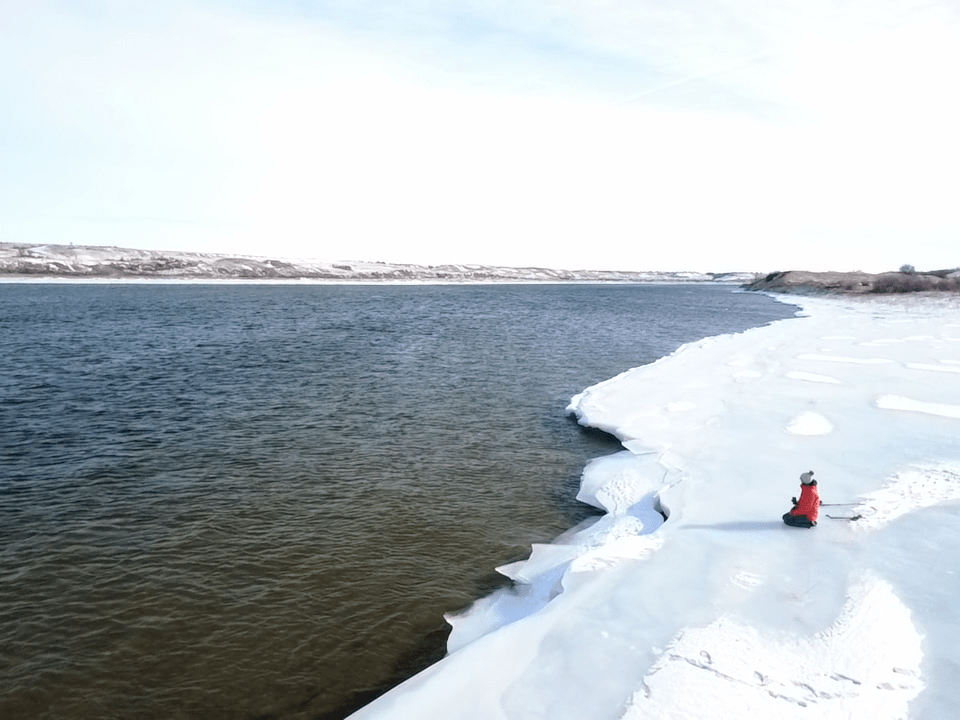
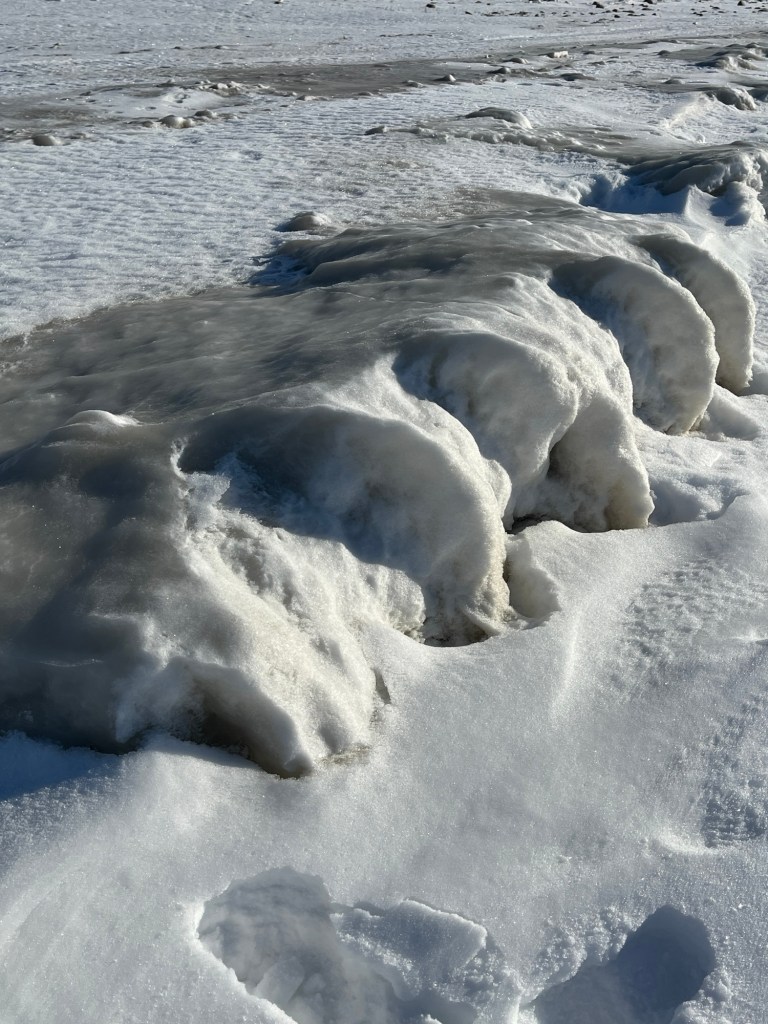
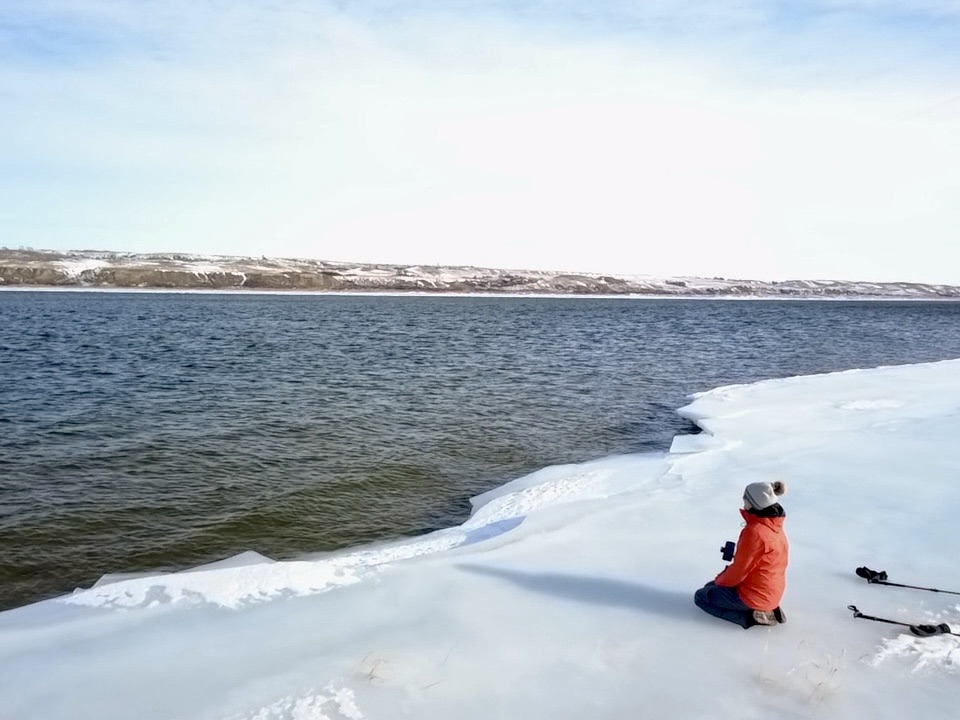
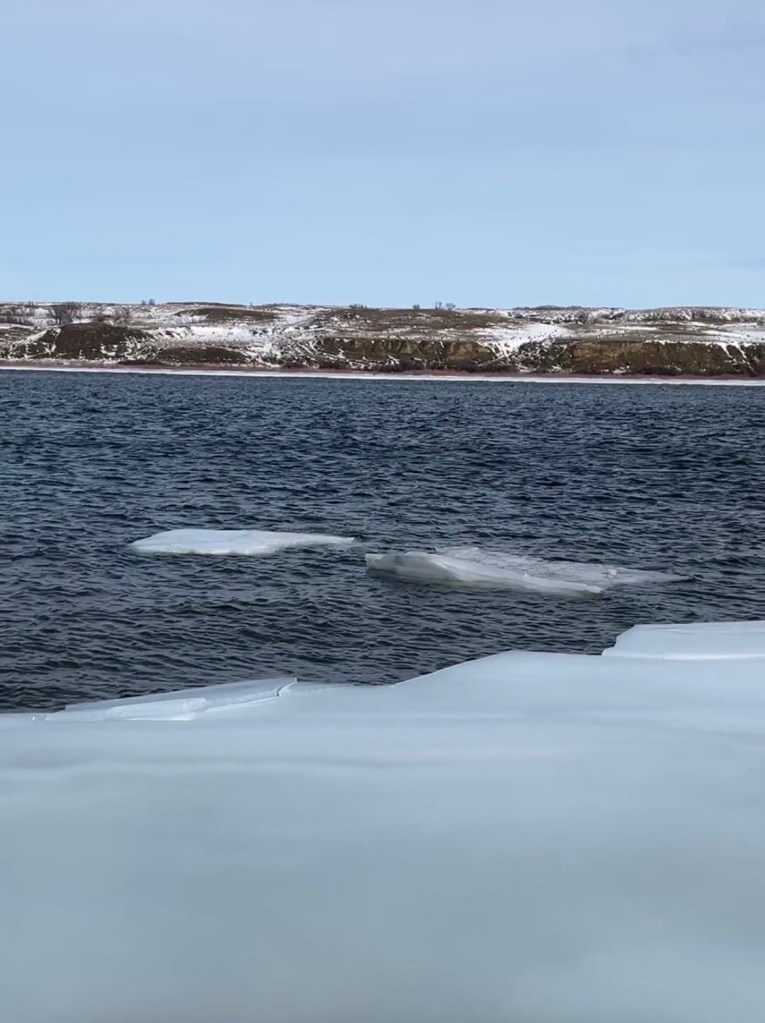
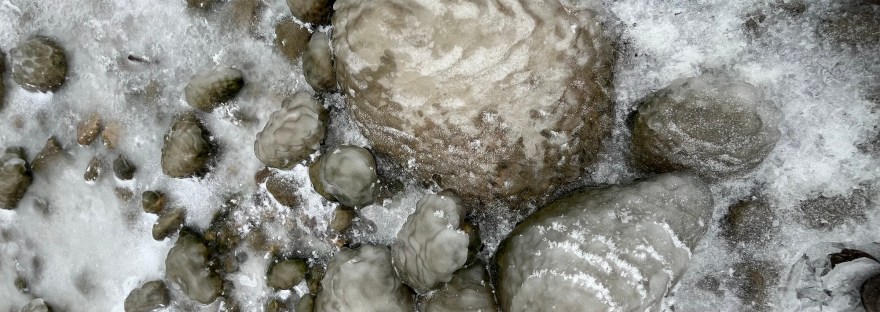
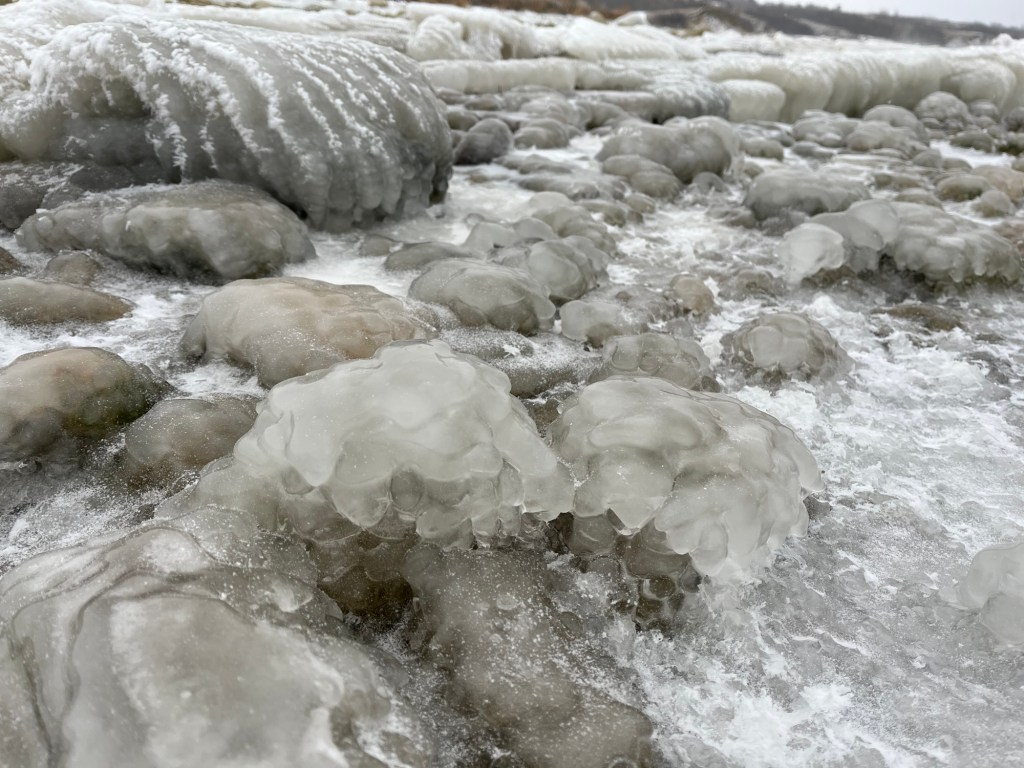
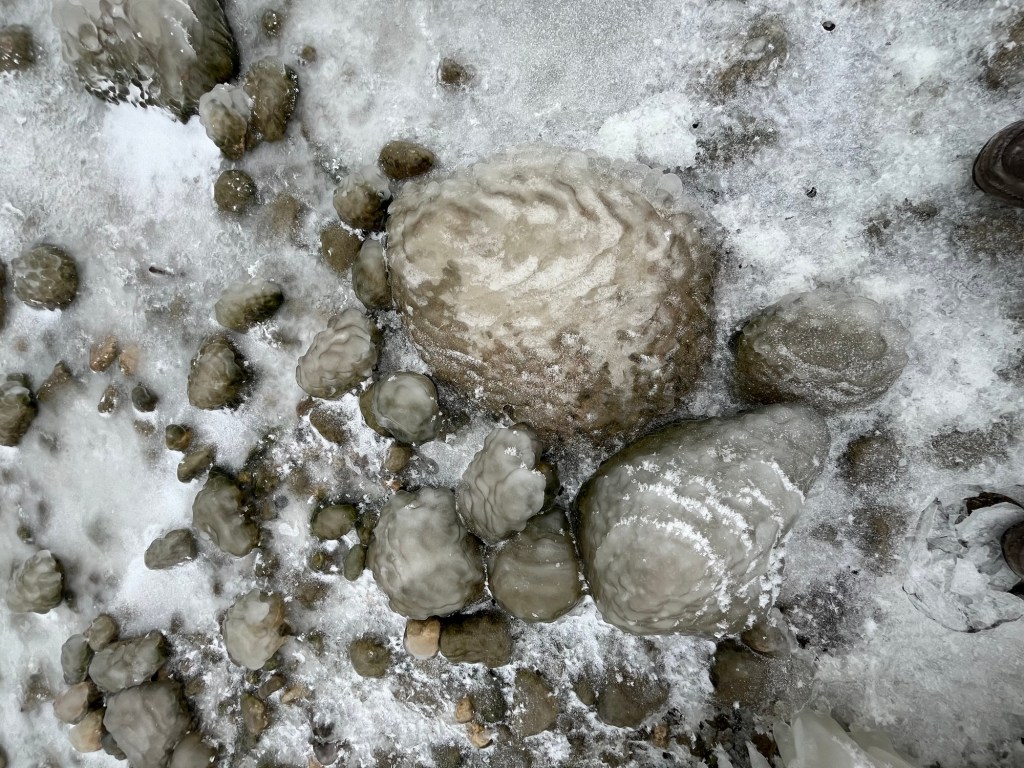
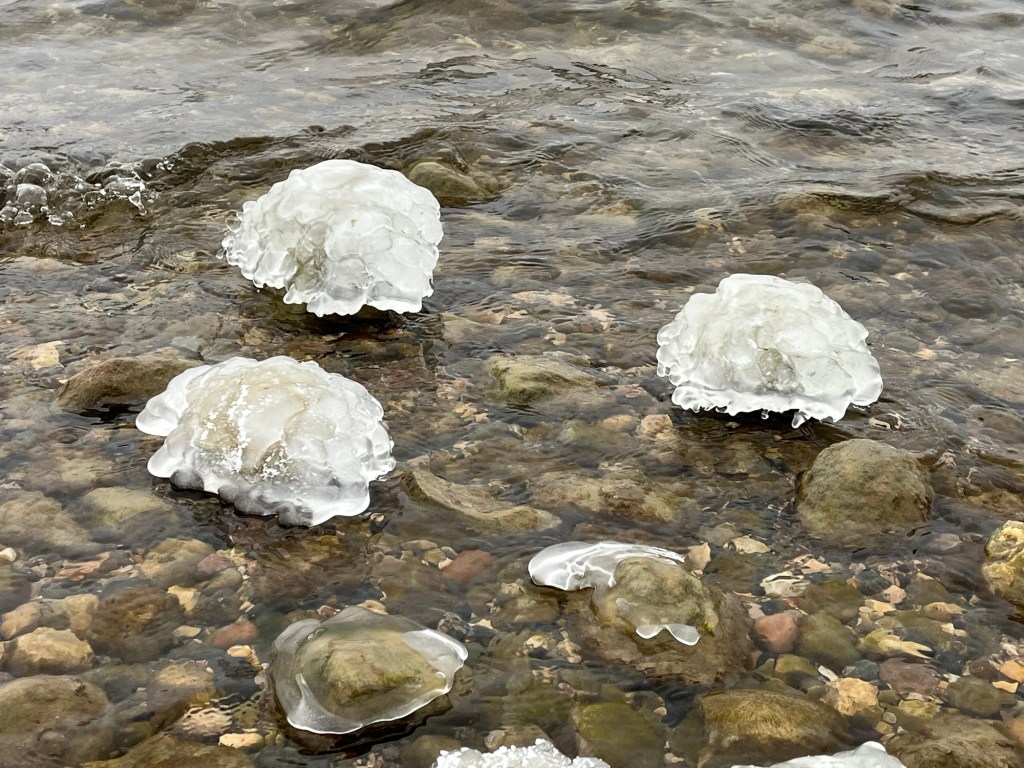
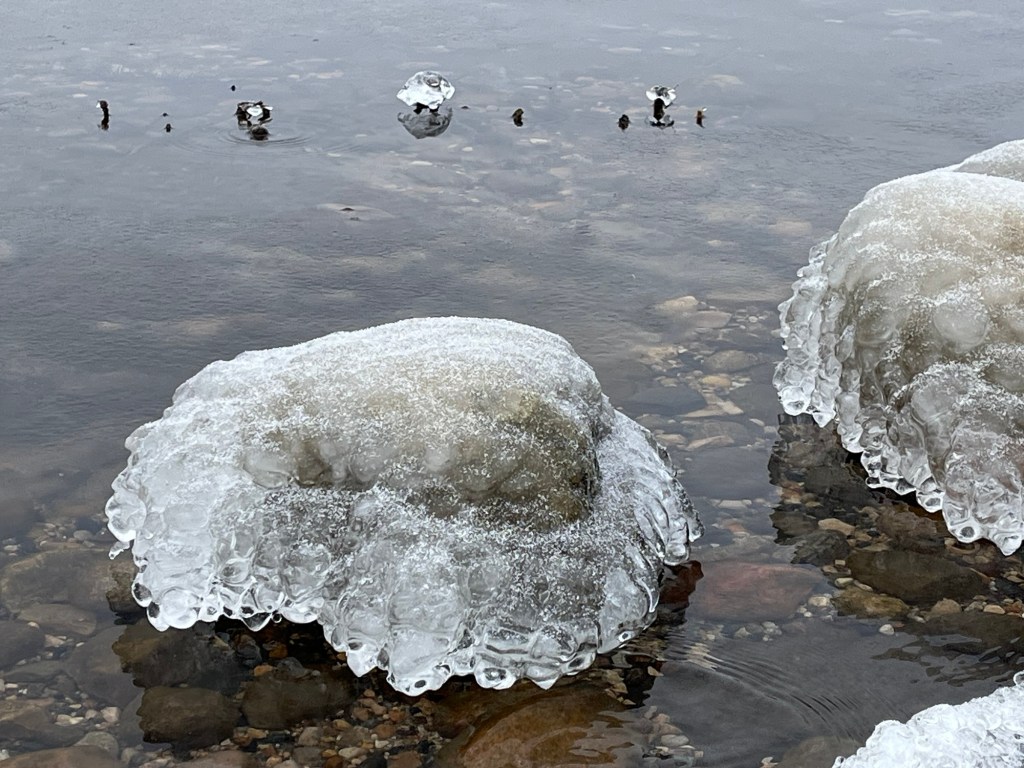
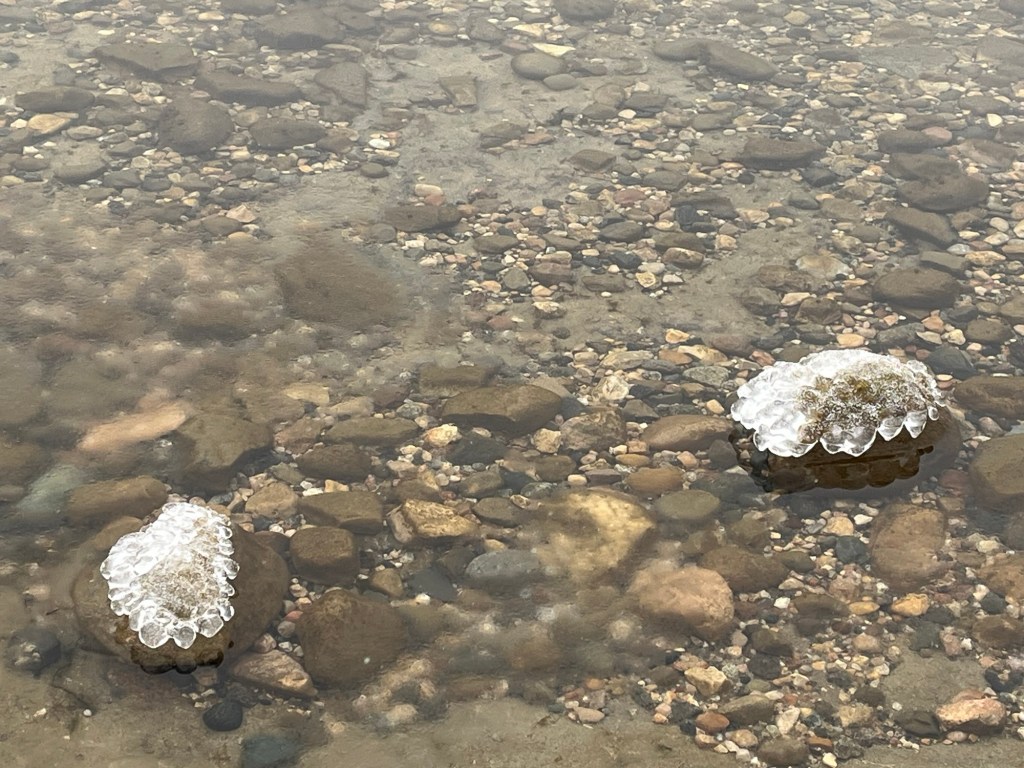
    You are no longer fighting upstream. You are being carried. Like these little bitty icebergs I watch on the river. Floating by. 👇

    The Closing “Peace”

    If we keep living in a way that ensures the alarm stays active, nothing changes.

    But when we make space, even small, consistent space for non-judgmental sensory awareness in the forest, the body hears something new.

    I’m safe. I can soften. I don’t have to shout today.

    And maybe, that is where my healing lingers. I just have to take time away, to meet it there.

    The body always leads us home… if we can simply learn to trust sensation and stay with it long enough for it to reveal appropriate action.

    -Pat Ogden

    Take care, my friends. I leave you with these February thoughts that gave me a little chuckle:

    My February workout plan is mostly just shivering until my muscles get tired.

    Love is in the air this February, but so is the flu, so please stay back.

    The Biggest Rocks, Near Enemies, and the Stillness That Tells the Truth

    As a forest therapy guide, I spend a lot of time listening. Not just to birds and wind, but to the quiet wisdom that surfaces when life slows down. Recently, while listening to the Follow Him podcast with guest Dr. John Hilton III, I was struck by how clearly their insights mirrored what I see every day in nature-based healing.

    The Silent Saboteur of Greatness: Settling for “Good Enough”

    Dr. Hilton shared a story Warren Buffett once told about his pilot, Mike Flint. Buffett asked Flint to list his 25 most important goals, then circle the top five. Flint assumed the remaining 20 would simply be addressed later, as time allowed.

    But Buffett surprised him.

    Those other 20 goals, he said, were not “later” goals. They were avoid-at-all-costs goals. Why? Because what most often pulls us away from our very best work isn’t something bad. It’s something good. Interesting. Worthy. Pretty good.

    And that’s the danger. Pretty good competes quietly. It distracts us without alarming us. It drains time and energy while convincing us we’re still doing something valuable.

    Choosing Wisely: Balancing Big and Small in a Limited Jar

    You’ve probably heard the “big rocks” analogy: if you put the big rocks in the jar first, then the small rocks, then the sand, everything fits. It’s a powerful visual reminder to prioritize what matters most. In a day. In a year. In a life.

    But Dr. Hilton pointed out something that often gets overlooked. In real life, no one measures out the rocks and dirt ahead of time so it all fits. Neat and tidy. Many of us simply have too many big rocks.

    The daily work.

    The self care.

    The appointments.

    The responsibilities we can’t opt out of.

    At some point, the work becomes less about fitting everything in and more about asking a braver question:

    Which rock is the biggest?

    And then: Which one comes next?

    For those of us living with chronic pain or limited energy, this question isn’t philosophical. It’s survival.

    The real work is not to prioritize what’s on your schedule, but to schedule your priorities.

    — Stephen Covey

    Near Enemies: The Perils of Almost Right

    Psychologist Kristin Neff teaches about near enemies. Qualities or choices that look helpful on the surface but quietly undermine what we actually need.

    In compassion practice, for example, self‑compassion’s near enemy is self‑pity. In mindfulness, it might be zoning out instead of being present. Near enemies are dangerous not because they are wrong, but because they are convincing.

    They imitate wisdom.

    They borrow the language of care.

    They feel responsible.

    And yet, they subtly pull us away from what truly nourishes us.

    Familiar Foes: Chronic Pain’s Close Encounters

    When you live with chronic pain or chronic illness, near enemies show up everywhere:

    • Filling your day with “useful” tasks instead of the few essential ones that protect your health.
    • Trying every therapy instead of committing energy to the one or two that truly help.
    • Positive thinking that bypasses your body’s real signals.
    • Staying busy so you don’t have to feel how tired you actually are

    Even healing practices can become near enemies when they cost more energy than they restore.

    In these seasons, discernment matters more than discipline.

    Unearthing Clarity: The Truth of Forest Therapy

    Nature has a way of clarifying what belongs and what doesn’t.

    In the stillness of the forest, the nervous system softens. The noise quiets. And without effort, priorities begin to rearrange themselves.

    Here, the biggest rocks often reveal themselves as simple, foundational truths:

    • Enough sleep
    • Nourishing food
    • Gentle, appropriate movement
    • Nervous system regulation
    • Emotional safety

    These are not optional extras. They are the largest rocks.

    From there, we can begin to see the next biggest rocks. Helpful therapies, meaningful connection, creative expression, without confusing them for the foundation itself.

    And finally, with compassion, we can begin to sift out what simply does not fit in this season of life. Not forever. Just for now.

    Arabic proverb: Sunshine all the time creates a desert.

    Perhaps, in the storms, roots deepen and rain helps us grow.

    The Significance of Near Enemies

    Near enemies are dangerous because they:

    • Masquerade as wisdom
    • Drain limited energy
    • Keep us busy instead of well
    • Pull focus from what truly supports healing

    For those living with chronic pain, the cost of mistaking a near enemy for a true ally is high. Energy is precious. Attention is finite. Choosing the wrong “good thing” can mean losing access to the best thing.

    You can do anything, but not everything.

    David Allen

    Letting Go

    There was a season when I was frantically searching for a diagnosis. Searching not just for answers, but for validation. I was living with constant, invisible pain that no one could see and few seemed to understand. And so I chased understanding wherever I thought it might live.

    I pursued every avenue. Every referral. Every therapy that sounded even remotely promising. I read, researched, pushed, argued, advocated. Believing that if I just searched hard enough, fought clearly enough, or proved my case convincingly enough, I would arrive at the answer. A conclusion. A resolution. A moment where someone would finally say, “Yes. This is real.”

    What I didn’t recognize at the time was my near enemy.

    On the surface, what I was doing looked responsible. Even admirable. I was being proactive. Informed. Determined. But underneath it all, my hope had quietly become tangled up in outcomes, test results, and external validation. The search itself, though it looked like healing, was slowly exhausting me.

    I needed to let go of the illusion that my life might have been different.

    It’s in my eyes. I tried to hide it. But I see now I was not overly successful in that attempt. Through that time, I could best be explained. By these words someone wrote, “she’s got the hospitality of a Southern belle and the emotional stability of a raccoon in a Dollar General.” Or these accurate words, “I’m currently looking for a moisturizer that hides the fact I’ve been exhausted since 2019.”

    Each clear test result landed not as relief, but as another erosion of trust. My pain was getting worse, not better. And I suspect my medical charts were, too. Notes growing heavier, more complicated, perhaps less in my favor as frustration mounted on both sides.

    Still, I kept searching. Because stopping felt like giving up.

    Eventually, I had to face the truth. This relentless pursuit wasn’t leading me toward healing. It was pulling me away from it.

    I still don’t have clean answers or a tidy diagnosis. But something essential has shifted. I no longer outsource my validation. It doesn’t come from a test, a label, or a professional conclusion. It comes from listening to my own lived experience.
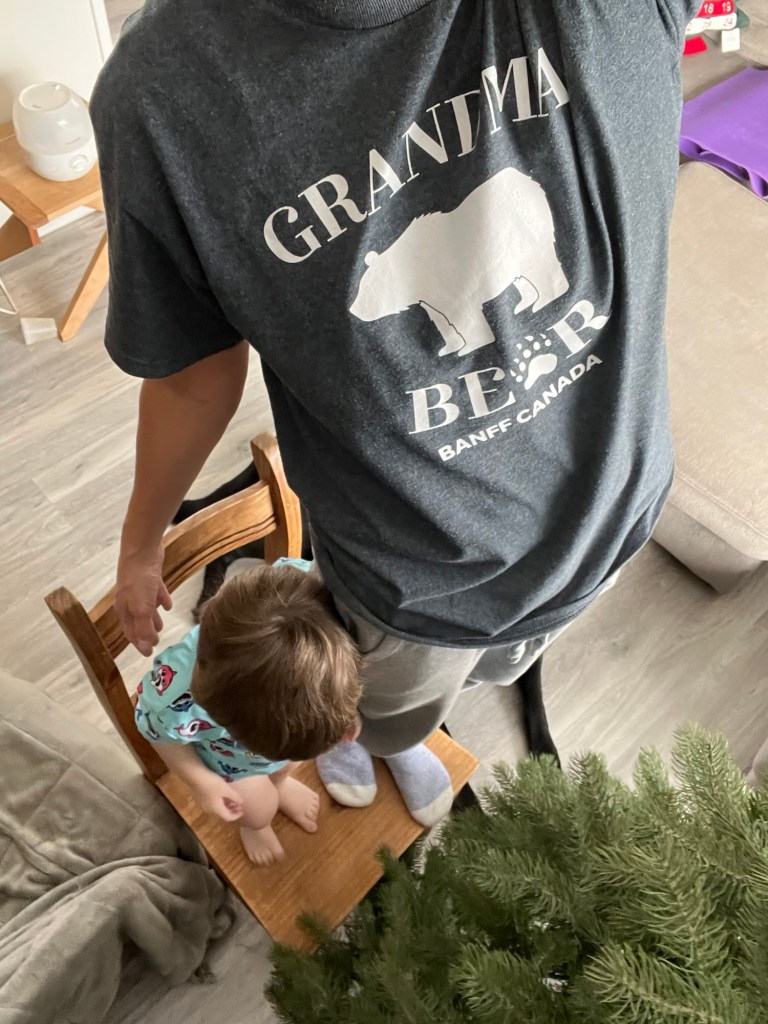
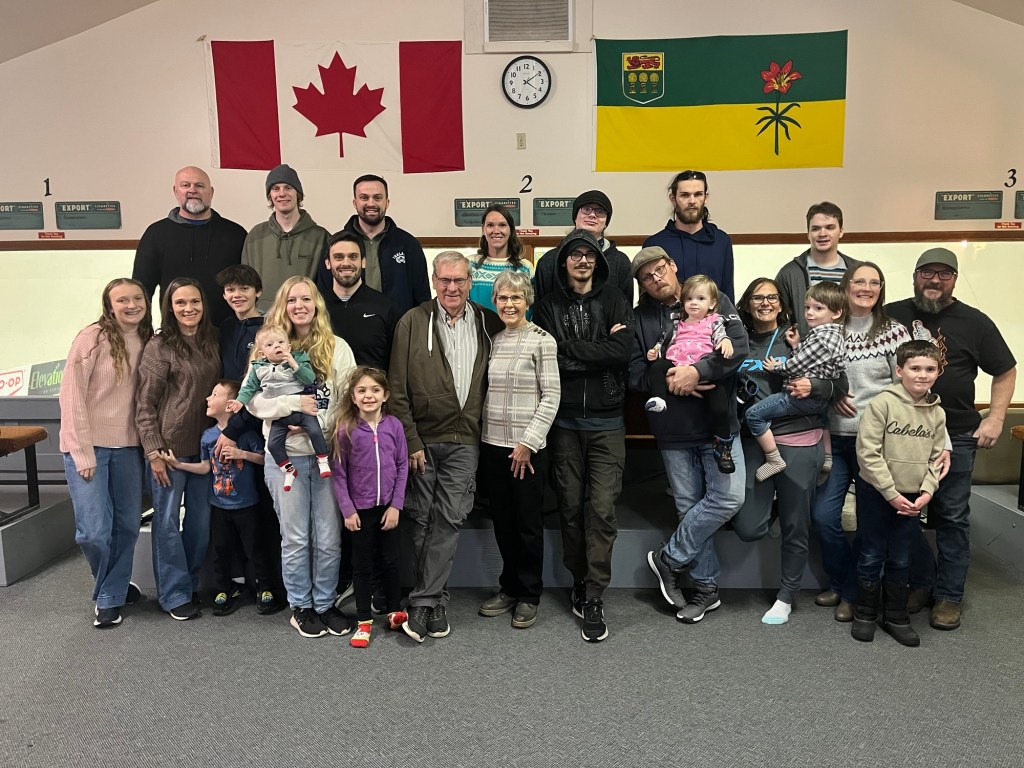
    These aren’t the only people. But it’s a good chunk of them.

    I’m deeply grateful for the people in my life who try to understand my pain, even when they can’t see it. They may not witness the pain itself, but they see me. And that has mattered more than I once believed possible.

    Some answers have arrived gently, settling on me soft as a sunbeam. Others have been harder, more confronting. But I no longer search frantically.

    That frantic searching. The good‑looking, well‑intentioned chase for certainty was my near enemy. And laying it down made space for something quieter, truer, and far more healing.

    What you tend grows. What you ignore fades.

    Forest Reflections

    Near enemies are not mistakes. They are invitations to deepen our discernment.

    When we learn to tell the difference between the important and the essential. Between the helpful and the healing. We begin to live with greater integrity toward our bodies and our limits.

    And often, it is the forest. Quiet, patient, and uncompromising that helps us remember which rock truly belongs in our hands today.

    Rest is not idleness. Sometimes lying on the grass under trees on a summer’s day… is hardly a waste of time.

    — John Lubbock

    Embracing Presence: The Passage Towards Healing Together

    But first I share some holiday humor,

    Frost upon a windowpane 
    and softly falling snow,
    Warmth beside a crackling fire
    while biting north winds blow
    Books and blankets, steaming tea ,
    The soft glow of an ember,
    Candlelight and cozy nights~
    The magic of December

    -Laura Jaworski

    Especially when you live with chronic pain. Spending time in nature is good. Spending time in nature with people. Held in a shared experience of presence and permission. Now that, is something else entirely.

    When you live with chronic pain, connection can feel complicated.

    I am happy, hurting and healing at the same time. It is the bravest version of me I have ever been.

    healing meme therapy

    You long for meaningful connection. But you don’t have the time or strength to find, let alone nurture it.

    Bodies are unpredictable. Energy is rationed. Calendars fill with medical appointments instead of casual plans.

    Even when we long for community, there’s often a quiet question humming underneath it all.

    Will I be able to keep up?

    Will I have to explain myself?

    This is where group forest therapy offers something different.

    Connection on a forest therapy walk doesn’t come from conversation or comparison. It doesn’t require sharing your story or proving how much you hurt.

    It emerges slowly, almost indirectly, through shared pacing and shared permission.

    It happens when the group naturally slows because one person needs to slow.

    When silence is allowed without awkwardness.

    When someone names an experience you thought was yours alone.

    I’ve watched shoulders drop the moment someone realizes they don’t have to explain why they’re moving slowly.

    That moment matters.

    There are many things that can only be seen through the eyes that have cried.

    -Oscar A Romero

    From a physiological perspective, safe connection is not just emotionally comforting. It is biologically regulating. When we feel seen, believed, and accepted without pressure to perform, the nervous system receives a powerful message.

    I am safe enough right now.

    Stress hormones like cortisol begin to ease. The breath deepens. Muscles soften. Pain doesn’t vanish, but it often becomes less consuming.

    Nature does part of this work.

    But shared experience completes it.

    AD ASTRA PER AMOREM (latin): To the stars through love.

    During the holidays, many of us are preparing, with excitement, (hopefully not with dread) for connection.

    Family gatherings. Traditions. Empty chairs. Expectations.

    For those living with chronic pain, this season can heighten both longing and fatigue. Wanting closeness while knowing how much it costs the body to participate.

    Group forest therapy offers another way of being together. A quieter way. One where connection is rooted in presence rather than endurance.

    One of my favorite practices for larger groups is something I call Shared Noticing.

    Participants are invited to wander slowly and find one small thing that reflects how they are arriving. A stone, a leaf, a texture, a sound.

    We must not allow the clock and the calendar to blind us to the fact that each moment of life is a miracle and a mystery.

    -H.G. Wells

    Later, we gather in a wide circle. Each person is invited (never required) to show what they found and complete the sentence,

    I’m arriving like this…”

    There is no fixing. No interpreting. Just witnessing.

    Again and again, what emerges is relief. A realization that our internal landscapes are not as isolated as they feel.

    Faith includes noticing the mess, the emptiness and discomfort, and letting it be there until some light returns.

    Anne Lamott

    Poet David Whyte writes,

    Belonging is not something we negotiate; it is something we remember.

    Forest therapy helps us remember. Not by erasing pain, but by holding it gently within a living community. Trees overhead, earth beneath us, and others beside us who understand without needing all the details.

    As the season of gathering approaches, I find myself wondering,

    Where do you feel most allowed to be exactly as you are? Without explanation, without apology?

    Share in the comments 👇🏼

    As this season asks many of us to gather, I offer this as an alternative kind of togetherness. One rooted in presence, patience, and permission.

    If you’re navigating chronic pain and longing for connection that honors your limits, group forest therapy may be a gentle place to land. I’d love to walk alongside you.

    To love at all is to be vulnerable.

    C.S, Lewis

    Harnessing Nature’s Power Through Forest Therapy

    😂👆🏼

    For years my body lived in a storm of chronic pain. Caught between relentless tension, inflammation, and exhaustion. Traditional therapies weren’t making a dent. Something profound shifted only when I began practicing forest therapy. Intentionally slowing down in nature to activate the body’s parasympathetic nervous system, the calming rest-and-digest branch that supports healing.

    Today, as a forest therapy guide, I’ve watched this shift happen not just in myself, but others around me. In people carrying chronic pain, anxiety, grief, and burnout. Research confirms it and nature continually demonstrates it.

    This post explores how parasympathetic activation through forest therapy aids recovery, why it’s especially valuable in chronic pain, and how to practice it even in winter months. When we often need it most.

    Having a chronic illness is like looking both ways before you cross the street and then getting hit by an aeroplane.

    -my take on quote by Nitya Prakash

    FOREWALLOWED: overwhelmed, exhausted, or worn out, often due to excessive effort or difficulty.

    🌿 Woods & Wellness: The Science of Forest Therapy

    Chronic pain keeps the body stuck in a prolonged sympathetic fight-or-flight state.

    Research shows that forest environments:

    • 🌿 Lower cortisol levels
    • 🌿 Reduce muscle tension
    • 🌿 Lower blood pressure and heart rate
    • 🌿 Increase heart rate variability (HRV) (a strong indicator of parasympathetic activation)
    • 🌿 Decrease activity in the prefrontal cortex, easing mental fatigue
    • 🌿 Boost immune function through phytoncides, natural compounds released by trees

    Shinrin-yoku (forest bathing) studies from Japan indicate a significant increase in parasympathetic activity after as little as 15–20 minutes in a natural space.

    This activation signals the body:

    You are safe. You can repair.

    Chronic pain often cycles when the body cannot access this safety. Forest therapy helps gently turn that switch.

    Break often- not like porcelain, but like waves.

    Scherezade Siobhan

    🌱 The Power of Pause: Healing with Parasympathetic Rest

    There was a stretch of my life when going to sleep hurt. Waking up hurt. Every day just hurt. Fibromyalgia flares, migraines, and exhaustion deep into my bones, left me swollen with frustration.

    My healing didn’t happen all at once. It began with moments.

    Moments of pausing on a beach.

    Moments of feeling my breath match the trees. A slow and ancient pace.

    Moments of letting myself not push. Easing into instead of always rushing to take the next step.

    Forest therapy didn’t cure my chronic pain. But it gave my nervous system something I didn’t know it was starving for. Permission to soften!

    And in that softening my symptoms eased. My hope returned. And my body began recalibrating.

    Nature gave me a place where healing didn’t feel forced. It unfolded.

    Forest Therapy checks so many of these boxes and aids in checking the others. In FT we practice breathing exercises, sometimes chanting or humming. We meditate. Depending on the season we are exposed to cold &/or sun. Music can be part of the practice. Social connection and exercise are built in. The gag reflex and ability to sleep are supported after the practice.

    🍃 The Icy Veil: A River’s Progression Beneath the Freeze

    Winter teaches us about quiet healing. The kind that hides but never stops working.

    Imagine a river in Saskatoon in January.

    On the surface, it looks frozen, still, unmoving. But beneath the ice, water continues flowing. Deliberately, purposefully.

    This is what happens when the parasympathetic nervous system activates in chronic pain.

    Outwardly you might still feel limited and slow.

    But beneath the surface, healing begins to flow again:

    • inflammation decreases
    • muscles release
    • circulation improves
    • your mind stops bracing for the next wave of pain

    Forest therapy is the gentle sunlight that softens the ice, allowing your inner river to move again. Not rushed, just returned to its natural rhythm.

    For me, being quiet and slow is being myself, and that is my gift.

    Fred Rogers

    ❄️ Embracing the Chill: Winter Forest Therapy for Chronic Pain

    Are we 100% sure we are meant to be awake in the winter?

    Jordanne Brown @Perry7Platypus7

    Winter can be challenging when you live with chronic pain:

    • colder temperatures increase stiffness
    • shorter daylight affects mood
    • energy dips
    • motivation wavers

    But winter also offers something summer can’t:

    an environment that naturally encourages slowness, stillness, and reflection- key conditions for parasympathetic restoration

    When practiced intentionally, winter forest therapy becomes a deeply comforting, grounding practice.

    🧣 How to Practice Forest Therapy in Winter (Without Freezing or Flaring)

    1. Take Slow Sensory Walks (10–20 minutes is enough)

    The cold naturally slows your pace. Let it. Pay attention to textures, sounds, and the muted winter palette.

    2. Use “Micro Moments” of Nature

    If going far feels impossible, try parasympathetic nature moments:

    • sit by a window and watch wind move branches
    • listen to a crackling fire or light a pine-scented candle
    • stand on your porch and notice a single tree
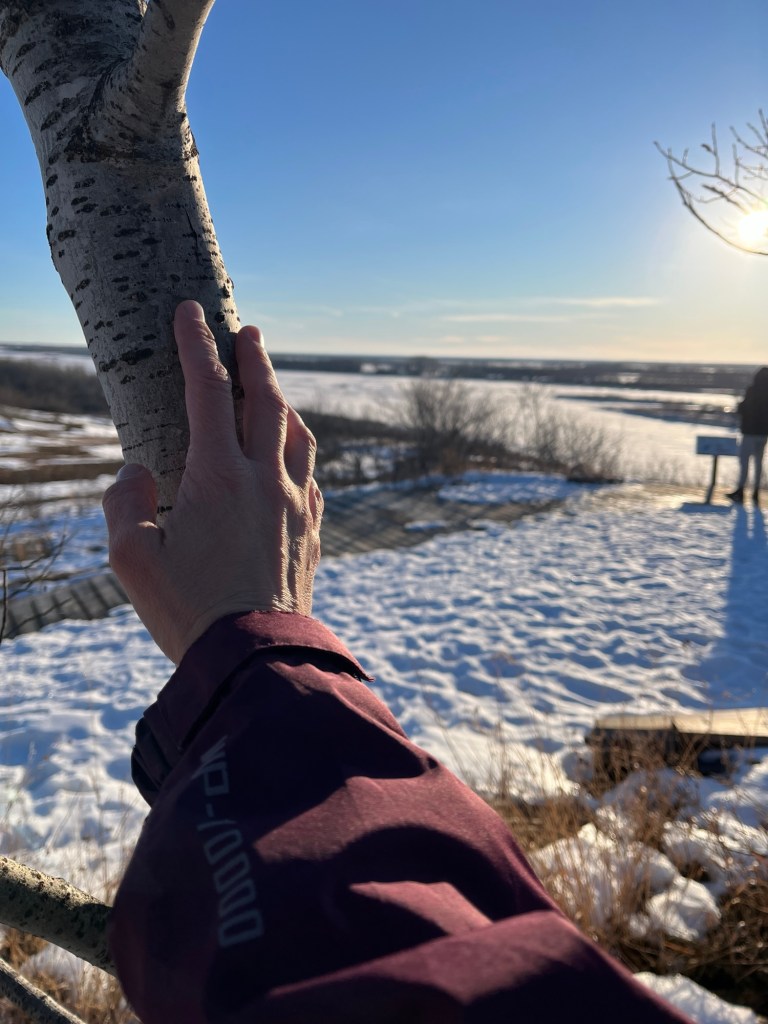
    • touch cold bark and notice grounding sensations

    Even 3–5 minutes helps reset your nervous system.

    3. Practice Breathwork with Nature

    Try the “tree breath”:

    Imagine your exhale traveling into the roots of a nearby tree. Slow, steady, grounding.

    4. Bring Nature Indoors

    Winter healing doesn’t require wilderness:

    • evergreen branches
    • natural scents (cedar, spruce, pine)
    • smooth stones
    • indoor plants
    • nature soundscapes

    Your parasympathetic system responds to cues of safety, not location. Are you ready to commit to this statement?👇🏼

    🌲 Cozy Winter Connections: Nature’s Embrace Awaits

    Here’s your winter-friendly, chronic pain safe list:

    🔥 1. Warm beverages as grounding tools

    Tea, broth, hot cider. Wrap your hands around warmth while practicing stillness.

    🧤 2. Layer with intention

    • Merino wool layers
    • Heated socks
    • Hand warmers
    • A thermos tucked in your coat

    Warmth = reduced pain and more parasympathetic access.

    🌲 3. Bring texture

    A soft scarf, wool blanket, or mittens can become sensory anchors.

     4. Choose wind sheltered routes

    Forest edges, dense evergreens, or local parks with natural windbreaks reduce the cold’s impact on pain.

    🌞 5. Use pockets of sun

    Even 5 minutes of winter sunlight boosts serotonin and eases the nervous system.

    🧘 6. Gentle seated practices. You don’t have to hike.

    Sit on an insulated pad, lean on a tree, and let your body settle.

    🌿 Healing from Within: Nature’s Cradle for Chronic Pain Relief

    Forest therapy doesn’t eliminate chronic pain, but it helps the body access what pain often steals:

    a state of rest, repair, and deep nervous system safety.

    When nature cues your parasympathetic system:

    • your muscles unclench
    • catastrophizing thoughts settle
    • your breath deepens
    • your pain becomes less sharp
    • your resilience grows.

    In this softened place, healing becomes possible again.

    When you do things from your soul, you have a river moving in you, a joy.

    -Rumi

    🌿 Winter Is Not the Enemy, Merely a Difficult Friendship

    “The trees may sleep, but they are never dead.” — Edwin Way Teale

    Winter offers these quiet, tender invitations:

    Slow down. Notice. Receive what nature offers.

    Even when life feels frozen, your healing can still flow beneath the surface.

    Your body is not failing you. It is waiting for safety.

    And the forest, still, patient and ancient, knows how to offer it.

    We are the granddaughters of the grandmas your reindeer couldn’t run over.

    We are resilient! We are strong! We are SISU!!!

    The Messy Middle: Finding Hope When Life Refuses to Be Tidy

    I am in the messy middle of my life.

    Not the beginning, when everything still feels like clay. Wet, moldable, brimming with possibility. And not the end, when threads have been tied off and stories are stitched into something you can finally make sense of. I’m here, in the thick of it. In the in between. Healing from chronic pain and somehow learning to live with chronic fatigue, trying to shape what might be next.

    Trying to find purpose in pain when the path ahead feels tender and unfinished.

    She cleared out all of her old ideas of things, until she could hear her own joy with almost no effort at all.

    -Sara Avant Stover, The Way of The Happy Woman

    As I have talked about previously on here. I had a hysterectomy after years of fighting hormones that felt like they were clawing their way through my insides. Endometriosis pain stretched across entire seasons of my life.

    And then there was my business. It was finally thriving, finally fun. Something my mom built with her hands and heart. But my body whispered then shouted then raged to get me to listen to its unmistakable limits.

    Even sitting at the piano. The place that once felt like oxygen became something my body could no longer hold. Notes I used to float through now feel heavy, unsteady, often impossible.

    Chronic pain doesn’t just take.

    It rearranges.

    It remodels.

    It forces you into corners you didn’t see coming.

    And here I am again, in this messy middle. Sorting out the parts of me that remain. Trying to decide what pieces go where, and to whom, and how much. Because there is only so much of me to go around.

    My days are short. My energy is rationed. I can’t just “get up earlier” or “push harder” or “stretch the day.” Those tricks don’t work in this body.

    I have learned, painfully, that pushing past limits costs me days, sometimes weeks, of recovery. I don’t slip gently into tired. I crash into a wall of pain with no warning and no buffer. There is no bouncing back.

    I don’t have a reserve tank anymore.

    I remember when I did.

    I remember using an entire day to make snacks and treats for my family, cleaning the house, bathing my littles, tucking them into bed.

    I remember being so tired, but feeling full. Like life had weight and meaning and movement. I loved looking at what I had accomplished.

    Now?

    I can get that same level of bone deep exhaustion from five minutes of washing the dishes.

    And that, sadly, is not an exaggeration.

    This isn’t “just midlife.”

    This is chronic pain. And chronic fatigue. And chronic limitation.

    But here’s the truth I’m holding onto-

    The messy middle is still a valuable place. A real place. A sacred place of hope. A place worth tending.

    And I’ve learned that healing isn’t found in the before or the after.

    It’s found right here.

    In the slow, intentional steps we take when life has to narrow down.

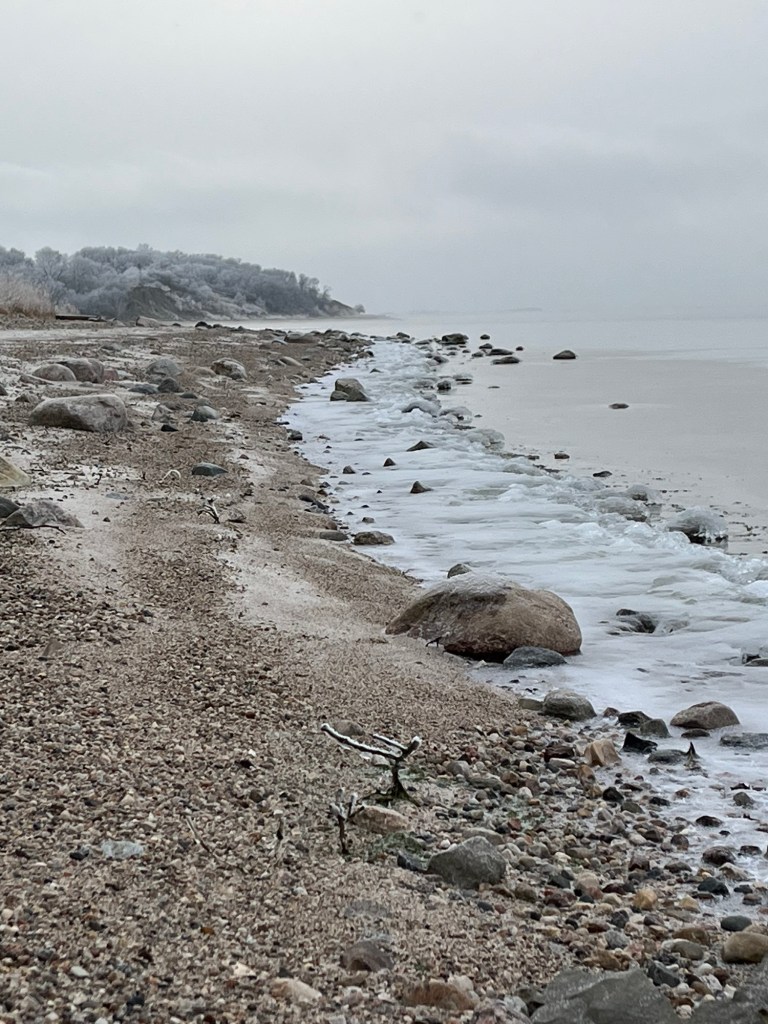
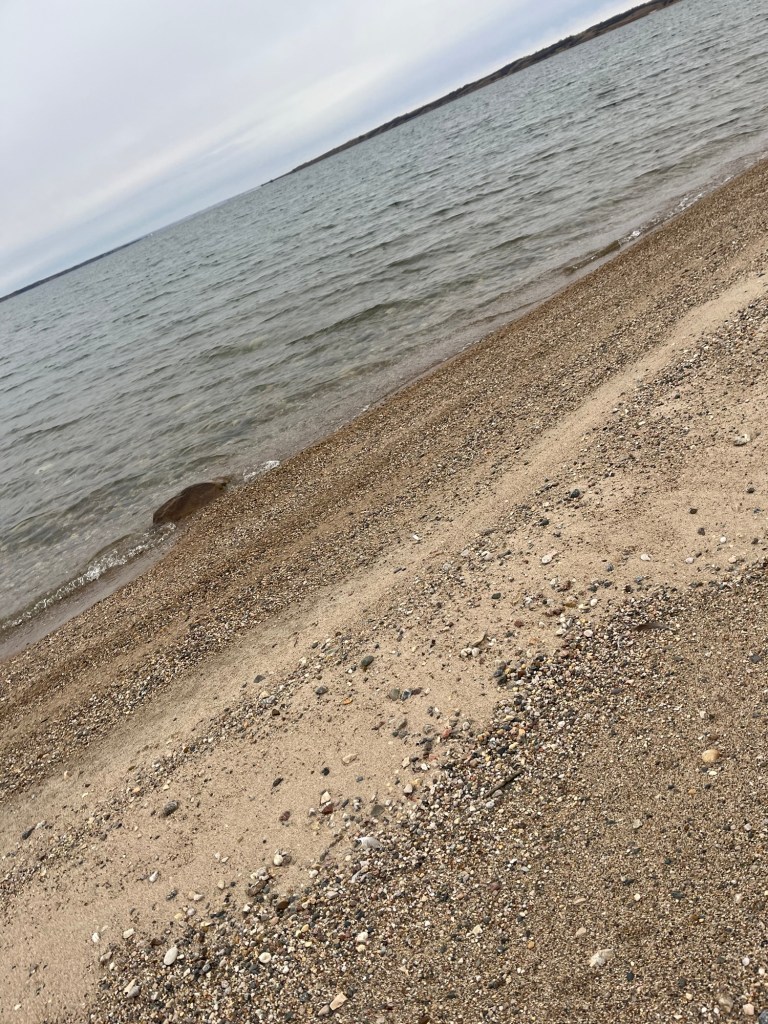
    I have never experienced walking on sand in my winter boots before. Weird!

    For me, one of those steps is forest therapy.

    Where Forest Therapy Meets Healing Journey

    In this season, forest therapy has become one of the few places where my body and my motivation find agreement.

    It isn’t hiking. It isn’t performance. It isn’t even about movement.

    It’s a return to your own breath. It is nature therapy in its gentlest form.

    A soft doorway into emotional healing, grounded presence, and quiet hope.

    A reclaiming of the parts of yourself that pain has tried to scatter.

    A gentle companionship in the places of life that feel undone.

    In the forest, I don’t have to be anything for anyone.

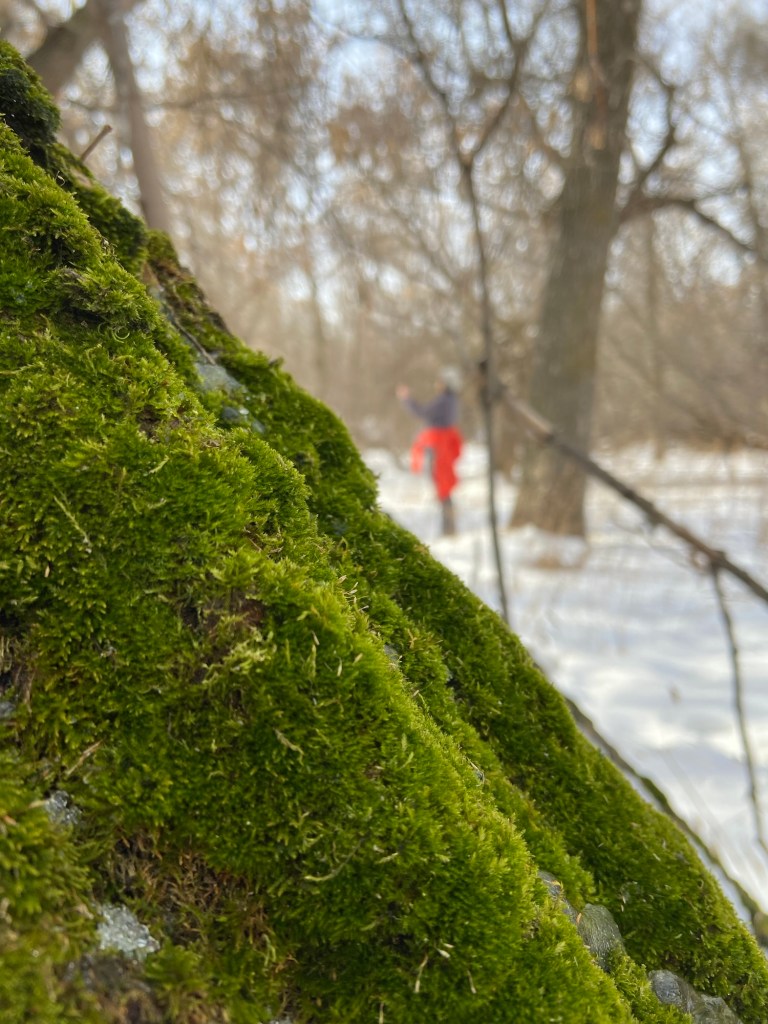
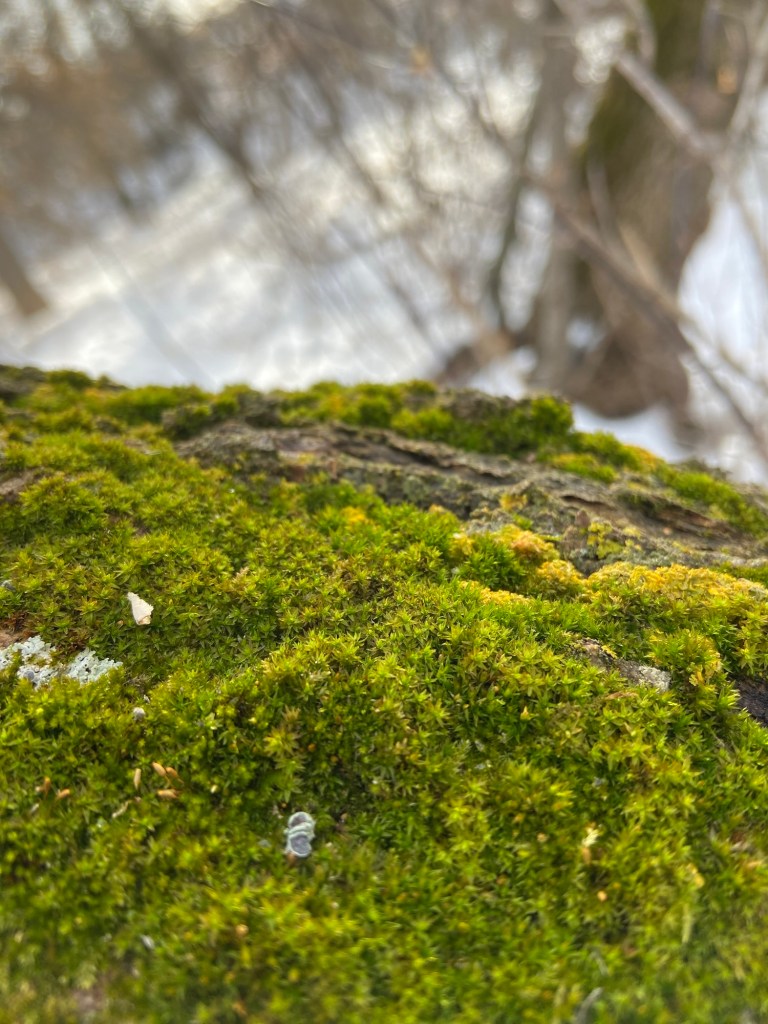
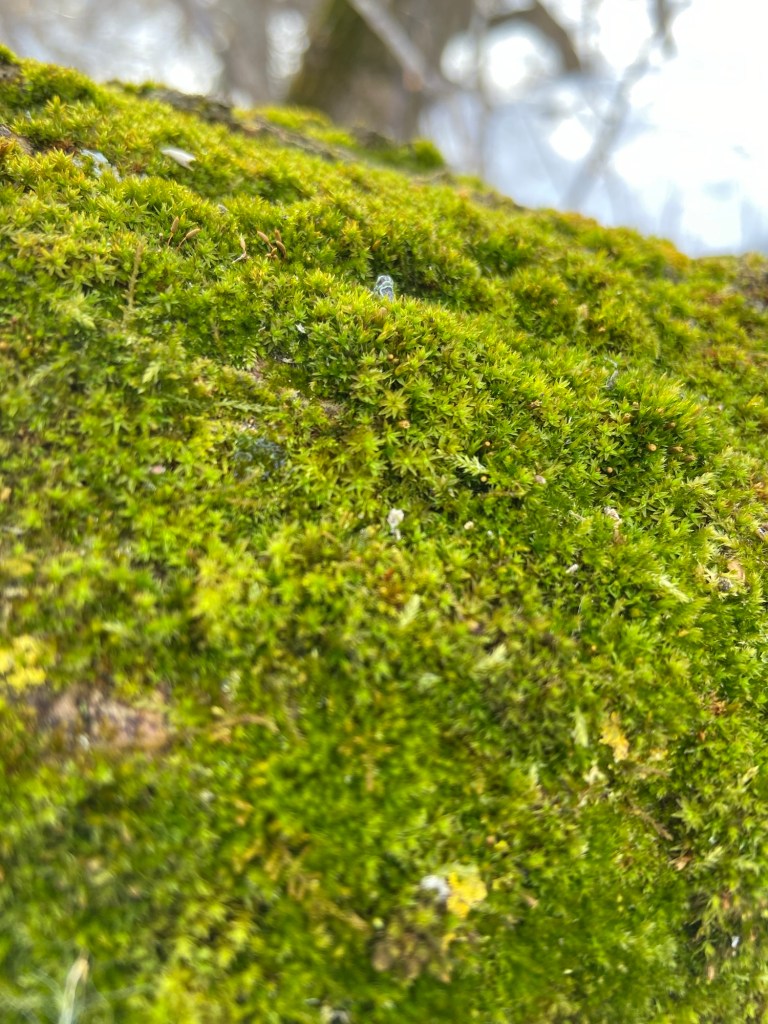
    The trees don’t ask me to push. The moss doesn’t question my intentions. The forest simply holds space.

    And in that space, I remember that even when life feels broken, I’m not.

    I think healing is like that.

    Quiet. Nonlinear. Messy.

    More felt than understood.

    And every time I enter the forest, I feel like I step onto a “ladder of hope.”

    The Ladder of Hope by me

    You climb it not in leaps
    But in breaths.
    You rise not by strength
    But by softness.
    The rungs are made of moments—
    A bird call,
    A sunbeam,
    A place to sit.
    And every rung you step on
    Whispers the same truth:
    You’re still rising.

    These are small moment that lift me enough to keep going. Not giant steps. Not perfect healing. Not having everything sorted.

    The middle is messy. But it’s also alive. It’s also becoming. It’s also sacred ground.

    And maybe, purpose isn’t something we chase.

    Perhaps it is something that can grow. Slowly, gently, sturdily. If we let it.

    “Hope” is the thing with feathers, that perches in the soul. And sings the tune without the words. And never stops— at all.

    -Emily Dickinson

    Wherever you find yourself today, whether you’re living your own messy middle or standing at the edge of it, may you find one small rung of hope. One quiet moment. One breath of space.

    Chronic pain has rerouted my life more times than I can count. It has taken me down roads I never meant to travel.

    It’s like my GPS is stuck on the back roads setting as I travel cross country. Not quite the way I’d planned. A lot bumpier. Requiring a slower pace. And focused attention. It is often lonely. And misunderstood.

    Sometimes a path calls for you to walk alone. And still, it is beautiful.

    -Angie Weiland- Crosby

    There are places where the forest tends us and our own breath begins to feel like a home again.

    Let the air touch your face. Let the light filter in.

    Climb one rung of your ladder of hope.

    Just one. This will look different for each one of us. Rightly so.

    We are still rising.

    And that matters.

    Winter, come rest your soul on autumn’s weary head. Twirl, shimmer, soften, before tucking fall into bed.

    -Angie Weiland-Crosby

    Finding Purpose and Beauty Amid Limitation: Healing Through Forest Therapy

    It was November- the month of crimson sunsets and parting birds, deep, sad hymns of the sea, passionate wind- songs in the pines. Anne roamed through the pineland alleys in the park and, as she said, let that great sweeping wind blow the fogs out of her soul.

    L.M. Montgomery

    When chronic pain changes how you move through the world, finding purpose can feel impossible. Discover how forest therapy helps you reconnect with beauty, peace, and meaning amid limitation.

    When the World Doesn’t Understand

    This week, I’ve run into that old ache of being misunderstood.

    A well-meaning friend said, “If someone is important, you find time to visit them.”

    Another person offered me a job, a kind gesture, but one that didn’t see what my body needs right now. Despite having had this conversation with her. Recently.

    I wanted to explain that my hours in a day are not the same as theirs. That every decision I make comes with the quiet calculation of energy, pain, and recovery. But I get tired of trying to convince people. That I have a nerve condition, that my life requires peace, that my healing depends on rest.

    So instead of explaining, I go where I don’t need to explain.

    To the forest.

    To the lake.

    To the soft company of trees who ask for nothing.

    Sophistication in Life’s Constraints

    There’s a strange grace in limitation. It strips away the noise. It forces you to listen closely to what truly matters.

    Silfira (noun)

    “silent fire” an inner quiet confidence that doesn’t need to be loud to be powerful

    In chronic pain, the world becomes smaller. But sometimes that’s where beauty hides. The simple act of breathing deeply, the sound of wind in pine branches, the reflection of light on water. These moments remind me that purpose doesn’t disappear when your capacity does. It shifts.

    Sometimes you have to let go of the picture of what you thought life would be like & learn to find joy in the story you are actually living.

    Rachel Marie Martin

    Every visit to the woods rewires something inside me. It doesn’t erase pain, but it helps me hold it differently, with more compassion, less resistance.

    Revitalize Your Soul: The Healing Power of Forest Therapy

    In November the trees are standing all sticks and bones. Without their leaves, how lovely they are, spreading their arms like dancers.

    -Cynthia Rylant, In November

    Forest therapy, or shinrin-yoku, the Japanese practice of “forest bathing”, invites us to slow down and let the natural world do what it’s always done: heal.

    When I walk among the trees, I don’t have to perform or explain. I can simply be. The forest doesn’t need me to be productive. It asks only that I show up, open, present, and willing to listen.

    Science continues to affirm what our bodies already know. Time in nature lowers cortisol, reduces pain perception, and restores emotional balance. For those of us living with chronic illness, that’s not a luxury, it’s medicine.

    Unleashing True Intent

    Purpose used to look like productivity, working, helping, showing up for everyone else. Now, it looks like protecting my peace.

    It looks like saying no when my body whispers, rest.

    It looks like walking slowly among through the trees and realizing that healing is still a form of doing.

    Living with chronic pain doesn’t mean my life is smaller. It means my purpose has changed shape, quieter, more deliberate, rooted in stillness.

    But I am still connected with society. The kindergarten rules that apply to everyone else still apply to me. It just looks a little different. How do these rules apply to you?

    1. Share everything
    2. Play fair
    3. Clean up your own mess
    4. Say you’re sorry when you hurt somebody
    5. Don’t take things that aren’t yours
    6. Put things back where you found them
    7. Flush
    8. When you go out in the world, watch out for traffic
    9. Hold hands and stick together
    10. Be aware of wonder

    And it is this final rule that I want focus on now.

    Discovering Hidden Beauty in Your Everyday Surroundings

    This is my life. And I can either accept it and find joy in every day, or I can let it ruin me.

    -Unknown

    Not every day feels beautiful. Some days, it takes effort to see beyond the ache. But the forest teaches patience. It reminds me that seasons change. That even the barest branch carries life within it.
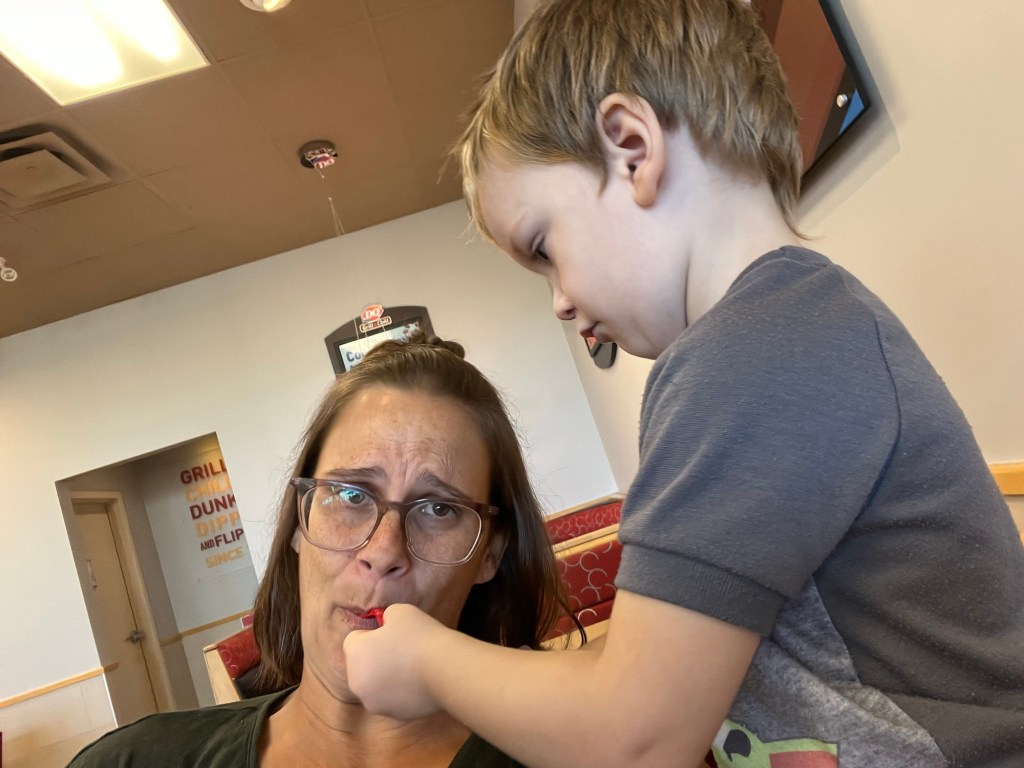
    I learned to know the love of bare November days.

    Robert Frost

    Healing isn’t a straight path; it’s a spiral. And every time I return to the forest, I find another piece of myself waiting there grounded, calm, and whole enough to keep going.

    Dancing with Discomfort

    If you, too, are learning to live inside limitation, may you know this: your life is still rich with purpose.

    You are not falling behind.

    You are not invisible.

    You are simply living at the rhythm your body requires.

    Step outside. Breathe the air that has touched leaves and sky. Let the forest hold what words cannot.

    Because sometimes the most powerful healing happens not when we push harder, but when we finally allow ourselves to be held by something greater.

    Please never forget how brave it is to continue to show up in a story that looks so different than what you thought it’d be.

    Liz Newman

    Finding Calm in Fibromyalgia: The Power of Forest Therapy

    fibromyalgia- noun, the feeling of being run over by a bus, dipped into a bucket of acid, and repeatedly thrown off a cliff without any physical evidence

    So fibromyalgia,

    This tale began long before the word fibromyalgia ever entered the room.

    Before the angry bees. Before the heat waves. Before the exhaustion that made my bones hum.

    Back then, my body was already waving a white flag.

    Endometriosis had long been the ringleader of chaos, and hypermobility joined the act with its own flair for the dramatic. My hormones seemed to operate on a “scorched-earth” policy, every cycle left me depleted in every possible way: physically, mentally, spiritually, energetically.

    So, after years of living in that internal thunderstorm, I made the decision to have a hysterectomy. It felt like clearing the undergrowth and removing what was fueling the fires, hoping sunlight could finally reach the forest floor. The surgery did bring relief. No more monthly hormonal hurricanes, no more monthly pain to the degree it pulled joints out of place. In this body that closely resembles a badly fastened tent in a windstorm.

    But when the dust settled, I was left with a forest that had already burned.

    Attending to the Aftermath: When Your Body Refuses to Cooperate

    Recovery was supposed to be a time of healing, but my body apparently missed that memo. Surgery, anesthesia, medications, they left their residue. And to top it off, I woke up to find I’d been dropped unceremoniously into menopause.

    My body and I have had a complicated relationship, but menopause turned it into a full-on standoff. Hormone therapy was off the table after one tiny patch sent my muscles on an extended vacation. No postcard, no warning, just gone 👋🏼.

    So I turned to holistic treatments. Some soothed the edges, helped me sleep, softened the emotional rage that had been living rent-free in my chest. But nothing touched the furnace within. Every thirty minutes, like clockwork, my body would light up with that internal combustion that seems to come from the bowels of Hell itself. Heart racing. Skin buzzing. Brain short-circuiting.

    Then came the chills. The kind that made you question every life choice that led to this point.

    This cycle of heat, sweat, freeze, repeat, went on for a year. Every. Half. Hour.

    But also this 👇🏼

    It’s hard to heal when your body never stops sounding the alarm.

    Tuirse

    (Irish/gaelic) a deep sense of tiredness, weariness or fatigue that can refer to both physical and emotional or spiritual exhaustion. Soul- level weariness, melancholy, or the emotional heaviness of enduring life’s struggles. (gaeilgeoir.ai)

    Buzzed and Bothered Bees

    Fibromyalgia had been sitting quietly on my medical chart for years. Alongside its equally mysterious companion, Myalgic Encephalomyelitis. I used to think they were just polite placeholders for the doctors to say 🤷🏼‍♀️🤷🏼‍♂️ “we don’t actually think you have anything.”

    But after the hysterectomy, I learned what they really meant.

    It started in my forearms, this sharp tingling that grew into what I now call the angry bees. I picked that up from somewhere. That’s not my analogy.

    A swarm of bees that lives under my skin, buzzing, burning, twitching. Eventually, the bees migrated up my arms, into my neck, sometimes triggering migraines that feel like the entire hive moved into my skull.

    I’ve come to learn the bees are mood-driven. They thrive on stress and pain but mellow out in sunshine and rest. On a good day, when my toes are buried in natural elements, the bees hum instead of sting.

    Fibromyalgia is like that. Unpredictable, wild, and buzzing with sensations that don’t make sense but demand attention.

    Contemplating my Clearing

    Somewhere in all of that chaos, I found forest therapy.

    It didn’t happen with a grand epiphany. It started with a slow walk. A quiet pause. A breath that finally reached the bottom of my lungs.

    I began to notice how the forest holds its own balance. Even when trees are damaged as storms tear through, life finds a way to reorganize itself. The underbrush grows back differently. Sometimes softer, sometimes stronger, always intentional.
    So I began to clear my own underbrush. The overgrown “shoulds.” The tangles of perfectionism. The toxic patterns that had wrapped themselves around my worth.

    As the poet John O’Donohue wrote,

    When the mind is festering with trouble or the heart torn, we can find healing among the silence of mountains or fields, or listen to the simple, steadying rhythm or waves.

    In the woods, I let myself unravel a little. My body could buzz, twitch, and ache but surrounded by green, the bees didn’t seem so angry. The forest became a mirror, showing me that healing isn’t about erasing pain, it’s about learning to live among it, gently.
    The Healing Continues…

    “The forest is not merely an expression or representation of sacredness, nor a place to invoke the sacred; the forest is sacredness itself.” – Richard Nelson

    The bees still visit. The heat still flares. The fatigue still sneaks up like fog rolling in uninvited.
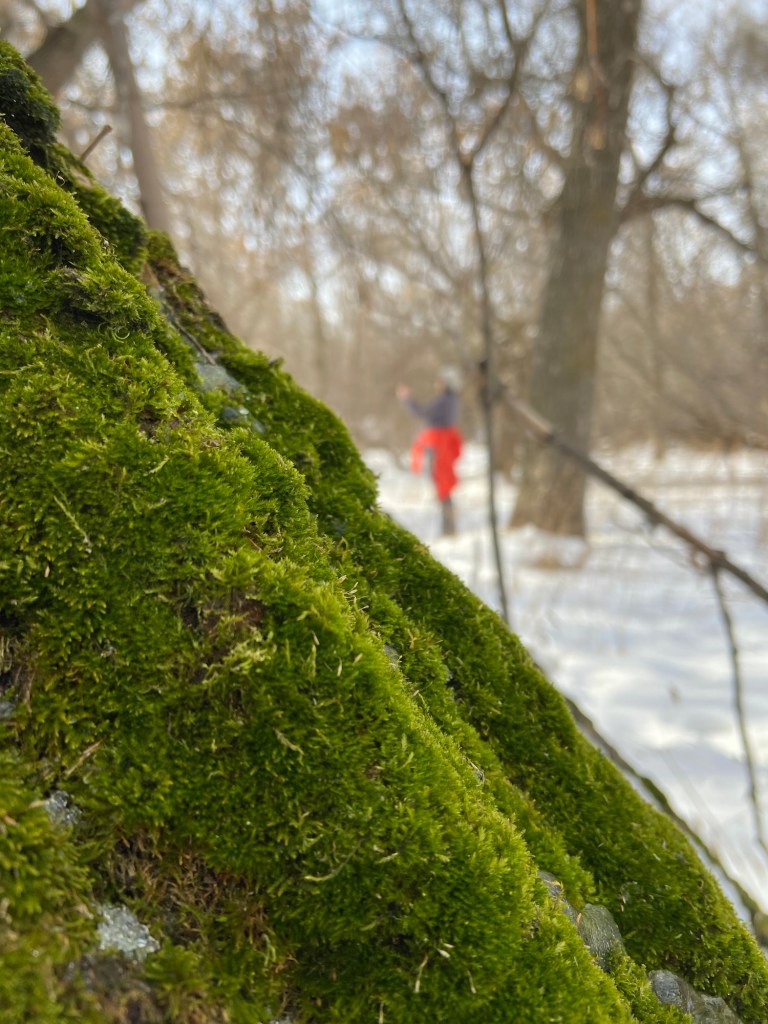
    But now, I have a clearing to return to. A place both within and around me, where my nervous system can remember what calm feels like.

    Fibromyalgia taught me that healing isn’t a straight path. It’s more like a winding forest trail that keeps surprising you. Some days you stumble. Some days you sit on a log and cry. And some days—miraculously—you dance with the bees instead of fighting them.

    So I keep walking. Slowly. Barefoot when I can. Listening for birdsong between the buzzing.

    And when I feel the swarm rising, I head for the trees asap.

    Because out there, among the whispering leaves and mossy ground, my body remembers what peace feels like. Even if just for a breath.

    I pray this winter be gentle and kind- a season of rest from the wheel of the mind.
    -John Geddes